


Cupnoodles Museum
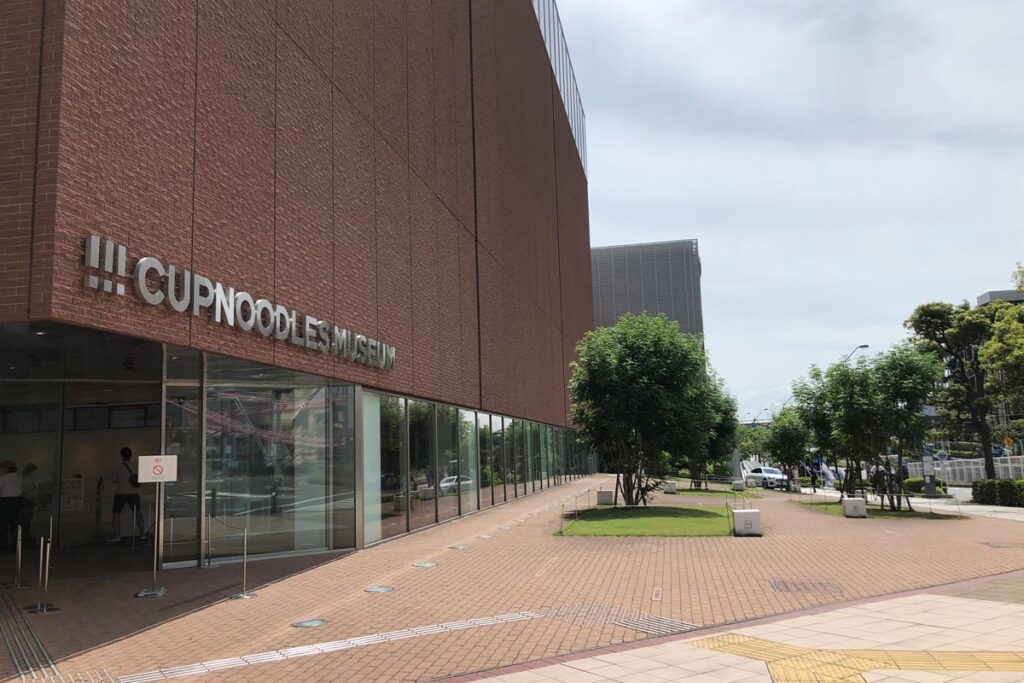
Cupnoodles Museum Japan: Playful Ramen History in Yokohama
Photos are for illustrative purposes only.
Few foods feel as universally familiar as instant ramen. In Japan, that humble cup of noodles gets the full museum treatment at the Cupnoodles Museum in Yokohama, a playful, hands-on attraction that turns a quick meal into an inspiring story of invention, creativity, and curiosity.
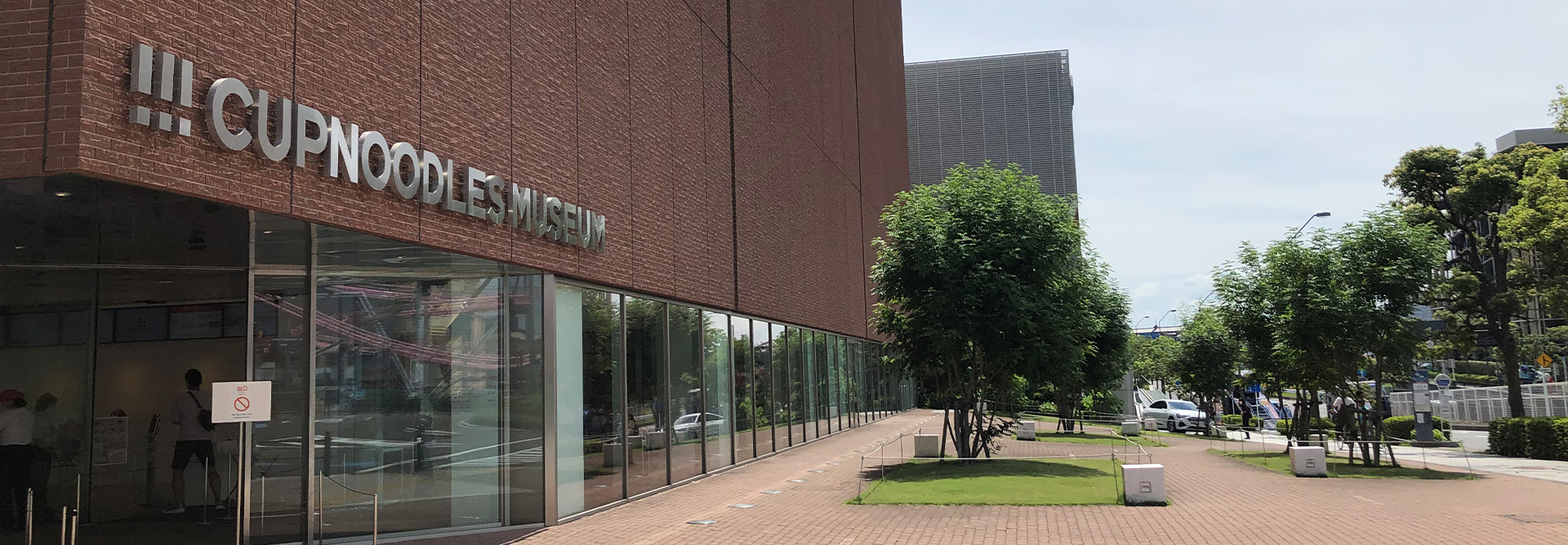
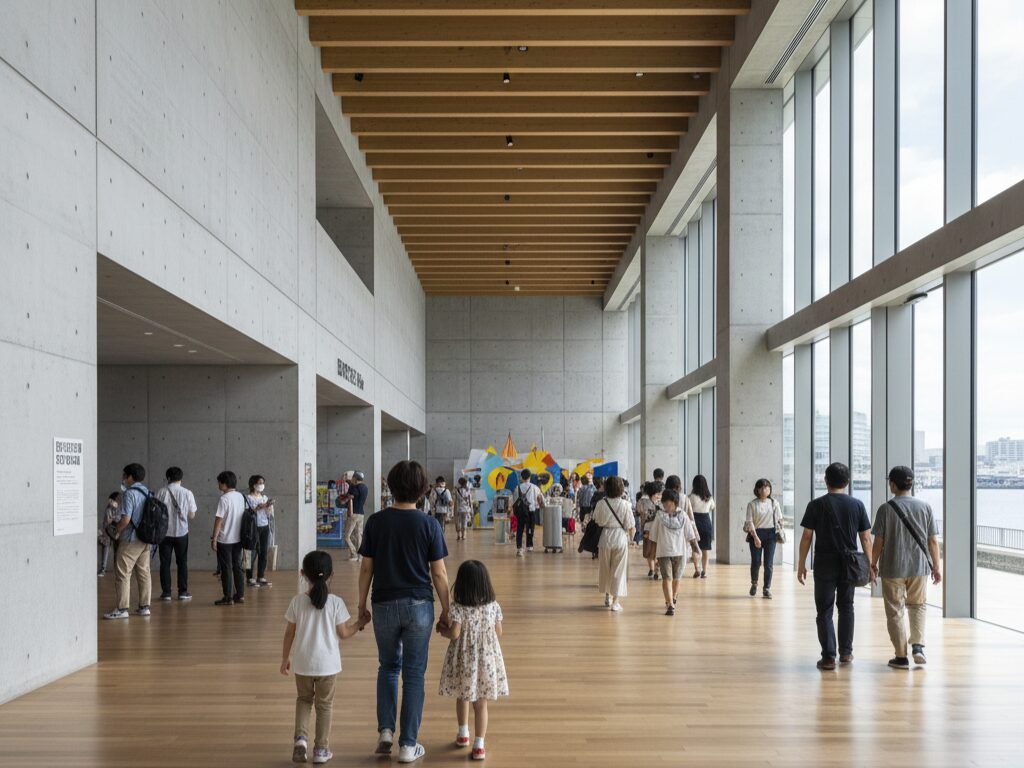
Designed by world‑famous architect Tadao Ando, the museum is bright, airy, and surprisingly stylish, with exhibitions that feel more like a modern art gallery than a traditional museum. For first-time visitors to Japan, it is an easy and entertaining way to peek into everyday Japanese culture, especially food culture, with plenty of activities that do not require Japanese language skills.
Where Is the Cupnoodles Museum?
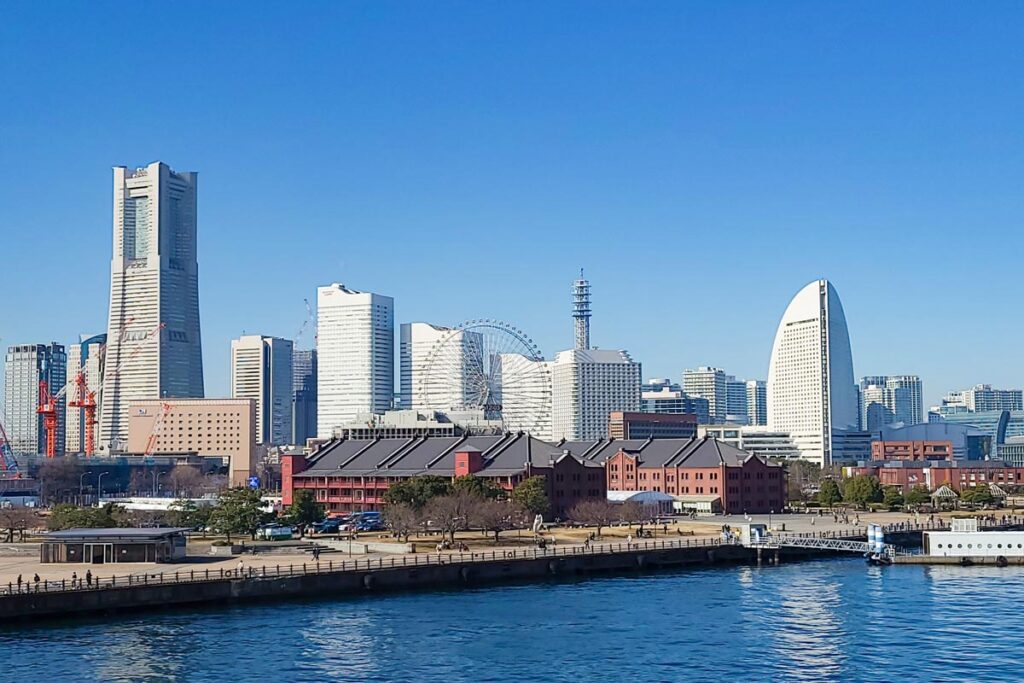
The Cupnoodles Museum (officially “Cupnoodles Museum Yokohama”) is located in the Minato Mirai waterfront district of Yokohama, just south of Tokyo. The area is a popular seaside leisure zone with shopping malls, an amusement park, and scenic harbor views, so you can easily combine the museum with other sightseeing.
Yokohama is Japan’s second-largest city and a classic day-trip destination from Tokyo. Trains between central Tokyo and Yokohama run frequently and the ride usually takes around 30–40 minutes, depending on your starting point.
How to Get There from Tokyo
From Tokyo Station:
- Take the JR Tokaido Line or JR Keihin-Tohoku Line to Yokohama Station (about 25–30 minutes).
- From Yokohama Station, transfer to the Minatomirai Line and ride to Minatomirai Station or Bashamichi Station (about 5 minutes).
- From either station, the museum is roughly a 5–10 minute walk, well signposted in English.
From Shinjuku or Shibuya:
- Use the JR Shonan-Shinjuku Line from Shinjuku or JR Shonan-Shinjuku / Yokosuka Line from Shibuya to Yokohama Station, then transfer to the Minatomirai Line as above.
Most routes are compatible with Japan Rail Pass until Yokohama Station, though the short Minatomirai Line section is a private railway and not covered. You can simply tap through the gates with an IC card such as Suica, Pasmo, or ICOCA.
Planning Your Visit
The Cupnoodles Museum is designed to be easy and welcoming for international visitors. Most signage includes English, and staff are used to helping overseas travelers. It’s especially popular with families, couples, and school groups, so expect a lively atmosphere rather than a quiet gallery.
Opening Hours and Tickets
Typical opening hours are late morning to early evening, with the museum closed on some weekdays and around New Year. Hours can vary by season, so always check the latest information before you go.
Entry requires a modest admission fee, with additional charges for certain hands-on activities like the My Cupnoodles Factory and the Chicken Ramen Factory (a guided cooking workshop). Children usually receive discounted rates. You can normally buy tickets on the day at the museum entrance, but reservations may be required for specific workshops, especially on weekends and holidays.
Who Will Enjoy the Cupnoodles Museum?
- First-time visitors to Japan looking for a light, fun introduction to Japanese food culture.
- Families with children—there are interactive exhibits, play spaces, and creative design activities.
- Ramen and food lovers who want to see how instant noodles were invented and evolved.
- Design and innovation enthusiasts interested in product design, branding, and creativity.
Expect to spend roughly 2–3 hours at the museum if you join at least one activity. Longer if you take time in the food court and gift shop.
Who Was Momofuku Ando? The Man Behind the Noodles
At the heart of the Cupnoodles Museum is the story of Momofuku Ando, the Taiwanese-Japanese inventor who created instant noodles in 1958 and, later, Cup Noodles in 1971. His life story is used throughout the museum to illustrate Japanese values of persistence, ingenuity, and the belief that one person’s idea can change everyday life.
After World War II, Japan faced food shortages and long bread lines. Ando envisioned an affordable, easy-to-cook meal using familiar Japanese flavors—ramen. He experimented for months in a tiny backyard shed, eventually discovering that flash-frying noodles in oil removed moisture, allowing them to be preserved and quickly rehydrated with hot water.
More than a quirky tale, Ando’s journey captures a wider theme in modern Japan: turning practical needs into globally influential innovations. His mottoes, often displayed at the museum, emphasize creativity, never giving up, and thinking from the consumer’s perspective—ideas echoed in many Japanese industries, from electronics to fashion.
Highlights Inside the Cupnoodles Museum
Instant Noodles History Cube
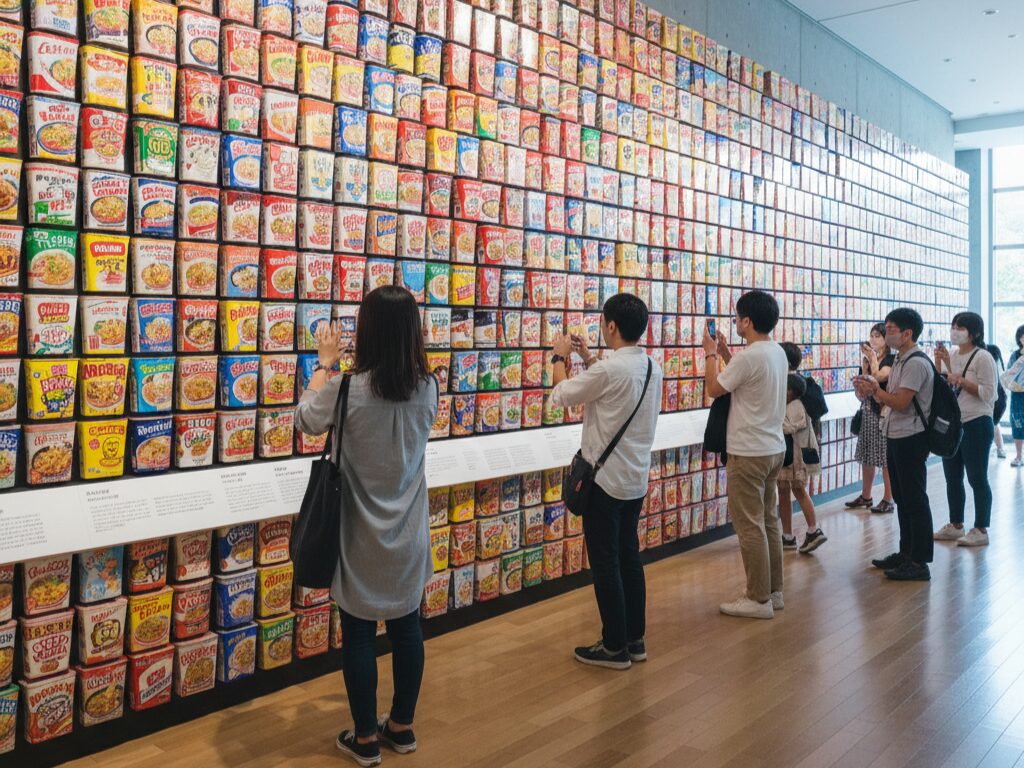
One of the most photographed sections is a wall of more than 3,000 colorful instant noodle packages, arranged in neat rows like a rainbow of convenience-store history. From the original Chicken Ramen to limited-edition regional flavors and international varieties, the display shows how a simple invention spread worldwide and continuously reinvented itself.
This exhibit is a reminder of how deeply instant noodles are woven into daily life in Japan: as a quick meal during busy workdays, late-night student snack, or comfort food when traveling. For visitors, it is also a playful survey of Japanese pop culture, package design, and marketing over the decades.
Momofuku Ando’s Work Shed
A life-size replica of Ando’s tiny research shed recreates the cramped space where instant noodles were born. The recreated shelves, oil pots, and improvised tools let you imagine him working late into the night, trying method after method until he finally succeeded.
Audio and video displays (with English options) tell the story in an accessible way, focusing not on technical detail but on the spirit of trial and error. It is an engaging stop for older children and adults alike, and a nice reminder that world-changing ideas do not always start in high-tech laboratories.
Interactive Exhibits and Theatre
Throughout the museum, multimedia exhibits explain how Cup Noodles are made, packed, and transported around the world. Short films, animations, and hands-on displays keep the tone light and approachable.
There is usually a small theatre showing a movie about Momofuku Ando and the development of instant noodles. Even if you do not understand Japanese perfectly, the visuals and basic English explanations give you the key messages: curiosity, perseverance, and creative problem-solving.
Make Your Own Cup Noodles
The most famous activity is the My Cupnoodles Factory, where you can design your own unique cup of noodles to take home. It is fun, affordable, and suitable for almost all ages, which means it can be busy—be prepared for some waiting time on weekends and holidays.
How the My Cupnoodles Factory Works
- Purchase an empty cup from the vending machines in the activity area. The price is fixed per cup.
- Decorate your cup using colorful markers. Many visitors draw their country flags, names, or cartoon characters. This step is surprisingly fun and makes for great photos.
- Choose your soup flavor and toppings. Staff will fill your cup with dried noodles and you select one soup base (such as classic soy, seafood, curry, or limited flavors) and several toppings from a range that can include vegetables, meat, egg, cheese, or more playful options.
- Watch the sealing process. The cup is sealed with a lid, wrapped in plastic film, and shrunk using warm air, just like a real product on the factory line.
- Carry it home in an inflatable bag. The museum gives you a clear inflatable bag to protect the cup. Many visitors wear it around the neck as a quirky fashion accessory for the rest of the day.
Even without speaking Japanese, the process is easy: each station has clear diagrams, and staff guide you step by step.
Chicken Ramen Factory: Hands-On Cooking
For a deeper dive, the Chicken Ramen Factory offers a more involved workshop where you make noodles from scratch—kneading the dough, stretching it, and cutting it into strands before it is prepared for instant cooking.
This activity requires advance reservation and takes longer than the My Cupnoodles Factory, but it is especially rewarding for visitors curious about the actual food science behind instant noodles. Hair nets and aprons are provided, and staff lead you through each stage. There may be time slots dedicated to children and to mixed-age groups; check in advance and book early if the workshop is a priority for your visit.
Noodle Bazaar: World Noodles in One Place
Inside the museum you will find the Noodle Bazaar (or similarly named food area), a food court styled like an Asian night market. Lanterns, stalls, and background sounds recreate the feel of street food scenes from different countries.
The focus here is on noodles from around the world: you can usually sample small bowls inspired by dishes such as Thai tom yum, Italian pasta, Malaysian laksa, Chinese beef noodles, and more. Portion sizes are intentionally small so you can try several types in one visit. This is a good option for lunch or a late afternoon snack, and a nice way to experience how a simple noodle dish changes from culture to culture.
Note that while there are often a few vegetarian-friendly options, most broths are meat-based or seafood-based. If you have strict dietary restrictions, ask staff or check the posted ingredient information carefully.
Family-Friendly Features
The Cupnoodles Museum is particularly friendly for children and multi-generational groups. Alongside the main exhibitions, you may find dedicated kids’ play areas themed around noodles and invention, with climbing structures, interactive games, and colorful displays. These are generally designed for younger children, and socks may be required in some play zones.
Strollers are allowed in most areas, and there are elevators between floors. Restrooms are clean and well maintained, with baby changing facilities. Free or low-cost lockers are sometimes available near the entrance so you can store bags while you explore.
Practical Tips for First-Time Visitors
Language and Signage
Explanations for the main exhibits are available in Japanese and English, often with simple graphics that make the content easy to follow. Many staff members can communicate basic English, and the activities are intuitive even if you only know a few Japanese phrases.
Best Time to Visit
Weekdays outside of Japanese school holidays tend to be quieter. Weekends, national holidays, and long school breaks (especially around late July–August and late March–early April) can be crowded with families and student groups. If visiting on a busy day, arrive close to opening time and secure spots for your preferred activities first.
Accessibility
The building is relatively modern and generally accessible, with elevators and step-free routes between main exhibition areas. If you or someone in your group uses a wheelchair or mobility aid, staff can assist with the best routes through the museum.
Photography and Souvenirs
Photography is allowed in most parts of the museum, especially at the Instant Noodles History Cube and inside the My Cupnoodles Factory area. As always in Japan, be respectful of other visitors and avoid blocking pathways for extended photo sessions.
The museum shop sells exclusive items such as Cup Noodles-branded stationery, miniatures, themed towels, and limited-edition flavours or sets. These make practical, compact souvenirs that travel easily in luggage. Your personalized cup from the My Cupnoodles Factory is also a memorable gift—just be careful not to crush it in transit.
Combining the Museum with a Yokohama Day Trip
Because the Cupnoodles Museum sits in the Minato Mirai area, it is easy to combine it with other nearby attractions for a full day out from Tokyo.
- Yokohama Cosmo World: A small amusement park with a Ferris wheel offering great harbor views.
- Yamashita Park: A waterfront park ideal for a leisurely walk before sunset.
- Yokohama Chinatown: One of the largest Chinatowns in the world, packed with restaurants, snack stalls, and shops.
- Red Brick Warehouse: Reconverted brick warehouses now home to boutiques, cafes, and seasonal events.
Plan to spend half a day at the Cupnoodles Museum and nearby Minato Mirai, then move on to Chinatown or the Red Brick Warehouse area for dinner and evening views before returning to Tokyo.
Why the Cupnoodles Museum Belongs on Your Japan Itinerary
Japan is famous for temples, shrines, and traditional arts, but attractions like the Cupnoodles Museum reveal another side of the country—one that celebrates modern creativity, everyday life, and the playfulness hidden in something as simple as a cup of instant noodles.
For first-time international visitors, it offers a low-pressure, language-friendly experience, full of hands-on fun and photo opportunities. You will leave with a better understanding of Japanese food culture, a new respect for an iconic global snack, and perhaps a personalized cup of ramen that encapsulates your trip.
Whether you are traveling with children, exploring as a couple, or visiting solo, the Cupnoodles Museum in Yokohama is a warm, quirky, and surprisingly inspiring stop that fits easily into any Tokyo-area itinerary.
Access Map
Recommended spots in Kanagawa
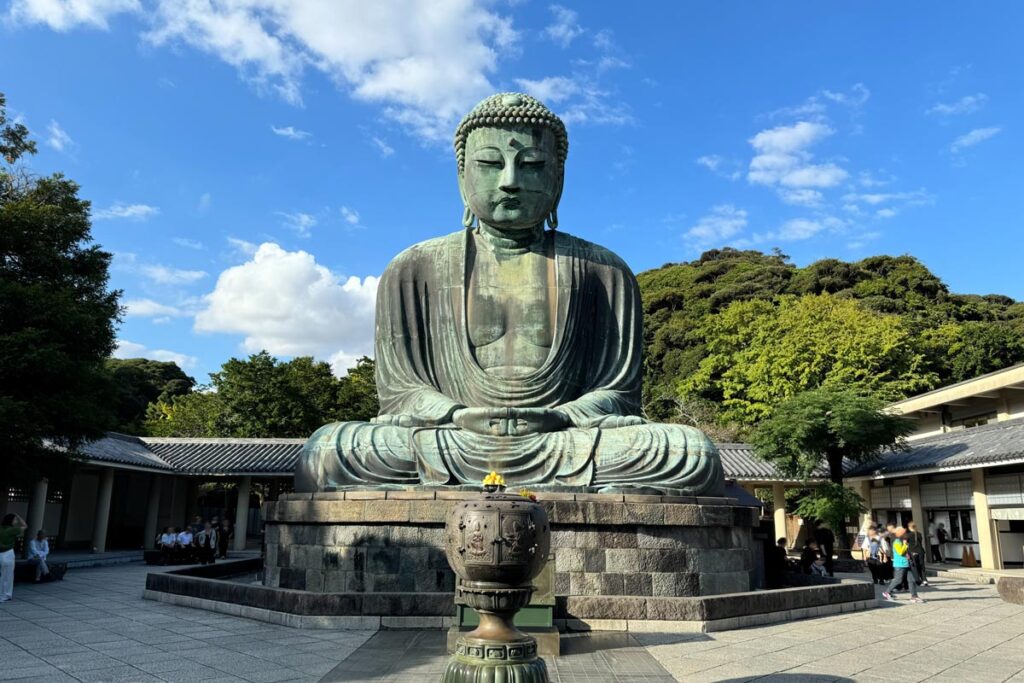
Great Buddha of Kamakura
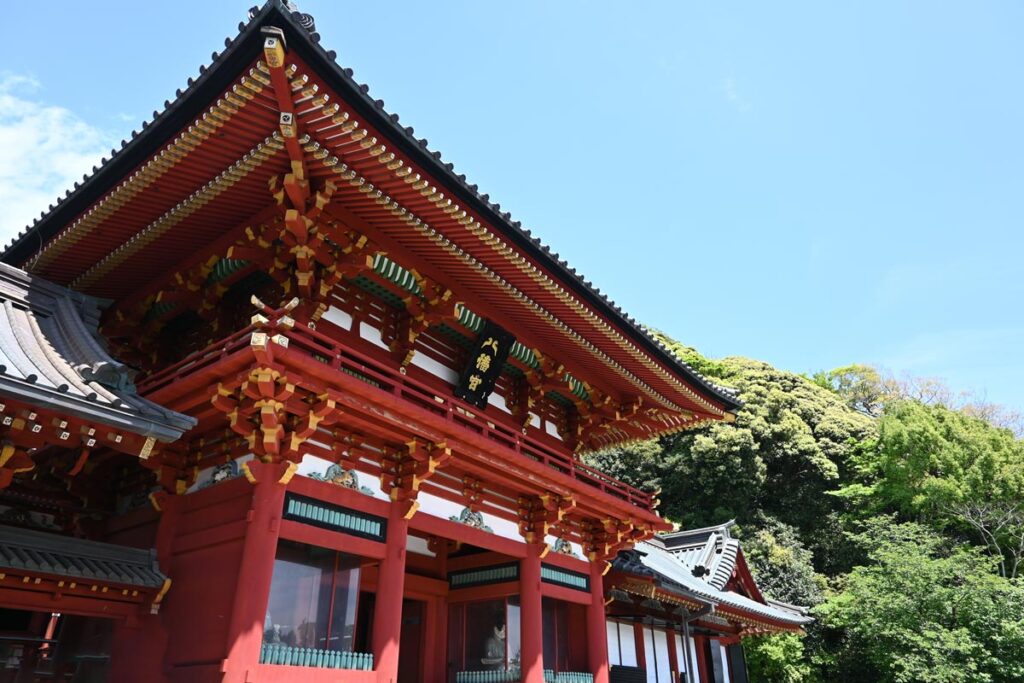
Tsurugaoka Hachimangu Shrine

Enoshima Area
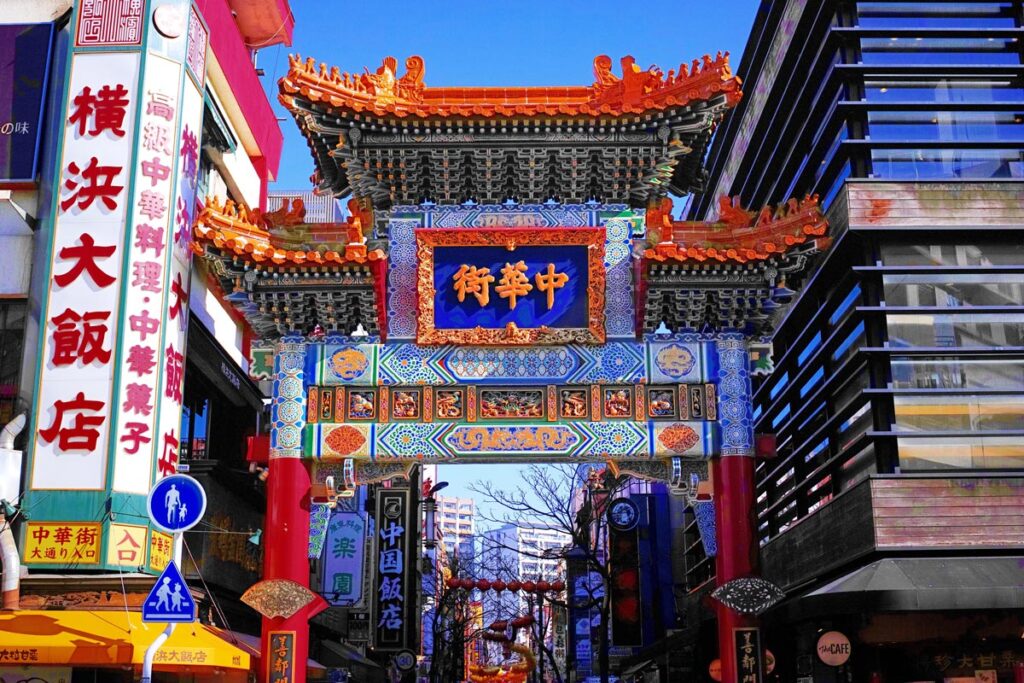
Chinatown Yokohama
Yokohama Red Brick Warehouse

Yokohama Landmark Tower & Sky Garden
Cupnoodles Museum
Top destinations in Kanto Region
Tochigi
Saitama