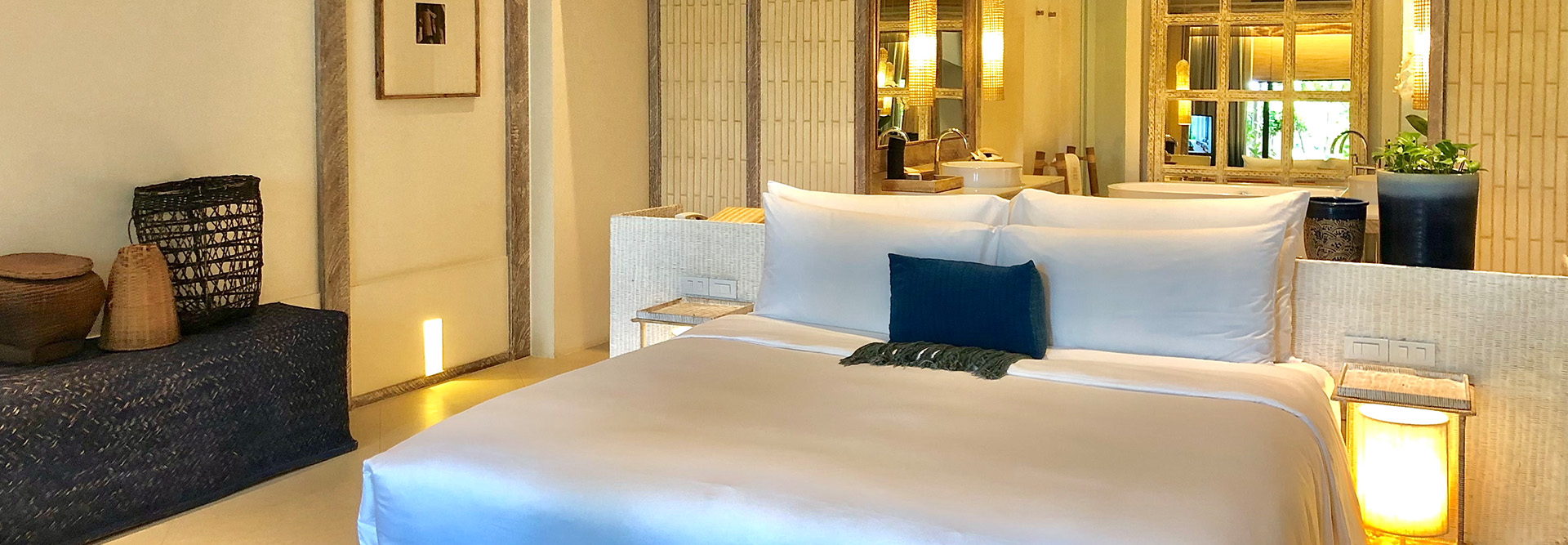
Deluxe Hotels
Deluxe Hotels in Japan: A First‑Timer’s Guide to Staying in Style
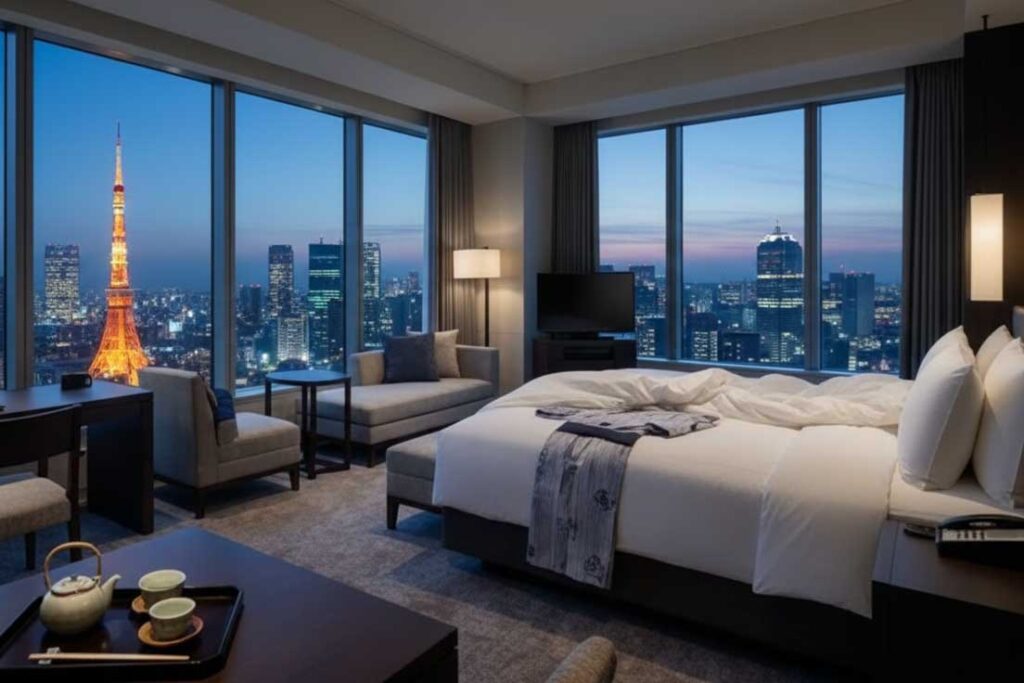
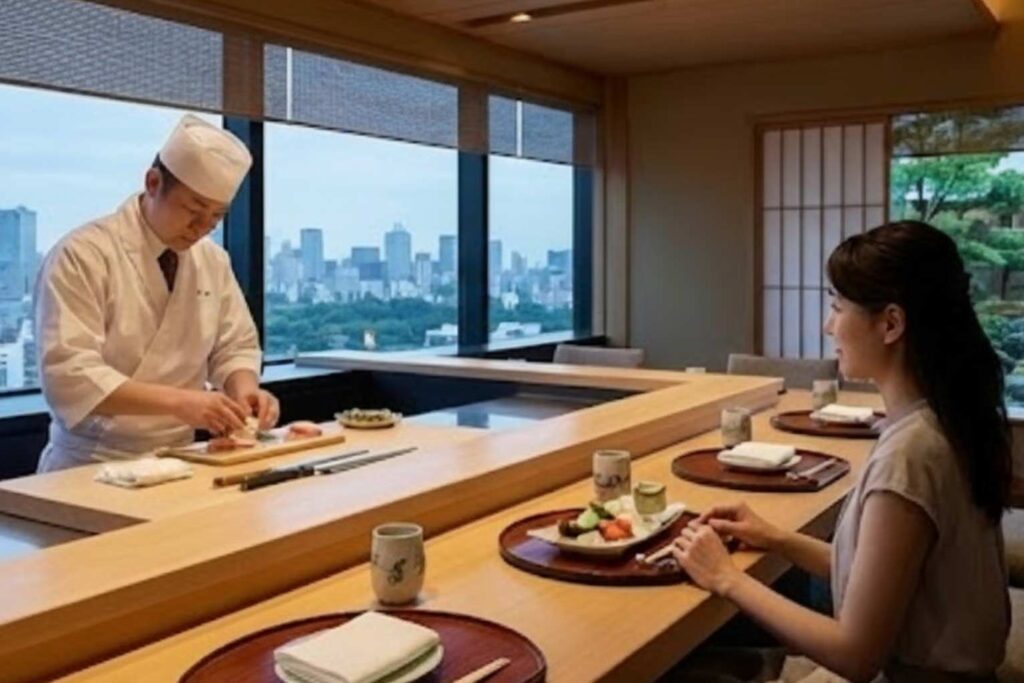
Japan does luxury hospitality differently. It is not just about marble lobbies and skyline views, but about precision, calm, and a quiet sense of care that begins the moment you step through the door. If you are visiting Japan for the first time and want your hotel to be more than a place to sleep, deluxe hotels are one of the easiest ways to experience the country’s famed omotenashi – heartfelt hospitality.
This guide explains how deluxe hotels in Japan work, what makes them unique, and how to choose the right stay in Tokyo, Kyoto, Osaka and beyond.
What “Deluxe Hotel” Means in Japan
In Japan, a deluxe hotel usually combines international‑standard comfort with refined Japanese service. Think five‑star or upper four‑star properties: grand city hotels in skyscrapers, chic design hotels in trendy districts, and tranquil resorts with hot springs and gardens.
Most deluxe hotels in Japan share a few key features:
- Exceptional service: Staff anticipate needs before you ask, from arranging luggage transfers to remembering how you take your coffee.
- Prime locations: Direct access to major train stations, business districts, shopping areas, or famous sightseeing neighborhoods.
- Spacious rooms (by Japanese standards): Larger than typical business hotels, often with seating areas and big windows.
- On‑site dining: High‑end Japanese and international restaurants, afternoon tea lounges, and stylish bars.
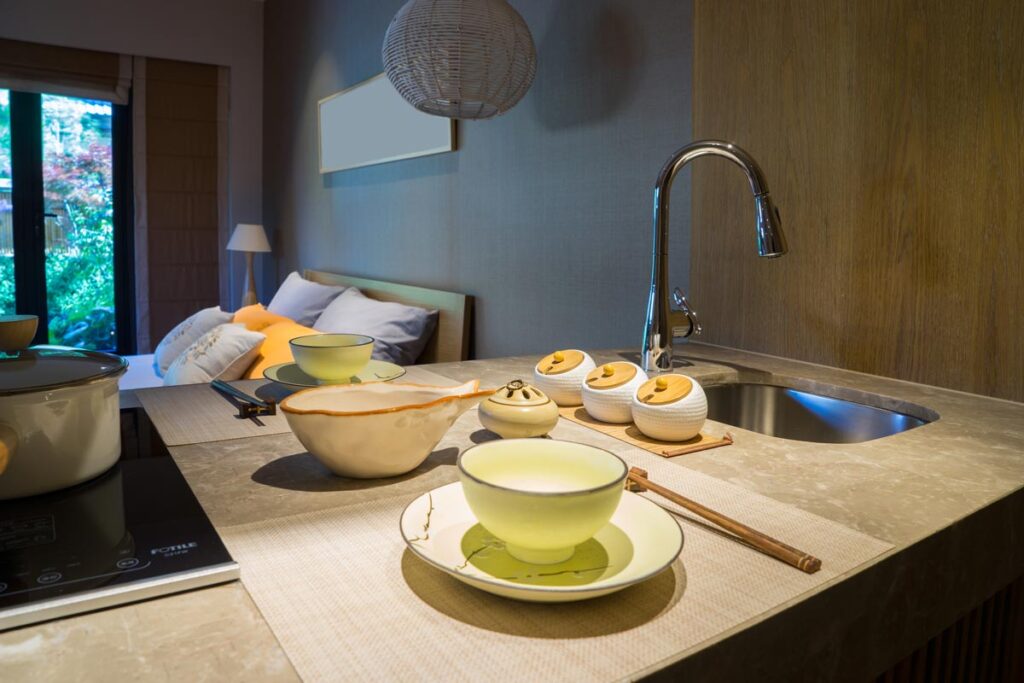
- Thoughtful Japanese touches: Yukata or pajama sets, high‑tech toilets, tea sets, and amenities arranged with almost artistic care.
You will see both international and Japanese brands at the deluxe level. Global names provide familiarity, while Japanese chains and independent luxury hotels offer a more local flavor.
Types of Deluxe Stays: Hotel vs. Ryokan
When planning a deluxe trip to Japan, you will usually choose between two main styles: modern hotels and traditional ryokan (Japanese inns). Many travelers combine both in one itinerary.
Deluxe Western‑Style Hotels
These are what most visitors imagine when they think of luxury hotels: grand lobbies, concierge desks, fitness centers, and rooms with beds rather than futons. They tend to be the best choice in major cities.
Expect:
- King or twin beds with premium linens
- Private bathrooms with deep soaking tubs and high‑tech toilets
- International TV channels and strong Wi‑Fi
- 24‑hour reception and often 24‑hour room service
- Multilingual staff (English is usually available)
Deluxe Ryokan
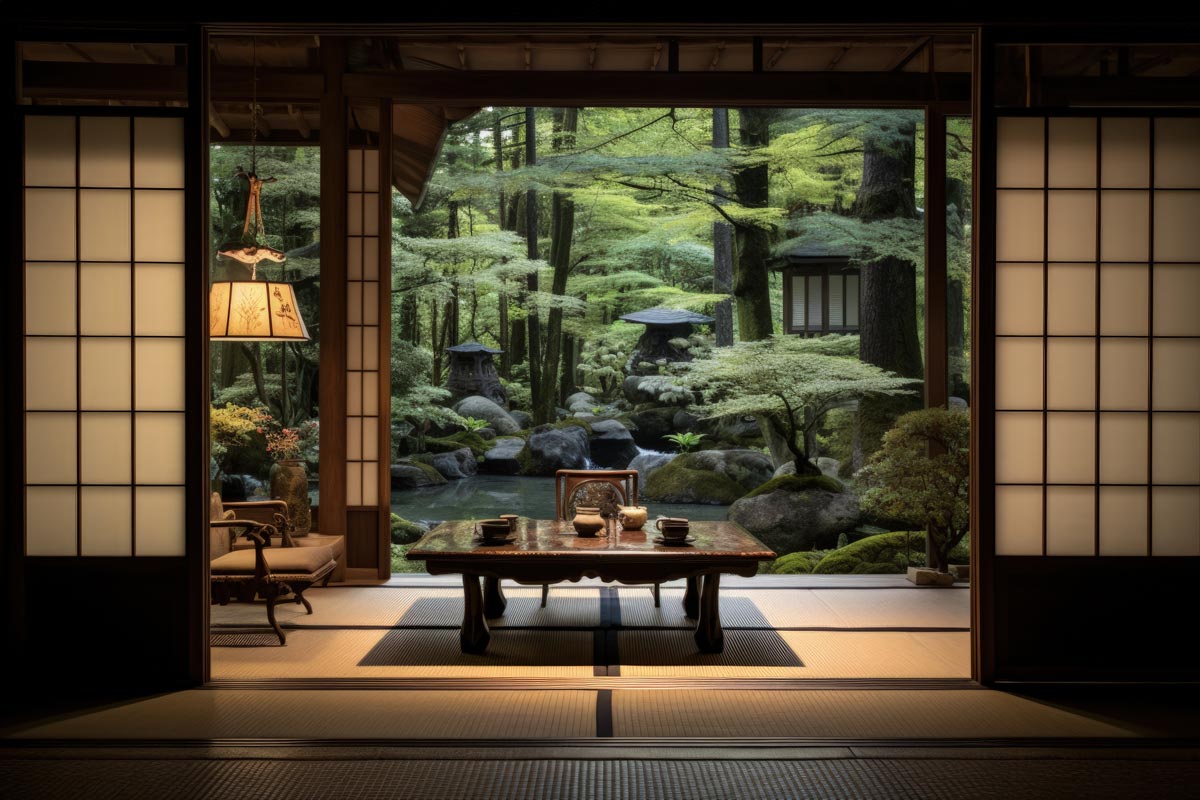
For a deeper sense of Japanese culture, consider at least one night in an upscale ryokan. Here you will sleep on futons laid out on tatami mats, soak in a communal or private hot spring bath, and dine on elaborate kaiseki cuisine – a multi‑course meal that showcases seasonal ingredients and regional specialties.
Deluxe ryokan often include:
- Spacious tatami rooms, sometimes with private open‑air baths
- Formal dinners and breakfasts served in your room or a dedicated dining hall
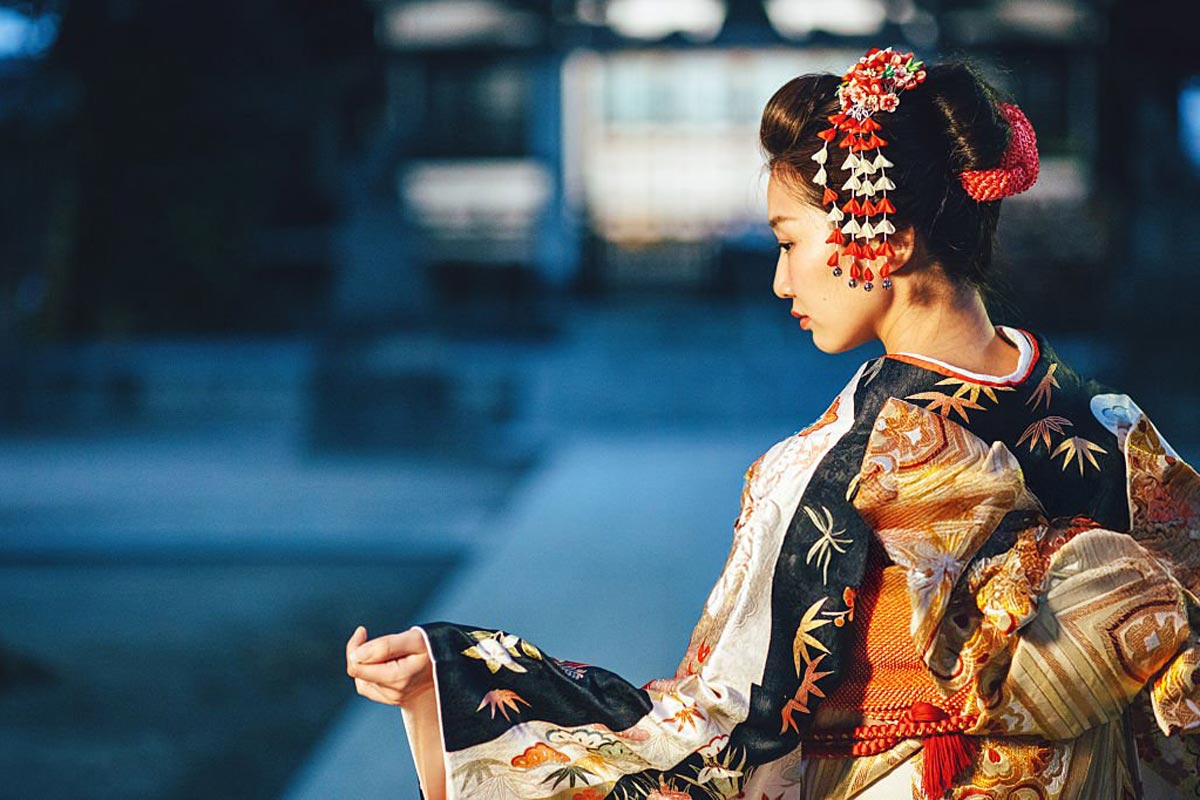
- Attentive staff (often wearing kimono) who look after your stay from check‑in to bedtime
- Serene settings in hot spring towns, by the sea, or near mountains and temples
Ryokan etiquette can feel different at first – taking off shoes, bathing rules, timing of meals – but staff are used to first‑time visitors and will gently guide you.
Where to Find Deluxe Hotels in Japan
Deluxe hotels are concentrated in Japan’s major cities and resort areas. Below are the key destinations most first‑time visitors consider.
Tokyo: Skyscraper Luxury and City Views
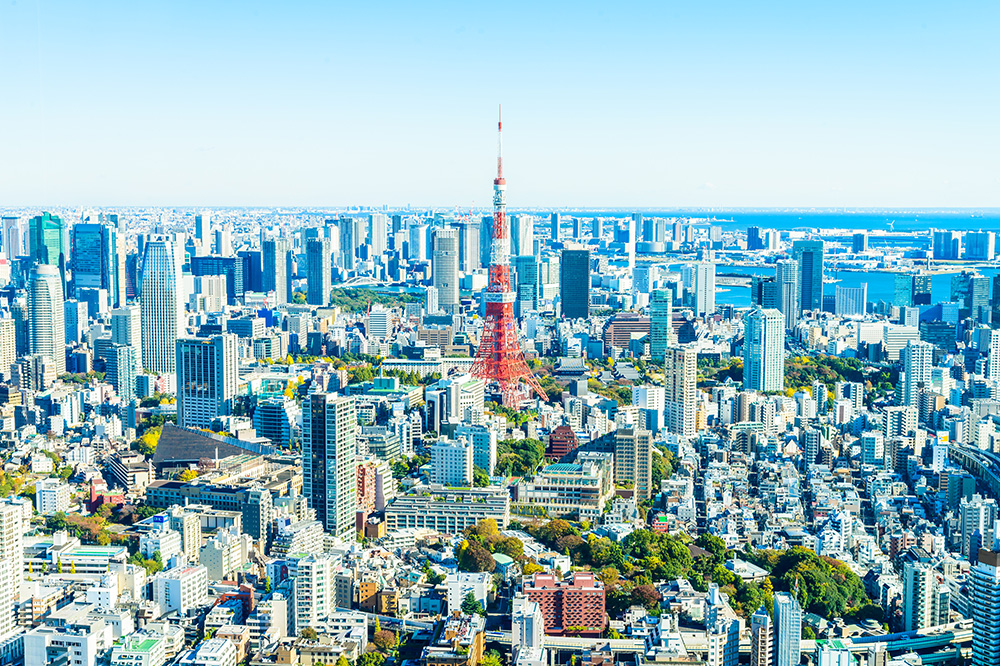
Tokyo offers one of the densest concentrations of deluxe hotels in Asia, from sky‑high penthouse suites to refined boutique properties.
Best areas to stay in Tokyo for deluxe hotels:
- Shinjuku: A major transport hub with shopping, nightlife and easy access to day‑trip trains. Deluxe hotels here often occupy upper floors of towers, with sweeping city views.
- Shibuya and Aoyama: Trendy districts popular with younger travelers, offering design‑focused hotels near fashion, cafes, and galleries.
- Ginza: Tokyo’s luxury shopping district, home to elegant hotels with refined service, high‑end dining, and classic style.
- Marunouchi & Tokyo Station: Ideal if you plan to take the shinkansen often. Deluxe properties are connected to the station or within a short walk, making travel with luggage much easier.
Tokyo deluxe hotels are particularly strong in dining, with on‑site sushi bars, teppanyaki grills, and cocktail bars that rival stand‑alone restaurants. Many also have indoor pools and spa floors overlooking the skyline.
Kyoto: Refined Stays near Temples and Gardens
Kyoto, Japan’s former imperial capital, offers a more tranquil style of luxury, blending traditional aesthetics with modern comfort.
Popular areas in Kyoto for deluxe stays:
- Central Kyoto (near Kyoto Station or downtown): Convenient for transport, shopping, and dining. Deluxe hotels here are ideal if you plan to explore different parts of the city by bus or taxi.
- Higashiyama and Gion: Atmospheric districts of wooden townhouses and narrow streets. Luxury boutique hotels and ryokan here place you near famous temples and geisha districts.
- Arashiyama: On Kyoto’s western edge, close to bamboo groves and riverside walks. High‑end ryokan and resorts offer a resort‑like feel within the city.
Kyoto’s deluxe properties often focus on Japanese aesthetics: gardens, shoji screens, tatami rooms and quiet lounges for tea. Some offer experiences like tea ceremonies, calligraphy classes, or guided temple walks exclusively for guests.
Osaka and Kobe: Urban Comfort and Harbor Views
Osaka is known for its food and nightlife, and its deluxe hotels reflect that energy. Many are clustered around Umeda and Namba stations, making it easy to explore street food alleys and neon‑lit districts. Expect solid international‑style luxury with excellent dining options.
Nearby Kobe offers harborside hotels and hilltop properties overlooking the bay. It is a good choice if you want a slightly slower pace while still enjoying city comforts and easy access to Kobe beef restaurants and sake breweries.
Resorts and Hot Spring Areas
Outside the major cities, Japan’s deluxe stays are often found in resort towns and onsen (hot spring) areas:
- Hakone: A classic hot spring region near Tokyo with luxury ryokan, art museums, and views toward Mt. Fuji on clear days.
- Izu Peninsula: Coastal retreats with ocean views, fresh seafood, and private open‑air baths.
- Hokkaido: Ski‑in/ski‑out resort hotels and boutique lodges, plus hot spring ryokan near lakes and national parks.
- Okinawa: Beachfront resorts with pools, coral reefs, and plenty of sunshine.
For a first visit, spending most nights in Tokyo and Kyoto with one or two nights at a hot spring resort provides a balanced sample of Japan’s deluxe offerings.
What to Expect Inside a Deluxe Japanese Hotel
Rooms and Amenities
Room sizes vary by city, but deluxe hotels generally provide more space than business hotels, often with comfortable seating areas and generous desks.
Common in‑room features include:
- High‑tech toilets: With heated seats and wash functions.
- Deep soaking tubs: Inspired by traditional Japanese baths.
- Complimentary amenities: Toothbrushes, razors, combs, cotton sets, and often skincare products.
- Tea sets and kettles: Sometimes with regional teas and local sweets.
- Pajamas or yukata: Comfortable loungewear, often worn around the hotel in onsen resorts.
Views are a major selling point in many deluxe hotels. Top‑floor rooms can overlook city skylines, rivers, mountains, or temple roofs, depending on the destination.
Dining and Breakfast
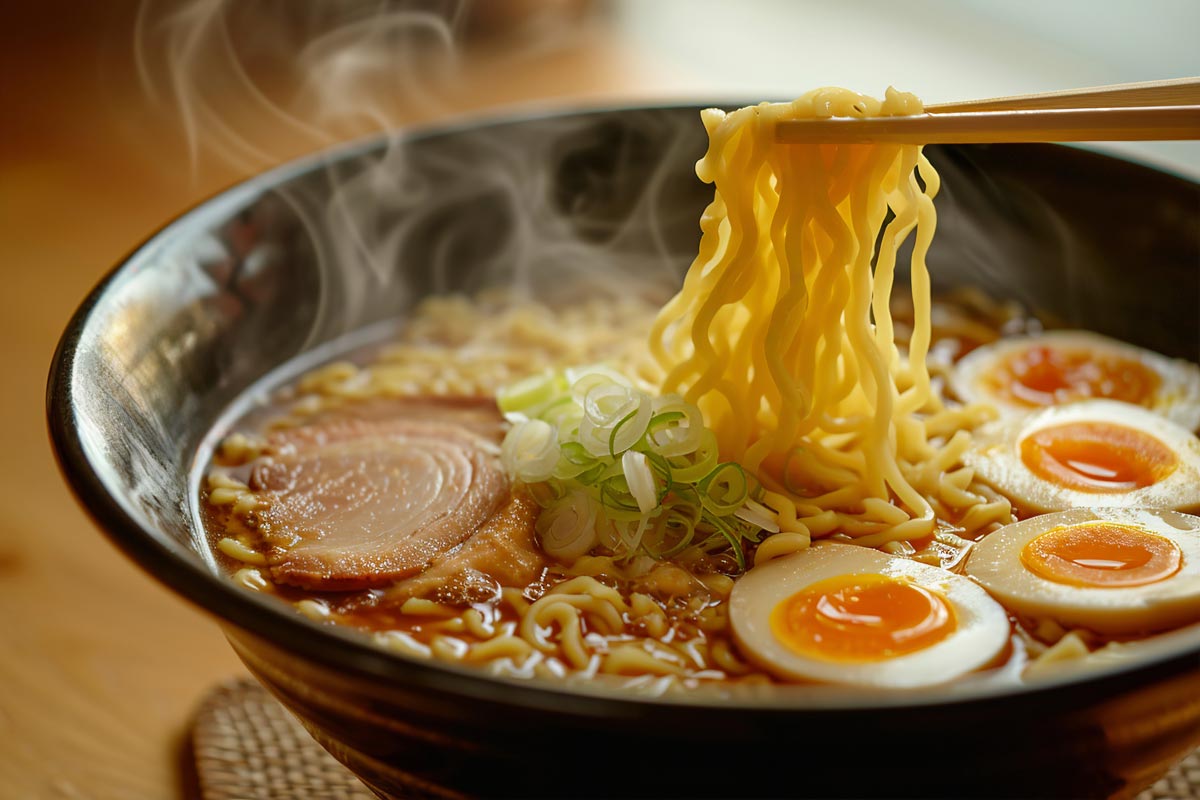
Food is central to the luxury hotel experience in Japan. Breakfast often includes a choice between Western and Japanese sets or buffets, with careful presentation.
On‑site restaurants might feature:
- Seasonal kaiseki menus
- Sushi counters with omakase courses
- Steak or teppanyaki grills
- Afternoon tea with Japanese‑inspired sweets
- Bars with local whisky, sake, and creative cocktails
In larger hotels, you may never need to leave the building to eat very well, though exploring neighborhood restaurants can be equally rewarding.
Wellness, Spas, and Onsen
Many deluxe hotels have spa facilities, fitness centers, and sometimes indoor pools. In resort or hot spring areas, communal onsen baths are a highlight.
If your hotel has an onsen:
- You will be expected to bathe naked (separated by gender) after washing thoroughly at the shower stations.
- Large towels stay in the changing area; a small towel can be carried for modesty but not placed in the water.
- Tattoos may be restricted, though many high‑end properties are becoming more flexible or offer private baths.
Spas in deluxe hotels often feature both Western‑style massages and Japanese treatments using local ingredients such as green tea, rice bran, or yuzu citrus.
Understanding Japanese Hotel Service and Etiquette
Service in Japan’s deluxe hotels is highly professional, but there are a few cultural nuances worth knowing.
Politeness and Formality
Staff are extremely polite and may bow, speak in formal Japanese, and choose indirect phrasing. This is not distance; it is respect. A simple smile and “thank you” go a long way, and many staff appreciate even a few words of English or basic Japanese greetings.
Tipping and Payment
Japan has a non‑tipping culture, even in luxury hotels. Service charges are usually included in the bill, and trying to tip staff in cash can cause confusion or be politely refused. Instead, show appreciation verbally.
Most deluxe hotels accept major credit cards. When paying, it is customary to place your card or cash on the small tray provided rather than directly handing it to the cashier.
Check‑In and Check‑Out Times
Standard check‑in is often from around 15:00, and check‑out is usually 11:00 or 12:00. Early check‑in can be difficult during busy periods, but hotels will almost always store your luggage safely if you arrive early or leave the city later in the day.
How to Choose the Right Deluxe Hotel for Your Trip
With so many options, narrowing down your hotel list can be challenging. Consider the following points when booking.
Location vs. Room Size
In big cities, being near a major station like Tokyo, Shinjuku, or Kyoto can save huge amounts of time – and taxi fares – especially if you plan day trips. However, if you value quieter surroundings and larger rooms, you might look slightly away from the busiest hubs.
City Hotel, Ryokan, or Resort?
For a first visit, many travelers choose:
- A deluxe city hotel in Tokyo (3–5 nights)
- A refined hotel or ryokan in Kyoto (2–4 nights)
- An onsen or resort stay (1–2 nights) in Hakone, Izu, or another easily reached area
This combination gives a taste of urban luxury, cultural immersion, and traditional relaxation.
Facilities and Services that Matter to You
When comparing hotels, look beyond star ratings and think about what you will actually use:
- Transport access: Is it close to the station or subway line you will use most?
- Dining: Do you want multiple on‑site restaurants, or are you happy exploring nearby streets?
- Wellness: Is a pool, gym, or onsen important to you?
- Room style: Do you prefer traditional Japanese elements or a more international feel?
- Family‑friendliness: Are extra beds or connecting rooms available if you are traveling with children?
Booking Tips for Deluxe Hotels in Japan
When to Book
Deluxe hotels in popular areas can fill up quickly during peak seasons:
- Late March to early April: Cherry blossom season
- Golden Week (late April–early May): Major Japanese holiday period
- Autumn foliage season (late October–November): Especially busy in Kyoto
- New Year period: Some hotels and ryokan have special holiday pricing
For these dates, booking several months in advance is wise, particularly for ryokan with limited rooms. For off‑peak travel, you may find special offers closer to your dates.
Room Types and Meal Plans
In city hotels, pricing is usually based on room type and occupancy, with breakfast sometimes optional. In ryokan and hot spring resorts, rates often include dinner and breakfast; this is part of the experience and can be excellent value considering the quality of the meals.
When choosing a room, pay attention to:
- View descriptions: “City view”, “river view”, or “temple view” can significantly affect your experience.
- Bed configuration: Twin beds are common in Japan, even in deluxe hotels.
- Non‑smoking vs. smoking: Always confirm a non‑smoking room if you prefer one.
Language and Special Requests
Most deluxe hotels have staff who can communicate in English, especially at the front desk and concierge. If you have dietary restrictions, accessibility needs, or are celebrating a special occasion, it is a good idea to email the hotel in advance. Japanese hotels take such requests seriously and will do their best to accommodate them.
Making Your Deluxe Stay Part of the Journey
In Japan, a deluxe hotel is more than a backdrop to sightseeing; it can be one of your destination’s highlights. Whether you are watching city lights from a high‑rise suite, slipping into a hot spring under the stars, or savoring a perfectly prepared breakfast while looking out over temple roofs, your hotel stay can become part of your story of Japan.
By choosing the right mix of city hotels, ryokan, and resorts, and understanding a little of the culture behind Japanese hospitality, you can turn every night of your journey into a memorable experience – one that reflects both the modern energy and timeless elegance of Japan.
Explore Other Hotels
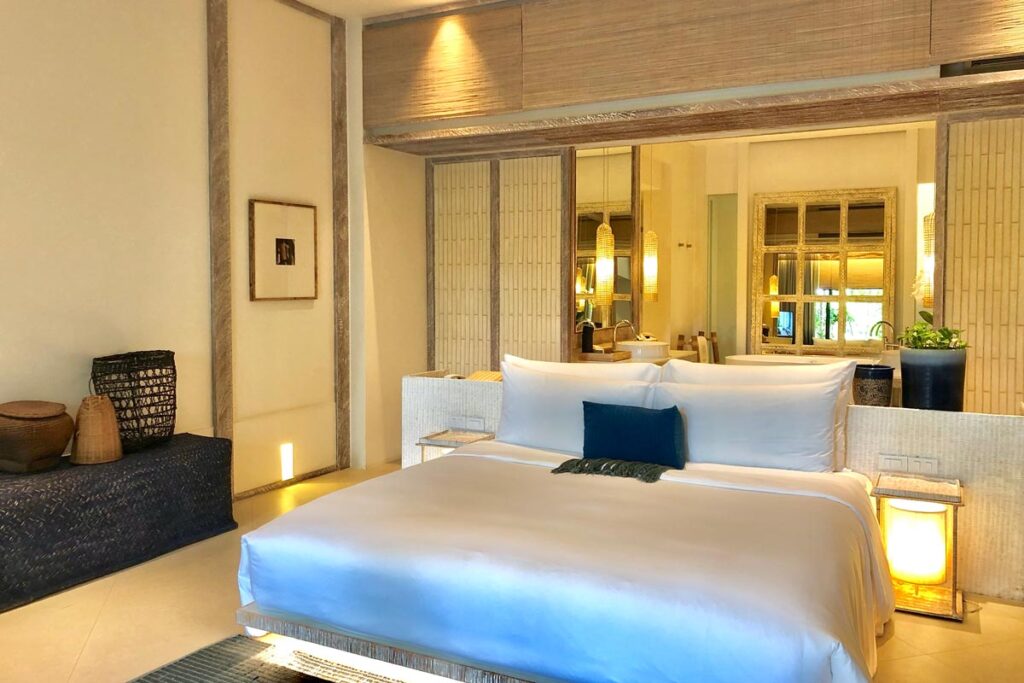
Deluxe Hotels
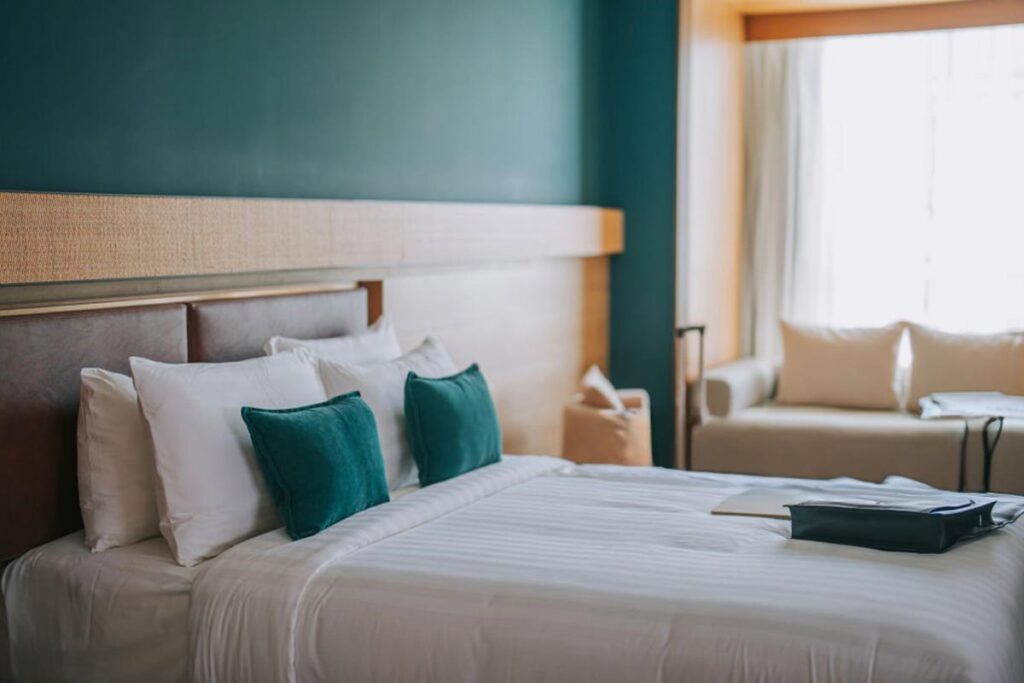
3-star Hotels
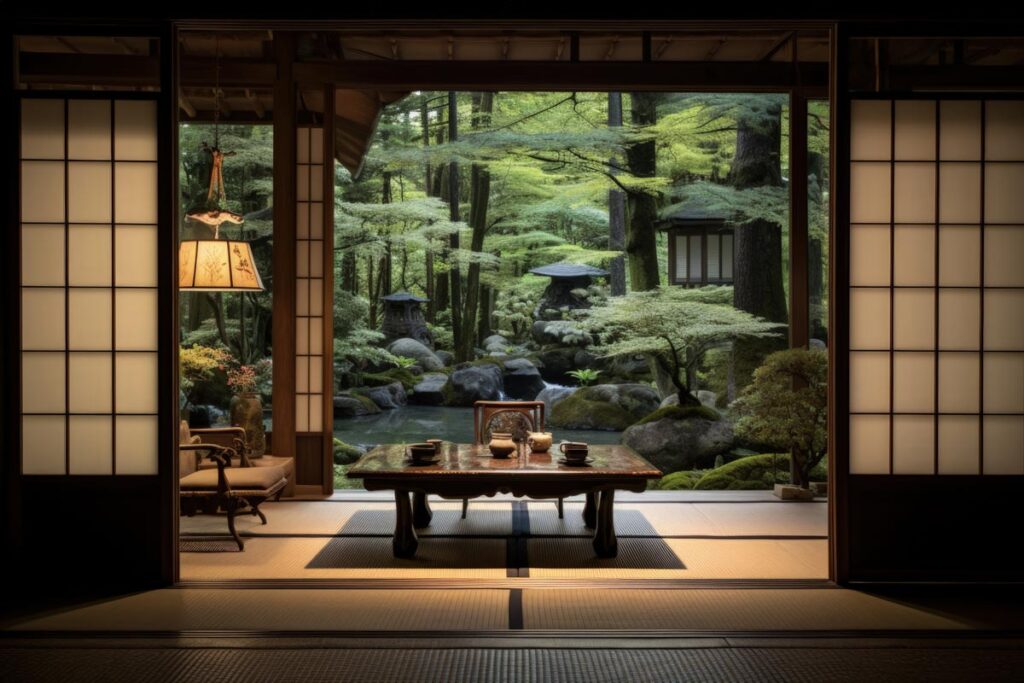
Traditional Japanese
inn (Ryokan)
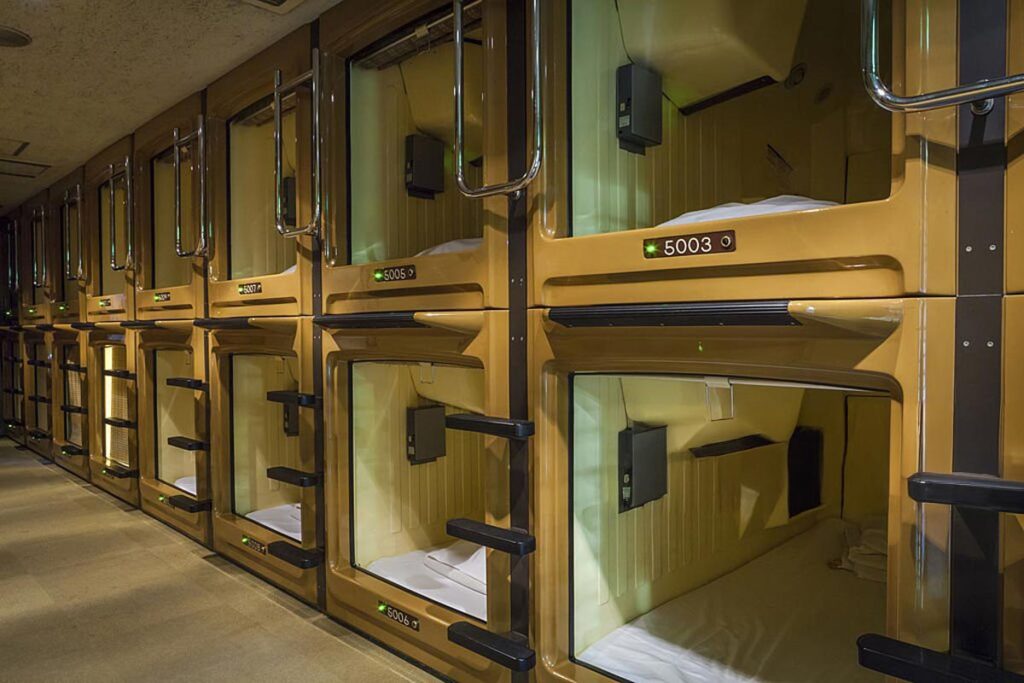
Capsule Hotels