


Diving Spots
Best Diving Spots in Japan: An Essential Guide for First-Time Visitors
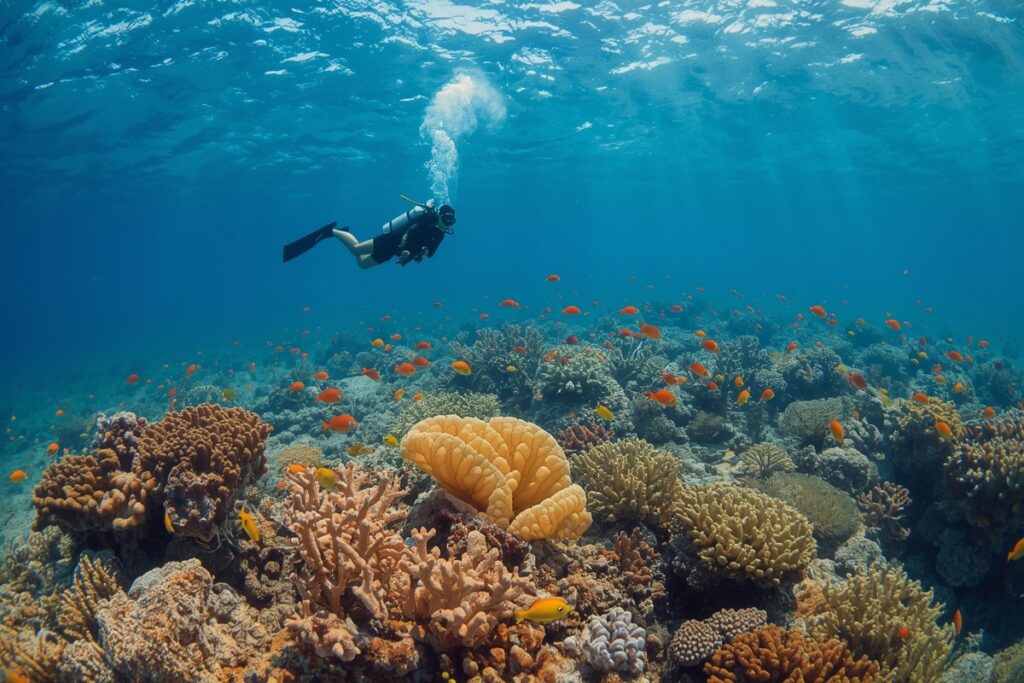
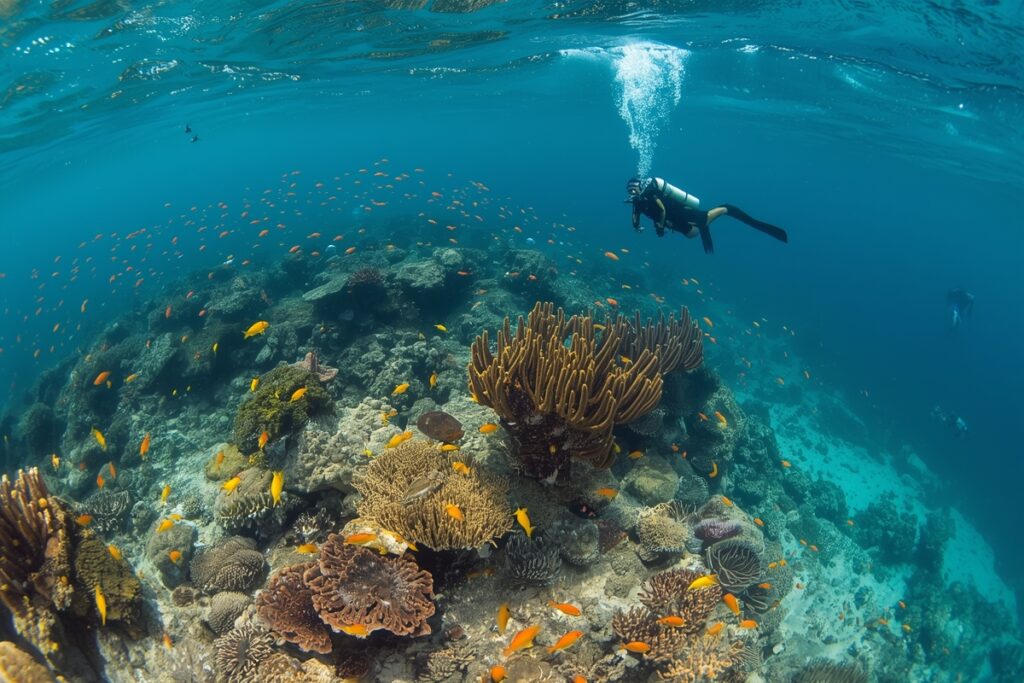
Photos are for illustrative purposes only.
Japan is famous for temples, neon cityscapes, and bullet trains, but beneath the surface lies one of Asia’s most underrated treasures: world-class diving. From coral-rich tropical seas to dramatic volcanic drop-offs and eerie wrecks, Japan offers an astonishing variety of underwater experiences within a single country.
If you are a first-time visitor to Japan and considering adding a diving spot or two to your itinerary, this guide will walk you through the best areas, what to expect, and how to plan your trip with comfort and safety in mind.
Why Dive in Japan?
Japan stretches from the cool waters of Hokkaido in the north to the subtropical and even tropical islands of Okinawa in the south. This huge north–south range, combined with volcanic geology and nutrient-rich currents, creates an incredibly diverse marine environment.
In a single country, you can dive with manta rays, explore coral gardens, drift along with schooling hammerheads, peek into lava-formed caves, or watch tiny macro creatures hiding in soft corals. Visibility often exceeds 20 meters in the right season, and many diving spots are just a short trip from major tourist cities like Tokyo or Osaka.
Best Regions for Diving in Japan
While there are hundreds of dive sites around Japan, most international visitors focus on a few key regions that balance quality diving with easy access, tourism infrastructure, and English-friendly dive shops.
1. Okinawa Main Island: Easy Tropical Diving for All Levels
Okinawa is Japan’s diving heartland. The main island (Okinawa Hontō) is the most accessible starting point, with frequent domestic flights from Tokyo, Osaka, and other major cities. Here you’ll find warm waters, colorful coral reefs, and a relaxed island atmosphere that feels quite different from mainland Japan.
Popular dive areas include:
- Sunabe Seawall: A shore-diving hub with easy entry points, shallow reefs, and plenty of soft corals. Ideal for beginners and casual fun dives.
- Kerama Islands (day trips): From Naha, you can join boat trips to the Kerama Islands, a protected area with excellent visibility, white-sand bottoms, and large schools of tropical fish.
Who it suits: First-time divers, families, and travelers who want comfortable resorts, short boat rides, and plenty of topside attractions such as Okinawan cuisine, historic castles, and beautiful beaches.
2. Kerama Islands: Crystal-Clear Waters Near Naha
Just 30–60 minutes by boat from Naha, the Kerama Islands are one of Japan’s most celebrated diving spots. The small islands are ringed by reefs and drop-offs, and the water clarity is often stunning.
Highlights include:
- Kerama Blue: The nickname locals use for the incredibly clear, sapphire-colored water.
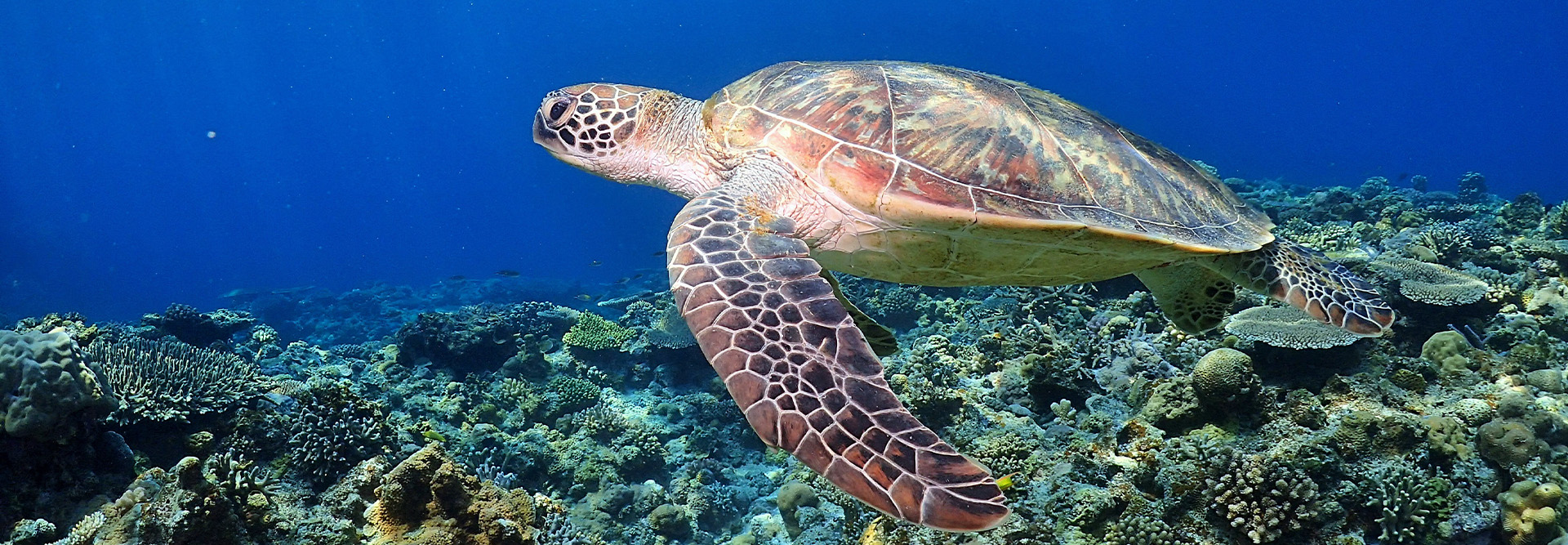
- Turtle encounters: Green sea turtles and hawksbills are common; many dive sites feature them calmly grazing on algae.
- Gentle drift dives: Many sites suit beginners, with mild currents and shallow plateaus.
You can stay on the islands for a laid-back, small-village feel, or base yourself in Naha and join day boats. For first-time visitors to Japan who want an easy tropical getaway that still connects conveniently to domestic flights and transport, Kerama is hard to beat.
3. Ishigaki & Yaeyama Islands: Manta Rays and Remote Island Vibes
Farther southwest, closer to Taiwan than Tokyo, the Yaeyama Islands are Okinawa’s more remote diving frontier. Ishigaki Island is the main hub, with direct flights from several Japanese cities and an increasing number of English-speaking operators.
Key attractions:
- Manta Scramble (Ishigaki): One of Japan’s most famous manta ray cleaning stations, where you may watch mantas circling overhead as they visit cleaning fish.
- Kabira Bay region: Surrounding reefs and gentle slopes with rich marine life, suitable for a wide range of experience levels.
- Taketamijima & Iriomote: Nearby islands with lush jungles, waterfalls, and mangrove forests, offering a great mix of diving and nature-based day trips.
The atmosphere here is quieter and more rural than on Okinawa’s main island. It’s a great diving spot for travelers looking for a slower pace and a deeper immersion in island life.
Best Time of Year to Dive in Japan
Because Japan stretches across several climatic zones, the best time to dive depends on where you are heading.
Okinawa & Southern Islands
- April to October: Warm water (often 26–30°C), excellent visibility, and active marine life.
- Typhoon season (roughly July to October): Occasional storms can cancel boat trips and reduce visibility for a few days. It is still possible to dive, but flexibility in your schedule is helpful.
- Winter (Nov–Mar): Cooler but still diveable with a thicker wetsuit. Fewer crowds and often cheaper flights.
For first-time travelers, combining a spring or autumn trip with a few diving days is often ideal. You avoid the hottest summer temperatures and most of the typhoon risk, while enjoying pleasant conditions on land.
What You Can See Underwater in Japan
Japan’s diving spots cover both tropical and temperate environments, so the range of marine life is broader than in many countries.
Tropical Highlights (Okinawa & Southern Islands)
- Coral reefs: Hard and soft corals in a variety of shapes and colors, home to clownfish, butterflyfish, and angelfish.
- Manta rays: Especially around Ishigaki and some outer islands, where cleaning stations attract graceful mantas.
- Sea turtles: Frequently seen in the Kerama Islands and many Okinawan sites.
- Macro life: Seahorses, nudibranchs, tiny shrimp, and colorful crabs hiding among corals.
Overall, you can enjoy a mix of big-animal encounters, colorful coral scenes, and detailed macro photography opportunities—enough variety to keep both beginners and experienced divers engaged.
Diving Culture and Etiquette in Japan
Japan’s culture of politeness and respect extends to its dive community. Understanding a few cultural points will help you feel comfortable and welcome.
- Punctuality: Boats and tours leave on time. Arrive early for briefings and equipment checks.
- Quiet briefings: Listen carefully to dive briefings, and avoid talking while staff explains safety procedures.
- Environmental respect: Japanese divers take reef protection seriously. Do not touch corals or marine life, and secure loose equipment to avoid accidental damage.
- Shared baths: Many dive lodges and inns offer communal hot-spring baths (onsen or sento). Wash thoroughly before entering, and do not wear swimwear in traditional baths.
Even if you speak little or no Japanese, a friendly attitude, attentive listening, and a few basic phrases (such as “arigatou” for thank you) will go a long way.
Language and Safety Considerations
In major diving spots, especially in Okinawa and Izu, you can increasingly find dive centers that offer services in English. However, English levels vary, and clear communication is vital for safety.
Before booking, consider:
- Language: Confirm in advance whether dive briefings and safety instructions will be given in English.
- Certification: Check that the shop recognizes your certification agency (PADI, SSI, NAUI, etc.) and is willing to accept your logbook and experience level.
- Insurance: Make sure you have travel insurance that covers scuba diving, including emergency evacuation.
- Equipment: If you use specific gear sizes (especially large wetsuits or fins), ask whether they are available, or consider bringing your own essentials like mask and computer.
Japan has a strong safety culture, and reputable dive operators maintain good standards. Still, as a visitor, you should always dive within your limits, ask questions if anything is unclear, and never feel pressured to join a dive that feels too advanced.
Combining Diving with a Classic Japan Itinerary
Many first-time visitors want to experience both underwater Japan and the country’s iconic cultural sites. Fortunately, this is easy to arrange.
- Short trip focus: Okinawa only: If you have limited time, base yourself in Naha or on a nearby island, enjoy a mix of diving, snorkeling, beach cafés, and local markets, then fly back to Tokyo for your international departure.
The Japan Rail Pass does not cover flights, but domestic air routes are frequent and often reasonably priced when booked in advance. Major domestic carriers and low-cost airlines serve Okinawa and Ishigaki from multiple cities.
Practical Tips for Your First Diving Trip to Japan
- Bring your certification card and logbook: Shops will want to see proof of your level and recent experience.
- Consider a refresher course: If you have not dived for a while, arrange a refresher or easy check dive on your first day.
- Pack appropriately: Water temperatures vary; ask your dive shop which wetsuit thickness is recommended for your travel dates.
- Respect no-fly times: Leave at least 18–24 hours between your last dive and any flight, especially for longer or deeper dives.
- Cash and cards: Urban dive centers usually accept credit cards, but smaller shops and island guesthouses may prefer cash.
Is Diving in Japan Right for You?
Whether Japan is your first-ever dive destination or just the latest stamp in your logbook, the country offers a surprising breadth of underwater experiences: beginner-friendly tropical reefs, exciting drift dives with mantas, temperate kelp forests, and remote oceanic islands.
As a first-time visitor to Japan, adding a diving spot to your itinerary lets you see a side of the country that most tourists miss. Above the surface, you can explore temples, izakaya, and neon city streets; below it, you’ll discover coral gardens, turtles, and the deep-blue Pacific. Plan thoughtfully, choose a region that matches your experience and interests, and you’ll find that Japan is as unforgettable underwater as it is on land.

Access Map
Recommended spots in Okinawa
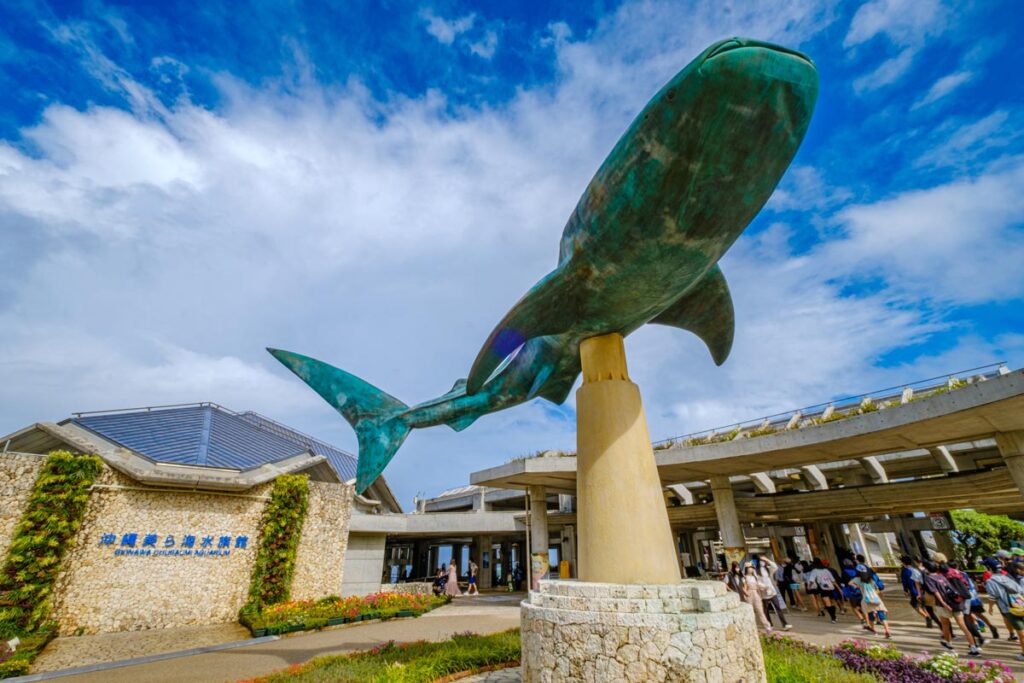
Churaumi Aquarium
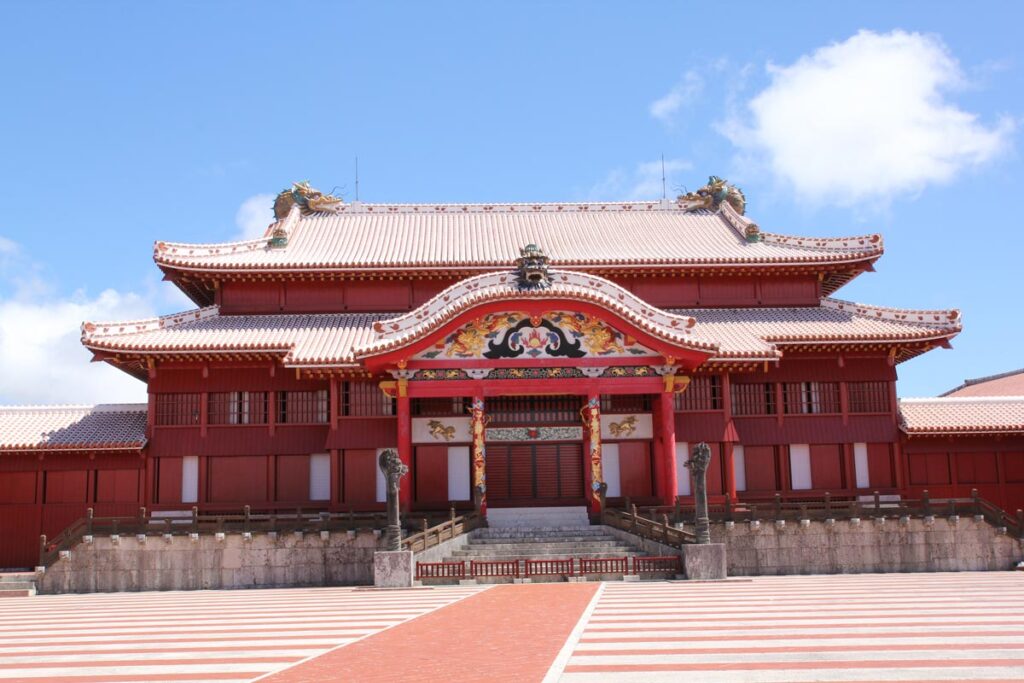
Shuri Castle
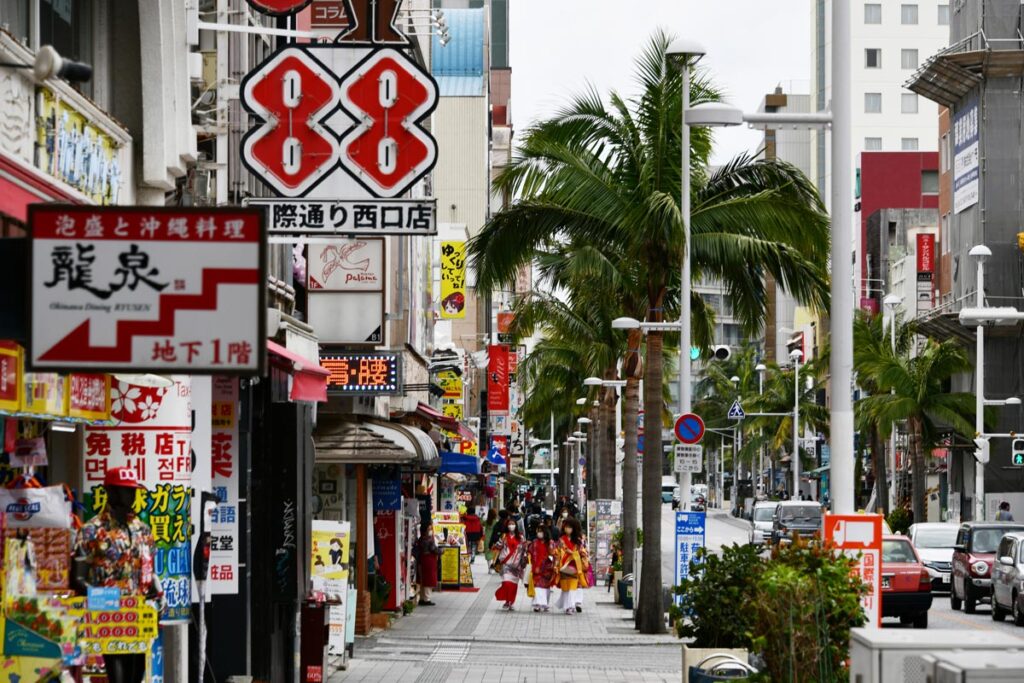
Kokusai Street
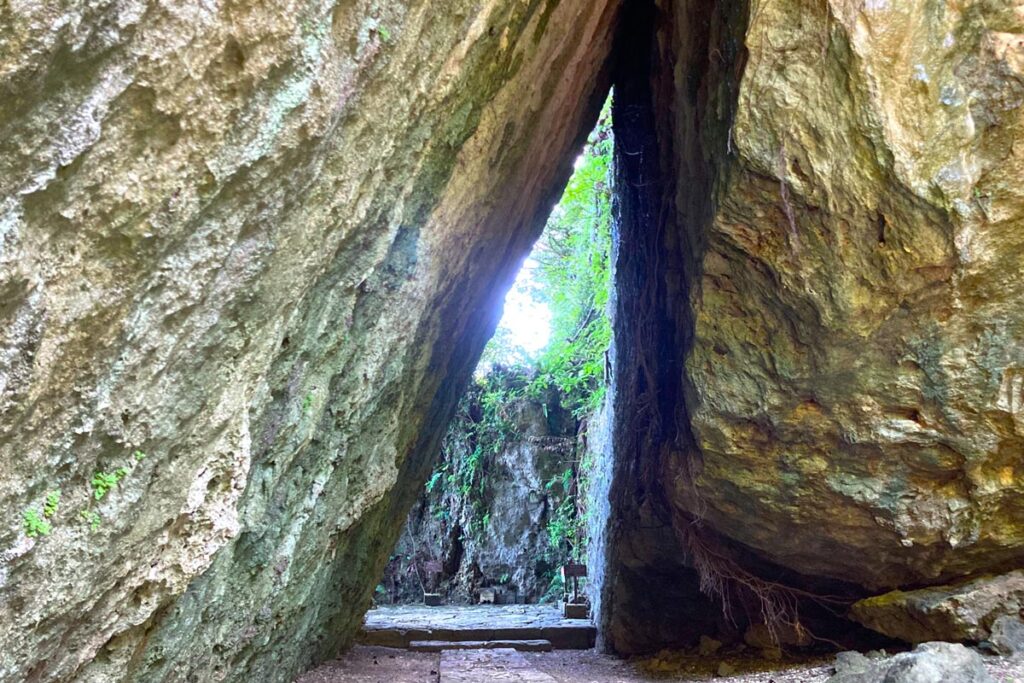
Sefa Utaki
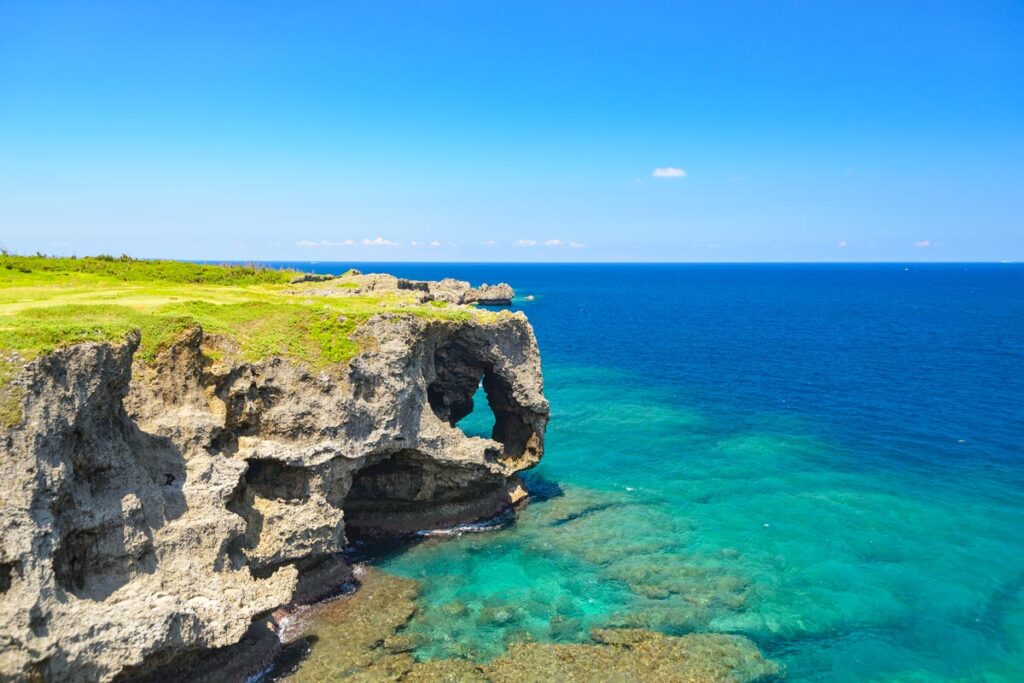
Manza-mo
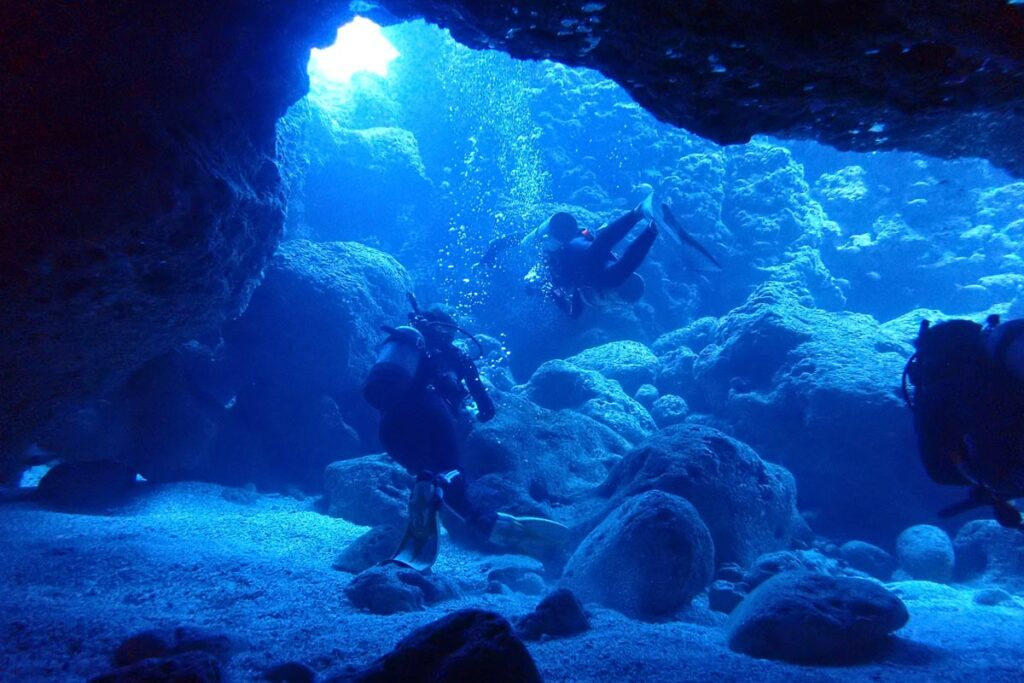
Blue Cave
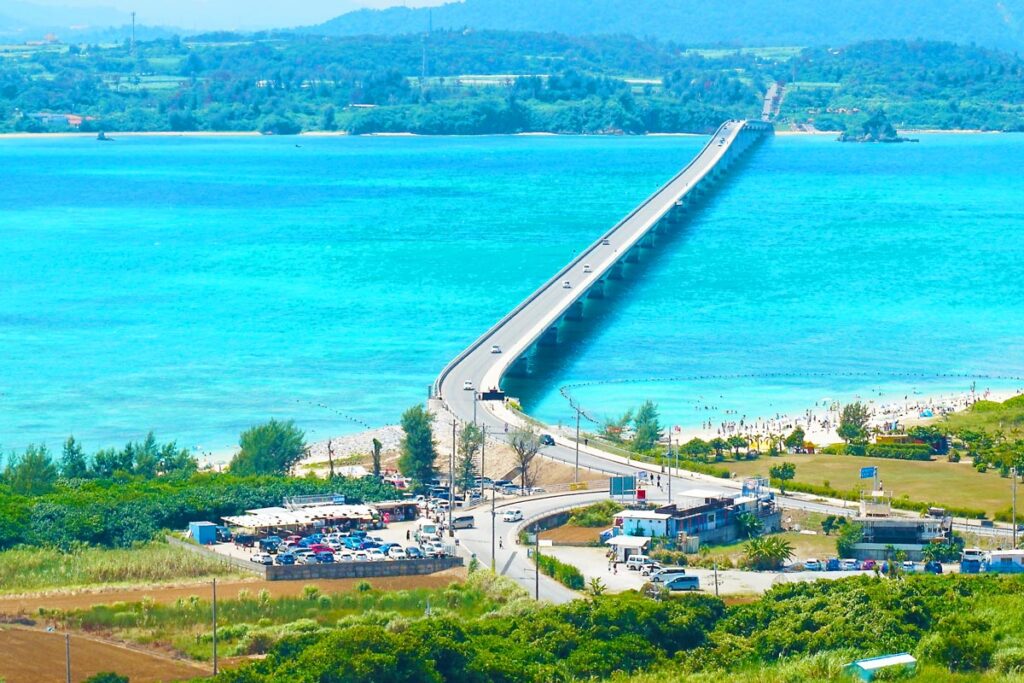
Kouri Island
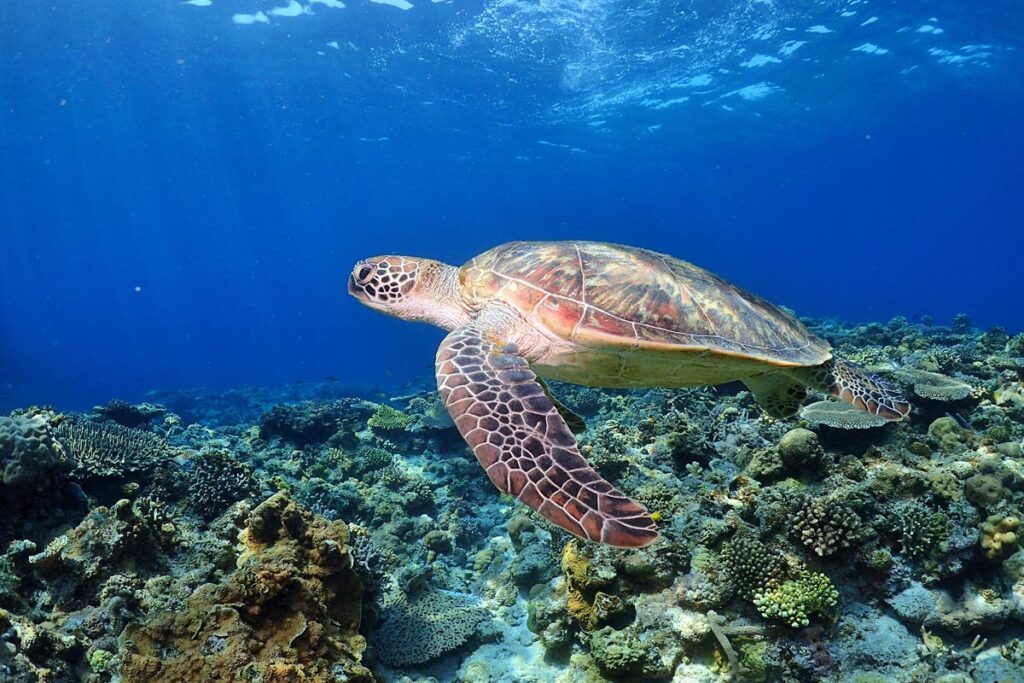
Diving Spots
Top destinations in Kyushu/Okinawa
Fukuoka
Kumamoto
Kagoshima