
Ehime
Ehime Travel Guide: Castles, Onsen and Island Adventures in Japan
Photos are for illustrative purposes only.
On the northwestern side of Japan’s Shikoku Island, Ehime quietly combines everything many travelers hope to find in Japan: storybook castles, steaming hot springs, island-dotted seas, and friendly local culture that still feels pleasantly off the main tourist trail. For first-time visitors who want a taste of authentic regional Japan beyond Tokyo and Kyoto, Ehime is an excellent choice.
Where Is Ehime and Why Visit?
Ehime Prefecture faces the Seto Inland Sea, roughly halfway between Hiroshima and Kochi. It forms the northwestern corner of Shikoku and has long been a maritime crossroads between western Honshu and Kyushu. Today, it offers easy access by plane, train, and ferry, yet remains far quieter than Japan’s big-name destinations.
What makes Ehime special?
- Historic castles that survived the wars of the 20th century
- One of Japan’s oldest hot springs at Dogo Onsen
- World-class island cycling on the Shimanami Kaido
- Scenic coastlines and small islands scattered across the Seto Inland Sea
- Laid-back local life, citrus farms, and fresh seafood
Because Ehime is compact and well-connected, it works both as a 2–3 day side trip from Osaka, Hiroshima, or Fukuoka, and as a base for a longer Shikoku itinerary.
How to Get to Ehime
By Air
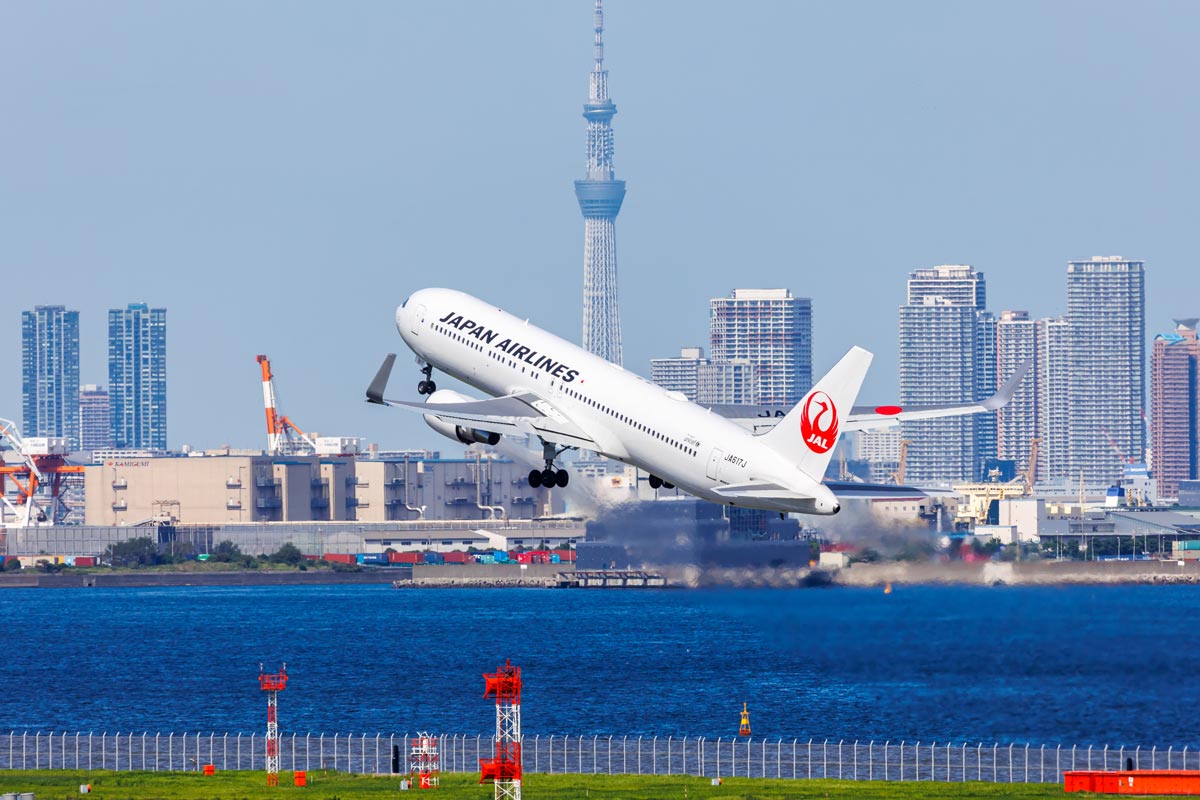
The main gateway is Matsuyama Airport (MYJ), about 20 minutes by bus from Matsuyama city center. There are frequent domestic flights from Tokyo (Haneda and Narita), Osaka, Nagoya, and Fukuoka. For most international travelers, flying to Tokyo or Osaka first, then connecting to Matsuyama, is the fastest option.
By Train and Ferry
If you prefer scenic over speed, you can reach Ehime by a combination of train and ferry:
- From Hiroshima: Travel to Onomichi or Mihara, then continue to Imabari via local train or bus across the Shimanami Kaido area.
- From Okayama: Take the JR Yosan Line limited express trains that run along the northern coast of Shikoku to Matsuyama.
- From Kyushu: There are ferry connections from Beppu and other ports to nearby Shikoku ports, then trains or buses into Ehime.
Most long-distance trains in Shikoku are run by JR Shikoku. Depending on your route, the Japan Rail Pass or regional All Shikoku Rail Pass can offer savings.
Best Time to Visit Ehime
Ehime has a relatively mild climate thanks to the sheltering mountains of Shikoku and the moderating effect of the Seto Inland Sea.
- Spring (March–May): Ideal weather, cherry blossoms, and fresh green hills. Dogo Onsen and Matsuyama Castle are especially beautiful in late March to early April.
- Summer (June–August): Warm and humid; good for island hopping, cycling, and sea views, but pack light clothing and sun protection. Early summer brings the rainy season.
- Autumn (September–November): Clear skies and comfortable temperatures. Autumn foliage in the mountains contrasts with the deep blue inland sea.
- Winter (December–February): Cool but not usually severe at sea level. Ideal for soaking in hot springs; mountain areas can see some snow.
Matsuyama: Castle Town and Hot Spring Retreat
Matsuyama, Ehime’s capital, is the best base for first-time visitors. It combines an impressive hilltop castle, one of Japan’s most famous hot springs, and a compact city center that is easy to explore by tram.
Matsuyama Castle
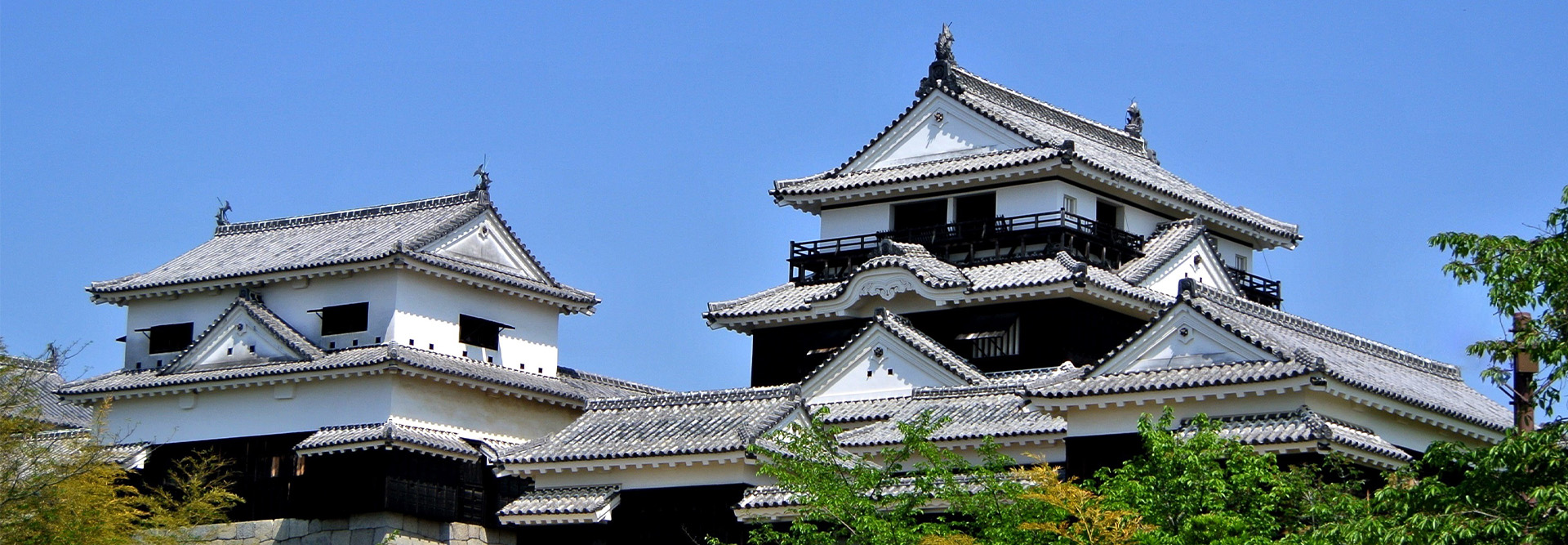
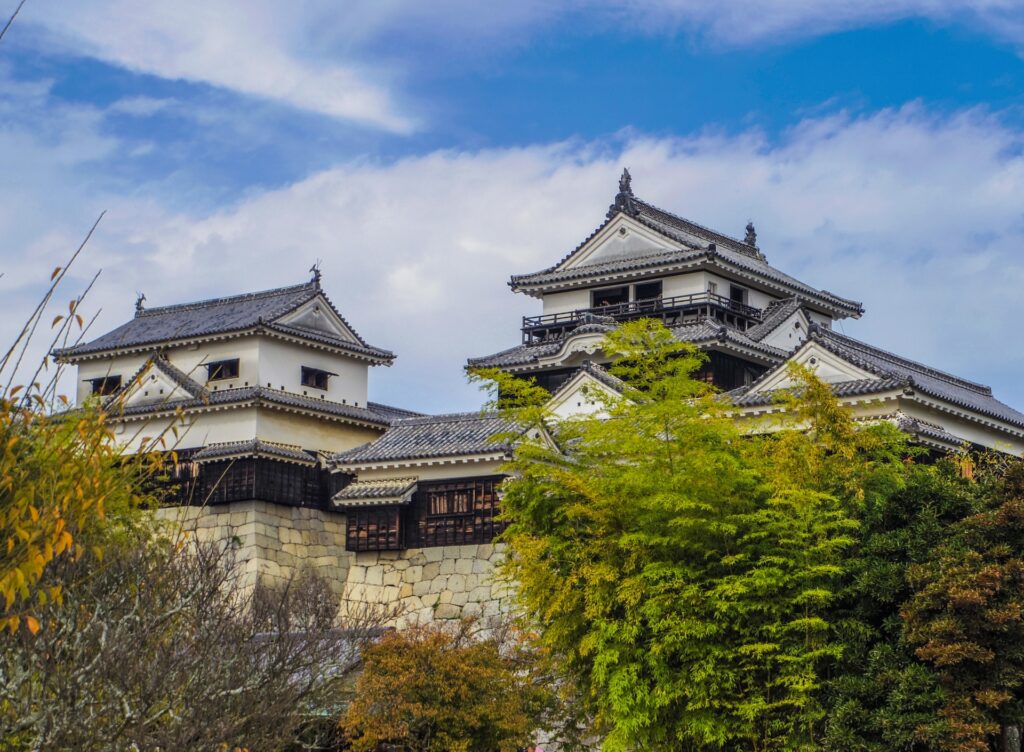
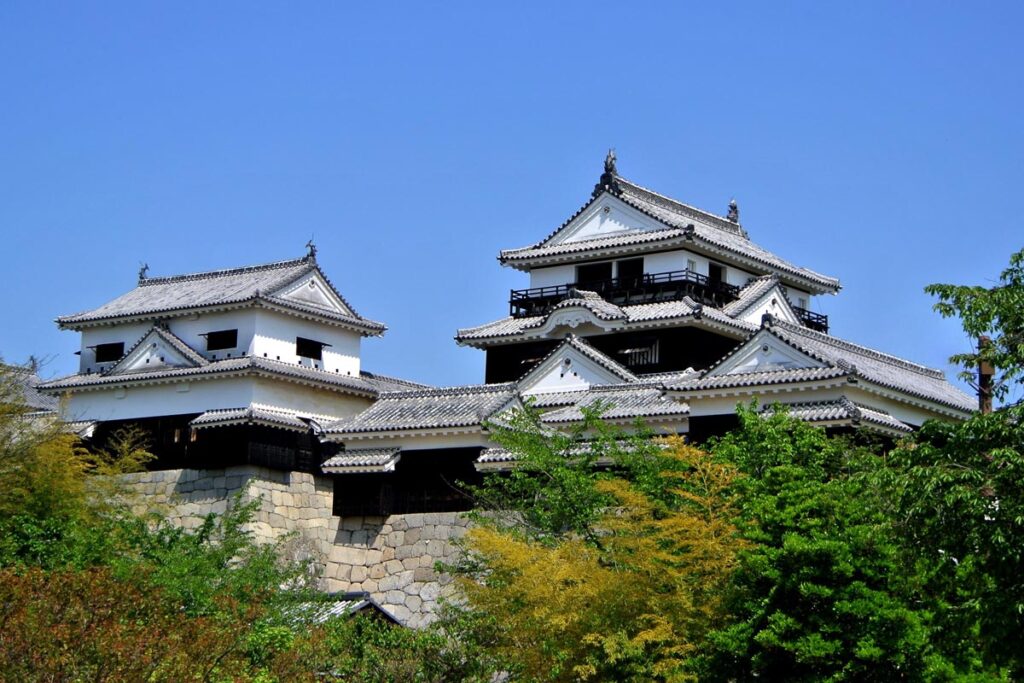
Matsuyama Castle is one of Japan’s few original castles, meaning its main keep survived fires, earthquakes, and World War II bombings. Perched on Mount Katsuyama, it offers panoramic views of Matsuyama city, the Seto Inland Sea, and distant mountains.
You can walk up through forested paths or ride a chairlift or ropeway from the city side. Inside the castle, steep wooden staircases, reconstructed rooms, and displays of armor and weapons offer a glimpse into Edo period life. The surrounding castle park is one of Matsuyama’s top cherry blossom spots, with locals picnicking under pink canopies each spring.
Dogo Onsen: Japan’s Legendary Hot Spring
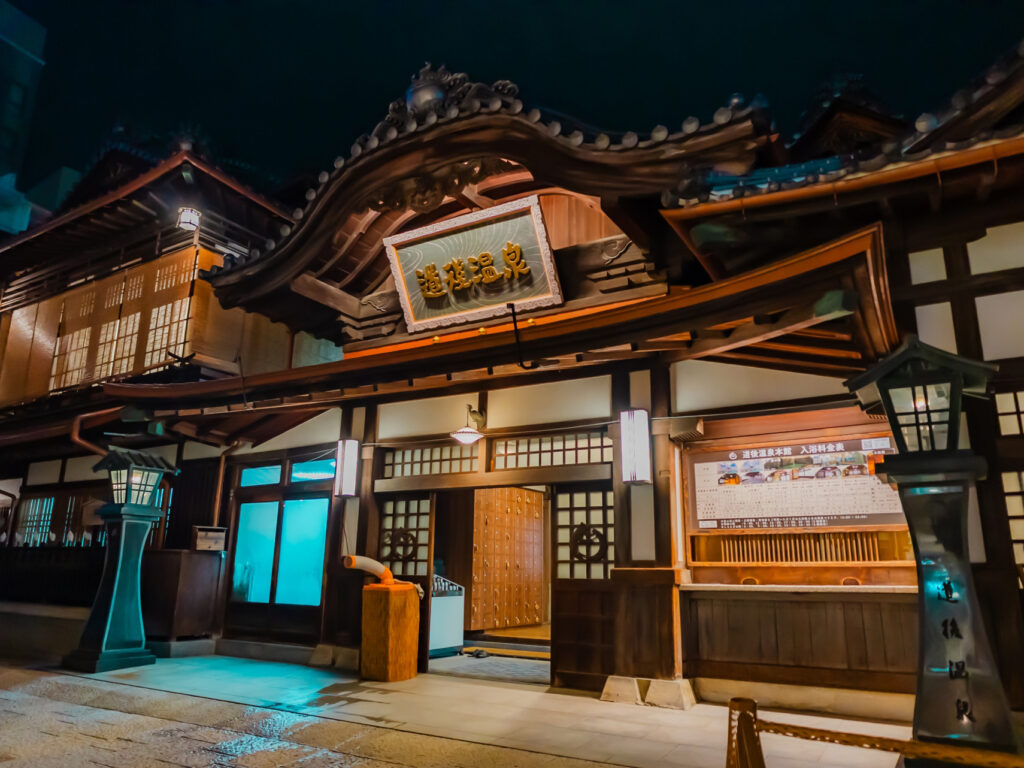
A short tram ride from downtown Matsuyama lies Dogo Onsen, often said to be one of Japan’s oldest hot springs, with over 1,000 years of recorded history. The onsen has inspired poets, samurai, and even modern pop culture—some visitors know it as one of the inspirations for the bathhouse in Hayao Miyazaki’s “Spirited Away.”
The neighborhood centers around the ornate Dogo Onsen Honkan, a multi-story wooden bathhouse building. Bathing here is as much about atmosphere as it is about hot water. While the complex has undergone renovation work in recent years, you can still experience:
- Public baths with naturally hot spring water
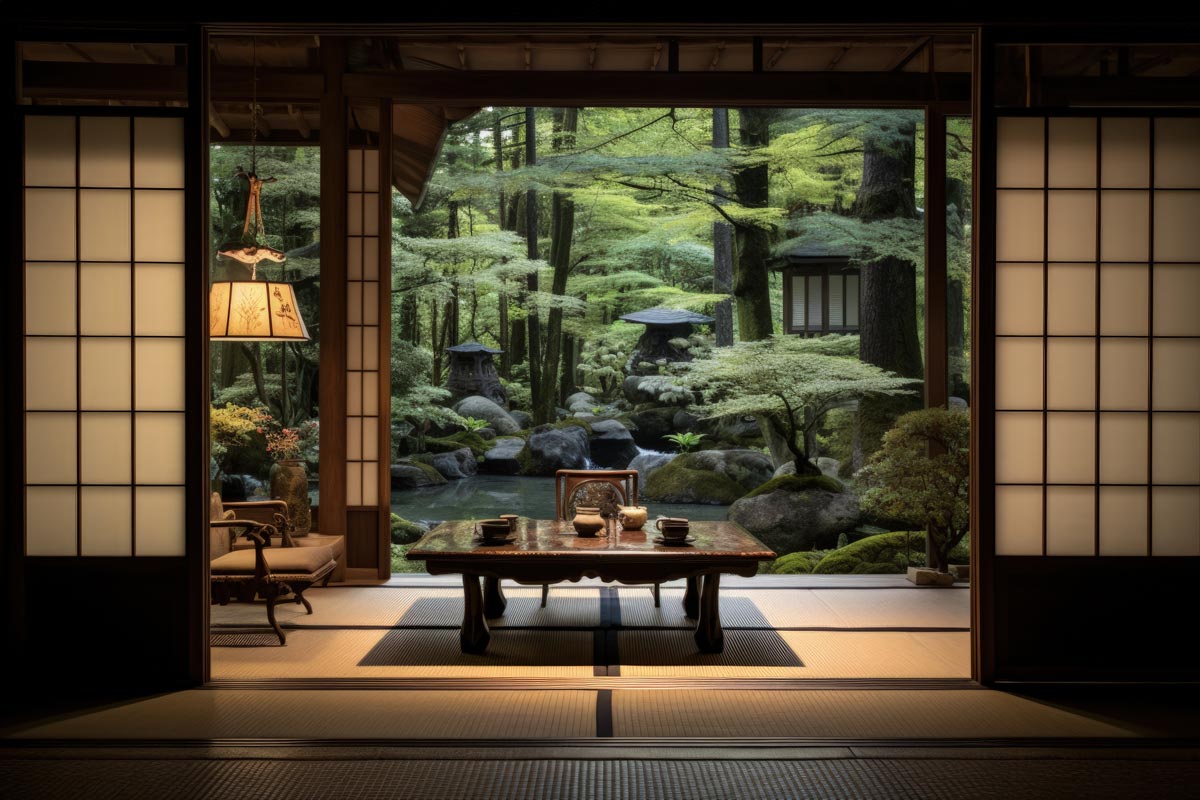
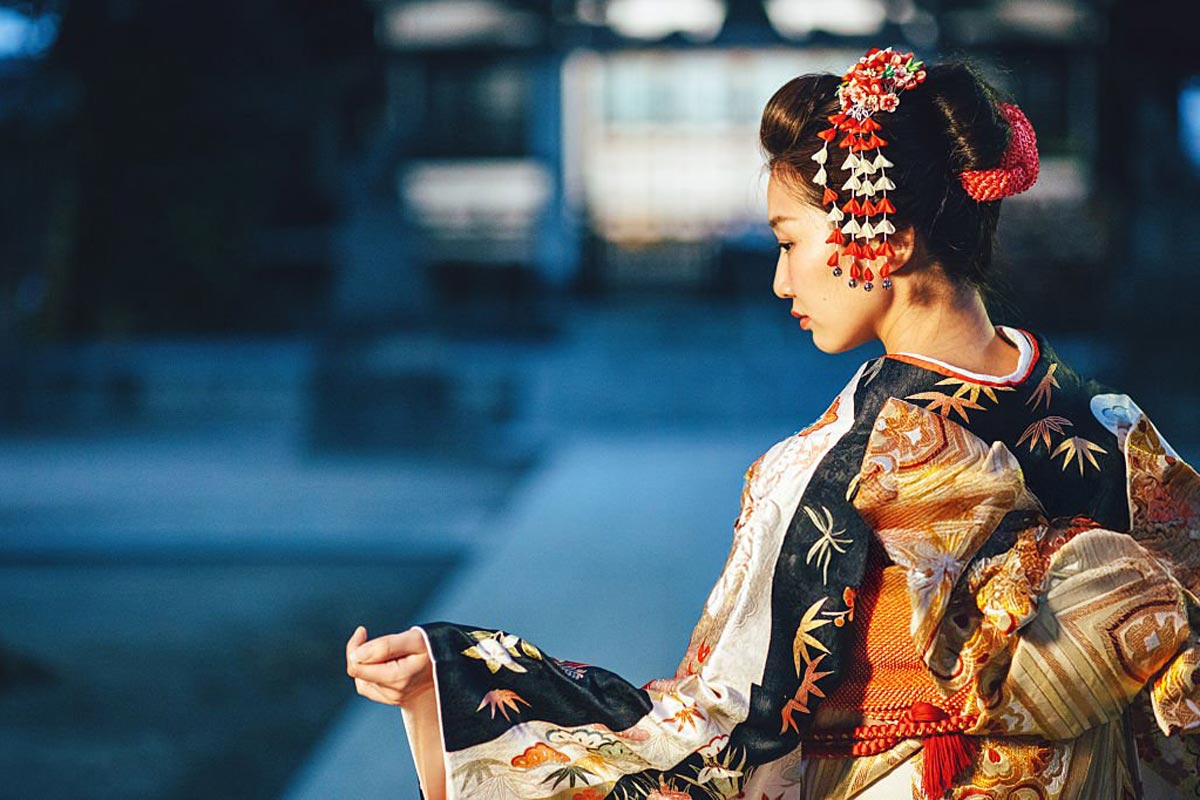
- Traditional rest areas where you can relax in a yukata (cotton robe)
- The surrounding streets lined with souvenir shops, snack stalls, and small shrines
For first-timers, don’t be shy about onsen etiquette. Remember to wash thoroughly before entering the bath, tie up long hair, and leave swimsuits and towels out of the water. Many ryokan (traditional inns) around Dogo Onsen offer private baths if you prefer more privacy.
Bocchan Dango and Local Literature
Ehime is also associated with celebrated author Natsume Soseki, whose novel “Bocchan” is set in Matsuyama. You’ll see references across the city, from retro trams to the popular sweet Bocchan dango—skewered rice dumplings in three colors. Try them with green tea at a tea house near Dogo Onsen for a light afternoon snack.
Shimanami Kaido: Cycling Across the Inland Sea
For many travelers, the highlight of Ehime is the Shimanami Kaido, a spectacular expressway and cycling route that links Imabari in Ehime Prefecture with Onomichi in Hiroshima Prefecture via a chain of islands.
What Is the Shimanami Kaido?
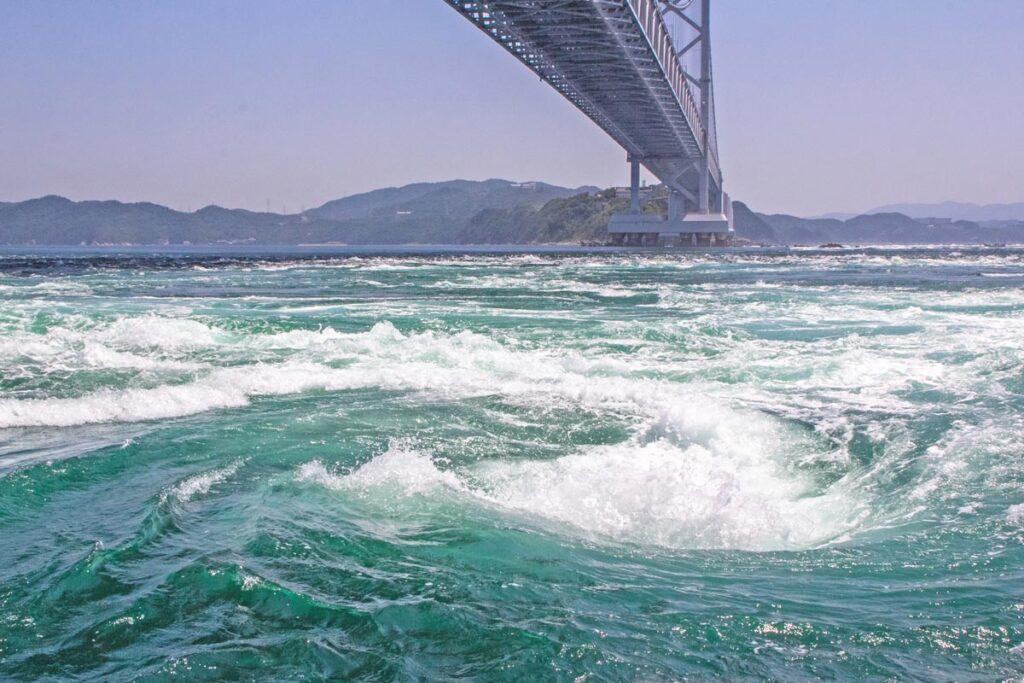
The route spans about 70 km and crosses six main islands. Dramatic suspension bridges stretch over turquoise channels, fishing villages dot the shores, and citrus groves climb the hillsides. Dedicated cycle paths, regular rest stations, and clear signage make it one of Japan’s most enjoyable cycling experiences for beginners and experienced riders alike.
How to Ride It as a Visitor
You don’t need to be an athlete or a cycling fanatic to enjoy the Shimanami Kaido.
- Start in Imabari: Imabari, in northern Ehime, is a main entry point. Rent bicycles from the official rental terminals near the city’s train station or port.
- Choose your distance: You can cycle the entire route in one long day, or break it into 2 days with an overnight stay on one of the islands. Families and relaxed riders often choose shorter sections.
- Return options: Bikes can usually be dropped off at various terminals along the route. Buses and ferries connect the islands back to both Imabari and Onomichi.
Along the way, look out for small cafes, coastal shrines, and viewpoints offering sweeping sea vistas. Citrus orchards are everywhere—Ehime is famous for its mikan (mandarins) and other varieties of oranges. In season, try fresh juice or soft-serve ice cream flavored with local citrus.
Island and Coastal Culture
Ehime’s identity is closely tied to the sea. Many communities built their fortunes on maritime trade, shipbuilding, and fishing. Today, visitors can get a taste of this culture along the coast and on small islands.
Imabari: Towels and Sea Views
Imabari is one of Japan’s leading producers of high-quality towels, known for their softness and absorbency. Look for Imabari towel boutiques and outlets throughout the city—you can even find small “towel museums” or shops explaining the craftsmanship and strict quality standards behind the brand.
The city’s port area offers views of ships and bridges in the distance, while nearby coastal parks provide relaxed places to walk or picnic on clear days.
Small Islands and Local Ferries
While the Shimanami Kaido islands are the most famous, many other small islands lie off Ehime’s coast. Local ferries connect them to the mainland, and spending a few hours on one of these slower boats is a simple pleasure in itself. Schedules can be limited, so check times in advance if you plan to visit.
Food and Drink in Ehime
Ehime’s cuisine reflects its warm climate and maritime location. Expect plenty of fresh seafood, seasonal fruits, and regional comfort dishes.
Seafood Specialties
Look for dishes such as:
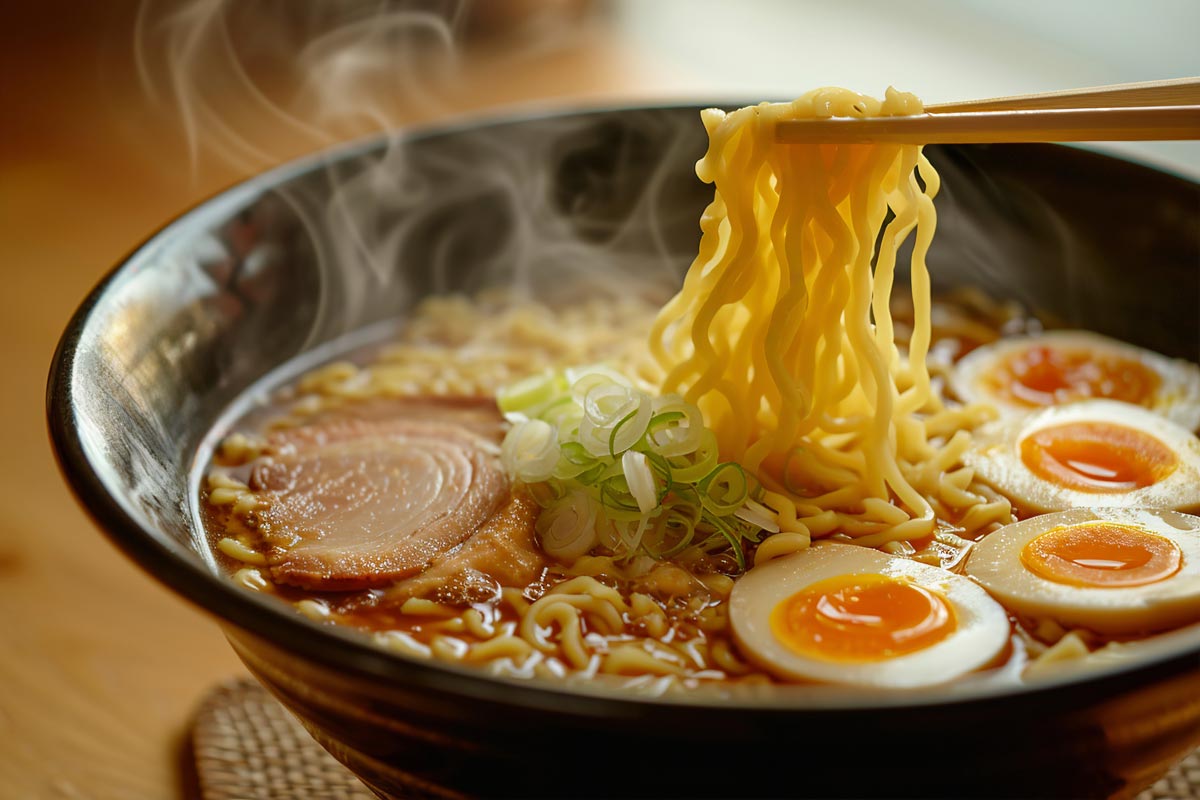
- Taimeshi: Rice cooked or served with sea bream, a fish long associated with celebration in Japan. Ehime has its own versions, often featuring delicately flavored broth and local soy sauce.
- Sashimi and grilled fish: Fishing ports along the Seto Inland Sea supply restaurants with an ever-changing variety of fresh catch.
Citrus Heaven
Ehime is one of Japan’s top citrus-producing regions. Beyond the well-known mikan, farmers cultivate numerous varieties with different levels of sweetness and aroma. In season, you’ll find:
- Freshly squeezed mikan juice
- Citrus-flavored sweets and jellies
- Jams and marmalades as convenient souvenirs
Many souvenir shops in Matsuyama and along the Shimanami Kaido offer tasting samples, making it easy to discover your favorite type.
Local Comfort Foods
Like other parts of Shikoku, Ehime has hearty everyday dishes that are ideal after a day of sightseeing or cycling. Look out for regional udon or soba noodles, and small izakaya pubs where you can sample assorted local dishes with a glass of sake or beer.
Traditions, Temples, and the Shikoku Pilgrimage
Shikoku is famous for the 88-temple pilgrimage, a Buddhist circuit associated with the monk Kukai (Kobo Daishi). Pilgrims, often dressed in white, travel by foot, car, or bus to visit temples across the island. Several of these temples lie within Ehime Prefecture.
Even if you are not undertaking the full pilgrimage, stopping at one or two temples offers a peaceful glimpse into local spiritual traditions. Watch how pilgrims bow, ring bells, and recite sutras, and remember to be respectful: speak quietly, follow posted rules, and avoid interrupting prayers.
Suggested 3-Day Itinerary in Ehime
For first-time visitors, the following outline offers a balanced introduction to Ehime:
Day 1: Matsuyama Castle and City Stroll
- Arrive in Matsuyama and check in to a hotel or ryokan.
- Take the ropeway up to Matsuyama Castle, explore the keep, and enjoy views of the city.
- Stroll through the castle park and nearby shopping arcades.
- Dinner at an izakaya serving local seafood and taimeshi.
Day 2: Dogo Onsen and Literary Atmosphere
- Ride the tram to Dogo Onsen and wander through the historic hot spring district.
- Take a soak in the public bathhouse or a nearby ryokan bath.
- Try Bocchan dango and mikan-flavored treats at local cafes.
- In the evening, stroll the lantern-lit streets in a yukata if your accommodation provides one.
Day 3: Shimanami Kaido Adventure
- Travel early to Imabari by train or bus.
- Rent a bicycle and ride a section of the Shimanami Kaido, stopping at viewpoints and seaside cafes.
- Return your bike at a designated terminal and head back to Matsuyama or continue to Hiroshima via Onomichi.
Practical Tips for First-Time Visitors
- Language: English is less widely spoken than in Tokyo or Osaka, but staff at major hotels and tourist centers usually speak some English. Simple Japanese phrases and a translation app go a long way.
- Transport: Matsuyama’s tram network is straightforward and useful for moving between the station, city center, and Dogo Onsen. IC cards used in other parts of Japan are increasingly accepted, but check locally.
- Cash and cards: Credit cards are accepted at larger hotels and restaurants, but carry some cash for smaller shops, rural areas, and local buses.
- Onsen etiquette: Tattoos may still be sensitive in some bathhouses. Check policies in advance or ask your accommodation if you are unsure.
- Weather: Summers can be hot; light clothing, sunscreen, and a hat are essential, especially if cycling.
Why Ehime Belongs on Your Japan Itinerary
Ehime offers a balance many travelers are seeking: enough infrastructure to feel comfortable, yet enough space and authenticity to feel distinct from Japan’s busiest cities. From steaming hot springs and hilltop castles to citrus-scented islands and sea-crossing bridges, the prefecture reveals a slower, more contemplative side of Japan.
For first-time visitors ready to go just a little off the beaten path, adding a few days in Ehime can turn a standard Japan trip into something quietly unforgettable.
Access Map
Recommended spots in Ehime
Matsuyama Castle
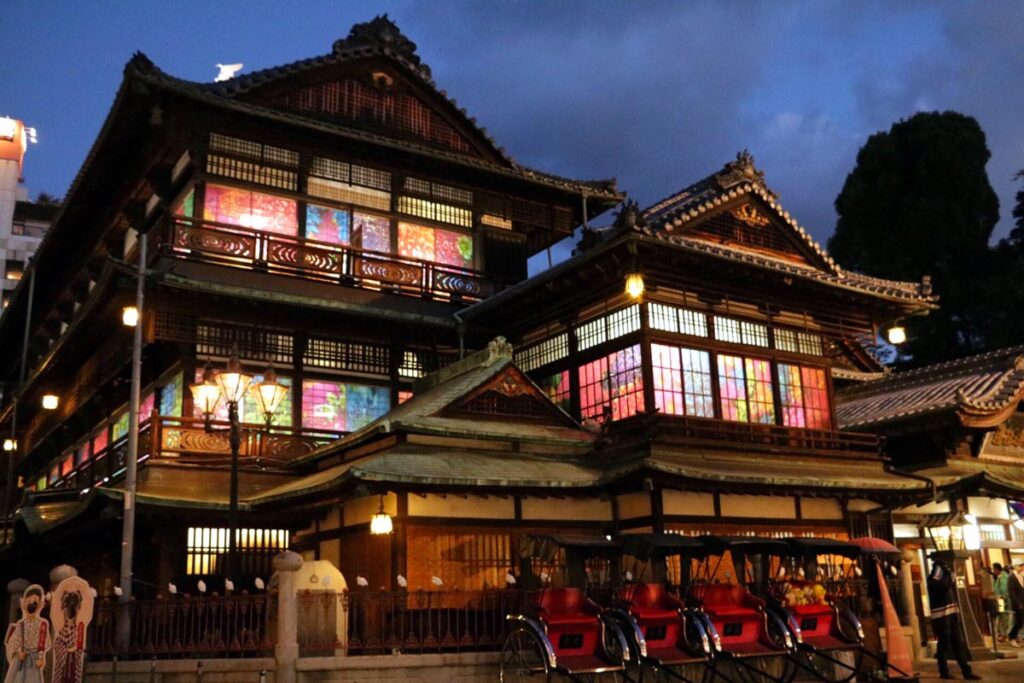
Dōgo Onsen
Top destinations in Chugoku/Shikoku
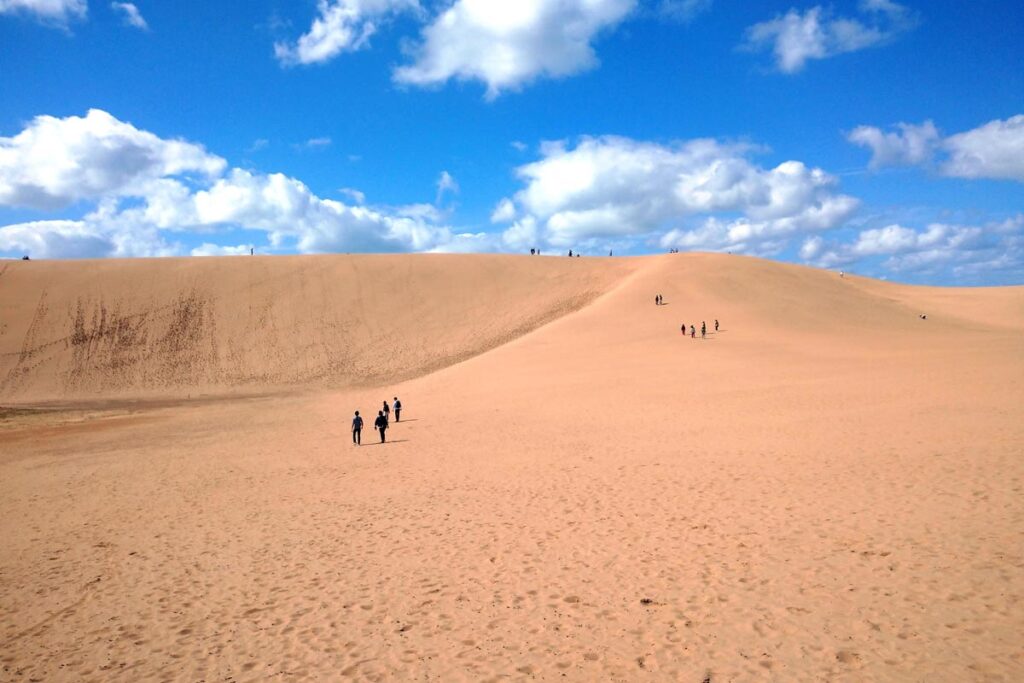
Tottori
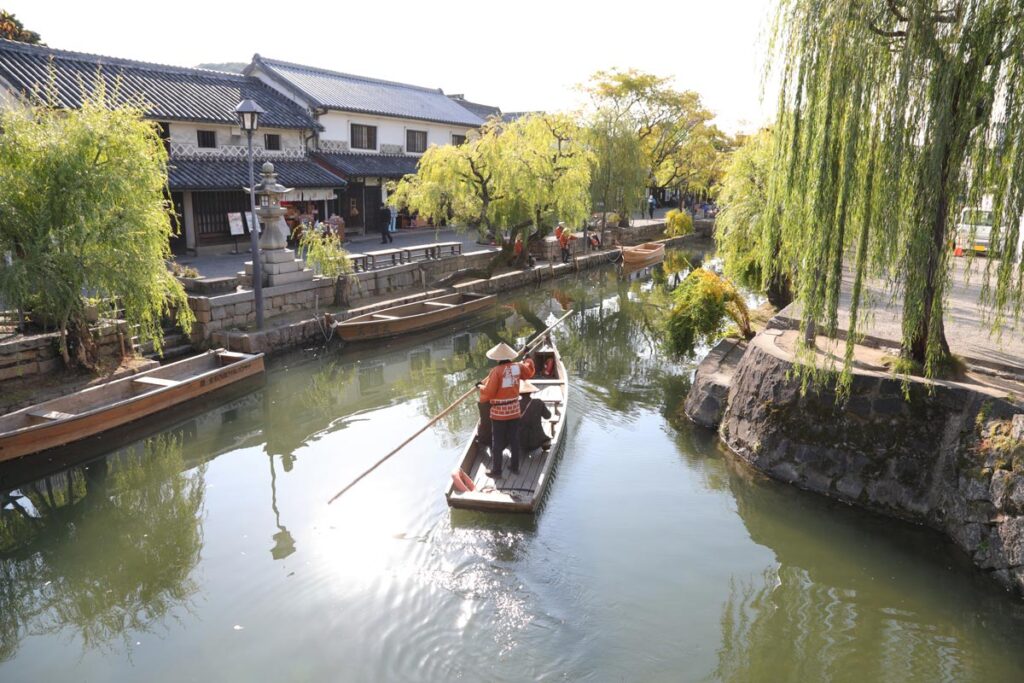
Okayama
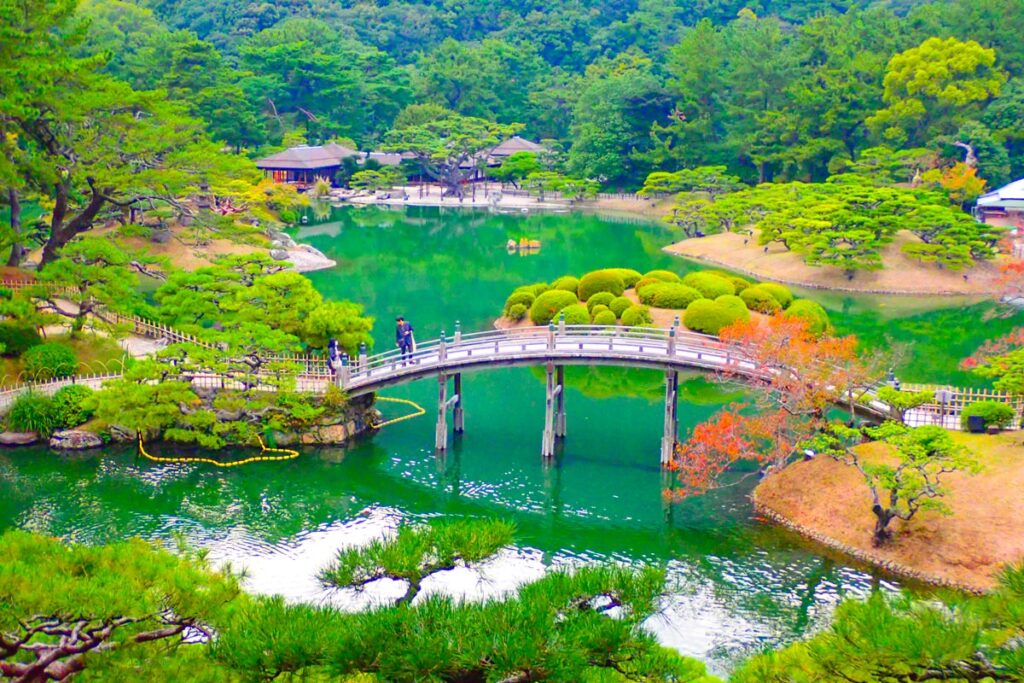
Kagawa