


Farmstay Experience
Farmstay Experience in Japan: A First-Timer’s Guide to Rural Life
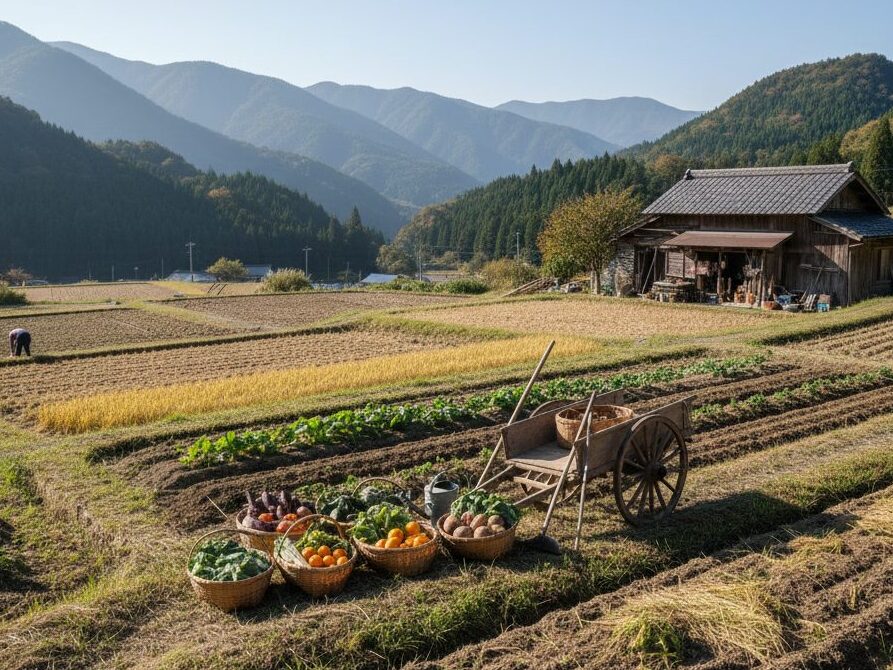
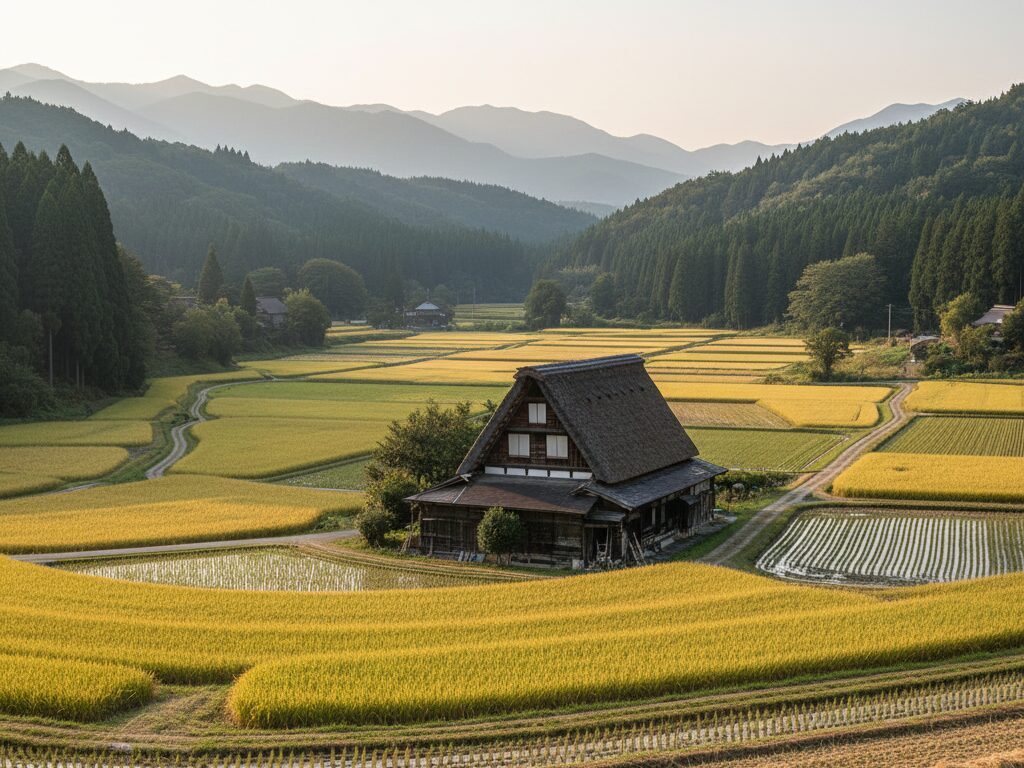
For many first-time visitors, Japan is synonymous with neon-lit streets, bullet trains, and futuristic cities. Yet some of the country’s most memorable travel moments happen far from the skyscrapers, in quiet valleys and rice-terraced hillsides. A farmstay experience in Japan offers a chance to slow down, breathe country air, and connect with local families while learning about traditional ways of life.
This guide introduces what a Japanese farmstay is, where to go, what to expect throughout the year, and how to prepare for a comfortable, culturally respectful stay.
What Is a Farmstay in Japan?
A farmstay in Japan typically means staying with a farming family in the countryside, often in a traditional wooden house, while taking part in light farm work and daily life. It’s sometimes called a “farm inn” or “agritourism stay,” and can range from very rustic homestays to more polished, guesthouse-style lodgings attached to working farms.
Unlike a standard hotel, a farmstay emphasizes:
- Cultural exchange: Eating together, chatting (often with simple English and gestures), and learning each other’s customs.
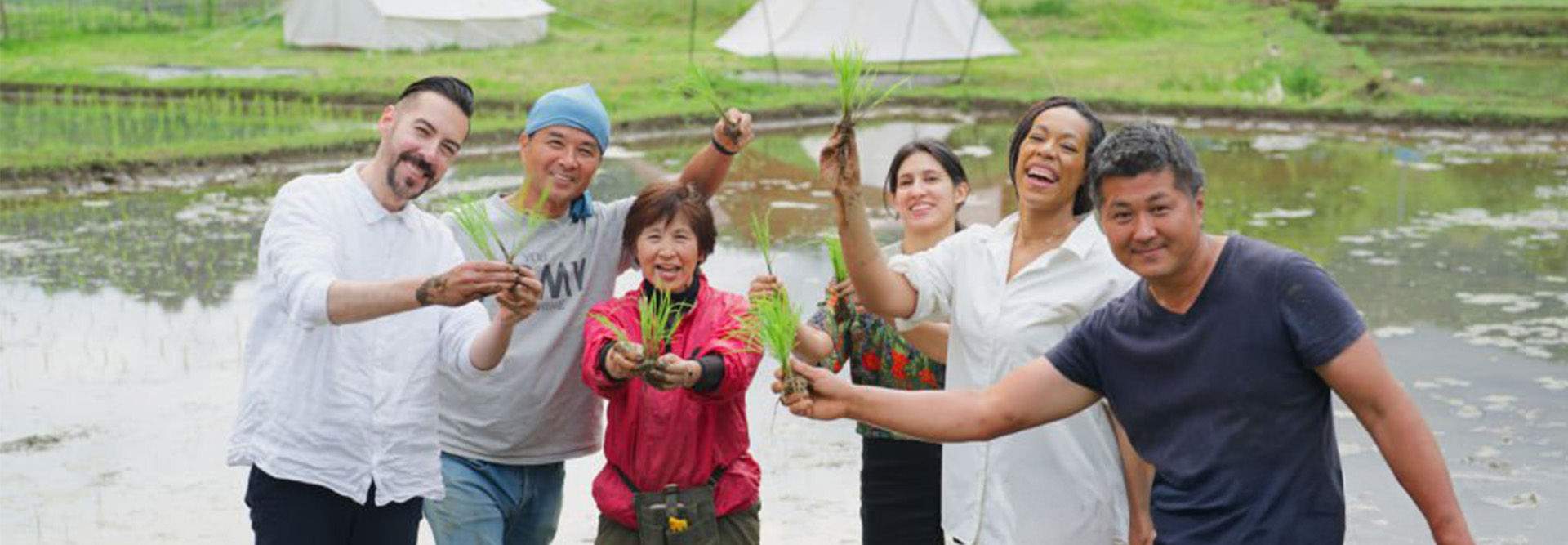
- Seasonal activities: Helping with rice planting, harvesting vegetables, picking fruit, or caring for animals depending on the time of year.
- Local food: Meals are usually homemade using farm-fresh ingredients, highlighting regional specialties you rarely find in big cities.
- Traditional lifestyle: Sleeping on futons, bathing in deep tubs or nearby hot springs, and experiencing the slower rhythm of countryside life.
Why Choose a Farmstay in Japan?
Japan’s countryside offers a very different experience from Tokyo, Kyoto, or Osaka. Choosing a farmstay adds depth and balance to your trip.
Connect with Everyday Japanese Life
City visits can give the impression that Japan is all efficiency and high-tech convenience. A farmstay shows another side: families who have cultivated the same fields for generations, neighbors who exchange vegetables, and seasonal festivals that still shape the farm calendar. This is where you can see how people really live, beyond tourist districts.
Slow Travel and Mindful Moments
Daily life at a farm has its own gentle rhythm: waking up to birds and roosters, hearing the rustle of rice paddies or wind through cedar forests, and watching the night sky without city lights. It’s an ideal break for travelers needing quiet time after intense sightseeing days.
Unforgettable Food Experiences
Countryside meals are often one of the highlights of a farmstay experience. Expect seasonal vegetables, homemade pickles, miso soup made from local miso paste, and rice that was likely grown just outside the house. In coastal areas, you may try incredibly fresh fish; in mountainous regions, wild plants and mushrooms feature in home-cooked dishes.
Most hosts can adjust for basic dietary needs if you warn them in advance, though strict vegan or allergy-safe options may require extra communication.
Where to Enjoy a Farmstay in Japan
Farmstays are scattered all over Japan, from northern Hokkaido to the southern islands. Many rural regions actively promote them to visitors looking for authentic experiences.
Hokkaido and Northern Japan
Hokkaido’s wide fields, dairy farms, and cool air are perfect if you enjoy open landscapes and outdoor activities. Summer offers flower fields and vegetable harvests, while winter can include snow activities around the farm. Elsewhere in northern Honshu, such as Tohoku, you may find rice terraces, apple orchards, and traditional mountain villages.
Central Japan and the Alps Region
Areas like Nagano, Gifu, and Toyama offer farmstays amid rice paddies and forested mountains. Here, you might stay in a wooden farmhouse, visit hot springs after farm work, and discover hearty mountain cuisine. The combination of farming and onsen (hot springs) is especially appealing for travelers who want both activity and relaxation.
Western Japan and Shikoku
In regions such as Shikoku and rural parts of Kansai and Chugoku, farmstays often focus on citrus fruits, rice, and small-scale vegetable farming. Expect mild climates, slow-paced towns, and friendly communities. Some areas are along famous pilgrimage trails, adding a spiritual dimension to your visit.
Southern Islands and Subtropical Farms
In Kyushu and Okinawa, you may find farmstays that specialize in tea, sugarcane, tropical fruits, or unique local vegetables. The atmosphere is often warmer and more relaxed, and cultural traditions have their own distinct flavors, from folk music to regional festivals.
Seasonal Farmstay Experiences
Japan’s four seasons strongly shape farming life. Choosing when to go can change the activities you experience.
Spring: Planting and Blossoms
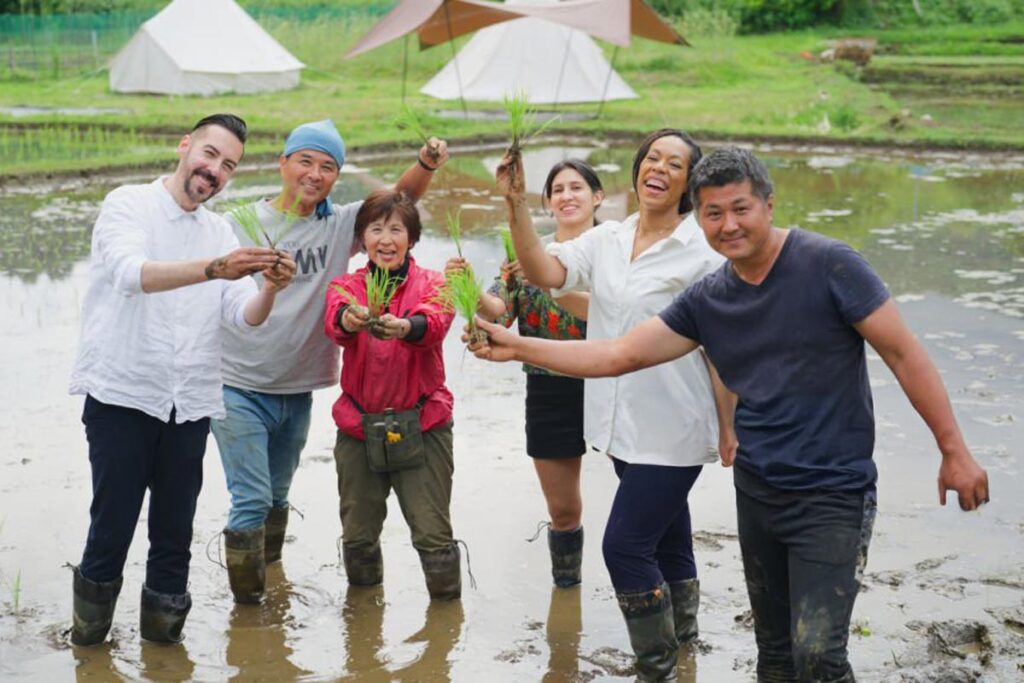
From March to May, farmers prepare fields and begin planting. In rice-growing regions, you might help transplant green rice seedlings into flooded paddies. Vegetable gardens are also coming to life. The countryside is covered in fresh greenery, and in many places you can still enjoy cherry blossoms along rivers and village roads.
Summer: Growth and Long Days
Summer (June to August) brings long days, lush fields, and a variety of crops. You may help weed vegetable beds, harvest leafy greens, or tend to fruit trees. Some regions host lively summer festivals with fireworks and traditional dances, which your hosts may take you to see. Expect warm or hot weather and bring a hat and sunscreen for outdoor work.
Autumn: Harvest and Festivals
Autumn (September to November) is a favorite season for many farmstay guests. Rice turns golden, fruits ripen, and the countryside glows with red and yellow foliage. You might join rice harvesting, help hang bundles to dry, or pick apples, persimmons, and other fruit. Many rural communities hold harvest festivals that give insight into local spiritual traditions and gratitude for the year’s crops.
Winter: Quiet Fields and Cozy Houses
In winter (December to February), fields may rest under snow in northern areas, while southern regions continue some winter crops. Though there is less field work, winter offers other experiences: learning to make pickles, helping prepare preserved foods, or joining in New Year traditions if you visit around that time. Cozy evenings by a heater, hot pots bubbling on the table, and visits to nearby hot springs make winter farmstays uniquely atmospheric.
What to Expect During a Farmstay
Each farmstay is different, but most share some common features. Understanding these will help you feel comfortable and prepared.
Traditional Japanese-Style Rooms
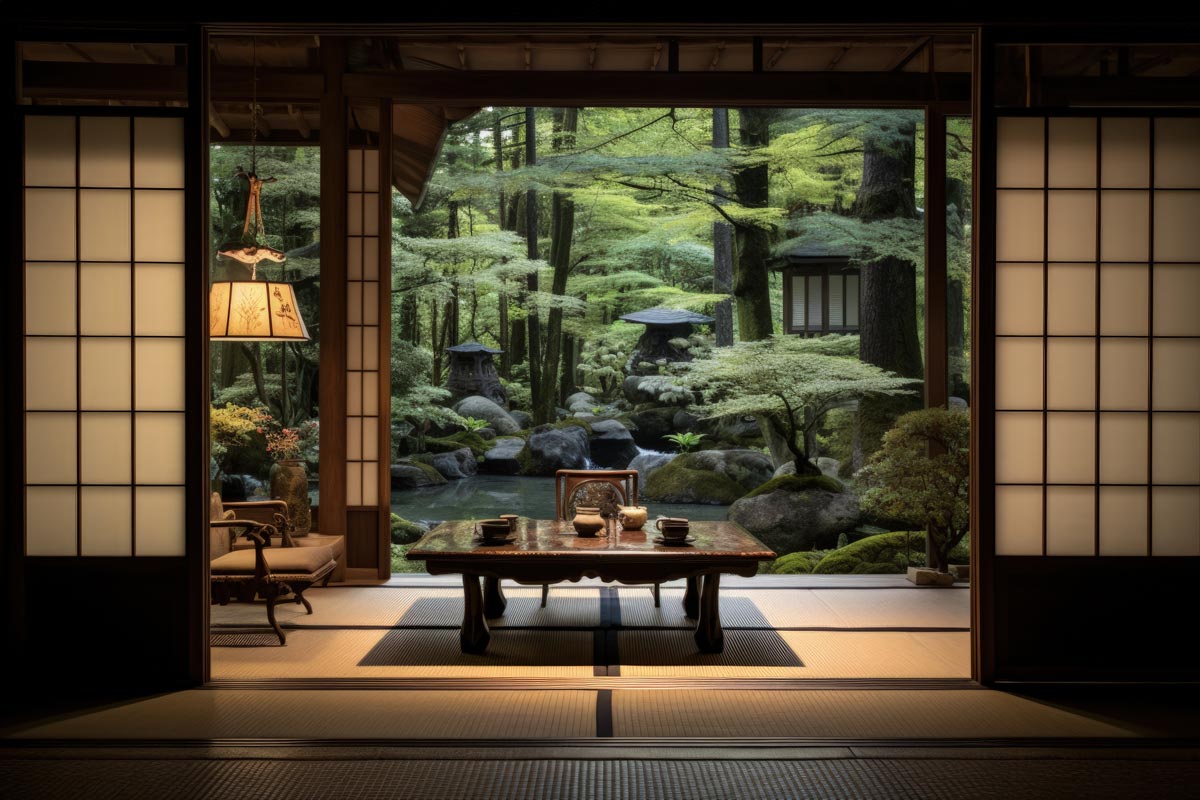
Many farmstays use tatami rooms with sliding doors and futon bedding. You roll out your futon at night and fold it away in the morning. Some houses are old wooden farmhouses, which can be charming but also a bit drafty, so warm pajamas are useful in cooler months. Bathrooms and toilets are usually shared with the family and other guests.
Bathing and Onsen Culture
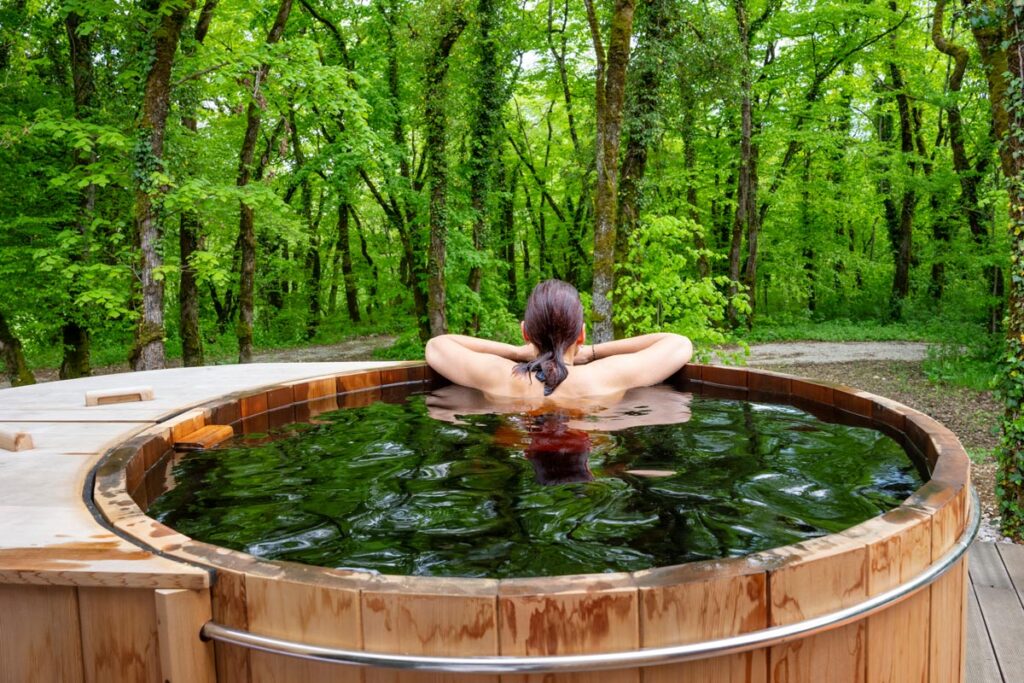
Bathing is a key part of Japanese daily life, and many rural areas have public bathhouses or hot spring facilities. Your host may have a deep home bathtub, or they might take you to a local onsen. Remember to wash thoroughly before soaking, and typically you bathe naked, with men and women in separate areas.
Meals with the Family
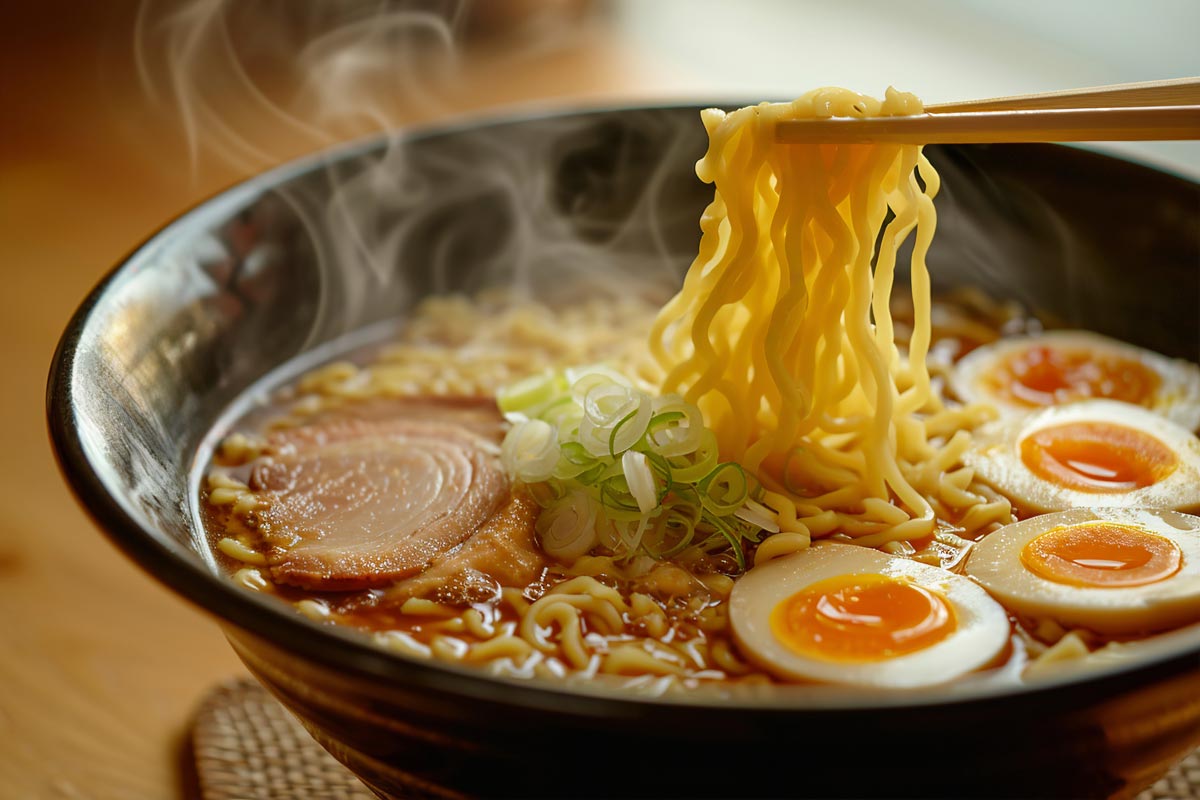
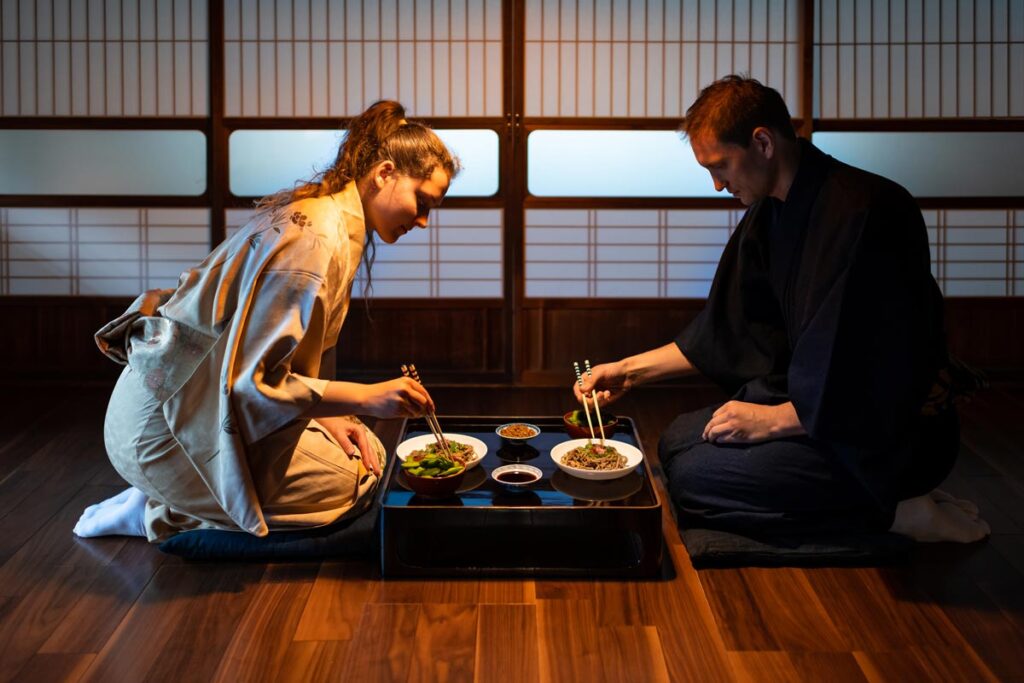
Meals are usually shared with your host family, offering a great chance for conversation and cultural exchange. Breakfast might include rice, miso soup, grilled fish, and vegetables; dinner could feature simmered dishes, tempura, or regional specialties. Hosts usually take pride in introducing seasonal flavors and explaining ingredients, often straight from their fields.
Light Farm Work and Activities
Expect to spend part of your stay helping with farm tasks. Typical activities could include:
- Planting or harvesting rice, vegetables, or herbs
- Feeding chickens or collecting eggs
- Picking fruit from orchards or small groves
- Helping prepare homemade foods such as miso, pickles, or mochi
The work is generally light and suitable for beginners. It’s not a full-time labor program but rather a way to participate in daily life. Still, comfortable clothes and a willingness to get a bit dirty are essential.
Language and Communication
In many farmstay families, English is limited, especially with older generations. However, hosts who accept international guests are usually patient and used to communicating with gestures, translation apps, and simple phrases. Learning a few basic Japanese words—like greetings and thank you—goes a long way and is deeply appreciated.
How to Prepare for Your Farmstay
Good preparation ensures your stay is smooth, enjoyable, and respectful of local customs.
What to Pack
Beyond your usual travel essentials, consider:
- Comfortable, old clothes for working in fields or gardens
- Closed-toe shoes or boots suitable for muddy ground
- Warm layers for cool evenings in spring and autumn, or thick socks in winter
- Sun protection (hat, sunscreen) for summer visits
- Personal toiletries and any medications you need, as shops may be far away
- Small gift from your home country such as sweets or a postcard, as a friendly gesture to your hosts
Understanding House Rules
Japanese homes often have specific customs:
- Always remove your shoes at the entrance and wear the provided slippers indoors.
- Use separate slippers for the toilet area if provided.
- Handle sliding doors and tatami carefully; avoid placing heavy luggage directly on tatami floors.
- Ask before taking photos of the family or inside the house.
Your hosts will appreciate your efforts to follow these customs, even if you make small mistakes.
Money, Payment, and Connectivity
Some rural accommodations still prefer cash, and ATMs might be limited. Check in advance whether you can pay by card or need Japanese yen. Wi-Fi may be available but not always as fast or stable as in cities. Consider downloading offline maps and translation tools before you go.
Respecting Rural Communities
A farmstay is not only a place to sleep; it’s an opportunity to build meaningful connections and support local communities.
To be a considerate guest:
- Be punctual for meals and scheduled activities.
- Listen carefully to safety instructions, especially around animals, machinery, and irrigation channels.
- Offer to help with simple tasks like clearing the table or washing dishes.
- Share your culture by showing photos from home, teaching a simple game, or talking about your country if asked.
Many hosts are curious about the wider world and welcome the chance to learn from their guests just as you are learning from them.
Combining a Farmstay with Other Destinations
For first-time visitors to Japan, a farmstay often works best as part of a larger itinerary. You might spend a few days in Tokyo, then head to a rural region for two or three nights, followed by time in Kyoto or another major city. This creates a balanced trip that includes both iconic sights and deeper, quieter experiences.
Transportation to farmstays may involve local trains, buses, and sometimes a pickup by your host from the nearest station. Plan extra time for travel days, and don’t worry if the pace feels slower—that’s part of the charm.
Is a Farmstay Experience Right for You?
A Japanese farmstay is ideal if you enjoy cultural immersion, nature, and authentic human connections. It suits travelers who are flexible, open-minded, and comfortable stepping away from familiar routines. If you prefer strict hotel-style privacy, fixed schedules, and urban convenience, you may find a farmstay challenging—but even then, a short one- or two-night visit can still be rewarding.
For many first-time visitors, staying on a Japanese farm becomes the most vivid memory of their trip: the taste of freshly cooked rice, the sound of frogs in evening paddies, the shy smile of a host offering second helpings. Beyond sights and souvenirs, a farmstay experience offers something more lasting—a glimpse into the everyday heartbeat of rural Japan.

Explore Other Hotels
Temple Stay
Farmstay Experience