

Fukushima
Fukushima Travel Guide: Hot Springs, History and Hope in Northern Japan
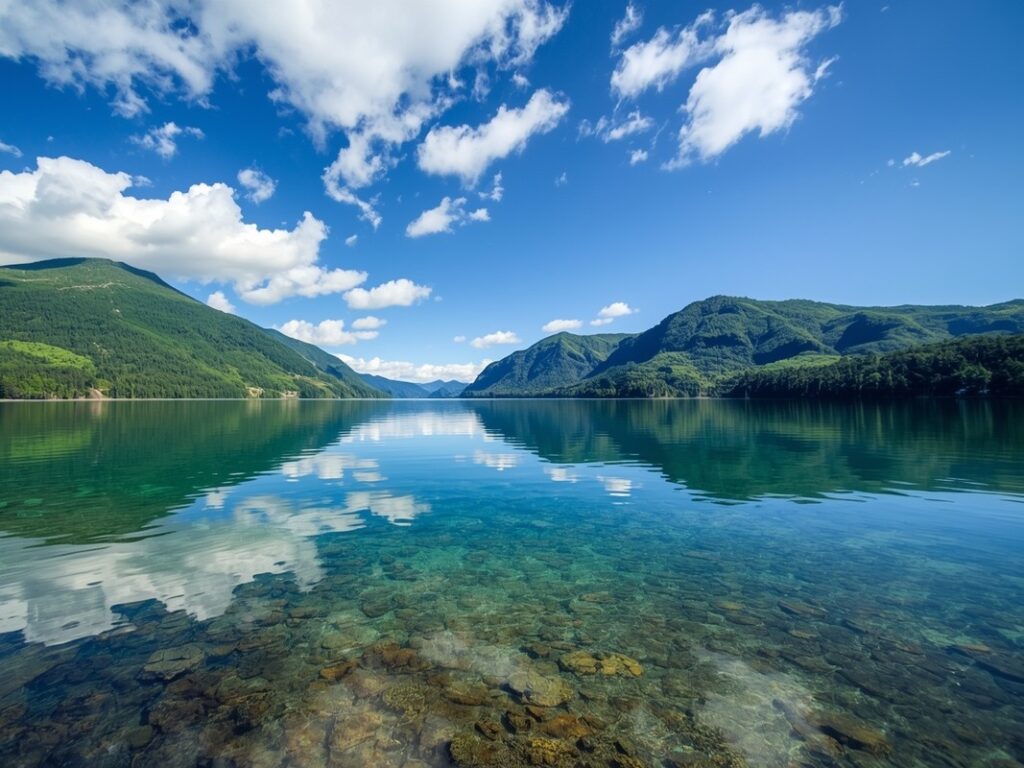
Photos are for illustrative purposes only.
For many international visitors, the name Fukushima is familiar but not fully understood. Beyond the headlines lies a vast, beautiful prefecture filled with castle towns, steaming hot springs, alpine lakes, Samurai history and some of Japan’s most scenic train journeys. For first-time travelers to Japan who want to go beyond Tokyo and Kyoto, Fukushima offers an authentic, less crowded experience with a powerful story of resilience and renewal.
Why Visit Fukushima?
Fukushima is Japan’s third-largest prefecture by area, stretching from the Pacific coast to the rugged mountains of the Tohoku region. This variety means you can soak in an outdoor onsen, walk through a perfectly preserved Edo-period village, hike around crater lakes, and sample award-winning sake all in a single trip.
While the 2011 earthquake, tsunami, and nuclear accident affected part of the coastal area, most of Fukushima is geographically distant from the damaged plant and has been thriving as a travel destination for years. Popular areas such as Aizu-Wakamatsu, Ouchijuku, Bandai, Inawashiro, and the hot spring towns of Iizaka and Higashiyama are well outside the exclusion zones and are regularly monitored for safety.
For visitors who want to experience Japan’s natural beauty, traditional culture, and contemporary recovery efforts in a respectful way, Fukushima is an extremely rewarding choice.
Understanding Fukushima’s Regions
Fukushima is often divided into three main areas, each with a distinct character.
Aizu: Samurai Heritage and Mountain Landscapes
In the western part of the prefecture, Aizu is a historic domain once ruled by powerful Samurai clans. Today it is known for:
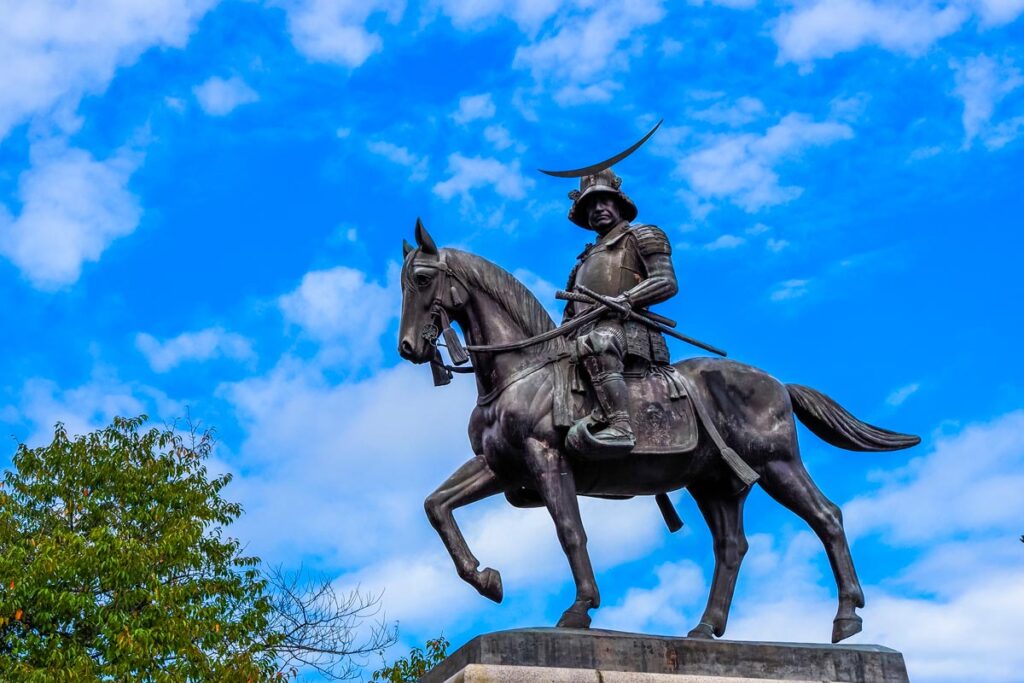
- Aizu-Wakamatsu: Castle town with Samurai history and traditional crafts
- Ouchijuku: A beautifully preserved Edo-period post town
- Lake Inawashiro and Mount Bandai: Outdoor activities, skiing, and lakeside resorts
Nakadori: Hot Springs and Transport Hub
Running north–south through the middle of Fukushima, Nakadori is the main transport corridor and home to:
- Fukushima City: Regional capital and gateway
- Iizaka Onsen and Takayu Onsen: Classic hot spring towns
- Scenic mountain roads such as the Bandai-Azuma Skyline
Hamadori: Pacific Coast and Recovery Stories
Along the eastern Pacific coast, Hamadori is where the 2011 disaster hit hardest. Today, carefully reopened areas host museums and guided tours explaining the earthquake, tsunami, and nuclear accident. Visiting here offers sobering insights into modern Japan and the community’s ongoing recovery.
Top Places to Visit in Fukushima
Aizu-Wakamatsu: The Samurai City
Aizu-Wakamatsu is one of Japan’s best places to feel the spirit of the Samurai era. The city is compact enough to explore in a day or two and has a relaxed, traditional atmosphere.
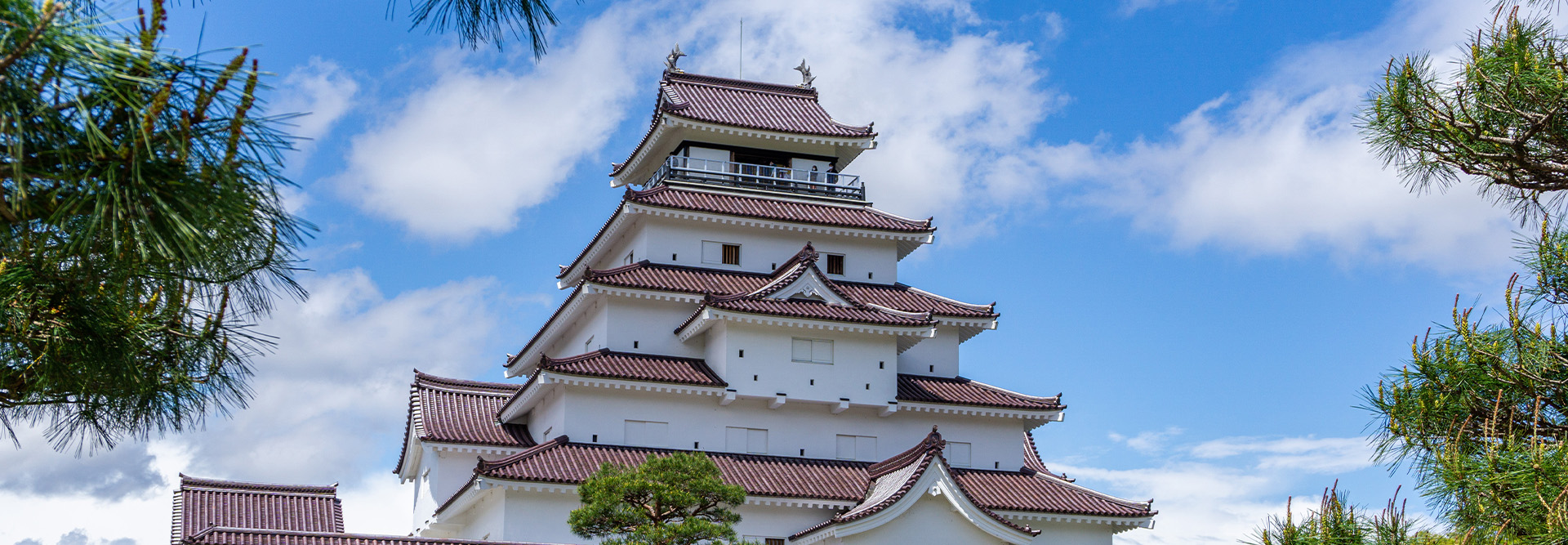
- Tsuruga Castle (Aizu-Wakamatsu Castle): Destroyed in the 19th century and rebuilt in concrete, its exterior faithfully recreates the original Samurai stronghold. Inside, a museum tells the story of the Aizu domain, the Boshin War, and the famous teenage Byakkotai (White Tiger Brigade).
- Iimoriyama Hill: A solemn site where members of the Byakkotai tragically took their own lives, mistakenly believing their castle had fallen. The hill offers sweeping city views and small museums that explain the history in English.
- Samurai Residences (Aizu Bukeyashiki): A restored Samurai mansion and compound where you can imagine life for a high-ranking retainer. Displays show armor, elegant interiors, and daily household tools.
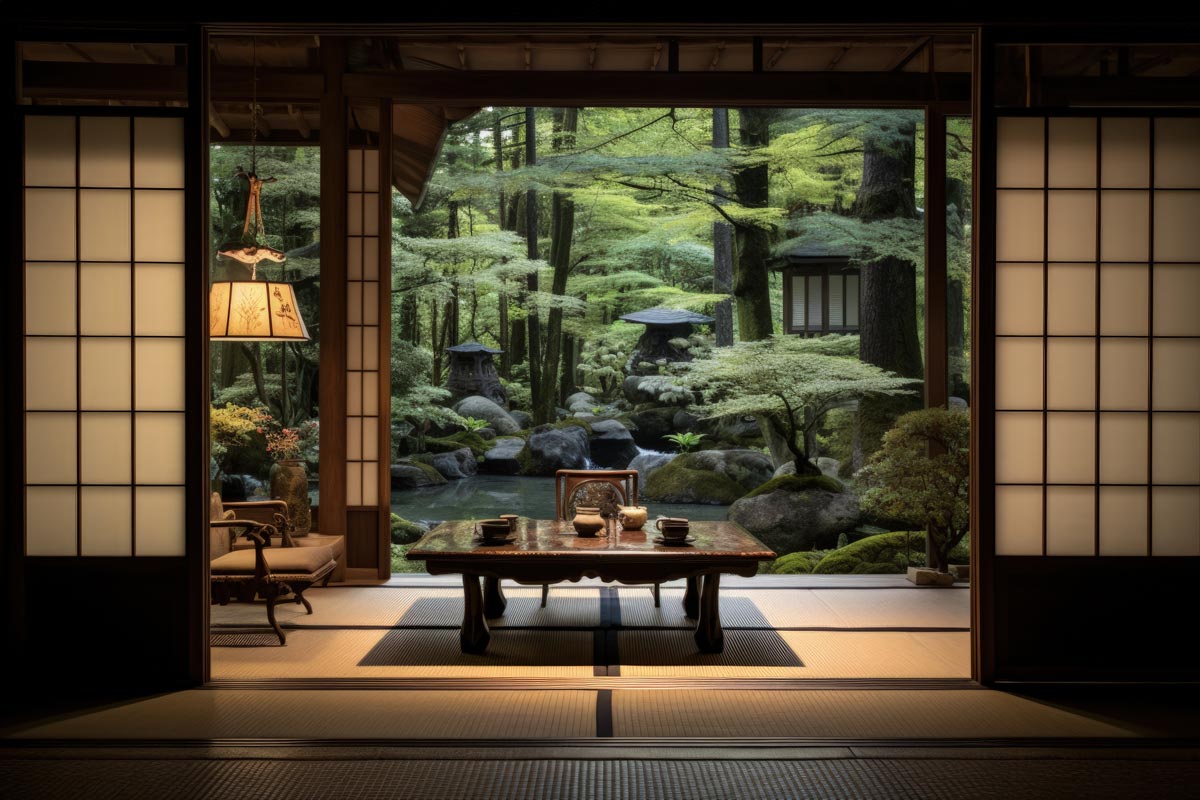
- Higashiyama Onsen: A traditional hot spring village just outside the city, lined with wooden ryokan beside a rushing river. Staying overnight in a ryokan here completes the Samurai-town experience.
Aizu-Wakamatsu is also known for its lacquerware, handmade candles, and outstanding sake. Local breweries often offer tours and tastings, and you’ll notice the clean, dry character typical of Tohoku sake.
Ouchijuku: Time Travel to Edo Japan
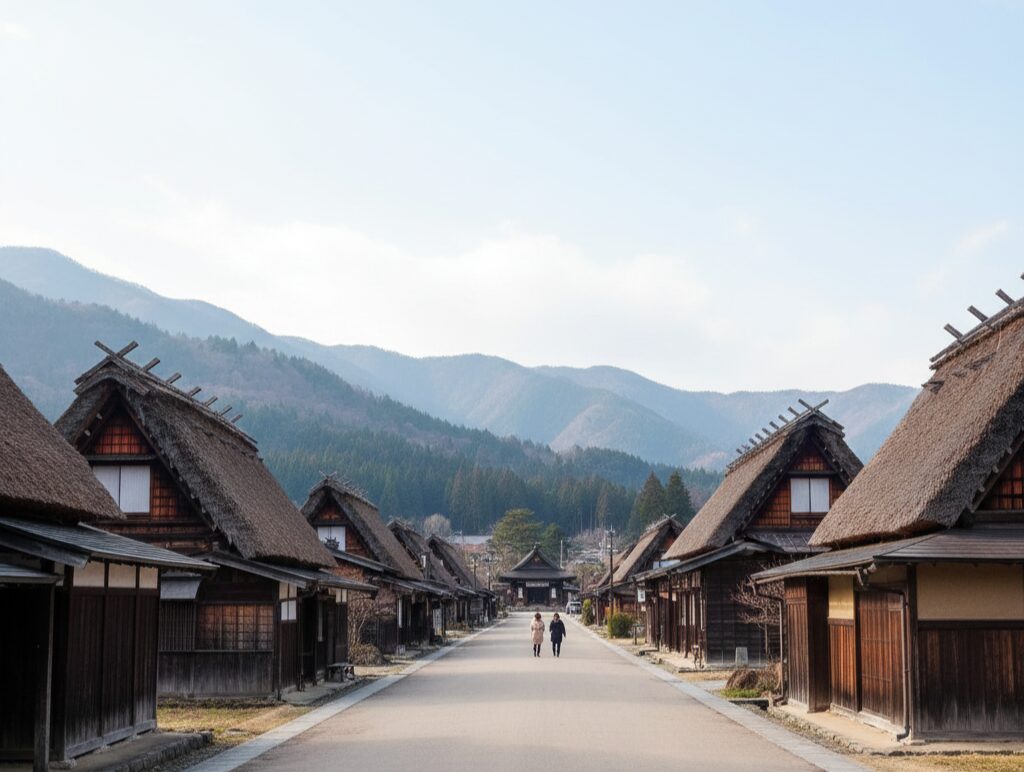
About an hour from Aizu-Wakamatsu, Ouchijuku is a perfectly preserved post town on the old trade route between Aizu and Nikko. Thatched-roof farmhouses line a gently sloping main street, with mountains framing the background. Overhead power lines are buried, preserving an unspoiled historical view.
Many houses have been converted into eateries and guesthouses, but their exteriors remain largely unchanged. The signature local dish is negisoba – buckwheat noodles eaten with a long green onion used as both chopsticks and seasoning. It’s playful, photogenic, and delicious.
Climb the short path to the viewpoint at the shrine above town for the classic panoramic shot of Ouchijuku’s rooftops. In winter, heavy snow turns the village into a storybook scene, while in summer the thatch roofs contrast with vivid green rice fields.
Lake Inawashiro and Mount Bandai: Outdoor Adventures
Nicknamed the “Sky Mirror,” Lake Inawashiro is one of Japan’s largest lakes, famous for its clear water and reflections of Mount Bandai. The area offers a refreshing escape from Japan’s big cities and can be enjoyed year-round.
- Summer: Swimming, stand-up paddleboarding, lakeside cafes, and cycling along quiet country roads.
- Winter: Several ski resorts around Mount Bandai feature well-groomed slopes, tree runs, and views over the lake. They are generally less crowded and more affordable than the big-name resorts in Nagano or Hokkaido.
- Goshikinuma (Five-Colored Ponds): A hiking trail winds past a series of volcanic ponds whose waters shift between turquoise, emerald, and deep cobalt depending on the mineral content and sunlight. The easy walk (around an hour) is suitable for most visitors.
The Bandai area is also dotted with onsen, where volcanic activity heats mineral-rich waters perfect for a post-hike or post-ski soak.
Onsen Towns: Iizaka, Takayu, and More
Fukushima’s mountainous terrain and volcanic geology make it one of Japan’s great onsen destinations. For first-time visitors, staying in a hot spring ryokan is one of the most memorable cultural experiences.
- Iizaka Onsen: A classic hot spring town just north of Fukushima City. Narrow streets, public bathhouses, and traditional sweet shops create a nostalgic mood. Some ryokan offer day-use baths if you’re not staying overnight.
- Takayu Onsen: High in the mountains west of the city, Takayu is known for its milky-blue sulfuric waters said to be good for the skin. The baths often open to forest views and cool mountain air.
- Higashiyama Onsen near Aizu-Wakamatsu and Ashinomaki Onsen along scenic river gorges are also excellent bases for relaxation.
Onsen etiquette is important: wash thoroughly before entering the shared baths, bathe naked (no swimsuits), and keep towels out of the water. If you are new to Japanese baths, many ryokan staff are used to helping international guests and will gently guide you.
Coastal Fukushima and Disaster Learning Sites
Some visitors to Fukushima choose to visit the coast to understand the 2011 disaster and ongoing recovery. Carefully supervised tours and museums in reopened areas explain what happened with sensitivity and scientific clarity. These experiences can be emotionally heavy but deeply meaningful, offering insight into modern Japan’s resilience and disaster preparedness.
If you go, approach with respect: follow local guidance, ask permission before photographing people or private property, and remember that many residents are still rebuilding their lives.
Seasonal Highlights
Fukushima’s continental climate brings distinct seasons, each offering different experiences.
Spring (March–May)
- Cherry Blossoms: Fukushima has some of Tohoku’s most famous cherry trees, including ancient single trees and riverside rows. Timing varies with altitude, so blossoms can be seen over an extended period.
- Moderate Weather: A comfortable time for castle visits, hiking, and strolling historical towns.
Summer (June–August)
- Mountain Escapes: Cooler temperatures in the Bandai highlands and lakeside areas make a refreshing break from Tokyo’s humidity.
- Festivals: Traditional summer matsuri bring portable shrines, taiko drumming, yukata, and street food. Check local calendars for dates.
Autumn (September–November)
- Fall Foliage: Mountain roads like the Bandai-Azuma Skyline and hiking trails around Goshikinuma explode in red and gold. This is one of the most beautiful and popular seasons.
- Harvest Foods: Fresh rice, mushrooms, and fruits appear on local menus, and sake breweries release new batches.
Winter (December–February)
- Snowy Landscapes: Ouchijuku under a blanket of snow and steam rising from open-air baths make classic winter scenes.
- Skiing and Snowboarding: Quiet slopes, reasonable prices, and easy access from major cities make Fukushima’s ski resorts attractive for beginners and intermediate riders.
Food and Drink in Fukushima
Fukushima’s cuisine reflects its inland farms, freshwater lakes, and cold winters. Portions are hearty, flavors are clean, and meals often feature local sake.
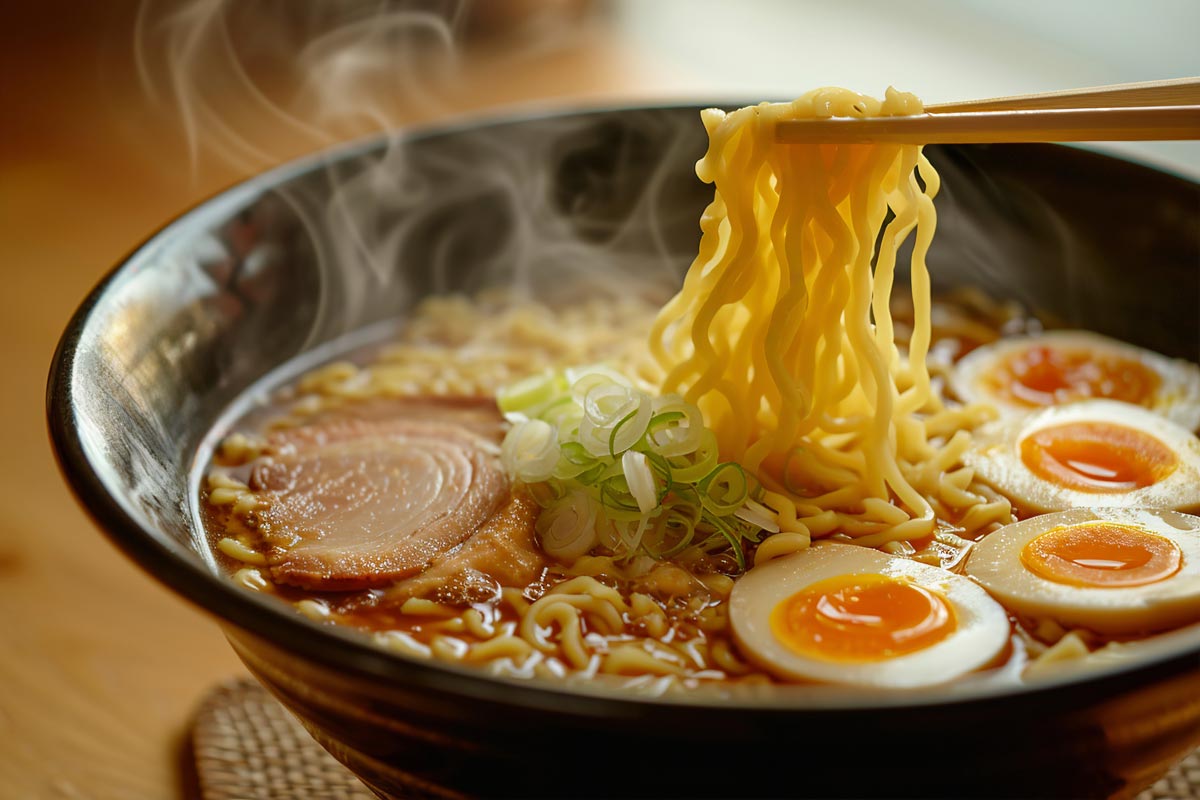
- Kitakata Ramen: From the city of Kitakata in northern Fukushima, this ramen style uses fat, curly noodles in a soy-based broth topped with pork, bamboo shoots, and green onions. Many shops open early for “morning ramen.”
- Sauce Katsu-don: A crispy pork cutlet served over rice with a tangy, Worcester-style sauce, especially associated with Aizu-Wakamatsu.
- Soba Noodles: Buckwheat grows well in the region; try cold soba with dipping sauce in summer, or hot in winter. Don’t miss Ouchijuku’s negisoba.
- Local Sake: Fukushima consistently wins awards in national sake competitions. Look out for tasting counters at station shops and brewery tours in Aizu and elsewhere.
- Peaches and Other Fruit: In summer, roadside stands and markets sell juicy peaches, pears, and grapes cultivated in the fertile Nakadori region.
Getting to and Around Fukushima
From Tokyo to Fukushima
The easiest way to reach Fukushima is by Shinkansen (bullet train):
- Tokyo Station to Fukushima Station: Around 90 minutes by Tohoku Shinkansen.
- Tokyo Station to Koriyama Station: Around 80 minutes; from Koriyama you can transfer to local lines for Aizu-Wakamatsu and other destinations.
These routes are covered by the Japan Rail Pass and by regional JR East passes, which can be excellent value if you plan multiple trips in Tohoku.
Local Transport
- Trains: JR lines and local private railways connect major towns and some scenic routes, such as the line to Aizu-Wakamatsu.
- Buses: Fill in gaps where trains don’t go, especially for onsen towns, lakes, and hiking areas. Tourist information centers usually provide bilingual timetables.
- Rental Cars: Very useful if you want to explore rural hamlets, mountain roads, or multiple lakes and onsen in one day. Roads are generally well maintained, but winter driving requires caution.
Suggested 3-Day Fukushima Itinerary
For a first visit, consider this simple outline:
Day 1: Tokyo → Aizu-Wakamatsu
- Morning: Shinkansen to Koriyama, transfer to Aizu-Wakamatsu.
- Afternoon: Visit Tsuruga Castle and the Samurai Residences.
- Evening: Check into a ryokan in Higashiyama Onsen, enjoy kaiseki dinner and hot springs.
Day 2: Ouchijuku and Lake Inawashiro
- Morning: Bus or car to Ouchijuku, stroll the old post town, try negisoba.
- Afternoon: Head to Lake Inawashiro or Goshikinuma for light hiking and lake views.
- Night: Stay at a lakeside hotel or return to Aizu-Wakamatsu.
Day 3: Onsen and Return via Fukushima City
- Morning: Travel towards Fukushima City, stop at Takayu or Iizaka Onsen for a final soak.
- Afternoon: Explore Fukushima City’s shopping streets or a local museum.
- Evening: Shinkansen back to Tokyo.
Practical Tips for First-Time Visitors
- Language: English is less widely spoken than in Tokyo, but station staff, hotel employees, and tourist offices are increasingly used to foreign visitors. Carry your accommodation address in Japanese for taxis.
- Cash and Cards: Credit cards are accepted at hotels and major shops, but small restaurants and rural businesses may be cash-only. Convenience stores have international ATMs.
- Weather: Winters are cold with snow, especially in Aizu and mountain areas. Pack warm layers, proper footwear, and check weather if driving.
- Respectful Travel: In historical towns and disaster-affected areas, be discreet with photography, follow local signs, and keep noise down at shrines, cemeteries, and memorials.
- Onsen Tattoos: Some baths may still restrict visible tattoos, though attitudes are slowly changing. Ask your ryokan in advance; private baths can often be reserved if needed.
Fukushima: A Deeper Japan Experience
Fukushima offers what many travelers seek from Japan but struggle to find in the busiest cities: space, quiet, and time to connect with local life. You can stand in the courtyard of a Samurai residence as snowflakes fall, listen to the gurgle of volcanic water filling a wooden bath, or gaze over a glassy lake as evening mist rises from the mountains.
For first-time visitors willing to go slightly off the standard Tokyo–Kyoto–Osaka route, Fukushima rewards you with rich culture, honest hospitality, and landscapes that stay in your memory long after your trip ends.
Access Map
Recommended spots in Fukushima
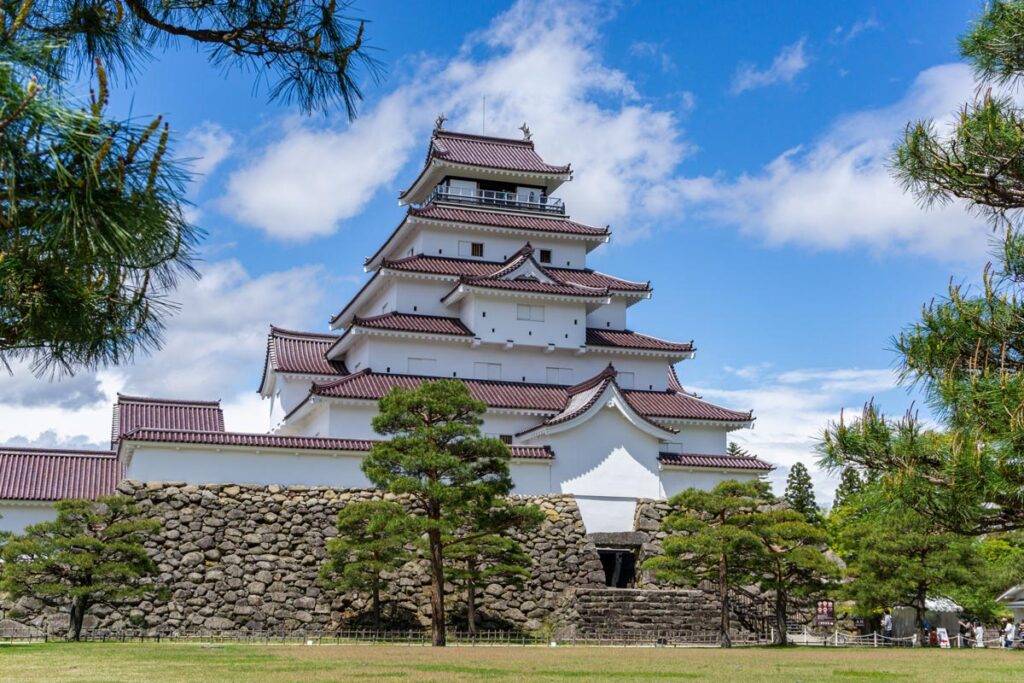
Tsuruga Castle
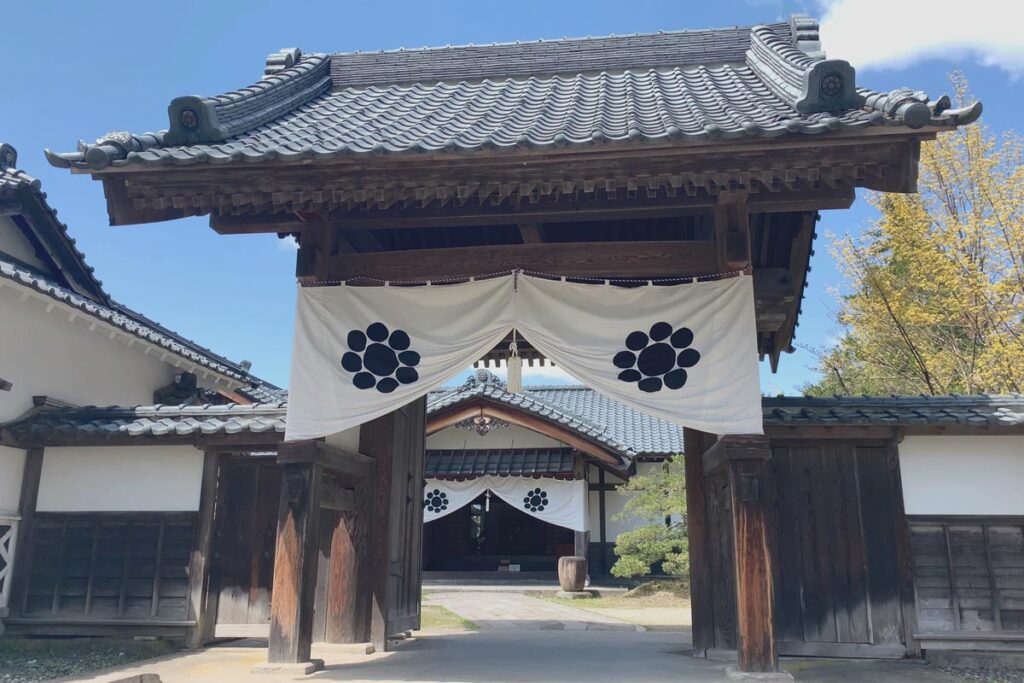
Aizu Bukeyashiki
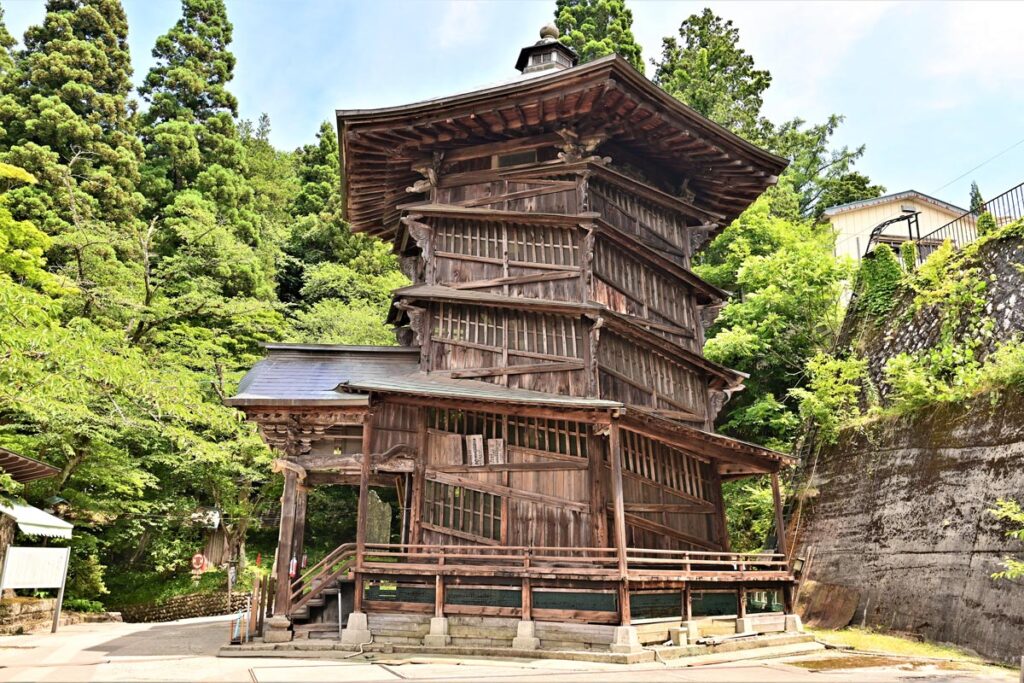
Sazaedo Temple
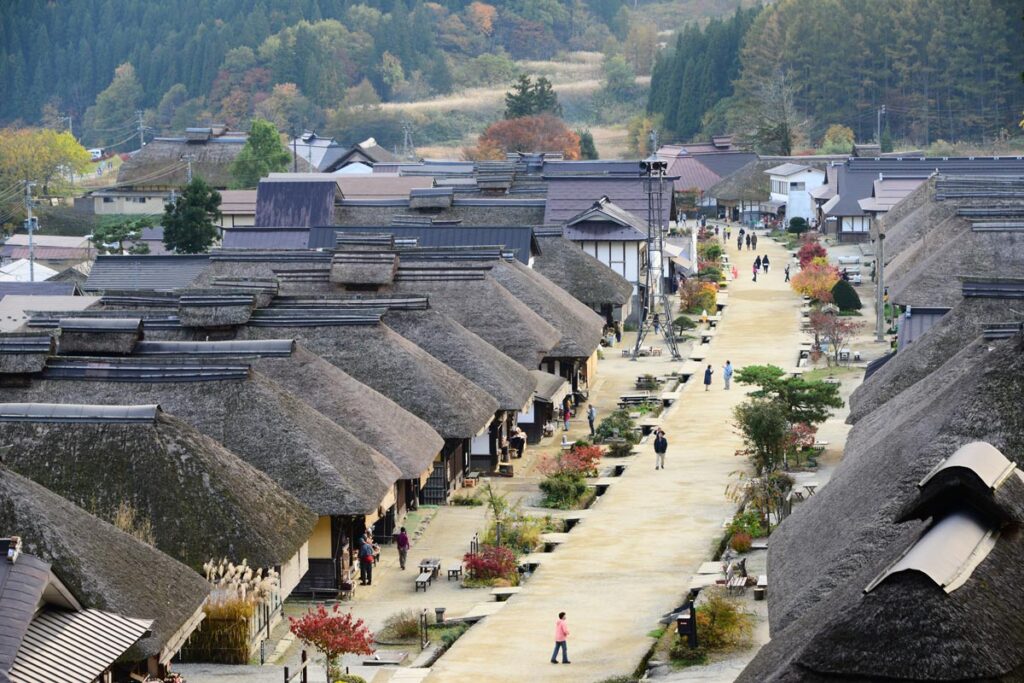
Ouchi-juku Post Town
Top destinations in Hokkaido & Tohoku
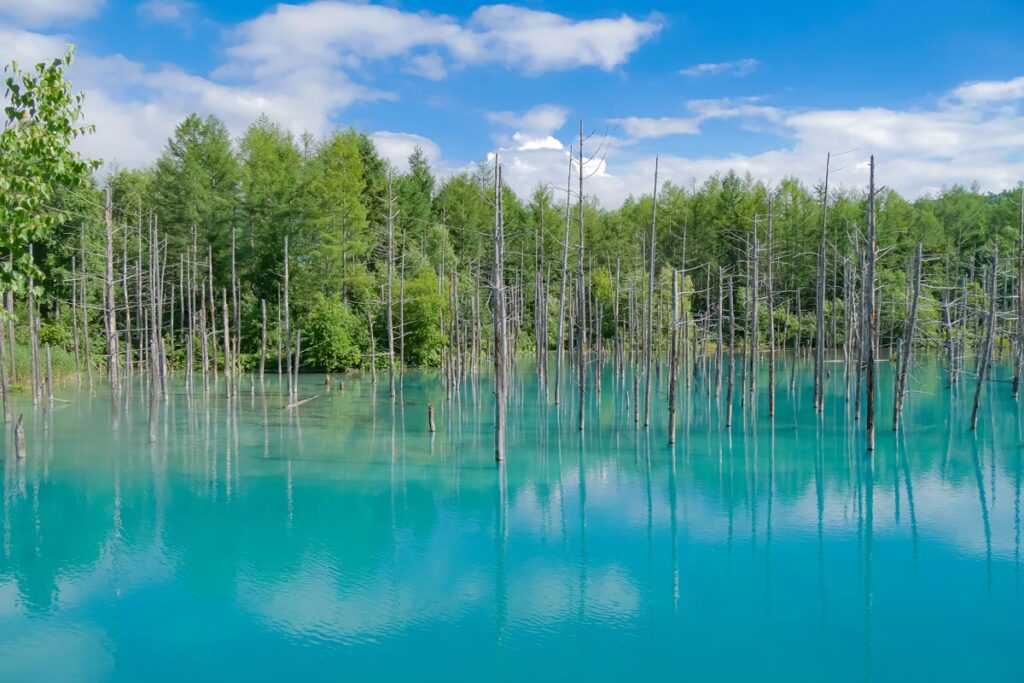
Hokkaido
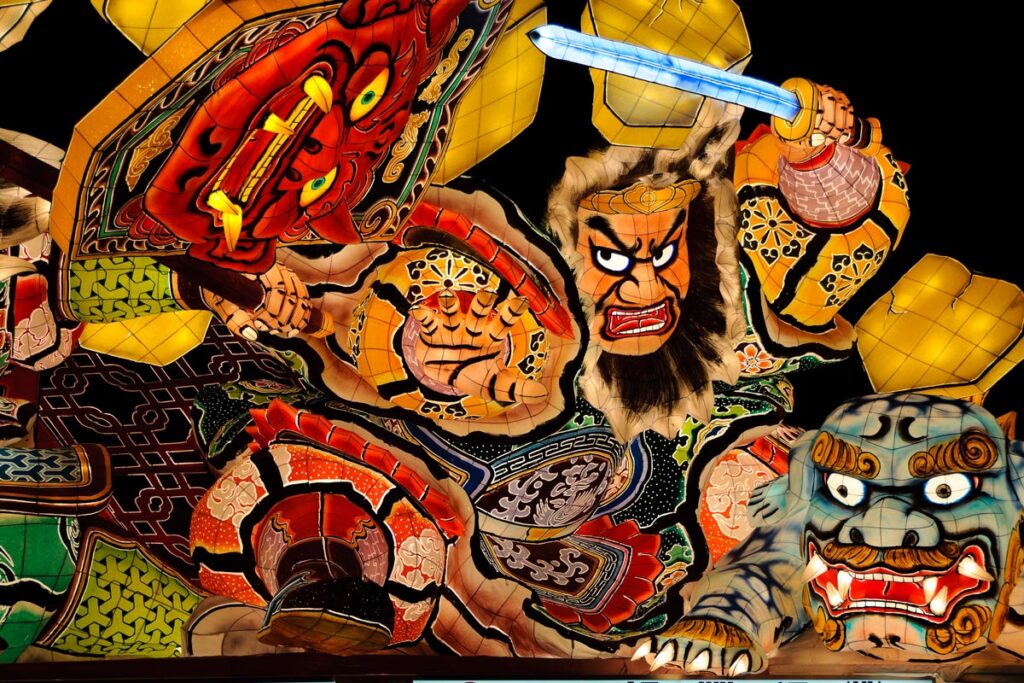
Aomori
Iwate