

Furano Cheese Factory
Furano Cheese Factory: A Delicious Stop in Hokkaido, Japan
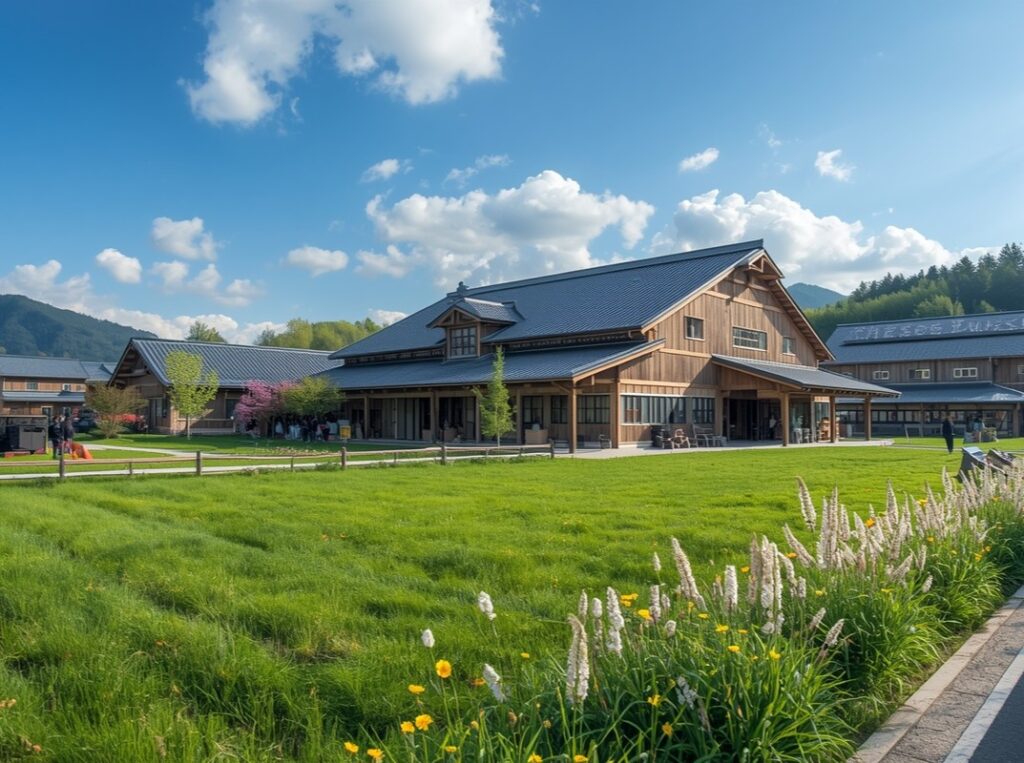
Photos are for illustrative purposes only.
Set in the rolling hills of central Hokkaido, the Furano Cheese Factory is a relaxed, family-friendly attraction where you can watch cheese being made, sample rich dairy products, and even try your hand at making your own. For first-time visitors to Japan, it offers a gentle introduction to Hokkaido’s rural food culture, far from the busy streets of Tokyo or Osaka.
Why Visit the Furano Cheese Factory?
Furano is famous for lavender fields in summer and powder snow in winter, but its dairy heritage is just as important. The region’s cool climate, clean water, and open pastures create ideal conditions for dairy farming. The Furano Cheese Factory brings this story to life in an approachable way, combining a small-scale factory, tasting areas, and hands-on workshops in one compact site.
Unlike a typical industrial facility, the Furano Cheese Factory feels more like a countryside visitor center. Large windows let you peek into the production rooms, staff are used to international guests, and there is plenty of signage in simple English. You can easily pair a visit with nearby flower farms in summer or ski resorts in winter for a well-rounded Hokkaido itinerary.
What to Expect Inside
Cheese-Making Observation Area
The highlight for many visitors is the chance to see how cheese is made from start to finish. Elevated corridors and observation windows look down into the production rooms, where workers in white uniforms heat milk, stir large vats, and cut curds. The process is mostly quiet and calm, but watching the precise, almost ritual movements is unexpectedly fascinating.
Explanations about the different stages are usually available in Japanese with helpful diagrams, and there are often brief English descriptions that make the process easy to follow. Even if you do not speak Japanese, you will quickly grasp how simple ingredients are transformed into the cheeses you see later in the shop.
Tasting and Product Shop
Every good factory tour ends with a tasting, and the Furano Cheese Factory is no exception. The shop area offers a range of local cheeses, from mild and creamy to more mature varieties, as well as butter, yogurt, and sweets based on Hokkaido milk.
Typical items you might encounter include:
- Furano Camembert-style cheese – rich and soft, often sold in small wheels ideal for sharing.
- Smoked or herb-flavored cheeses – easy to snack on, great to pair with local wine or beer.
- Cheese spreads and dips – convenient for picnics or hotel snacks.
- Hokkaido butter and confectionery – cookies, biscuits, and caramel candies made from local dairy.
Free samples may be available, especially on weekends and during high season. Even if sampling is limited, staff are generally patient and will help you choose something that suits your tastes. Vacuum-packed cheeses travel well and can make excellent edible souvenirs, but remember to check your home country’s customs rules on dairy products before stocking up.
Ice Cream and Soft-Serve Corner
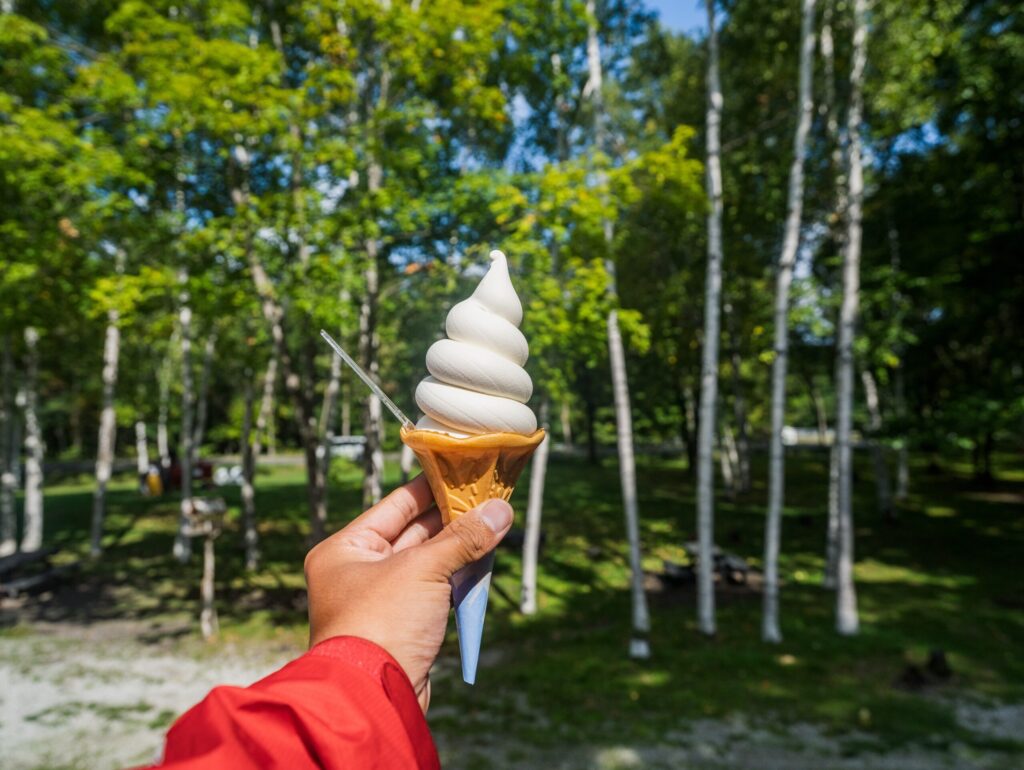
No visit to a Hokkaido dairy attraction is complete without ice cream. The on-site parlor serves rich soft-serve and seasonal flavors, with a particular focus on fresh milk taste rather than heavy sweetness. Japanese soft-serve, known as sofuto kurīmu, is smoother and lighter than many Western versions, and Hokkaido is widely considered to offer some of the best in the country.
Depending on the season, you may find options such as:
- Plain milk – simple, clean flavor that highlights the quality of the dairy.
- Cheese or mascarpone – slightly tangy, creamy, and very popular with local visitors.
- Lavender or melon – a nod to Furano’s famous flowers and Hokkaido’s fruit production.
Portions are generous by Japanese standards, and there is usually seating both indoors and outside, where you can enjoy your cone while taking in the surrounding greenery.
Hands-On Workshops and Experiences
One of the most memorable aspects of the Furano Cheese Factory is the chance to make your own dairy products. While exact offerings and schedules can change, workshops commonly include butter making, cheese making, or pizza making using local ingredients.
Butter-Making Classes
Butter-making sessions are especially popular with families. Participants pour cream into small containers, then shake by hand until it separates into butter and buttermilk. The process is playful and surprisingly physical, making it a good way for children to burn off energy. At the end, you can spread your freshly made butter on bread or crackers and taste the difference that freshness makes.
Cheese or Pizza Workshops
In cheese workshops, you might be guided through stretching curds to make a mild, mozzarella-style cheese. Pizza classes typically use dough and toppings prepared with Furano cheese and sometimes local vegetables. Japanese instructors often use simple English and plenty of gestures, so the experiences are accessible even if you do not speak the language.
Workshops usually require advance reservations, particularly in summer and during school holidays. If you are building a detailed Hokkaido itinerary, consider checking the latest schedule and booking a slot ahead of your visit.
Understanding Hokkaido’s Dairy Culture
For international visitors, Furano Cheese Factory is more than a fun tasting stop; it is a glimpse into a distinctive part of Japanese food culture. Hokkaido, Japan’s northernmost main island, has a shorter growing season and cooler climate than much of the rest of the country. These conditions made large-scale rice cultivation more challenging, but they proved ideal for livestock and dairy farming.
From the late 19th century, Japanese leaders looked to Europe and North America for agricultural models that would suit Hokkaido. Dairy cows, cheese-making techniques, and Western-style baking all spread from here, giving rise to the region’s modern identity as Japan’s dairy heartland. Today, Hokkaido milk, butter, and cheese are prized nationwide, and many limited-edition snacks in Japanese convenience stores proudly feature Hokkaido dairy.
Visiting the Furano Cheese Factory helps you connect that history to everyday life. The products you taste are the result of over a century of experimentation, adaptation, and local pride. For food-focused travelers, this adds a layer of meaning beyond simply deciding which cheese to bring back to your hotel.
Practical Visitor Information
Location and Setting
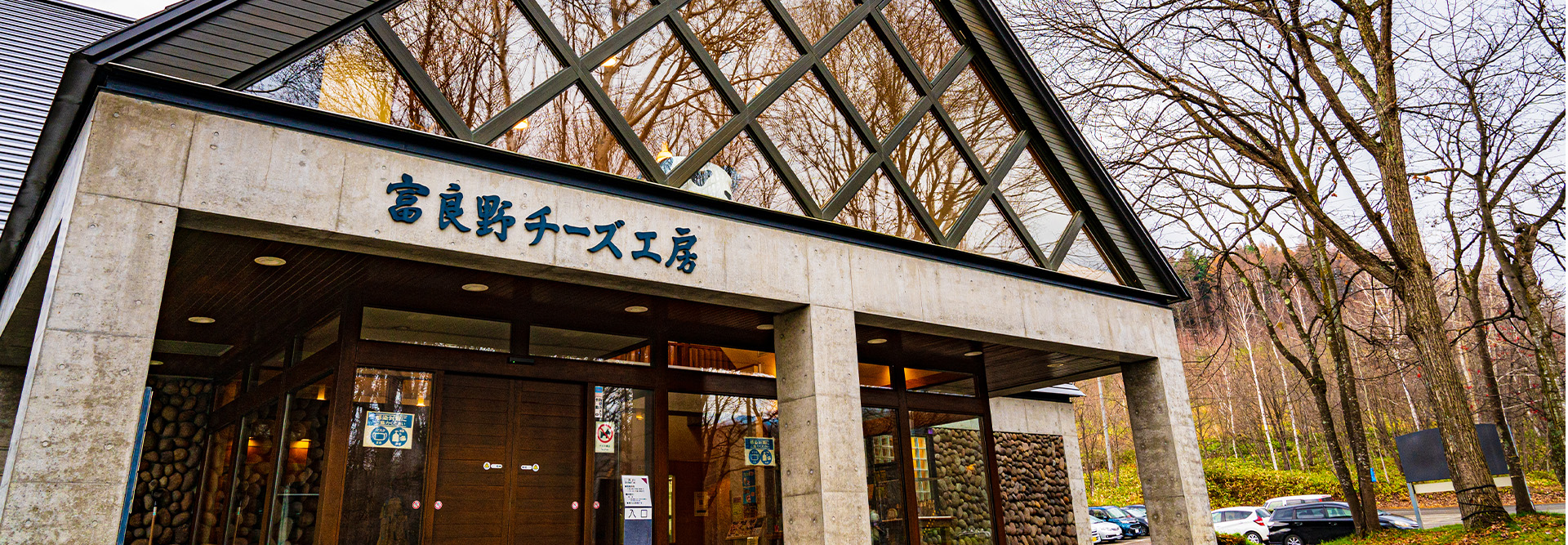
The Furano Cheese Factory is located on the outskirts of Furano city in central Hokkaido, surrounded by gentle hills, farmland, and forests. The setting feels distinctly rural but is still close enough to town that you can reach it easily by car, taxi, or local transportation.
Opening Hours and Admission
Opening hours and workshop times can change with the season, so it is best to check the latest information just before your trip. In general, the factory operates during standard daytime hours, and entry to the observation area and shop is typically free. There are separate fees for guided workshops and classes.
Most visitors spend between 45 minutes and two hours on site, depending on whether they join an activity or just browse, taste, and enjoy ice cream.
Facilities and Accessibility
The main buildings are modern and generally easy to navigate. Corridors are wide and mostly flat, with clear signage. Restrooms, a parking area, and indoor seating are available. While not every explanation panel is translated, key areas such as menus and product names often include basic English, and staff are used to international travelers, especially during the busy months of July, August, and winter ski season.
How to Get to the Furano Cheese Factory
By Car
Driving is the most flexible option for exploring rural Hokkaido. From central Furano, the factory is a short drive, and parking is usually free. Road signs in Hokkaido often include Roman letters as well as Japanese characters, making navigation easier for overseas visitors.
In winter, be prepared for snow and icy conditions. Rental cars in Hokkaido generally come equipped with winter tires, but driving slowly and allowing extra time is essential if you are not used to winter conditions.
By Public Transport
Furano city is accessible by train and bus from major Hokkaido hubs such as Sapporo and Asahikawa. From central Furano, local buses or taxis can take you close to the cheese factory area. Services may be infrequent, particularly outside peak tourist seasons, so check timetables ahead of time and allow for some waiting time between connections.
Best Time to Visit
The Furano Cheese Factory is enjoyable year-round, but the overall experience of the region changes dramatically with the seasons.
- Summer (June–August): Combine your visit with nearby flower fields, including lavender, and enjoy gentle temperatures ideal for walking around the surrounding countryside.
- Autumn (September–October): Cooler weather and colorful foliage make this a cozy time to sample rich dairy products and warm dishes in Furano’s restaurants.
- Winter (December–March): The area becomes a snowy landscape, and many visitors arrive for skiing and snowboarding. Stopping by the cheese factory is an easy off-slope activity.
- Spring (April–May): Quieter tourism period, with melting snow and emerging greenery. It is a good time for those who prefer fewer crowds.
Tips for First-Time Visitors to Japan
Visiting a place like the Furano Cheese Factory can also be a gentle introduction to some everyday Japanese customs:
- Cash and cards: Credit cards are accepted in more and more locations, but smaller shops in rural Hokkaido may still prefer cash. It is wise to carry some yen for tastings, workshops, and snacks.
- Politeness: Staff are usually courteous but may be shy about speaking English. A simple greeting like “konnichiwa” (hello) and a smile go a long way.
- Sampling etiquette: If there are free samples, use the provided toothpicks or tongs, and do not touch food directly with your hands.
- Trash disposal: Japan has limited public trash bins, and visitors are expected to take small rubbish with them. At the factory, use the designated bins or keep wrappers until you find one.
Combining the Cheese Factory with Nearby Attractions
Furano and the surrounding region make a rewarding stop on a broader Hokkaido itinerary. Depending on the season, you might pair the cheese factory with:
- Flower fields – wide fields of lavender and other blooms in summer.
- Winery or local brewery visits – Furano produces wine and craft beer that pair well with local cheese.
- Ski resorts – winter visitors can enjoy Furano’s famously light, dry powder snow.
- Countryside drives – rural roads reveal rolling farmland, patches of forest, and mountain views that feel very different from urban Japan.
By including Furano Cheese Factory in your plans, you add not just a snack stop to your journey, but a deeper taste of Hokkaido’s landscape, history, and everyday food culture.
Is the Furano Cheese Factory Worth It for First-Time Visitors?
For many international travelers, Japan’s image is shaped by neon cities, ancient temples, and busy train stations. The Furano Cheese Factory shows another side of the country: quiet, rural, and centered on the slow craft of making good food. It is relaxed, easy to enjoy without extensive planning, and welcoming to visitors of all ages.
If your itinerary already includes Hokkaido, especially Furano or nearby ski and flower destinations, setting aside a few hours for the Furano Cheese Factory is a rewarding way to connect with local flavors and take a break from more intense sightseeing. You may leave with a bag of cheese and sweets, but also with a new appreciation for how diverse Japan’s culinary and cultural landscapes truly are.

Access Map
Recommended spots in Hokkaido
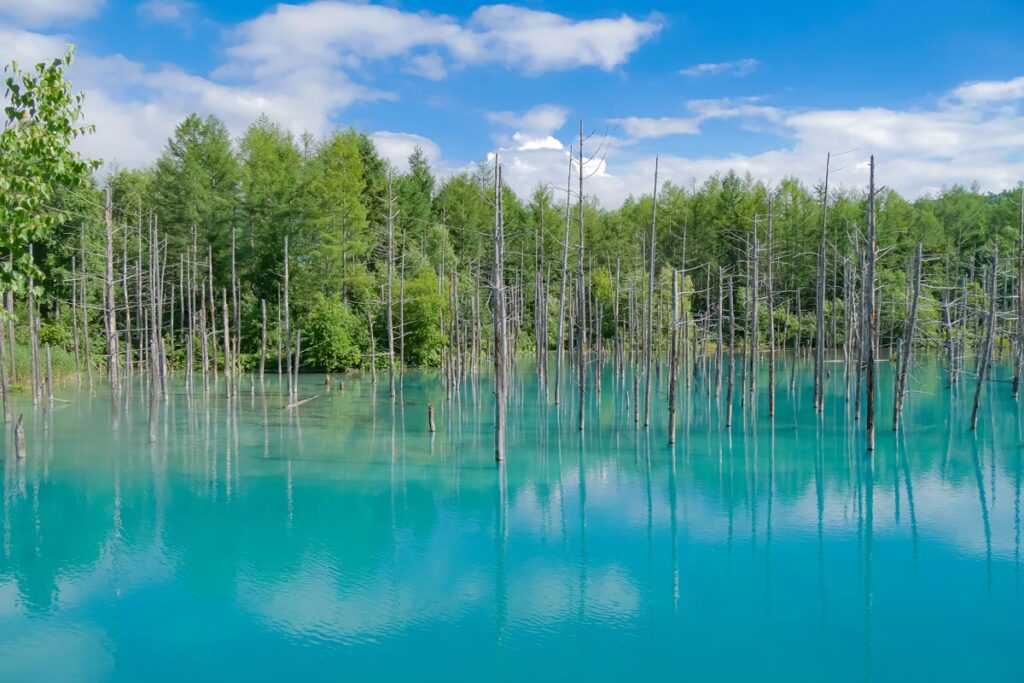
Blue Pond
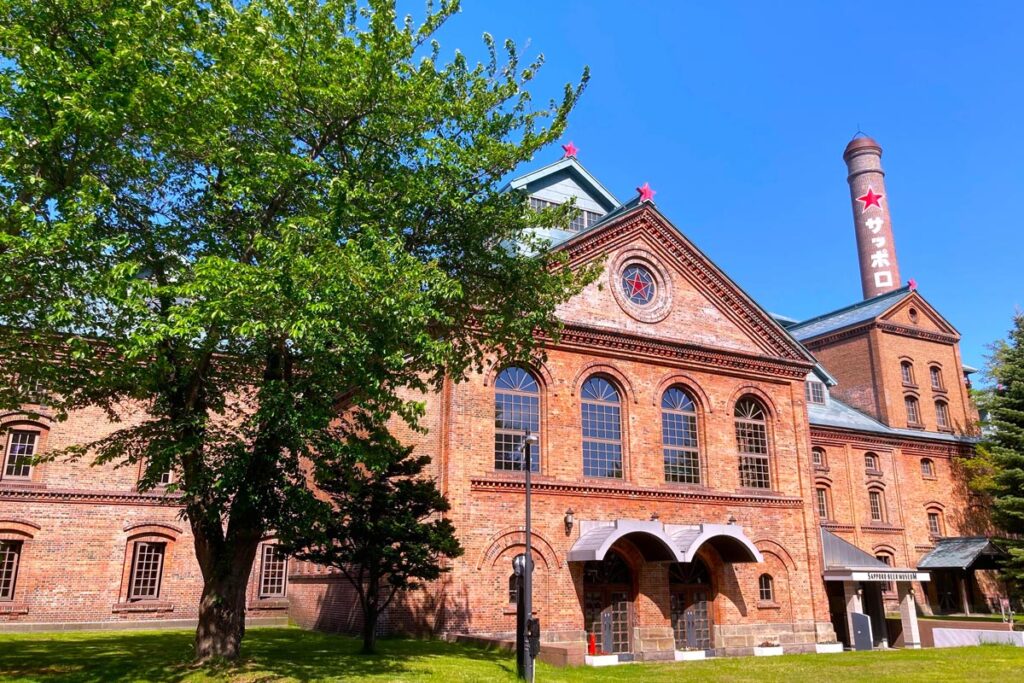
Sapporo Beer Museum
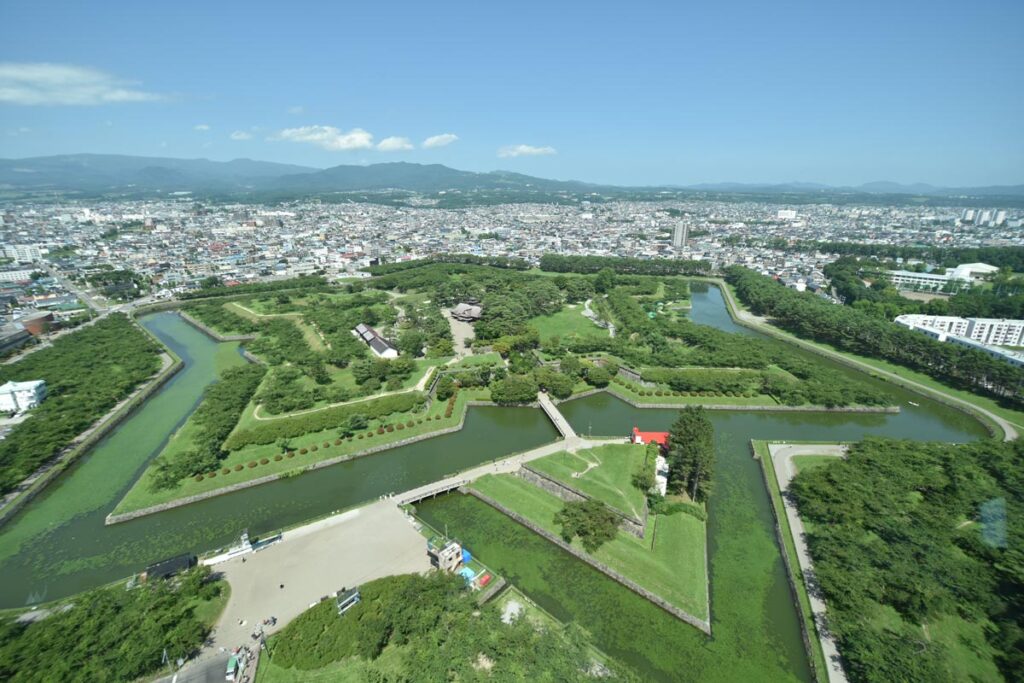
Goryokaku
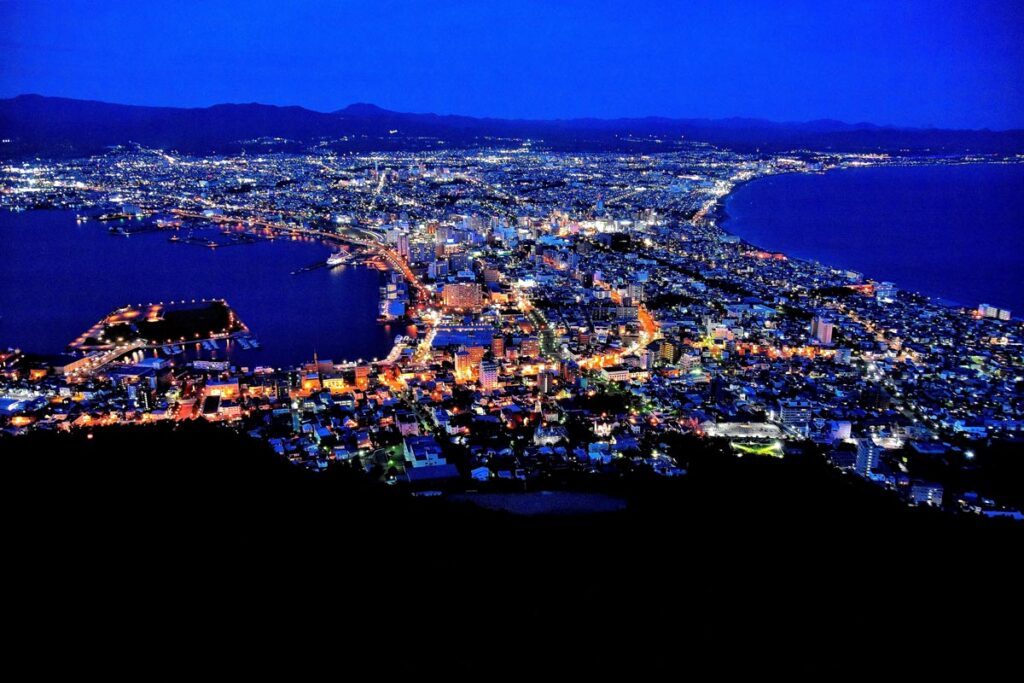
Mount Hakodate Night View
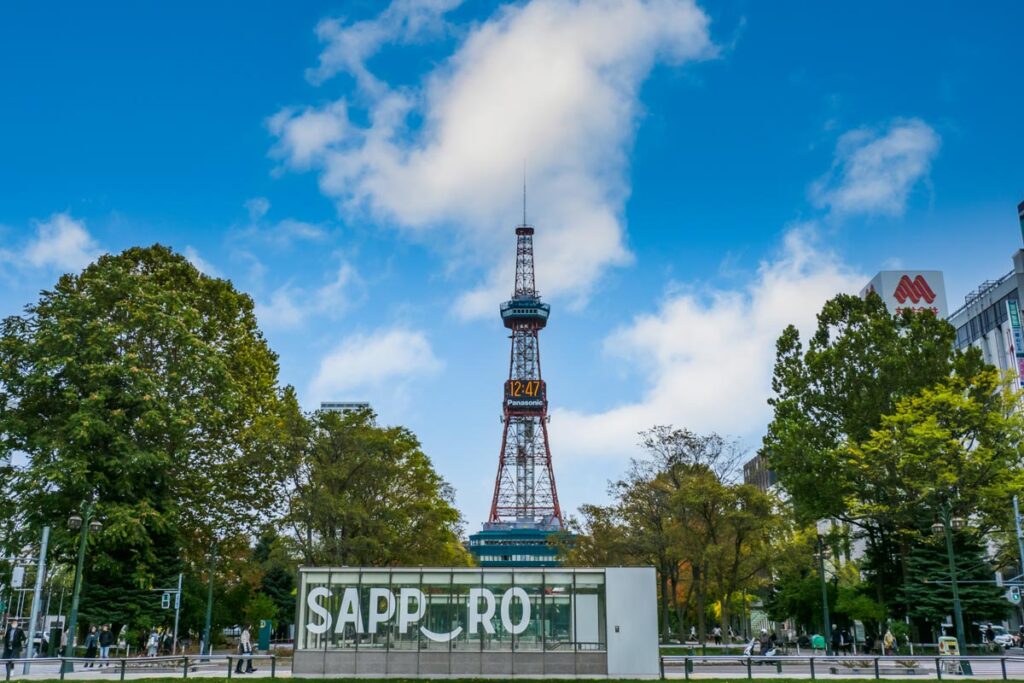
Odori Park
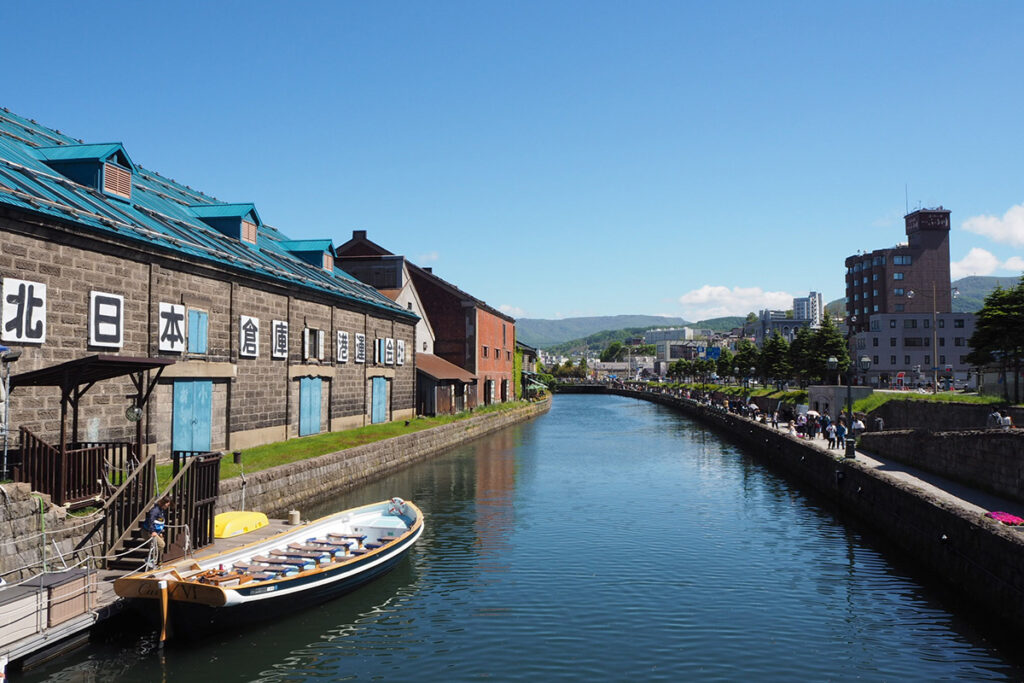
Otaru
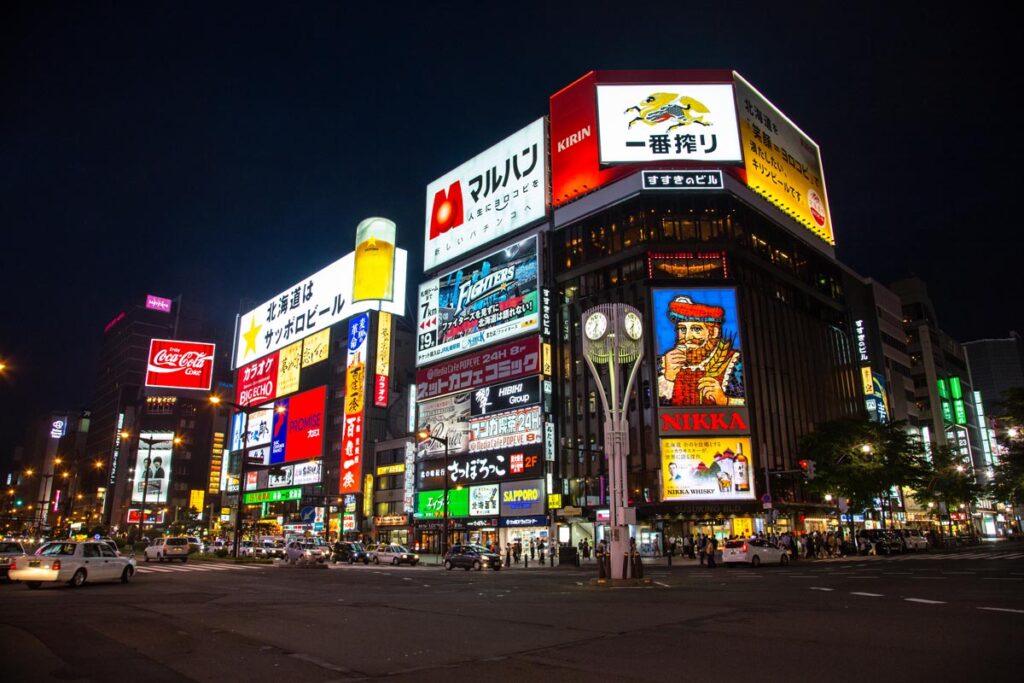
Susukino-Sapporo
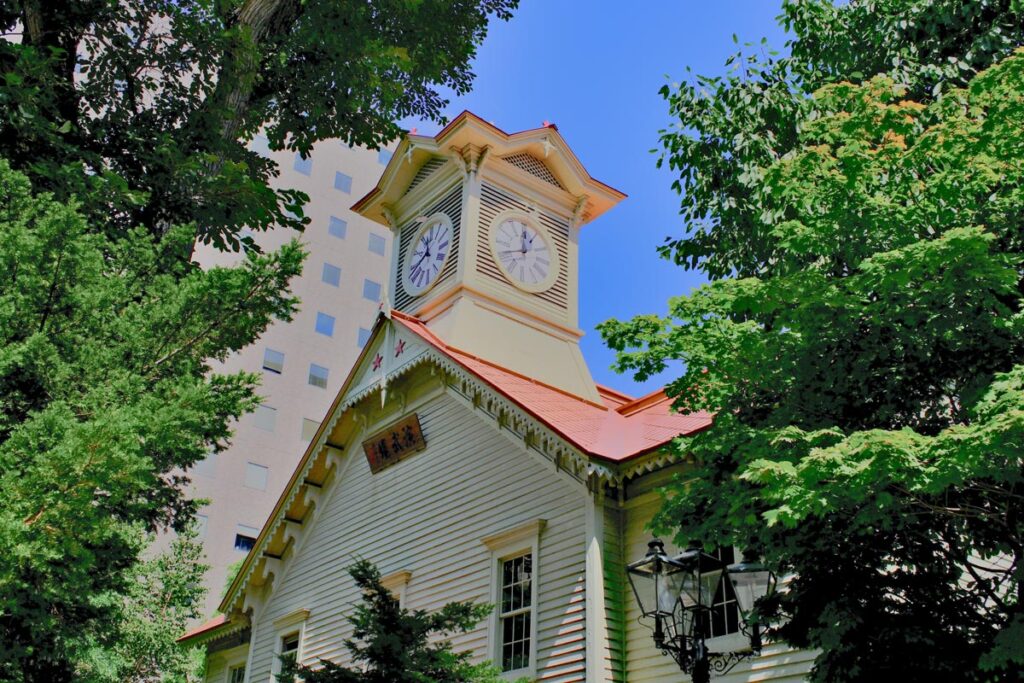
Sapporo Clock Tower
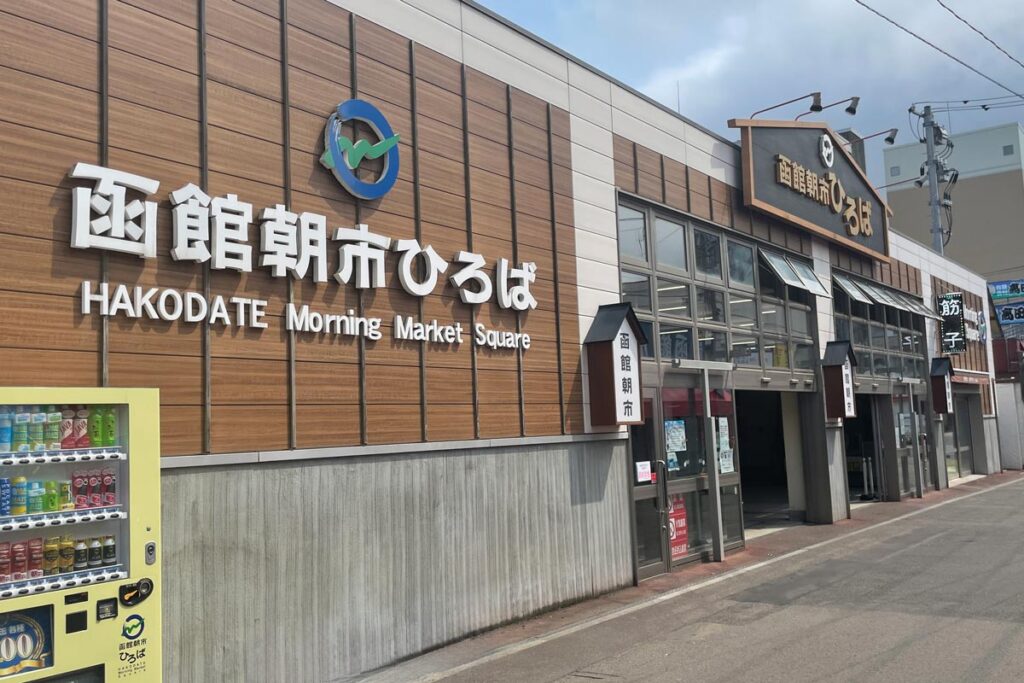
Hakodate Morning Market
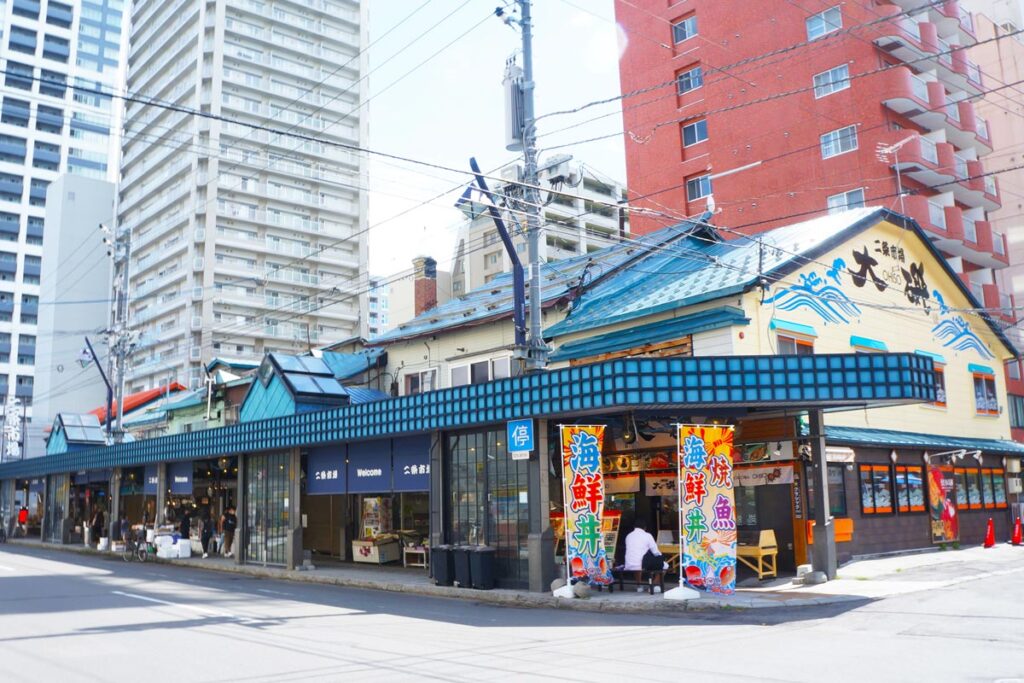
Nijo Market
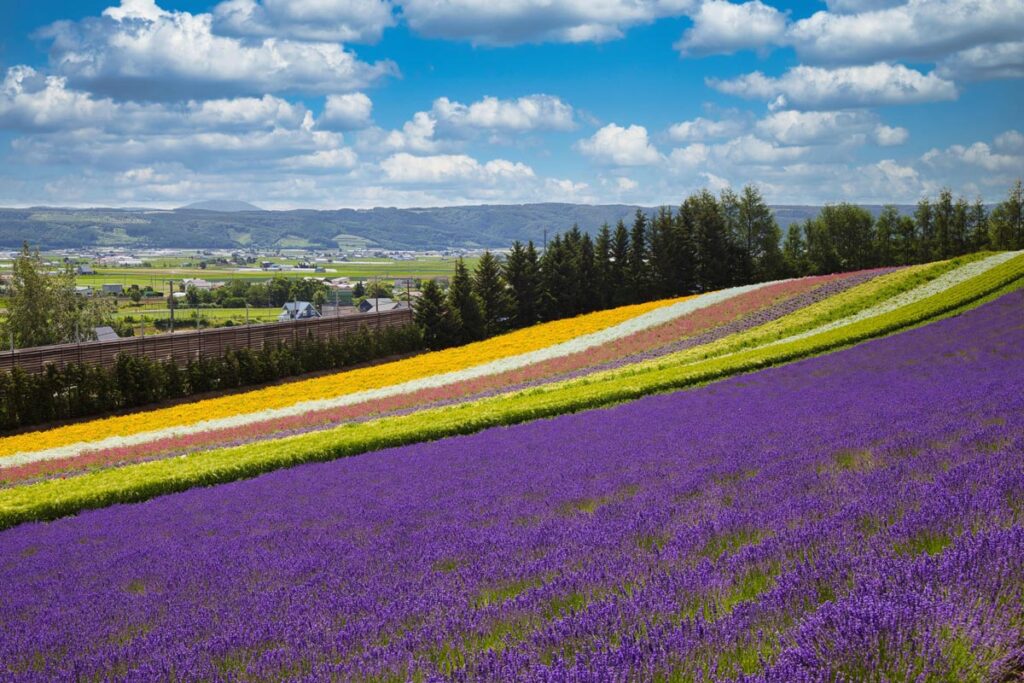
Farm Tomita
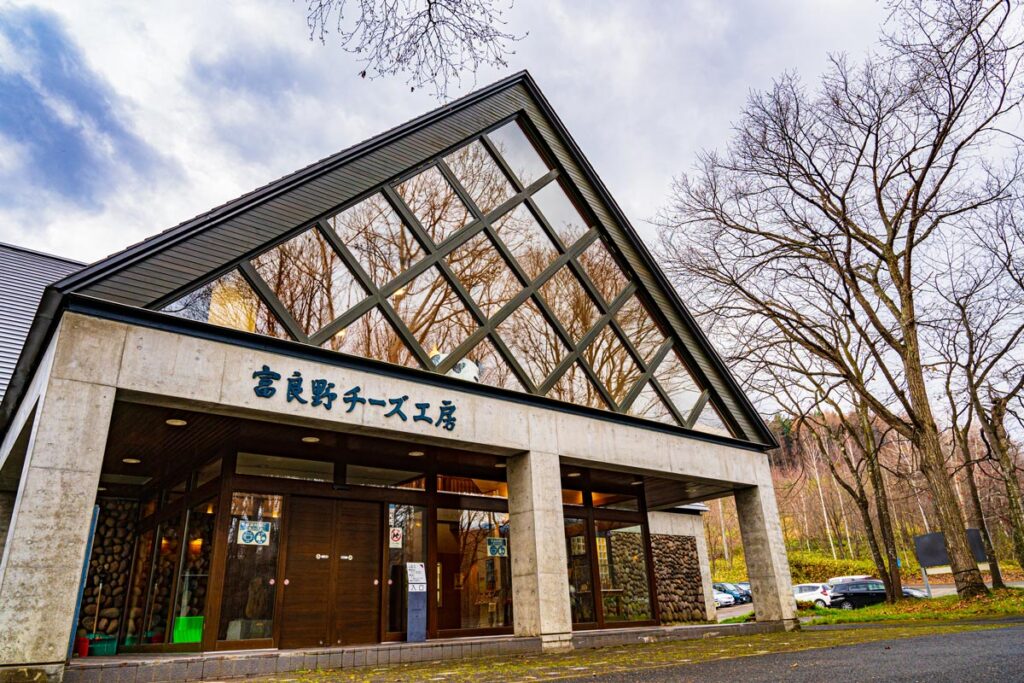
Furano Cheese Factory
Top destinations in Hokkaido & Tohoku
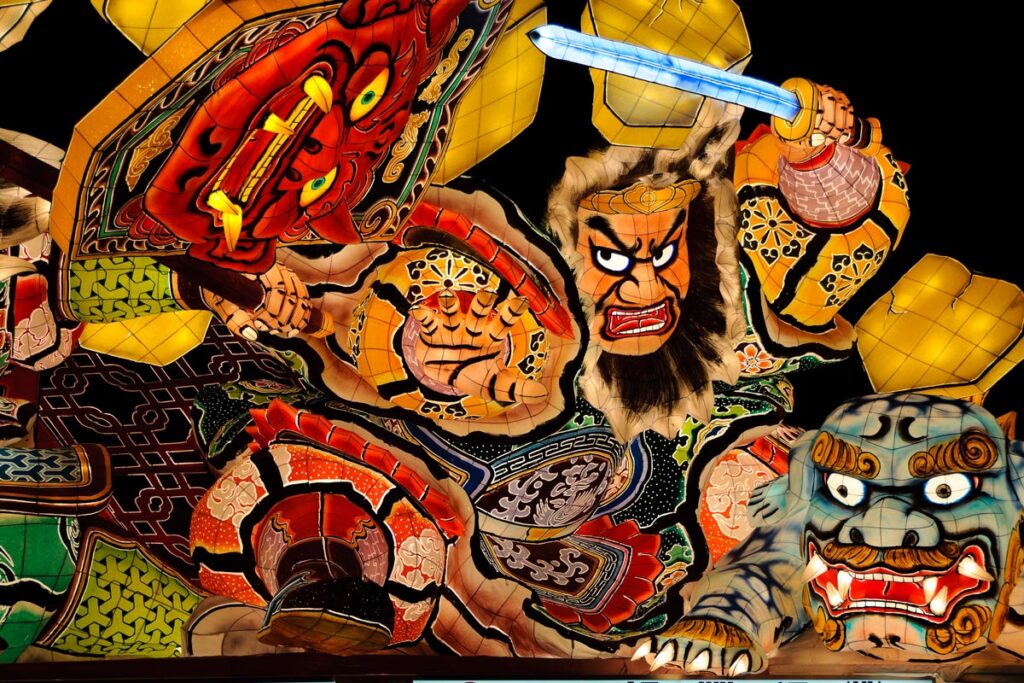
Aomori
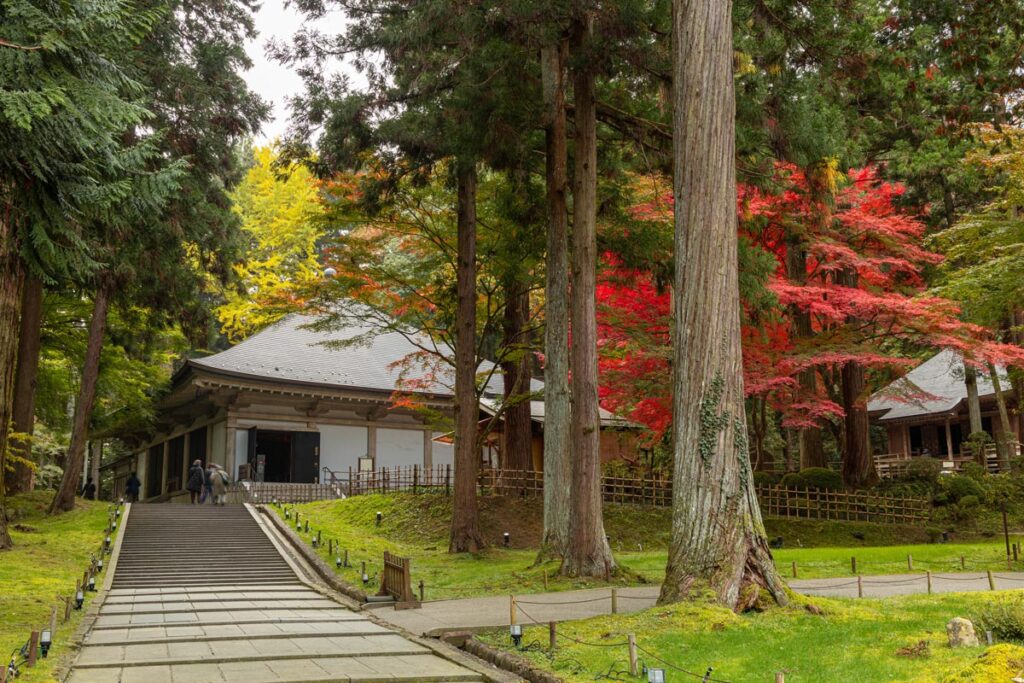
Iwate
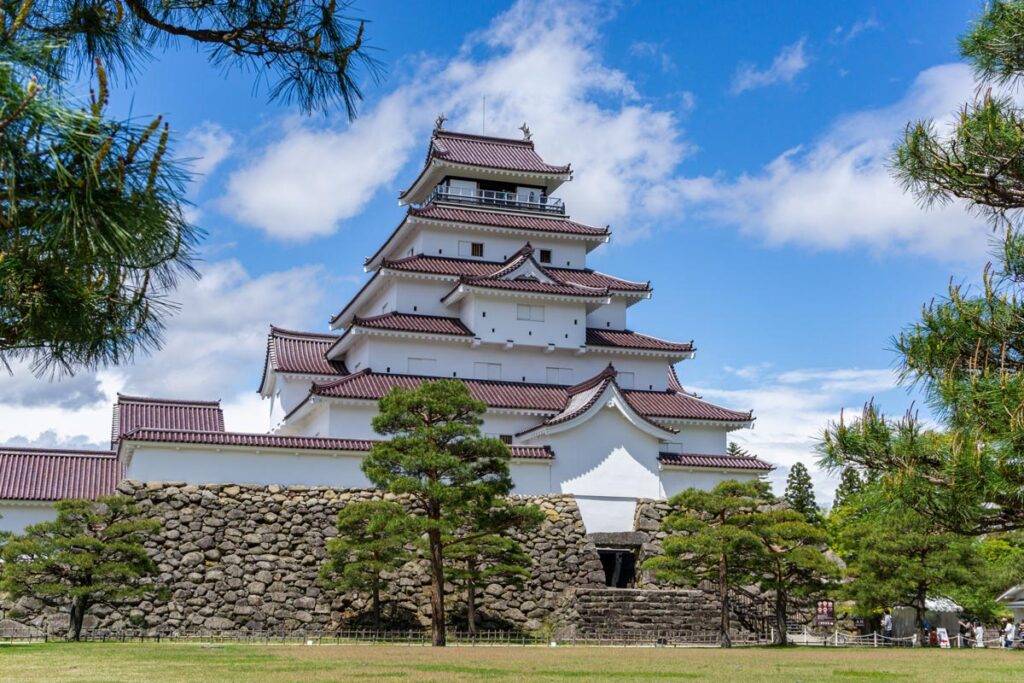
Fukushima