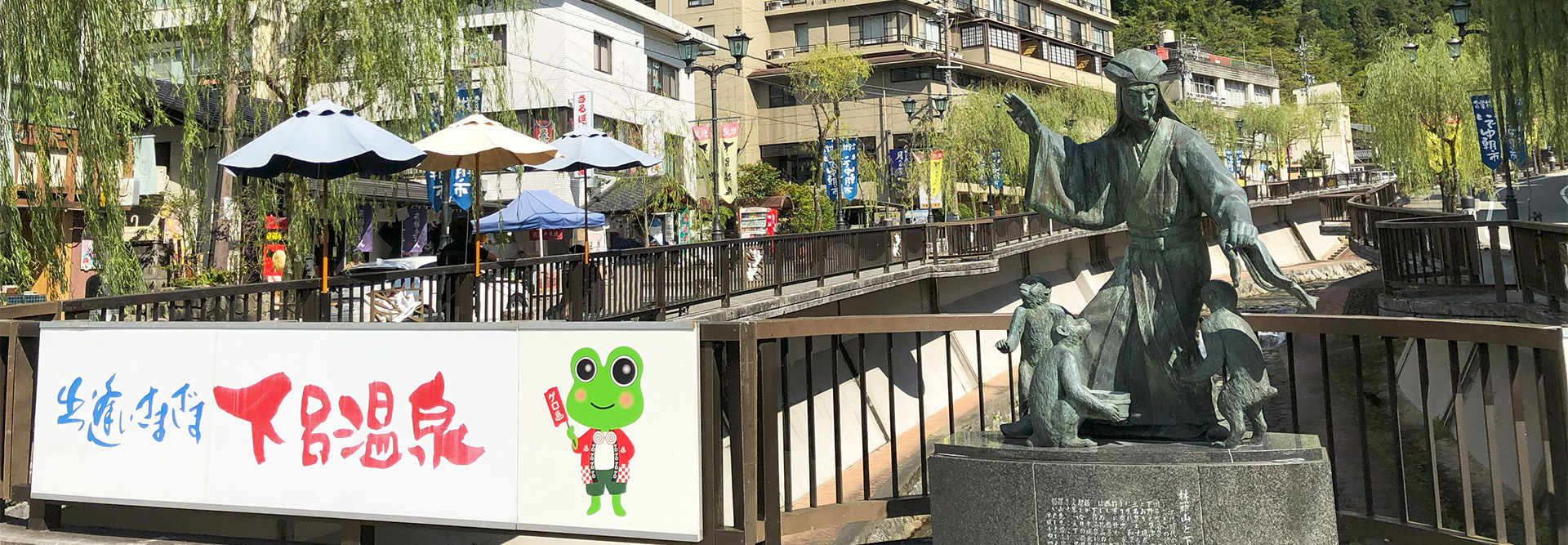
Gero Onsen
Gero Onsen Japan Travel Guide for First-Time Visitors
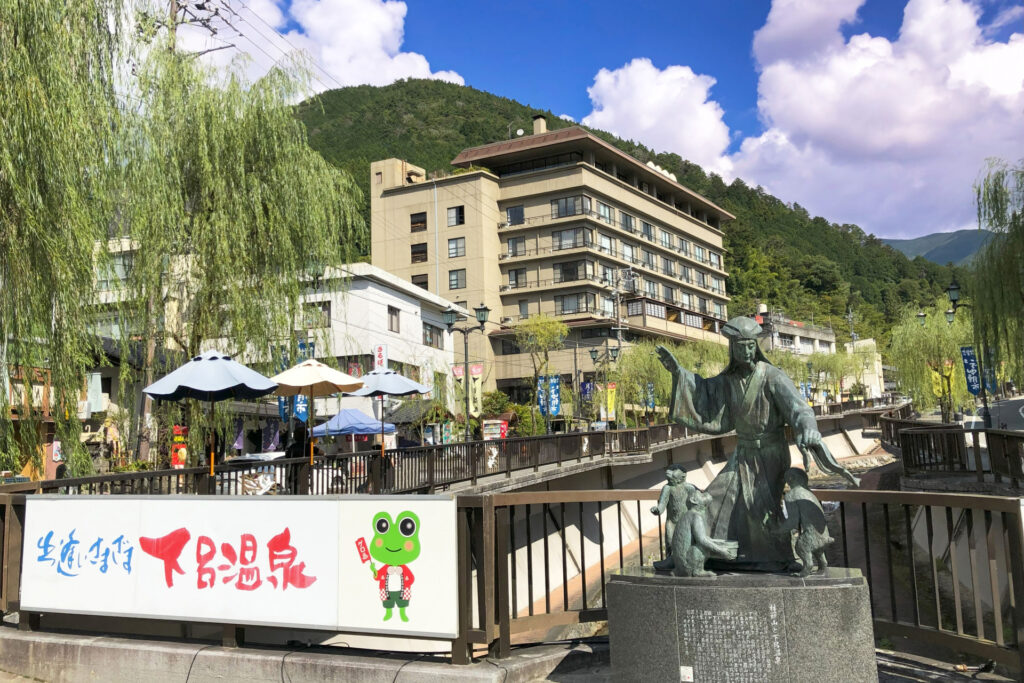
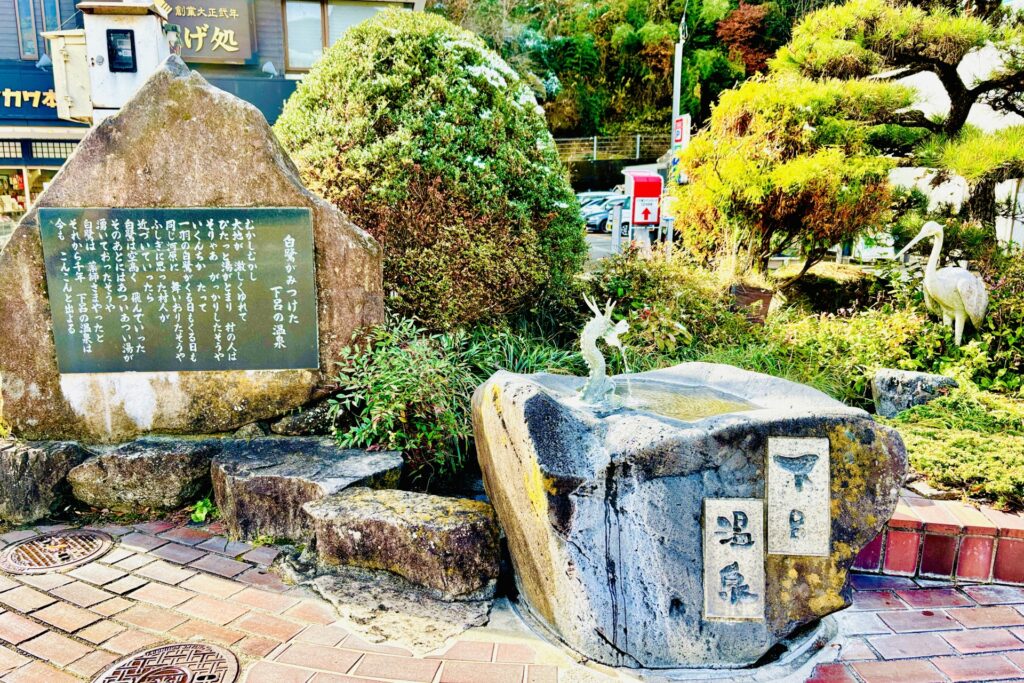
Photos are for illustrative purposes only.
Tucked into the mountains of Gifu Prefecture, Gero Onsen is one of Japan’s most beloved hot spring towns. Often counted alongside Kusatsu and Arima as one of the country’s “three famous onsens,” Gero offers wonderfully smooth hot spring water, nostalgic streets, and a laid-back atmosphere that feels worlds away from Tokyo and Osaka. For first-time visitors to Japan, it’s an easy and rewarding introduction to traditional onsen culture—and a perfect overnight escape from the big cities.
Why Visit Gero Onsen?
Gero Onsen is famous for its alkaline simple springs, nicknamed “beauty baths” because the water is said to leave your skin soft and silky. Unlike some hot springs that smell strongly of sulfur, Gero’s waters are gentle, clear, and comfortable even for onsen beginners.
Beyond the baths, the town offers:
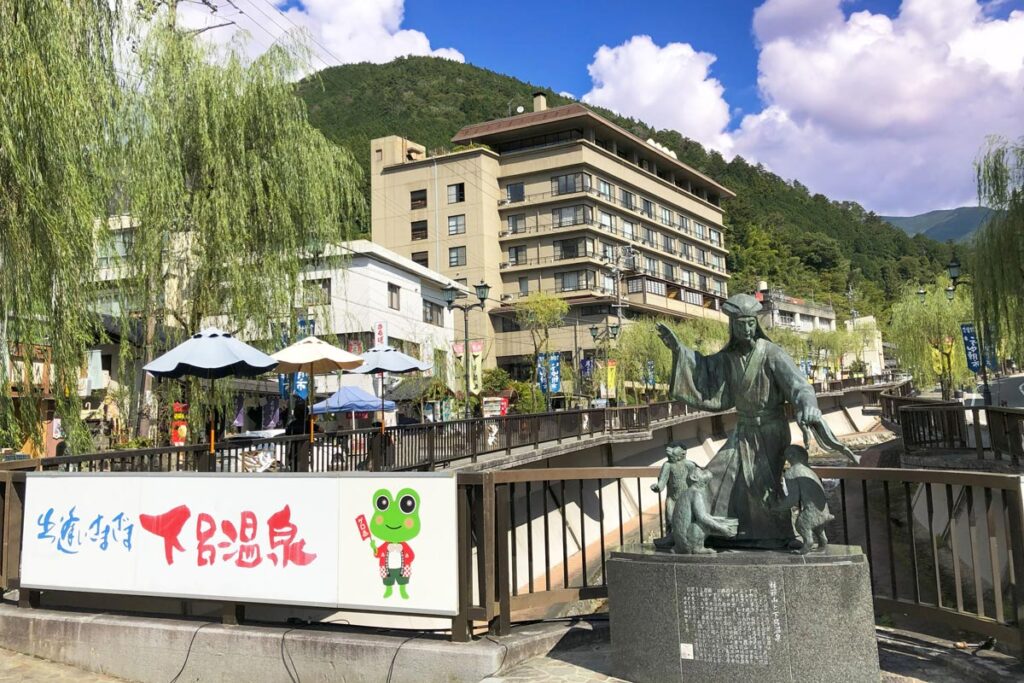
- A compact, walkable hot spring district along the Hida River
- Traditional ryokan (Japanese inns) with elaborate kaiseki dinners
- Open-air footbaths you can use for free as you stroll
- Easy access from Nagoya and Takayama
- Four distinct seasons, from snowy winter scenes to lush summer greenery
For international travelers, Gero Onsen is a comfortable blend of authentic Japanese atmosphere and visitor-friendly services, ideal for a first onsen experience.
Getting to Gero Onsen
From Tokyo
The most straightforward route from Tokyo combines the Tokaido Shinkansen and a limited express train:
- Take the JR Tokaido Shinkansen from Tokyo or Shinagawa Station to Nagoya (about 1 hour 40 minutes on Nozomi, slightly longer on Hikari).
- Transfer to the JR Limited Express Hida bound for Takayama and get off at Gero Station (about 1 hour 40 minutes).
This route is covered with some rail passes (check current conditions when you travel). Gero Station is right in town, and many ryokan offer a complimentary shuttle or are within walking distance.
From Nagoya
From Nagoya, Gero is a scenic ride up into the Hida mountains:
- JR Limited Express Hida: about 1 hour 40 minutes
- Local JR trains: around 2.5–3 hours with transfers
If you are exploring the Chubu region—Takayama, Shirakawa-go, or the Kiso Valley—Gero makes a convenient overnight stop between destinations.
Understanding Gero’s Hot Spring Culture
The Character of the Water
Gero’s hot springs are rich in sodium bicarbonate, giving the water a velvety, slightly slippery feel. The temperature is typically around 40–43°C in most baths, warm but not painfully hot. Locals prize the water for easing fatigue and joint pain, and for leaving skin smooth and moisturized.
Public Baths, Ryokan Baths, and Footbaths
You can enjoy the hot springs in several ways:
- Ryokan baths: If you stay overnight in a ryokan, you can use its baths for free as a guest. Many inns have both indoor and outdoor open-air baths (rotenburo), sometimes with river or mountain views.
- Public bathhouses: The town has several public onsen facilities where anyone can bathe for a small fee. These are good if you’re not staying overnight, or if you want to try different waters.
- Free footbaths (ashiyu): Scattered around town, these small pools are open to everyone. Just roll up your trousers, sit on the edge, and soak your feet. They’re a relaxing way to experience the water without undressing.
Onsen Etiquette for First-Timers
Bathing etiquette can feel intimidating, but once you understand the basics, it becomes natural. Here is a simple step-by-step guide:
- Remove shoes at the entrance. Put them in a locker or cubby.
- Change in the locker room. Onsen baths are separated by gender. Store your clothes and belongings in a basket or locker and keep only your small bath towel.
- Wash thoroughly before entering the bath. In the washing area, sit on a stool and use the provided shower, soap, and shampoo to clean your entire body. Rinse well—this is considered essential courtesy.
- Enter the bath slowly. Do not bring soap or shampoo into the bath itself. Rinse off once more with hot water, then soak quietly.
- Keep your towel out of the water. Most people fold the small towel and place it on their head or on the edge of the bath.
- Stay calm and quiet. Speak softly, avoid splashing, and don’t swim. Onsen are places of relaxation.
- Rinse or don’t rinse? Some Japanese bathers do a quick rinse after soaking, while others prefer to leave the mineral water on their skin for its benefits. Either is acceptable—choose what feels comfortable.
Note that visible tattoos can still be sensitive in some traditional baths in Japan, though many places are gradually becoming more flexible. Gero is relatively relaxed, but policies vary by ryokan and bathhouse. If you have large or conspicuous tattoos, check in advance or consider a private or family bath (kazokuburo) if your accommodation offers one.
Staying Overnight: Ryokan Experiences
Spending at least one night in Gero Onsen significantly enhances the experience. A traditional ryokan stay blends bathing, dining, and hospitality into one memorable package.
What to Expect at a Ryokan
Most ryokan in Gero follow classic Japanese traditions:
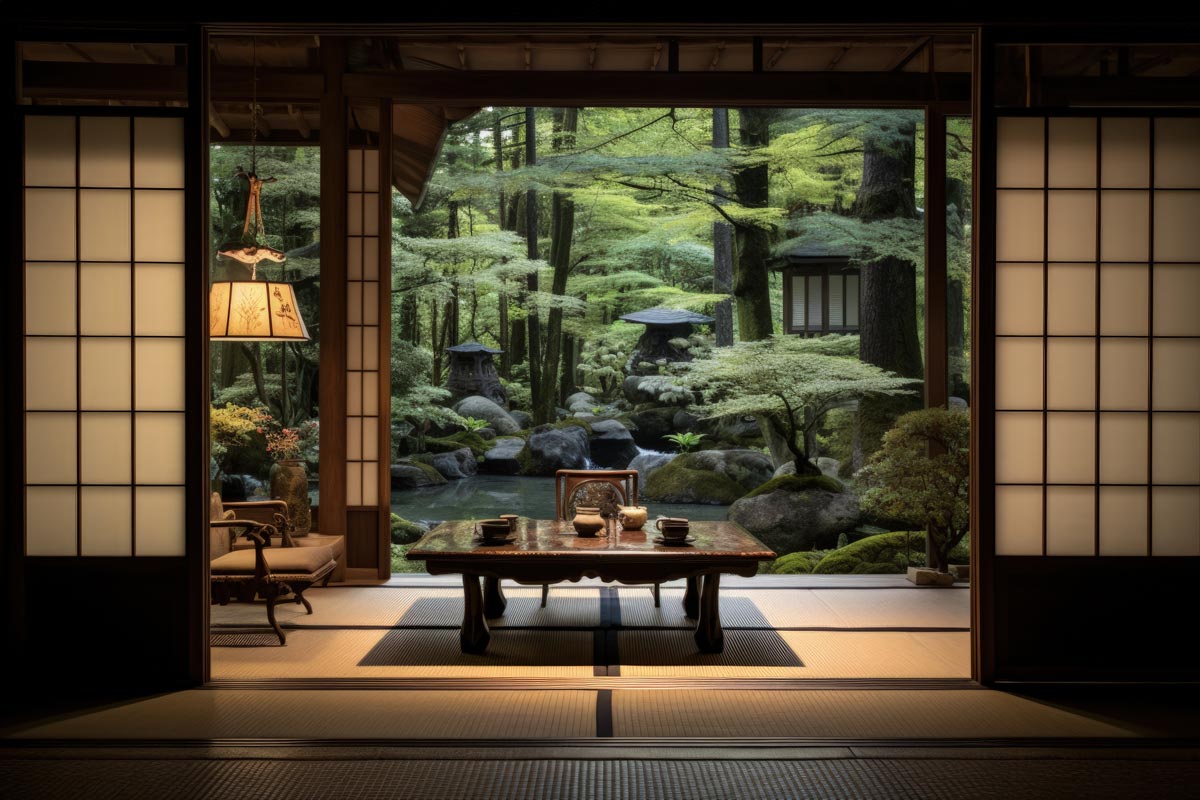
- Japanese-style rooms with tatami flooring, low tables, sliding paper doors, and futon bedding laid out in the evening.
- Yukata (casual cotton kimono) and sometimes geta (wooden sandals) provided for use around the inn and town.
- Public and sometimes private baths using natural hot spring water, often with separate times or areas for men and women.
- Multi-course kaiseki dinners featuring regional ingredients, elegantly presented and served either in your room or in a dining hall.
- Japanese breakfast with grilled fish, rice, miso soup, pickles, and local specialties.
Food Highlights
The Gero area sits near the Hida region, famous for high-quality Hida beef. Many ryokan incorporate this tender, marbled beef into their dinner menus, grilled at your table or served as hot pot. Other local flavors include river fish like ayu (sweetfish), mountain vegetables, and sake brewed with pure mountain water.
If you have dietary restrictions, inform the ryokan in advance—ideally in simple English or via your booking platform. Some can accommodate vegetarian or allergy-friendly meals with notice.
Things to Do in and Around Gero Onsen
Stroll the Hot Spring Town
Gero’s center is compact enough to explore on foot in an afternoon. As you wander, you’ll find:
- Footbaths at street corners and small plazas
- Souvenir shops selling local sweets, onsen manju (steamed buns), and skincare products made with hot spring water
- Cafés and snack stands offering soft-serve ice cream, skewered snacks, and coffee with river views
Strolling in yukata and sandals is part of the fun—many visitors go from bath to bath this way, especially in the evening when lanterns light the streets.
Onsen-Hopping with a Pass
Gero is known for its onsen-hopping culture. A special pass or coupon (often sold at tourist information centers, ryokan, and shops) allows you to try several different baths at a discount. Each facility has its own character: some focus on open-air riverside pools, others on spacious indoor baths with views of the mountains.
Gero Onsen Gassho Village
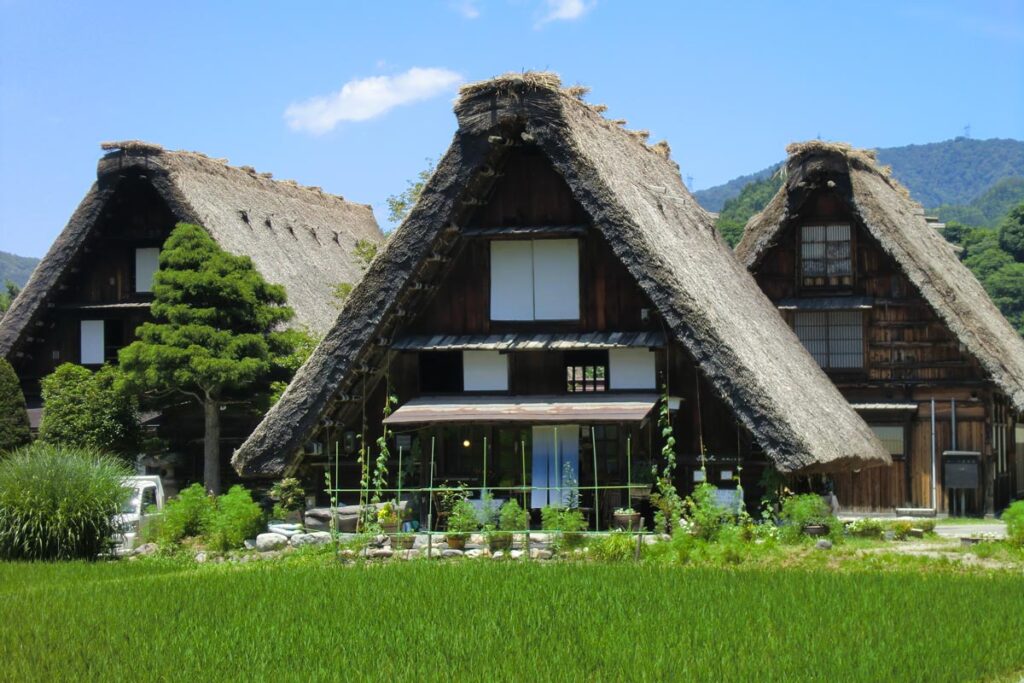
On a hillside overlooking the town, Gero Onsen Gassho Village is an open-air museum featuring traditional thatched-roof farmhouses relocated from the region. The steeply pitched roofs—known as gassho-zukuri, or “hands in prayer” style—are similar to those in Shirakawa-go and give a glimpse into rural life in the Japanese Alps.
Walking through the village, you’ll find historic houses, small museums, and craft demonstrations. It’s a pleasant half-day visit, especially for travelers who may not have time to reach Shirakawa-go itself.
Temples, Shrines, and Viewpoints
Scattered around Gero are small temples and shrines where you can enjoy quiet moments away from the main streets. Climbing up to local viewpoints rewards you with panoramas of the town, the river, and the surrounding mountains—particularly atmospheric during autumn when the leaves change color.
Best Time to Visit Gero Onsen
Gero Onsen is a year-round destination, and each season offers a different mood:
Spring (March–May)
As the snow melts in the mountains, cherry blossoms bloom along the riverbanks and in nearby parks. Temperatures are mild and comfortable for strolling in yukata. This is a lovely time to combine Gero with visits to Takayama’s spring festival or other central Japan sights.
Summer (June–August)
Summer brings lush greenery and warm evenings. While Japan’s lowlands can be very hot and humid, Gero’s mountain setting is somewhat cooler, especially at night. Onsen bathing might sound intense in summer, but many open-air baths feel surprisingly refreshing after sunset.
Autumn (September–November)
Autumn is one of the most beautiful times to visit. From late October to mid-November, the hills around Gero are colored with red and gold foliage, and the crisp air makes soaking in the hot springs especially satisfying. It’s a popular season, so book accommodations well in advance.
Winter (December–February)
Snowy winter days are perhaps the ultimate onsen experience. Sitting in a steaming outdoor bath while snowflakes fall around you is something many travelers remember for life. Roads and rail lines are generally well maintained, but check weather conditions if you are driving. Bring warm layers for walking between baths.
Practical Tips for International Visitors
Language and Signage
English signage is gradually improving in Gero, especially at the station, major ryokan, and tourist information centers. Staff at larger inns may speak basic English, but in smaller family-run places you might rely more on gestures and simple phrases. Having your accommodation name and address printed in Japanese can be useful for taxis or asking directions.
Money and Payments
Many ryokan and larger shops accept credit cards, but some smaller eateries and public baths are still cash-only. It’s wise to bring some yen, especially for entrance fees, snacks, and local buses. Convenience stores with ATMs that accept international cards can usually be found near the station or main streets.
What to Pack
- Small towel for onsen-hopping if you plan to use public baths (although many also rent or sell towels).
- Comfortable walking shoes for exploring the town and visiting Gassho Village.
- Layers, especially in cooler months—temperatures can drop quickly after sunset.
- Waterproof bag or pouch for keeping your phone and valuables safe while going between baths.
How Long to Stay
If you are on a tight schedule, a single night in Gero Onsen gives you enough time to enjoy a leisurely soak, savor a ryokan dinner and breakfast, and explore the town. With two nights, you can slow down further, try multiple baths, and add side trips in the Hida region.
Combining Gero Onsen with Other Destinations
Gero fits naturally into many central Japan itineraries. Consider combining it with:
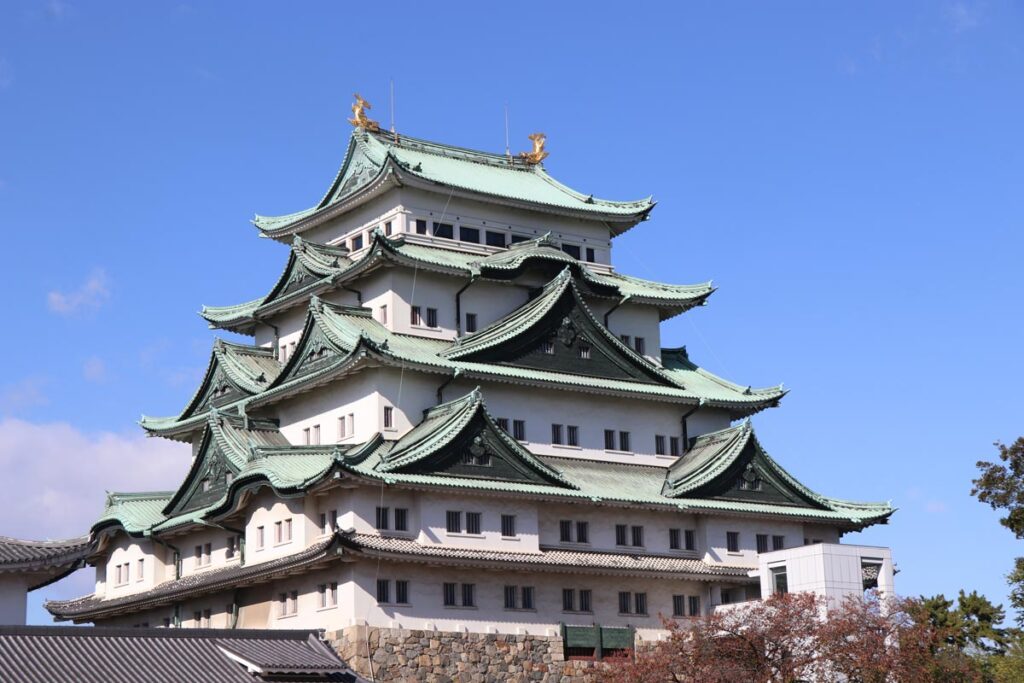
- Nagoya: Urban food culture, Nagoya Castle, and modern shopping districts.
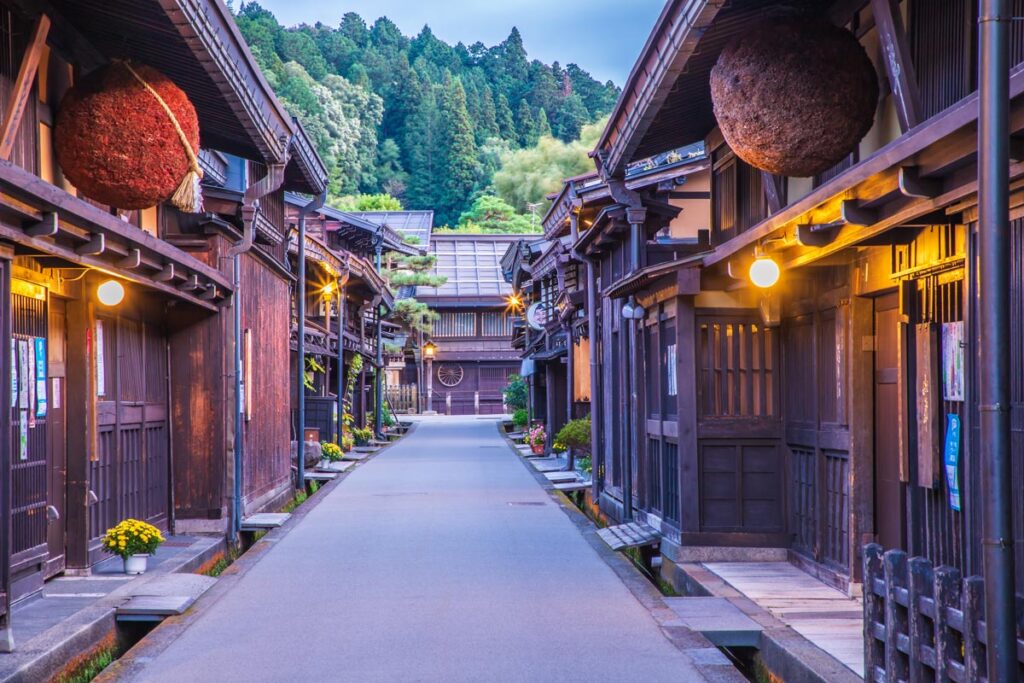
- Takayama: A beautifully preserved old town with traditional streets, morning markets, and museums.
- Shirakawa-go: A UNESCO-listed village of gassho-zukuri houses (usually accessed via Takayama).
- The Kiso Valley: Old Nakasendo post towns like Magome and Tsumago for atmospheric hiking between Edo-period inns.
By inserting Gero Onsen between busier city stops, you create a natural pause in your journey—time to rest, reset, and experience a side of Japan that many short trips miss.
Enjoying Your First Onsen Town
For first-time visitors to Japan, Gero Onsen offers a gentle, welcoming introduction to onsen culture. Its famously smooth waters, nostalgic streets, and easy access make it an ideal choice if you want to experience a classic hot spring town without complicated travel planning.
Plan at least one unhurried evening, allow yourself time to soak more than once, and embrace the rhythm of yukata, tatami, and steaming baths. Whether you visit in blossom season, under autumn leaves, or amid winter snow, Gero Onsen is likely to become a highlight of your Japan journey—and perhaps the place that makes you fall in love with onsen life.

Access Map
Recommended spots in Gifu
Shirakawa-go
Takayama
Gero Onsen
Top destinations in Chubu/Hokuriku
Ishikawa
Nagano
Aichi