
Ginza
Ginza Travel Guide: How to Enjoy Tokyo’s Luxury District
Ginza is Tokyo’s classic luxury district: a glittering mix of flagship boutiques, Michelin-starred restaurants, traditional theaters and elegant cafes. For first-time visitors to Japan, it offers a polished, easy-to-navigate introduction to the country’s urban culture, where old Tokyo refinement meets contemporary style.
Where Is Ginza and Why Visit?
Ginza sits in central Tokyo, just south of Tokyo Station and east of the Imperial Palace. The name comes from the silver (gin) mint that once operated here in the Edo period, and the area has been associated with quality and sophistication ever since.
Today, Ginza is famous for:
- High-end shopping: Japanese and international luxury brands side by side
- Dining: everything from historic sushi counters to modern French-Japanese cuisine
- Culture: kabuki theater, galleries and traditional crafts
- Atmosphere: wide boulevards, stylish architecture and polished service
Compared with the neon chaos of Shibuya or Akihabara, Ginza feels more grown-up and composed. It is one of the best areas for first-timers who want big-city excitement without feeling overwhelmed.
Getting to Ginza
Ginza is extremely accessible on Tokyo’s public transport network.
By Tokyo Metro and JR
- Ginza Station (Tokyo Metro): Ginza, Hibiya and Marunouchi Lines
- Ginza-itchome Station (Tokyo Metro): Yurakucho Line
- Higashi-Ginza Station (Tokyo Metro/Toei): Hibiya Line and Asakusa Line
- Yurakucho Station (JR + Tokyo Metro): JR Yamanote and Keihin-Tohoku Lines
From Tokyo Station, Ginza is about a 15–20 minute walk or one stop on the Marunouchi Line (to Ginza Station). From Shinjuku, ride the Marunouchi Line directly (around 15 minutes).
Navigating the Area
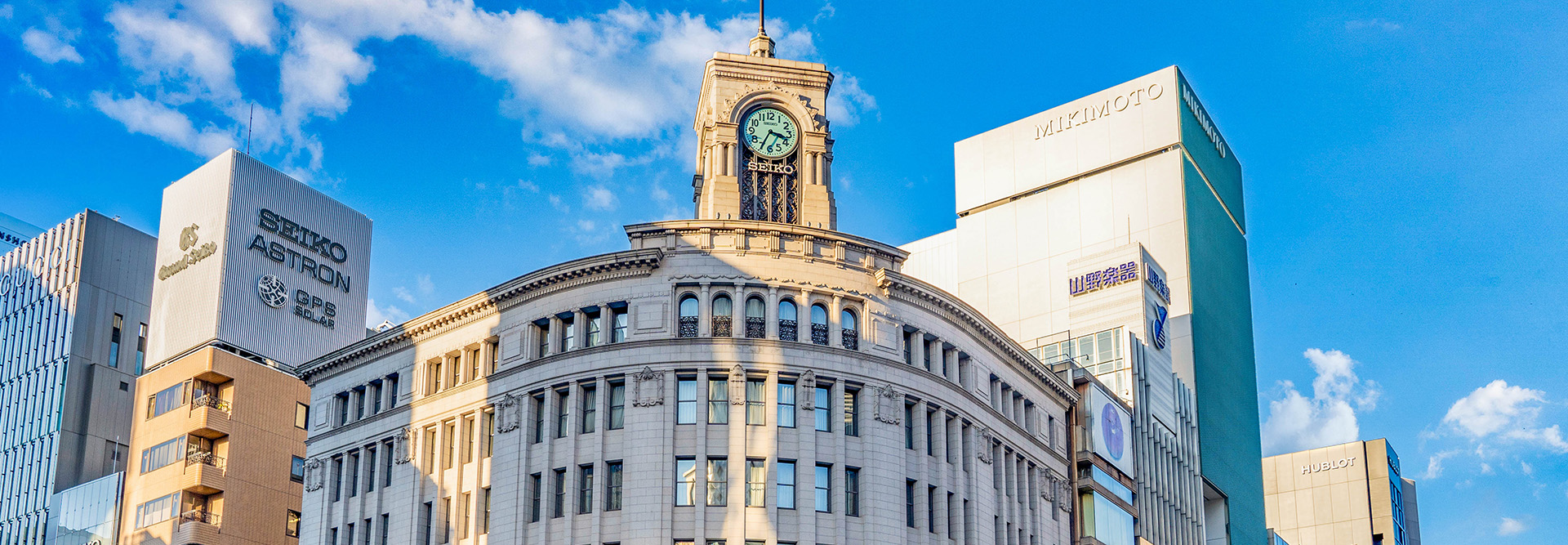
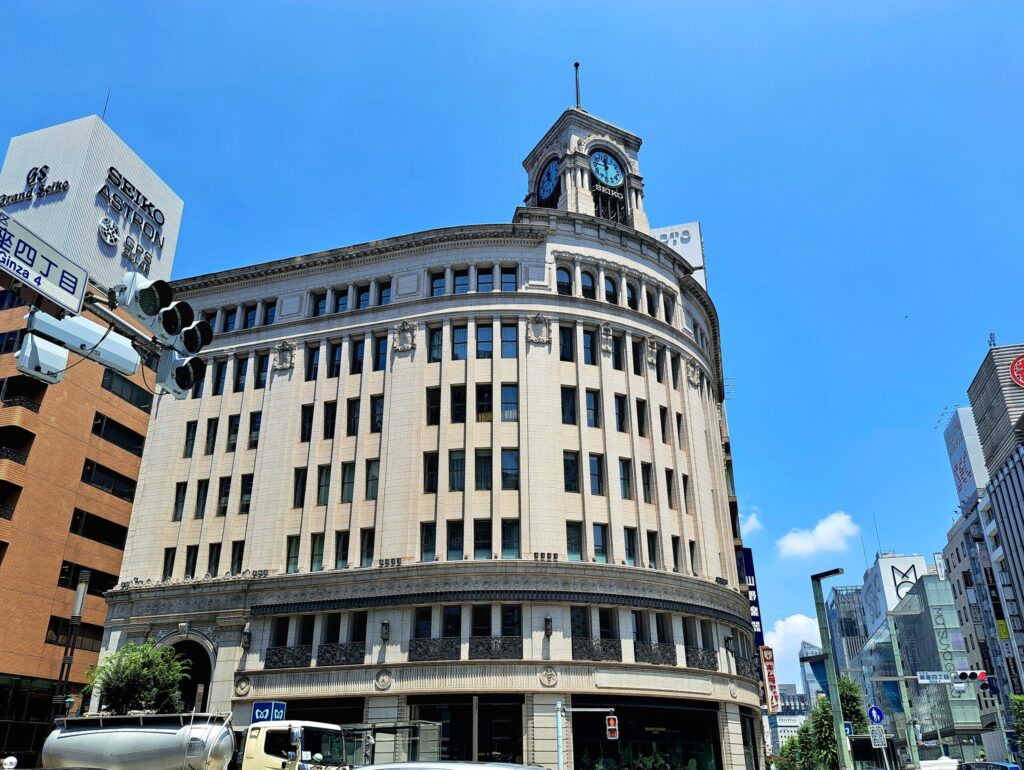
Ginza’s streets are laid out in a grid, an unusual feature in Tokyo. Blocks are numbered “Ginza 1-chome, 2-chome…” rather than named, which helps with orientation. Locals often arrange to meet near the major intersection of Ginza 4-chome, marked by the classic Wako clock tower.
Best Time to Visit Ginza
Ginza is attractive at any time of year, but your experience will vary depending on when you visit.
By Season
- Spring (March–May): Mild weather, longer days and cherry blossom season make this ideal for strolling between stores and cafes.
- Summer (June–August): Hot and humid outside, but nearly everywhere inside is air-conditioned. Perfect for shopping and gallery hopping.
- Autumn (September–November): Clear skies and pleasant temperatures; good for evening walks and photography.
- Winter (December–February): Illuminations, Christmas decorations and New Year sales give Ginza a festive glow. Nights can be chilly, but the lights are magical.
Pedestrian Paradise on Weekends
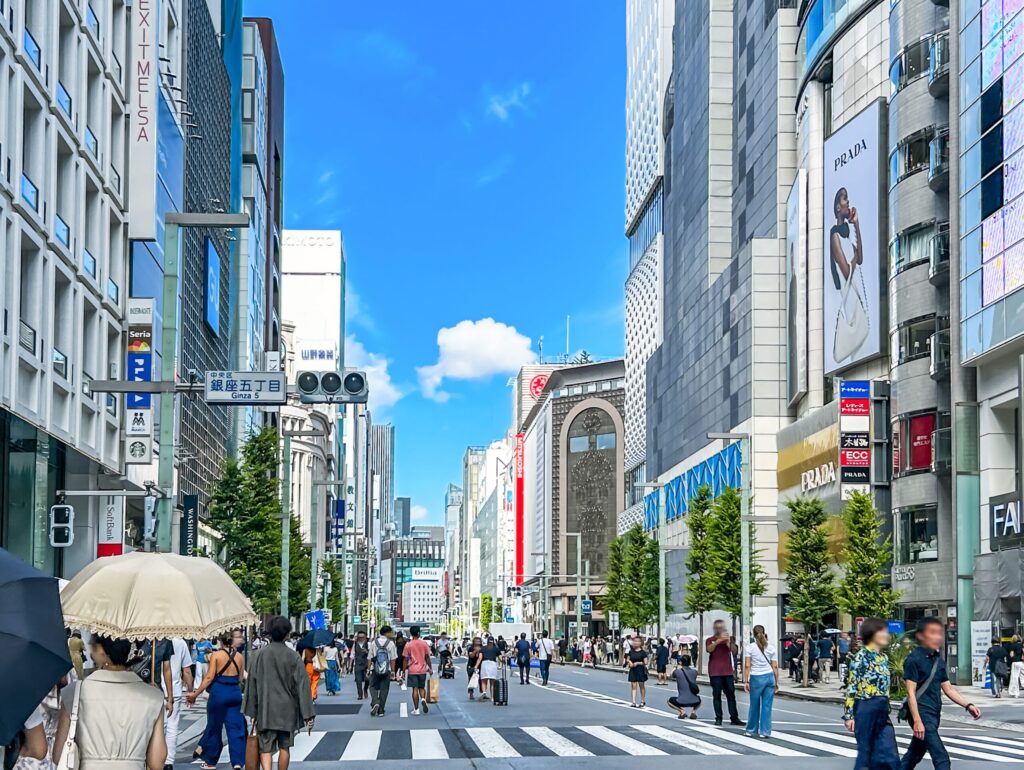
On weekends and national holidays, Ginza’s main Chuo-dori avenue becomes a hokousha tengoku (“pedestrian heaven”), usually from early afternoon until early evening. Traffic stops, cafe-style tables appear in the street, and the atmosphere becomes relaxed and leisurely. This is one of the best times to explore Ginza on foot and take photos without worrying about cars.
Main Sights and Landmarks in Ginza
Ginza 4-chome Intersection
The symbolic heart of Ginza is the 4-chome intersection, where Chuo-dori meets Harumi-dori. Two buildings define the classic Ginza skyline here:
- Wako Building: A cream-colored, neo-Renaissance structure topped with a clock tower. Its understated, retro elegance contrasts with the district’s glass towers.
- Ginza Mitsukoshi: One of Japan’s most famous department stores, with a history stretching back to the Edo period.
Stand at one of the corners around sunset and watch as the lights of Ginza slowly come to life. This is also where many walking tours begin.
Ginza Six
Ginza Six is a large-scale complex that brings together high-fashion boutiques, restaurants, an Noh theater and a striking central atrium. Inside, you will often find seasonal large-scale art installations hanging from the ceiling, making it a popular photo spot.
Head up to the rooftop garden for a surprising pocket of greenery and open air. On clear days, you can see Tokyo Tower and parts of the bay. The building also houses a duty-free counter and tourist information, making it visitor-friendly.
Kabukiza Theatre
At the eastern edge of Ginza stands Kabukiza, the main theater for kabuki, a classical Japanese performing art known for its stylized acting, elaborate makeup and rich costumes.
Even if you do not see a full performance, the exterior is worth a visit. Its white facade and tiled roofs stand in contrast to the modern tower behind it, symbolizing how tradition and modernity coexist in Japan.
For first-timers, consider:
- Single-act tickets: Affordable seats for just one act, usually available on the day. Great for a short introduction to kabuki.
- The underground shopping arcade: Browse kabuki-themed souvenirs and traditional sweets.
- Exhibition spaces: Small displays explain costumes, props and the history of kabuki in English.
Galleries and Art Spaces
Ginza has long been associated with the arts. Dozens of small galleries are scattered through the side streets, many of them free to enter and welcoming to casual visitors who simply want to browse.
Look for:
- Contemporary art galleries featuring young Japanese artists
- Traditional craft exhibitions, including ceramics, lacquerware and textiles
- Occasional photography and design shows hosted by major brands
Popping into a gallery or two is a low-pressure way to connect with Japan’s creative scene beyond the usual tourist sights.
Shopping in Ginza: From Luxury to Local
Shopping is at the heart of Ginza’s identity. You do not need to buy anything to enjoy browsing and window-shopping; the displays themselves are a form of urban theater.
Department Stores and Flagship Boutiques
Ginza’s major department stores — including Mitsukoshi, Matsuya and Marronnier Gate — combine fashion, cosmetics, homeware and food under one roof. They are ideal for first-time visitors because employees are used to international guests and tax-free counters are easy to find.
On the side streets off Chuo-dori, you will also discover flagship boutiques for global names such as Chanel, Dior and Louis Vuitton, sitting alongside Japanese brands like Shiseido and Mikimoto. Many buildings were designed by renowned architects, so architecture enthusiasts can treat Ginza as an open-air design museum.
Stationery, Crafts and “Only in Japan” Finds
For more everyday (but still beautifully made) items, search out:
- Stationery stores: Japanese notebooks, pens and paper goods are a delight for anyone who appreciates thoughtful design.
- Traditional craft shops: Lacquerware, tea utensils and hand-dyed textiles make meaningful souvenirs, often with explanatory notes in English.
- Cosmetics boutiques: Japanese skincare has a devoted global following, and staff are generally helpful with ingredient lists and suggestions.
Most major stores offer tax-free shopping if you spend above a certain amount and show your passport, so carry it with you if you plan to shop.
Food and Drink: What to Eat in Ginza
Ginza has one of the highest concentrations of fine dining in Tokyo, including multiple Michelin-starred restaurants. But it also caters to more modest budgets, especially at lunchtime.
Sushi and Kaiseki
Many visitors come to Ginza in search of top-tier sushi. The area is home to both legendary counters with just a handful of seats and newer spots that offer high quality at more approachable prices.
For an accessible introduction:
- Look for lunch sets at reputable sushi bars, which are often considerably cheaper than dinner.
- Reserve in advance, especially for popular or high-end restaurants.
- Be open to the chef’s omakase (chef’s choice) course, a common and respected way to dine in Japan.
If you are curious about kaiseki — a multi-course meal that showcases seasonal ingredients — Ginza has a number of refined restaurants where you can experience this culinary art form in an elegant setting.
Cafes, Kissaten and Sweets
Ginza is one of the best places in Tokyo to experience a traditional kissaten, an old-style coffee shop that predates modern chains. These cafes often serve carefully brewed coffee, simple sandwiches and classic desserts like purin (Japanese custard pudding) in a retro atmosphere.
Alongside them, you will find modern patisseries, tea salons and dessert cafes offering:
- Matcha parfaits layered with jelly, ice cream and sweet beans
- Seasonal fruit tarts and Japanese-style shortcakes
- Wagashi, traditional Japanese confections often served with tea
Afternoon tea in Ginza can easily become a highlight of your day, especially if you need a break from sightseeing.
Bars and Nightlife
Nightlife in Ginza tends to be understated and sophisticated. You will find hotel lounges, quiet wine bars and classic shot bars where bartenders mix carefully crafted cocktails.
Some venues cater mainly to business clientele through membership systems or hostess clubs, but there are also many bars that welcome casual visitors. Check review sites or hotel concierges for recommendations that are foreigner-friendly, and be prepared for a more relaxed, conversation-focused evening rather than a loud party scene.
Experiencing Ginza Culture and Etiquette
Ginza embodies a certain ideal of Japanese urban culture: polished, discreet and attentive. Understanding a few local customs will help you feel comfortable.
Service and Politeness
Staff in Ginza are generally highly trained and formal. You may notice deep bows and polite greetings like “irasshaimase” when you enter. This is part of standard Japanese customer service and does not require a response beyond a smile or nod.
Tips are not expected and can even cause confusion. Instead, gratitude is expressed verbally — a simple “thank you” or “arigatou gozaimasu” as you leave is always appreciated.
Dress and Atmosphere
You do not need to dress in luxury fashion to visit Ginza, but people tend to appear neat and well put-together. Smart casual clothing is entirely appropriate and will help you feel at ease, especially in more formal restaurants and bars.
On the streets, the atmosphere is calm. Try to avoid eating while walking, keep voices at a moderate volume and be mindful when taking photos not to block sidewalks or capture people at very close range without permission.
Suggested Ginza Itinerary for First-Time Visitors
If you have half a day to spend in Ginza, you can enjoy a well-rounded introduction to the district.
Afternoon to Evening Walk
- Start at Ginza 4-chome: Exit Ginza Station and take in the Wako building and Ginza Mitsukoshi.
- Stroll along Chuo-dori: Window-shop and pop into a few flagship stores or department stores. On weekends, enjoy the car-free street.
- Cafe break: Choose a kissaten or modern cafe for coffee, tea or a seasonal dessert.
- Visit Ginza Six: Wander the shops, then head up to the rooftop garden for views and a breather.
- Walk to Kabukiza: Admire the theater’s facade; if timing allows, browse the underground arcade or consider a single-act ticket.
- Dinner in Ginza: Choose between sushi, tempura, kaiseki or an international restaurant, depending on your budget and curiosity.
- Night stroll: After dinner, wander back through the illuminated streets, or finish with a quiet drink at a bar or hotel lounge.
Practical Tips for Visiting Ginza
- Language: In major stores and many restaurants, some staff speak basic English. Menus often include photos or English descriptions.
- Payment: Credit cards are widely accepted in Ginza, though it is still smart to carry some cash for smaller shops or cafes.
- Wi-Fi: Many department stores and cafes offer free Wi-Fi; registration may require an email address.
- Smoking: Street smoking is restricted in many parts of central Tokyo, including around Ginza Station. Use designated smoking areas.
- Restrooms: Department stores and large complexes like Ginza Six have clean, well-maintained restrooms that visitors can use.
Why Ginza Belongs on Your First-Timers’ Tokyo List
For international visitors experiencing Japan for the first time, Ginza offers a smooth and elegant introduction to Tokyo. It is easy to reach, safe to walk, and rich in experiences that reveal different facets of Japanese life: refined customer service, attention to detail, respect for tradition and enthusiasm for cutting-edge design.
Whether you spend an hour strolling between stores or an entire day exploring galleries, theaters and restaurants, Ginza will leave you with a lasting impression of Tokyo at its most polished. Add it to your itinerary, slow your pace and let the district’s quiet glamour unfold around you.

Access Map
Recommended spots in Tokyo
Shibuya Scramble Crossing
Hachiko Statue
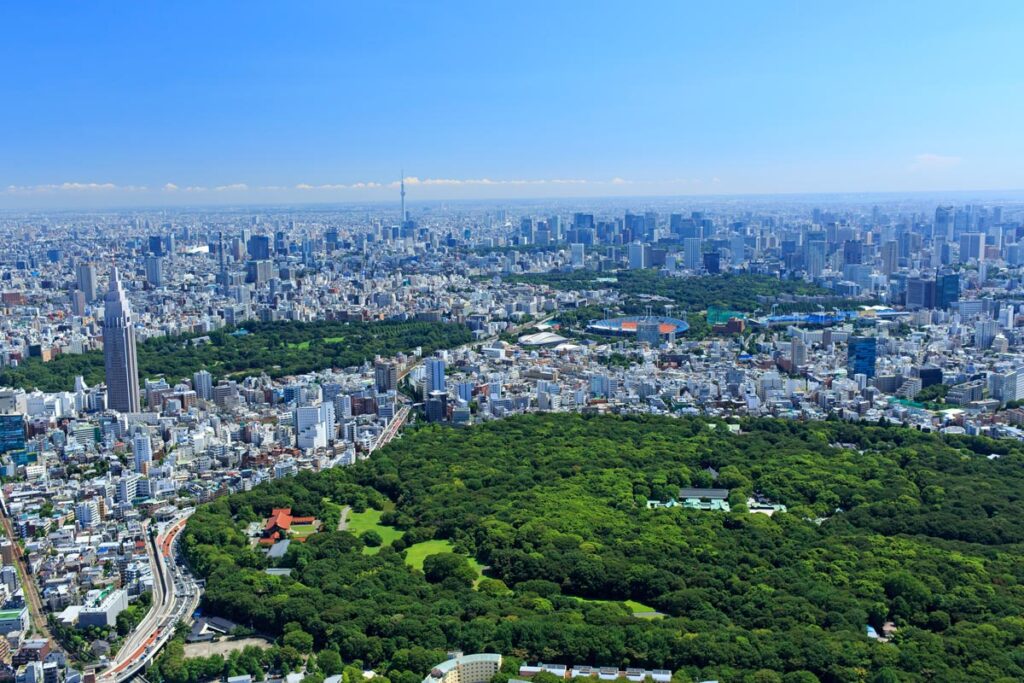
Shinjuku Gyoen
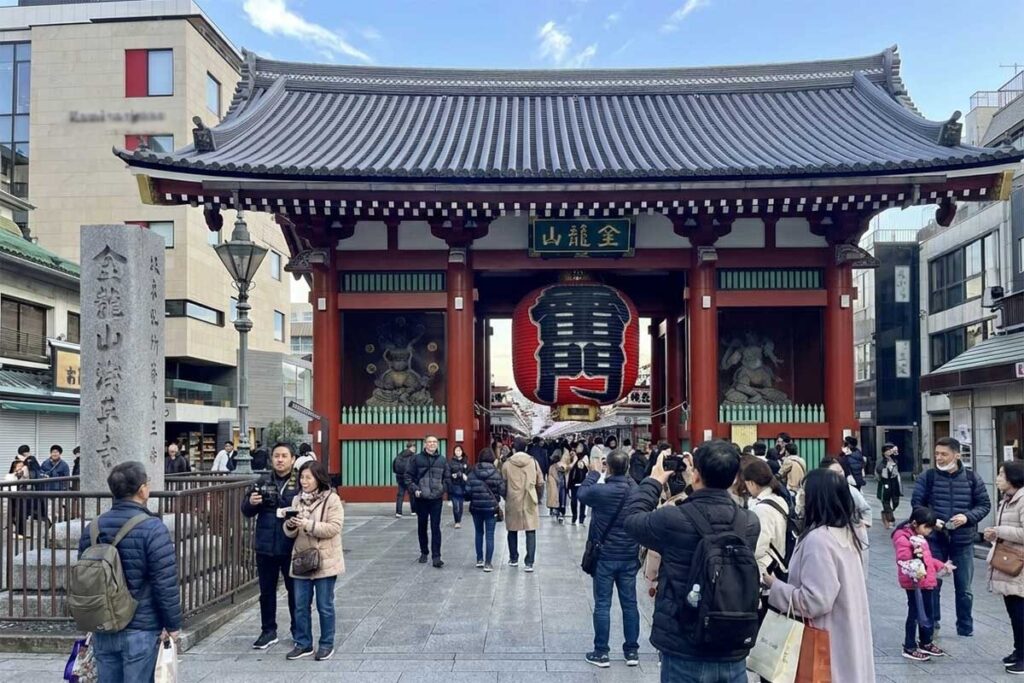
Asakusa
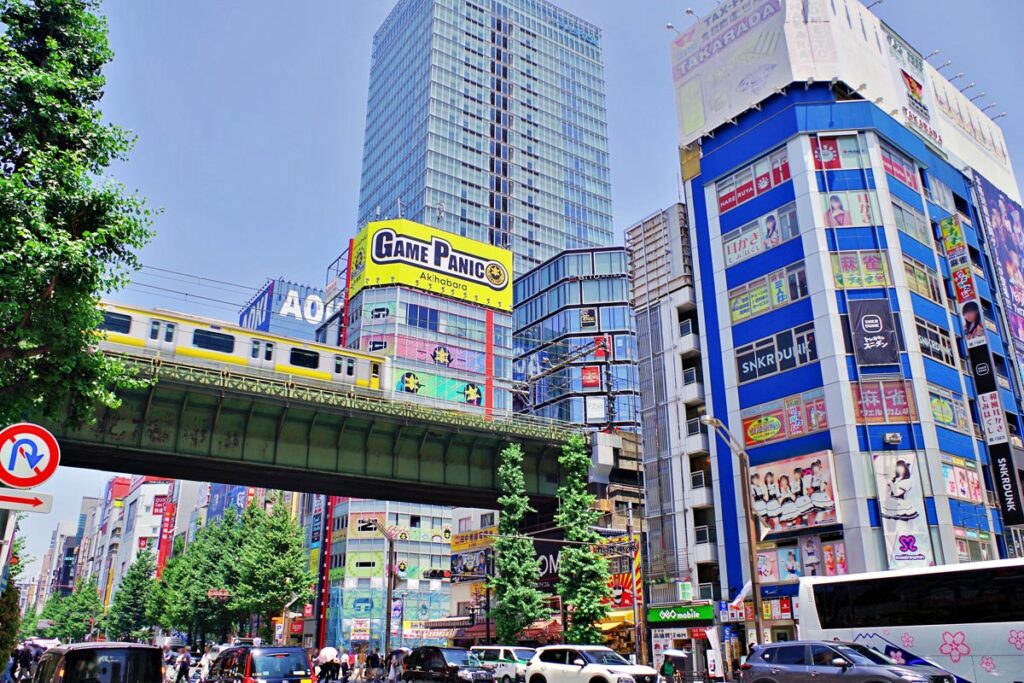
Akihabara
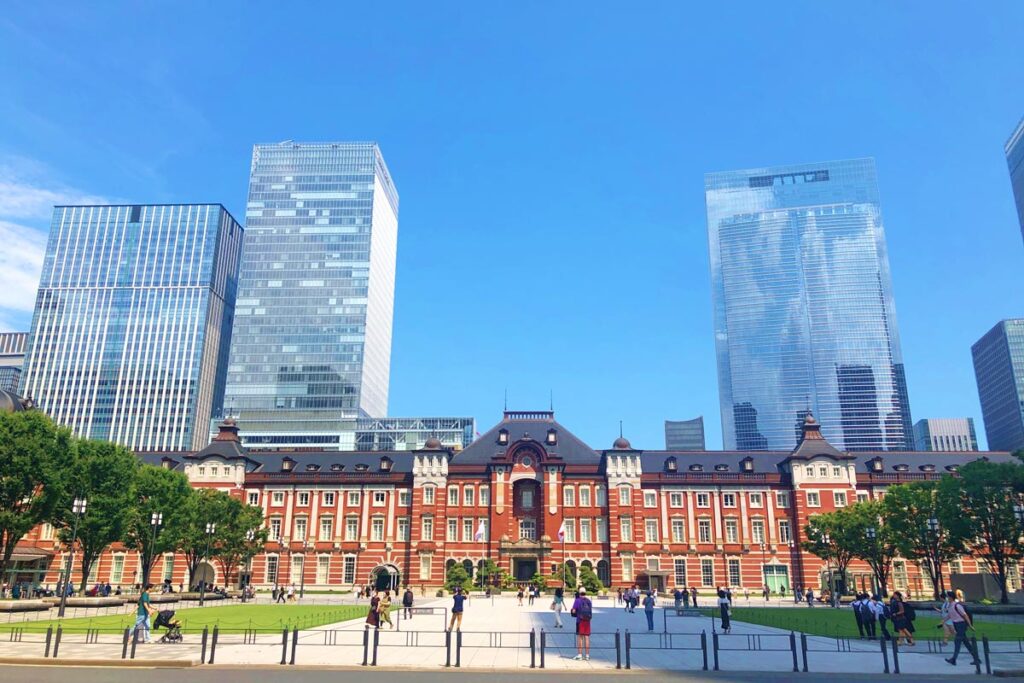
Tokyo Station
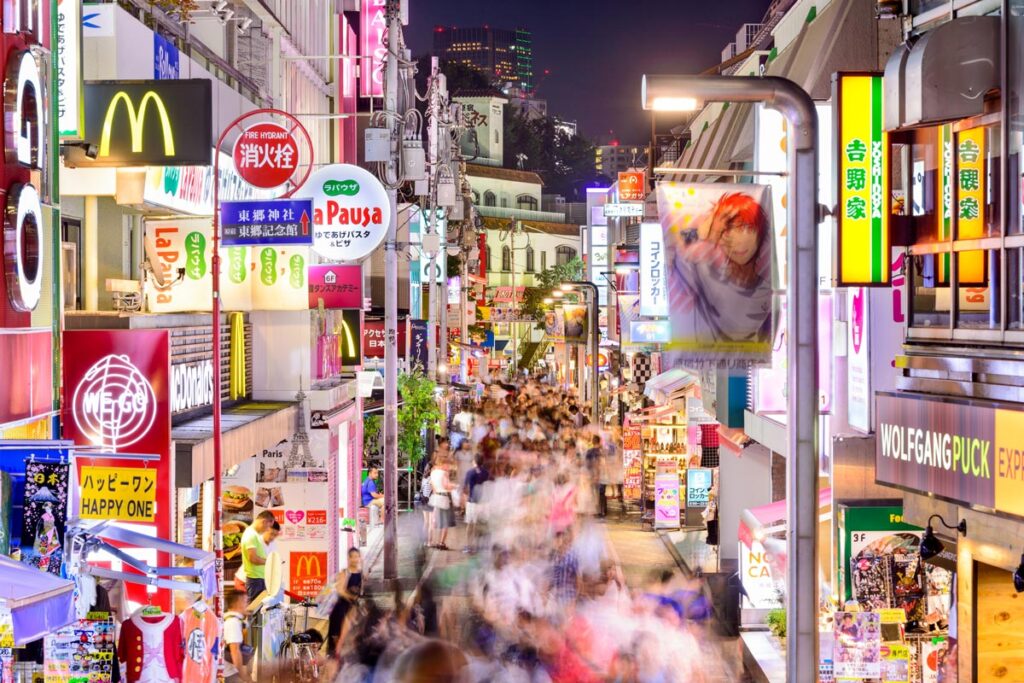
Takeshita Street (Harajuku)
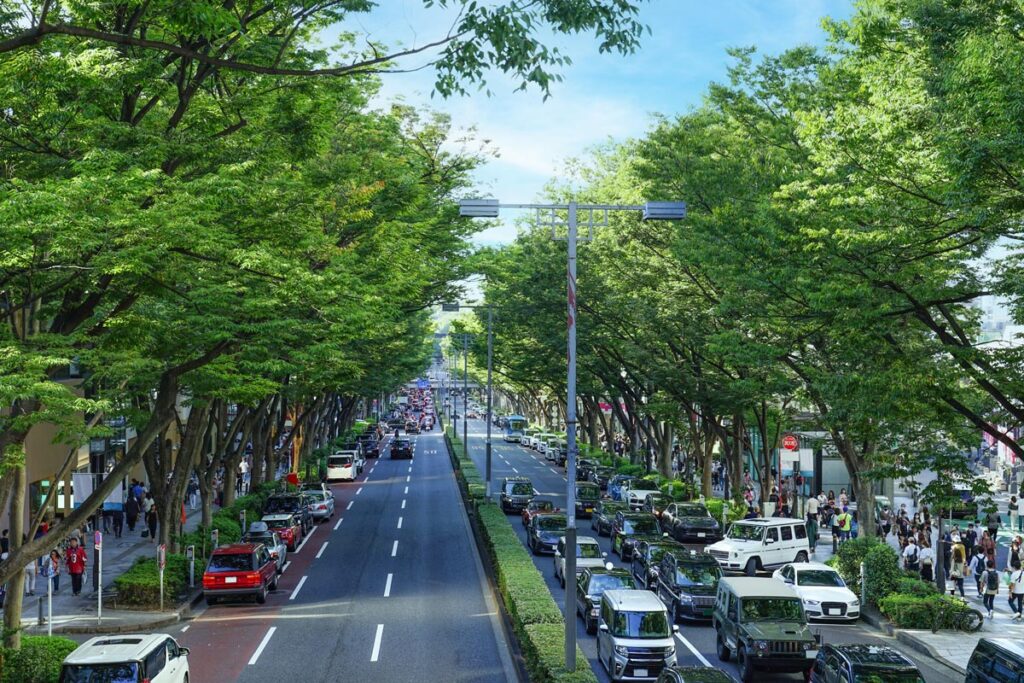
Omotesando
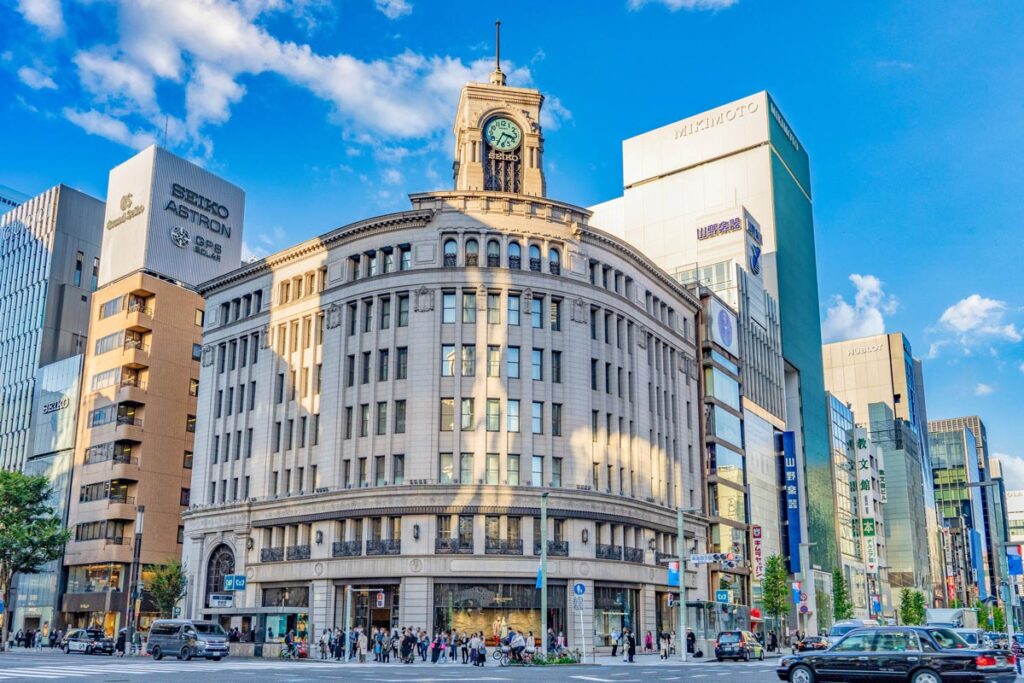
Ginza
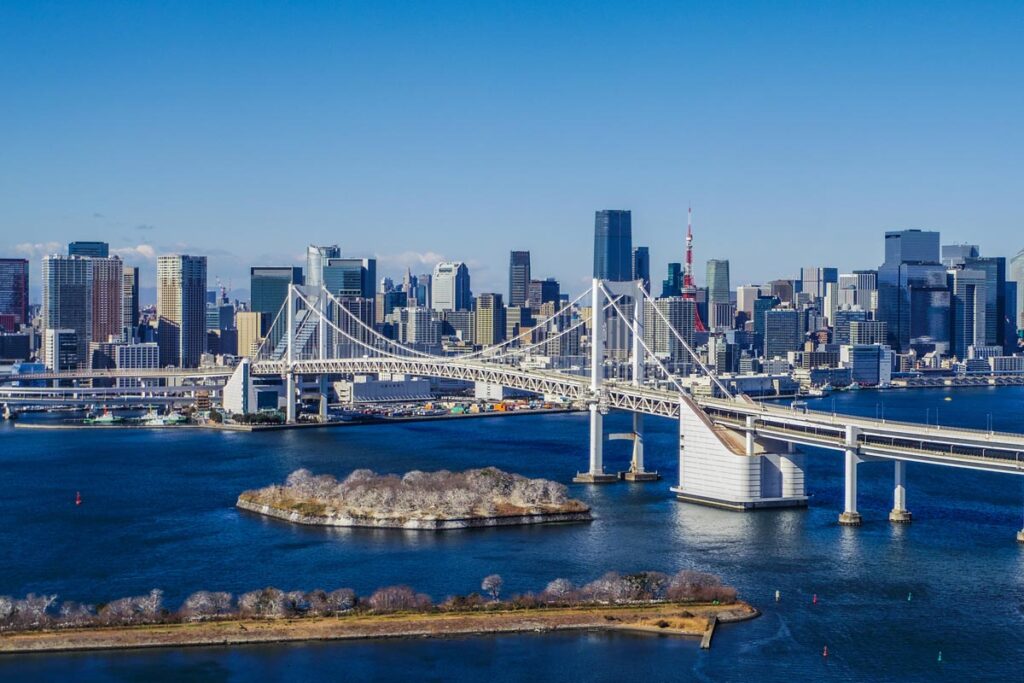
Odaiba
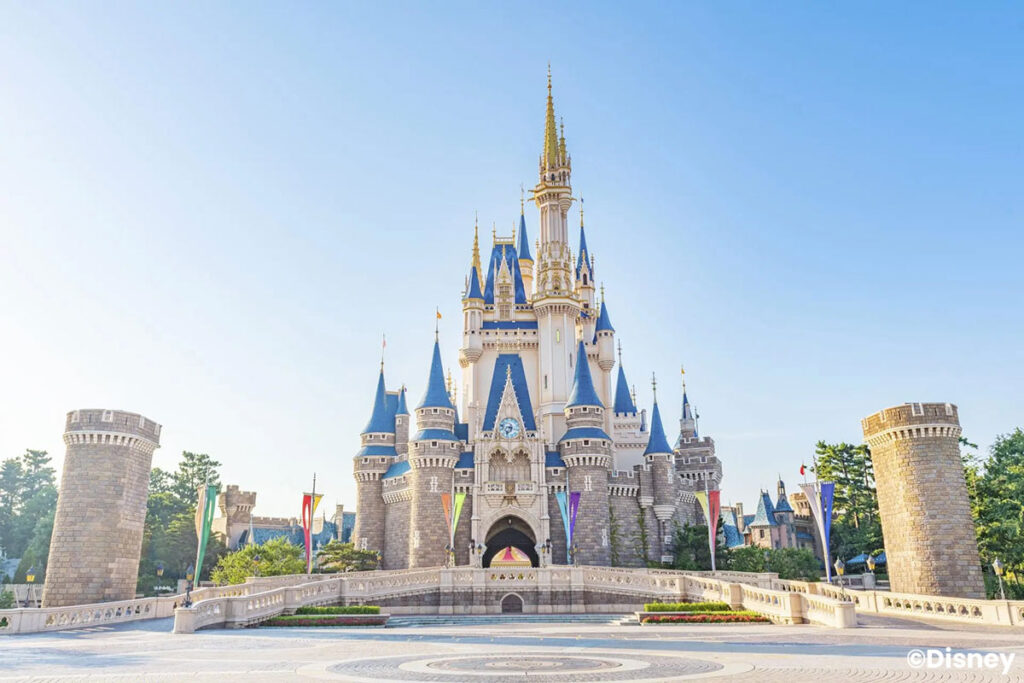
Tokyo Disneyland

Tokyo DisneySea
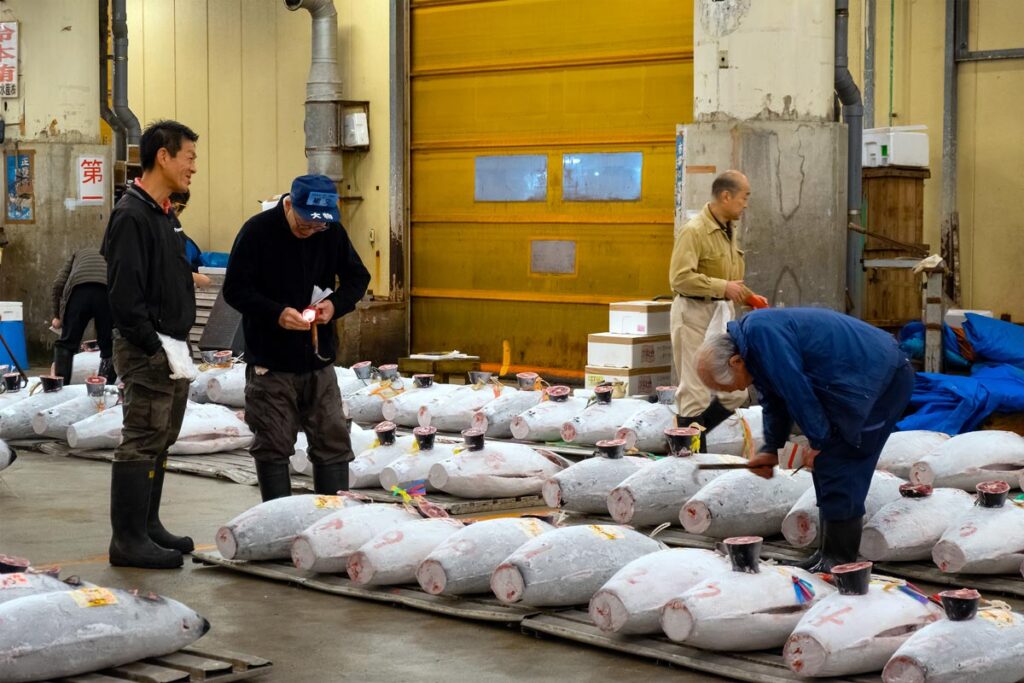
Toyosu Market
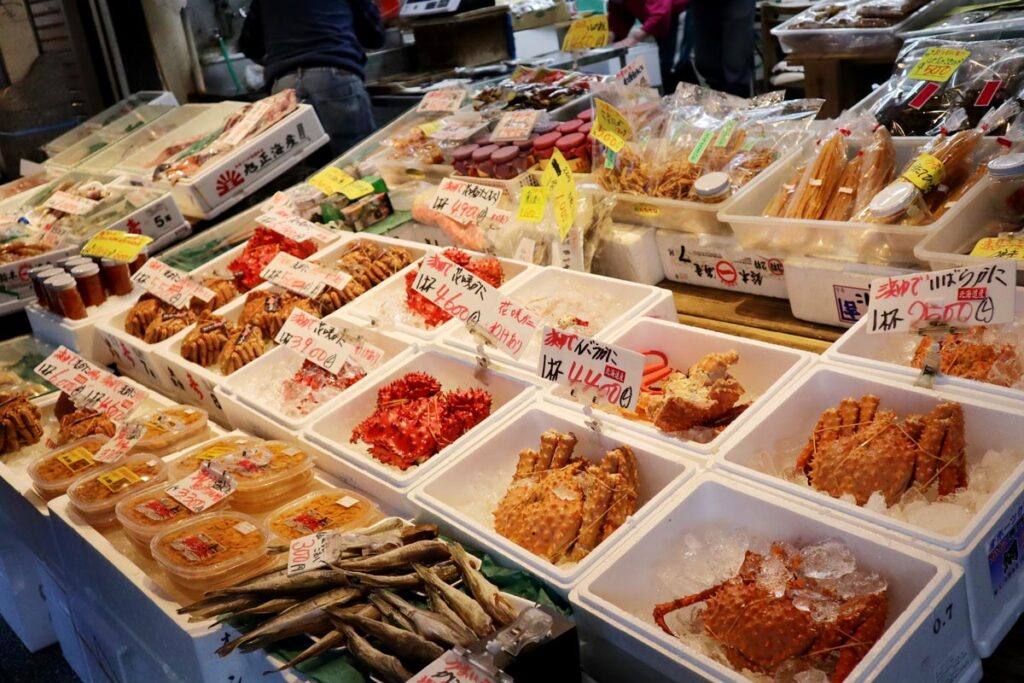
Tsukiji Outer Market
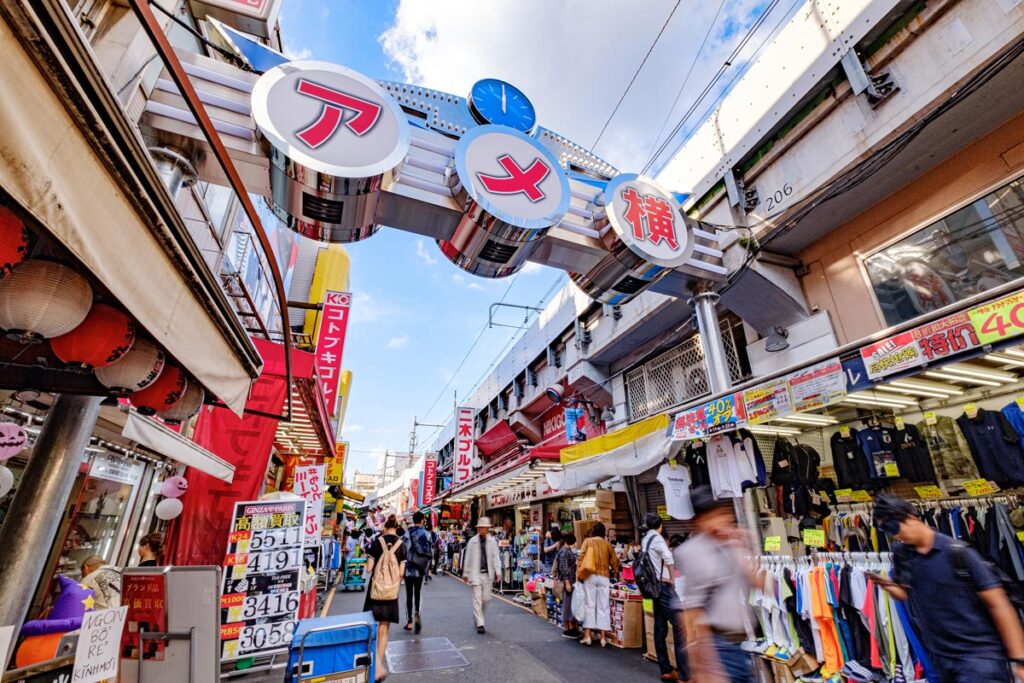
Ameyoko
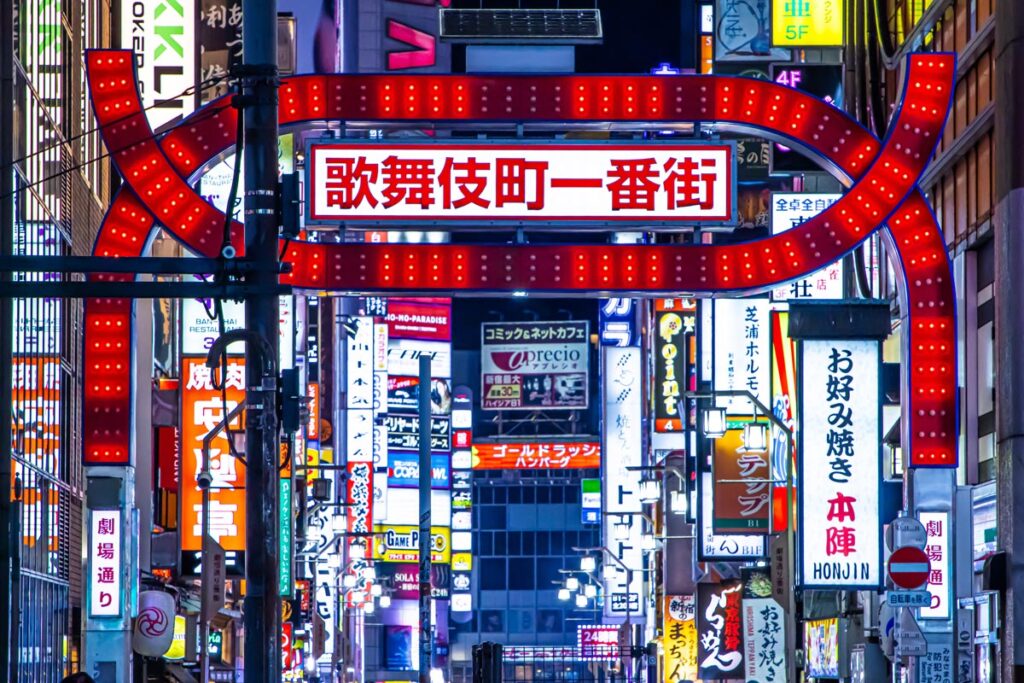
Kabukicho (Shinjuku)
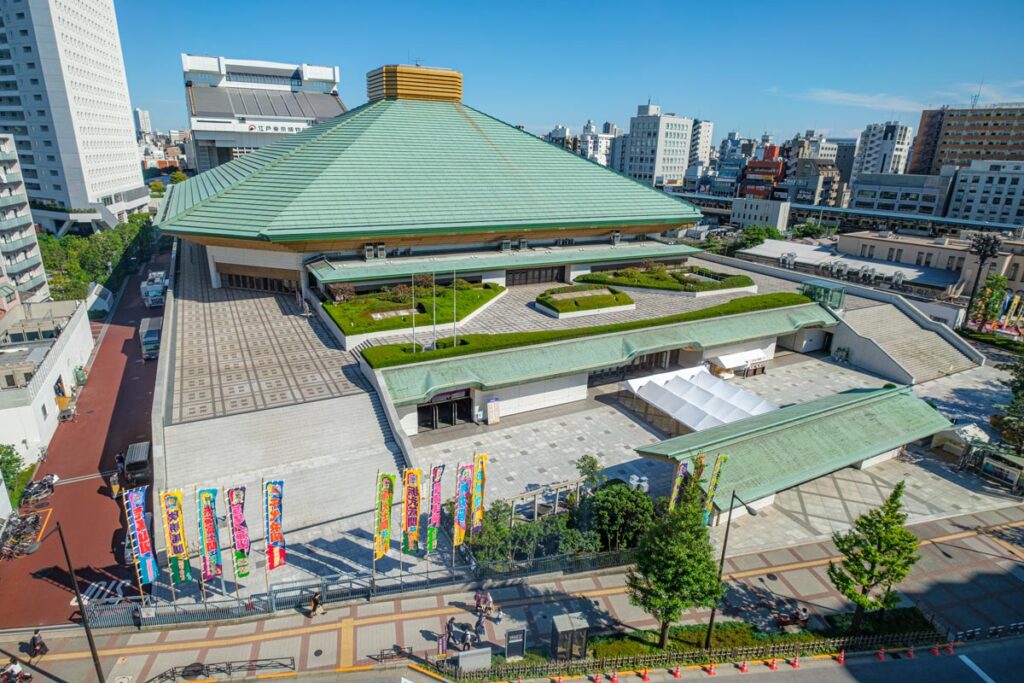
Ryogoku Kokugikan

teamLab Planets
Toyosu
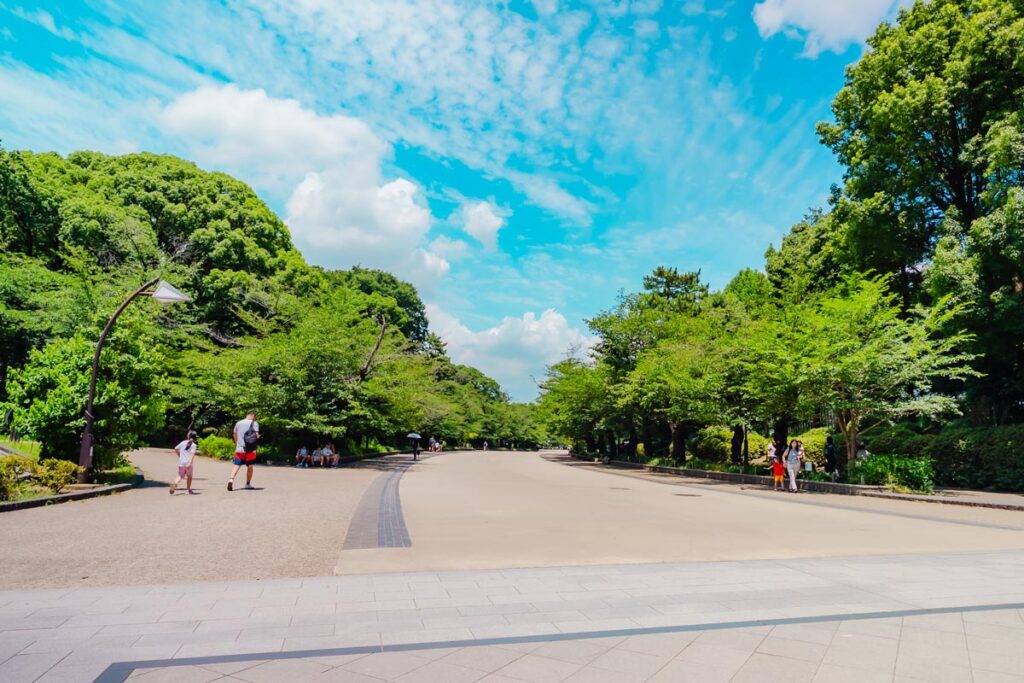
Ueno Park
Other Top Cities
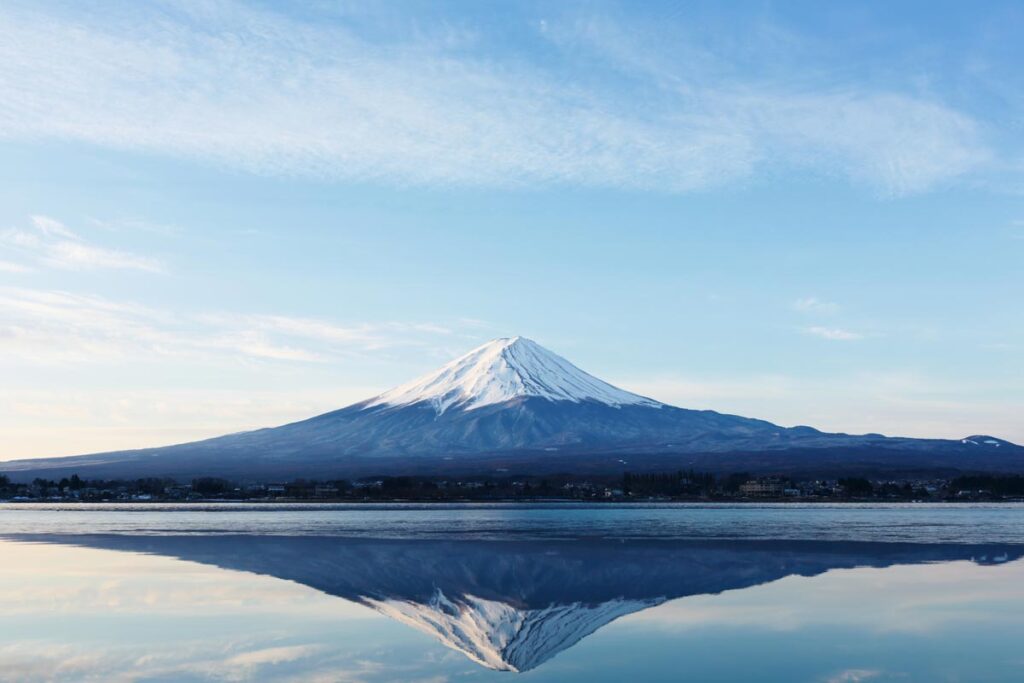
Mt. Fuji
Kyoto
Osaka