

Gion
Gion Travel Guide: How to Experience Kyoto’s Historic Geisha District
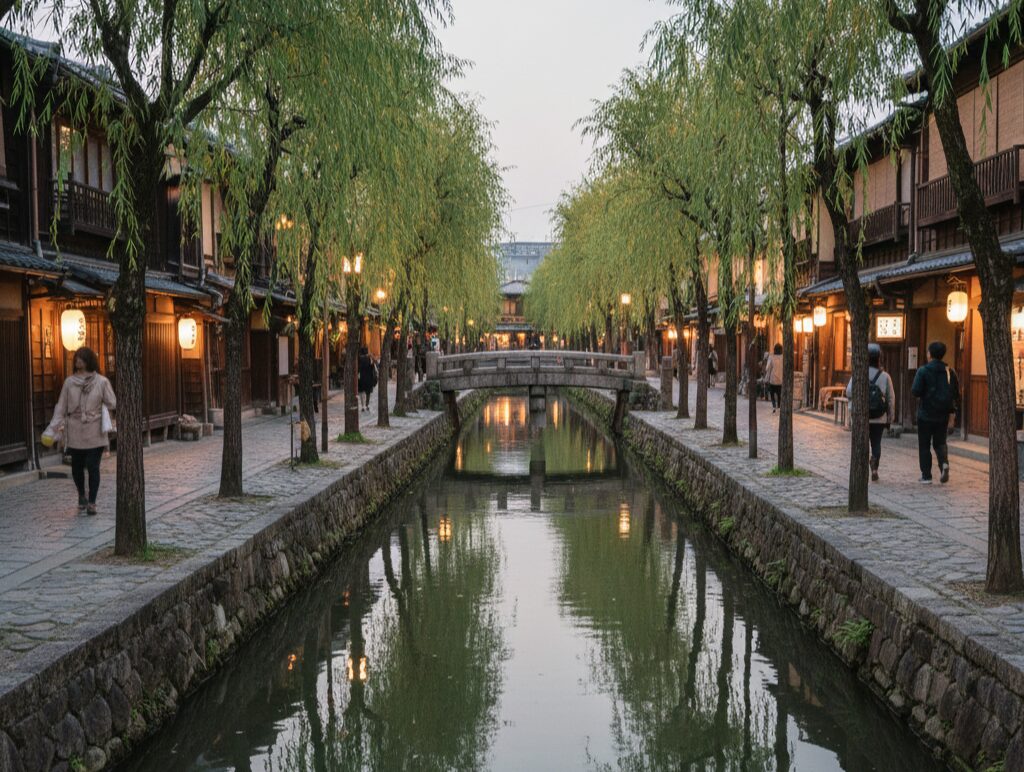
Photos are for illustrative purposes only.
Gion is Kyoto’s most famous traditional entertainment district and one of Japan’s most evocative historic neighborhoods. With its lantern-lit teahouses, wooden machiya townhouses, and narrow flagstone lanes, Gion offers international visitors a rare glimpse into the refined world of geisha culture, known locally as geiko and maiko. For first-time travelers to Japan, a stroll through Gion can feel like stepping into another era—if you know where to go, when to visit, and how to behave respectfully.
What Is Gion?
Gion developed in the Middle Ages as a bustling district serving pilgrims who visited nearby Yasaka Shrine. Over centuries, it evolved into a sophisticated entertainment quarter filled with teahouses (ochaya), traditional restaurants, and performance venues. Today, Gion is one of the few places in Japan where geiko (fully qualified geisha) and maiko (apprentice geisha) still live and work.
Unlike a theme park or museum, Gion is a living neighborhood where people work, study, and go about their daily lives. Visitors are welcome, but it is essential to remember that the area is not a stage set. Treat it as you would any residential community, while also appreciating its deep cultural heritage.
Understanding Geiko and Maiko Culture
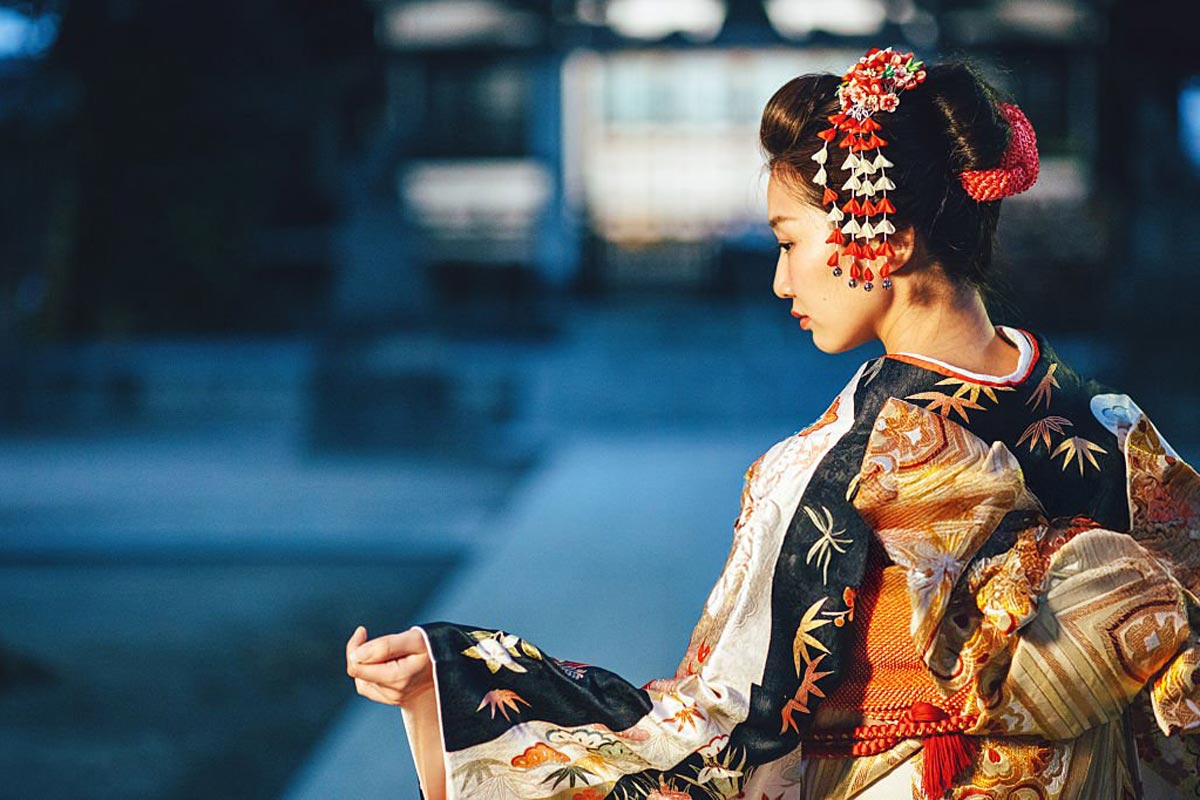
In Kyoto, the term geiko is used instead of geisha. Geiko are highly trained professional entertainers skilled in traditional arts such as classical dance, shamisen (three-stringed lute), singing, tea ceremony, and refined conversation. Maiko are younger apprentices, easily recognized by their elaborate hair ornaments, colorful long-sleeved kimonos, and ornate obi sashes.
Geiko and maiko typically entertain private parties in teahouses, performing dances, playing music, and hosting guests with games and conversation. For centuries, bookings were handled through personal introductions, making this world feel closed to outsiders. Today, however, there are more opportunities for international visitors to experience these traditions through stage performances and special events—without intruding on private engagements.
Where Is Gion and How to Get There
Gion lies on the eastern side of central Kyoto, between the Kamo River and Yasaka Shrine. It is easy to reach from major parts of the city.
By Train
From Kyoto Station:
- Take the JR Nara Line or Sagano Line to Tofukuji, transfer to the Keihan Line, and get off at Gion-Shijo Station. From there, Gion’s main streets are a short walk away.
- Alternatively, take the Karasuma Subway Line to Shijo Station, then walk east for about 15–20 minutes across the Kamo River.
Key stations for Gion:
- Gion-Shijo Station (Keihan Line) – western edge of Gion, near the Kamo River
- Hankyu Kyoto-Kawaramachi Station – a short walk across the river from Gion
By Bus
Buses can be crowded, but they stop closer to some temples and shrines.
- From Kyoto Station, city buses bound for Gion or Shijo Keihan-mae take around 15–20 minutes, depending on traffic.
- Look for stops labeled “Gion” or “Shijo Keihan-mae.”
If you prefer convenience, taxis from Kyoto Station to Gion usually take about 15 minutes in normal traffic.
Exploring Gion’s Main Areas
Gion is not a single street but a wider district with several distinct zones. Each offers a different atmosphere, from photogenic preserved lanes to lively shopping streets and tranquil temple grounds.
Hanamikoji Street
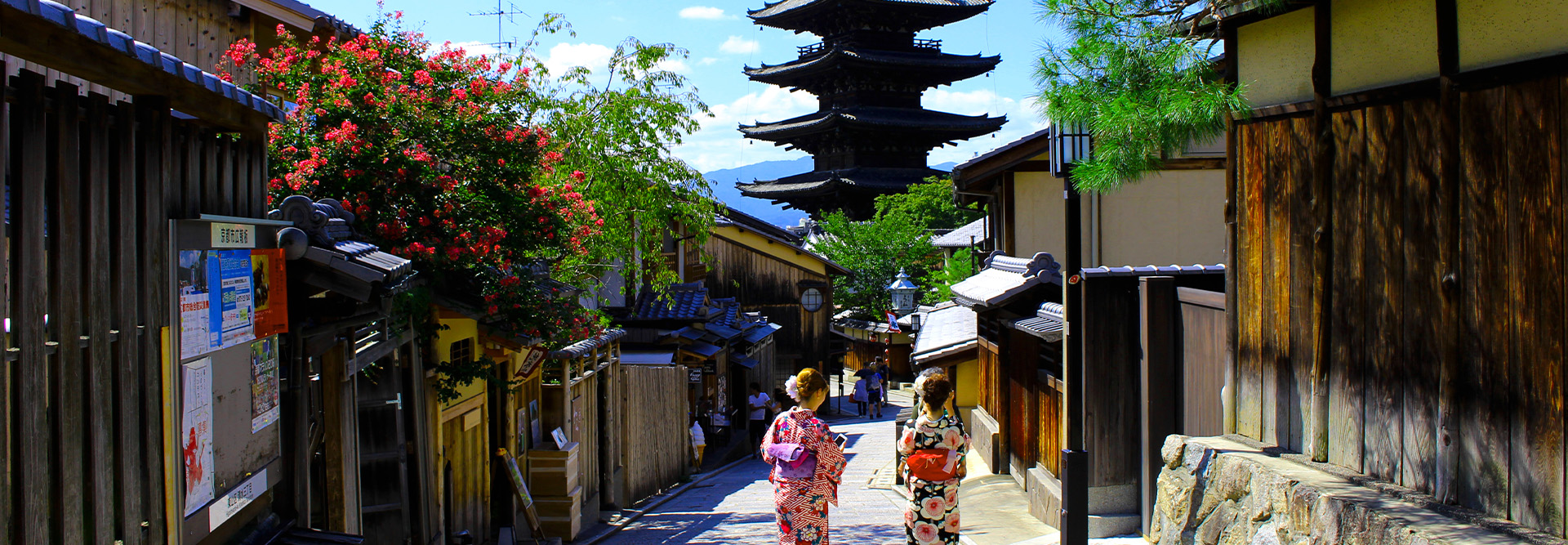
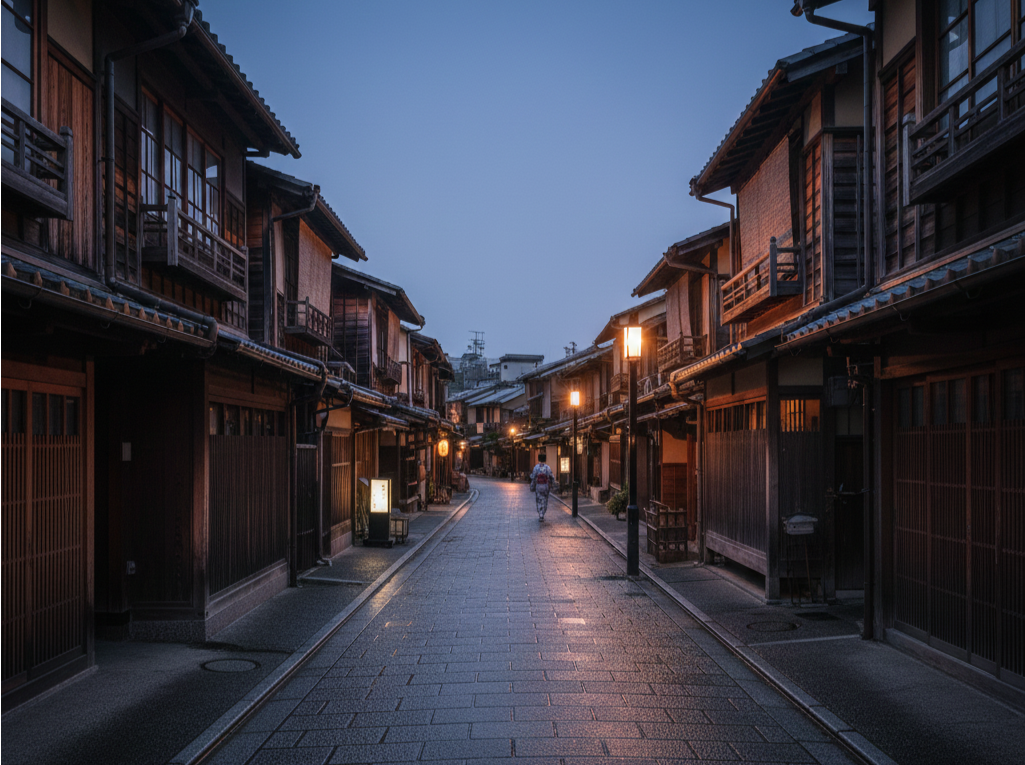
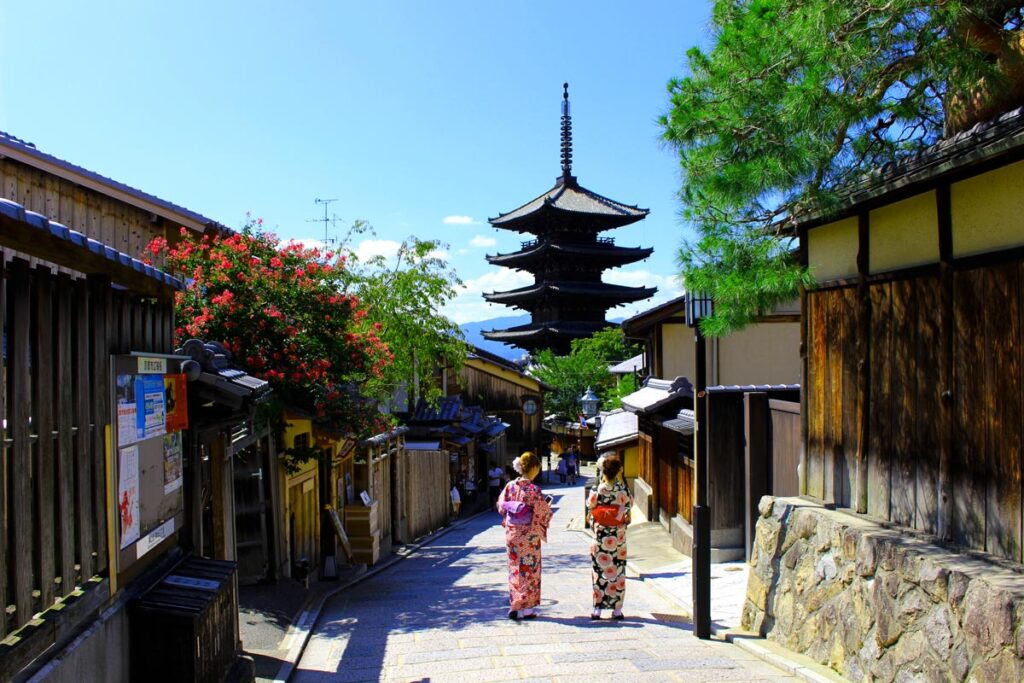
Hanamikoji-dori is the heart of Gion and the street most visitors picture when they think of Kyoto’s historic geisha district. Lined with dark wooden machiya houses, teahouses, and exclusive restaurants, this narrow lane is particularly atmospheric at dusk, when lanterns begin to glow and the scent of incense and grilled food fills the air.
The central part of the street is the most famous section. Here, you may catch a fleeting glimpse of a maiko or geiko gracefully walking to an evening engagement, although they move quickly and avoid drawing attention. Photography is now restricted on some narrow side alleys due to past overcrowding and inappropriate behavior, so be sure to respect posted signs and stay on permitted public streets.
Shirakawa Area
North of Shijo-dori, the Shirakawa area runs alongside a willow-lined canal crossed by stone bridges. It is one of the most romantic and atmospheric spots in Kyoto, especially at night when traditional restaurants and teahouses cast soft reflections on the water.
In spring, cherry blossoms along the canal create a tunnel of flowers that draws both locals and visitors. This area tends to be quieter than Hanamikoji, making it a pleasant place to appreciate the district’s beauty at a more relaxed pace.
Yasaka Shrine and Maruyama Park
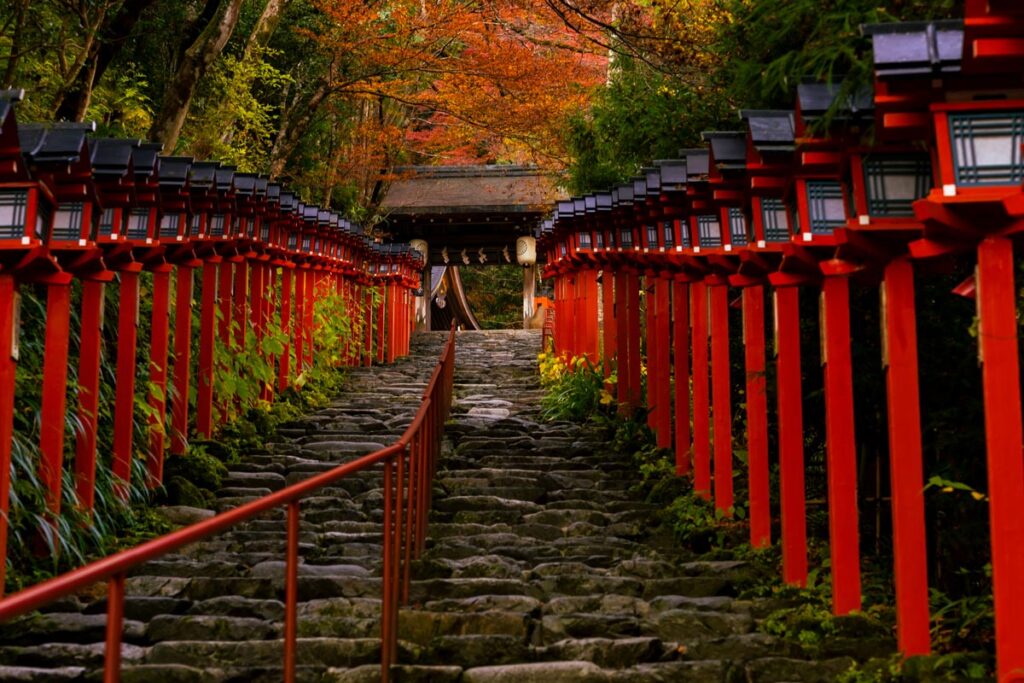
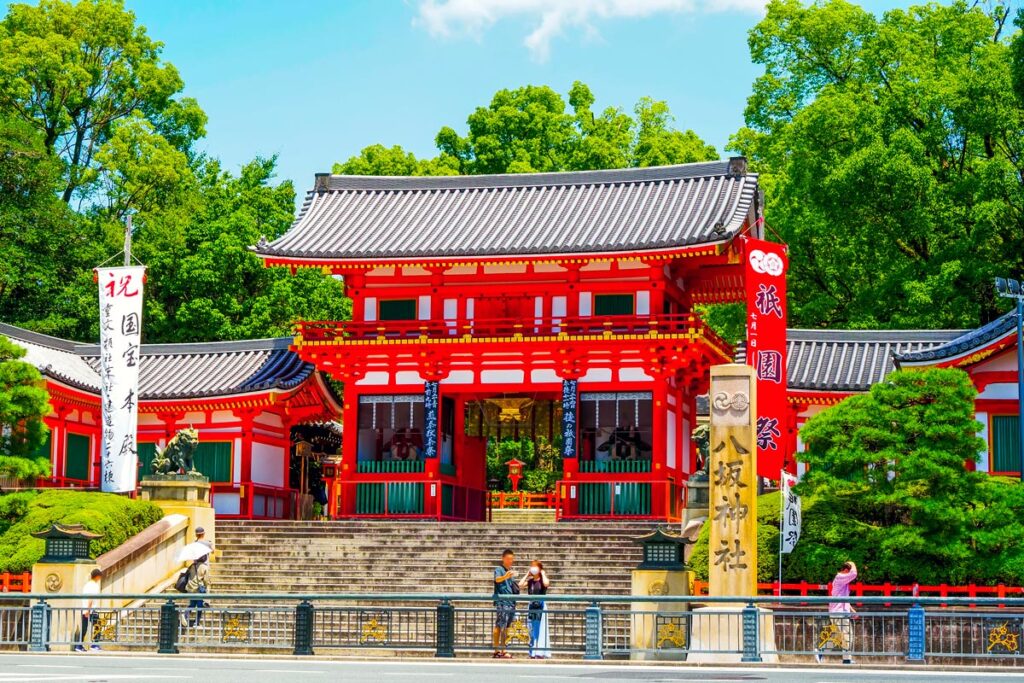
At the eastern edge of Gion stands Yasaka Shrine, one of Kyoto’s most important Shinto shrines. Known for its striking vermilion gates and long line of lanterns, Yasaka Shrine is open 24 hours and has a serene atmosphere in the early morning or late evening.
Behind the shrine lies Maruyama Park, a spacious public park that becomes a major cherry blossom viewing spot every spring. From here, you can continue uphill into the historic Higashiyama area, with stone-paved lanes such as Ninen-zaka and Sannen-zaka leading toward Kiyomizu-dera Temple.
Best Time to Visit Gion
Gion can be visited year-round, but your experience will differ depending on the time of year and day.
Time of Day
- Early morning: Quiet streets, ideal for photography without crowds and for appreciating architectural details.
- Late afternoon to early evening: The most evocative time, as lanterns are lit and the district gradually comes to life.
- Late night: Quieter again, though some restaurants and bars remain open. Respect noise levels in residential areas.
Seasonal Highlights
- Spring (March–April): Cherry blossoms along the Shirakawa canal and in Maruyama Park make this a particularly beautiful, but busy, season.
- Summer (July): Gion is closely associated with the Gion Matsuri, Kyoto’s most famous festival. While its main parades center around Shijo-Karasuma, the atmosphere spreads through Gion, with lanterns, food stalls, and special events.
- Autumn (November): Pleasant temperatures and autumn foliage in nearby temples and parks make this an excellent time to explore.
- Winter (December–February): Fewer visitors and crisp air. Occasional snowfall can transform the streets into a quiet, almost dreamlike scene.
Things to Do in and Around Gion
Watch Traditional Performances
One of the most approachable ways for first-time visitors to experience Kyoto’s arts is to attend a theater performance in or near Gion. These shows often combine several traditional arts, from dance and music to tea ceremony demonstrations and ikebana (flower arrangement). While the style is tailored to visitors, the performances are generally rooted in authentic traditions and can be enjoyed without prior knowledge of Japanese culture.
Stroll Historic Streets
Simply walking through Gion is a highlight in itself. Plan time to wander the main routes and quieter side streets, observing architecture, small shrines tucked between buildings, and traditional shopfronts. Visit both Hanamikoji and the Shirakawa canal area to see different sides of the district.
Dine in Traditional Restaurants
Gion is home to a wide range of restaurants, from exclusive kaiseki (multi-course haute cuisine) establishments to more casual eateries serving seasonal Kyoto specialties. Food here tends to emphasize subtle flavors and beautiful presentation—think delicately seasoned vegetables, tofu dishes, and local sweets.
Booking in advance is strongly recommended for higher-end restaurants, especially those in traditional townhouses. Many now accept online reservations and offer English menus. If you have dietary restrictions, mention them clearly when you book.
Experience Tea and Sweets
For a more relaxed break, visit a traditional tea house or café offering matcha (powdered green tea) and Japanese sweets (wagashi). These delicate confections are often shaped to reflect the season—cherry blossoms in spring, maple leaves in autumn—and are designed to complement the bitterness of matcha.
Visit Temples and Shrines
Beyond Yasaka Shrine, Gion and the neighboring Higashiyama area are dotted with historic sites within walking distance, including smaller temples with tranquil gardens. Spending part of your visit in these quieter spaces provides a good balance to the more crowded central streets.
Wear a Kimono (Respectfully)
Kimono rental is popular in Gion and nearby Higashiyama. Wearing a kimono while strolling the stone-paved streets can be a memorable way to immerse yourself in the atmosphere. Choose reputable rental shops that dress you correctly and explain how to move comfortably. Treat the clothing with care and remember that real geiko and maiko are working professionals, not costume characters.
Etiquette and Respectful Behavior in Gion
Because Gion is both a historic attraction and a working neighborhood, respectful behavior is extremely important. In recent years, authorities have introduced rules and signage to protect residents, workers, and visitors.
Photography Guidelines
- Do not photograph people at close range without their clear permission, especially geiko and maiko on their way to work.
- Never block someone’s path, pull on their kimono, or chase after them for a photo.
- Obey all “No Photography” signs on private alleys and around teahouses.
- Avoid using flash at night, particularly in residential areas.
Street Manners
- Stay on public streets and avoid walking into private alleys or driveways.
- Keep noise levels down, especially in the evening and late at night.
- Do not eat while walking in the narrow historic lanes; enjoy food near shops or designated areas.
- Dispose of rubbish properly; public trash cans are rare, so you may need to carry it until you find a bin.
By following these basic guidelines, you help preserve the delicate balance between tourism and daily life that allows Gion’s traditions to continue.
Where to Stay Near Gion
Staying near Gion allows you to experience the area early in the morning and late at night, when it is much quieter and more atmospheric.
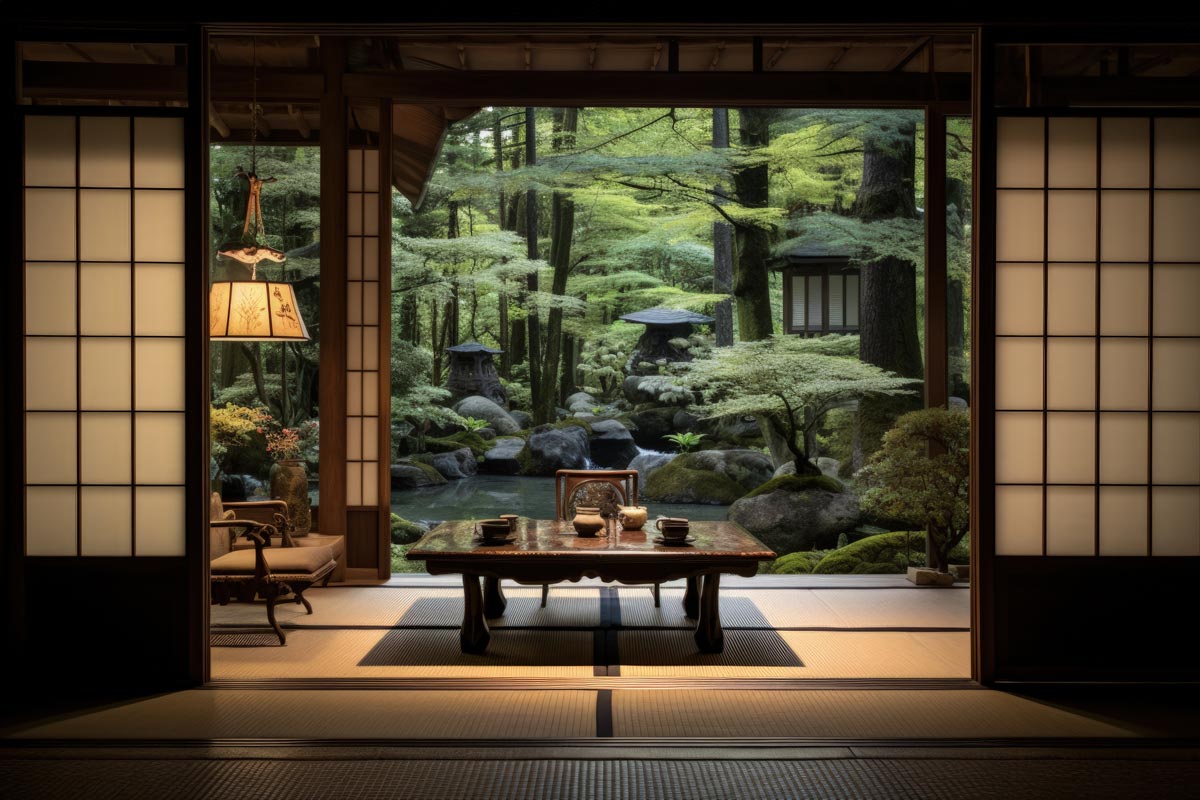
- Traditional Ryokan: Some Japanese inns near Gion offer tatami rooms, futon bedding, and seasonal kaiseki dinners. This is one of the most immersive ways to experience Kyoto hospitality.
- Machiya Townhouse Rentals: Restored wooden townhouses let you feel like a local resident, often blending traditional design with modern comforts.
- Modern Hotels: For those who prefer Western-style accommodation, there are numerous mid-range and upscale hotels within walking distance of Gion and the Kamo River.
Practical Tips for First-Time Visitors
- Language: Many signs in and around Gion include English, and staff at hotels and larger restaurants often speak basic English. Carrying a translation app is still useful, especially for smaller establishments.
- Payment: Credit cards are increasingly accepted, but some small shops and older restaurants remain cash-only. It is wise to carry some Japanese yen.
- Footwear: You may need to remove shoes in certain restaurants and traditional buildings. Slip-on shoes are convenient.
- Crowds: Peak times around sunset and during cherry blossom season can be extremely busy. For a quieter experience, aim for early morning or a weekday visit.
Experiencing the Spirit of Gion
For many travelers, Gion becomes the mental image they carry home when they think of Japan: narrow lanes under paper lanterns, the whisper of kimono silk, and the interplay of old and new in a living city. Yet the true charm of Gion lies not only in its photogenic streets but in its subtle details: the sound of distant temple bells, the taste of seasonal sweets, the way the district changes character with each hour of the day.
If you visit with an open mind and a respectful attitude, Gion offers more than a brief glimpse of geiko and maiko. It invites you into a deeper appreciation of Kyoto’s cultural layers—where ancient traditions, quiet spirituality, and contemporary city life coexist in a single, unforgettable neighborhood.

Access Map
Recommended spots in Kyoto
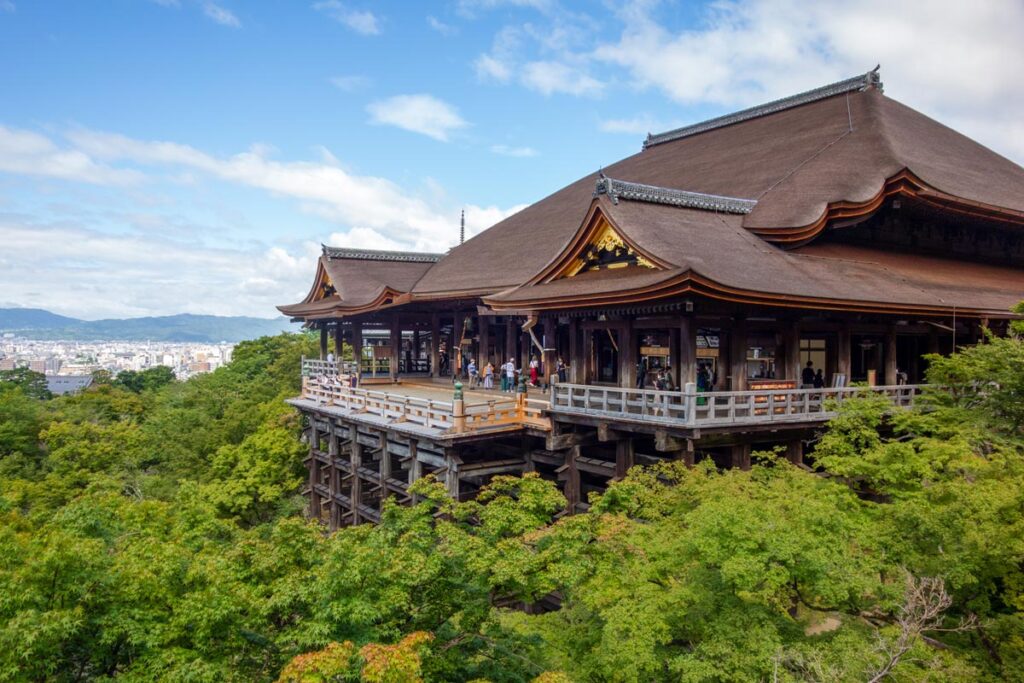
Kiyomizu-dera
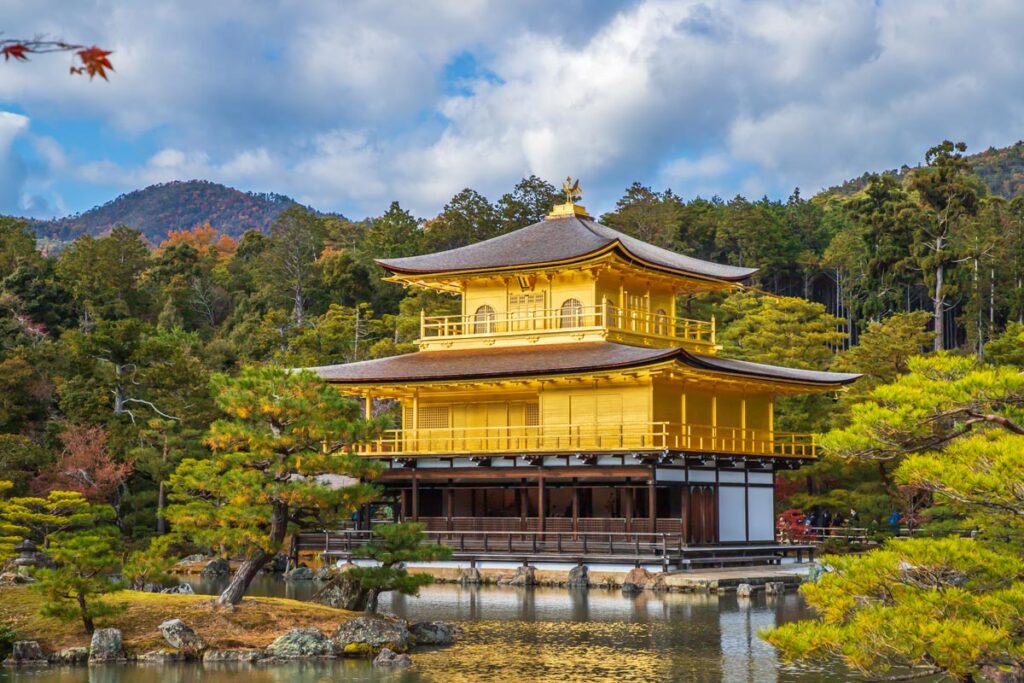
Kinkaku-ji
(Golden Pavilion)
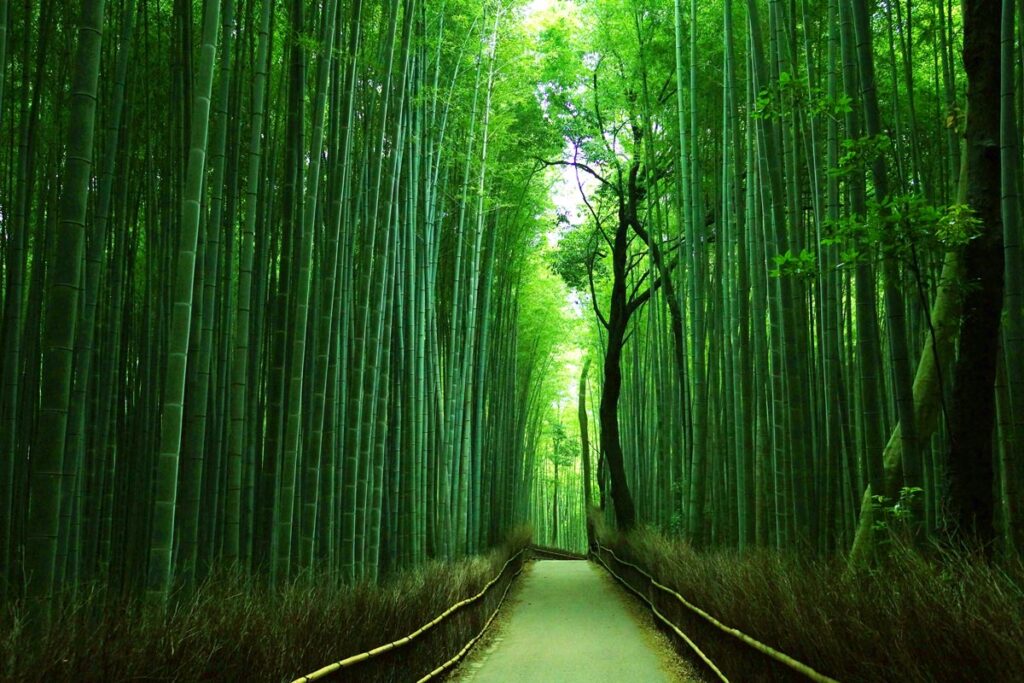
Arashiyama
Bamboo Grove
Gion
Nijo Castle
Nishiki Market
Yasaka Shrine
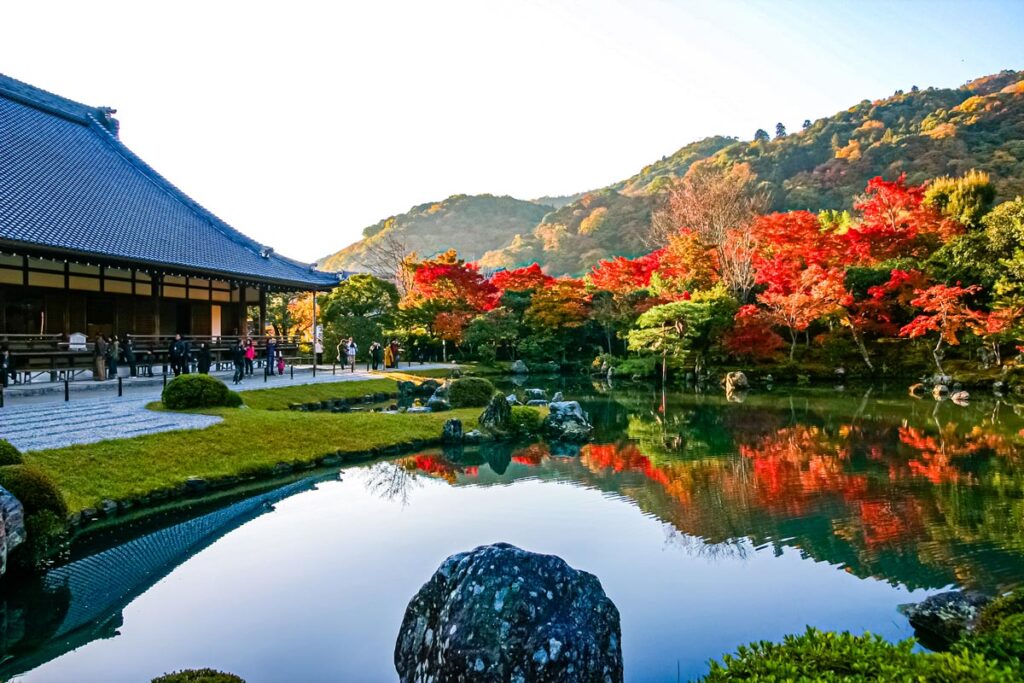
Tenryu-ji
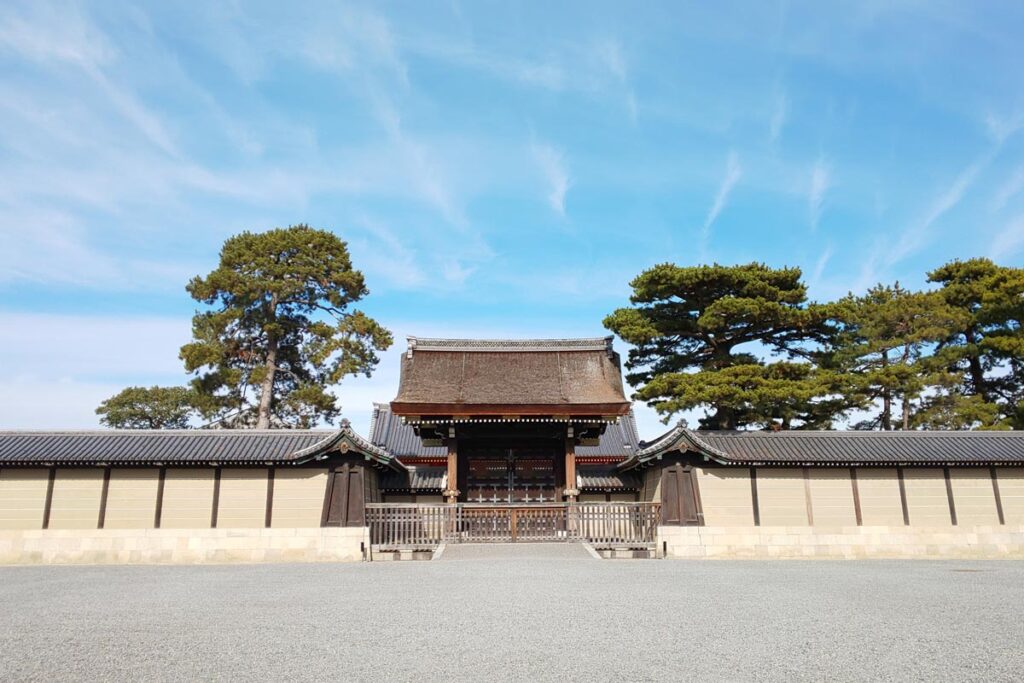
Kyoto Imperial Palace
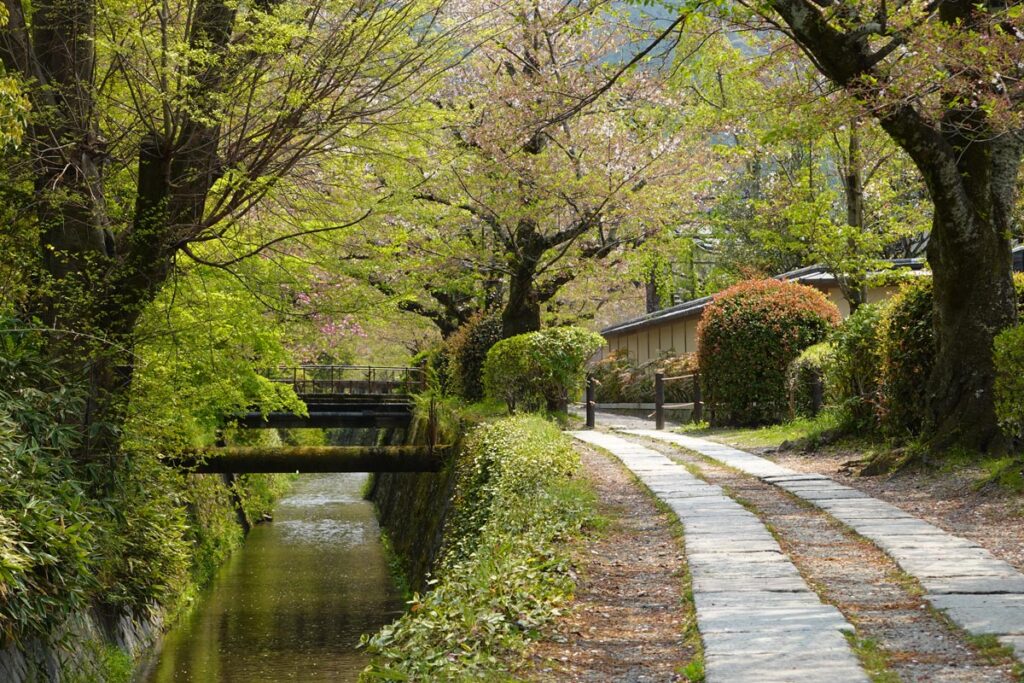
Philosopher's Path
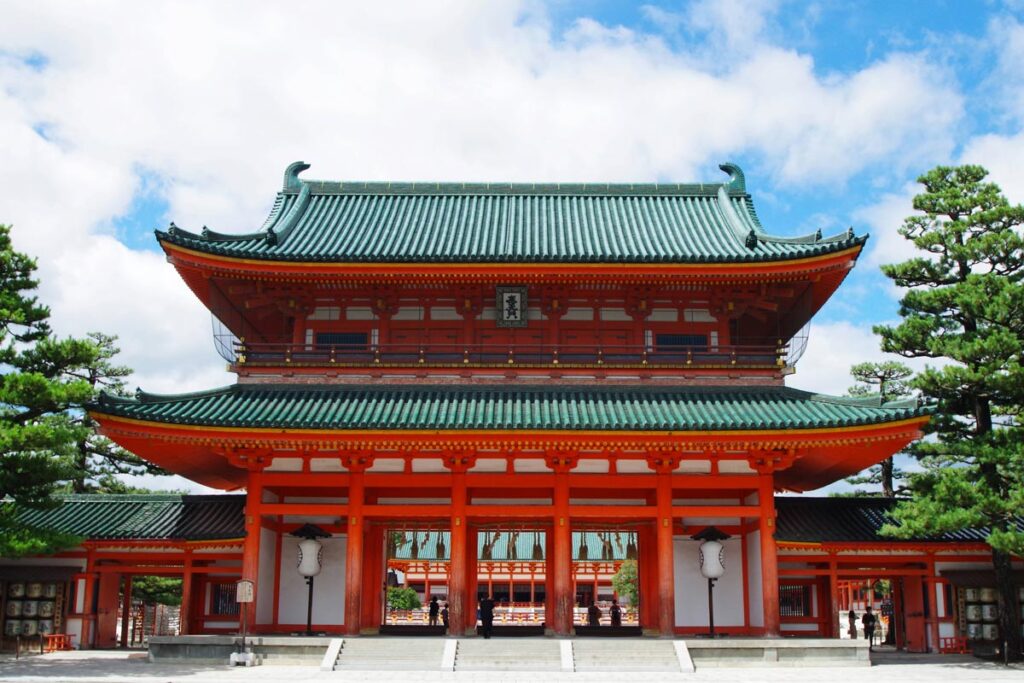
Heian Jingu
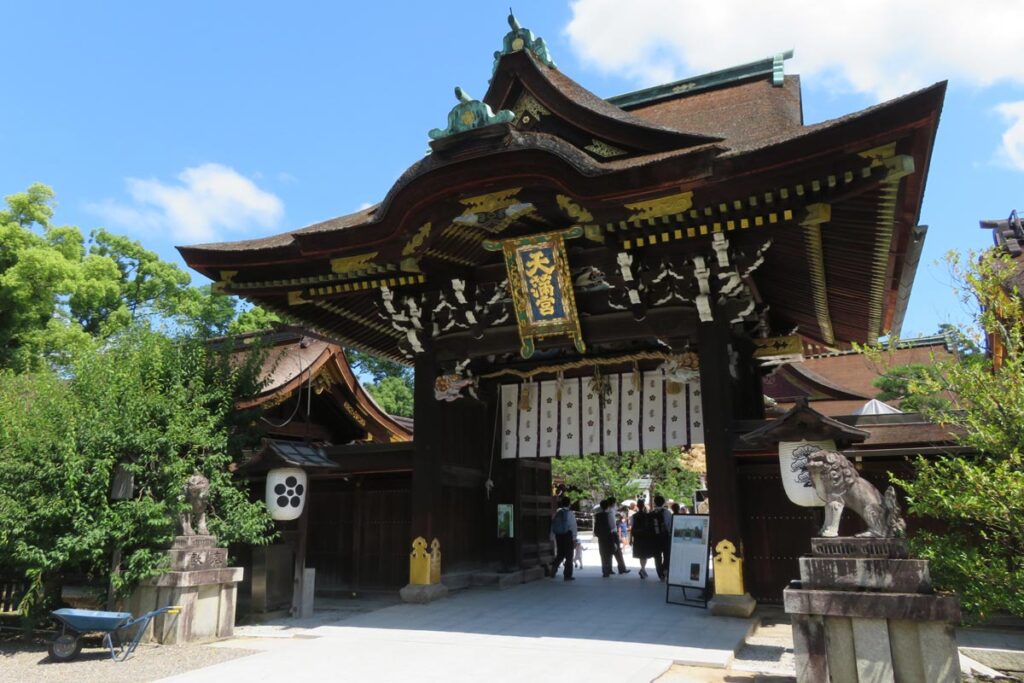
Kitano Tenmangu
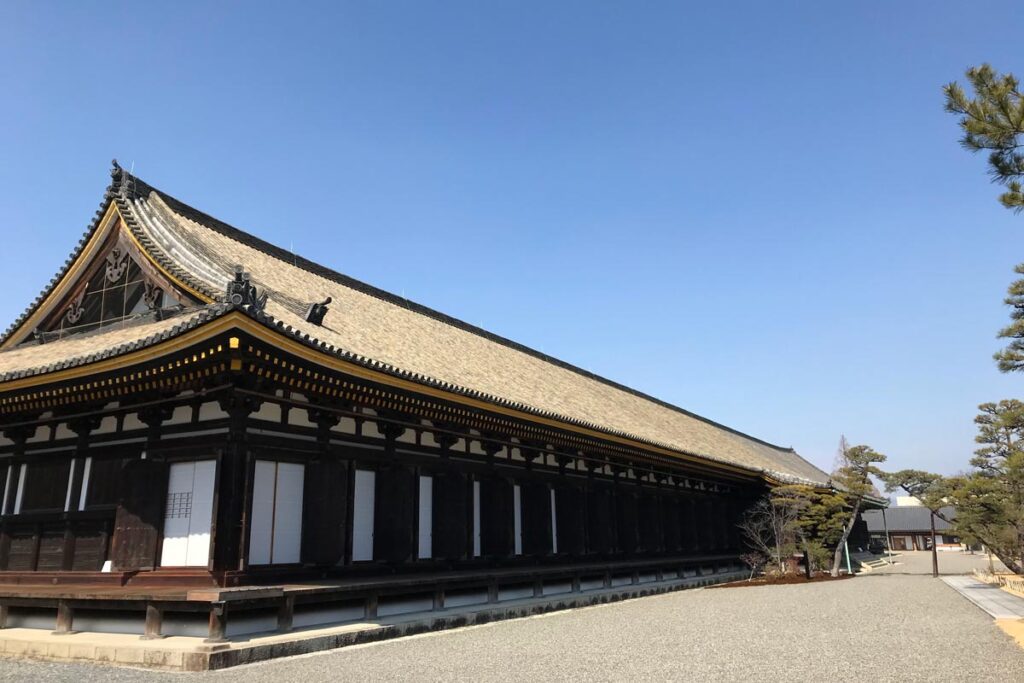
Sanjusangendo
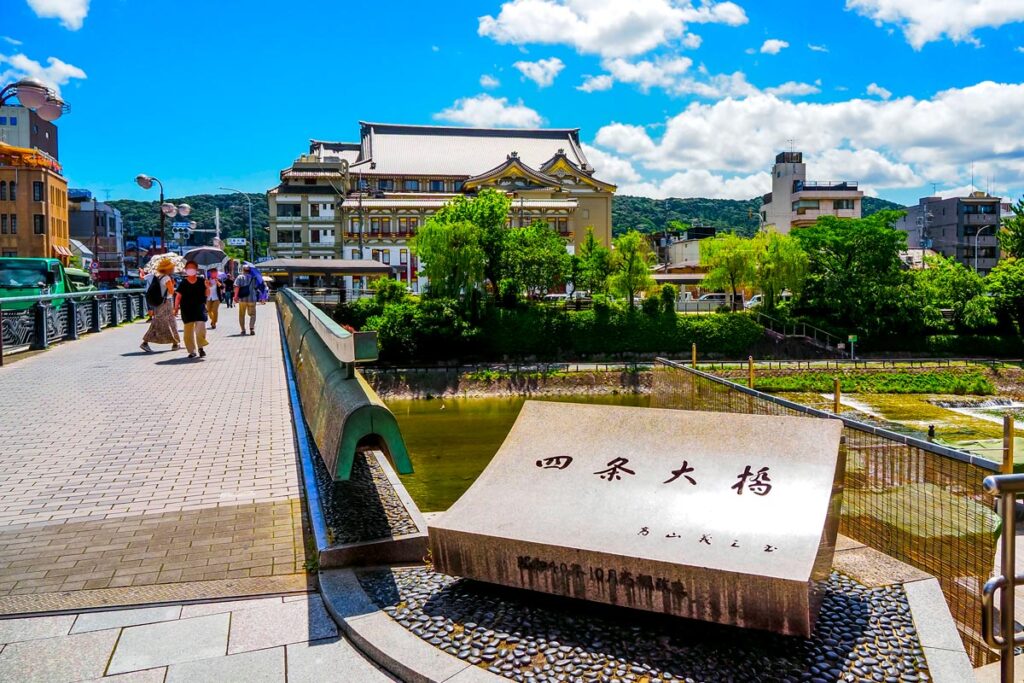
Kamo River
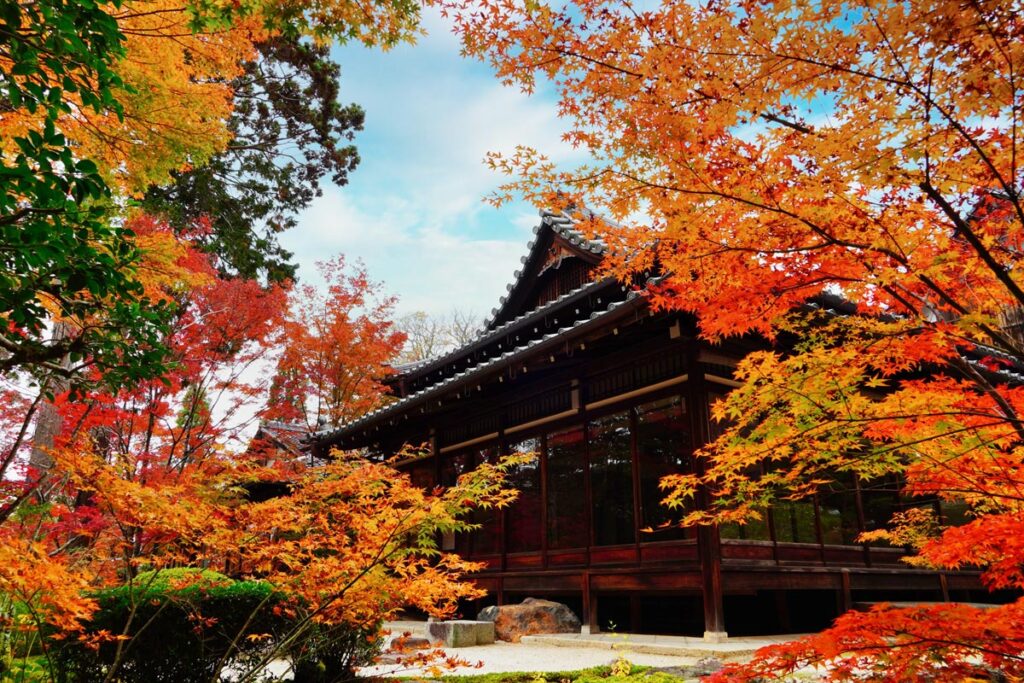
Nanzen-ji
Tofuku-ji
Kyoto International Manga Museum