




Glover Garden
Glover Garden Nagasaki: A First-Time Visitor's Guide
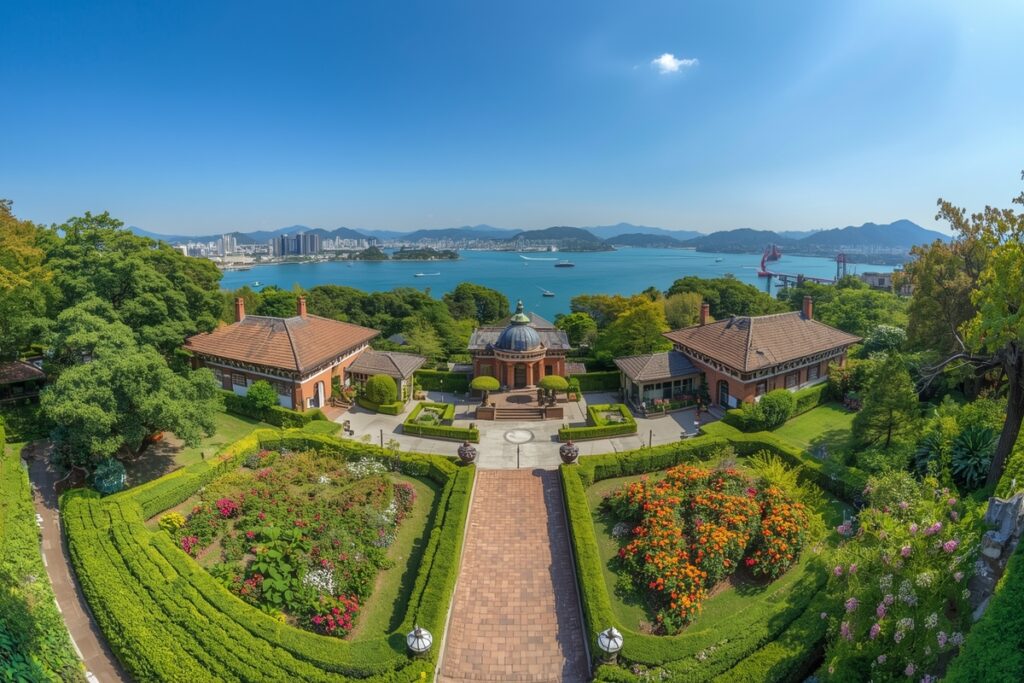
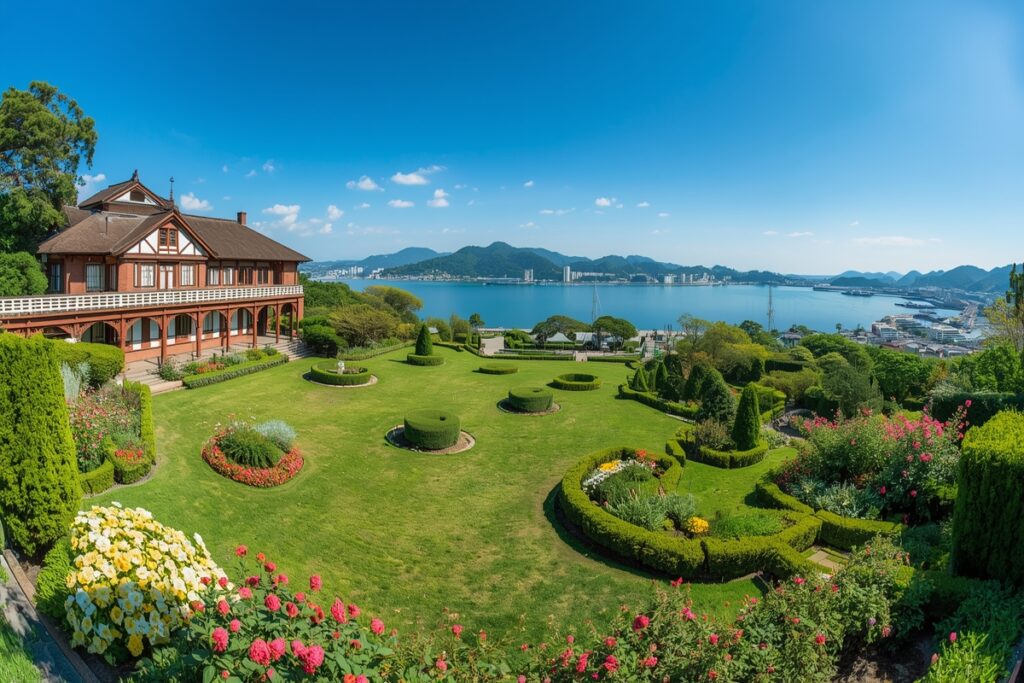
Perched high on a hillside overlooking Nagasaki Bay, Glover Garden is one of Japan’s most atmospheric historic attractions. Combining sweeping harbor views, Western-style mansions from the 19th century, and peaceful landscaped paths, it offers a rare glimpse into the moment Japan opened to the world after more than two centuries of isolation.
For first-time visitors to Japan, Glover Garden is an ideal place to understand how the country’s modern era began, while enjoying a relaxed, romantic setting far from Tokyo’s neon or Kyoto’s temples. This guide will help you make the most of your visit, from what to see and when to go, to cultural tips and practical details.
Why Visit Glover Garden?
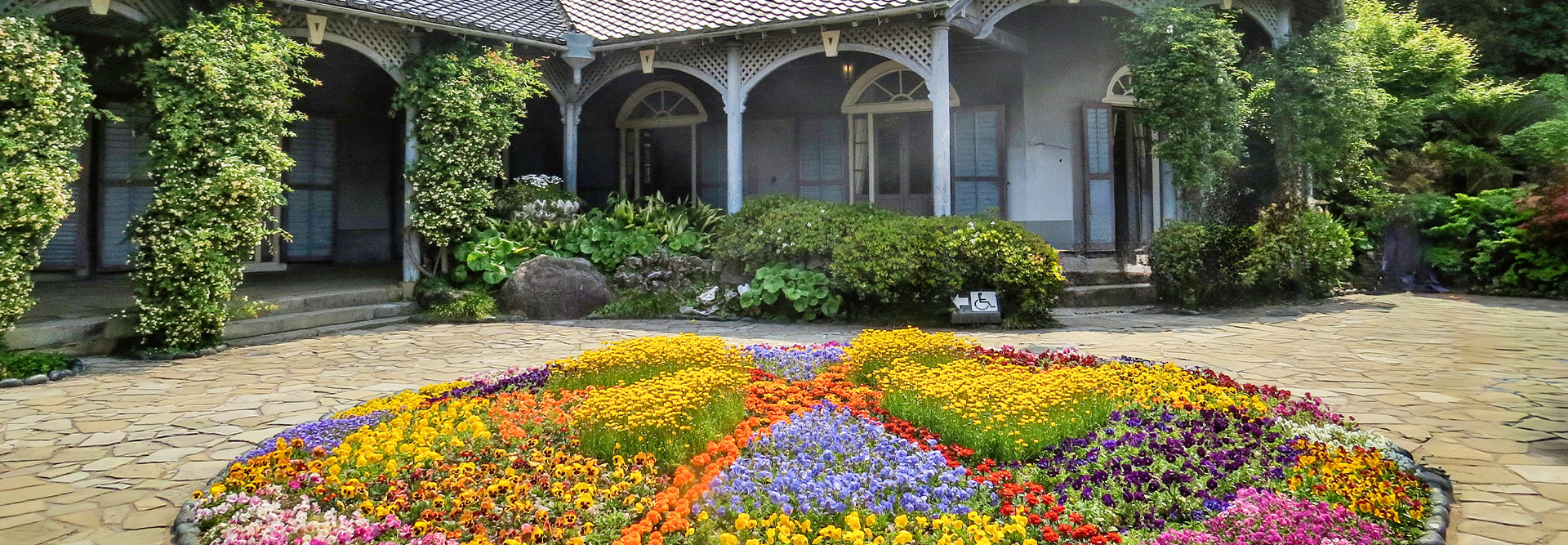
Glover Garden is an open-air museum built around the former residence of Thomas Blake Glover, a Scottish merchant who played a key role in Japan’s transition from feudal isolation to a modern industrial nation. Today, the area has been turned into a beautifully landscaped park filled with Western-style wooden houses, lush gardens, and panoramic viewpoints.
It’s especially appealing if you:
- Enjoy history and want to see how Japan met the West in the 19th century
- Love photography and scenic views, especially at sunset
- Prefer relaxed walking, gardens, and charming architecture to crowds and skyscrapers
- Are planning a romantic trip – Glover Garden is one of Nagasaki’s classic date spots
A Brief History: Japan Opens to the World
For over 200 years, Japan limited contact with foreign countries under the Tokugawa shogunate. Nagasaki was one of the very few ports that remained open, mostly for trade with China and the Netherlands. When Japan reopened in the mid-19th century during the late Edo and early Meiji periods, Nagasaki became a major gateway for Western influence.
Thomas Blake Glover arrived in Nagasaki in 1859, at just 21 years old. He quickly became involved in trade, shipbuilding, and, controversially, the sale of weapons to domains that later helped overthrow the shogunate. Glover worked closely with Japanese reformers and industrialists, and his business ventures influenced the growth of companies that would eventually form giants like Mitsubishi.
The hillside where Glover built his home became a neighborhood for foreign merchants and diplomats. Many of their wooden mansions, with verandas, bay windows, and delicate Japanese details, were later relocated and restored within today’s Glover Garden. Walking through the site is like stepping into a living snapshot of early Meiji-era life, when kimono-clad Japanese and suit-wearing Westerners mingled for the first time.
Highlights of Glover Garden
Glover Garden is compact but filled with points of interest. Plan at least 1.5–2 hours to wander slowly, take in the views, and enjoy the historical displays.
The Glover House (Former Glover Residence)
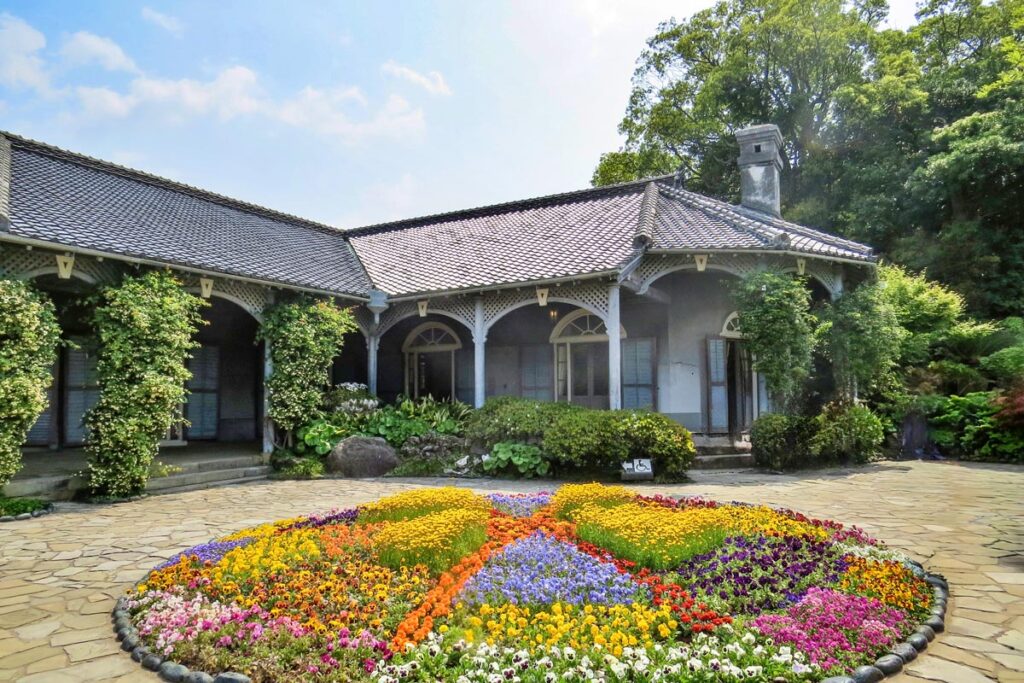
The centerpiece of the garden is the former residence of Thomas Blake Glover, considered the oldest surviving wooden Western-style house in Japan. The structure blends Western design with Japanese craftsmanship:
- Wide verandas with arched wooden beams, perfect for catching the sea breeze
- Sloping tiled roof that echoes traditional Japanese architecture
- Large sash windows opening onto the harbor views
Inside, you’ll find period furnishings and displays that evoke the life of foreign merchants in 19th-century Nagasaki. Look for details such as European-style dining settings, vintage photographs, and documents that explain Glover’s role in shipbuilding and Japan’s early modernization.
Other Western-Style Mansions
Several other historic houses from Nagasaki’s foreign settlement have been relocated here and restored. Each showcases a different style of Western architecture adapted to Japanese conditions:
- Former Ringer House – Home of the Ringer family, involved in trade and industry; features a beautiful wrap-around veranda and lush garden.
- Former Alt House and other residences – Smaller, but rich in detail, showing how foreign residents lived, entertained, and worked.
Inside these homes you’ll often find exhibitions on daily life, trade, and cultural exchange in Meiji-era Nagasaki, including clothing, tableware, and business documents.
Gardens, Flowers, and Seasonal Beauty
Despite the name, Glover Garden is as famous for its panoramic views as for its plants, but the landscaping adds a gentle charm to the entire site. Expect:
- Seasonal flower beds edging the paths and terraces
- Manicured lawns and small ponds
- Shaded benches where you can rest and enjoy the scenery
In spring, colorful blossoms contrast with bright blue skies over the harbor. In summer, the greenery feels almost Mediterranean. Autumn brings warm, golden light that’s perfect for photography, and in winter the clear air often gives the sharpest, most dramatic views.
Panoramic Views Over Nagasaki Bay
One of the reasons many visitors come to Glover Garden is the view. From the various terraces you can gaze over:
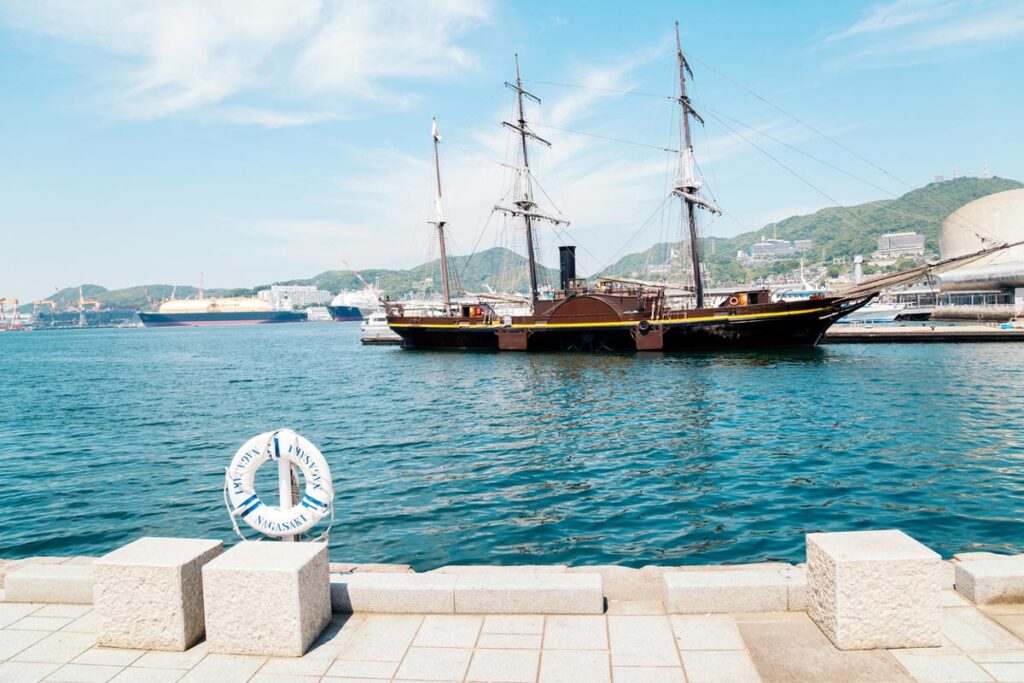
- Nagasaki’s harbor, with working ships and ferries crossing the bay
- The steep hillsides dotted with houses and churches
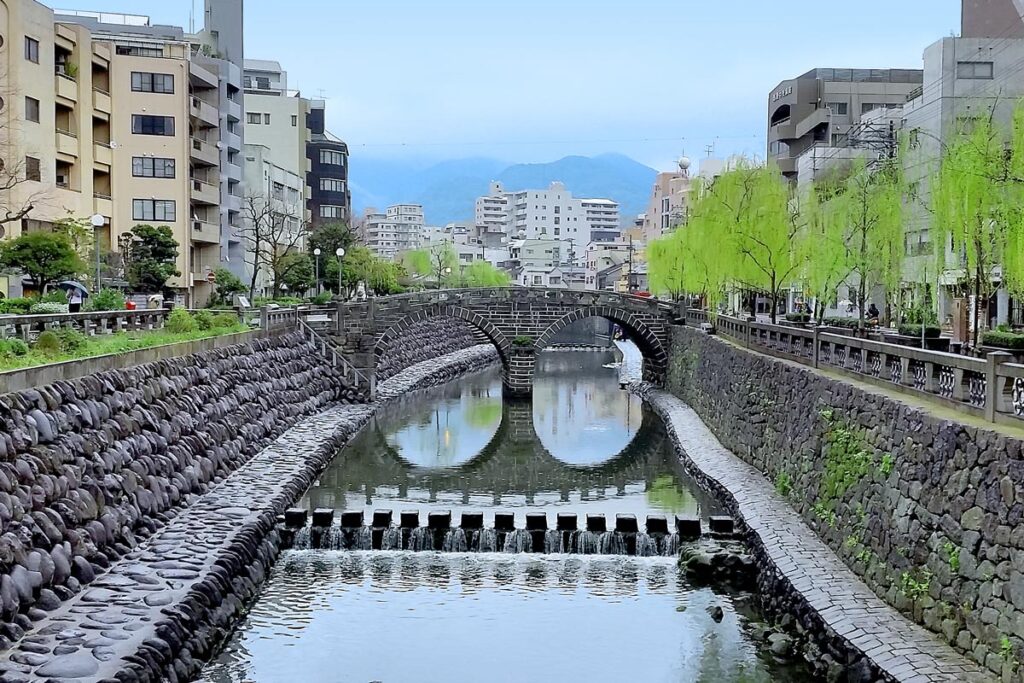
- The graceful span of the Megami Bridge in the distance
Visit in the late afternoon for softer light, then stay until early evening if opening hours allow. As the city lights begin to sparkle, you get a taste of why Nagasaki is considered one of Japan’s best night-view cities.
Nagasaki and Opera: The “Madame Butterfly” Connection
Nagasaki is known internationally as the setting for Puccini’s opera “Madame Butterfly,” and Glover Garden leans into this romantic association. While the opera itself is a fictional story, it reflects the era when foreign merchants and Japanese women first began to interact.
Within the garden you may see references to the opera in the form of statues or small displays. These touches add a slightly theatrical, nostalgic atmosphere, especially in the quieter corners of the park.
Cafés, Souvenirs, and Photo Spots
Scattered around the garden you’ll find small cafés and shops where you can take a break. Enjoy ice cream, coffee, or light snacks while looking out over the bay. Some shops sell Nagasaki specialties and garden-themed souvenirs, such as:
- Locally made confections and castella sponge cake
- Postcards and prints of historical Nagasaki
- Small items with floral or Western-style design motifs
Designated photo spots and scenic balconies make it easy to take memorable pictures without blocking narrow paths, which helps keep the garden atmosphere calm and respectful.
Practical Information for Visitors
Location and Access
Glover Garden is located in the southern part of central Nagasaki, in an area historically known as Minami-Yamate. It’s easy to reach using the city’s efficient streetcar network.
From Nagasaki Station:
- Take a streetcar (tram) bound for Sofuku-ji or Ishibashi (line numbers and names can change, so check signage).
- Get off at Ouratenshudo-shita or near Oura Church, which is clearly signposted for Glover Garden.
- From the stop, walk uphill for around 5–10 minutes through a lively shopping street with souvenir shops and cafés.
The route to the garden is well signed in English, and the walk itself is part of the experience, taking you past Oura Church and other historic buildings.
Entrances and Elevators
Glover Garden sits on a steep hillside, but there are elevators and escalators that help reduce the climbing. Depending on current arrangements, you may be able to enter from a lower gate and ride up via elevators built into the hillside, then walk gradually downhill through the garden.
If you have mobility concerns, check the latest information before you go, and look for signs indicating barrier-free routes once you arrive. Staff at the entrance are usually happy to advise on easier paths through the site.
Opening Hours and Tickets
Opening hours and admission fees may change, but typically the garden is open daily from morning until evening, with longer hours in summer. Last entry is usually well before closing time. It’s wise to:
- Check current hours on Nagasaki’s official tourism information before your visit
- Arrive at least 1.5 hours before closing, so you can explore without rushing
Tickets can usually be purchased on-site at the entrance. There may be discounts for children, students, or combined tickets with nearby attractions such as Oura Church.
Facilities and Services
For international visitors, Glover Garden is generally user-friendly. You can expect:
- Multilingual signage (often in Japanese and English, sometimes with other languages)
- Rest areas and benches throughout the site
- Toilets, usually clean and well-maintained
- Vending machines or small kiosks for drinks and snacks
Free or paid pamphlets may be available in multiple languages, providing maps and brief historical explanations. They’re helpful for orienting yourself among the various relocated houses.
Best Time to Visit Glover Garden
By Season
Nagasaki has a milder climate than much of Japan, and Glover Garden is pleasant most of the year.
- Spring (March–May): One of the best times to visit, with comfortable temperatures and many flowers in bloom. Expect more visitors during weekends and holidays.
- Summer (June–August): Warm and humid, with a chance of rain. The greenery is lush and the sea breeze can be refreshing in the evenings.
- Autumn (September–November): Clear skies and gentle temperatures, with soft golden light in late afternoon. Ideal for photography and strolling.
- Winter (December–February): Cooler but not usually severe. Crisp air offers excellent long-distance views over the bay.
By Time of Day
To enjoy Glover Garden at its best:
- Morning: Quieter and cooler, with fewer crowds. Good for travelers who like peaceful walks.
- Late afternoon: Warm light makes the wooden buildings and gardens particularly photogenic.
- Early evening: If hours allow, stay as the city lights start to appear for a romantic atmosphere.
Cultural Tips and Etiquette
Although Glover Garden is more relaxed than a temple or shrine, observing basic Japanese etiquette will make your visit smoother and more enjoyable.
- Stay on paths: Stick to marked walkways and avoid stepping into flower beds or roped-off areas.
- Respect interiors: In historic houses, follow any instructions on where you can walk, sit, or take photos.
- Noise level: Keep your voice low, especially indoors, to maintain the tranquil atmosphere.
- Rubbish: Trash bins may be limited. Carry your rubbish with you if necessary until you find a proper bin.
Staff are generally polite and may speak some English, but clear signage means you can navigate comfortably even if you don’t speak Japanese.
Combining Glover Garden With Nearby Sights
Nagasaki’s southern hillside area is rich in history, making it easy to plan a half- or full-day walking itinerary.
- Oura Church: Just below Glover Garden stands one of Japan’s oldest Christian churches, linked to the history of hidden Christians in Nagasaki. Its white façade and stained glass offer a strong contrast to Buddhist temples seen elsewhere in Japan.
- Holland Slope and Historic Streets: The nearby neighborhood features sloping lanes, stone walls, and Western-style buildings that continue the atmosphere of the garden outside its gates.
- Nagasaki Chinatown and Dejima: A short tram ride away, you can visit Dejima, the former Dutch trading island, and Nagasaki’s compact Chinatown, both important to the city’s multicultural history.
Is Glover Garden Worth It for First-Time Visitors to Japan?
If your image of Japan is all shrines, samurai, and skyscrapers, Glover Garden will surprise you. It reveals a different side of the country: an international port city where Japanese and Western cultures met, clashed, and eventually blended.
For first-time travelers, especially those including Kyushu in their itinerary, Glover Garden is well worth a visit. It’s easily combined with Nagasaki’s peace-related sites, churches, and harbor views, rounding out your understanding of how Japan became the modern nation it is today.
Allow yourself time to slow down: sit on a veranda where foreign merchants once sat, feel the breeze from Nagasaki Bay, and watch the city unfold below you. In that moment, the history of Japan’s opening to the world becomes something you can see, feel, and almost touch.

Access Map
Recommended spots in Nagasaki
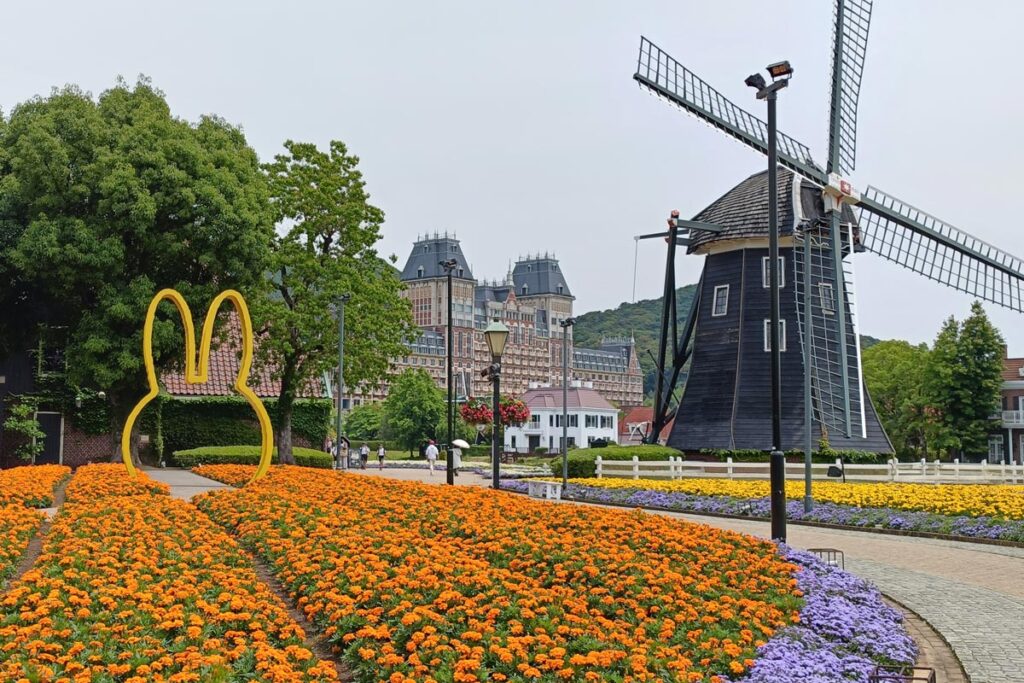
Huis Ten Bosch
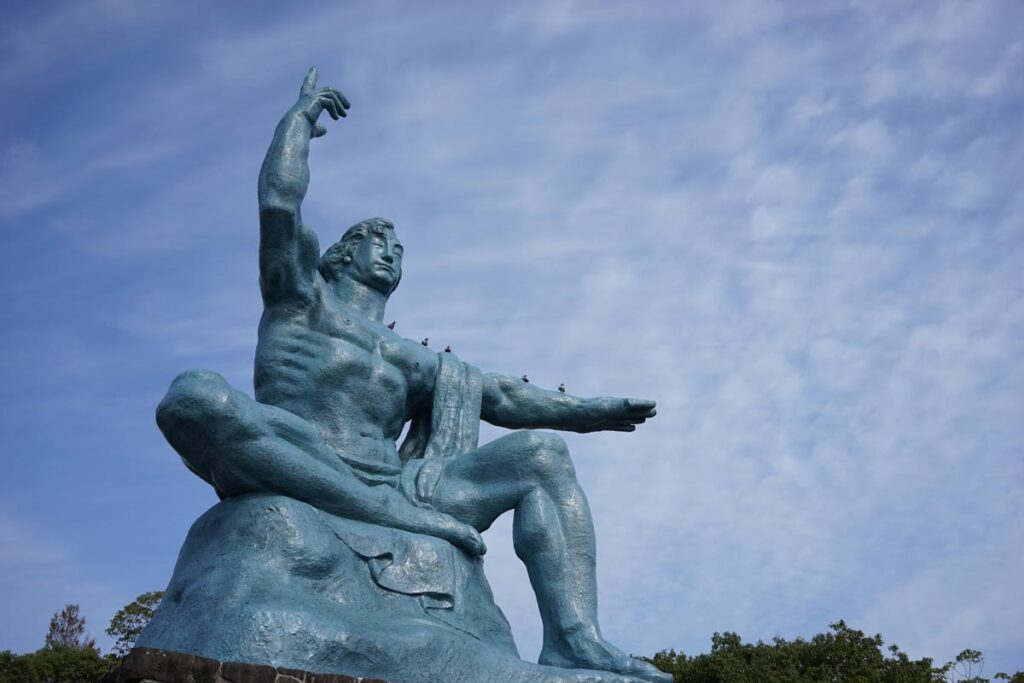
Peace Park
Glover Garden
Dejima
Megane Bridge
Top destinations in Kyushu/Okinawa
Okinawa
Fukuoka
Kumamoto