

Green Tea Ceremony
Green Tea Ceremony in Japan: A First-Timer’s Guide
The green tea ceremony in Japan is one of the most beautiful ways to slow down and feel the spirit of the country. More than just drinking tea, it is a graceful ritual that brings together art, mindfulness, hospitality, and nature. For first-time visitors, joining a tea ceremony is an accessible and memorable way to step inside traditional Japanese culture.
What Is the Japanese Green Tea Ceremony?
The green tea ceremony, often called chanoyu, sado, or chado (literally “the Way of Tea”), is a ritualized way of preparing and serving matcha—finely ground green tea. Every movement, utensil, and gesture is deliberate, designed to create a shared moment of calm between host and guest.
Historically influenced by Zen Buddhism, the ceremony emphasizes four core principles: harmony (wa), respect (kei), purity (sei), and tranquility (jaku). These ideas shape everything from the layout of the tearoom to the way you bow and rotate the tea bowl.
Matcha: The Heart of the Ceremony
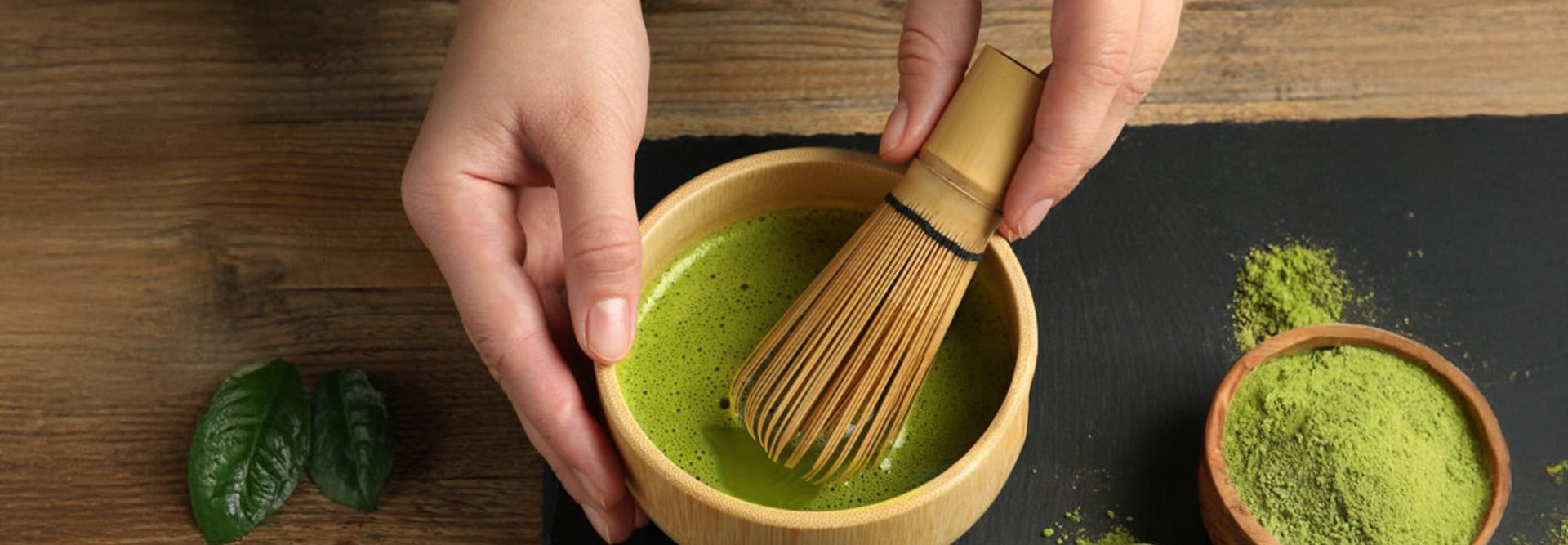
The tea used in the ceremony is matcha, a vibrant green powder made from shade-grown tea leaves. Unlike regular brewed tea, matcha is whisked directly into hot water; you drink the entire leaf in suspended form, which gives it a rich flavor and bright color.
During a ceremony, the host usually prepares one of two styles:
- Usucha (thin tea): Light and slightly frothy, most common for introductory experiences.
- Koicha (thick tea): Very concentrated, with a syrupy texture, usually shared from the same bowl in more formal settings.
Why You Should Experience a Tea Ceremony in Japan
For many travelers, a tea ceremony becomes a highlight of their trip. It offers:
- Cultural insight – In one short session you encounter Japanese aesthetics, etiquette, seasonal awareness, and Zen philosophy.
- A peaceful pause – The ceremony invites you to slow down, notice details, and appreciate simple moments—something easy to miss on a busy itinerary.
- Connection with locals – Many tea houses and cultural centers are run by dedicated practitioners who are delighted to share their passion with visitors.
- Memorable flavors – You taste high-quality matcha and traditional Japanese sweets, often made to reflect the current season.
What Happens During a Typical Green Tea Ceremony Experience
Modern experiences for international visitors are usually shortened and explained in English, but they still follow the traditional flow. Details vary by school and location, yet a standard session often includes the following stages.
1. Arrival and Welcome
You are greeted at the entrance, sometimes asked to remove your shoes and change into slippers. In traditional venues, you may pass through a small garden called a roji (dew path), symbolizing a transition from the busy world to a simpler, purer space.
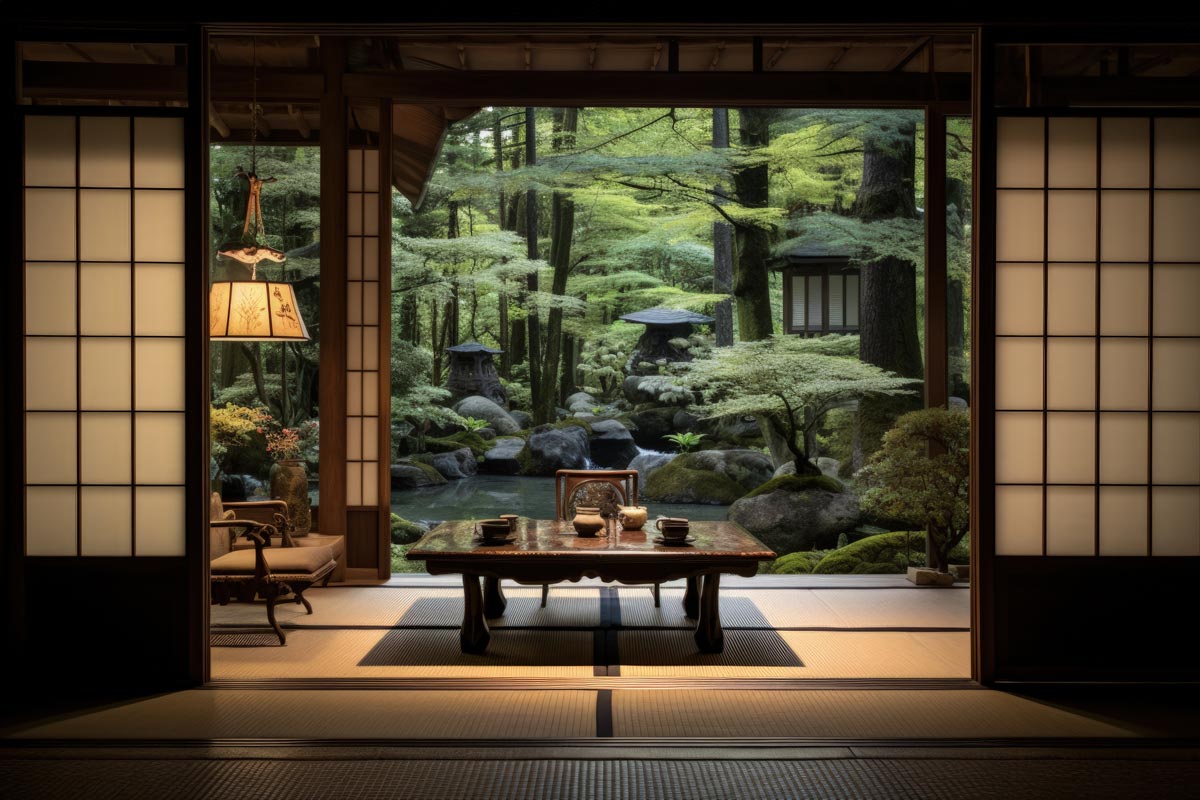
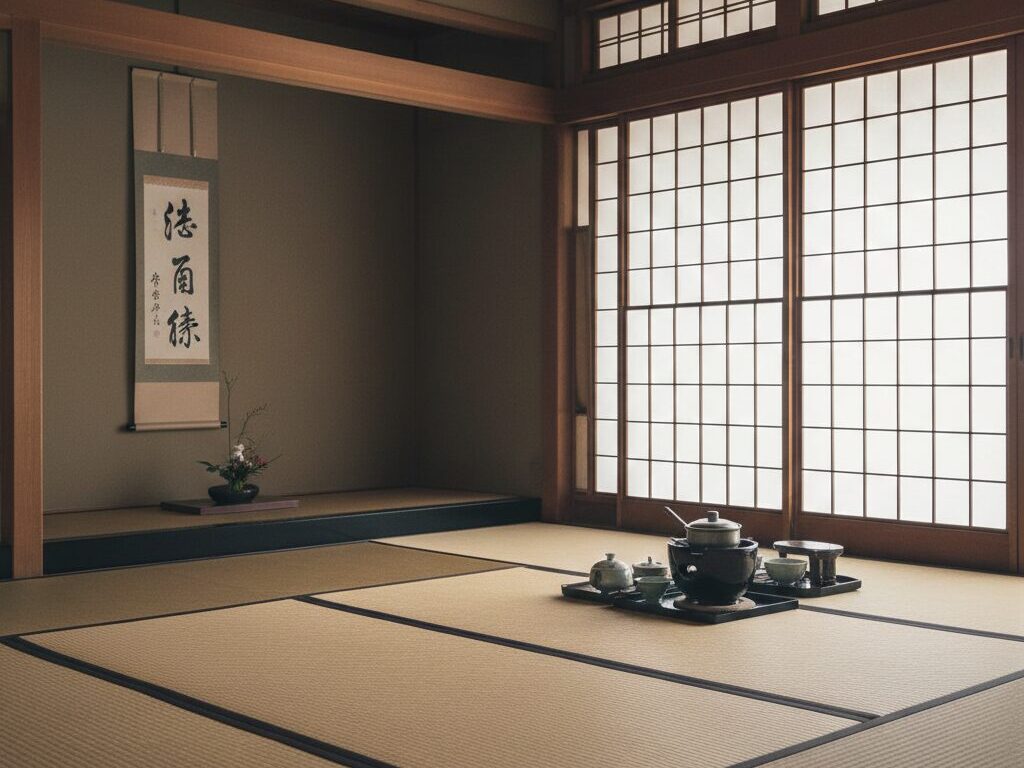
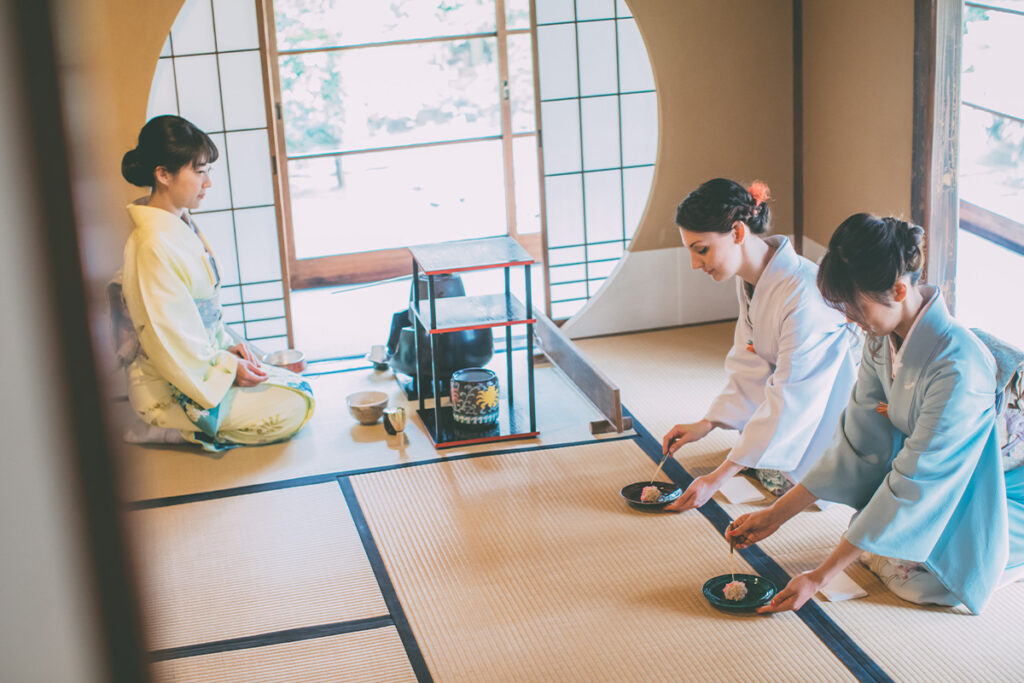
Inside, you will enter a tearoom with tatami mats. The room’s decoration is simple: perhaps a hanging scroll, a flower arrangement, and the tea utensils arranged near the hearth or portable brazier. Each element is chosen to reflect the season or theme of the day.
2. Explanation of Tools and Space
Before or after you sit, your host or guide usually explains the main utensils used in the ceremony, for example:
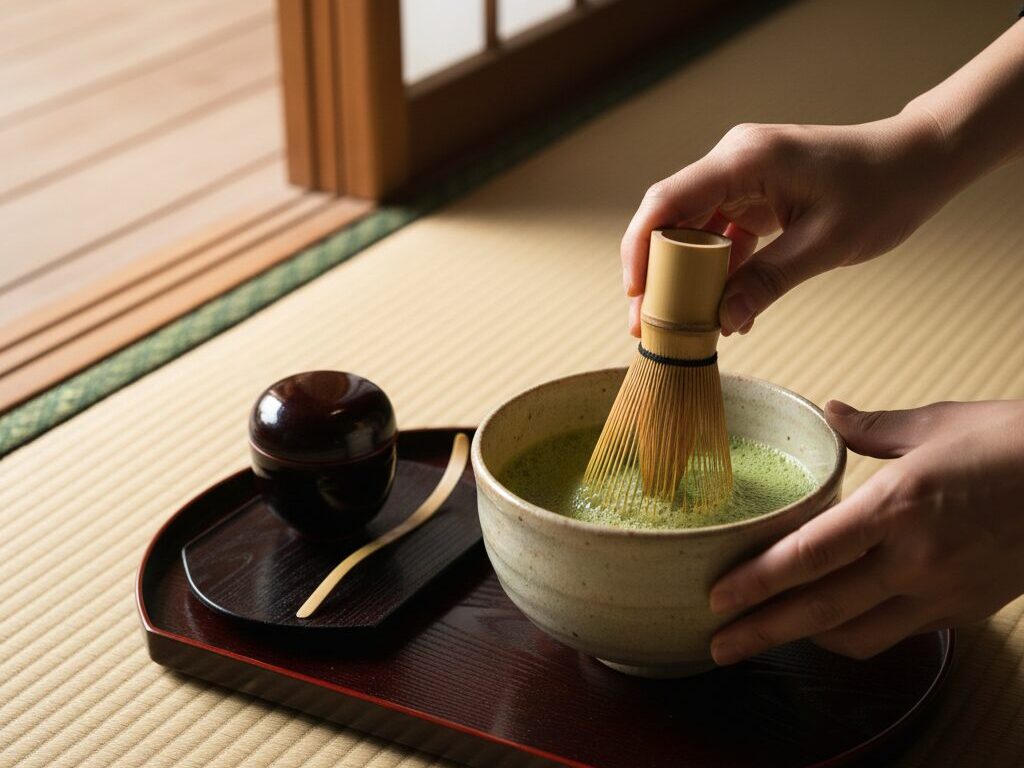
- Chawan – the tea bowl
- Chasen – the bamboo whisk
- Chashaku – the bamboo scoop for matcha
- Natsume or chaire – the tea caddy or container
You may also learn the meaning of the calligraphy scroll or the choice of seasonal flowers in the alcove (tokonoma).
3. Sweets Before Tea
Before drinking tea, you are served a small Japanese sweet, or wagashi. These can be delicate mochi, bean paste confections, or sugar sweets, often crafted to match the time of year—cherry blossom motifs in spring, cool translucent jelly in summer, maple leaves in autumn.
These sweets are not only beautiful; they also balance the slight bitterness of the matcha that follows.
4. Watching the Host Prepare Matcha
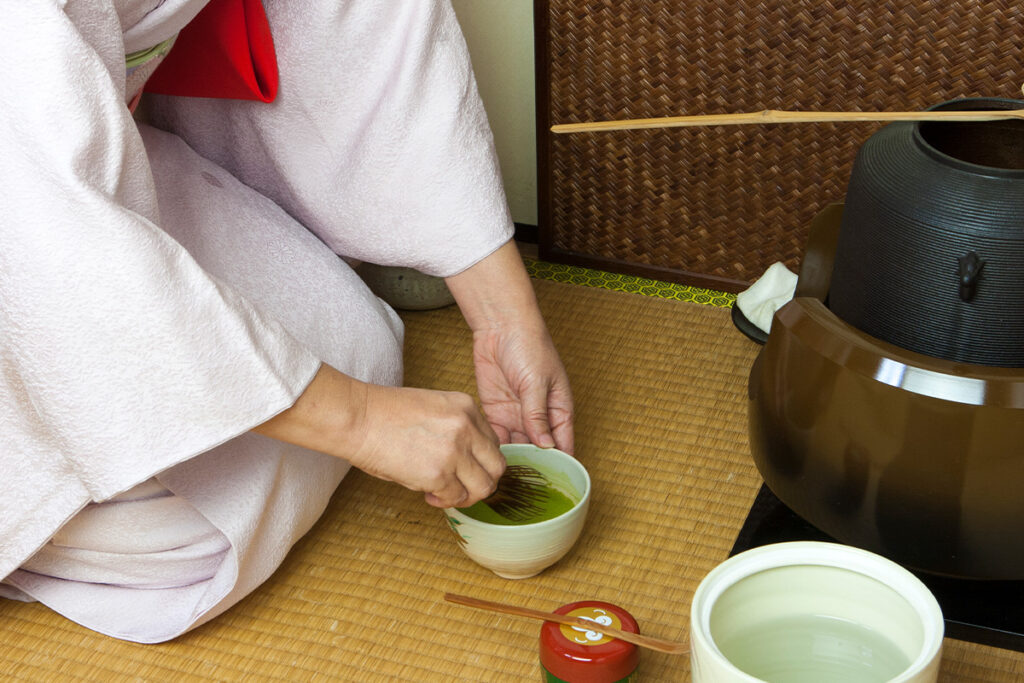
The central part of the ceremony is the preparation of tea. The host cleans and arranges the utensils with careful, flowing movements. Utensil cleansing is both practical and symbolic, representing purity and mindfulness.
Then the host measures a portion of matcha into the bowl, adds hot water, and whisks it with the bamboo whisk until a fine foam forms. The sound of whisking, the aroma of tea, and the soft light in the room combine to create a quiet, immersive atmosphere.
5. Drinking the Tea
When your bowl is placed before you, follow these basic steps:
- Bow slightly to show appreciation to the host.
- Pick up the bowl with both hands, placing it on your left palm and steadying it with your right.
- Rotate the bowl a quarter turn so that the front design faces away from you. This shows respect for the bowl as an object of beauty.
- Take a few quiet sips. Try to finish the tea in two or three drinks.
- After your last sip, make a soft slurping sound; in this context, it is a polite way to show you enjoyed the tea.
- Wipe the place where your lips touched the bowl with your thumb and forefinger, then gently turn the bowl back so the front design faces the host again.
In some beginner-friendly sessions, the host or guide will talk you through each step, so there is no need to feel anxious about getting everything perfect.
6. Quiet Appreciation and Conversation
After drinking, you may be invited to admire the bowl or ask questions about the utensils, scroll, or sweets. Conversation is usually calm and simple, focused on seasonal themes, the tea, or the setting rather than personal matters.
The ceremony concludes with thanks and a final bow. Many venues give guests a chance to try whisking matcha themselves, which can be fun and informal compared to the main ritual.
Tea Ceremony Etiquette for First-Time Visitors
You are not expected to be an expert, but a few basic manners will help you feel more comfortable.
What to Wear
- Choose modest, comfortable clothing. You may need to sit on the floor, so avoid very tight skirts or pants.
- Neutral or soft colors are ideal; very flashy or noisy accessories can distract from the serene mood.
- If you wear a watch or bracelet that might scratch the tea bowl, consider removing it.
- Strong perfumes are discouraged; the natural fragrance of tea and tatami is part of the experience.
Basic Behavior in the Tearoom
- Shoes off: Follow the venue’s instructions about removing shoes and wearing slippers.
- Sitting: Traditional posture is kneeling (seiza), but many places welcome cross-legged sitting or provide chairs for visitors who are not used to the floor.
- Phones: Turn your phone to silent. Some hosts allow photos before or after the ceremony, but ask before taking pictures during the ritual.
- Talking: Quiet conversation is fine during explanations, but during tea-making, you may be asked to simply watch in silence.
Polite Phrases to Know
Even simple Japanese phrases are appreciated:
- Arigatou gozaimasu – Thank you very much.
- Oishii desu – It is delicious.
- Gochisousama deshita – Thank you for the treat (used after eating or drinking).
Where to Experience a Tea Ceremony in Japan
You can find green tea ceremonies throughout Japan, from historic tea houses to modern cultural centers. For first-time travelers, these cities offer particularly convenient and welcoming options.
Kyoto: Classic Setting Among Temples and Gardens
Kyoto, once the imperial capital, is often considered the heart of tea culture. Many experiences are held in traditional wooden townhouses, temple precincts, or garden tea houses.
- Gion and Higashiyama: Traditional neighborhoods with small tea salons that offer sessions in English.
- Tea houses with garden views: Some venues overlook ponds, moss gardens, or stone pathways, adding a scenic backdrop to the ceremony.
- Temple-based experiences: A few Buddhist temples offer tea with explanations about Zen and the history of the ceremony.
Bookings are often required, especially in spring (cherry blossom season) and autumn (when the leaves turn red and gold).
Tokyo: Accessible and Modern Introductions
In Tokyo, you will find a mix of traditional and contemporary tea experiences that cater specifically to international visitors.
- Cultural centers: Many offer short, English-friendly sessions ideal for tight schedules.
- Museums and gardens: Certain museums and traditional gardens host occasional public ceremonies where you can purchase a ticket on site.
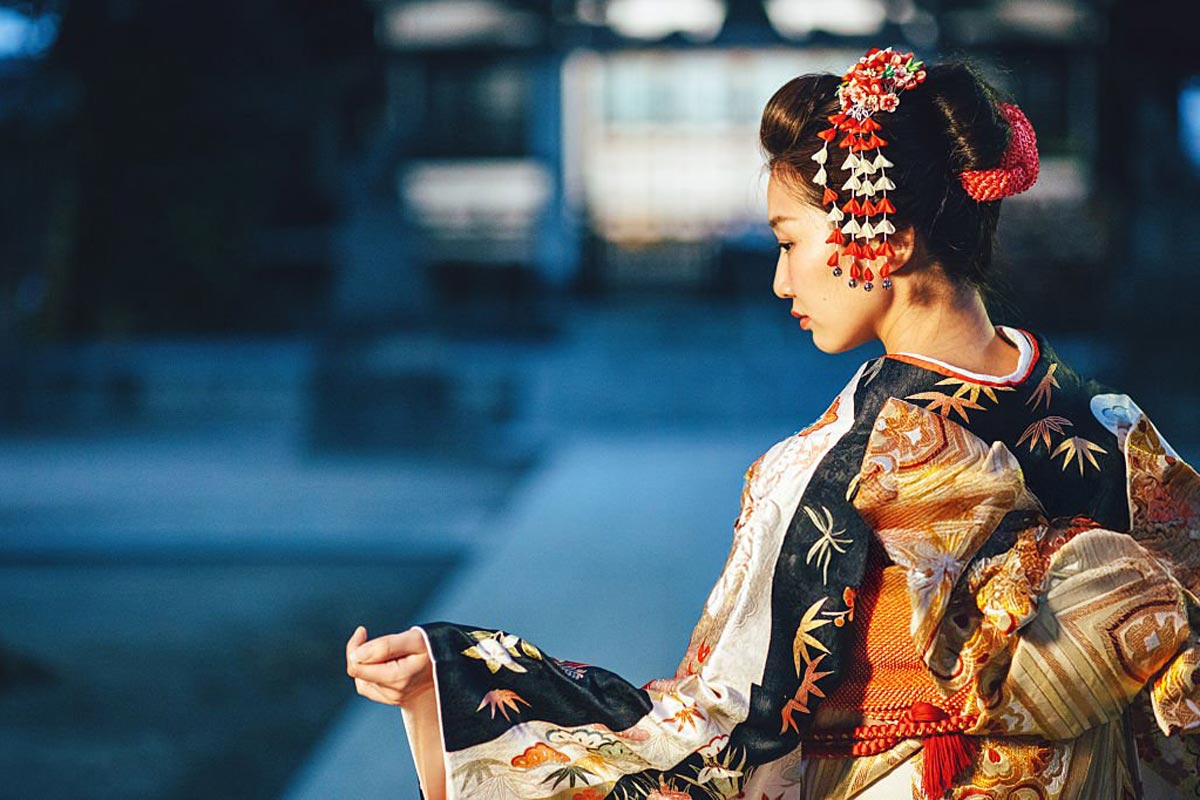
- Hotel or studio experiences: High-end hotels and modern studios sometimes run compact tea lessons combined with kimono fitting or calligraphy.
Uji and Other Tea-Growing Regions
If you want to go deeper into the world of green tea, visit a tea-growing area such as Uji (near Kyoto) or Shizuoka.
- Uji: Famous for premium matcha, with tea shops and riverside tea houses offering tastings and demonstrations.
- Shizuoka: Known for scenic tea fields; you may find experiences that combine farm visits, tea-picking, and basic ceremony elements.
How to Book a Green Tea Ceremony Experience
Booking in advance is recommended, especially for popular venues. You can arrange a session through:
- Tourist information centers in major cities
- Official websites of tea houses, cultural centers, or museums
- Reputable online booking platforms that specialize in local experiences
When booking, check:
- Language support: Confirm that explanations are available in English or your preferred language.
- Duration: Introductory sessions usually last 30–90 minutes.
- Formality level: Some are relaxed and hands-on, others more traditional and observant.
- Group size: Smaller groups can feel more intimate and allow more time for questions.
Tips for Enjoying Your First Tea Ceremony
A few simple ideas can help you get the most from the experience.
- Arrive early: Give yourself time to settle, use the restroom, and adjust to being barefoot or in slippers.
- Eat lightly before: You will receive sweets and tea, but not a full meal, so a light snack beforehand is best.
- Observe the details: Notice the sound of water, the texture of the tatami, the design of the tea bowl, and how they change with the seasons.
- Ask questions: Most hosts are happy to explain the meaning behind each step, especially in sessions designed for visitors.
- Let go of perfection: The spirit of the ceremony is not about rigid rules but about sharing a sincere moment. Simply doing your best to be present is enough.
Understanding the Deeper Meaning
The beauty of the green tea ceremony lies in its ability to make ordinary actions—boiling water, whisking tea, offering a bowl—feel extraordinary. The focus on seasonal awareness reminds guests that every meeting is unique and cannot be repeated in exactly the same way, an idea captured by the phrase ichigo ichie, often translated as “one time, one meeting.”
For first-time travelers to Japan, this quiet ritual offers a gentle introduction to concepts that shape Japanese life: respect for others, appreciation of craftsmanship, and attentiveness to the present moment. Whether you join a simple 30-minute session in Tokyo or a more elaborate ceremony in Kyoto, you will leave with more than just a taste of matcha—you will carry with you a memory of calm in the heart of your journey.
Adding a green tea ceremony to your Japan itinerary is not only a chance to enjoy a famous drink; it is an invitation to experience the country’s traditions with all your senses, one careful sip at a time.

Useful Links
Tokyo Tea Ceremony with Kimono Experience