


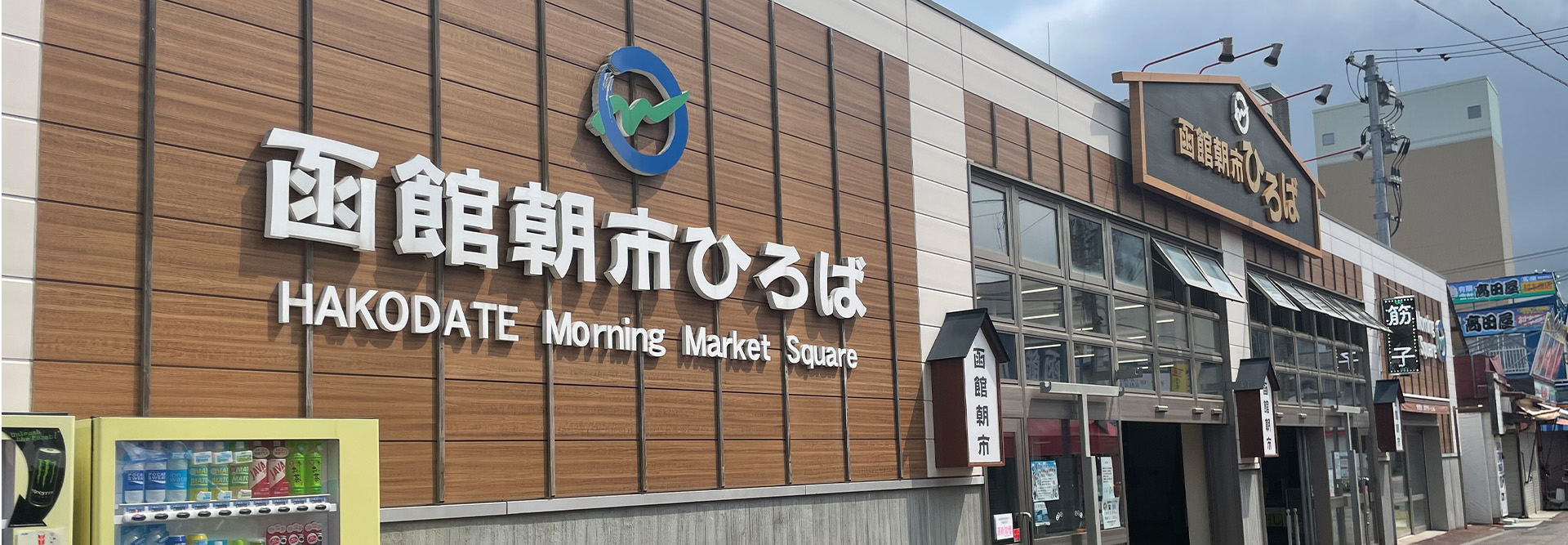
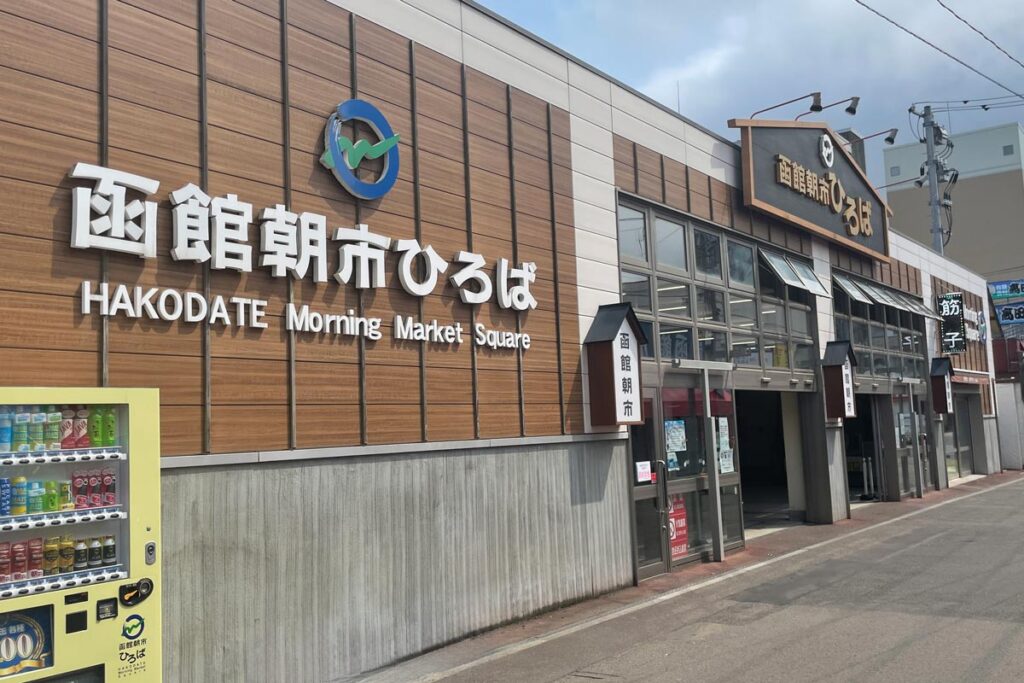
Hakodate Morning Market
Hakodate Morning Market: A First-Time Visitor's Guide to Hokkaido’s Freshest Flavors
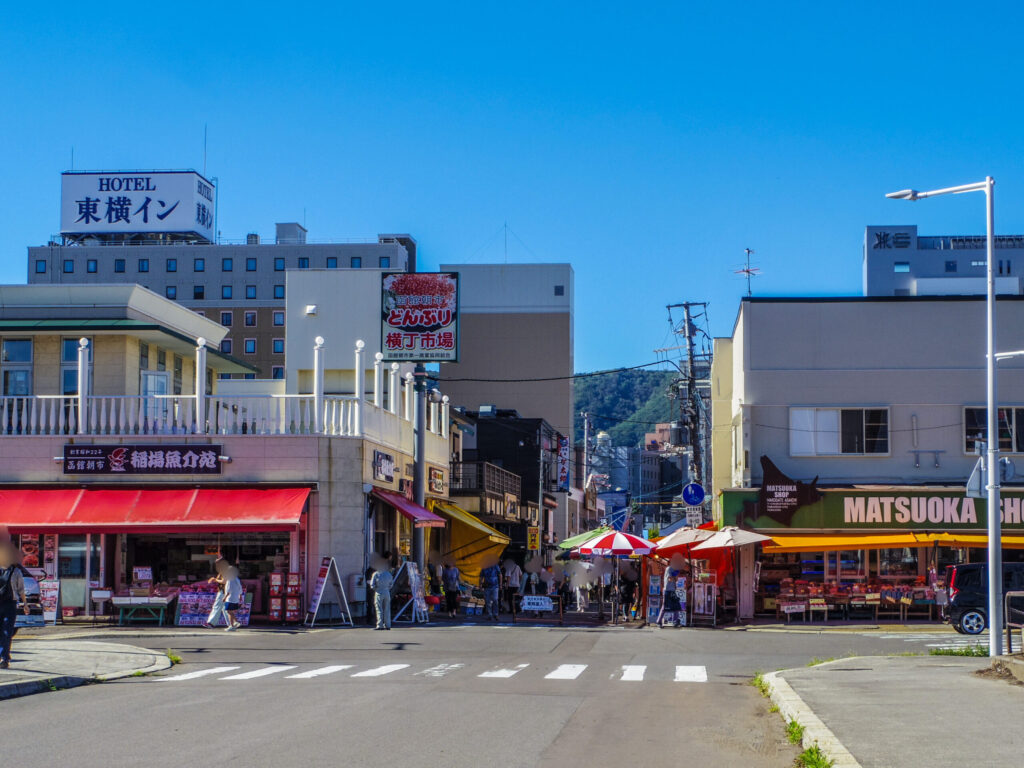
For many travelers, Japan’s northern island of Hokkaido means snow festivals, hot springs, and wide-open landscapes. But if you want to understand the daily life and flavor of this region, start your morning at Hakodate Morning Market (Hakodate Asaichi). Just steps from Hakodate Station, this lively market is one of Japan’s most accessible and atmospheric seafood hubs, and an ideal stop for first-time visitors eager to see how locals really eat.
Why Hakodate Morning Market Belongs on Your Japan Itinerary
Hakodate is one of Hokkaido’s historic port cities, and its market reflects that maritime heritage. Local fishing boats supply the stalls with seasonal catch straight from the port, giving visitors a chance to sample seafood at its absolute freshest.
For international travelers, Hakodate Morning Market is especially appealing because it combines several experiences in a compact, easy-to-navigate area:
- Authentic local breakfasts featuring Hokkaido seafood and produce
- Hands-on seafood experiences, including catching your own squid
- Shopping for dried seafood, snacks, and souvenirs you can take home
- A gentle introduction to Japanese market culture with plenty of visual menus and friendly vendors
Even if you are new to Japan and do not speak Japanese, you can enjoy the market using simple English, gestures, and the many photos and sample displays.
When to Visit: Opening Hours and Best Time of Day
Hakodate Morning Market typically gets going around 5:00–6:00 a.m. in summer and from around 6:00 a.m. in winter, with most shops closing by early afternoon (usually between 12:00–14:00). Exact hours vary by season and by individual shop, but to experience the full energy of the market, plan to visit between 7:00 and 10:00 a.m.
Key timing tips:
- Early morning (7:00–9:00): Best for the freshest seafood, breakfast bowls, and watching the market at its liveliest.
- Late morning (10:00–12:00): Less crowded, easier for browsing and shopping, though some popular items may already be sold out.
- Afternoon: A few shops remain open, but the atmosphere is quieter and selection more limited.
If you are visiting during peak travel seasons—such as Golden Week (late April–early May), summer holidays, or winter ski season—arrive earlier to avoid queues at popular breakfast spots.
How to Get to Hakodate Morning Market
One of the market’s biggest advantages is its location. It sits right next to JR Hakodate Station, making it extremely convenient even for travelers on tight schedules.
From JR Hakodate Station
Exit JR Hakodate Station from the main entrance and turn left. Within 1–2 minutes on foot you will see covered arcades and shop signs indicating the market area. The entire market district is compact, so you can easily explore everything on foot.
From Hakodate Airport
Airport buses run regularly between Hakodate Airport and JR Hakodate Station. The journey takes about 20–30 minutes depending on traffic. Once you arrive at the station, the market is just a short walk away.
Using the Japan Rail Pass
If you are traveling around Japan with a Japan Rail Pass, you can reach Hakodate by shinkansen to Shin-Hakodate-Hokuto Station and then transfer to a local JR line to JR Hakodate Station (approximately 20 minutes). From there, the market is directly outside the station area.
Understanding the Layout of Hakodate Morning Market
Hakodate Morning Market is not a single building but a cluster of streets, covered arcades, and indoor halls. The names of specific areas can vary, but you will generally find:
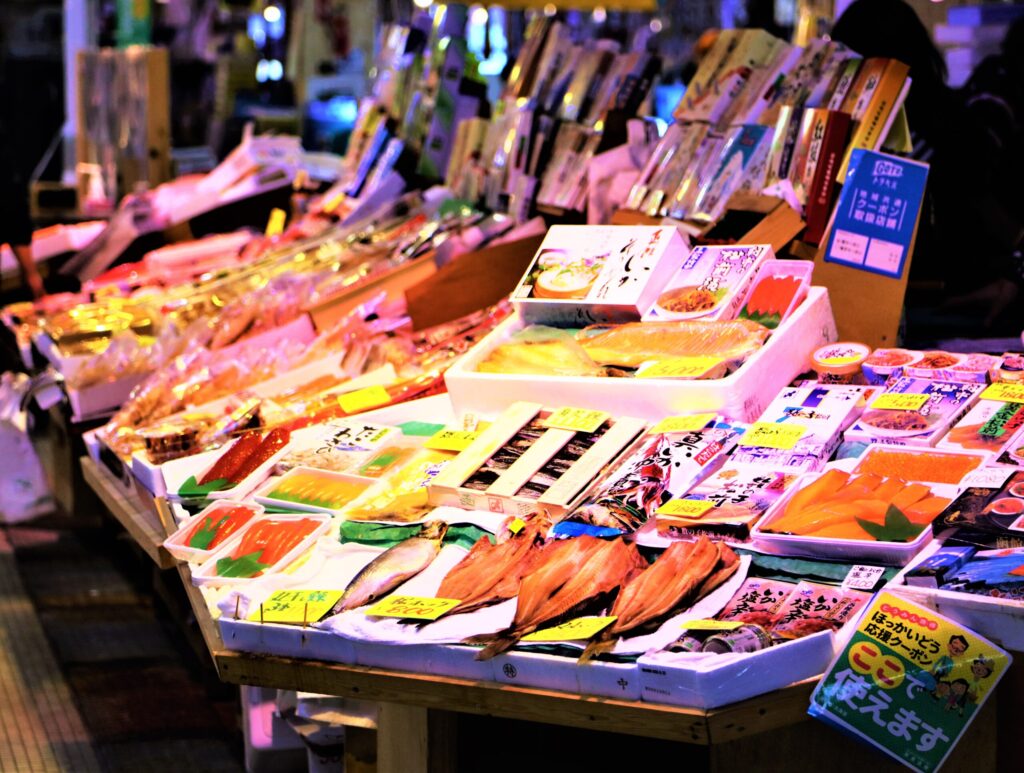
- Seafood stalls selling fresh crab, squid, salmon roe, sea urchin, scallops, and seasonal fish.
- Fruit and vegetable sellers offering Hokkaido specialties like melons, corn, and potatoes.
- Breakfast restaurants serving kaisendon (seafood rice bowls) and grilled fish sets.
- Souvenir shops with dried seafood, snacks, sweets, and local products that are easy to transport.
Maps are often displayed at the entrances, and many shops put their specialties in front of the store. Even if you do not read Japanese, you can quickly understand where to find what you are looking for by simply strolling through and looking at the displays.
Must-Try Foods at Hakodate Morning Market
The main attraction of Hakodate Morning Market is its wealth of fresh seafood, much of it caught off Hokkaido’s southern coast. If it is your first time in Japan, this is an excellent place to try high-quality seafood in a relaxed setting.
Kaisendon: Seafood Rice Bowls
Kaisendon is the signature breakfast here: a bowl of warm rice topped with assorted raw seafood. Typical toppings include tuna, salmon roe, crab, scallop, squid, shrimp, and sea urchin. Many restaurants let you choose a set combination or create your own from a list of toppings.
Portion sizes range from compact bowls for lighter appetites to generous platters piled high with seafood. Prices are clearly marked and usually start from reasonable mid-range levels, increasing with premium toppings like top-grade sea urchin and king crab.
Ikameshi and Fresh Squid
Hakodate is particularly famous for squid, which thrives in the cool waters around Hokkaido. Besides sashimi-style squid served over rice, look for ikameshi, squid stuffed with rice and often simmered in a savory-sweet sauce. The texture is tender and the flavor comforting, making it approachable even if you are new to Japanese seafood dishes.
Crab: King, Snow, and Hairy Crab
Hokkaido’s crab is legendary, and Hakodate Morning Market displays mountains of spiky, bright-red shells. Three main types are common:
- King crab (tarabagani) – Large legs, thick meat, rich flavor.
- Snow crab (zuwai-gani) – Delicate, sweet meat, finer texture.
- Hairy crab (kegani) – Smaller, prized for its sweet, flavorful meat and crab miso (innards).
You can buy whole crabs or small portions, often pre-cooked and ready to eat on the spot or back at your accommodation if they allow outside food.
Seasonal Fruit and Hokkaido Produce
Beyond seafood, Hakodate Morning Market is a showcase of Hokkaido’s rich farmland. Depending on the season, you might find:
- Sweet Hokkaido melons, especially famous in summer
- Juicy cherries and berries
- Sweet corn, potatoes, and pumpkins
Many fruit stalls offer slices or small portions so you can taste without buying a whole melon. This is a great way to enjoy a fresh, lighter snack if you have already had a big seafood breakfast.
Experiences You Should Not Miss
Try the “Squid Fishing” Experience
One of the most distinctive experiences at Hakodate Morning Market is the chance to “catch” your own squid from a tank. Staff will guide you as you use a simple line to hook a live squid. Once caught, the squid is quickly prepared as ultra-fresh sashimi.
If you are not comfortable with this kind of experience, you can still watch others and then order freshly prepared squid without participating in the fishing. For those who do try it, it is a vivid and memorable demonstration of just how fresh the seafood is in Hokkaido.
Enjoy a Traditional Japanese Breakfast
For many visitors, breakfast at Hakodate Morning Market becomes a highlight of their Hokkaido trip. A typical set might include:
- Grilled fish (such as salmon or hokke)
- Rice and miso soup
- Pickles and small side dishes
- Optional sashimi or seafood toppings
If you prefer a milder start to the day, choose grilled fish instead of raw seafood. Many restaurants display plastic models or photos of each set, so you can simply point to the one you want.
Shopping: What to Buy and How to Take It Home
Hakodate Morning Market is also a shopping destination, especially for food-related souvenirs.
Dried and Processed Seafood
For easy-to-transport gifts, look for:
- Dried squid, scallops, or small fish snacks
- Vacuum-packed salmon, crab, or roe
- Seasoned kelp and seaweed products
Many shops provide gift-friendly packaging, and some offer international shipping. If you plan to carry seafood home by air, check your home country’s customs regulations and your airline’s rules on liquids and perishable items.
Local Snacks and Sweets
Hokkaido is also famous for dairy products and sweets. You might find:
- Butter and cheese snacks
- Caramel or chocolate sweets made with local milk
- Melon-flavored candies and jellies
These are safe choices for most travelers and make easy gifts for friends and family.
How to Order and Communicate
Even if you do not speak Japanese, you can enjoy Hakodate Morning Market with a few simple strategies.
- Pointing works well: Most menus have photos. Point at the dish you want and show the number of portions with your fingers.
- Basic English: Many vendors in this tourist-friendly area understand simple English food words and numbers.
- Useful phrases:
- “Kore wa nan desu ka?” (What is this?)
- “Osusume wa?” (What do you recommend?)
- “Sukoshi” (a little) and “takusan” (a lot) when choosing quantities.
Paying is straightforward: cash is widely accepted, and many shops now also accept major credit cards or IC cards, though having some yen in cash is still recommended.
Etiquette and Practical Tips for First-Time Visitors
Japan’s markets are generally friendly and informal, but there are a few points of etiquette and practical advice to keep in mind.
Market Etiquette
- Ask before touching: Do not pick up seafood with your hands unless the vendor invites you to. Point to what you want instead.
- No eating while walking where it is clearly discouraged. Many stalls provide small standing areas or benches; use these to enjoy your food.
- Dispose of trash properly: Japan has few public trash cans. Use bins provided by the stall where you purchased food, or keep your rubbish with you until you find a bin.
- Photography: It is usually fine to take photos of displays, but avoid obstructing the path and ask if you want to photograph staff closely.
Weather and Clothing
Hakodate has a cool climate by Japanese standards, and mornings can be chilly, especially outside of summer. Wear layers and comfortable shoes that can handle potentially wet or slightly slippery floors in fish areas.
Dietary Considerations
If you do not eat raw seafood, there are still options:
- Grilled or boiled fish and crab
- Rice bowls topped with cooked ingredients
- Vegetable dishes, miso soup, and fruits
Gluten-free and vegetarian options are more limited, but you can request simple dishes like grilled fish without sauce, plain rice, and fruit. Be aware that many broths and sauces contain soy sauce or fish stock.
Nearby Attractions to Combine With Your Visit
Because Hakodate Morning Market is so close to the station, it is easy to combine a morning visit with sightseeing in the city.
- Motomachi District: A historic hillside neighborhood with Western-style churches and consulates, reflecting Hakodate’s history as one of Japan’s first international ports.
- Hakodate Ropeway and Mount Hakodate: Famous for its panoramic night view over the city and bay; one of Japan’s classic nightscape spots.
- Red Brick Warehouses: Former port warehouses now converted into shops, cafes, and restaurants overlooking the water.
Plan to visit the market in the morning, explore the city during the day, and then head up Mount Hakodate for sunset and night views to make the most of your time.
Planning Your Visit to Hakodate Morning Market
For first-time visitors to Japan, Hakodate Morning Market delivers several experiences at once: a crash course in Hokkaido’s seafood culture, a relaxed introduction to Japanese market life, and an unforgettable breakfast you are unlikely to find anywhere else in the world.
To get the most out of your visit, remember these final pointers:
- Arrive early to enjoy the full variety of stalls and avoid the busiest crowds.
- Bring some cash in yen, even if you also carry cards.
- Be open to trying at least one new food—seafood in Hokkaido is milder and sweeter than many expect.
- Leave enough time after breakfast to wander, taste samples, and shop for souvenirs.
Whether you are touring Hokkaido by train, stopping over on a broader Japan Rail Pass journey, or making Hakodate your base, a morning at Hakodate Morning Market is one of the most rewarding ways to taste Japan at its freshest.
Access Map
Recommended spots in Hokkaido
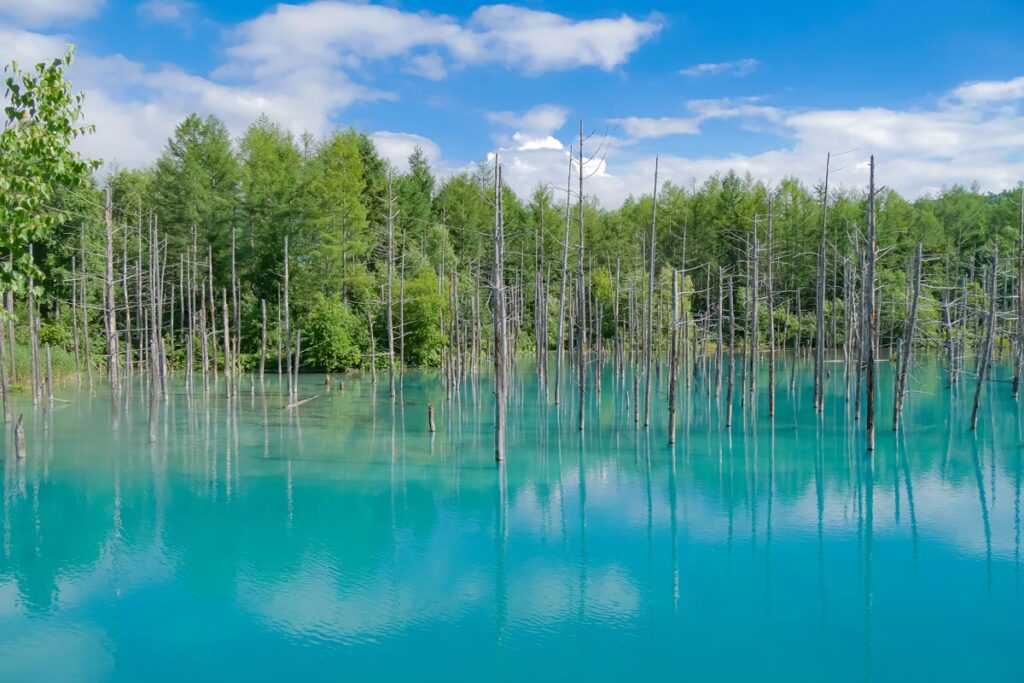
Blue Pond
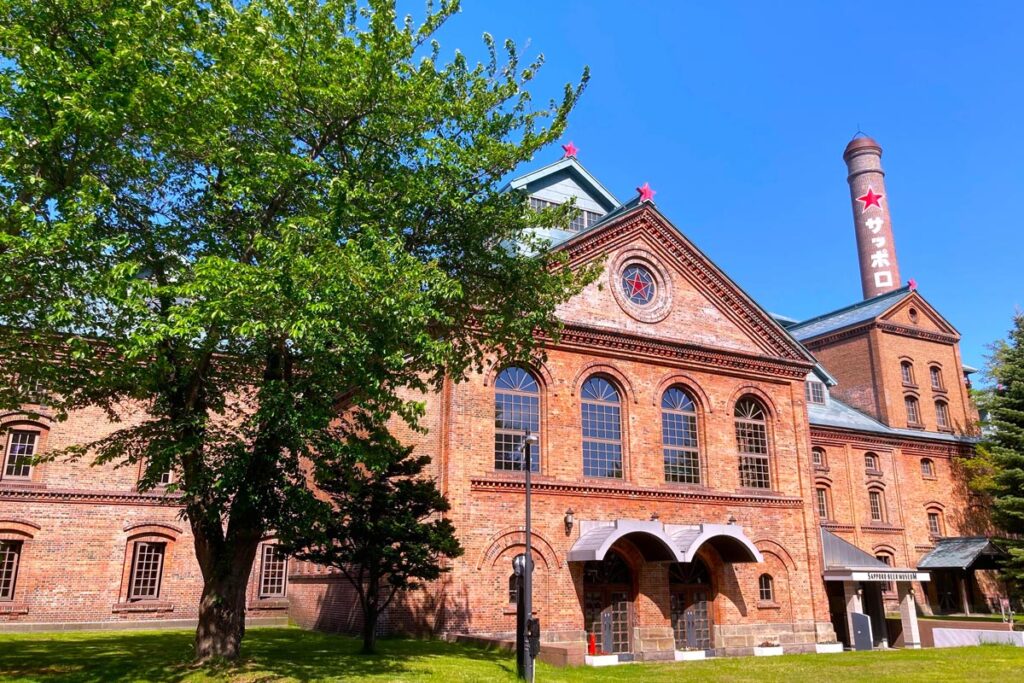
Sapporo Beer Museum
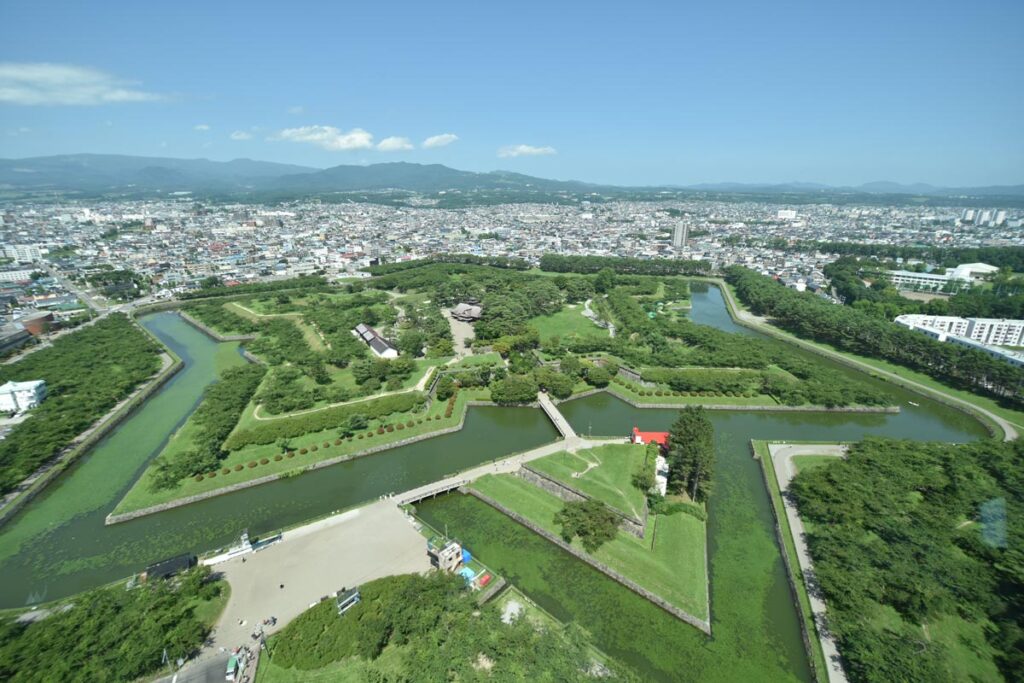
Goryokaku
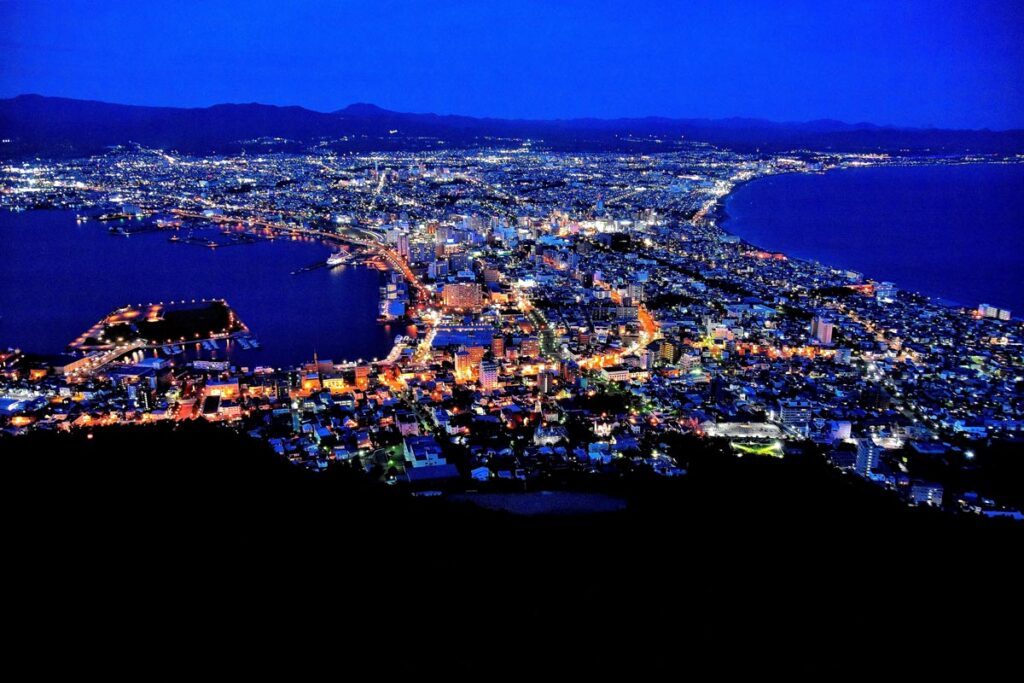
Mount Hakodate Night View
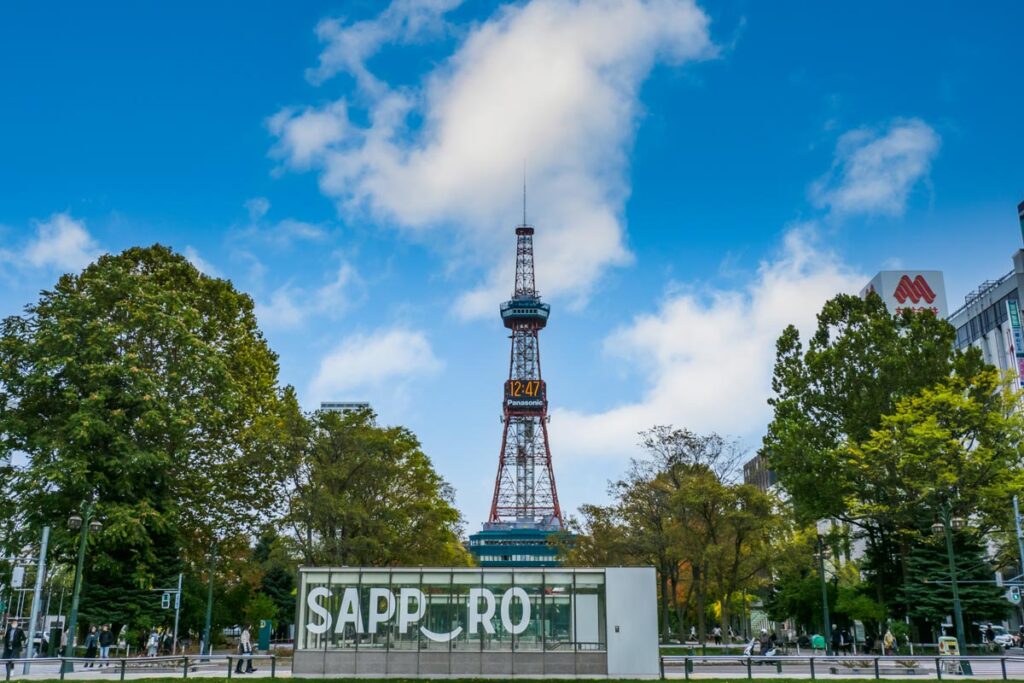
Odori Park
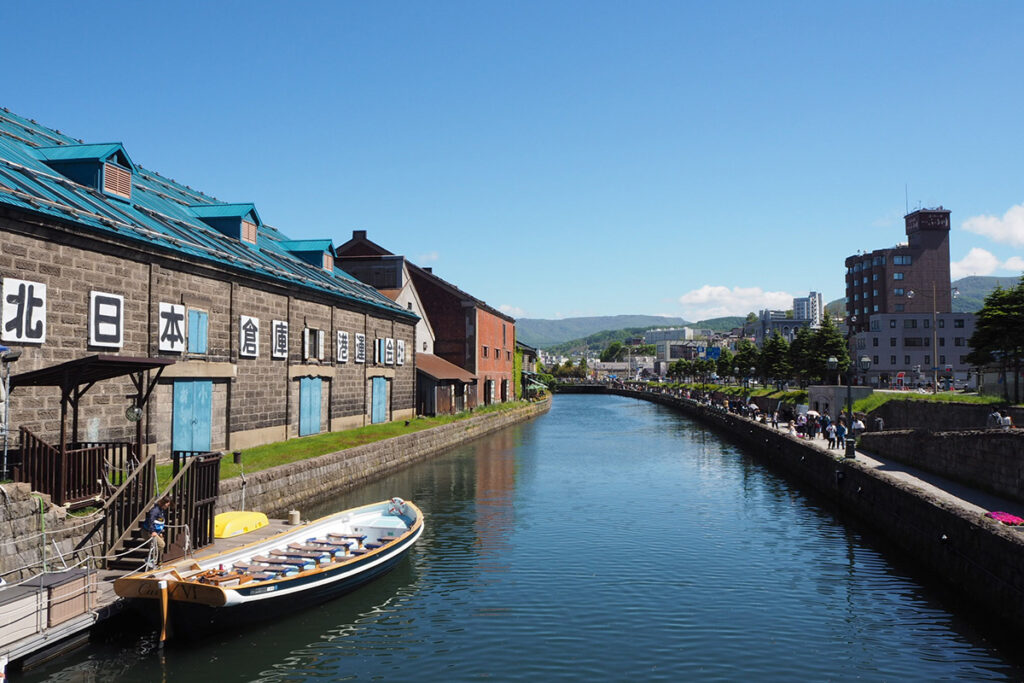
Otaru
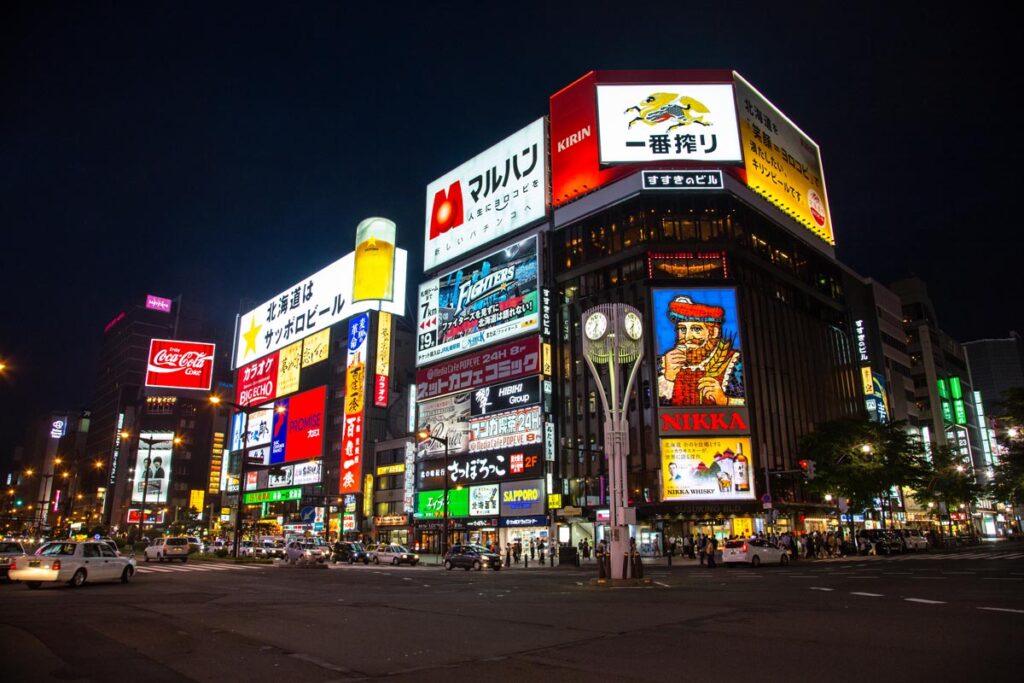
Susukino-Sapporo
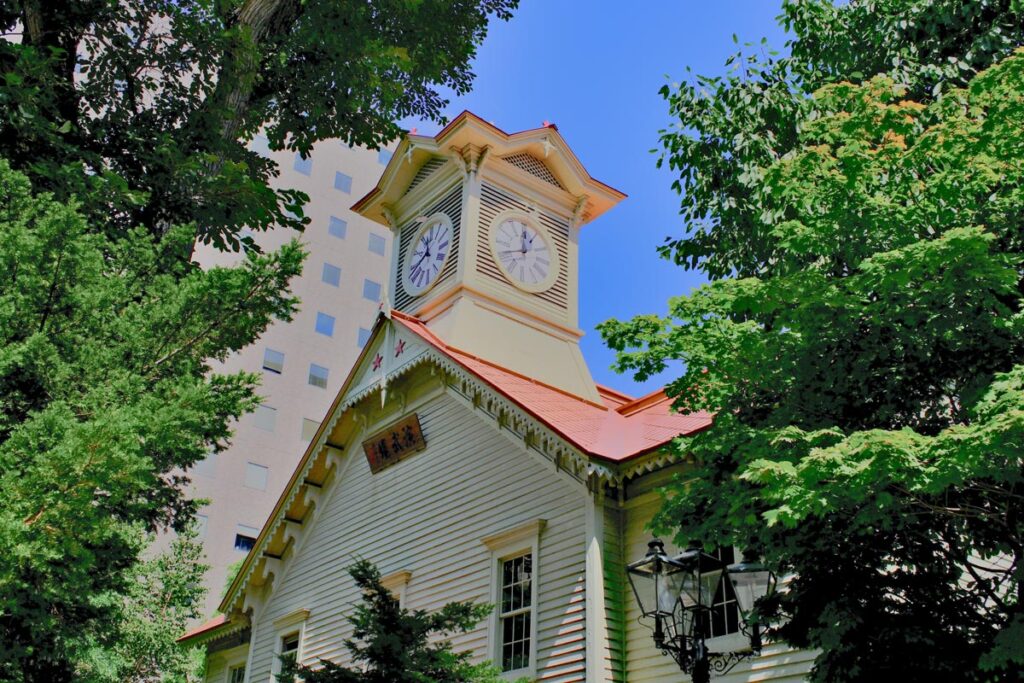
Sapporo Clock Tower
Hakodate Morning Market
Nijo Market
Farm Tomita
Furano Cheese Factory
Top destinations in Hokkaido & Tohoku

Aomori
Iwate
Fukushima