
Hakuba Mountain Resort
Hakuba Mountain Resort Japan: A Complete First‑Timer’s Guide
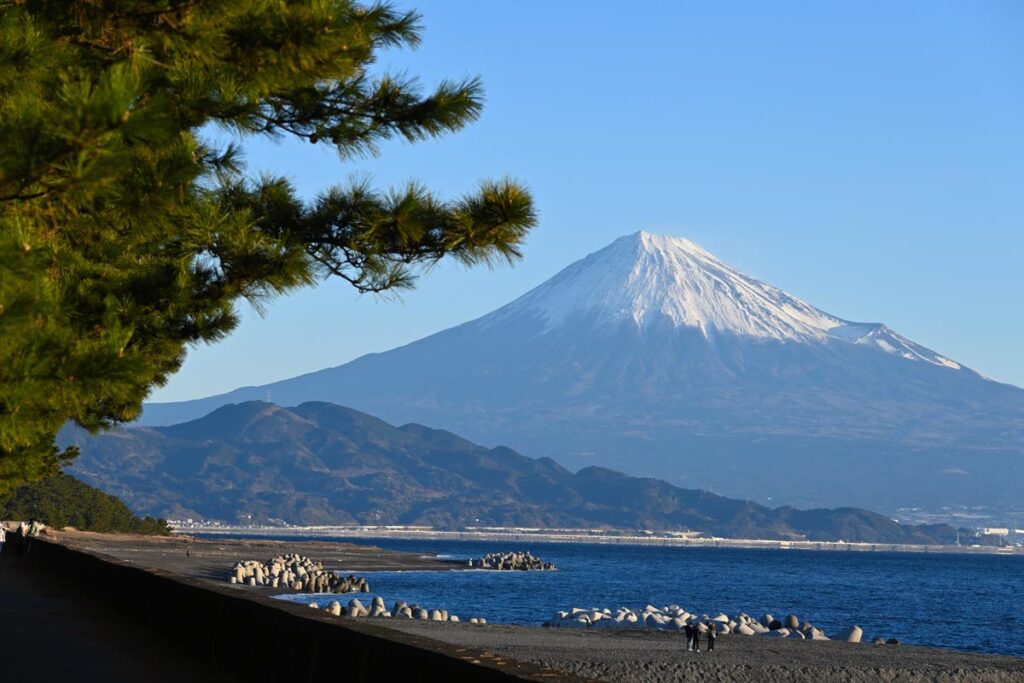
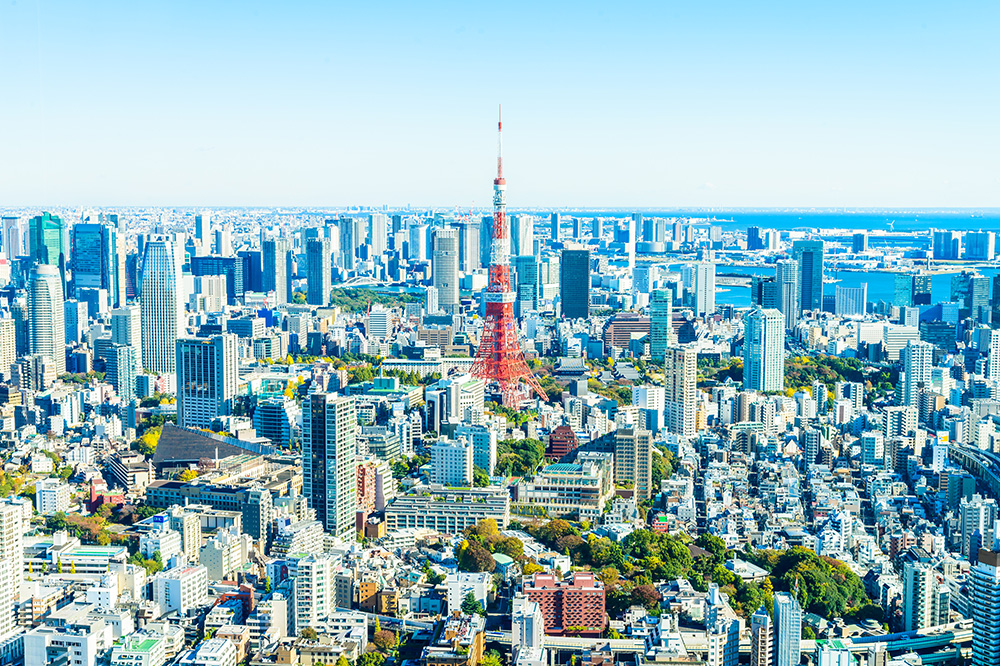
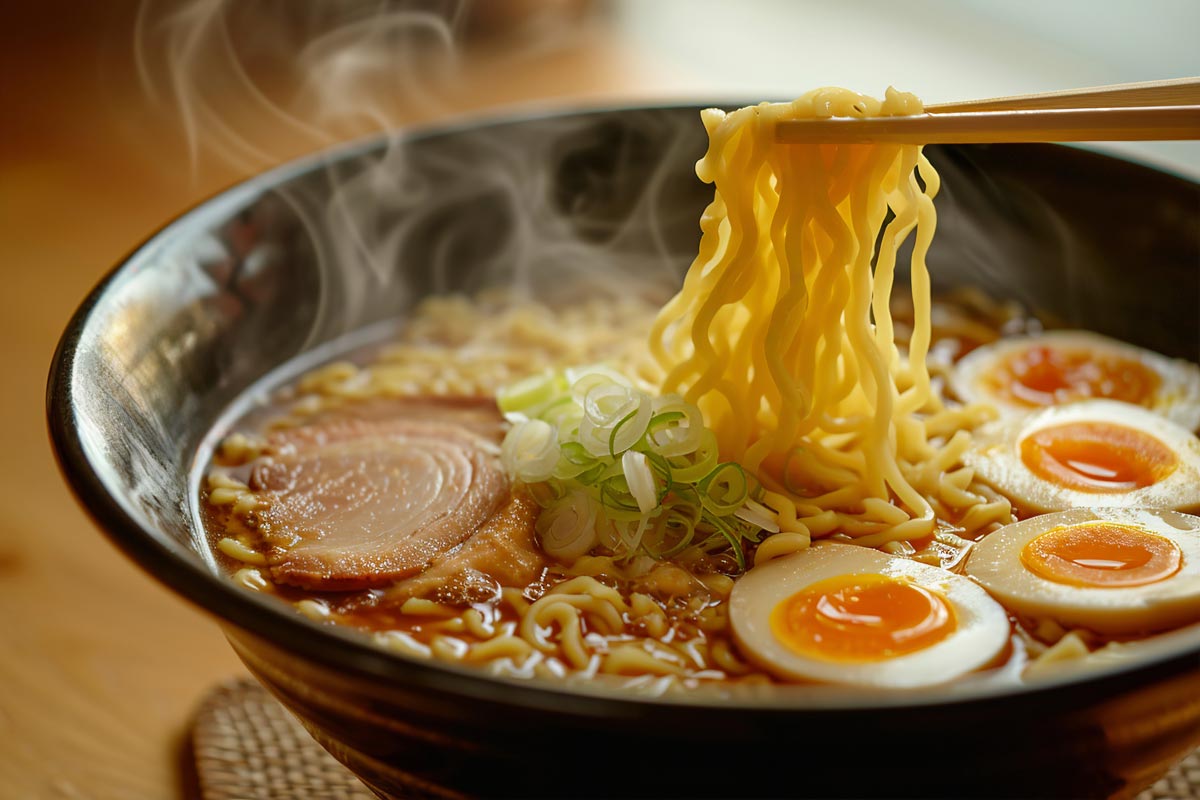
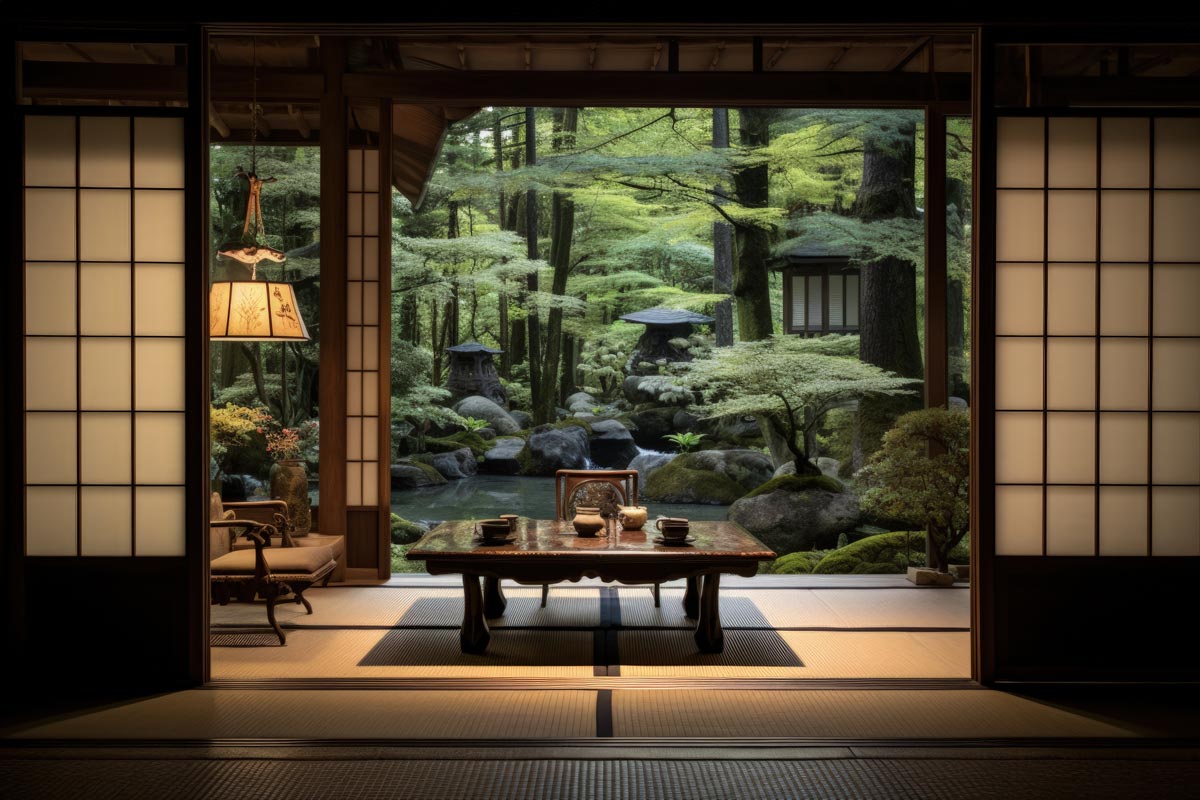
Photos are for illustrative purposes only.
Nestled deep in the Northern Japan Alps of Nagano Prefecture, Hakuba Mountain Resort is one of Japan’s most impressive year‑round alpine destinations. Famous for its 1998 Winter Olympic venues, deep powder snow and dramatic peaks, Hakuba has evolved into a welcoming international village with excellent English support, varied accommodation, and four distinct seasons of adventure.
If you are planning your first trip to Japan and want to experience both nature and traditional culture, Hakuba is an easy add‑on to a Tokyo or Kyoto itinerary. This guide explains what makes Hakuba special, when to go, how to get there, and what to do in winter and summer—plus practical advice tailored to international visitors.
Why Visit Hakuba Mountain Resort?
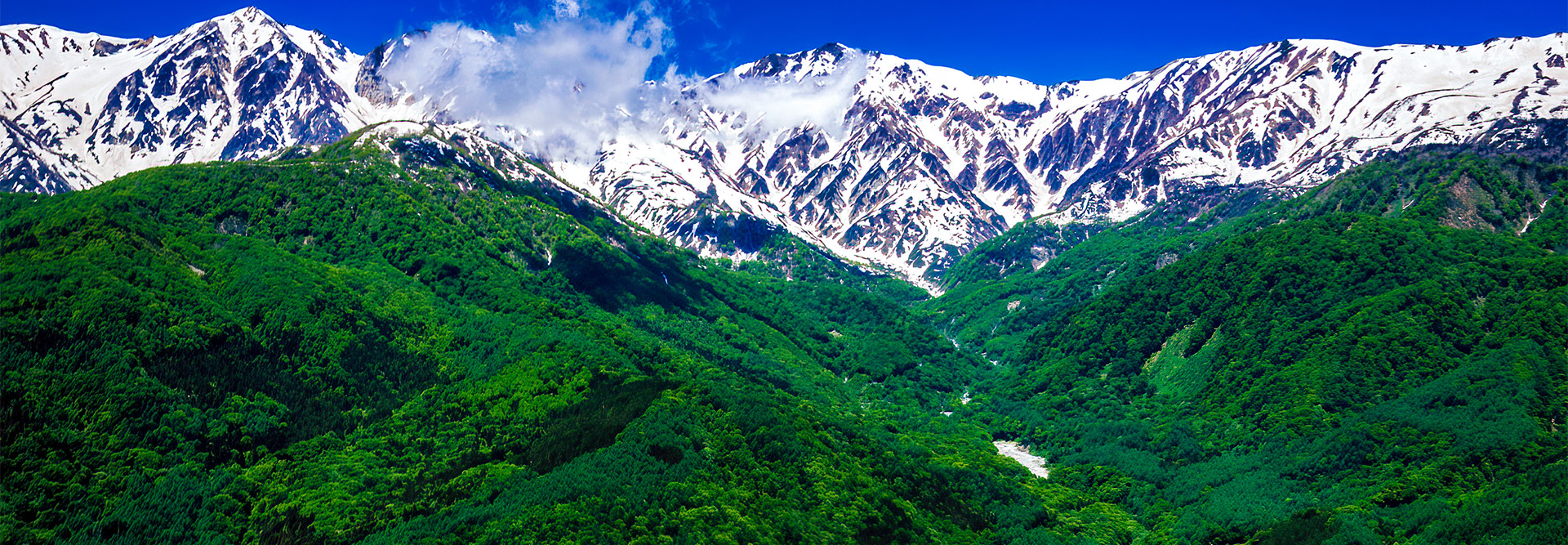
Hakuba sits in a wide alpine valley, framed by jagged 3,000‑meter peaks that stay snow‑capped well into spring. Unlike many small Japanese ski areas, Hakuba is not a single resort but a cluster of interconnected ski mountains and trailheads, collectively called the Hakuba Valley. This gives you variety: different snow conditions, terrain, and village atmospheres, all in one trip.
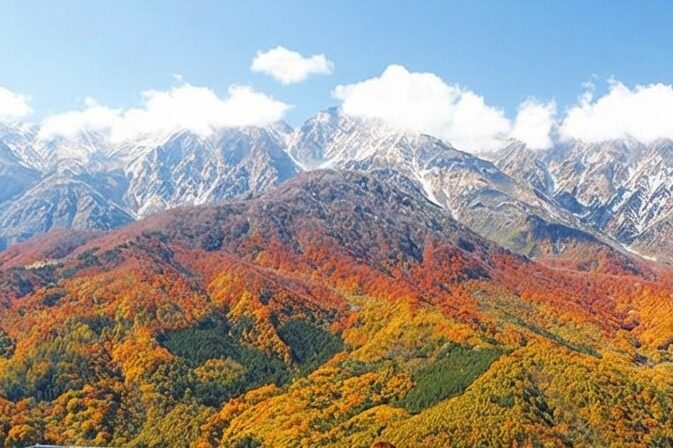
In winter, the region is known for abundant powder snow carried from Siberia across the Sea of Japan. In summer and autumn, the same slopes transform into flower‑lined hiking trails and fiery red and gold foliage. Throughout the year, steaming onsen hot springs, local sake, and quiet shrines offer a very Japanese contrast to the outdoor action.
Best Time to Visit Hakuba
Winter (Late December – March): Powder and Olympics Heritage
For most international visitors, Hakuba is synonymous with skiing and snowboarding. The main winter season runs from late December to late March, with the deepest snow usually in January and February. During this time, the village is busy and lively, and lift operations are at full strength.
Cold air masses from the Asian continent pick up moisture over the Sea of Japan, dumping light, dry snow on Nagano’s alpine spine. Hakuba, sitting right in this snowfall path, often records several meters of base depth at higher elevations. The mountains hosted several events during the Nagano 1998 Winter Olympics, and many courses today still trace those historic runs.
If you are a beginner, you will find gentle slopes and English‑speaking ski schools. Intermediates can roam wide groomers with big‑mountain scenery, while advanced riders head for off‑piste tree runs, bowls, and backcountry tours when conditions and avalanche safety allow.
Spring (April – May): Soft Snow and Quiet Slopes
By early April, lower slopes begin to thaw but higher lifts often stay open into Golden Week (early May). Warm, sunny days and soft snow make this a relaxed time to visit if you prefer fewer crowds and a more forgiving learning environment. It’s also possible to combine skiing with cherry blossom viewing in nearby Nagano City, Matsumoto, or along the valley.
Summer (June – August): Hiking, Green Slopes, and Retreat from the Heat
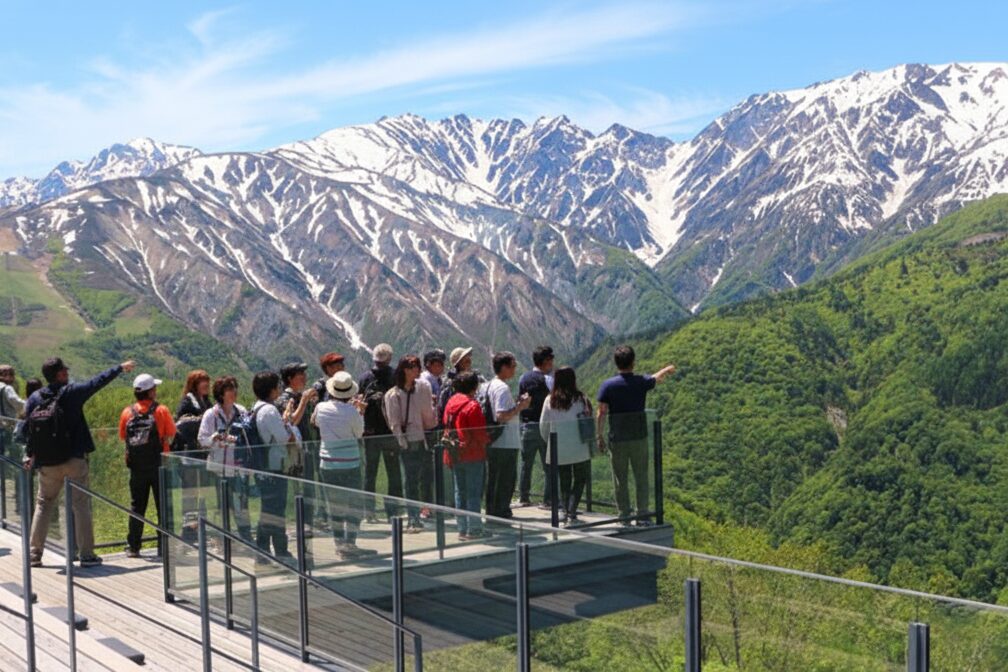
While much of Japan swelters in humid summer heat, Hakuba offers cool mountain air and lush greenery. Ski lifts pivot to carry hikers and sightseers up to alpine plateaus with wooden boardwalks, ponds, and panoramic viewpoints of the Northern Alps.
Popular activities include day hikes to mountain huts, family‑friendly nature walks, mountain biking, paragliding, and canyoning in clear rivers. The rainy season (usually June into early July) brings mist and showers, but it also paints the forests a vivid green. By mid‑July to August, the high trails are generally snow‑free and dotted with wildflowers.
Autumn (September – November): Brilliant Foliage and Clear Views
Autumn in Hakuba is crisp and cinematic. The surrounding mountainsides ignite in shades of red, gold, and amber from late September at higher elevations and into late October and early November down in the valley. Cooler temperatures and stable weather create excellent conditions for hiking and scenic photography.
This shoulder season is quieter and often more affordable in terms of accommodation. You can wander forests of Japanese maple and beech, then end the day soaking in an outdoor onsen while watching the mountains blush at sunset.
Getting to Hakuba from Tokyo and Beyond
Hakuba is accessible from several major cities, but most international visitors start from Tokyo. You do not need a car, and all routes are covered by easy‑to‑understand English signage.
From Tokyo by Shinkansen and Bus
The most popular route combines the shinkansen (bullet train) with a coach transfer:
- Tokyo Station to Nagano Station: Take the Hokuriku Shinkansen (about 1.5 hours). Seats are reserved or non‑reserved; reservations are recommended during peak periods.
- Nagano Station to Hakuba: From Nagano’s east exit, frequent buses run to Hakuba Happo Bus Terminal and other stops in the village (around 1–1.5 hours). In ski season, some services are timed to match arriving trains.
This combination is covered by the Japan Rail Pass for the shinkansen portion and by some regional rail passes up to Nagano. The bus leg is paid separately.
Direct Highway Bus from Tokyo
For a more budget‑friendly option, highway buses connect Tokyo (usually Shinjuku Expressway Bus Terminal) with Hakuba Happo Bus Terminal in about 4.5–5 hours. Seats are reserved, luggage storage is available, and services often have basic English information. The trade‑off is a longer journey compared to the bullet train.
From Other Cities
- From Nagoya or Kyoto/Osaka: Take a limited express train to Matsumoto and then transfer to the JR Oito Line towards Hakuba. Routes and timings vary, but the journey usually takes 3.5–5 hours.
- From the Japan Alps region: Hakuba is a convenient stop on a broader alpine circuit including Matsumoto Castle, Kamikochi, and the Tateyama Kurobe Alpine Route.
Hakuba’s Ski Resorts and Winter Activities
The Hakuba Valley encompasses several ski areas, each with its own character. Lift tickets can be purchased for individual resorts or as all‑valley passes in winter, giving you flexibility to chase the best conditions.
Hakuba Happo‑one
Happo‑one (pronounced “Happo‑oh‑nay”) is the flagship resort, rising directly above Hakuba’s main village. It hosted alpine skiing events during the Nagano Olympics and features long, wide runs with impressive vertical drop. Intermediates love the cruisy pistes, while advanced riders can explore steeper slopes and designated off‑piste zones when open.
Hakuba Goryu and Hakuba47
Linked by lifts and pistes, Goryu and Hakuba47 effectively form one large ski area. They offer a mix of terrain parks, tree runs, and family‑friendly runs. Hakuba47 is known for its freestyle features and backcountry access, while Goryu’s lower slopes suit learners and children.
Iwatake, Tsugaike, and Other Areas
Hakuba Iwatake Snow Field provides 360‑degree views of the valley and relaxed slopes that work well for mixed‑ability groups. Tsugaike Kogen, another substantial area, is famous for its wide beginner runs and scenic tree‑lined courses. Smaller areas like Cortina and Norikura often attract powder hunters when storms roll in.
Snow Experiences Beyond Skiing
If you are not a skier, or if you want a break from the slopes, Hakuba offers plenty of winter alternatives:
- Snowshoeing through quiet forests and open plateaus with a local guide.
- Snowmobile and snow rafting at designated parks.
- Scenic gondola rides to mountain viewpoints with cafés and observation decks.
- Day trips to Jigokudani Snow Monkey Park, where wild macaques soak in natural hot springs—a classic Nagano experience.
Summer and Autumn: Hiking, Nature, and Culture
When the snow disappears, Hakuba reveals a different personality. Chairlifts and gondolas convert into sightseeing rides, and local guides lead treks into the high mountains.
Alpine Hiking and Nature Walks
Several classic routes begin from lift terminals, making it possible for beginners to reach dramatic scenery with relatively modest effort. Boardwalks cross high marshlands, while more demanding trails climb to mountain huts that serve hot meals and offer simple accommodation.
Lower in the valley, riverside paths and forest trails suit families and casual walkers. Listen for the calls of Japanese bush warblers, and keep an eye out for seasonal flowers like alpine lilies and gentians.
Adventure Sports
Hakuba’s rugged topography and clear rivers support a growing menu of outdoor activities:
- Mountain biking on lift‑accessed downhill courses or cross‑country trails.
- Paragliding tandem flights for sweeping views over rice fields and peaks.
- Canyoning and rafting through cool gorges—welcome relief during hot Japanese summers.
Onsen, Temples, and Local Life
Throughout the year, onsen hot springs are a central part of Hakuba’s appeal. After a day outdoors, slip into steaming mineral baths, often with open‑air rotenburo pools overlooking the valley. Traditional etiquette—washing thoroughly before entering, bathing nude and quietly—might feel new, but staff are generally patient and signs are often multilingual.
In the village and surrounding hamlets, you can visit Shinto shrines and small Buddhist temples, where stone lanterns line mossy paths and cedar trees tower overhead. Seasonal festivals feature taiko drumming, food stalls, and sometimes torchlit processions—an intimate glimpse into rural Japanese culture.
Where to Stay in Hakuba
Hakuba offers a wide range of accommodation, from traditional ryokan to modern ski‑in, ski‑out hotels. Choosing where to stay depends on your priorities.
Happo Village and Happo‑one Base
This is the main hub, with easy access to Happo‑one lifts, restaurants, bars, and rental shops. Expect a mix of Western‑style hotels, Japanese inns, and self‑contained apartments. It is convenient for first‑time visitors who want everything within walking distance.
Other Areas: Goryu, Iwatake, Tsugaike
Smaller base villages cluster around each ski area. These can feel quieter and more residential, often suiting families or travelers seeking a less busy atmosphere. Shuttle buses and local taxis connect many of these zones, but check winter schedules in advance.
Accommodation Types
- Ryokan and minshuku: Traditional stays with tatami floors, futon bedding, and often half‑board (dinner and breakfast). Meals feature local produce, mountain vegetables, and freshwater fish.
- Pensions and guesthouses: Small, often family‑run lodgings with a cozy atmosphere. Some are Western‑style; others combine Japanese and Western elements.
- Hotels and condos: Larger properties with private bathrooms, Western beds, and sometimes in‑house onsen, gear rental, and restaurants.
Food and Drink: Tastes of Nagano
Nagano Prefecture is known for its clean water, mountain vegetables, and excellent buckwheat, all of which feature prominently in Hakuba’s food scene.
Between runs or hikes, look for:
- Soba: Buckwheat noodles, served hot in broth or cold with dipping sauce. The nutty flavor is especially good in Nagano.
- Oden: A comforting winter stew of simmered daikon, tofu, and fish cakes, perfect on snowy days.
- Local sake: Clear, aromatic rice wine brewed with Nagano’s famed spring water.
- Mountain vegetables (sansai): Seasonal greens that appear in tempura, soups, and pickles in spring and early summer.
Hakuba’s international popularity means you will also find pizza, burgers, cafés, and vegetarian‑friendly options, especially in and around Happo village. Menus and staff often accommodate dietary needs; it helps to have key requirements written in Japanese or displayed on your phone.
Practical Tips for First‑Time International Visitors
Language and Signage
Hakuba is one of Japan’s more foreigner‑friendly mountain areas. Many hotels, rental shops, and ski schools have English‑speaking staff, and signage at major lifts and bus stops is generally bilingual. In small local shops or rural buses, English may be limited, but gestures, translation apps, and a few basic Japanese phrases go a long way.
Money and Payments
Credit cards are widely accepted at resorts, larger restaurants, and hotels, but it is wise to carry some cash (yen) for local buses, small eateries, and vending machines. Look for ATMs in convenience stores and at some banks; international cards are usually accepted at major chains.
Gear Rental and Lessons
You do not need to bring your own ski or snowboard equipment. Multiple rental shops offer full packages, including clothing and helmets, in a wide range of sizes. Book in advance during peak weeks (New Year’s, Chinese New Year, and school holidays). Ski schools with English‑speaking instructors operate at the main resorts, with both group and private lessons available.
Weather and Clothing
Winter in Hakuba is cold, with temperatures often dipping below freezing, especially at night and on the upper slopes. Pack or rent waterproof outerwear, insulated layers, gloves, and a hat. In summer and autumn, weather in the mountains can change quickly—bring a light waterproof jacket and layers even if the valley feels warm.
Respecting Local Culture and Nature
Hakuba’s landscape is beautiful but fragile. Stay on marked trails, follow resort rules regarding off‑piste and backcountry areas, and check avalanche advisories if venturing beyond the gates with a qualified guide.
At onsen, follow posted etiquette: rinse thoroughly before entering the bath, keep towels out of the water, and speak quietly. Tattoos, while increasingly accepted, may still be restricted at some baths; check policies in advance or look for tattoo‑friendly facilities or private baths.
Planning Your Hakuba Itinerary
For a first visit, many travelers spend three to five nights in Hakuba as part of a longer Japan trip. In winter, you might plan two or three days of skiing, one day for snow monkeys and onsen, and an evening exploring Nagano City or Matsumoto on your way in or out. In summer, combine Hakuba hikes with cultural stops at Matsumoto Castle or the temple district of Zenko‑ji in Nagano.
Whether you come for deep snow, cool summer forests, or the silence of an outdoor bath under the stars, Hakuba Mountain Resort offers a distinctly Japanese mountain experience that is both accessible and memorable for first‑time visitors.
Access Map
Recommended spots in Nagano
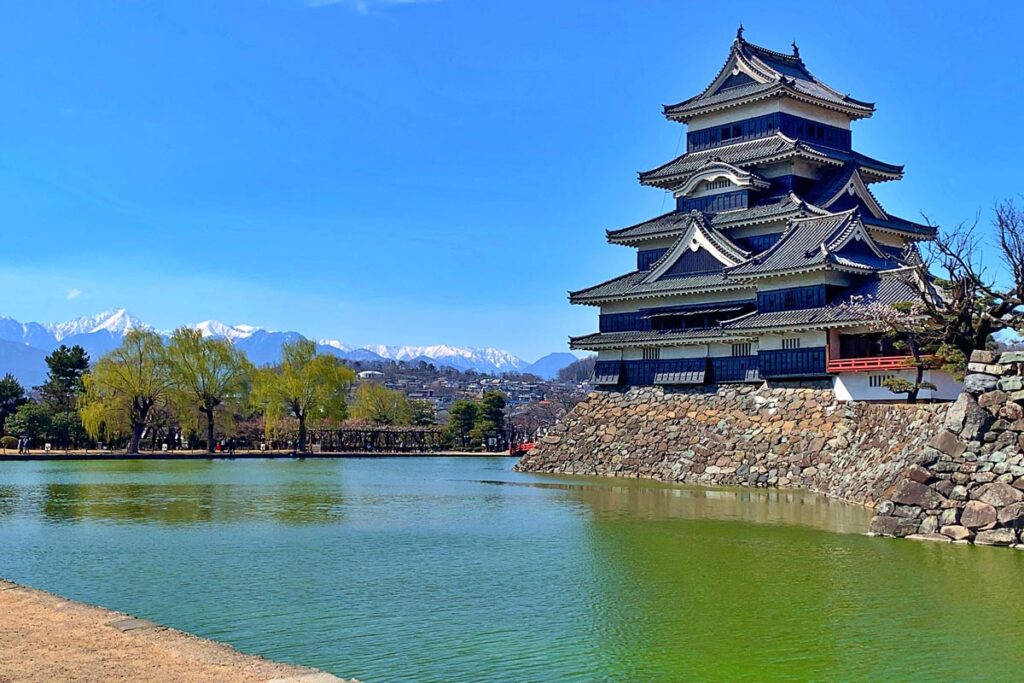
Matsumoto Castle
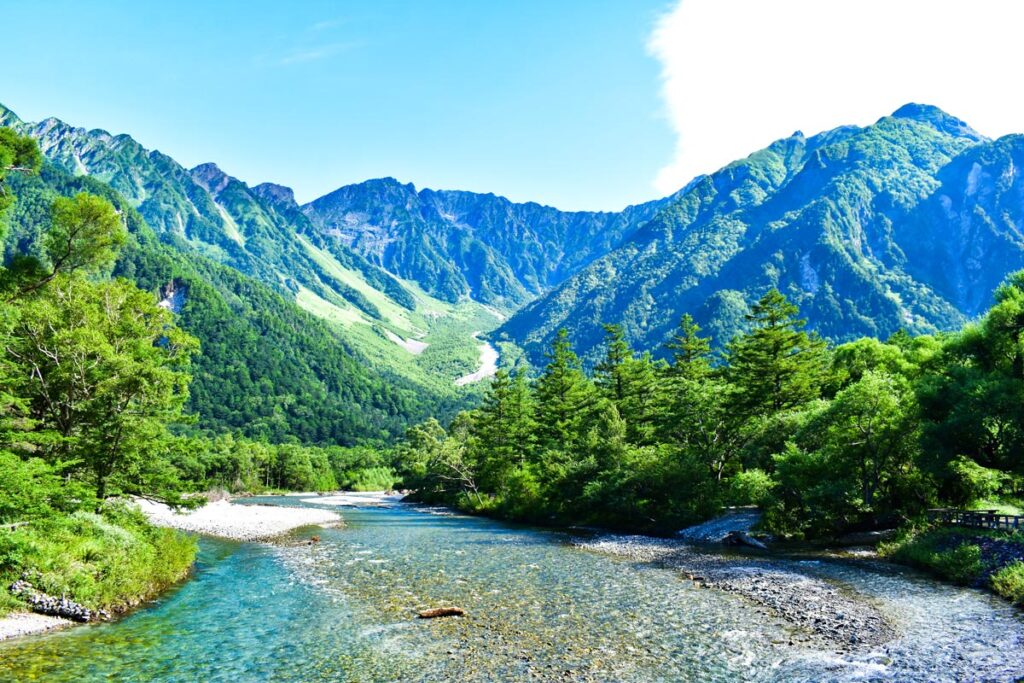
Kamikochi
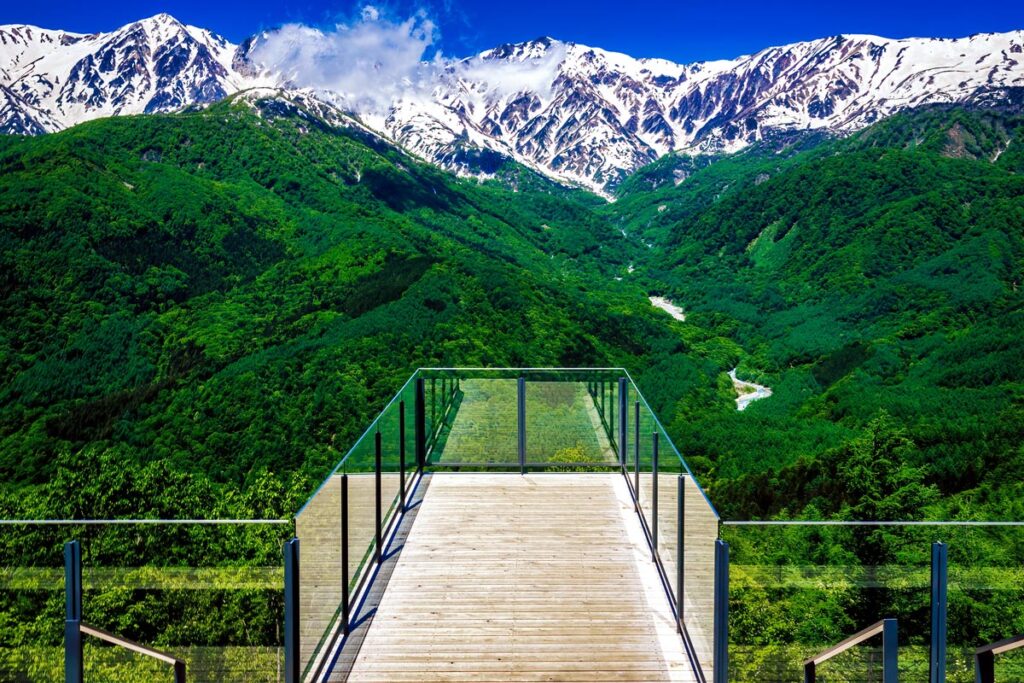
Hakuba Mountain Resort
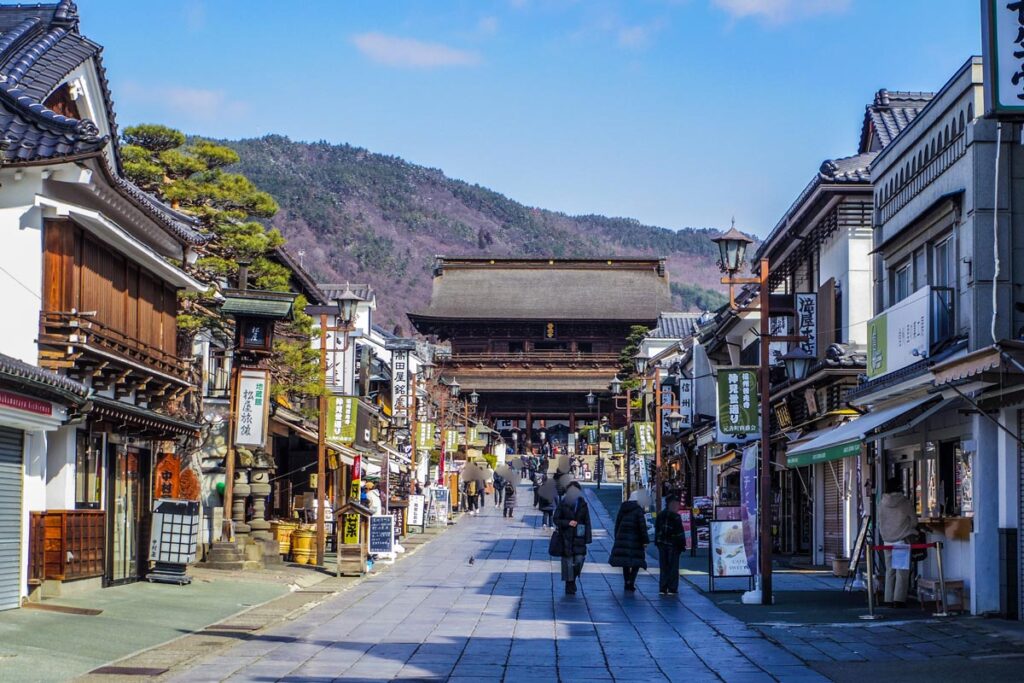
Zenkō-ji Temple
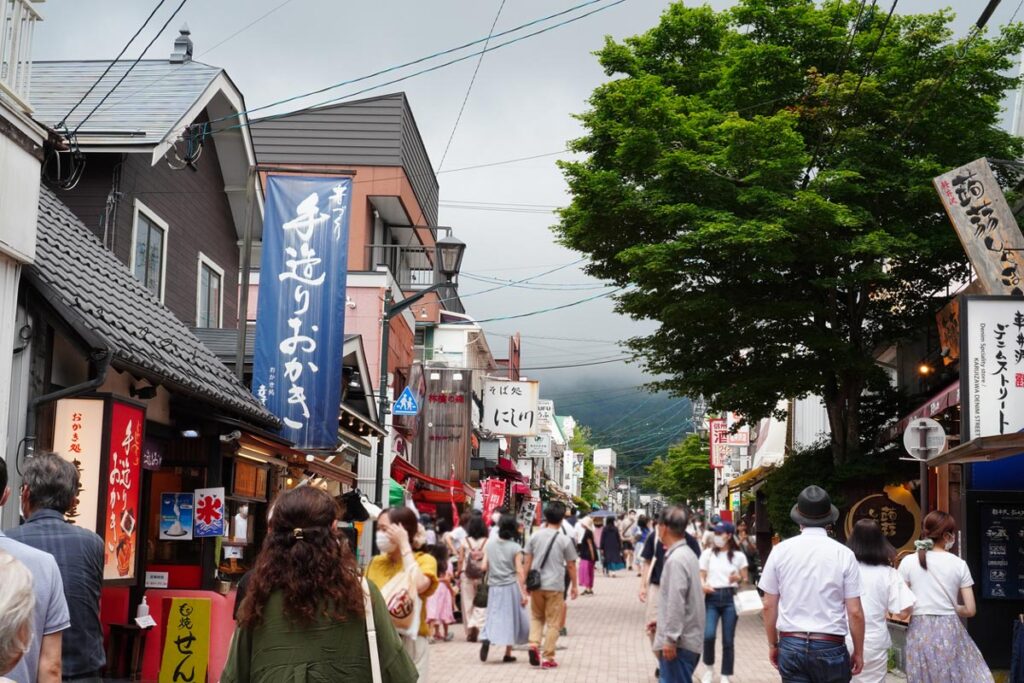
Karuizawa Town
Top destinations in Chubu/Hokuriku
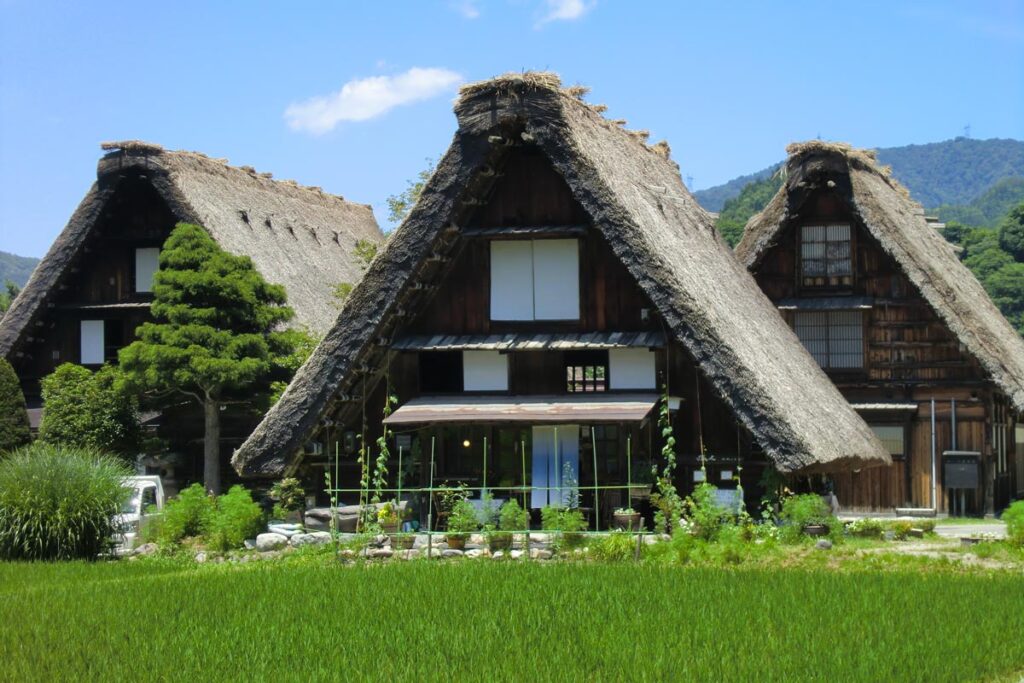
Gifu
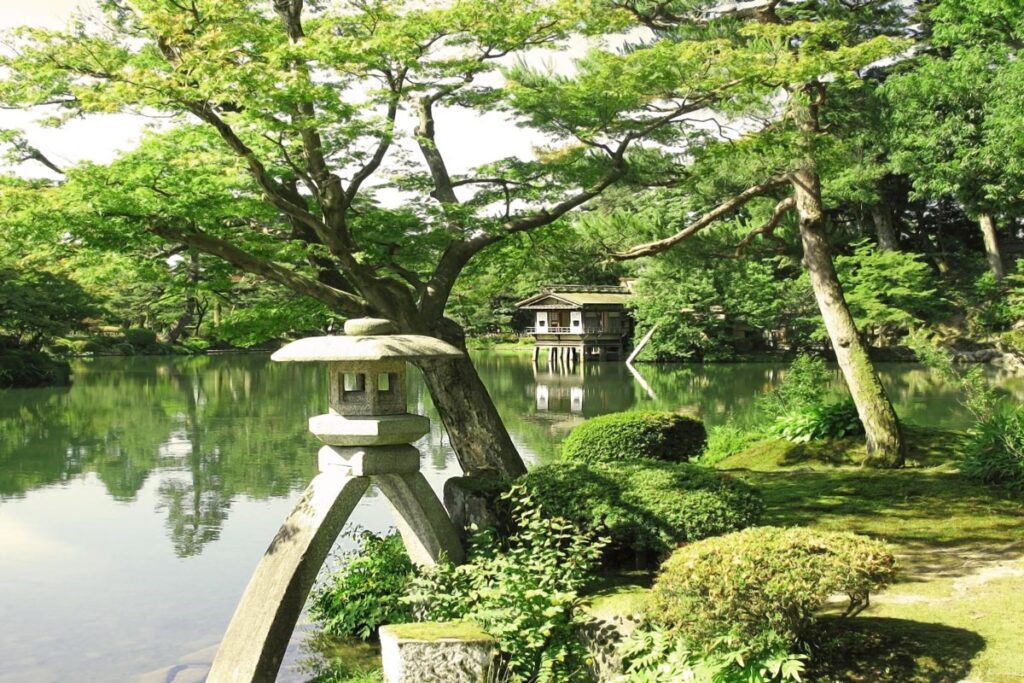
Ishikawa
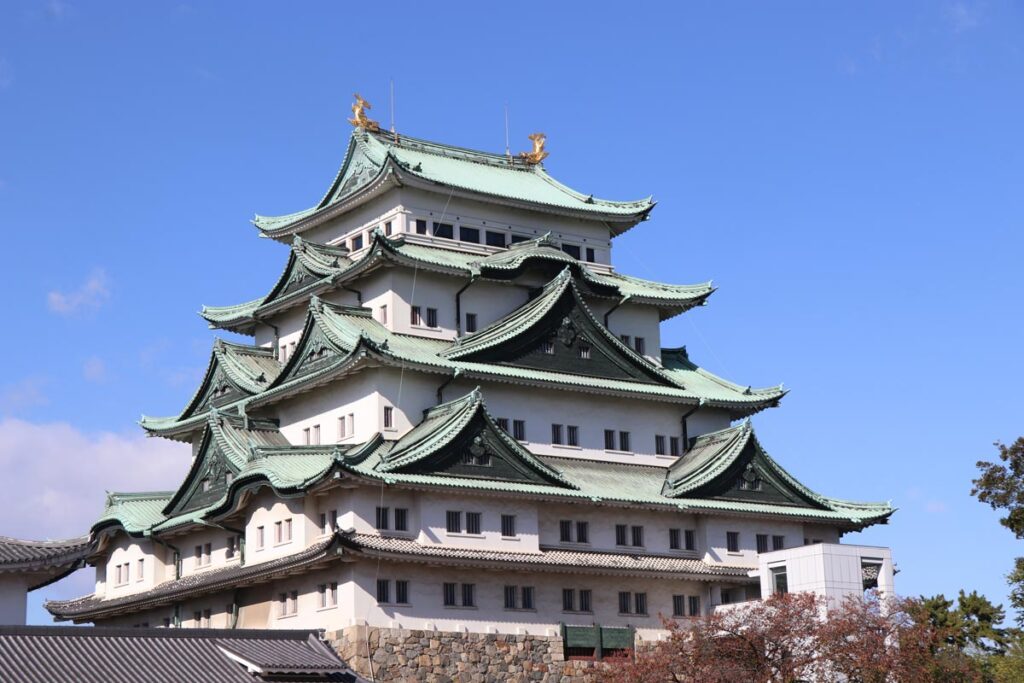
Aichi