



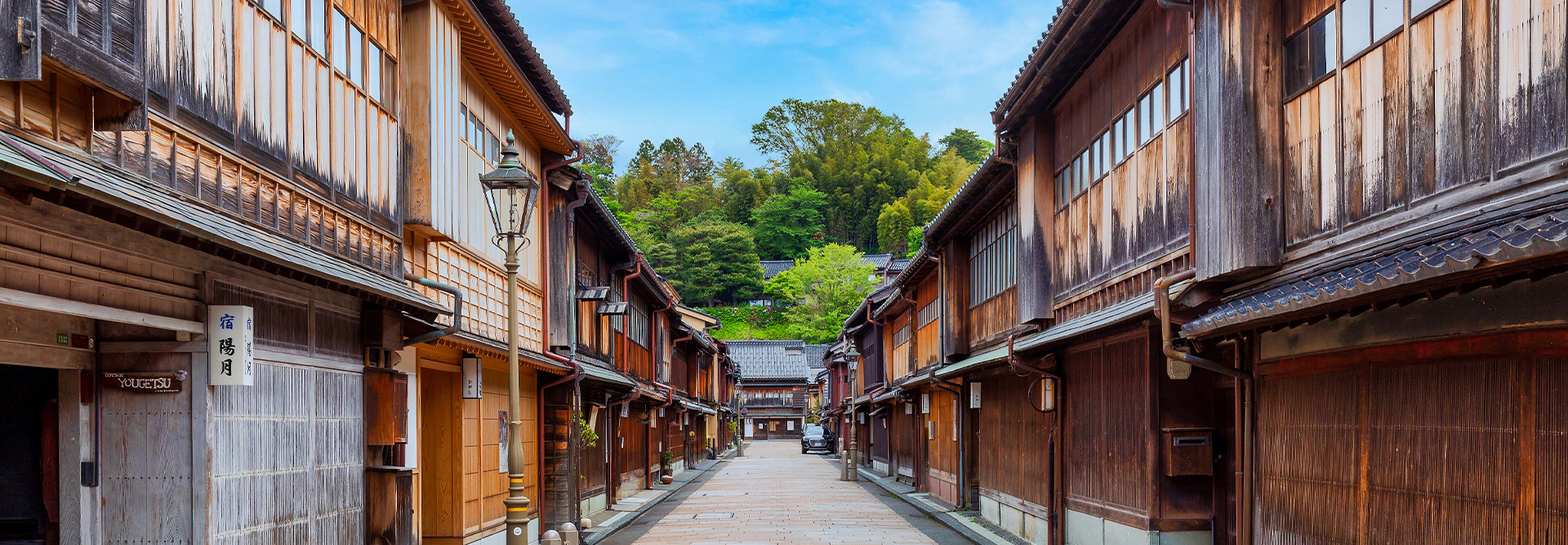
Higashi Chaya District
Higashi Chaya District: A Timeless Geisha Quarter in Kanazawa, Japan
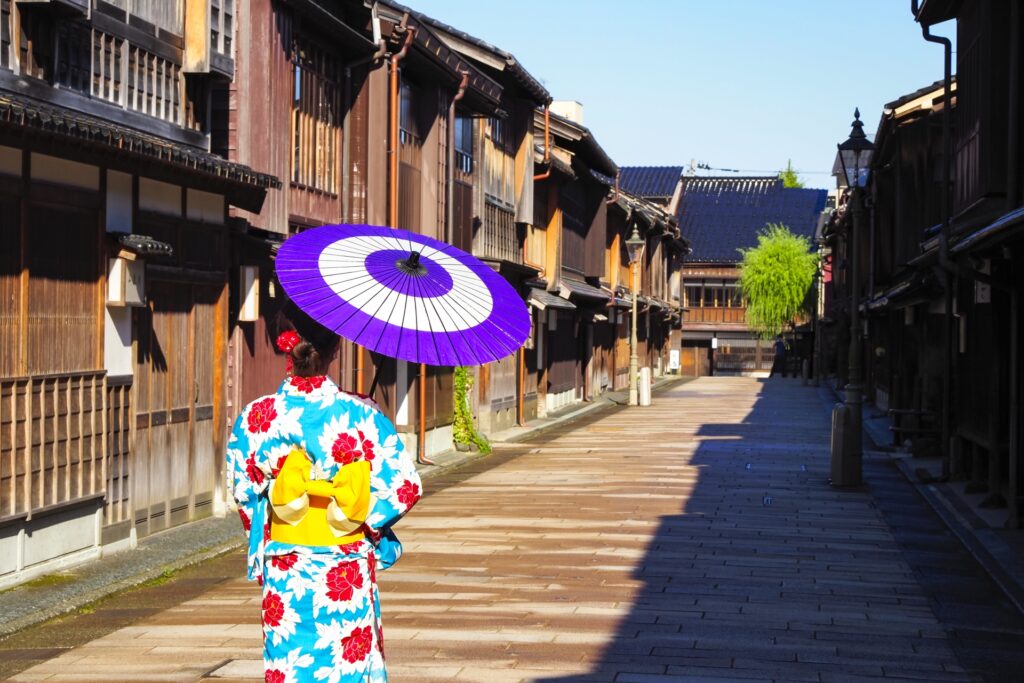
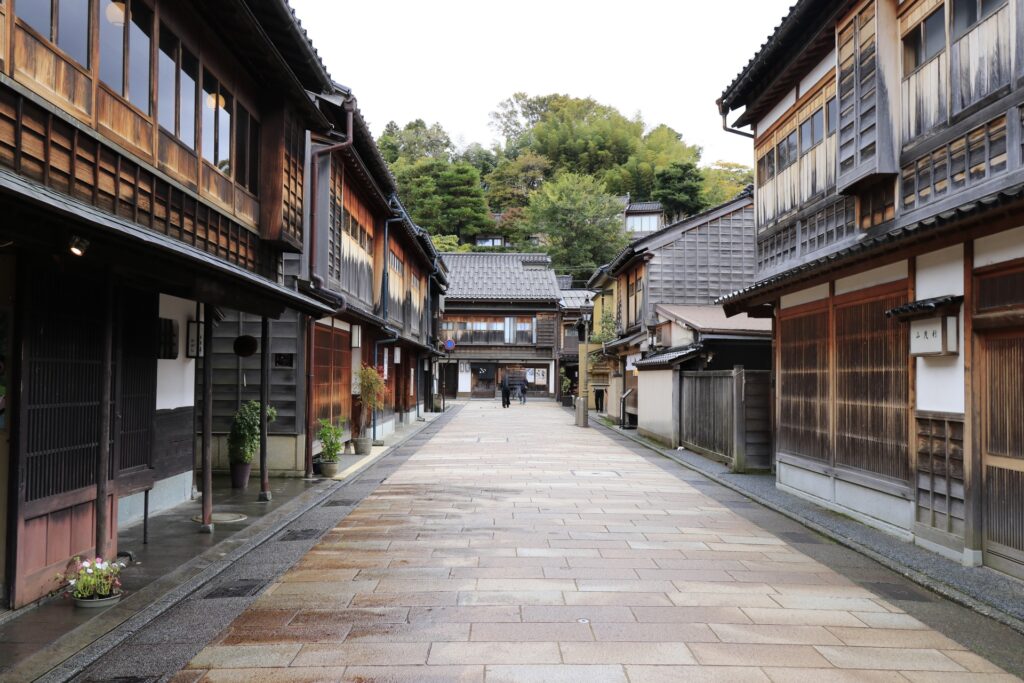
Photos are for illustrative purposes only.
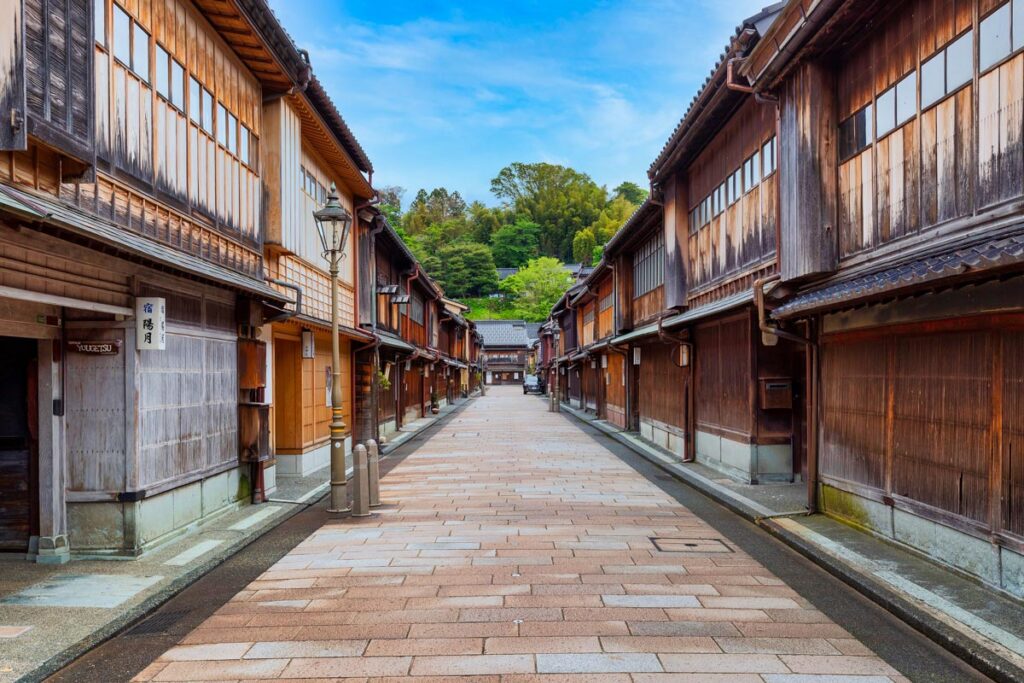
Step into Higashi Chaya District in Kanazawa and you step straight into old Japan. Wooden lattice townhouses, narrow stone lanes and the soft glow of lanterns create a scene that feels lifted from a period drama. For first-time visitors to Japan, this is one of the easiest places in the country to feel the atmosphere of the Edo era without leaving a modern city.
Located in Kanazawa, on Japan’s central Hokuriku coast, Higashi Chaya was once a licensed geisha entertainment district where the elite came for refined evenings of music, dance and conversation. Today, it is carefully preserved and open to everyone, offering cafés, craft shops, museums and a few still-active teahouses. It’s an ideal half-day or full-day visit, especially if you are combining Kanazawa with Tokyo, Kyoto or Osaka.
What Is a “Chaya” District?
In Japanese, chaya literally means “teahouse,” but in the historical sense it referred to establishments where guests were entertained by geisha – known in Kanazawa as geiko – and apprentice geisha called maiko. These were not casual cafés; they were exclusive venues where wealthy merchants and samurai gathered for banquets and highly formalized entertainment.
Kanazawa developed several chaya districts during the Edo period (1603–1868), when it was the seat of the powerful Maeda clan. Higashi Chaya, established in 1820, became the largest and most prestigious of these quarters. Unlike some red-light districts elsewhere, chaya here focused on refined arts: shamisen music, traditional dance, witty conversation and seasonal cuisine. The legacy of that culture still shapes the district today.
Why Visit Higashi Chaya District?
For international visitors seeing Japan for the first time, Higashi Chaya District is a perfect blend of beauty, culture and accessibility:
- Atmospheric streets: Rows of two-storey wooden townhouses with distinctive latticed facades, known as kimusuko, line the stone-paved lanes.
- Living history: Unlike some recreation areas, many buildings here are original and still used as teahouses, residences and shops.
- Geisha culture: You may not see performances on the street, but you can step inside former teahouses to understand how the world of geisha operates.
- Gold leaf and crafts: Kanazawa produces nearly all of Japan’s gold leaf, and many shops in the district let you see and buy gold leaf crafts—and even eat gold leaf sweets.
- Great photos without huge crowds: Compared to Kyoto’s famous Gion, Kanazawa’s district is usually less crowded yet equally photogenic.
Getting to Higashi Chaya District
From Kanazawa Station
Higashi Chaya is about 2 km east of Kanazawa Station, making it easy to visit as soon as you arrive in the city.
- By bus: Take the Kanazawa Loop Bus (Right Loop) or the Kenrokuen Shuttle from the station’s East Exit bus terminal. Get off at the “Higashiyama” or “Hashiba-cho” stop. The ride takes around 10–15 minutes.
- By taxi: Around 10 minutes, convenient if you have luggage or are short on time.
- On foot: A 25–30 minute walk through the downtown area and over the Asano River. This is pleasant in good weather and helps you understand the city’s layout.
From Tokyo, Kyoto or Osaka
Thanks to the Hokuriku Shinkansen, Kanazawa is very accessible:
- From Tokyo: About 2.5–3 hours on the Hokuriku Shinkansen.
- From Kyoto/Osaka: Take the express train to Tsuruga, then change to the Shinkansen to get to Kanazawa in about 2.5-3 hours.
Many travelers visit Kanazawa as a one- or two-night stop between Tokyo and Kyoto, and Higashi Chaya District is often the highlight of their stay.
Exploring the District: Main Sights and Experiences
Strolling the Historic Main Street
The heart of Higashi Chaya is its gently curving main street, edged with dark wooden facades, sliding doors and latticework. As you walk, look up at the upper floors: these were traditionally where banquets and performances took place, with the ground floor used as reception and service areas.
You’ll notice a mix of functioning teahouses, cafés, souvenir shops and craft boutiques. While the atmosphere is charming throughout the day, the late afternoon and early evening are particularly photogenic, when the sun softens and the lanterns begin to glow.
Kaikaro: A Working Geisha Teahouse
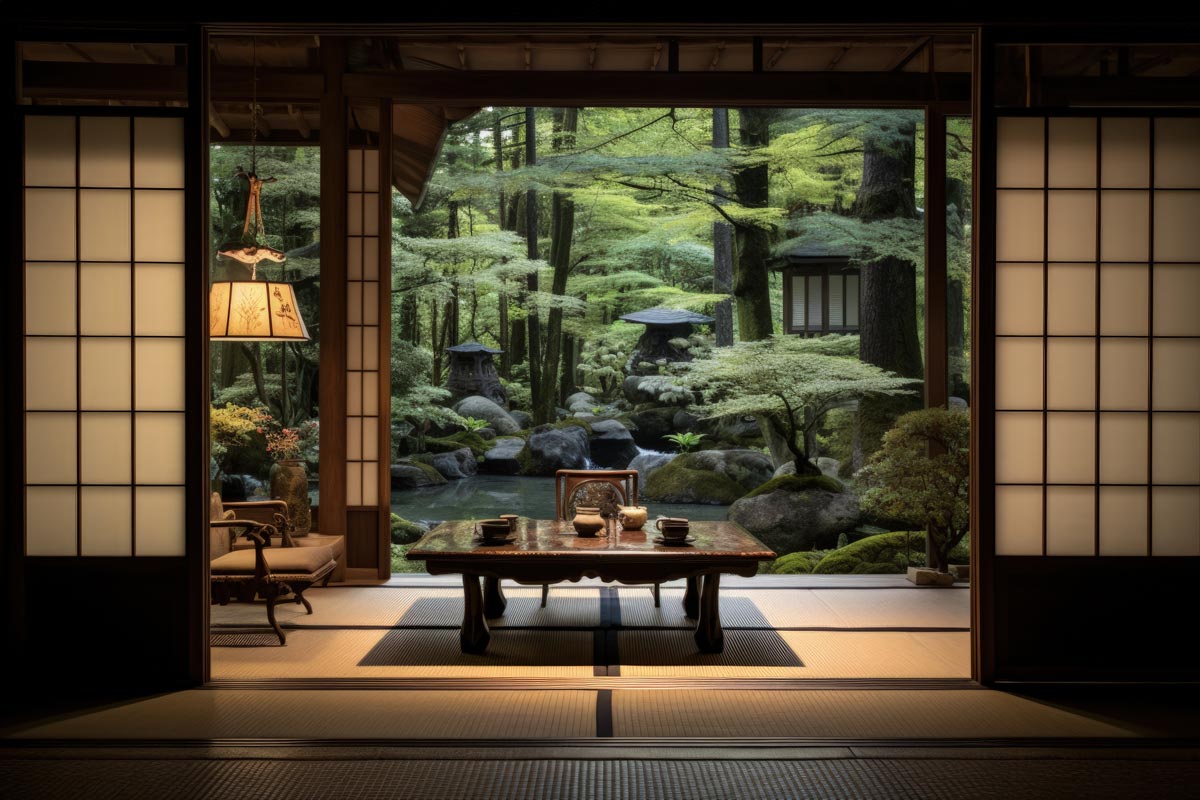
One of the district’s most famous teahouses is Kaikaro, a still-functioning establishment that opens to the public during the day. Inside, you can walk through tatami rooms, admire the main banquet hall and see the lavish interior decorations, including red lacquer, gold accents and sliding doors painted with seasonal motifs.
Kaikaro sometimes offers evening events in English for small groups, where you can experience geisha performances with explanations. Reservations are essential, and prices are higher than regular sightseeing, but for many visitors this is a once-in-a-lifetime cultural experience.
Shima Teahouse: A Glimpse into Edo-Era Entertainment
Shima is another former teahouse, now preserved as a museum. While more modest than Kaikaro, it offers an intimate look at geisha life in the 19th century. You can see the tiny inner garden, the musicians’ room, and the guest rooms overlooking the street. Exhibits explain the tools of a geisha’s trade, from musical instruments to hair ornaments.
For first-time visitors, Shima is especially helpful in understanding how formal and structured entertainment used to be, and how geisha were (and are) trained artists rather than hostesses.
Gold Leaf Everywhere
Kanazawa is synonymous with gold leaf, and Higashi Chaya District is one of the best places to experience it.
- Gold leaf workshops: Some shops offer short hands-on sessions where you can apply gold leaf to small items like chopsticks or plates. These workshops are beginner-friendly and suitable for older children as well.
- Gold leaf sweets: Ice cream cones crowned with an entire sheet of gold leaf are a popular photo opportunity. The gold itself is tasteless but completely edible.
- Souvenirs: You’ll find gold-decorated tableware, cosmetics, stationery and even sake bottles. Many shops can pack items safely for travel.
Cafés, Tea and Local Snacks
Between sightseeing stops, set aside time to sit down for tea or coffee. Many cafés in the district are housed in renovated townhouses, allowing you to experience the characteristic low ceilings, tatami floors and wooden beams.
Menu highlights often include:
- Matcha (green tea) and wagashi: Enjoy a bowl of whisked matcha paired with seasonal Japanese sweets.
- Coffee and cakes: For those who prefer Western-style breaks, several cafés offer hand-drip coffee and locally inspired desserts.
- Traditional snacks: Try rice crackers, bean sweets and locally produced sake or plum wine, sometimes available in tasting sets.
Side Streets and Hidden Corners
Don’t just stick to the main street. Small alleys lead off to quieter residential lanes, tiny shrines and less-visited shops. These backstreets often reveal the everyday life that continues alongside tourism: bicycles leaning against wooden walls, laundry on balconies and small vegetable gardens tucked between houses.
Be mindful that many of these areas are residential. Keep voices low, do not block entrances and avoid pointing cameras directly into people’s homes.
Best Time to Visit Higashi Chaya District
Time of Day
- Morning (around 9:00–11:00): Quieter streets, easier photography, and a gentle atmosphere as shops begin to open.
- Afternoon (11:00–16:00): The busiest period, with tour groups and school trips. Good for shopping and café hopping.
- Early evening: As shops close, the district becomes calm again. Street lights and lanterns create a romantic setting, though most interiors will be closed to casual visitors.
Seasonal Highlights
- Spring: Mild temperatures and nearby cherry blossoms along the Asano River make this a particularly scenic time.
- Summer: Warm and humid, but early mornings and evenings are pleasant. Occasional festivals and night events add extra charm.
- Autumn: Clear skies and colourful foliage in Kanazawa’s gardens pair beautifully with a visit to Higashi Chaya.
- Winter: Snow on the tiled roofs and lantern-lit streets gives the district an almost cinematic look. Dress warmly and watch for slippery paths.
Understanding and Respecting Geisha Culture
Many first-time visitors are curious about geisha but unsure how to behave. In Higashi Chaya, you may occasionally glimpse geisha or apprentices quickly moving between teahouses in the evening.
- No intrusive photography: Do not block their way or follow them, and avoid flash photography at close range.
- Private entertainment: Traditional geisha performances are booked through teahouses or local agents and are not casual shows. If you wish to experience this, look for official events or English-friendly plans in advance.
- Respect the profession: Geisha are highly trained performing artists who study for years. Avoid treating them as costumes or props.
For a deeper understanding, combine your visit with a local museum or guided tour that explains Kanazawa’s unique kagai (geisha district) traditions.
Practical Tips for First-Time Visitors
How Much Time Do You Need?
Most visitors spend 2–3 hours in Higashi Chaya District, which is enough to stroll the main streets, visit at least one teahouse museum, shop for souvenirs and enjoy a tea break. If you plan to join a workshop or special evening event, allow half a day or more.
Language and Signage
Basic English signage is common at major sights and in many shops. Staff in popular cafés and souvenir stores often have some English ability, but not always. It helps to have the name “Higashi Chaya-gai” written in Japanese (東茶屋街) on your phone for taxis or if you get lost.
Payments and ATMs
Credit cards are increasingly accepted, especially in larger shops and cafés, but some smaller places still prefer cash. Convenience stores near the district usually have international-friendly ATMs. Carry some yen for small purchases like snacks or small souvenirs.
Dress and Footwear
The streets are mostly flat but paved with stone, so comfortable walking shoes are recommended. If you visit teahouses or traditional cafés, you may need to remove your shoes at the entrance, so wear socks in good condition.
Photography Etiquette
- Feel free to photograph streets and building exteriors, but check for “no photos” signs inside shops, museums and teahouses.
- Ask permission before photographing staff or other customers.
- Do not use tripods or occupy the middle of narrow lanes for long periods, especially during busy hours.
Combining Higashi Chaya with Nearby Attractions
Higashi Chaya District is one of Kanazawa’s three main geisha quarters, and it fits naturally into a broader Kanazawa itinerary.
- Kazue-machi Chaya District: A smaller, quieter riverside geisha district within walking distance, ideal for a peaceful stroll.
- Nishi Chaya District: A more compact district on the western side of the city, often less busy and with a local feel.
- Kenrokuen Garden: One of Japan’s most famous landscape gardens, around 20–30 minutes away by bus, taxi or on foot. Many travelers visit Kenrokuen in the morning and Higashi Chaya in the afternoon.
- Kanazawa Castle Park: Near Kenrokuen, this park preserves parts of the former castle of the Maeda lords who shaped the city’s culture.
With thoughtful planning, you can experience samurai history, garden design and geisha culture all in a single day without feeling rushed.
Is Higashi Chaya District Worth It for First-Time Visitors to Japan?
For many international visitors, Higashi Chaya becomes one of their most vivid memories of Japan. It offers a manageable slice of traditional culture in a compact, walkable area, with enough English support to feel comfortable but not so much that it feels staged. The district showcases a side of Japan that balances elegance and everyday life: historic buildings that still serve local communities, teahouses with centuries of stories and crafts that connect past and present.
If you’re planning your first trip to Japan and looking for somewhere beyond the classic Tokyo–Kyoto route, Kanazawa and Higashi Chaya District deserve a place on your itinerary. Come with curiosity, walk slowly, and let the quiet details of this century-old quarter tell you their stories.

Access Map
Recommended spots in Ishikawa
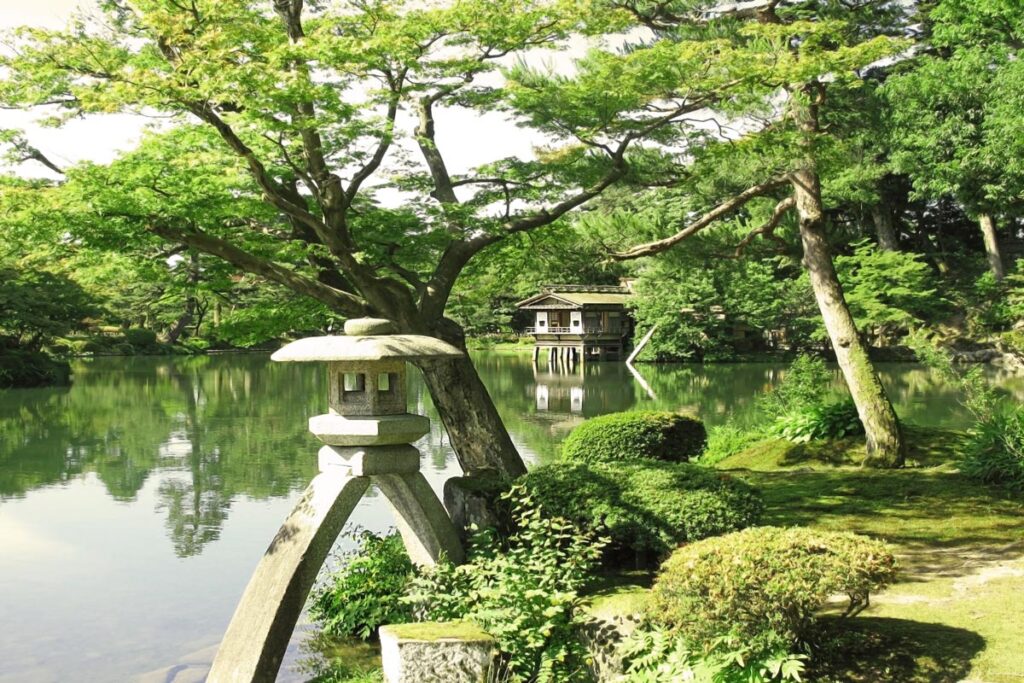
Kenrokuen
Higashi Chaya District
21st Century Museum of Contemporary Art
Top destinations in Chubu/Hokuriku
Gifu
Nagano
Aichi