



Himeji Castle
Himeji Castle Japan Travel Guide for First-Time Visitors
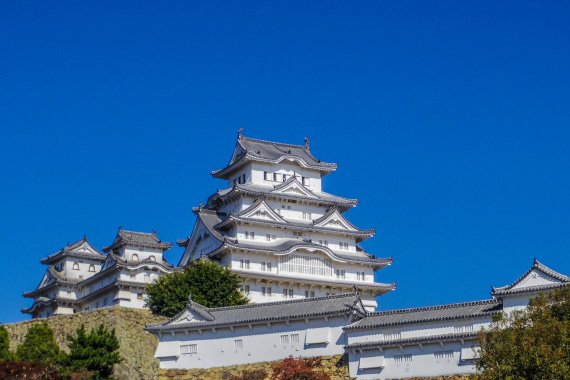
Photos are for illustrative purposes only.
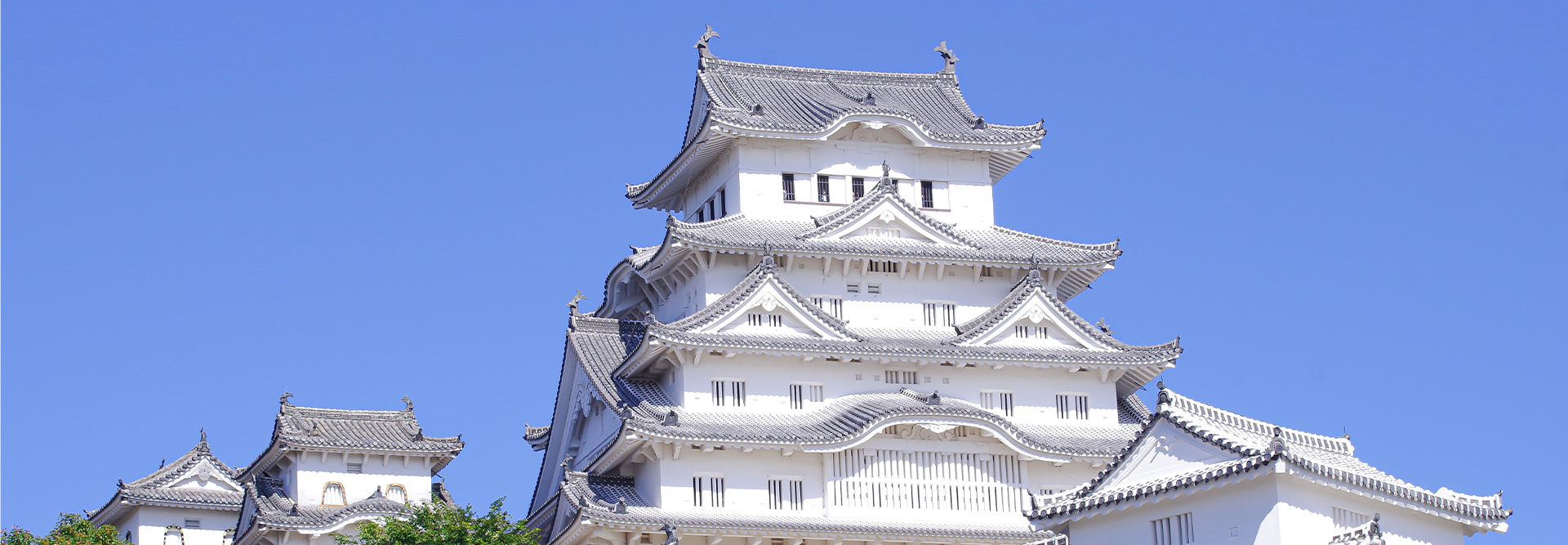
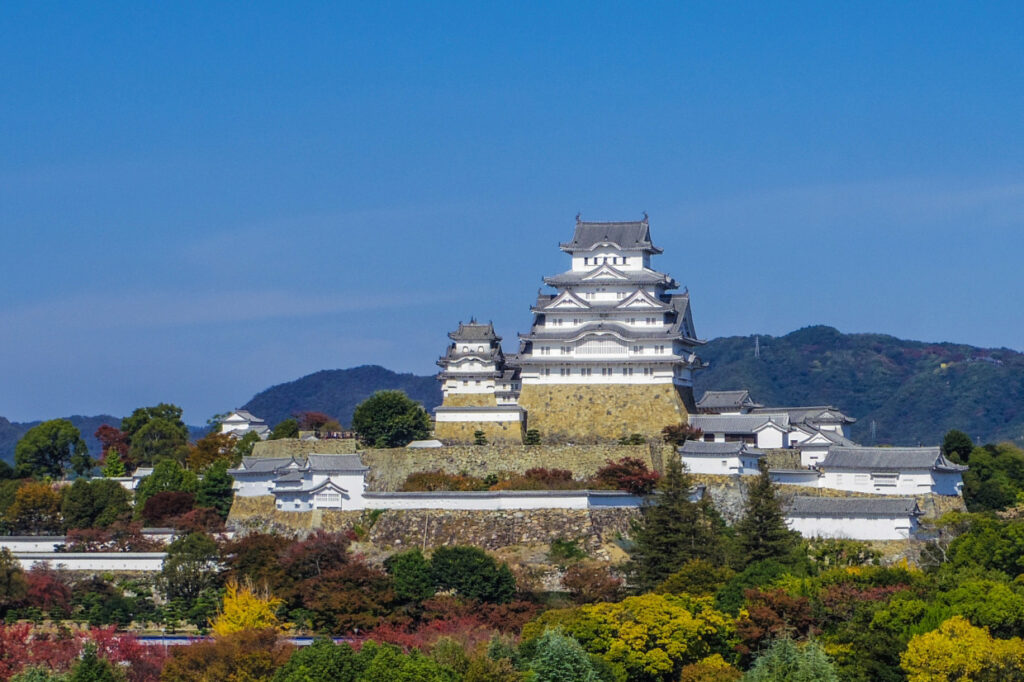
Himeji Castle is often described as Japan’s most beautiful castle, and the moment you see it gleaming white above the city, you will understand why. Also known as the “White Heron Castle” for its elegant, bird-like silhouette, this UNESCO World Heritage site is one of the very few original castles left in Japan. For first-time visitors, it offers an unforgettable introduction to Japanese history, architecture, and seasonal beauty.
Why Himeji Castle Belongs on Your Japan Itinerary
Many castles in Japan are modern concrete reconstructions, but Himeji Castle is largely original. The main keep and much of the complex survived wars, earthquakes, and even World War II air raids. When you walk through its wooden corridors and steep stairways, you are stepping into a 400-year-old fortress that still feels authentic and atmospheric.
For international travelers, Himeji Castle is also practical to visit. It lies directly on the main Shinkansen (bullet train) line between Osaka, Kyoto, and Hiroshima, making it an easy half-day or full-day trip. Combine this with a beautifully restored castle, landscaped gardens, and sweeping city views, and Himeji becomes one of the most rewarding side trips in western Japan.
A Brief History of Himeji Castle
The origins of Himeji Castle reach back to the 14th century, but the castle you see today was largely completed in the early 1600s during the feudal Edo period. It served as a stronghold for regional lords (daimyo) who governed the surrounding domain on behalf of the shogun in Edo (modern Tokyo).
The castle’s appearance is graceful, but it was built for war. Its white plastered walls are not just beautiful; they are fire-resistant. Complex defensive features such as twisting paths, hidden gates, and narrow openings for archers and gunmen reflect a time when controlling this hilltop meant controlling the entire region.
Remarkably, Himeji Castle escaped demolition during Japan’s rapid modernization in the late 19th century, when many castles were dismantled. It also survived serious bombing during World War II, even though the surrounding city was heavily damaged. In 1993, it was registered as a UNESCO World Heritage site, recognized as the finest surviving example of Japanese castle architecture.
What to Expect When You Visit
The castle complex is larger than it first appears. The brilliant white main keep rises on a hill at the center, but it is surrounded by layered walls, gates, turrets, and baileys. Visiting usually involves a gradual climb up to the keep, followed by an interior tour and time to explore the grounds.
The Iconic Castle View
From Himeji Station, a broad main street leads directly toward the castle. As you walk, the keep gradually comes into view, perfectly framed by city buildings. This is one of the classic photographs of Himeji, especially on clear days when the white walls contrast against a blue sky.
Passing Through the Castle Gates
The official paid area begins after you pass through the large Otemon Gate and cross the wide, open courtyard that once served as an outer defensive zone. From here, you will follow a winding path through a series of smaller gates. The route is intentionally confusing, designed to slow down invaders and expose them to defenders above.
As a visitor, this creates a sense of discovery. You will walk uphill on stone paths, turn sharp corners, and pass under massive wooden gates. Try to imagine how intimidating this maze-like structure would have been for approaching samurai.
Inside the Main Keep
The main keep (tenshu) is the most impressive part of Himeji Castle. It stands six stories tall, though the interior is counted as seven floors, including a hidden level used for storage and defense. Inside, you will find polished wooden floors, massive support pillars, and small displays of historical weapons, armor, and construction tools.
Do not expect ornate interiors or lavish furnishings. Feudal castles were practical military facilities, and much of the decoration has been lost to time. The appeal here is the architecture itself: huge beams joined without nails, narrow staircases worn smooth by centuries of footsteps, and small openings once used by archers.
The climb involves several flights of steep, narrow wooden stairs. Visitors must remove their shoes at the entrance to the keep, so wear easy-to-remove footwear and socks. At the top, you are rewarded with panoramic views over Himeji city, the surrounding hills, and, on clear days, out toward the Inland Sea.
Defensive Secrets and Castle Details
As you explore, watch for small rectangular and circular openings in the walls. These are sama, or loopholes, used for firing arrows and matchlock guns. Their shape reveals which weapons they were designed for. You will also notice stone-drop openings above gateways, where defenders could drop stones or boiling water on attackers.
The iconic curved roofs feature ornate tilework and family crests. The white plaster that covers the walls is a mix of lime, sand, and seashell powder, highly resistant to fire. This combination of aesthetics and functionality is a hallmark of Japanese castle design.
Best Time of Year to Visit Himeji Castle
Himeji Castle is open year-round, and each season offers a different atmosphere. When planning your trip, consider how the weather and seasonal events will shape your experience.
Spring: Cherry Blossoms and Festival Atmosphere
Spring, particularly late March to early April, is the most popular time to visit. The castle grounds are filled with cherry trees, and during peak bloom the white walls seem to float above a sea of pink blossoms. Locals and visitors gather for hanami (flower-viewing picnics), creating a festive but crowded atmosphere.
If you visit in cherry blossom season, try to arrive early in the morning to avoid the longest lines. Tickets sometimes sell out or require waiting during this peak period, and the interior of the keep can become quite congested.
Autumn: Clear Skies and Colorful Leaves
Autumn (late October to late November) offers cooler temperatures, crisp air, and steady blue skies that are perfect for photography. Maple and ginkgo trees around the castle and nearby gardens turn shades of red and gold. While it can still be busy, autumn crowds are generally more manageable than during cherry blossom season.
Summer and Winter Visits
Summer can be hot and humid, and climbing within the wooden keep can feel stuffy, especially in the afternoons. However, longer daylight hours mean more time to explore, and summer skies after rain can be dramatically beautiful.
Winter brings a quieter, more contemplative atmosphere. On rare days, a light dusting of snow transforms the castle into a fairytale scene. Wear warm layers and non-slip shoes, as the stone paths can be cold or icy.
Tickets, Opening Hours, and Practical Tips
Himeji Castle operates with set opening hours and a ticketed entrance to the main grounds and interior. Details may change, so check local tourism information before your visit, but the following guidelines will help you plan.
Opening Hours
Typically, the castle is open from morning to late afternoon, with last admission about one hour before closing. In busy periods such as cherry blossom season or national holidays, entry may be limited when capacity is reached, and you may be given a timed entry slot.
Tickets and Combined Admission
Tickets are sold at the main entrance area. There is a standard admission fee for Himeji Castle itself, and visitors can often purchase a combined ticket that includes entry to Koko-en Garden, a beautiful Japanese garden located just west of the castle. The combined ticket is excellent value if you have at least an extra hour to explore the garden.
Payment methods can include cash and, increasingly, major credit cards or electronic payments, but it is still wise to carry some Japanese yen, especially for small purchases such as lockers or snacks.
What to Wear and Bring
- Footwear: You must remove your shoes to enter the main keep. Wear socks and shoes that are easy to take off and put on.
- Mobility: There are many steps and uneven surfaces; the main keep is not barrier-free. If you have mobility issues, you can still enjoy the exterior views and lower grounds.
- Luggage: Avoid bringing large suitcases. Use station coin lockers or ask your hotel to store them. Some small lockers may be available near the entrance.
- Weather protection: In summer, carry water, a hat, and sun protection. In the rainy season, pack an umbrella or raincoat; some areas are exposed.
How to Get to Himeji Castle
Himeji is one of the easiest major sights to reach by public transport, especially if you are using a Japan Rail Pass.
From Osaka, Kyoto, and Hiroshima
- From Osaka (Shin-Osaka Station): The Shinkansen takes around 30 minutes to Himeji Station.
- From Kyoto: Direct Shinkansen trains typically take about 45–55 minutes.
- From Hiroshima: The Shinkansen ride is about 60–90 minutes, depending on the train type.
Himeji Station is on the major Sanyo Shinkansen line. Once you arrive, the castle is about a 15–20-minute walk straight up the broad main avenue, or a short bus or taxi ride if you prefer not to walk.
Walking from Himeji Station
Exit the station from the north side, and you will see the castle in the distance, centered at the end of the street. The walk is level, with wide sidewalks and plenty of shops and cafes along the way. This simple, direct route makes Himeji one of the most stress-free castle visits in Japan for first-timers.
Don’t Miss: Koko-en Garden Next Door
After exploring the castle, many visitors head directly back to the station. If you have time, consider visiting Koko-en Garden, located just west of the castle’s main gate. This beautifully designed Japanese garden complex is composed of several smaller gardens, each with a different style, such as a tea garden, a bamboo grove, and a pond garden with koi carp.
Koko-en offers a peaceful contrast to the crowds at the castle. Strolling along its stone paths, listening to waterfalls, and watching koi glide beneath wooden bridges provides a chance to slow down and reflect on your day. Traditional tea experiences are sometimes available, allowing you to sit in a tatami room and sip matcha while overlooking the garden.
Nearby Food and Local Specialties
The area around Himeji Station and the route to the castle offer plenty of dining options. You will find casual noodle shops, izakaya (Japanese-style pubs), and small cafes. Look for regional specialties such as conger eel dishes, local sake from the wider region, and simple home-style set meals (teishoku).
If you are short on time, it is easy to grab a quick bowl of udon or soba noodles near the station before or after your visit. Convenience stores around the station also sell snacks and drinks if you want a light picnic in approved areas outside the castle grounds.
Cultural Etiquette and Visitor Manners
Himeji Castle is not only a tourist attraction but also a precious cultural property. Following a few simple etiquette points will help preserve it and ensure a pleasant experience for everyone.
- Follow staff directions: During busy times, staff may control the flow of visitors, especially inside the main keep. Wait patiently if asked.
- Respect the building: Do not lean on or scratch wooden pillars or walls. Historic wood can be easily damaged.
- No eating inside: Food and drink are not allowed in the castle interior. Finish snacks before entering or enjoy them outside designated areas.
- Photography: Photography is generally allowed, but avoid flash in sensitive areas and be mindful of other visitors when using tripods or large cameras.
- Quiet atmosphere: Keep noise to a reasonable level, particularly in narrow stairways and viewing areas where sound echoes.
Suggested Itineraries for First-Time Visitors
Because Himeji is so accessible, it fits easily into various Japan travel plans. Here are a few simple suggestions:
Half-Day Trip from Osaka or Kyoto
- Morning Shinkansen to Himeji
- Walk to Himeji Castle, tour the interior and grounds
- Optional visit to Koko-en Garden
- Lunch near the station
- Return to Osaka or Kyoto by mid-afternoon or early evening
Full-Day Himeji Exploration
- Arrive early to beat the crowds
- Explore the castle at a relaxed pace
- Visit Koko-en Garden and enjoy tea
- Stroll around the surrounding streets and shopping arcades
- Dinner in Himeji before taking the train back
Final Thoughts: Experiencing Japan’s Most Beautiful Castle
For many travelers, Himeji Castle becomes one of the most vivid memories of their trip to Japan. Its soaring white walls, maze-like defenses, and atmospheric wooden interiors offer a powerful glimpse into the country’s feudal past. Yet it is also easy to visit, with straightforward transport connections and clear signage for international guests.
Whether you are based in Osaka, Kyoto, or Hiroshima, adding Himeji Castle to your itinerary rewards you with a world-class heritage site that balances history, architecture, and natural beauty. Plan ahead for your preferred season, wear comfortable shoes, and give yourself time not just to climb the keep, but to pause, look out over the city, and imagine the centuries of stories contained within these walls.

Access Map
Recommended spots in Hyogo
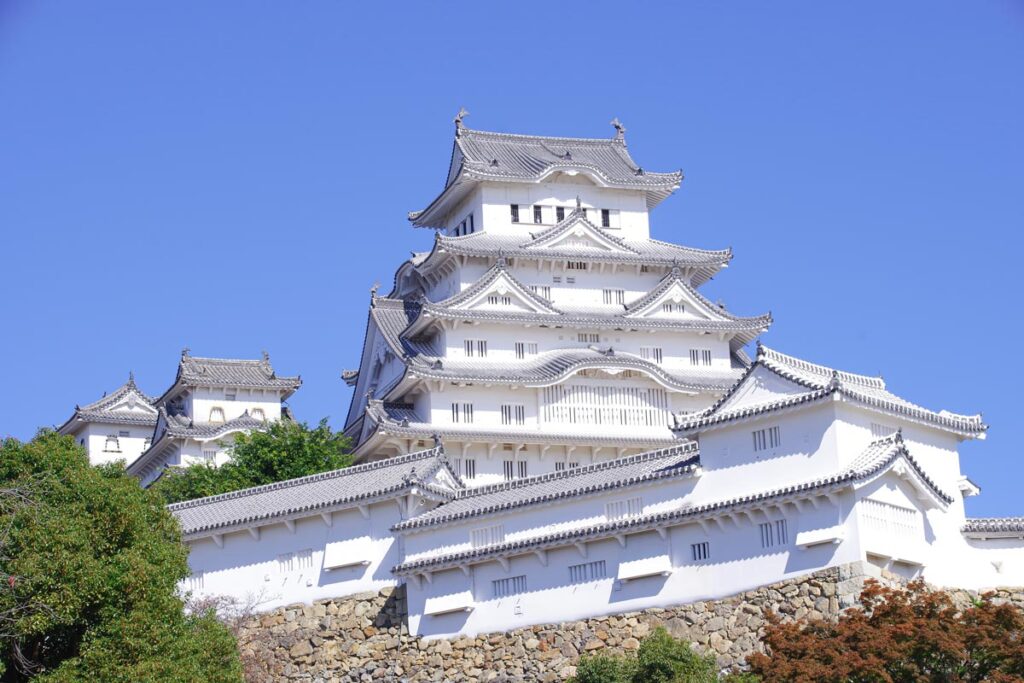
Himeji Castle
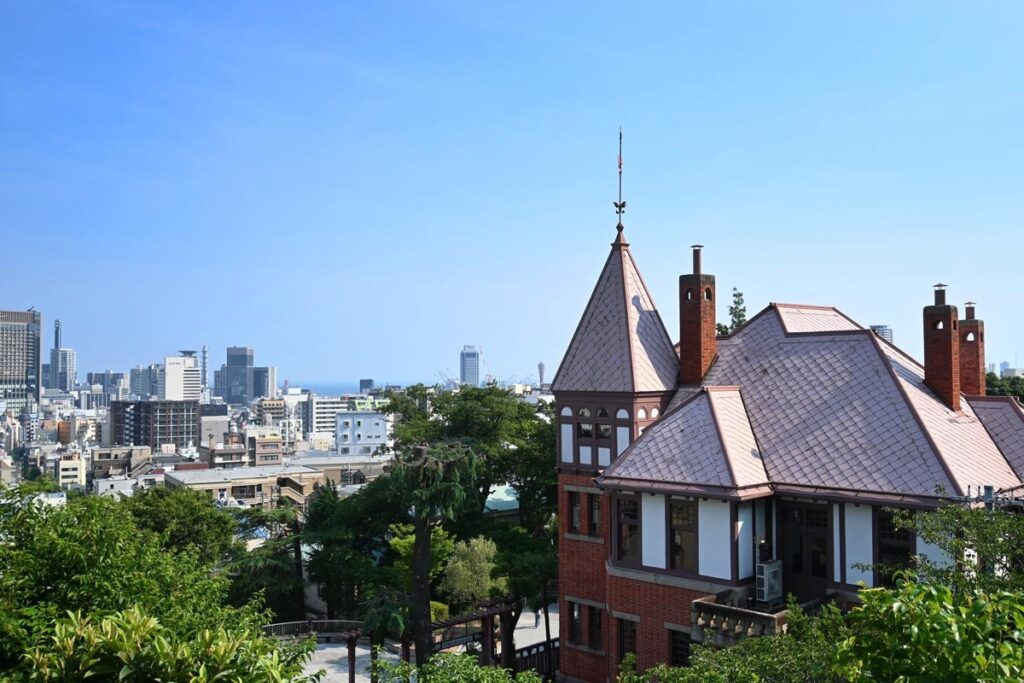
Kitano Ijinkan District