
Hiroshima Castle
Hiroshima Castle: A Samurai Fortress Reborn in the Heart of the City
Photos are for illustrative purposes only.
Hiroshima is known worldwide for its Peace Memorial Park and the story of the atomic bombing. But just a short walk from the modern city center stands another powerful symbol of Hiroshima’s history and resilience: Hiroshima Castle. For first-time visitors to Japan, this reconstructed samurai stronghold offers an accessible introduction to feudal Japan, castle architecture, and the city’s rebirth.
A Brief History of Hiroshima Castle
Hiroshima Castle, sometimes called the “Carp Castle” (Rijō), was first built in the late 16th century by powerful warlord Mōri Terumoto. The castle became the political and economic center of the region, surrounded by a bustling castle town that eventually grew into the modern city of Hiroshima.
Like many Japanese castles, Hiroshima Castle was not only a military structure but also a symbol of authority and culture. It contained residential quarters for the ruling clan, administrative spaces for government affairs, shrines, and storehouses. The moats and layered walls reflected both defense and status: the closer you came to the inner compound, the closer you moved to political power.
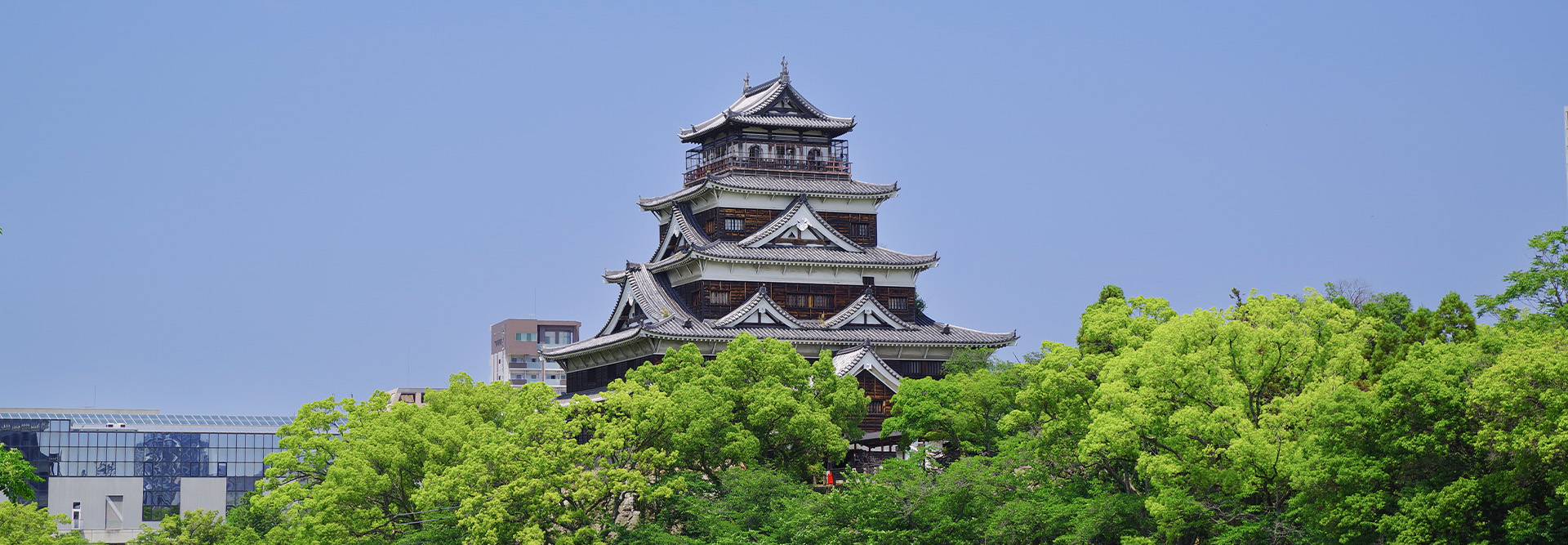
The original castle keep and much of the surrounding complex were destroyed by the atomic bomb on August 6, 1945. What stands today is a careful reconstruction completed in 1958, with additional restorations and improvements over time. Instead of simply recreating the past, the rebuilt keep now serves as a museum focused on Hiroshima’s castle town era, samurai culture, and the city’s evolution.
Why Hiroshima Castle Belongs on Your Japan Itinerary
For many international visitors, Hiroshima is a day trip destination for the Peace Memorial Park and museum. Hiroshima Castle adds a different, complementary dimension to your visit. It shows that Hiroshima was an important cultural and political center long before the 20th century and offers insights into daily life in a feudal castle town.
Compared to Japan’s grandest castles like Himeji or Matsumoto, Hiroshima Castle is more compact and less crowded, making it ideal for first-time travelers. Information displays are generally accessible, the grounds are easy to walk, and the experience fits comfortably into a half-day or even a relaxed 1–2 hour visit.
Exploring the Castle Grounds
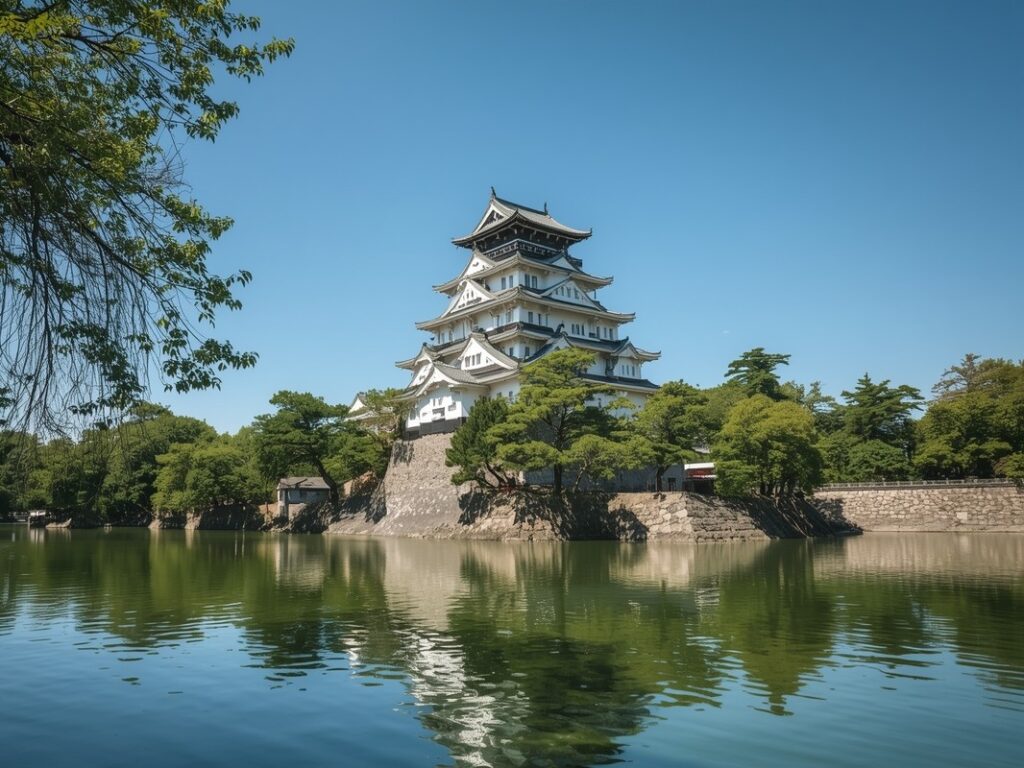
The castle stands on a slightly elevated island surrounded by a broad moat, edged with stone walls and shaded by trees. Once you step onto the castle grounds, the modern city softens into the background and you get a taste of old Hiroshima.
The Moat and Stone Walls
The moat, filled with still water and occasionally carp, traces the former defensive perimeter. In feudal times, this would have slowed enemy advances and controlled access to the inner compound. Today, it offers peaceful reflections of the reconstructed keep and is a favorite spot for photographers, especially in the soft light of early morning or late afternoon.
The stone walls, built in the traditional nozurazumi style with irregularly shaped rocks fitted together, reveal Japan’s skill in castle construction. Look closely and you may see small plants growing between the stones, hints of nature gradually reclaiming the structure.
Gates and Turrets
As you enter through the main gate, you’ll notice how the path turns and narrows. This design was intentional: enemies could not rush in a straight line, and defenders in turrets above had clear angles for attack. Some turrets and gate structures have been reconstructed to give visitors a sense of the original defensive layout.
Even if you don’t enter the keep, walking the grounds is worthwhile. Benches under large trees provide quiet resting spots, and from certain angles you can frame the traditional wooden tower against modern buildings in the distance—an image that encapsulates Hiroshima’s layered history.
Seasonal Highlights Around the Castle
Hiroshima Castle is especially attractive in spring and autumn:
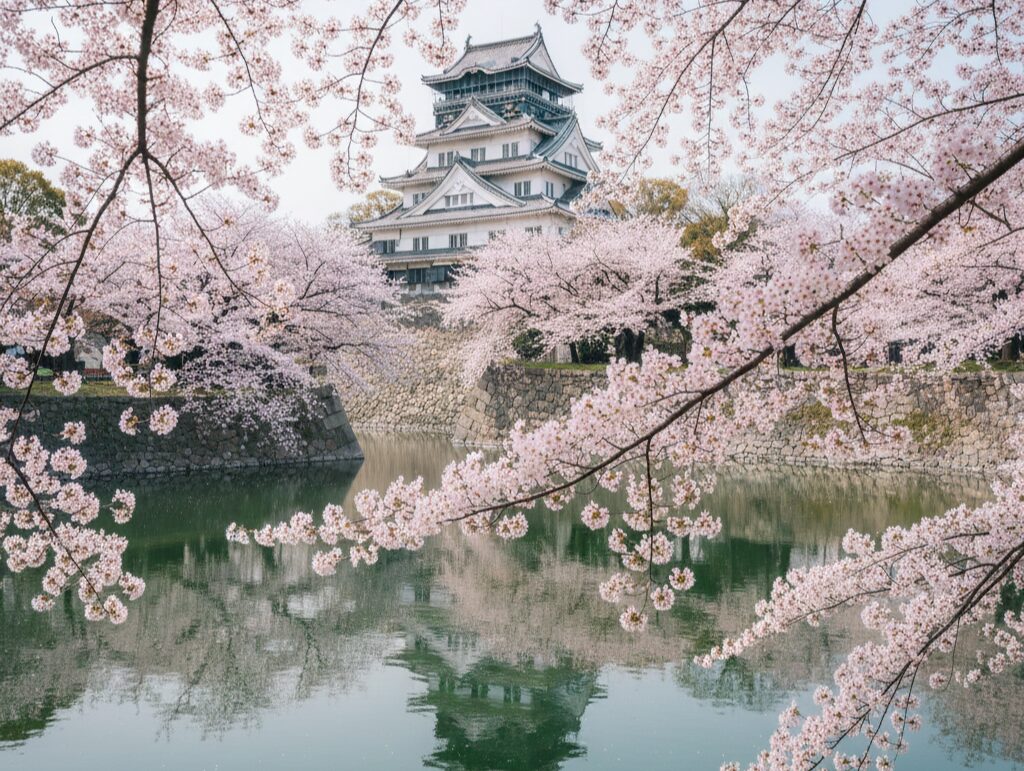
- Spring (late March to early April): Cherry blossoms transform the moat and grounds into one of the city’s prettiest hanami (flower viewing) spots. The contrast of pink blossoms and the dark wooden keep makes for iconic photos.
- Autumn (late October to late November): Maples and ginkgo trees around the castle turn warm shades of red and gold, creating a beautiful backdrop for the keep and stone walls.
In summer, the shade of the trees and the breeze over the water make the grounds a pleasant escape from the city heat, while winter offers quieter paths and clear skies that highlight the castle’s silhouette.
Inside the Keep: Hiroshima’s Castle Museum
The five-story main keep is a modern reconstruction on the outside, made to resemble the original wooden tower, but the interior functions as a museum. It focuses on the history of the castle and the surrounding castle town, as well as samurai culture in Hiroshima.
Exhibits on Samurai Life
Several floors are dedicated to arms, armor, and daily objects used by samurai families. You can expect to see:
- Displays of swords, spearheads, and firearms introduced in later periods
- Samurai armor, helmets, and clothing, often richly decorated
- Household items that reveal the refined lifestyle of higher-ranking retainers
Many panels explain how the samurai class functioned not only as warriors but also as administrators and bureaucrats. This helps first-time visitors understand that Japanese castles were centers of government, not simply battle fortresses.
Hiroshima as a Castle Town
Other sections of the museum explore how Hiroshima grew around the castle. Maps and models show the layout of the old town: districts for merchants and artisans, samurai residences, and waterways used for transport. You’ll gain a sense of how the city’s river network and coastal location contributed to its prosperity.
Some exhibits also trace the transformation from feudal domain to modern city, connecting the castle-era Hiroshima to the industrial and military hub it became by the early 20th century.
Hands-On Experiences
One of the most enjoyable aspects for many visitors is the opportunity to try on replica samurai helmets or simple armor pieces for photos (availability can vary). These interactive corners make the museum easy to enjoy even if you’re traveling with children or don’t usually visit museums.
Labels often include at least some English, and the visual nature of the exhibits means you can still appreciate much even if you don’t read every panel.
Panoramic Views from the Top Floor
The museum culminates in an observation deck at the top of the keep. From here, you can look out across the moat, treetops, and modern skyline of Hiroshima. On clear days you’ll see:
- The grid of streets radiating from the old castle area
- The rivers merging as they flow towards the Inland Sea
- Distant mountains framing the city
This panoramic view vividly shows how the castle once dominated the landscape and how Hiroshima has rebuilt and expanded since the mid-20th century. It’s a subtle but moving reminder of the city’s resilience.
Practical Visitor Information
Location and Access
Hiroshima Castle is centrally located and easy to reach by public transport. It sits just north of Hiroshima’s main downtown area and can be combined with other major sites in a single day.
General access tips:
- From Hiroshima Station: It’s roughly a 15–20 minute walk, or a few minutes by local tram and then a short walk from the nearest stop.
- From Peace Memorial Park: Expect about a 15–20 minute walk through the city center, making it convenient to visit before or after the Peace Museum.
If you’re using an IC card like Suica or PASMO (increasingly accepted nationwide), you can tap on Hiroshima’s trams. Otherwise, pay in cash at the fare box when you exit.
Opening Hours and Tickets
The castle grounds are generally open throughout the day and can be enjoyed for free as a public park. However, there is an admission fee for entering the main keep and museum. Opening hours typically cover late morning to late afternoon, with last entry a short time before closing.
Because times and fees can change, check the latest information on Hiroshima’s official tourism channels or at your hotel before visiting, especially around New Year holidays or during special events.
Facilities and Accessibility
The castle grounds are mostly flat, with paved or well-maintained paths, making them manageable for most visitors. Inside the keep, there are stairs between floors, as in many traditional-style castles, so be prepared for some climbing. Comfortable shoes are strongly recommended.
Nearby you’ll find public restrooms, vending machines, and convenience stores, typical of Japanese municipal parks. If you’re planning a longer visit, consider bringing a drink and light snack, but remember to use trash bins or take your rubbish with you—public litter bins can be limited in Japan.
How to Combine Hiroshima Castle with Other Sights
For first-time visitors to Hiroshima, a well-balanced day could include:
- Morning: Visit Hiroshima Peace Memorial Museum and Peace Memorial Park, allowing time for reflection.
- Midday: Lunch in the downtown area, perhaps trying Hiroshima-style okonomiyaki, the city’s famous savory pancake.
- Afternoon: Walk or take a tram to Hiroshima Castle, explore the grounds, and visit the museum and observation deck.
If you have two days in Hiroshima, consider combining Hiroshima Castle with a trip to Miyajima Island on a separate day, giving you time to appreciate both the city’s spiritual and historical sides.
Tips for First-Time Travelers to Japan Visiting Hiroshima Castle
To make your visit smoother and more rewarding, keep these points in mind:
- Cash and Cards: Admission is often paid in cash at smaller museums and attractions. Carry some yen coins and small notes, even if you typically use cards.
- Footwear: You’ll be on your feet and climbing stairs in the keep. Wear comfortable walking shoes and avoid very heavy luggage or large backpacks when entering.
- Photography: Taking photos is generally allowed in most parts of the grounds and observation deck. Some interior exhibits may have restrictions, so always check the signs.
- Weather: Summer can be hot and humid; bring water, sunscreen, and a hat. In rainy seasons, an umbrella or compact rain jacket will make walking the grounds more pleasant.
- Language: Staff may speak limited English, but signage, maps, and visual displays will usually be enough to guide you. Downloading an offline translation app can help with any Japanese-only explanations.
Understanding Hiroshima Beyond the 20th Century
Visiting the Peace Memorial Park is an essential experience in Hiroshima, but the story of the city is much longer and richer than one tragic day in history. Hiroshima Castle helps fill in that larger picture. It connects you to the period when lords governed from fortified hilltops, samurai both fought and administered, and castle towns grew into regional centers of trade and culture.
Standing on the observation deck, you can imagine the original feudal city spread out below, then shift your gaze to the bustling modern streets. The rebuilt castle keep is a reminder that while physical structures can be destroyed, a city’s spirit and culture can endure and adapt.
Is Hiroshima Castle Worth Visiting?
For first-time travelers to Japan, Hiroshima Castle is absolutely worth including in your plans, especially if you’re already visiting Hiroshima for the Peace Memorial Park. It is:
- Compact and easy to explore in a short time
- Rich in historical context and samurai culture
- Visually striking, especially in cherry blossom or autumn foliage season
- Less crowded than some of Japan’s more famous castles, offering a calmer experience
Whether you’re interested in feudal history, architecture, or simply want a beautiful green space to balance your day in Hiroshima, the castle provides a meaningful and memorable glimpse into another layer of Japan’s past.
Include Hiroshima Castle in your itinerary, and you’ll leave the city with a fuller understanding of its story—from samurai stronghold to modern metropolis, from destruction to renewal.

Access Map
Recommended spots in Hiroshima
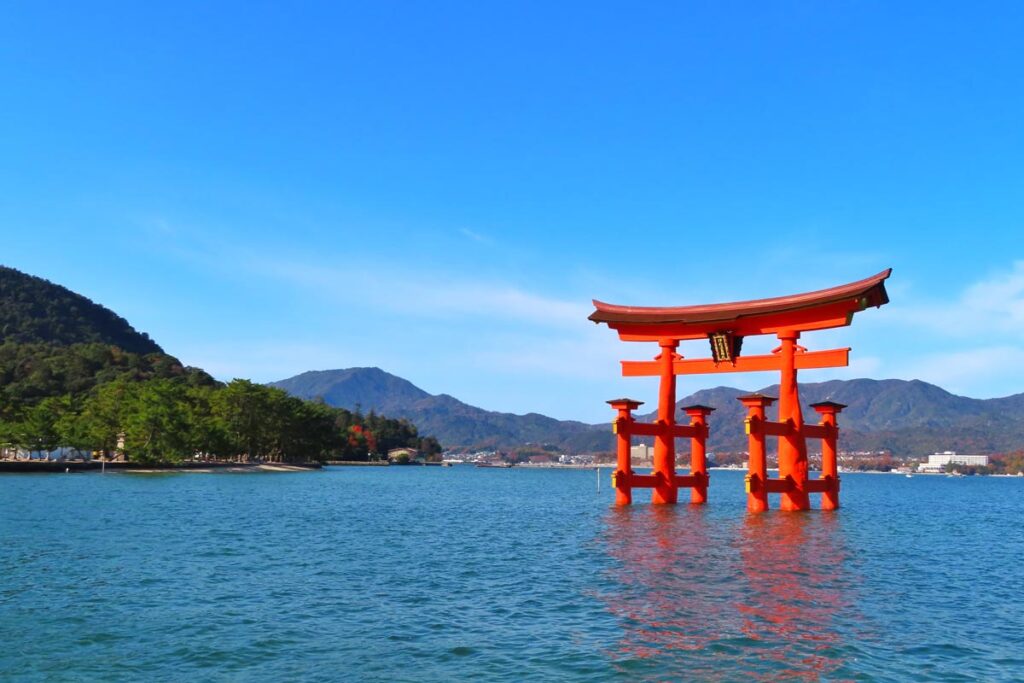
Miyajima (Itsukushima Shrine)
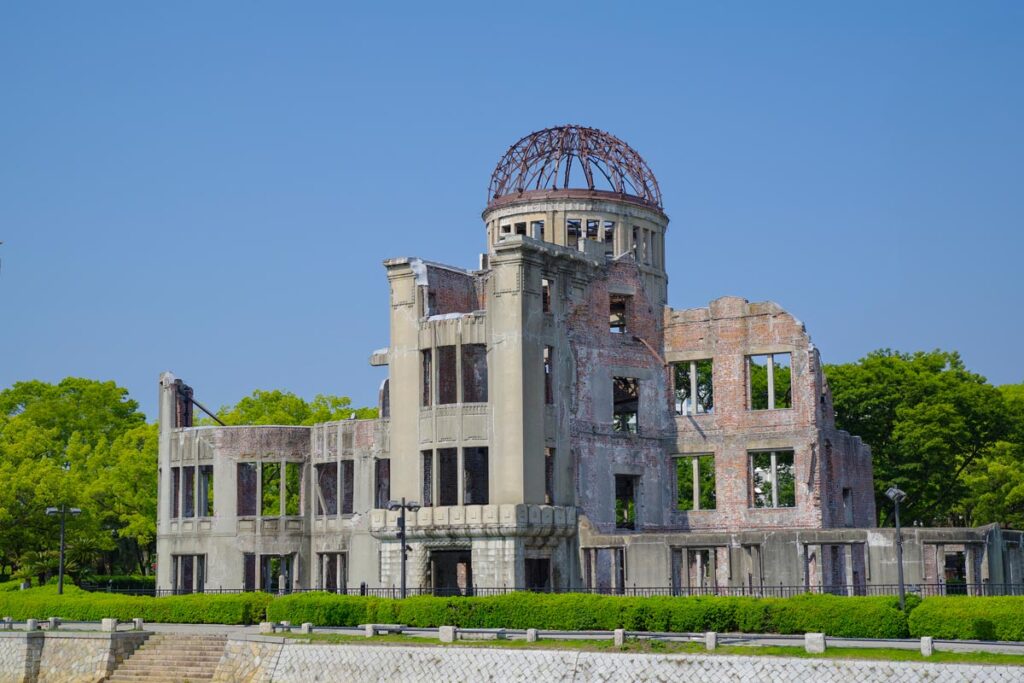
Atomic Bomb Dome
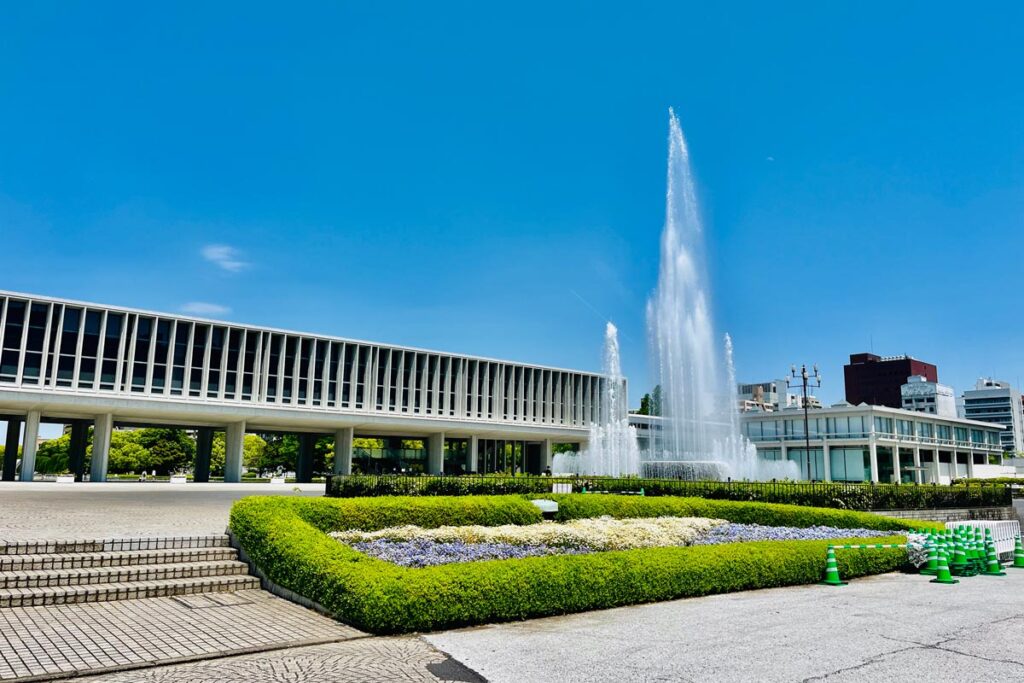
Hiroshima Peace Memorial Museum
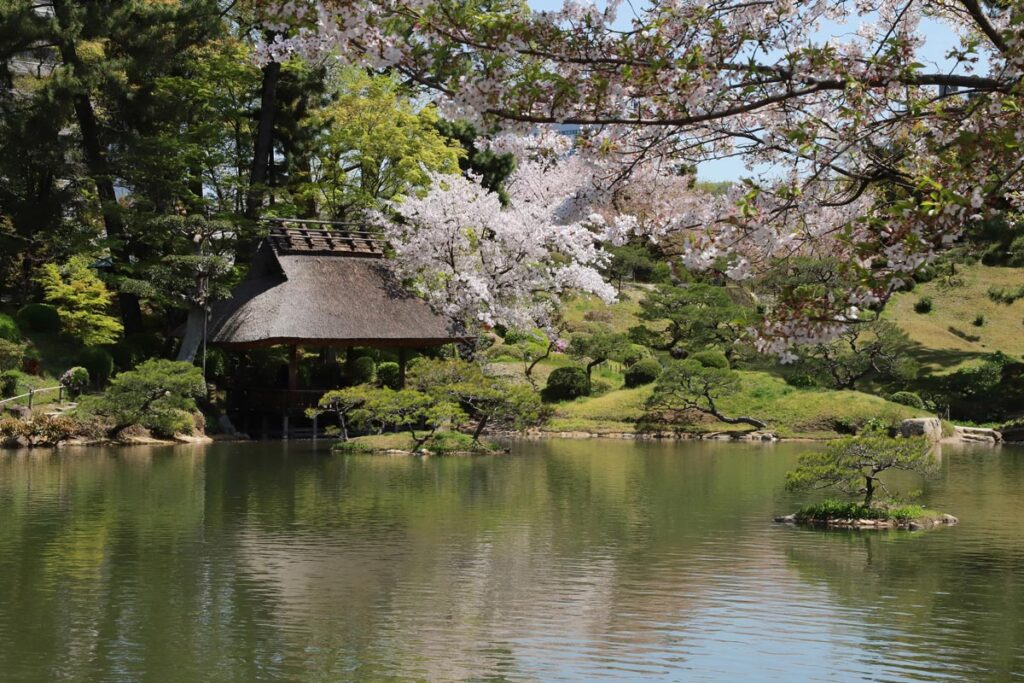
Shukkeien Garden
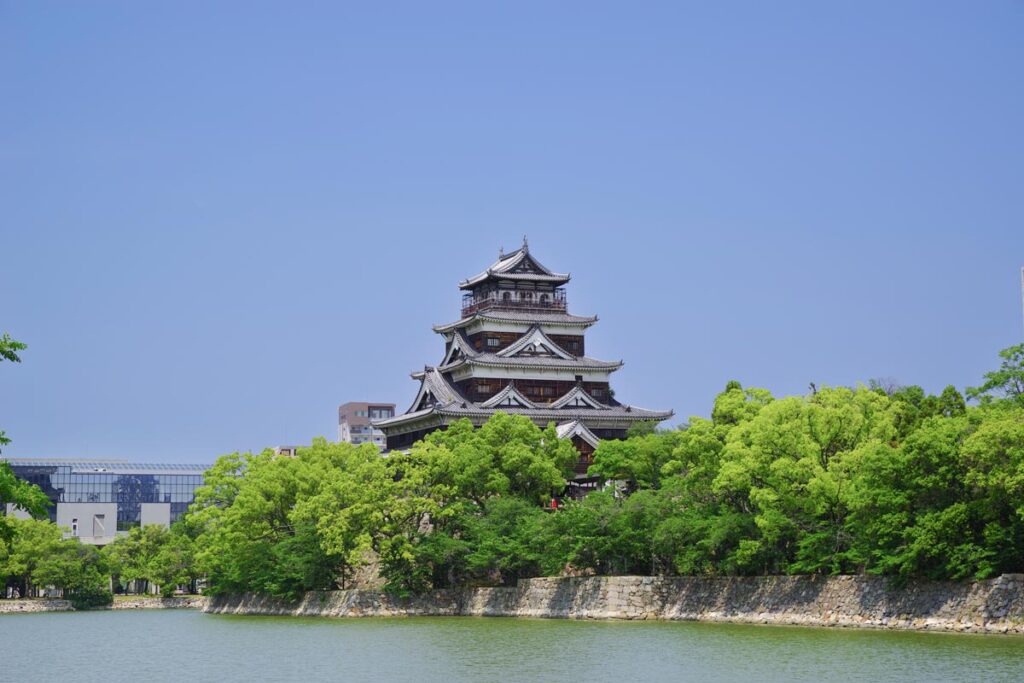
Hiroshima Castle
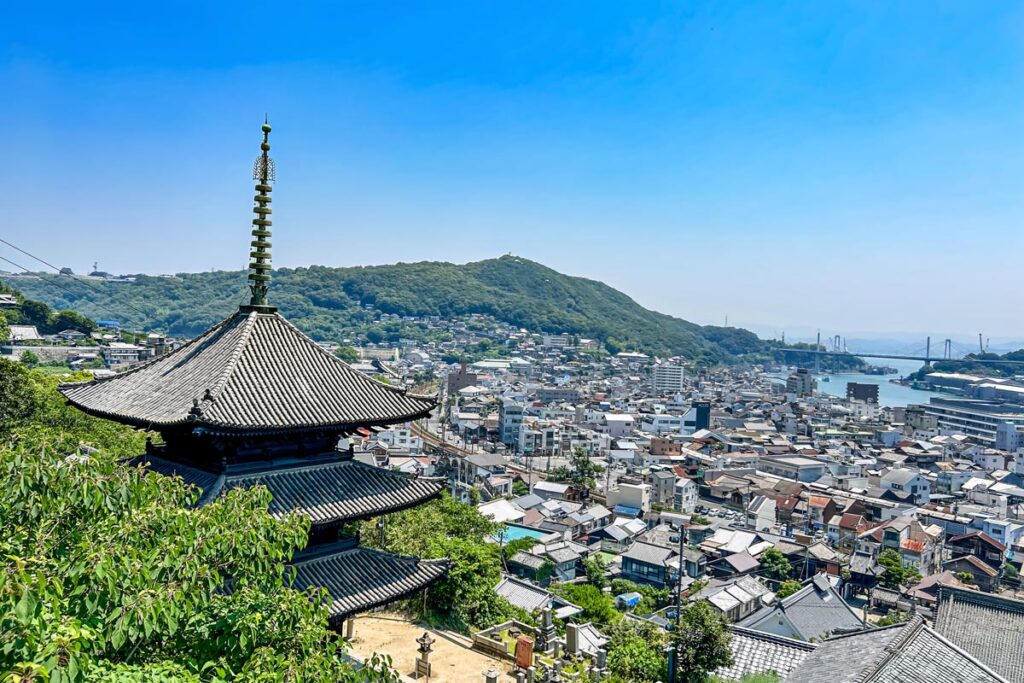
Onomichi

Okonomi-mura
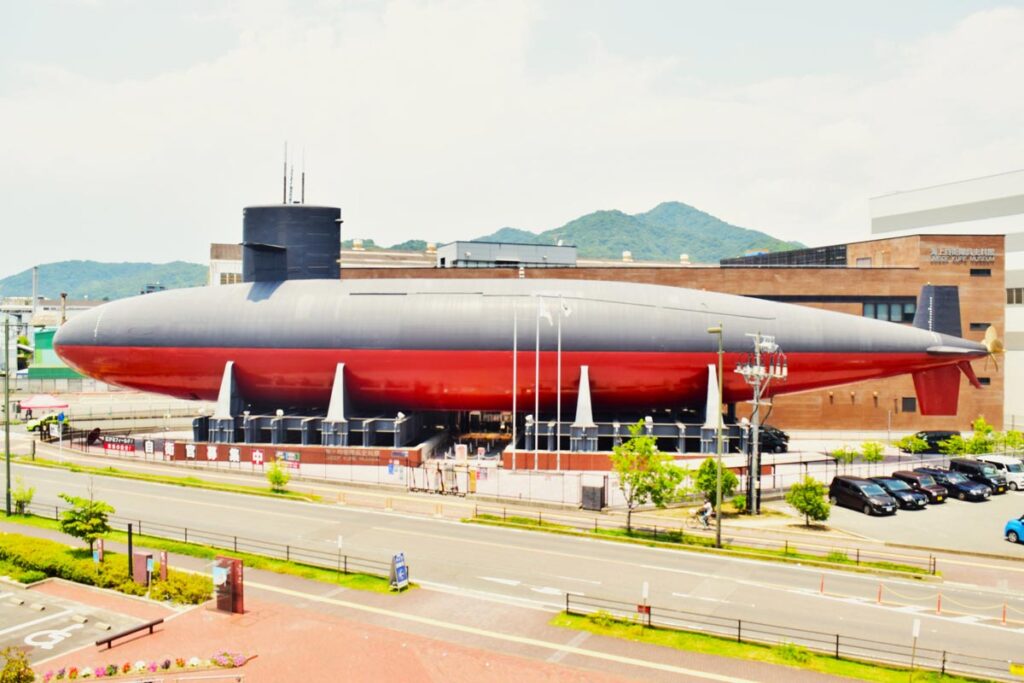
Kure

Okunoshima Island