
Hiroshima Peace Memorial Museum
Visiting Hiroshima’s Peace Memorial Museum: A First‑Timer’s Guide
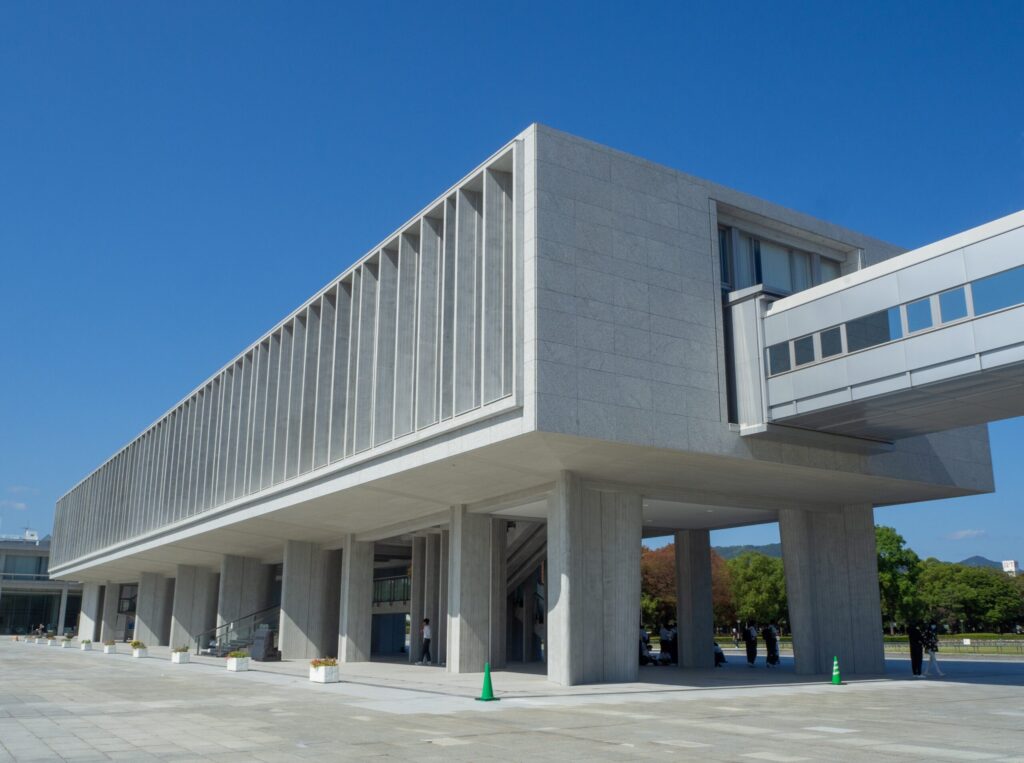
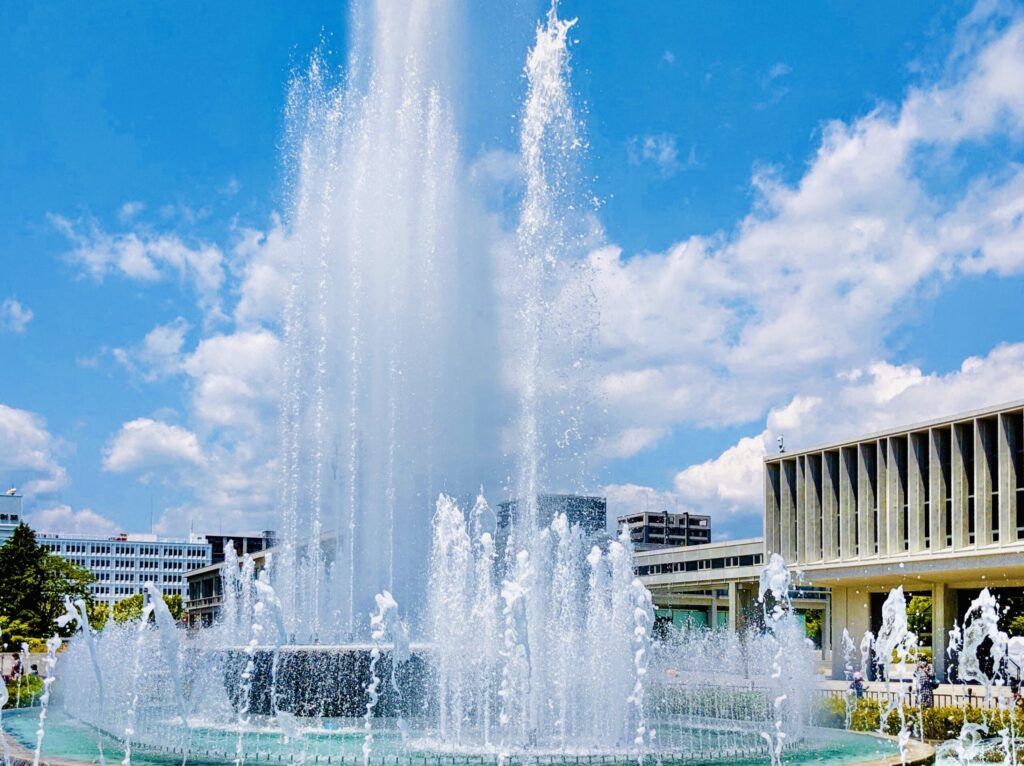
Hiroshima’s Peace Memorial Museum is one of the most powerful places you can visit in Japan. More than a tourist attraction, it is a moving memorial, a history museum, and a global call for peace. For many international travelers, a day in Hiroshima becomes the emotional center of their entire Japan trip.
This guide explains what to expect, how to visit respectfully, and how to make the most of your time at the Peace Memorial Museum and the surrounding Peace Memorial Park.
Why the Peace Memorial Museum Matters
On August 6, 1945, at 8:15 a.m., the world’s first atomic bomb used in war exploded over Hiroshima. In seconds, a vibrant city was reduced to ruins and tens of thousands of lives were lost. The museum stands where the city’s heart once beat, preserving the memories of those who suffered and advocating for the abolition of nuclear weapons.
Unlike many war museums that focus on military strategy, the Peace Memorial Museum centers on ordinary people: schoolchildren, shopkeepers, office workers, families. Through their stories, the museum transforms a historic event into something deeply human and immediate.
Where the Museum Is and How to Get There
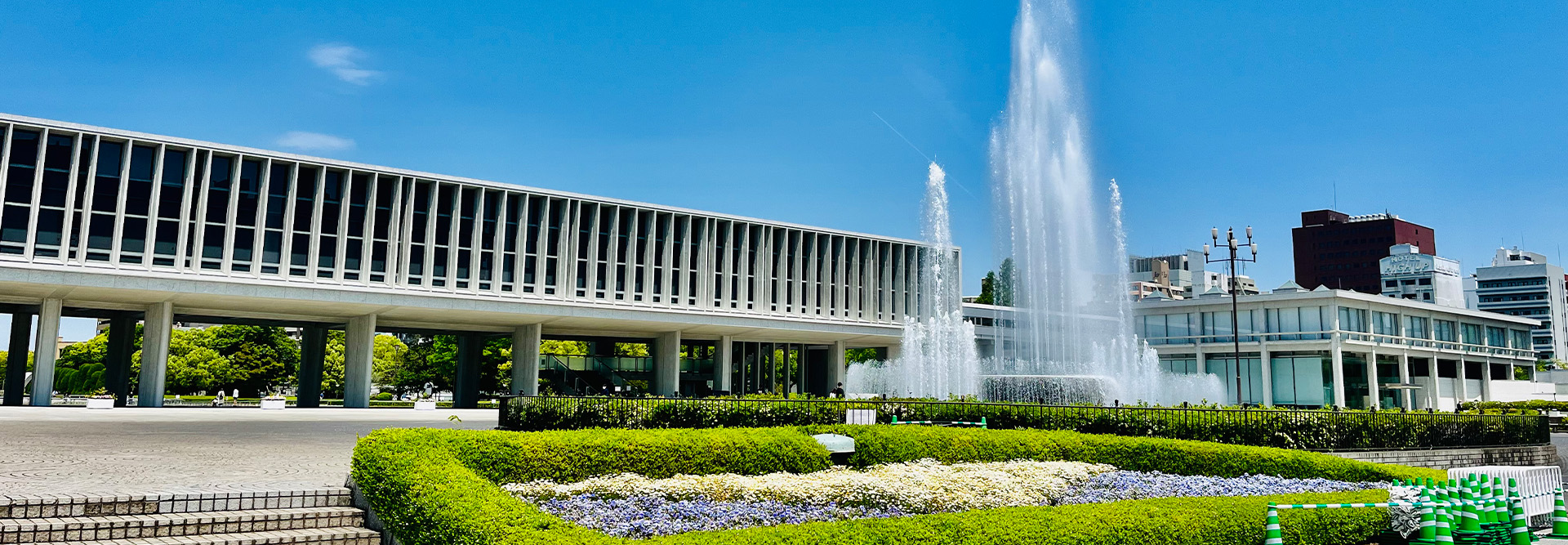
The Peace Memorial Museum is located inside Hiroshima Peace Memorial Park, a green, riverside area in central Hiroshima. It is easy to reach from major Japanese cities.
From Tokyo, Osaka, and Kyoto
By Shinkansen (Bullet Train)
- From Tokyo: About 4 hours by Shinkansen to Hiroshima Station.
- From Kyoto or Osaka: Around 1.5–2 hours by Shinkansen.
The Japan Rail Pass, if you have one, covers most Shinkansen lines to Hiroshima (except some premium services). From Hiroshima Station, the museum is about 15–20 minutes away by tram or bus.
From Hiroshima Station
- By tram: Take a Hiroshima Electric Railway (streetcar) toward Genbaku‑dōmu‑mae or Hondōri. Get off at Genbaku‑dōmu‑mae (Atomic Bomb Dome) or Hondōri. From either stop, it is about 5–10 minutes on foot through the park.
- By bus or taxi: Local buses and taxis serve Peace Memorial Park directly; taxis are convenient if you are traveling with luggage.
Planning Your Visit
Opening Hours and Best Time to Go
The Peace Memorial Museum is generally open daily, with slight variations in opening times by season. It may close a few days a year for maintenance or New Year holidays, so always check the latest information before you go.
To experience the museum at a calmer pace, try to arrive:
- Right after opening in the morning, or
- Later in the afternoon, allowing around 1.5–2.5 hours inside.
A full visit to the museum and a walk around Peace Memorial Park typically takes half a day. If you are traveling from Osaka or Kyoto, a day trip combining Hiroshima and nearby Miyajima is possible but can feel rushed. Staying one night in Hiroshima allows a more reflective visit.
Tickets and Entry
Entry to the museum is inexpensive by international standards, with a modest admission fee for adults and discounts for students and children. Many visitors are surprised at how affordable it is, reflecting the city’s desire for as many people as possible to hear its message.
Tickets can usually be purchased on-site at vending machines or the ticket counter. At busier times, such as around August 6 or during peak tourism seasons (spring cherry blossom and autumn foliage), you may encounter more visitors, including school groups.
Language Support
The museum is very welcoming to international visitors. Most displays include English explanations, and additional languages are often available via:
- Rental or smartphone-based audio guides
- Multilingual pamphlets and floor maps
- Subtitles on many video displays
Staff are used to helping overseas visitors and can offer basic guidance in English.
What You Will See Inside the Museum
The museum has been renovated several times, but its core mission remains unchanged: to document the reality of the bombing and to share the stories of survivors, known in Japanese as hibakusha. Exhibits are modern, carefully curated, and emotionally powerful.
Overview and Context
You typically begin with sections that explain:
- Hiroshima’s history before the war – a bustling, modern city with schools, shops, trams, and riverside life.
- The global and political situation leading up to 1945.
- Basic information about nuclear weapons and the decision to use the atomic bomb.
This background helps visitors understand that Hiroshima was a living community, not just a military target or a name from a textbook.
The Moment of the Bombing
The heart of the museum focuses on August 6, 1945 itself. Through models, photographs, and testimony, you see:
- The bomb’s epicenter and blast radius overlaid onto an aerial view of the city.
- Time lines marking the precise moment of detonation: 8:15 a.m.
- Before-and-after images showing how entire neighborhoods vanished in an instant.
Many visitors describe this section as overwhelming but important. It is designed to be honest and direct, yet it avoids sensationalism, focusing instead on clarity and impact.
Personal Stories and Artifacts
What many people remember most are the personal belongings left behind. Items such as a child’s uniform, a melted tricycle, or a wristwatch stopped at 8:15 turn history into something intimately real. Explanatory panels often include short biographies: who the person was, what they were doing that morning, and whether they survived.
These displays can be emotionally intense. If you are traveling with children, you may want to walk through at their pace and skip some sections if needed. The museum does not shield visitors from the horror of nuclear war, but it presents it with dignity and respect.
Life After the Bombing
Later sections explore:
- The suffering caused by burns, injuries, and radiation sickness.
- Long-term health effects on survivors and their families.
- The enormous effort to rebuild Hiroshima from the ashes.
You’ll see how the city transformed from devastation into a symbol of resilience and peace. Hiroshima today is lively and modern, filled with trams, cafes, and students, but this rebirth only deepens the meaning of what you see in the museum.
A Message for the Future
Near the end of the museum, the focus shifts from the past to the future. Exhibitions discuss ongoing nuclear weapons issues, disarmament treaties, and the work of survivors who have dedicated their lives to sharing their experiences with younger generations.
Many visitors take a quiet moment here to reflect. The museum does not ask you to hate any nation. Instead, its message is simply: may this tragedy never be repeated, anywhere, to anyone.
How to Visit Respectfully
For first-time travelers to Japan, the Peace Memorial Museum may feel very different from other sights. The atmosphere is closer to a memorial or a place of worship than to a typical museum. A few guidelines can help you show respect.
Behavior and Dress
- Wear neat, comfortable clothing; there is no strict dress code, but avoid beachwear or loud novelty outfits.
- Keep your voice low. Many visitors are on school trips or personal pilgrimages.
- Avoid laughing, joking, or taking playful photos inside the exhibition halls.
Photography rules can change, and some sections may prohibit photos entirely. Even where photography is allowed, consider whether it feels appropriate; sometimes observing quietly is more meaningful than taking a picture.
With Children or Sensitive Visitors
Some exhibits show graphic images or describe severe suffering. Before entering, decide how much detail is suitable for you or your children. It can be helpful to explain in simple terms that this place remembers people who died and teaches why peace is important.
Cultural Nuances
In Japanese culture, remembering the dead and learning from the past are serious responsibilities. Hiroshima residents are often proud of their city’s role in promoting peace, but the subject can also be deeply personal. If a local person shares their story with you, listen attentively and respond with sincerity rather than curiosity alone.
Exploring Peace Memorial Park
The museum sits within Hiroshima Peace Memorial Park, a calm, tree-filled space bordered by rivers. After the intensity of the exhibitions, the park offers a place to walk, think, and absorb what you have seen.
Atomic Bomb Dome (Genbaku Dōmu)
Just a short walk from the museum is the Atomic Bomb Dome, the skeletal remains of a former exhibition hall that stood almost directly below the bomb’s hypocenter. Its shattered framework has been preserved exactly as it was after the blast and is now a UNESCO World Heritage Site.
Seeing the dome from different angles and across the river is often one of the most powerful visual moments of a Hiroshima visit. Many people pause here in silence.
Cenotaph for the A-Bomb Victims
Near the museum, an arched stone monument shelters a list of names of all known victims of the bombing. The inscription, in Japanese, roughly means “Let all the souls here rest in peace, for we shall not repeat the evil.”
People often bow slightly, join their hands, or simply stand quietly. You’ll notice a line of sight from the cenotaph through to the Atomic Bomb Dome, symbolically connecting the memorial, the victims, and the ruins.
Children’s Peace Monument
This monument was inspired by Sadako Sasaki, a girl who developed leukemia years after the bombing and began folding paper cranes, following a belief that folding a thousand cranes could grant a wish. She did not survive, but her story spread around Japan and the world.
Today, colorful strings of paper cranes from schools and groups worldwide surround the monument. You may bring your own cranes and add them to the displays or simply pause to appreciate the global messages of peace hanging there.
Other Monuments and Spots
The park is dotted with memorials dedicated to different groups: mobilized students, Korean victims, and others who suffered. Walking slowly through the park, you’ll hear the gentle sound of rivers and see locals commuting by bicycle, reminding you that Hiroshima is not only a symbol of tragedy but also a living, breathing city.
Practical Tips for First-Time Visitors
How Long to Spend
Plan at least:
- 1.5–2 hours inside the Peace Memorial Museum
- 1–2 hours walking through Peace Memorial Park and visiting the Atomic Bomb Dome
If you have more time, consider exploring the wider city: Hiroshima Castle, the modern downtown Hondōri shopping area, and local restaurants serving specialties like okonomiyaki (savory pancakes cooked on a griddle before your eyes).
Food, Breaks, and Facilities
There are restrooms, vending machines, and sometimes small kiosks in or near the museum. For meals, several cafes and restaurants can be found around Peace Memorial Park and in nearby Hondōri. Many visitors prefer to eat before or after the museum visit rather than taking a long break midway through such an emotional experience.
Accessibility
The museum and park are relatively flat and designed to be accessible for visitors with mobility challenges. Elevators, ramps, and wheelchair-friendly paths are provided. If you have specific needs, staff can usually offer guidance.
Combining Hiroshima with Miyajima
Many international travelers combine a visit to the Peace Memorial Museum with a half-day or full-day trip to Miyajima, the island famous for its red torii gate rising from the sea. The contrast is striking: the solemn reflection of Hiroshima followed by the spiritual calm and natural beauty of the island.
If you attempt both in one day, start with the museum in the morning, then travel to Miyajima in the afternoon, returning to your base city in the evening. Alternatively, stay overnight in Hiroshima or on Miyajima to enjoy a slower pace.
What You Take Away
For many people, visiting the Peace Memorial Museum is not “enjoyable” in the usual sense of sightseeing, but it is deeply meaningful. It adds weight and perspective to your journey through Japan, connecting the country’s modern, high-tech image with the painful experiences that shaped its commitment to peace.
When you leave the museum and step back into the bright streets of Hiroshima, you carry with you not just facts about history, but the voices of individuals whose lives were changed forever. That quiet, personal connection is what makes this place so important—and why, for so many travelers, a trip to Japan feels incomplete without a day in Hiroshima.

Access Map
Recommended spots in Hiroshima
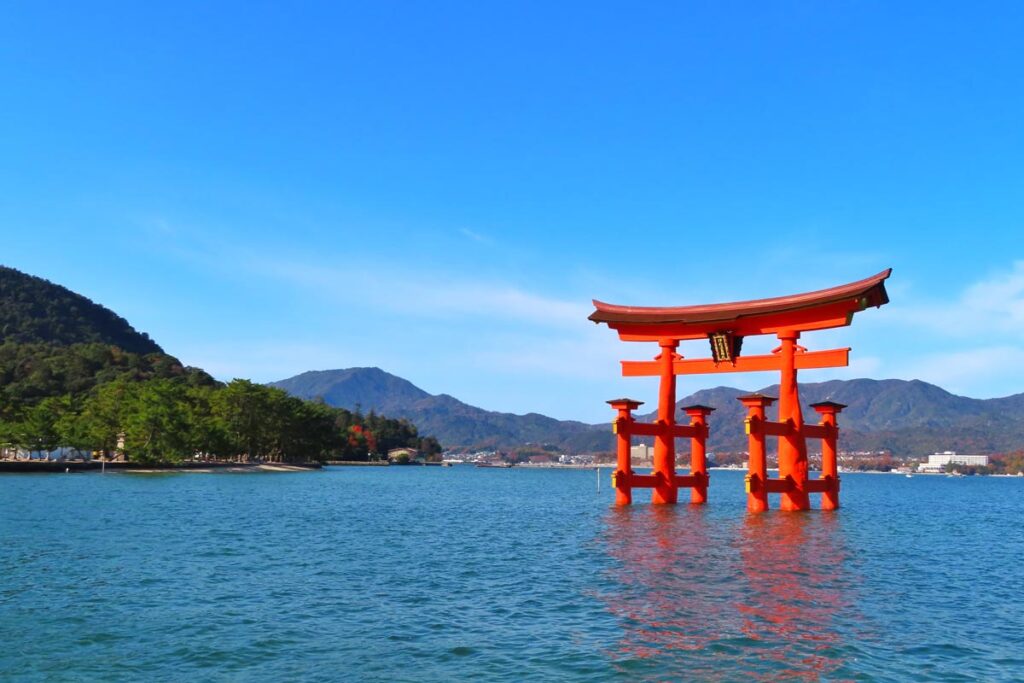
Miyajima (Itsukushima Shrine)
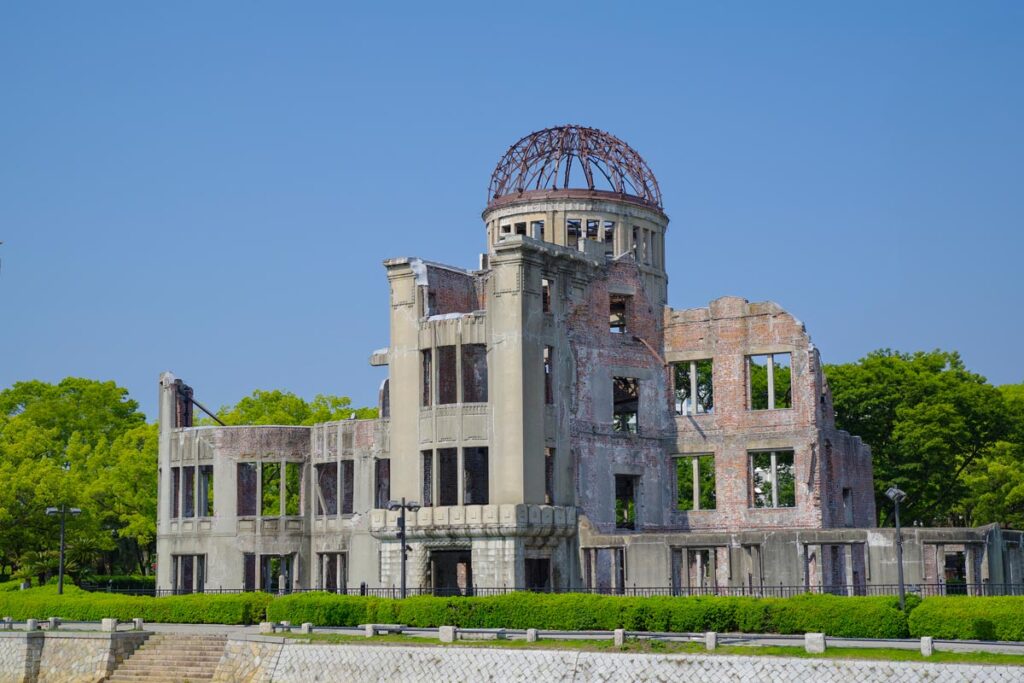
Atomic Bomb Dome
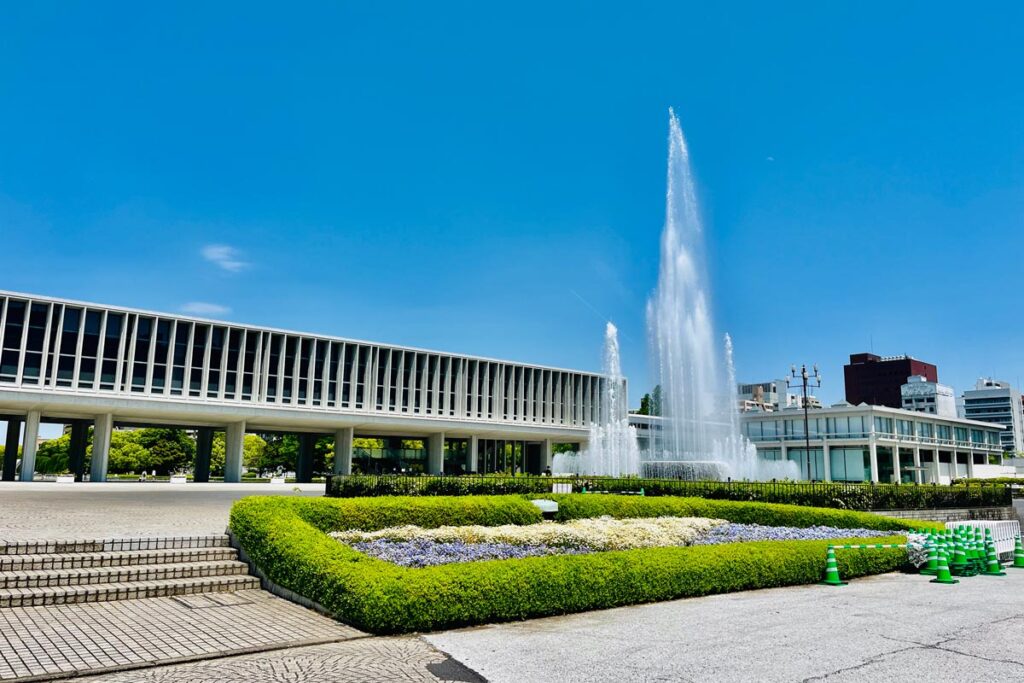
Hiroshima Peace Memorial Museum
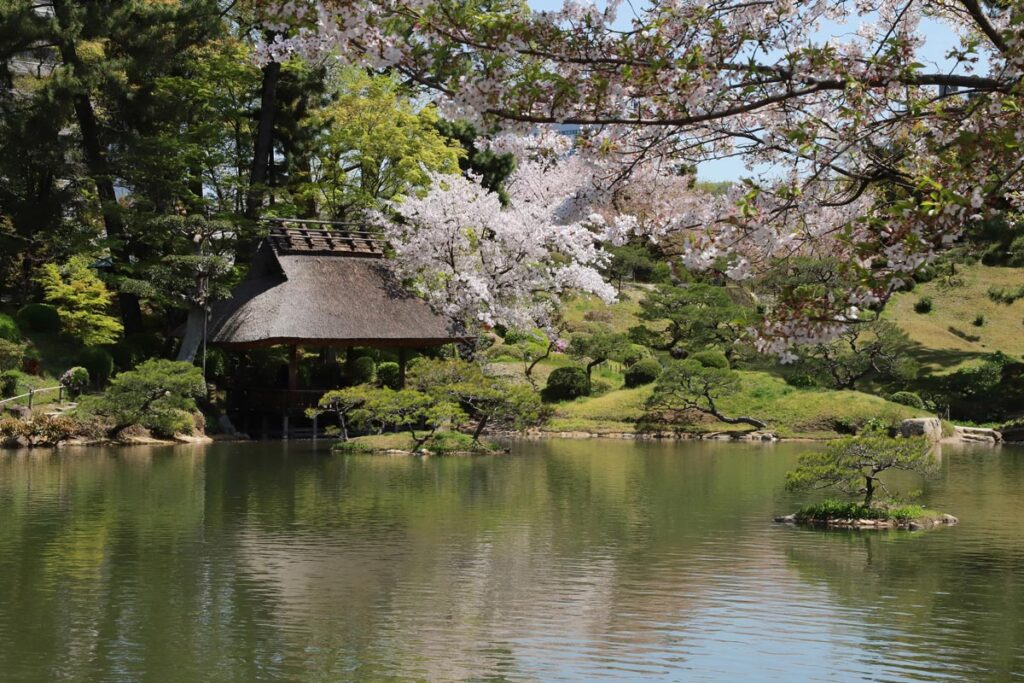
Shukkeien Garden
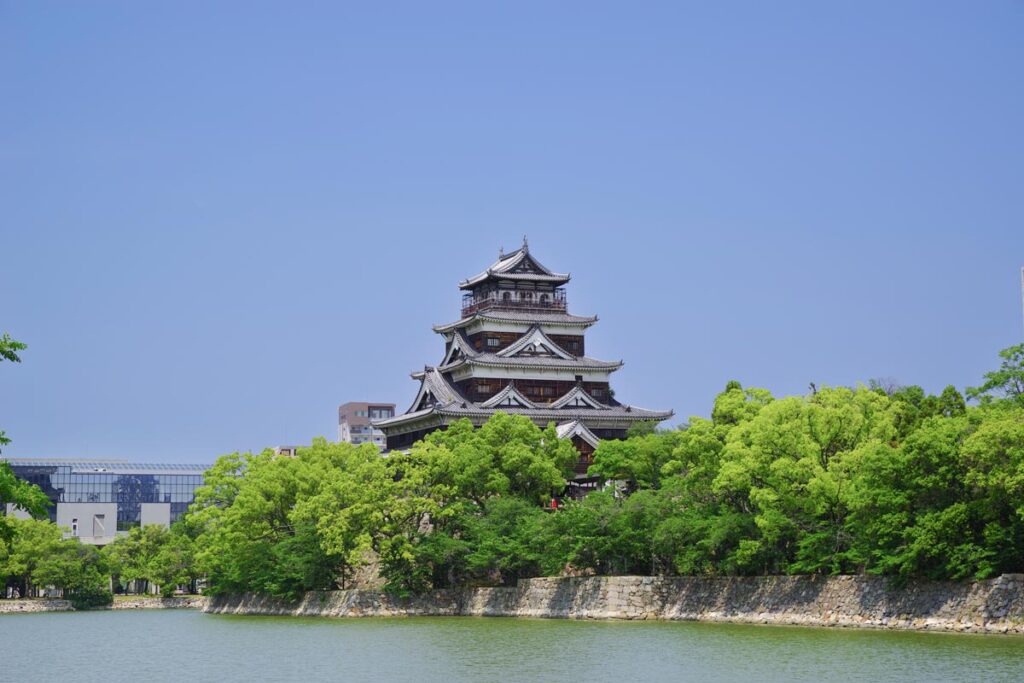
Hiroshima Castle
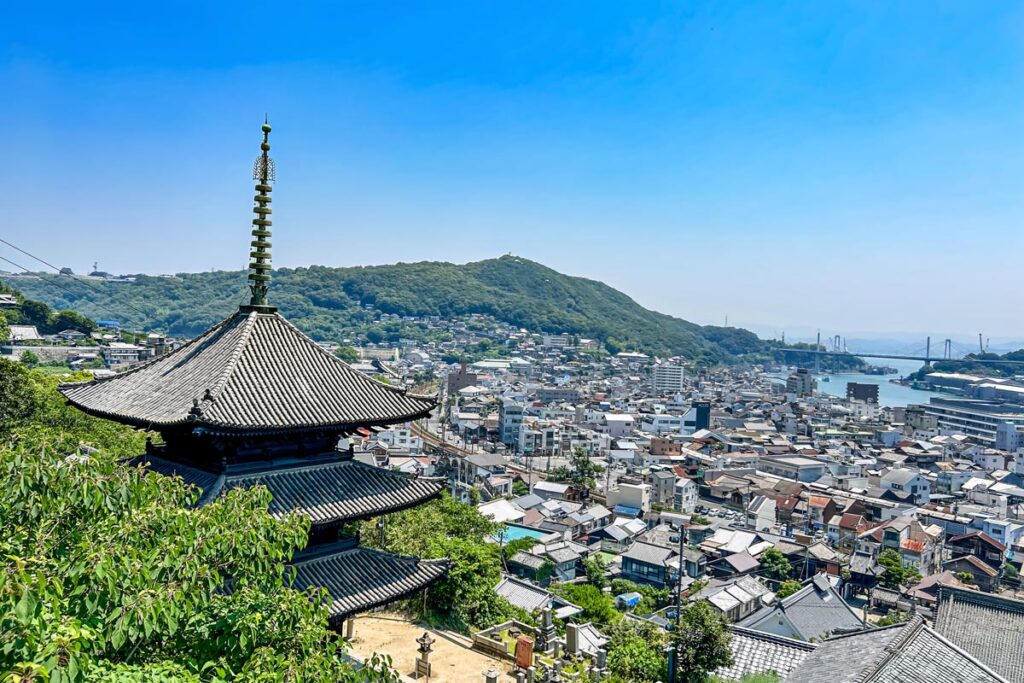
Onomichi

Okonomi-mura
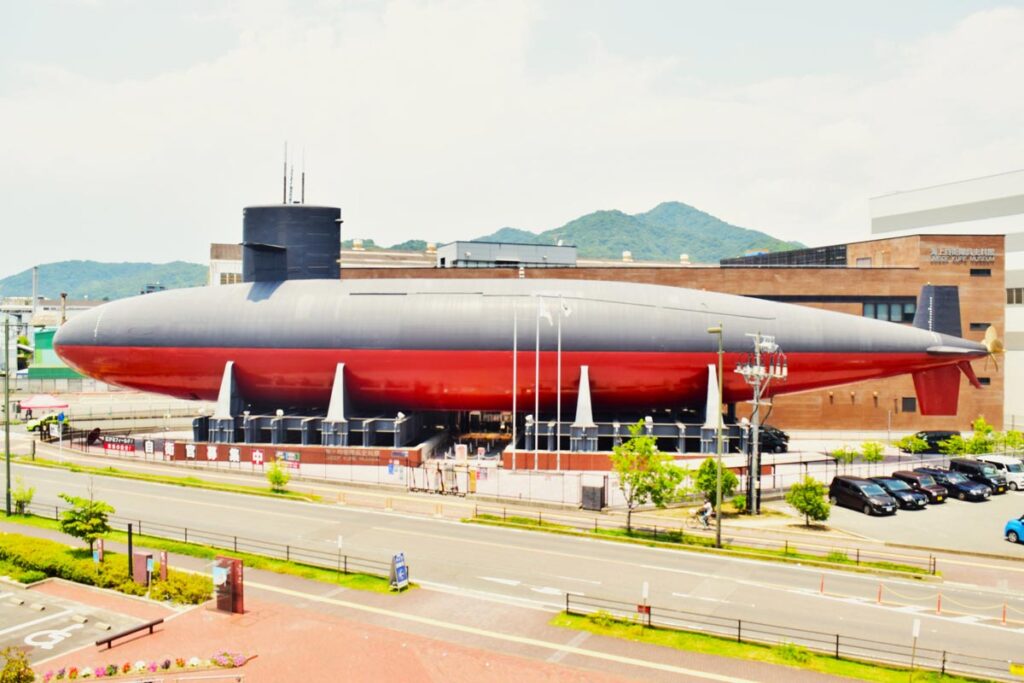
Kure

Okunoshima Island