
Hokkaido - Sapporo Ice Festival
Hokkaido Sapporo Ice Festival: A Complete First-Timer’s Guide
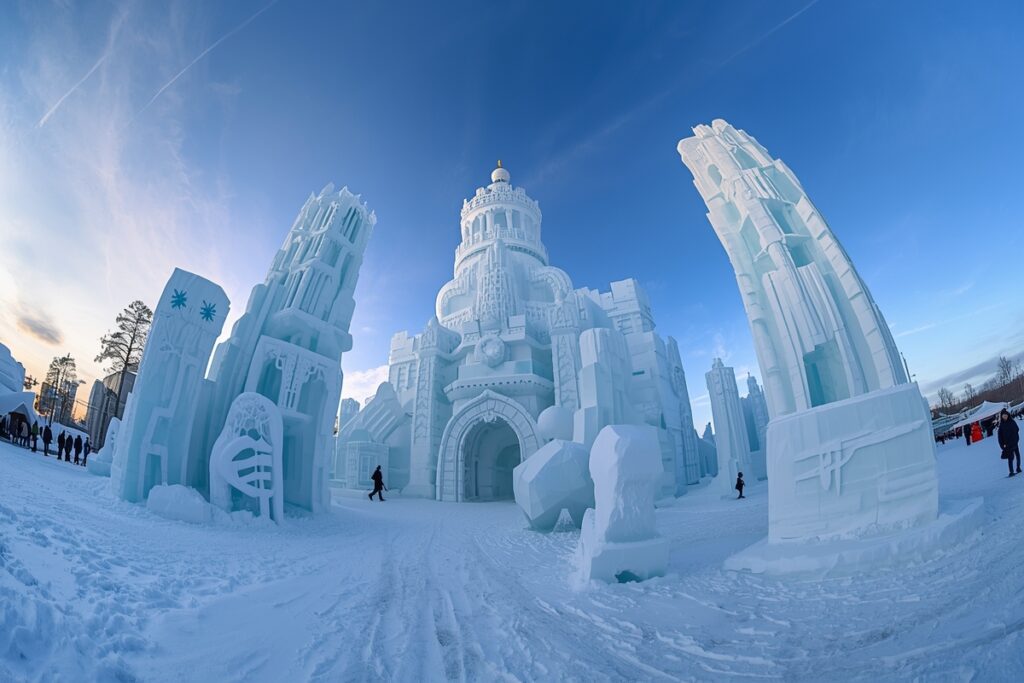
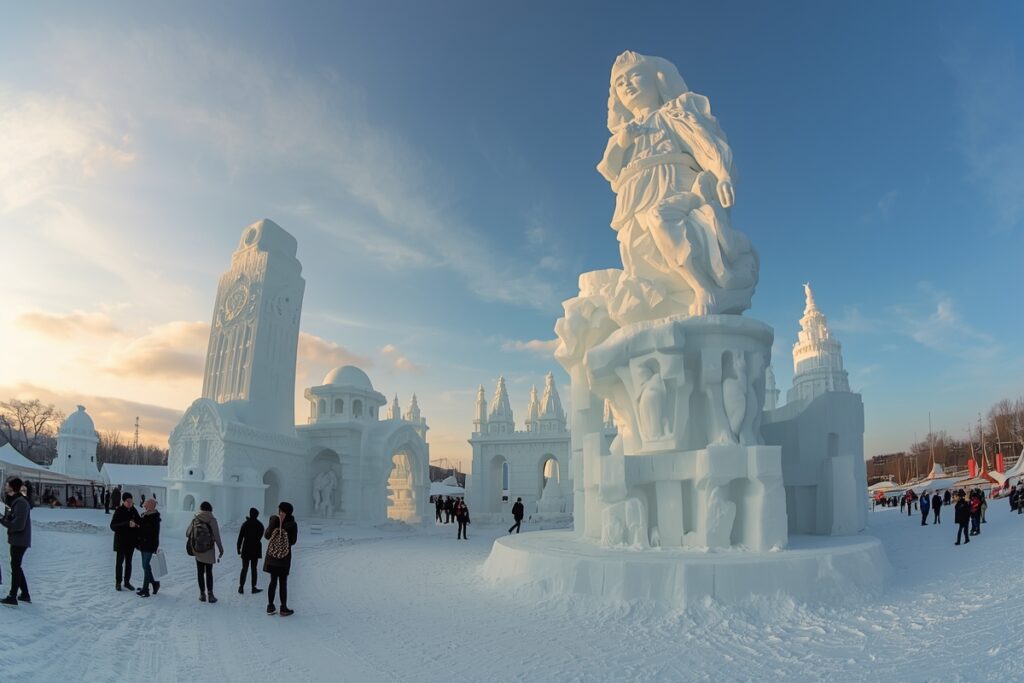
Photos are for illustrative purposes only.
Each February, the northern city of Sapporo in Hokkaido transforms into a glittering world of snow and ice. The Sapporo Snow Festival, often called the Sapporo Ice Festival, is one of Japan’s most spectacular winter events, attracting several million visitors from around the world. For many first-time travelers to Japan, it is the ultimate snow experience: towering ice sculptures, winter illuminations, steaming bowls of miso ramen, and crisp, powdery snow underfoot.
This guide explains how to enjoy the Sapporo Ice Festival as an international visitor: when to go, where to see the sculptures, what to wear, and how to make the most of your winter journey to Hokkaido.
What Is the Sapporo Ice Festival?
The Sapporo Snow Festival (Sapporo Yuki Matsuri) began in 1950 when local high school students built simple snow statues in Odori Park. From those humble beginnings, it has grown into one of Japan’s iconic winter celebrations. Today you will find enormous snow palaces, delicately carved ice statues, and interactive snow playgrounds stretching across several districts of the city.
The festival usually lasts about one week in early February. Exact dates change each year, but the timing is always in the heart of Hokkaido’s winter, when temperatures are reliably below freezing and snow is deep and dry. Much of the festival activity takes place in the evenings, when colorful illuminations, projection mapping, and music bring the sculptures to life.
Festival Areas: Where to See the Sculptures
The Sapporo Ice Festival is spread across three main sites. Each has a different atmosphere and is worth visiting, especially if this is your first time in Sapporo.
Odori Park: The Iconic Heart of the Festival
Odori Park (Odori Koen) is the central venue and the image most people associate with the Sapporo Snow Festival. This long, narrow park cuts through downtown Sapporo for about 1.5 kilometers, divided into numbered blocks called “chome.” During the festival, many of these blocks are filled with sculptures, food stalls, stages, and observation points.
Expect to see:
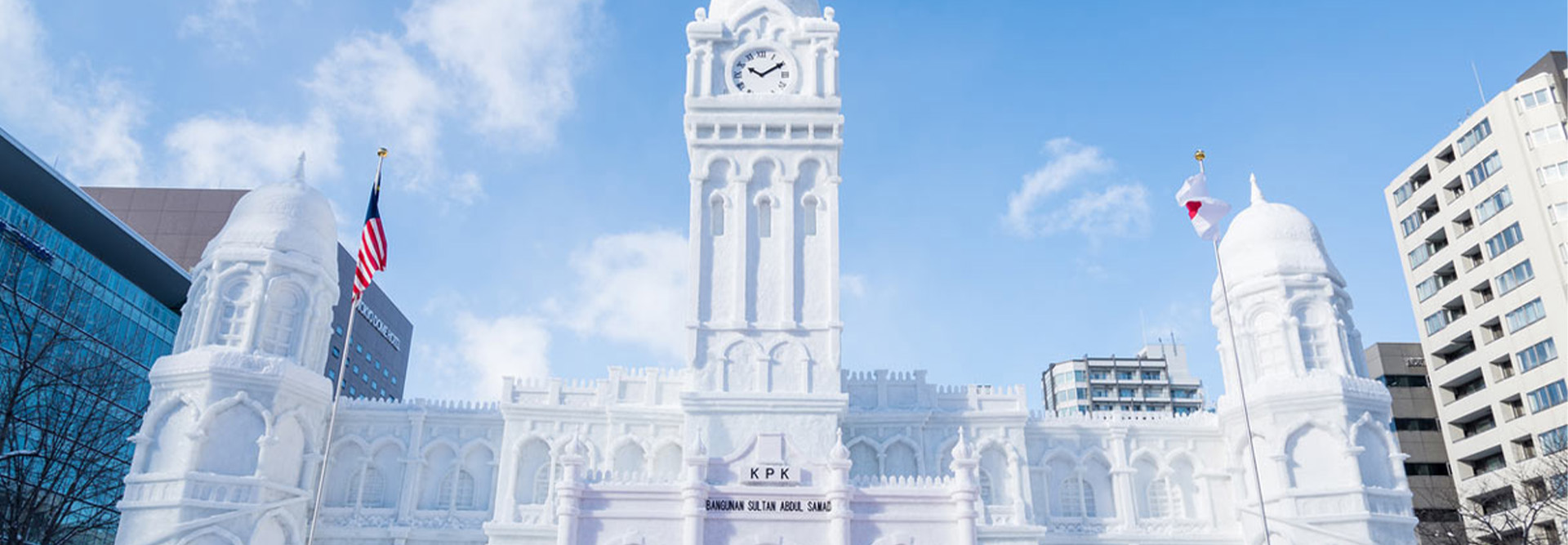
- Giant snow sculptures depicting temples, anime characters, famous musicians, and global landmarks.
- Projection mapping shows that use the snow structures as screens for dynamic sound and light performances.
- Snow stages with live music, cultural shows, and sometimes even skiing or snowboarding demonstrations.
- Food stalls selling local Hokkaido specialties such as grilled seafood, hot soups, and sweets.
Odori Park is easily accessible from Sapporo Station on foot (about 10–15 minutes) or by subway to Odori Station. Many visitors stroll the park in the late afternoon, stay for illuminations, eat dinner at the stalls, and then head back to their hotels.
Susukino: A Nighttime Ice Wonderland
Susukino is Sapporo’s main entertainment and nightlife district, located one subway stop south of Odori. During the festival, a section of the main street is turned into an “Ice World,” lined with intricate ice sculptures and ice bars.
Here, the focus is on clear ice rather than snow. Typical sights include:
- Crystal-like ice carvings of animals, historical figures, or brand mascots.
- Ice bars and counters where you can enjoy hot drinks or local cocktails served in a sub-zero atmosphere.
- Photo-friendly displays that look especially magical under neon lights and street signs.
Susukino has a more adult atmosphere compared to the family-oriented Odori and Tsudome sites. It is ideal for an evening walk after dinner, combining nightlife, photography, and people-watching.
Tsudome Site: Family-Friendly Snow Activities
The Tsudome site (Sapporo Community Dome) is located a short distance outside the city center and is focused on snow play and outdoor activities. If you want to do more than just admire sculptures, this is the place to come.
Highlights often include:
- Snow slides and tubing courses suitable for both children and adults.
- Snow rafting, where you are pulled over the snow on an inflatable raft.
- Indoor rest areas with food stands, seating, and warm spaces to take a break.
Tsudome is especially recommended for families or anyone eager to experience Hokkaido’s snow in a more active way. Shuttle buses usually run from central Sapporo during the festival period; details are announced each season.
When to Visit and How Long to Stay
The Sapporo Snow Festival typically takes place in early February for about seven days. Snow preparations, such as sculpture construction, begin well in advance, but the official festival period is when illuminations, shows, and food stalls are fully operating.
For first-time visitors, plan at least:
- 2 full days to see all three festival sites at a comfortable pace.
- 3–4 days if you want to combine the festival with nearby winter experiences such as onsen (hot springs) or ski resorts.
Weekends can be very crowded, especially in the evenings. If your schedule allows, aim to visit on weekdays or arrive early in the festival before the final rush. Sculptures usually look their sharpest in the first half of the event, though they are regularly maintained throughout.
Weather and What to Wear in Sapporo Winter
Hokkaido winters are cold but dry and remarkably beautiful. During the festival, daytime temperatures in Sapporo often range from -5°C to 0°C (23°F to 32°F), dropping well below freezing at night. The cold is manageable with the right clothing, and the clean, powdery snow is part of the festival’s charm.
Recommended clothing and gear:
- Warm base layers (thermal tops and leggings) to trap heat.
- Insulating mid-layer such as fleece or wool.
- Waterproof outer jacket and pants or snow-proof shoes to stay dry.
- Insulated boots with good traction for icy sidewalks.
- Hat, scarf, and gloves – windproof gloves are especially useful when taking photos.
- Heat packs (kairo), sold in convenience stores, to slip into pockets or shoes.
Most venues are outdoors, and you may be walking or standing for long periods. Dress in layers so you can adjust when entering heated shops, underground shopping areas, or the subway, which can feel very warm compared to the streets.
How to Get to Sapporo
Sapporo is the prefectural capital of Hokkaido and a major transport hub. In winter, flying is usually the most convenient option for international visitors.
By Air
New Chitose Airport (CTS) is the main gateway to Sapporo. It is well connected to Tokyo’s Haneda and Narita airports, as well as to other Japanese cities and some international destinations in Asia.
From New Chitose Airport to Sapporo city center:
- JR Rapid Airport train: About 40 minutes to Sapporo Station. Trains run frequently and are comfortable, even in snowy conditions.
- Airport bus: Around 60–80 minutes depending on traffic, stopping at major hotels and downtown areas.
By Train
For travelers using the Japan Rail Pass or those who enjoy scenic journeys, the Shinkansen (bullet train) reaches Shin-Hakodate-Hokuto in southern Hokkaido from Tokyo. From there, you transfer to a limited express train for Sapporo. The entire journey takes around 7–8 hours and offers winter landscapes, but flying is usually faster and often cheaper.
Where to Stay During the Festival
Accommodation in Sapporo books up quickly for the Snow Festival, so reserve several months in advance if possible. Choose your base according to how you plan to enjoy the city.
Recommended areas:
- Near Sapporo Station: Convenient for arrivals, departures, and trips to nearby towns. You can walk or take the subway to Odori Park. Good for first-time visitors who prioritize easy transport.
- Odori / Susukino area: Ideal if you want to step out of your hotel right into the festival atmosphere. Lots of restaurants, shopping, and nightlife; you can easily visit Odori Park on foot and reach Susukino’s ice sculptures in the evening.
- Hot spring resorts (onsen) outside the city: Places like Jozankei Onsen, about an hour from Sapporo, offer relaxing hot spring baths surrounded by snow. Some visitors stay one or two nights in Sapporo for the festival and then retreat to an onsen for recovery.
Accommodation ranges from luxury international hotels and business hotels to hostels and apartment-style stays. Look for properties offering strong heating, good insulation, and breakfast options, especially if you plan early starts in the cold.
Food and Drink: Warming Up Hokkaido-Style
Hokkaido is famous across Japan for its rich food culture, and winter is the best season to taste its hearty specialties. You will find many of them at festival food stalls and local restaurants near Odori and Susukino.
Classic dishes to try:
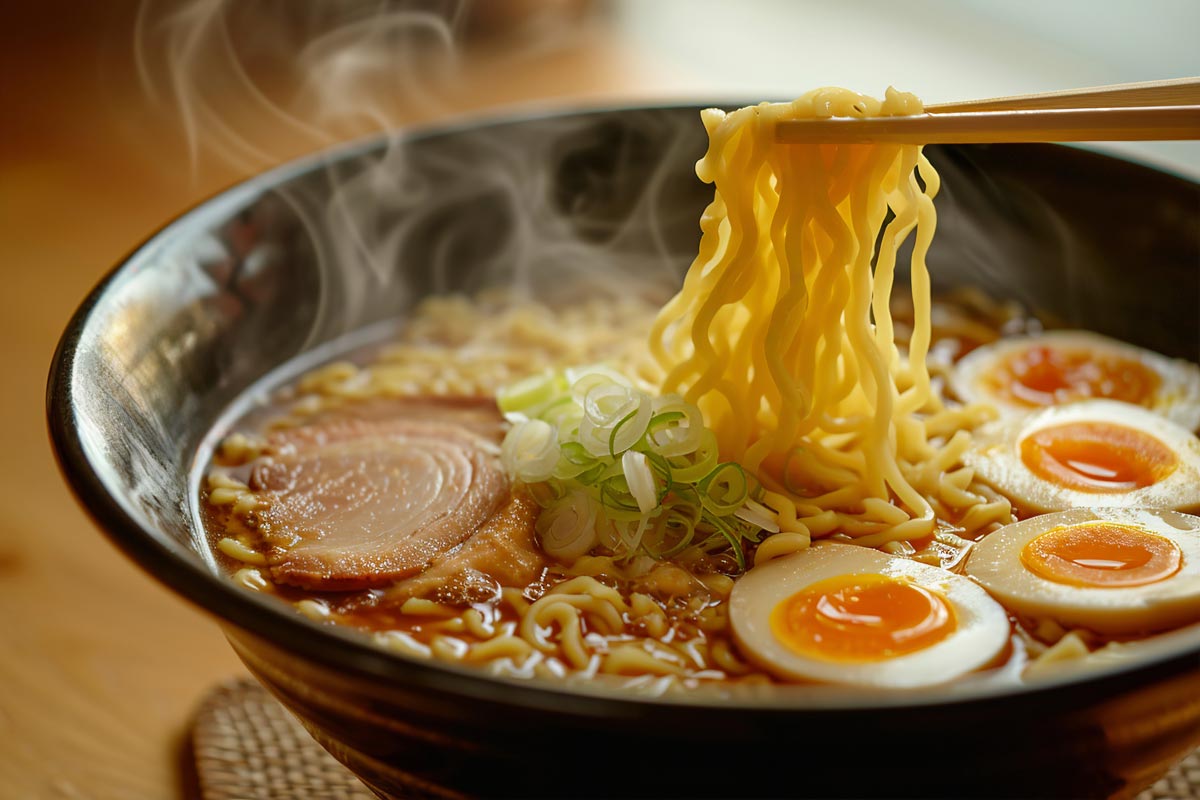
- Sapporo miso ramen: Thick noodles in a rich, miso-based broth, often topped with corn, butter, and slices of pork. Perfect after walking in the snow.
- Jingisukan (Genghis Khan): Grilled mutton and vegetables on a convex iron skillet. Some restaurants let you grill at your own table.
- Kaisen don: Rice bowls topped with fresh seafood such as salmon, scallops, and crab, often enjoyed at markets like Nijo Market or near Sapporo Station.
- Soup curry: A Sapporo specialty, this spicy, soup-like curry is packed with vegetables and meat, warming you from the inside.
To drink, try local Sapporo beer or hot sake, or warm up with non-alcoholic options like hot tea, cocoa, or amazake (sweet fermented rice drink). Convenience stores are also reliable places to find quick snacks, heat packs, and hot drinks in winter.
Cultural Tips and Festival Etiquette
Japanese winter festivals are friendly and welcoming, but a few basic customs will help you enjoy them respectfully.
- Stay on marked paths: Snow sculptures are fragile works of art. Follow barriers and signs, and do not climb on displays unless clearly allowed.
- Ask before photographing people: Sculptures are fine to photograph freely, but if you want to take close-up pictures of individuals, especially children, gesture or ask politely first.
- Dispose of trash properly: Garbage bins may be limited. Many Japanese events expect you to carry your trash until you find a bin at a convenience store or station.
- Keep walkways clear: The festival can be crowded. Avoid stopping in the middle of paths for photos; step aside to take your time.
English signage is increasingly common at the festival and around Sapporo, but not universal. Having your hotel name or destinations written in Japanese, and using a reliable map app, will make navigation easier.
Beyond the Festival: Winter Adventures Around Sapporo
Many visitors use the Sapporo Ice Festival as a gateway to explore more of Hokkaido’s winter landscapes. If you have extra days, consider:
- Skiing and snowboarding: Resorts like Niseko, Rusutsu, and Kiroro are renowned for light, deep powder snow. They are reachable within a few hours from Sapporo.
- Otaru: A charming port city about 30–45 minutes by train from Sapporo. In February, the Otaru Snow Light Path Festival often coincides with Sapporo’s festival, featuring canal-side lanterns and snow candles.
- Hot springs: Jozankei Onsen and other hot spring towns offer the quintessential Japanese winter experience: soaking in outdoor baths while snow falls around you.
Combining the festival with these side trips gives you a broader sense of Hokkaido’s unique winter culture and scenery.
Planning Tips for First-Time Visitors
To make your Sapporo Ice Festival trip smooth and memorable, keep these final tips in mind:
- Book early: Flights and hotels sell out quickly for festival dates. Reserve several months ahead, especially for weekends.
- Check the official schedule: Opening days, event times, and shuttle information change annually. Confirm details shortly before your visit.
- Use public transport: Roads can be icy, and parking is limited. The subway and JR lines are efficient and warm.
- Protect your devices: Cold temperatures can drain phone batteries quickly. Bring a portable charger and keep your phone warm in an inner pocket.
- Allow flexibility: Weather can affect travel times. Build in extra time for transfers and avoid tight connections on snowy days.
A winter trip to Sapporo for the Ice Festival is more than just a holiday; it is a glimpse into how Japan celebrates its northern climate with creativity, light, and warmth. With thoughtful planning and the right clothing, you will find the cold air energizing, the snow sculptures enchanting, and the hospitality of Hokkaido unforgettable.
Access Map
Recommended spots for Winter Snow
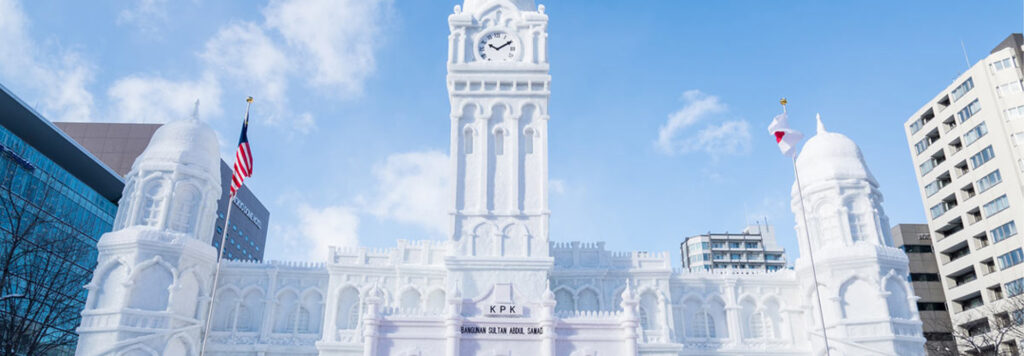
Hokkaido
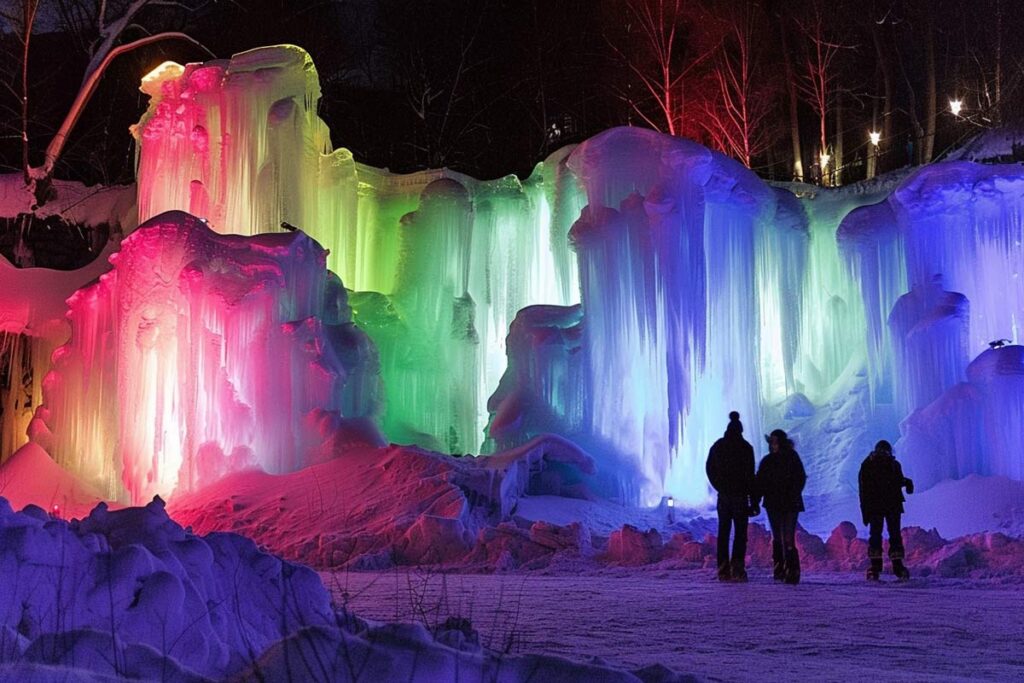
- Sapporo Ice Festival
Takayama
- Frozen Waterfalls
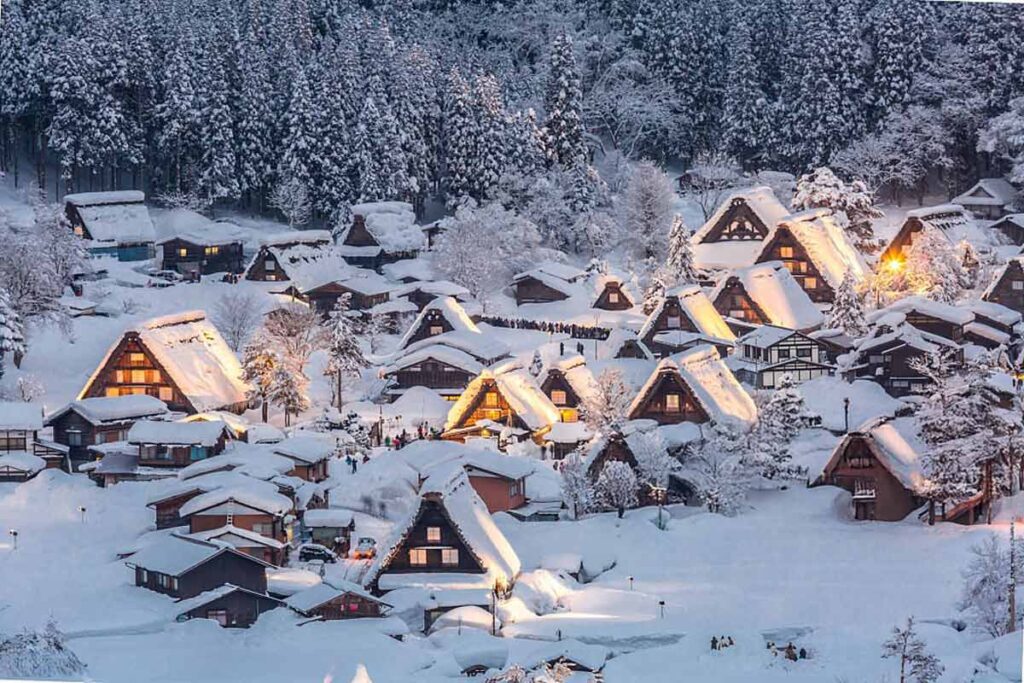
Shirakawa-go
- Historic Villages

Nikko
- Kegon Falls
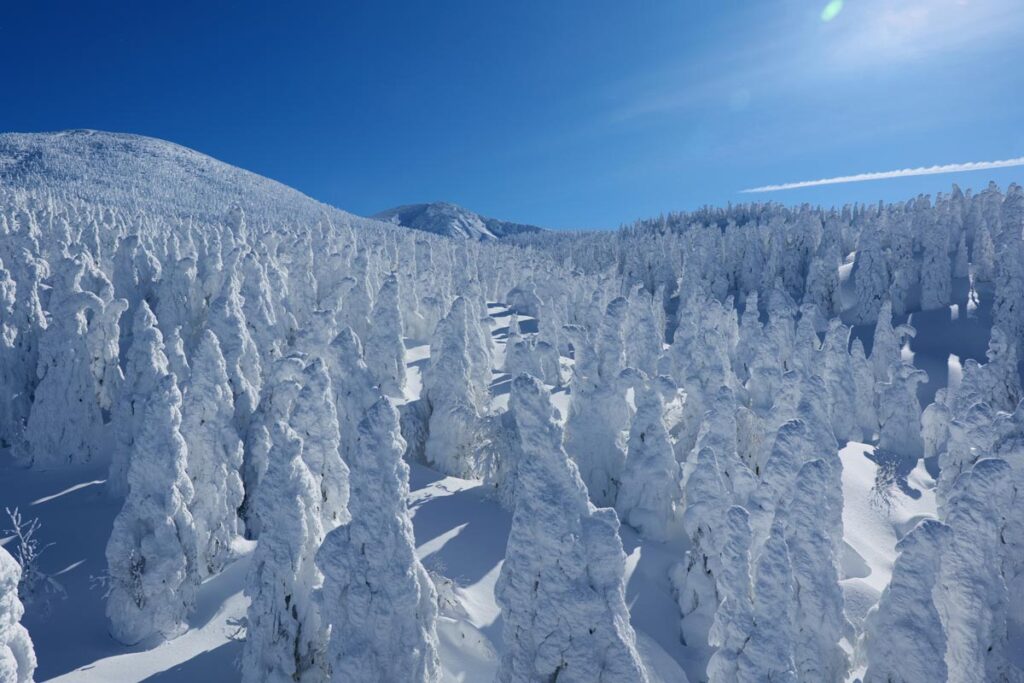
Zao
- Snow Monsters
Other Seasonal Spot
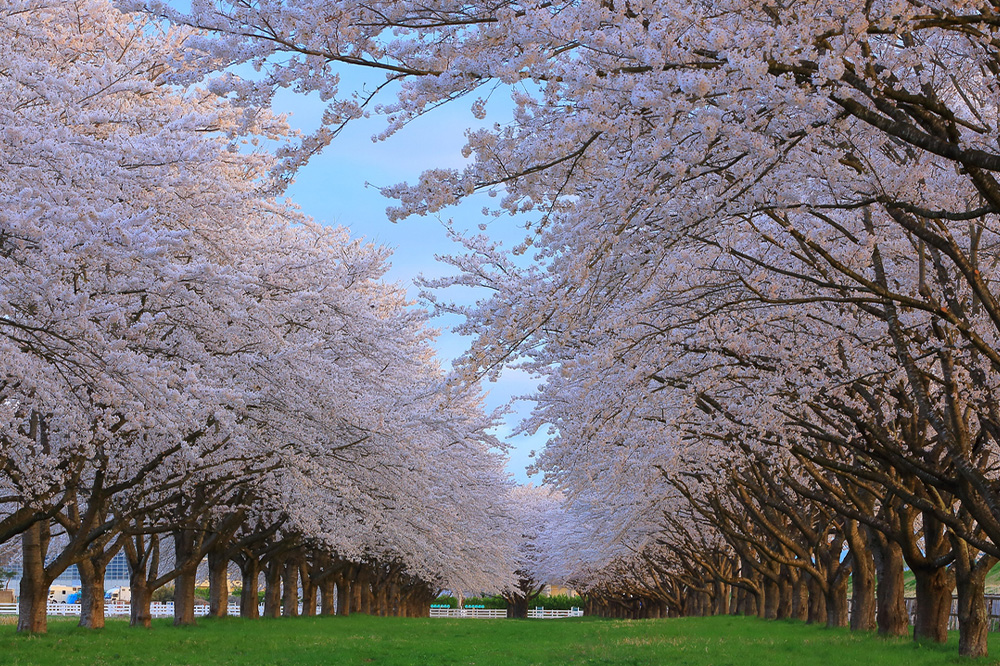
Cherry Blossoms

Summer Festivals