
Hokkaido & Tohoku
Hokkaido & Tohoku Japan Travel Guide for First-Timers
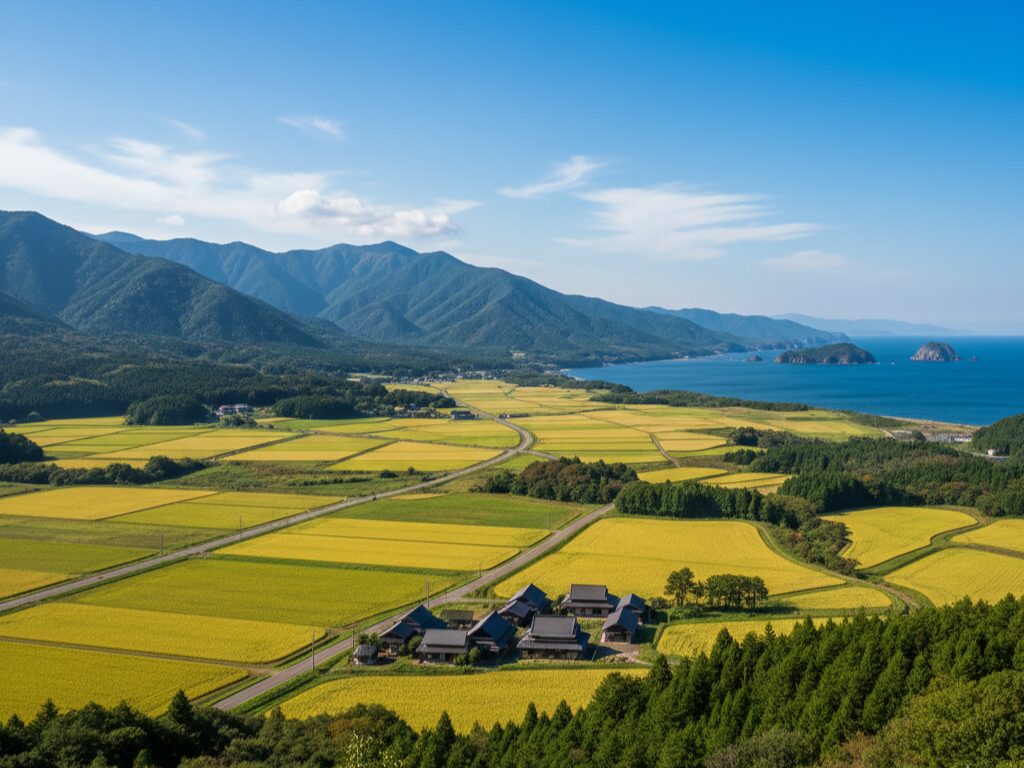
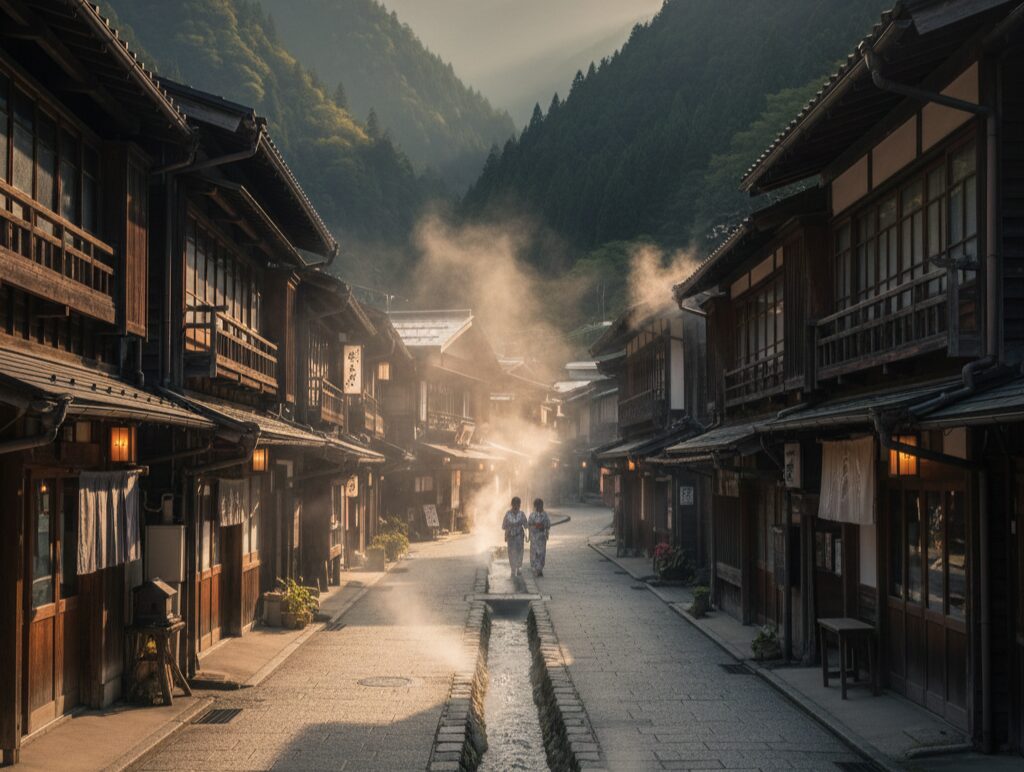
Photos are for illustrative purposes only.
For many first-time visitors, Japan means Tokyo’s neon streets, Kyoto’s temples, and perhaps a day at Mount Fuji. But if you want wide-open landscapes, deep snow, soothing hot springs, and a slower, more traditional rhythm of life, head north to Hokkaido and Tohoku. These two vast regions make up Japan’s northern frontier, offering four dramatic seasons, rich local cuisine, and far fewer crowds than the country’s better-known hotspots.
Where Are Hokkaido & Tohoku?
Hokkaido is Japan’s northernmost main island, known for its wild nature, world-class skiing, and cool summers. Just south of Hokkaido lies Tohoku, a mountainous region that covers the northern part of Japan’s main island, Honshu. Tohoku is famous for its onsen towns, rustic countryside, and colorful summer festivals.
For first-time travelers, combining both regions in a single trip is very realistic, especially with the high-speed shinkansen network. You can depart from Tokyo in the morning and be surrounded by rice fields, coastal cliffs, or powder snow by afternoon.
Why Visit Hokkaido & Tohoku on Your First Trip?
Fewer Crowds, More Space
While Tokyo and Kyoto can feel crowded year-round, Hokkaido and Tohoku offer space to breathe. Expect uncrowded trains (outside peak holiday periods), quiet walking trails, and small towns where you might be the only foreign visitor. This slower pace makes it easier to adjust to Japan’s customs and language differences, and to enjoy more relaxed interactions with locals.
Four Seasons at Their Best
Japan’s seasonal changes are central to its culture, and nowhere is this clearer than in the north.
- Spring: Cherry blossoms arrive later here (late April into early May), so you can still enjoy hanami (flower viewing) even if you miss Tokyo’s peak bloom.
- Summer: Cooler temperatures make Hokkaido and Tohoku an ideal escape from Japan’s humid cities, with alpine flower fields and outdoor activities.
- Autumn: Mountains blaze with red and gold foliage, and the air turns crisp – perfect for onsen-hopping and scenic train rides.
- Winter: Heavy snowfall transforms both regions into a wonderland of ski resorts, snow festivals, and steaming outdoor baths surrounded by snowdrifts.
Authentic Local Culture
In Tohoku’s rural areas and Hokkaido’s small port towns you’ll encounter everyday Japanese life: neighborhood shrines, family-run ryokan (traditional inns), morning seafood markets, and small izakaya pubs where the menu is handwritten on the wall. English may be less common than in Tokyo, but simple phrases, a translation app, and a smile go a long way.
Highlights of Hokkaido
Hokkaido’s appeal lies in its dramatic landscapes and the sense that you’ve reached the edge of Japan. It’s especially popular with outdoor enthusiasts and winter sports fans, but there is plenty to enjoy year-round.
Sapporo: Gateway to the North
Sapporo, Hokkaido’s capital, is a modern, grid-planned city with wide streets and a relaxed atmosphere. It’s an easy starting point for first-time travelers.
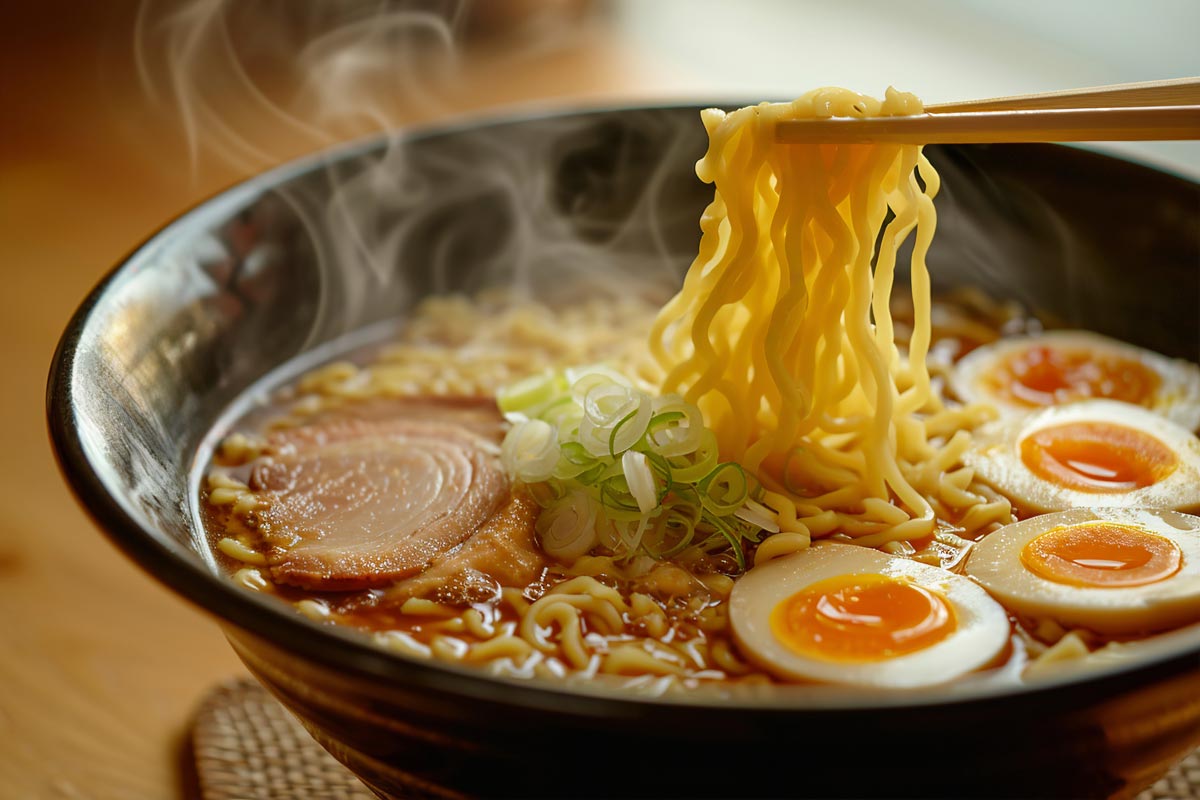
- Food culture: Try miso-based Sapporo ramen, fresh crab, and jingisukan (grilled lamb) at a lively beer hall. Sapporo Beer Museum and the nearby beer garden provide a crash course in Japan’s beer history.
- Snow and ice: Visit in February to see the Sapporo Snow Festival, where giant snow and ice sculptures transform city parks into open-air galleries.
- City parks: Odori Park runs through the center of Sapporo, ideal for a leisurely walk, street food stalls, and seasonal events.
Otaru: Nostalgic Canal Town
A short train ride from Sapporo, Otaru is a charming port city with a beautifully preserved canal lined with stone warehouses. Gas lamps and historic buildings give the town a romantic feel, especially after dark.
- Sample ultra-fresh sushi and seafood bowls at markets and small restaurants.
- Browse glassware studios and music box shops housed in former merchant warehouses.
- Stroll along the canal and side streets for atmospheric photos in any season.
Niseko and Hokkaido’s Ski Resorts
Hokkaido’s light, dry powder snow draws skiers and snowboarders from around the world. Niseko is the best-known resort area, with international-friendly hotels, English signage, and a lively après-ski scene. Other resorts like Furano and Rusutsu are quieter alternatives with excellent snow.
Even if you don’t ski, winter visits offer snowshoeing, hot springs with snowy views, and cozy evenings with hotpot dishes such as ishikari nabe (salmon hotpot).
National Parks and Flower Fields
Hiking and nature lovers will find a wealth of options:
- Daisetsuzan National Park: Hokkaido’s largest national park, known for volcanic peaks, alpine lakes, and early autumn foliage. Cable cars help non-hikers access panoramic views.
- Furano and Biei: In summer, rolling fields of lavender and patchwork farms create postcard-perfect scenery. Flower farms, cycling routes, and observation hills make this a gentle, relaxing area to explore.
- Shiretoko Peninsula: A UNESCO World Heritage site on Hokkaido’s eastern edge, famous for wildlife, coastal cliffs, and drift ice in winter. It’s more remote, best suited to travelers with extra time.
Highlights of Tohoku
Tohoku is less developed for tourism than Hokkaido, but this is part of its charm. Expect traditional hot springs, time-honored festivals, and small cities that blend modern life with strong local identity.
Sendai: Lively City by the Sea
Sendai, Tohoku’s largest city, is a comfortable base and an easy shinkansen ride from Tokyo. Known as the “City of Trees,” it has broad, leafy avenues and a relaxed, youthful vibe.
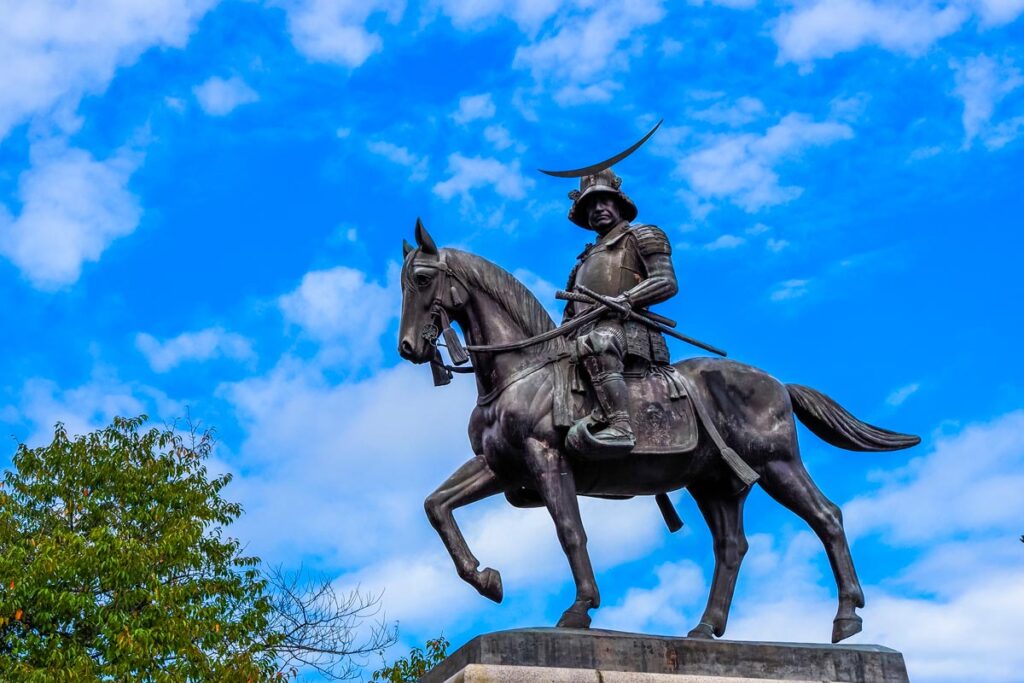
- Visit the mausoleum of feudal lord Date Masamune and nearby viewpoints over the city.
- Try gyutan (grilled beef tongue), a Sendai specialty served in countless restaurants around the station.
- Take a day trip to Matsushima Bay, dotted with pine-covered islets that have inspired poets for centuries.
Tohoku’s Legendary Summer Festivals
Japan’s northern region comes alive every summer with vibrant festivals that rank among the country’s most spectacular. If your first trip falls between late July and mid-August, consider timing your itinerary around one of these events:
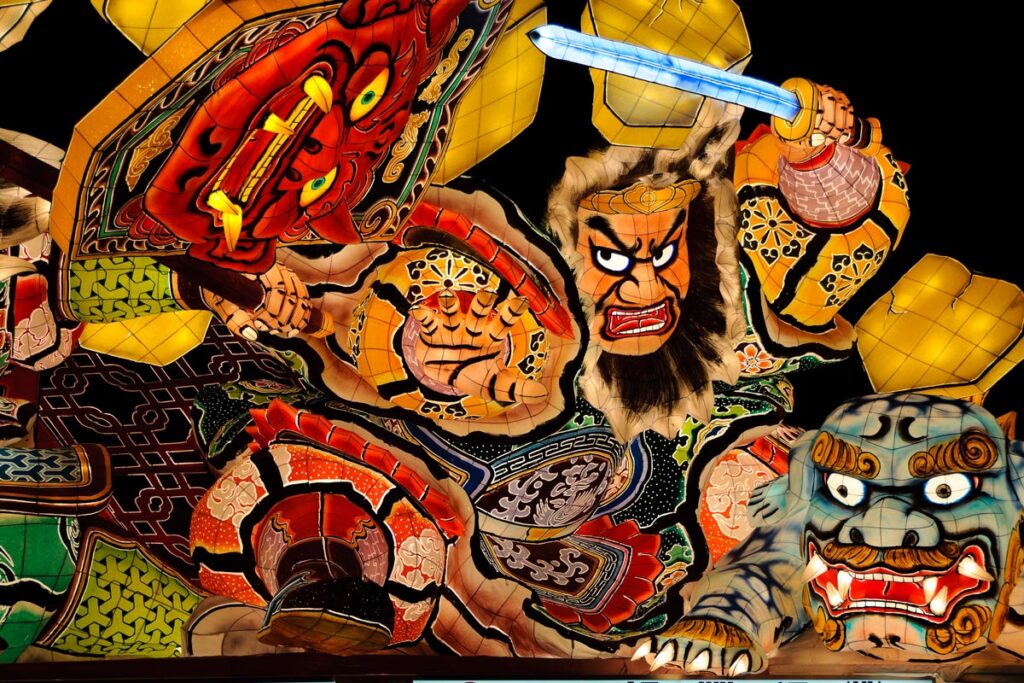
- Aomori Nebuta Festival: Giant illuminated floats depicting warriors and mythical creatures parade through the streets at night, accompanied by taiko drummers and dancers.
- Akita Kanto Festival: Performers balance long bamboo poles hung with rows of glowing paper lanterns, symbolizing rice bales and prayers for a good harvest.
- Sendai Tanabata Festival: Colorful paper streamers hang in shopping arcades, transforming the city into a forest of decorations celebrating the star festival.
These festivals can be busy, so book accommodation and trains early, but they provide an unforgettable window into regional pride and community spirit.
Onsen Towns and Rural Retreats
Tohoku is rich in onsen, fed by volcanic hot springs. Staying overnight at a ryokan with its own bath is one of the most rewarding experiences for first-time visitors.
- Ginzan Onsen (Yamagata): A romantic hot spring town lined with wooden ryokan and gas lamps along a narrow river. It looks especially magical when dusted with snow.
- Nyuto Onsen (Akita): A secluded cluster of rustic inns hidden in the forest, known for milky-white baths and a timeless, rural atmosphere.
- Zao Onsen (Yamagata): A sulfurous hot spring area that doubles as a ski resort in winter, famous for “snow monsters” – trees coated in ice and snow.
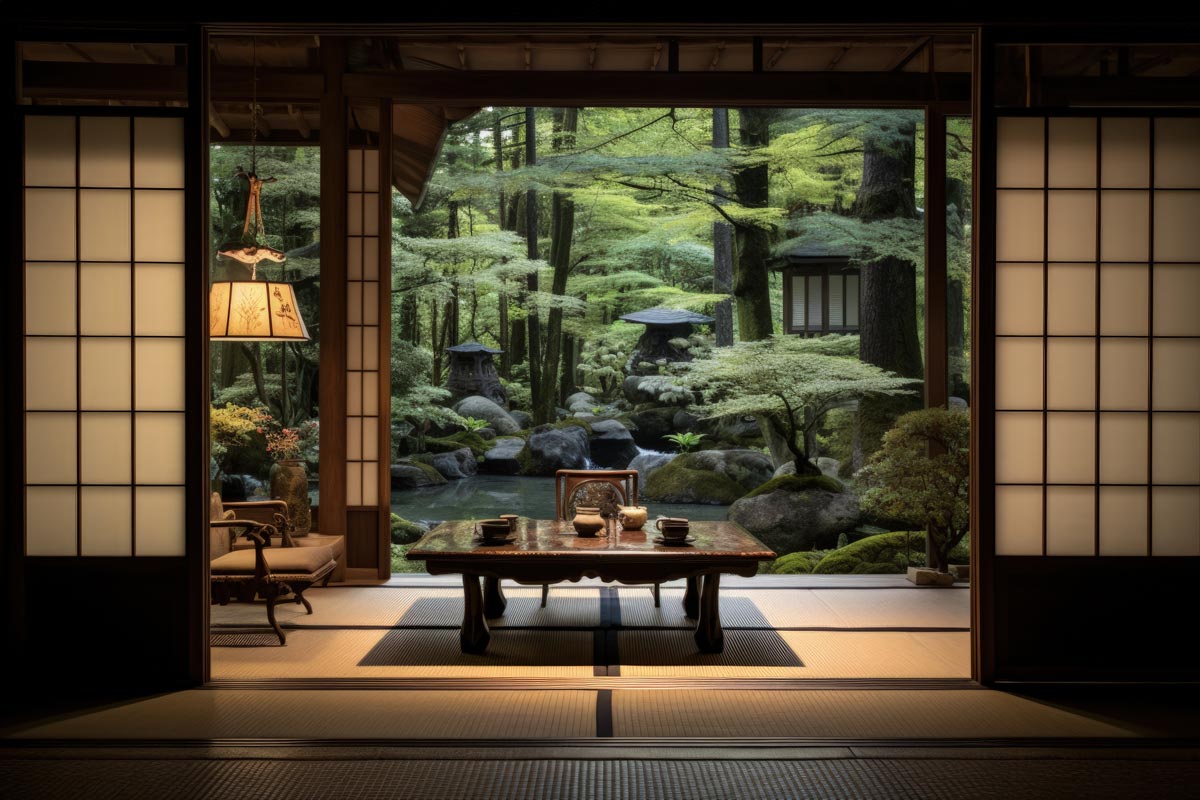
Most ryokan provide dinner and breakfast, often featuring local seasonal ingredients. Expect tatami-mat rooms, futon bedding, and traditional multi-course meals. Many properties can accommodate dietary needs if informed in advance, but communication is easier if you use a translation app or ask your hotel in a major city to call ahead.
Nature, Temples, and Historic Sites
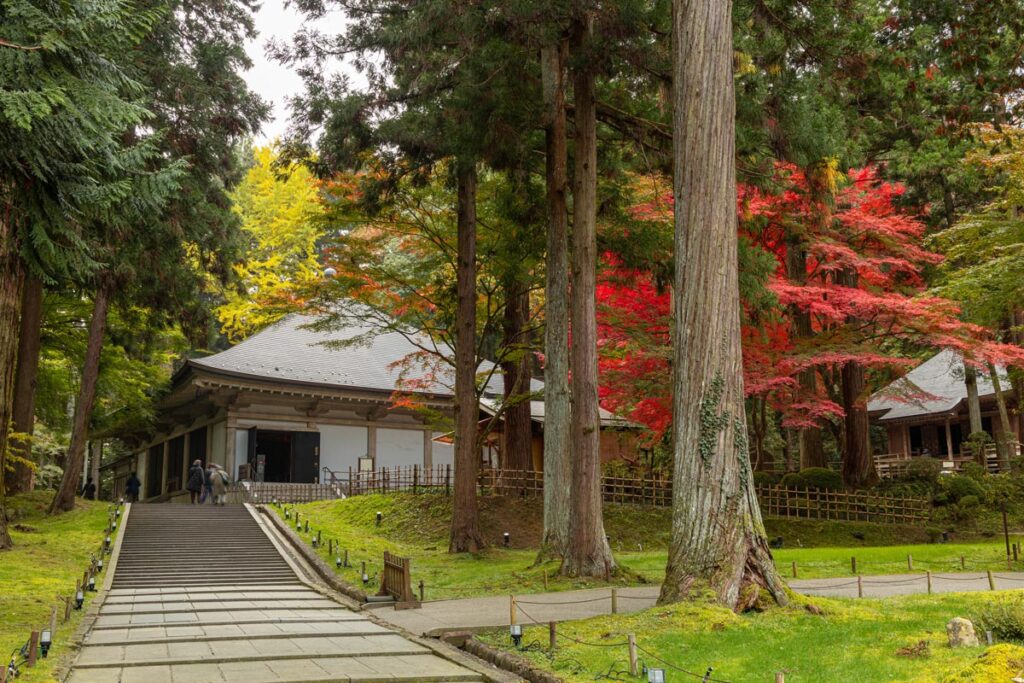
- Hiraizumi (Iwate): Once a political and cultural center rivaling Kyoto, now a UNESCO World Heritage site with serene temple gardens and golden halls.
- Oirase Gorge and Lake Towada (Aomori): An easy, beautiful walking route following a clear mountain stream, especially vibrant with autumn colors.
- Yamadera (Yamagata): A temple complex perched on a mountainside, reached via a long stone stairway. The climb is rewarded with sweeping views of the valley below.
Food & Drink in Japan’s North
Hokkaido and Tohoku share a reputation for hearty, seasonal cuisine. Cold winters mean warming dishes, while coastal areas offer standout seafood.
Hokkaido Flavors
- Seafood: Crab, sea urchin, salmon roe, and scallops feature in luxurious kaisendon (seafood rice bowls) and sushi.
- Ramen: Each city has its own style: miso ramen in Sapporo, shio (salt) ramen in Hakodate, and shoyu (soy) ramen in Asahikawa.
- Dairy products: Ice cream, cheese, and butter made from Hokkaido milk are justly famous across Japan.
Tohoku Specialties
- Regional rice and sake: Tohoku’s snowy winters and clean water produce excellent sake. Many breweries offer tastings and short tours.
- Local comfort food: Look for hotpots, grilled river fish, and vegetable dishes that reflect the region’s farming heritage.
- Street and festival snacks: At festivals and roadside stops, try skewered meats, grilled mochi, and seasonal sweets.
Menus can be difficult to read if you don’t know Japanese, but many restaurants display plastic food models or photos. Pointing politely and saying “kore onegaishimasu” (this, please) is perfectly acceptable.
Practical Tips for First-Time Visitors
Getting There and Around
- From Tokyo to Tohoku: Shinkansen bullet trains reach Sendai in around 90 minutes and Aomori in about three hours. Trains are clean, punctual, and comfortable.
- From Tokyo to Hokkaido: The Hokkaido Shinkansen connects Tokyo to Hakodate and beyond, while domestic flights quickly link major cities to Sapporo and other airports.
- Within the regions: Trains and buses cover most tourist areas, though some rural onsen towns require a short bus ride or taxi. In Hokkaido, renting a car gives more flexibility, especially for national parks and remote coasts.
When to Visit
- Winter (Dec–Feb): Ideal for skiing, snow festivals, and snowy onsen towns. Be prepared for icy sidewalks and cold temperatures.
- Spring (Apr–May): Late cherry blossoms and fresh greenery, fewer crowds than in major cities.
- Summer (Jun–Aug): Pleasant temperatures, especially in Hokkaido, plus major festivals in Tohoku.
- Autumn (Sep–Nov): Spectacular foliage, comfortable weather, and excellent seasonal food.
Language & Etiquette
English signage is common in major stations and cities, but less so in remote areas. Download an offline translation app, and consider carrying your accommodation names printed in Japanese to show taxi drivers or station staff.
Key etiquette points include removing shoes when entering homes and many traditional inns, speaking quietly on public transport, and washing your body thoroughly before entering a shared hot spring bath. If you are new to onsen culture, many ryokan provide illustrated guides, and staff are usually happy to explain the basics with simple English and gestures.
Planning Your Northern Japan Itinerary
For a first-time trip of around 10–14 days, one popular approach is to spend several days in Tokyo or Kyoto and then head north for a contrasting experience. For example:
- Take the shinkansen from Tokyo to Sendai, spend a few nights exploring Tohoku’s cities and onsen towns.
- Continue by train or flight to Sapporo, then visit Otaru and a nearby national park or ski resort.
- Return to Tokyo by plane or shinkansen for your international departure.
Hokkaido and Tohoku reward slow travel. With quiet villages, steaming baths, mountain temples, and fishing ports, they reveal a Japan that feels more intimate and less hurried than the big cities. For first-time visitors willing to go a little beyond the classic circuit, the north offers some of the country’s most memorable experiences.
Access Map
Top destinations in Hokkaido & Tohoku
Hokkaido
Aomori
Iwate
Fukushima