


Huis Ten Bosch
Huis Ten Bosch Japan: Complete First-Timer’s Guide
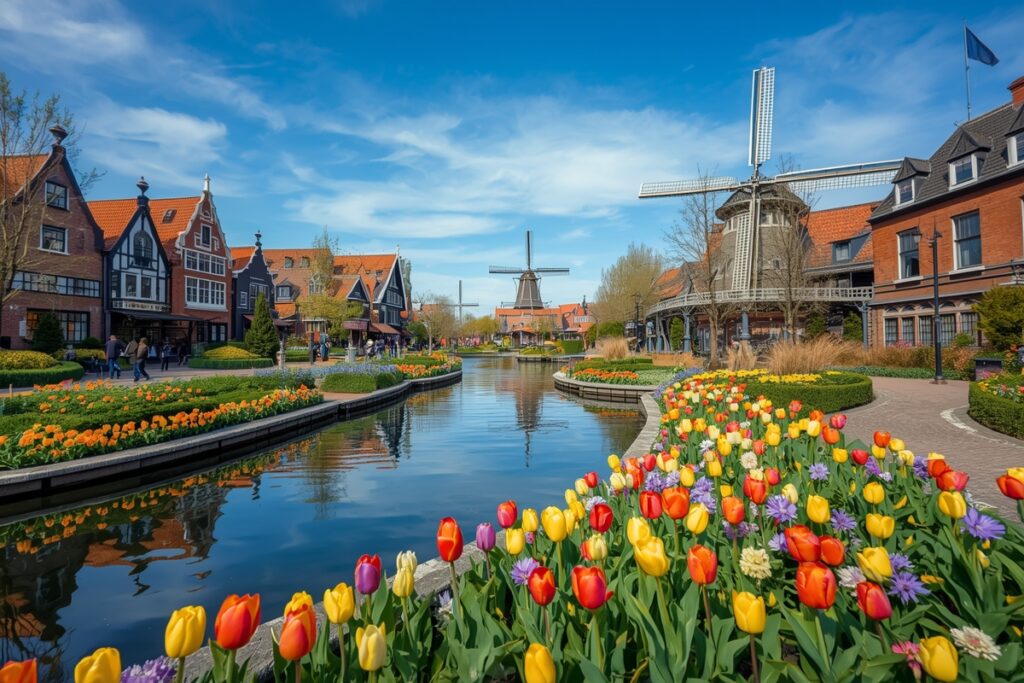
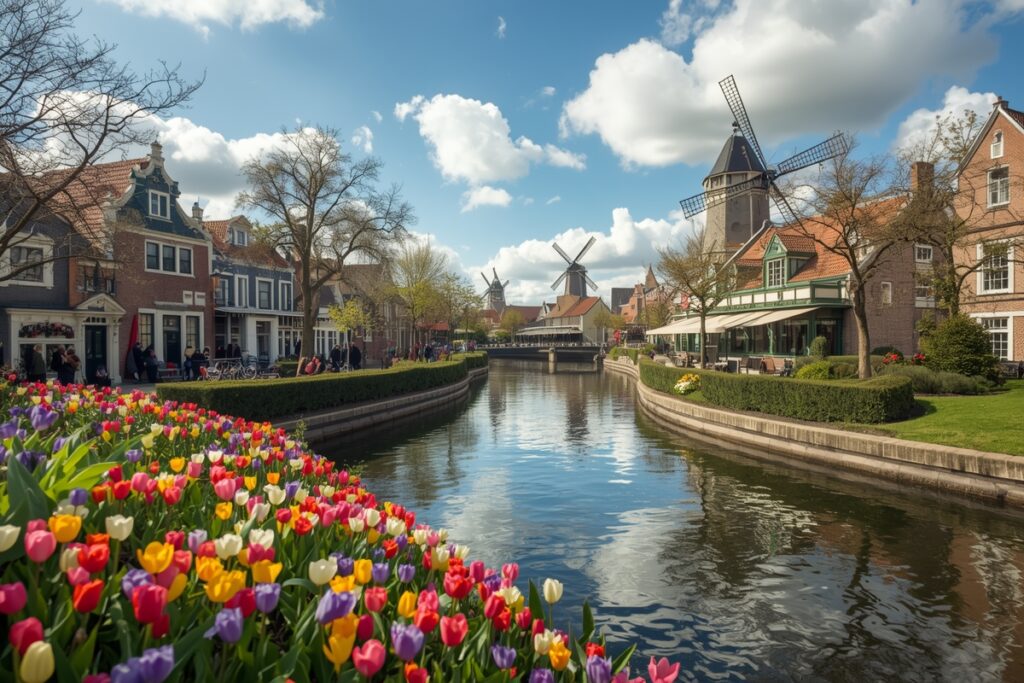
Photos are for illustrative purposes only.
On a quiet bay in Nagasaki Prefecture stands one of Japan’s most surprising destinations: Huis Ten Bosch, a full-scale Dutch-style town filled with canals, windmills, flower gardens, and nighttime illuminations. It feels like you have stepped into Europe, yet it is unmistakably Japanese in its attention to detail, hospitality, and seasonal events.
For first-time visitors to Japan, Huis Ten Bosch offers a slower, resort-style break from the big cities, with plenty of photo spots, family attractions, and places to simply stroll and relax. This guide explains what Huis Ten Bosch is, how to visit, what to do across the seasons, and practical tips to make the most of your trip.
What Is Huis Ten Bosch?
Huis Ten Bosch is a large theme park and resort complex in Sasebo, Nagasaki Prefecture, modeled on a Dutch town from the Golden Age. The name comes from one of the official residences of the Dutch royal family, and the park recreates European-style streets, brick townhouses, canals, and gardens on a scale that is rare even by Japanese theme park standards.
Rather than focusing purely on rides, Huis Ten Bosch is designed as a full destination: you can walk through different districts, cruise along canals, stay in on-site hotels, relax in cafes, and enjoy seasonal flower displays and light shows. It combines elements of a theme park, resort, outdoor museum, and European village.
Where Is Huis Ten Bosch and How to Get There
Huis Ten Bosch sits on the coast of Omura Bay in Sasebo City, Nagasaki Prefecture, on the western side of Kyushu. It is well connected by train and bus, and there is even a dedicated station right in front of the park gates.
From Fukuoka (Hakata)
Many international visitors base themselves in Fukuoka before heading to Huis Ten Bosch.
- JR Limited Express Huis Ten Bosch: Direct train from Hakata Station to Huis Ten Bosch Station.
- Travel time: Around 1 hour 45 minutes.
- JR Pass: Typically covered by the Japan Rail Pass (check the latest rules before travel).
From Nagasaki City
- Train via Isahaya: Take a JR train to Isahaya, then transfer to a limited express or rapid service toward Sasebo/Huis Ten Bosch.
- Travel time: Around 1.5–2 hours depending on connections.
From Tokyo, Osaka, or Other Cities
If you are coming from Tokyo or Osaka, the simplest route is to fly into Fukuoka Airport or Nagasaki Airport, then continue by train or bus. From Nagasaki Airport, high-speed boats sometimes run toward nearby ports, but most travelers will find train connections via Nagasaki or Sasebo more straightforward.
Understanding the Park Layout
Huis Ten Bosch is divided into several themed zones arranged around canals and a central harbor. The area is large enough that it feels like a real town, so it is worth taking a moment to study the map when you arrive.
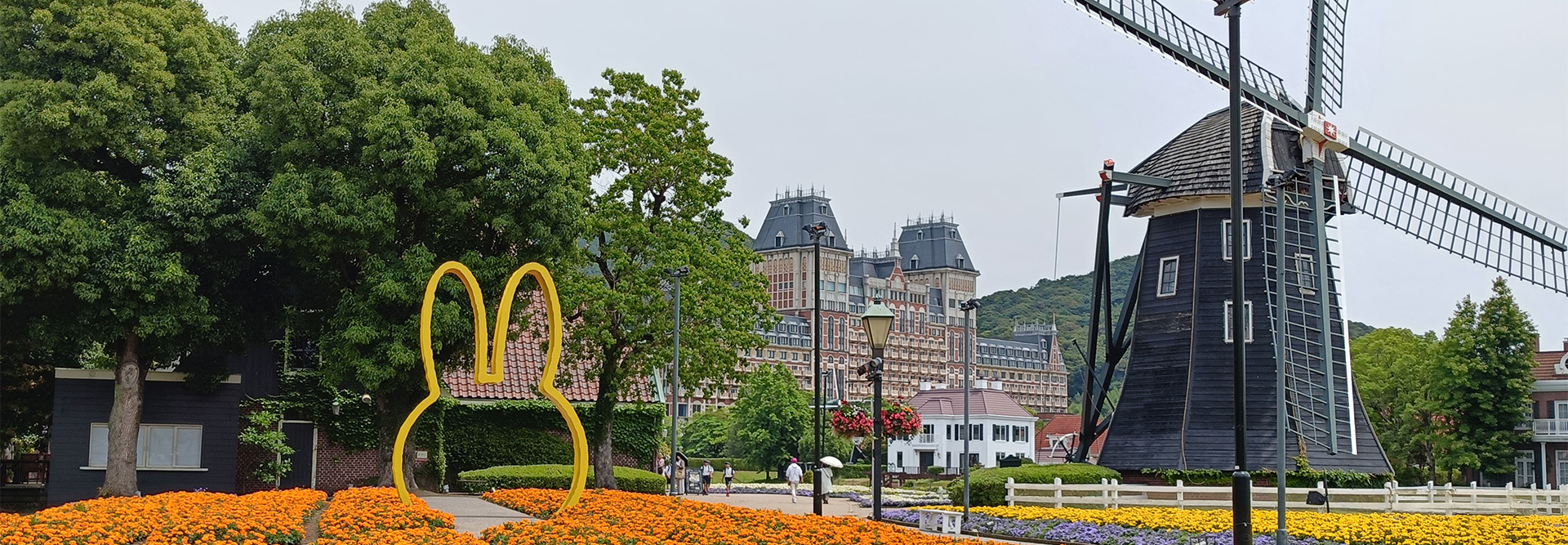
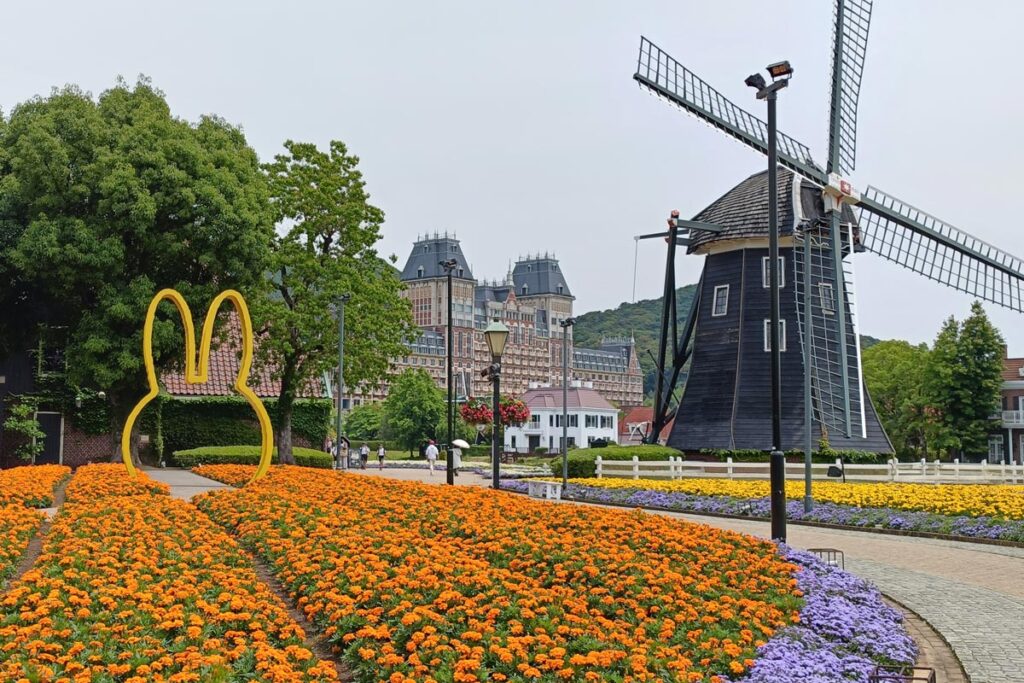
- Flower and Garden Areas: Windmills, tulip beds, rose gardens, and seasonal displays where you will take most of your classic Huis Ten Bosch photos.
- Harbor and Canal Districts: Lined with brick townhouses, Dutch-style gabled roofs, and waterfront cafes. Canal boats glide through these areas.
- Attraction Zones: Contain rides, VR experiences, small museums, and interactive entertainment aimed at both families and adults.
- Shopping and Restaurant Streets: Feature souvenir shops, chocolate and cheese stores, and restaurants inspired by both European and Japanese cuisine.
- Hotel Zone: Some hotels are inside or directly attached to the park, so you can walk straight into the attractions in the morning.
Unlike high-intensity ride parks, the atmosphere is more like a European resort town: people stroll slowly, stop for photos, relax in cafes, and gather in plazas for shows and fireworks.
Ticket Types and How Long to Stay
Huis Ten Bosch sells several ticket types, and the right choice depends on how much time you have.
Day Pass
A full-day pass generally includes admission to the park plus access to most attractions. This is the best option if you want to enjoy rides, museums, and multiple shows rather than just walk around.
Evening or After-3 PM Ticket
Evening tickets allow entry later in the day, typically after mid-afternoon, at a reduced price. They are ideal if your main goal is to see the famous illuminations and night scenery rather than explore every attraction. Many visitors from Fukuoka arrive in the afternoon, stroll through the park at sunset, and stay until closing.
Multi-Day Pass
If you stay at an on-site hotel and want a relaxed pace, consider a two-day or consecutive-day pass. This lets you take breaks during the heat of the day, enjoy hotel facilities, or explore nearby Sasebo and still return to the park without worrying about limited time.
Best Time to Visit Huis Ten Bosch
Huis Ten Bosch is designed around seasonal events, so the atmosphere changes dramatically through the year. Choosing your travel dates according to what you want to see can transform your experience.
Spring: Tulips and Mild Weather
Spring is one of the most popular times to visit. Vast tulip fields bloom beneath windmills, echoing the Netherlands, and the weather is usually mild and comfortable.
- Highlights: Tulip festivals, spring flower displays, clearer skies for photos.
- Tips: Weekends can be crowded; visit on weekdays if possible.
Early Summer: Roses and Hydrangeas
As spring transitions to early summer, rose gardens and hydrangeas come into bloom. The park becomes a romantic backdrop for couples and photography enthusiasts.
- Highlights: Rose festivals, evening illuminations combined with early summer flowers.
- Tips: Japan’s rainy season can fall around this time; bring a compact umbrella or light raincoat.
Autumn: Comfortable Temperatures and Clear Views
Autumn brings crisp air and often very clear days, making it excellent for sightseeing. While Huis Ten Bosch is not a traditional autumn foliage spot, the parks and trees still change color, and special events are often held around Halloween and harvest themes.
- Highlights: Pleasant weather, seasonal events, fewer crowds than spring.
Winter: Illuminations and Festive Atmosphere
Winter is when Huis Ten Bosch shines—literally. The entire park is transformed into a world of light, with millions of LEDs illuminating buildings, canals, and gardens. For many visitors, this is the main reason to come.
- Highlights: Grand illuminations, Christmas and New Year events, fireworks on select nights.
- Tips: Nights can be very cold and breezy near the water; bring warm layers, hats, and gloves.
Top Things to Do at Huis Ten Bosch
There is a wide variety of attractions, but you do not have to do everything. Here are some experiences that first-time visitors usually enjoy.
1. Stroll Through the Dutch Streets and Canals
The simple act of walking is one of the best ways to appreciate the park. Red-brick buildings, cobblestone streets, flower beds, and canals create a realistic European atmosphere with the precision of Japanese craftsmanship.
- Take photos at bridges overlooking the canals.
- Look for small design details: ornate doors, window boxes, and decorative tiles.
- Visit in daylight and again at night to see how the mood changes.
2. Enjoy Seasonal Flower Gardens
Huis Ten Bosch is sometimes called a “flower kingdom” because carefully planned gardens bloom almost year-round. The park’s design reflects Japan’s love of seasonal beauty; just as people chase cherry blossoms across the country, they come here for tulips, roses, and other flowers that match each season.
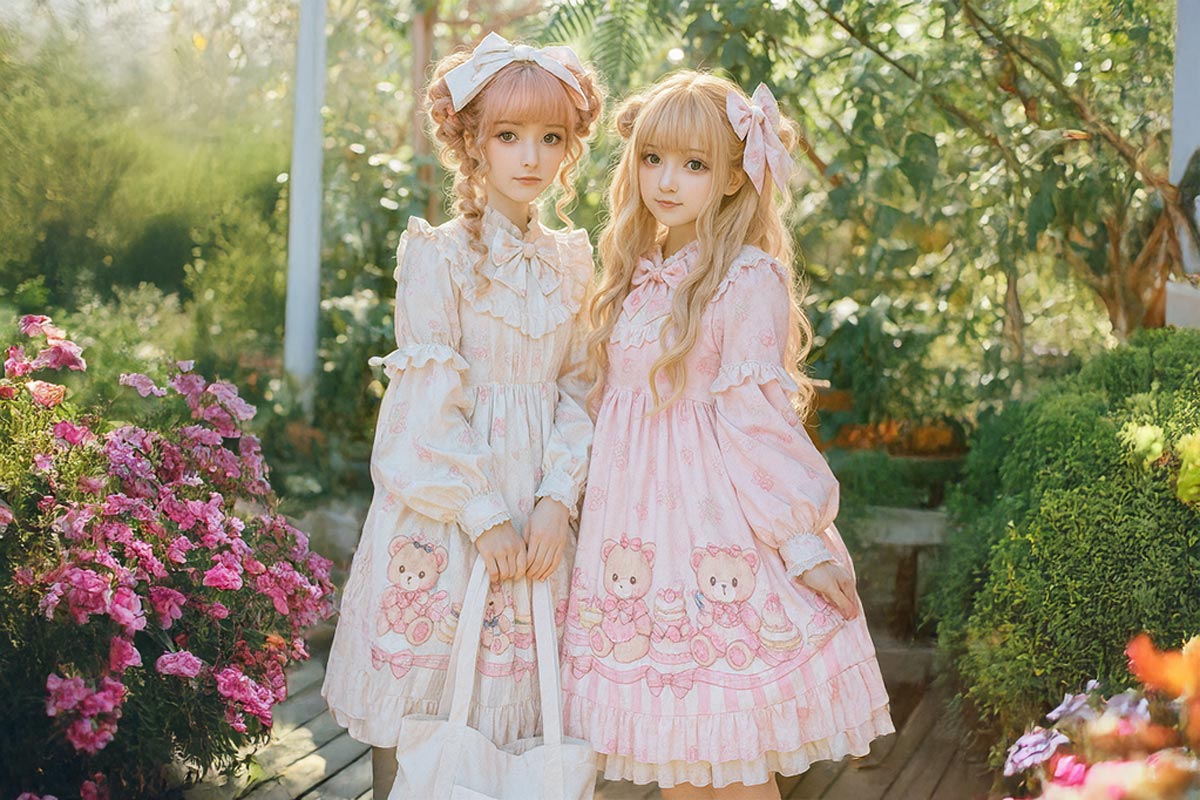
Signs usually mark photo spots, and many visitors wear bright outfits to stand out against the flowers. If you enjoy photography, bring a camera or charge your smartphone fully.
3. Experience the Illuminations
At night, the town transforms into a fantastical landscape of white, blue, and rainbow-colored lights. Buildings, trees, and canals are lit up, and special projection mapping shows may play on facades. The illuminations are carefully choreographed, echoing Japan’s broader culture of winter light displays found in cities across the country.
- Check the schedule for light shows and mapping events.
- Walk to elevated viewpoints or towers for panoramic night views.
- Plan at least one full circuit of the park after dark.
4. Take a Canal Cruise
Canal boats glide through the waterways, offering a relaxed way to see the townscape from a different angle. Commentary is usually in Japanese, but the scenery speaks for itself, and announcements are straightforward enough to follow with basic understanding.
Even if you do not understand every word, this is a peaceful experience that emphasizes the slow, resort-like mood of Huis Ten Bosch, contrasting strongly with the busy trains and streets of Tokyo or Osaka.
5. Explore Indoor Attractions and Museums
Huis Ten Bosch also houses various indoor attractions, which may include small art galleries, interactive technology exhibits, VR experiences, or themed museums. Content changes over time, but you can expect a mix of family-friendly entertainment and more refined cultural displays.
On rainy or hot days, these indoor spaces offer a comfortable break while still staying within the park environment.
6. Shop for Dutch-Inspired Souvenirs
Shopping at Huis Ten Bosch reflects both Dutch heritage and Japanese tastes. You will find:
- Cheese and chocolate inspired by European flavors.
- Colorful tins and sweets packaged for omiyage (souvenir-gift giving), an important part of Japanese travel culture.
- Goods decorated with windmills, tulips, and the park’s mascots.
Remember that Japanese travelers often buy small, individually wrapped snacks to share at work or with friends; you can follow this tradition or simply choose items you personally enjoy.
7. Try Food and Drink with a European Twist
Dining at Huis Ten Bosch ranges from quick snacks to full-course meals. Expect a mix of European-inspired dishes and familiar Japanese comfort food.
- Cafes and bakeries: Enjoy pastries, Dutch-style pancakes, or coffee along the canals.
- Restaurants: Some serve Western-style set meals, while others offer Japanese dishes adapted to the European setting.
- Beer and wine: The park sometimes hosts beer or wine-themed events; check seasonal information if you are interested.
As in the rest of Japan, staff are generally very polite and patient with foreign visitors. Many places display plastic food models or photos of dishes, making ordering easier.
Staying Overnight: On-Site Hotels and Resorts
One of the biggest advantages of Huis Ten Bosch is the variety of accommodation in and around the park. Staying on-site lets you experience both early-morning calm and late-night illuminations without worrying about train schedules.
Benefits of Staying at a Park Hotel
- Early access: Walk into the park shortly after opening, before day visitors arrive.
- Flexible schedule: Take an afternoon rest at your hotel and return refreshed for the illuminations.
- Immersive atmosphere: Some rooms overlook canals or gardens, extending the European-town illusion.
Rooms typically follow Japanese standards of cleanliness and hospitality. Breakfast may include both Western and Japanese options, such as bread, eggs, rice, and miso soup.
Practical Tips for First-Time Visitors
Language and Signage
Most signs around Huis Ten Bosch include English, and maps are easy to understand. Not all staff speak fluent English, but they are used to international guests and will usually communicate with simple phrases, gestures, and printed guides.
Cash, Cards, and Tickets
- Major credit cards are widely accepted at ticket counters, shops, and hotels.
- It is still wise to carry some cash in yen, especially for vending machines or smaller kiosks.
- Buying tickets in advance online can save time, especially during peak seasons or special events.
What to Pack
- Comfortable walking shoes: The park is large, and you will walk a lot.
- Layered clothing: Temperatures can change quickly between day and night, especially in spring and autumn.
- Portable charger: You will likely take many photos and use map apps.
- Rain gear: A compact umbrella or light raincoat is helpful in any season.
Recommended Length of Stay
If you are on a fast-paced Japan itinerary, a single full day or afternoon-plus-evening visit is enough to experience the main sights and illuminations. For a slower, more relaxing approach—especially if you are traveling with family or spending several days in Kyushu—consider staying one or two nights at a park hotel and using Huis Ten Bosch as your base.
Combining Huis Ten Bosch with Other Kyushu Destinations
Huis Ten Bosch is well positioned for a broader Kyushu trip. After enjoying the European-style resort atmosphere, you can explore very different sides of Japan nearby.
- Sasebo City: A short train ride away, known for its harbor views and Sasebo burgers, a local take on American-style burgers.
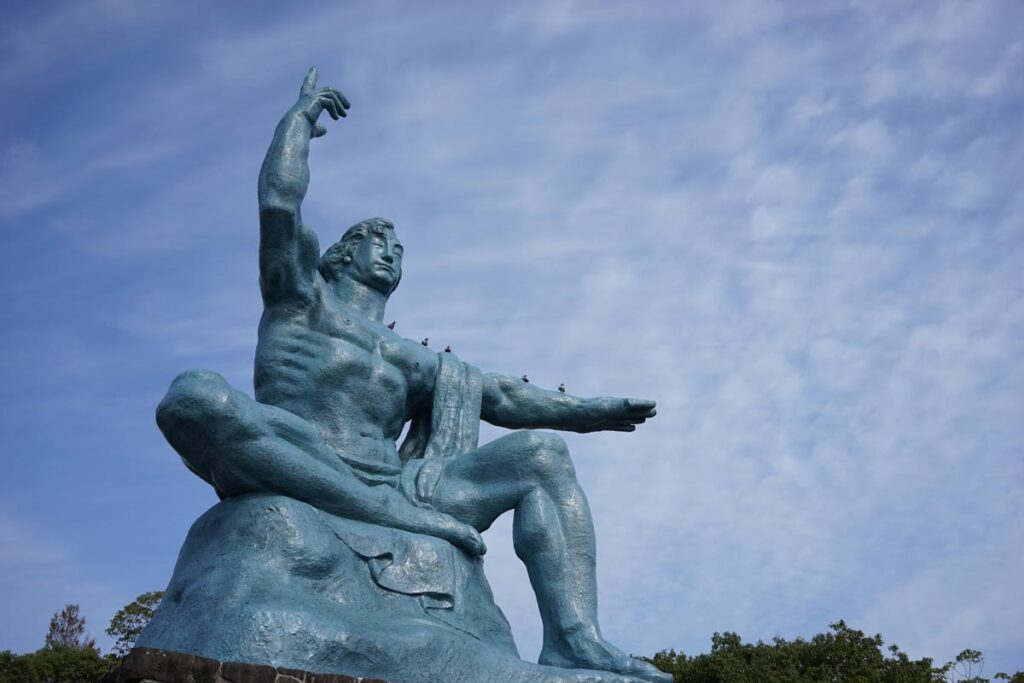
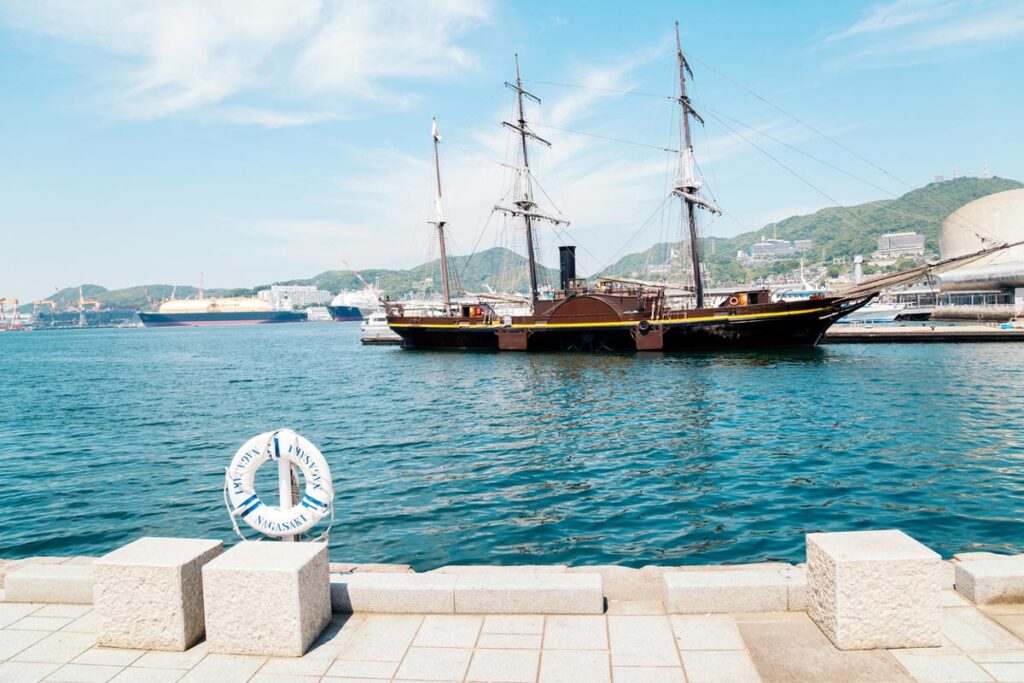
- Nagasaki City: Rich in history and international influences, with sites such as Dejima, the Peace Park, and hillside viewpoints.
- Onsen towns in Kyushu: Places like Unzen, Beppu, and Yufuin showcase hot-spring culture and traditional ryokan stays.
- Fukuoka: A major city with convenient flights and famous food stalls (yatai) serving ramen and other local dishes.
Why Huis Ten Bosch Belongs on Your Japan Itinerary
Huis Ten Bosch is unlike other Japanese theme parks. Instead of adrenaline-heavy rides, you find a meticulously crafted European townscape, seasonal flower festivals, gentle attractions, and some of the country’s most impressive illuminations. It reflects two important aspects of modern Japan: a fascination with Western aesthetics and an ability to refine them with extraordinary detail and hospitality.
For international travelers, especially first-time visitors to Japan, a visit to Huis Ten Bosch offers a peaceful balance to the crowded urban experiences of Tokyo and Osaka. Whether you come for a day of tulips and canals or stay overnight to wander through the winter lights, you will see a side of Japan that is playful, imaginative, and deeply committed to seasonal beauty.
Include Huis Ten Bosch in your Kyushu itinerary, and you may leave with the feeling that you have visited two countries at once—Europe in appearance, Japan in spirit.

Access Map
Recommended spots in Nagasaki
Huis Ten Bosch
Peace Park
Glover Garden
Dejima
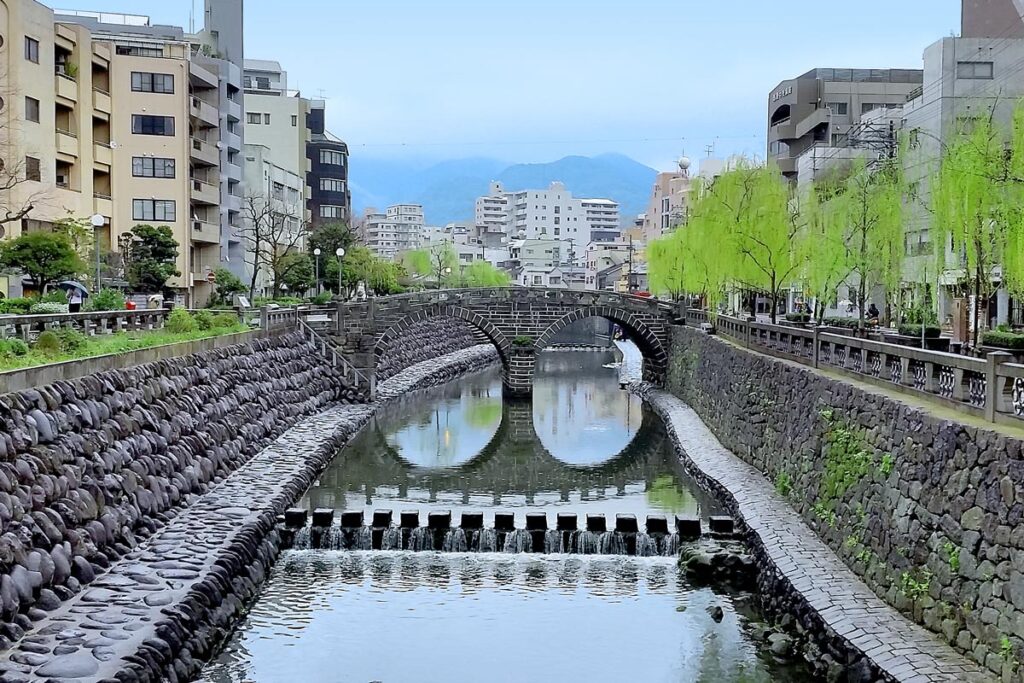
Megane Bridge
Top destinations in Kyushu/Okinawa
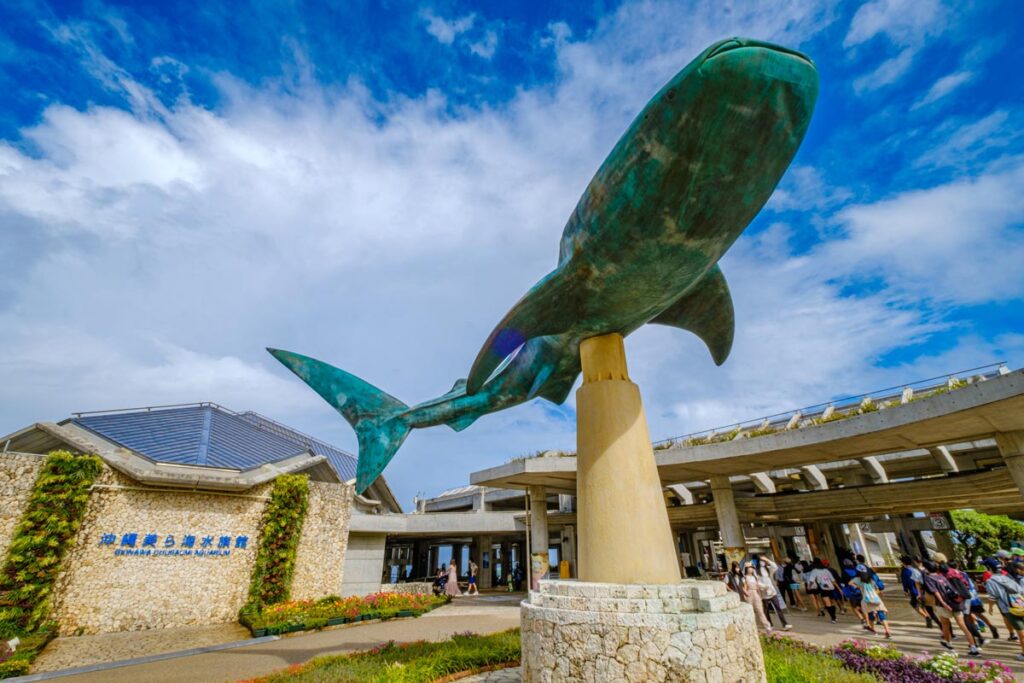
Okinawa
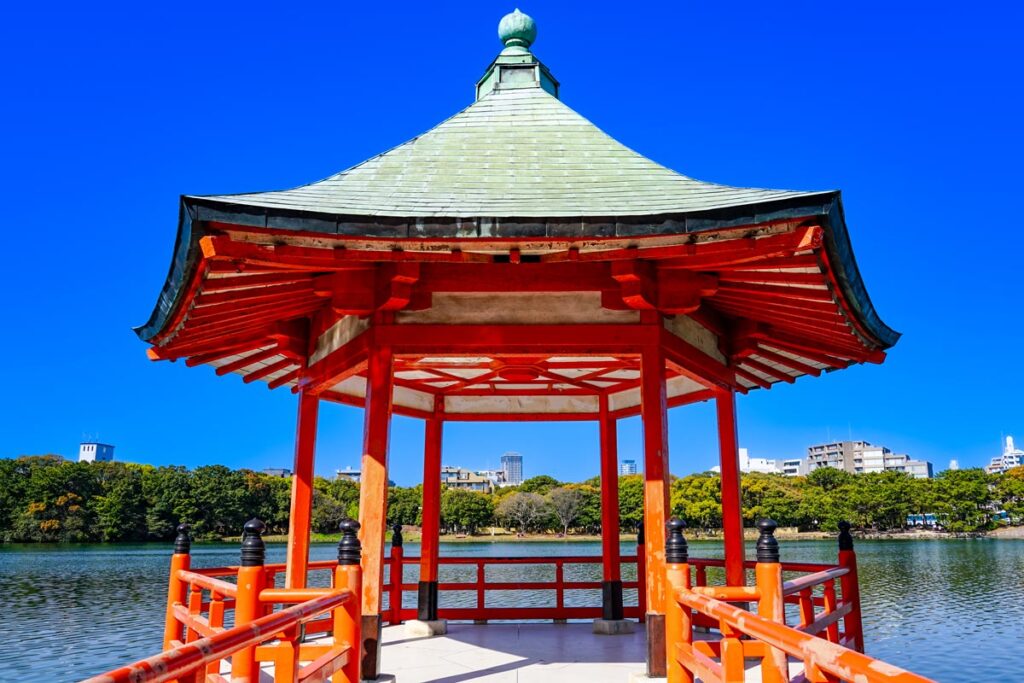
Fukuoka
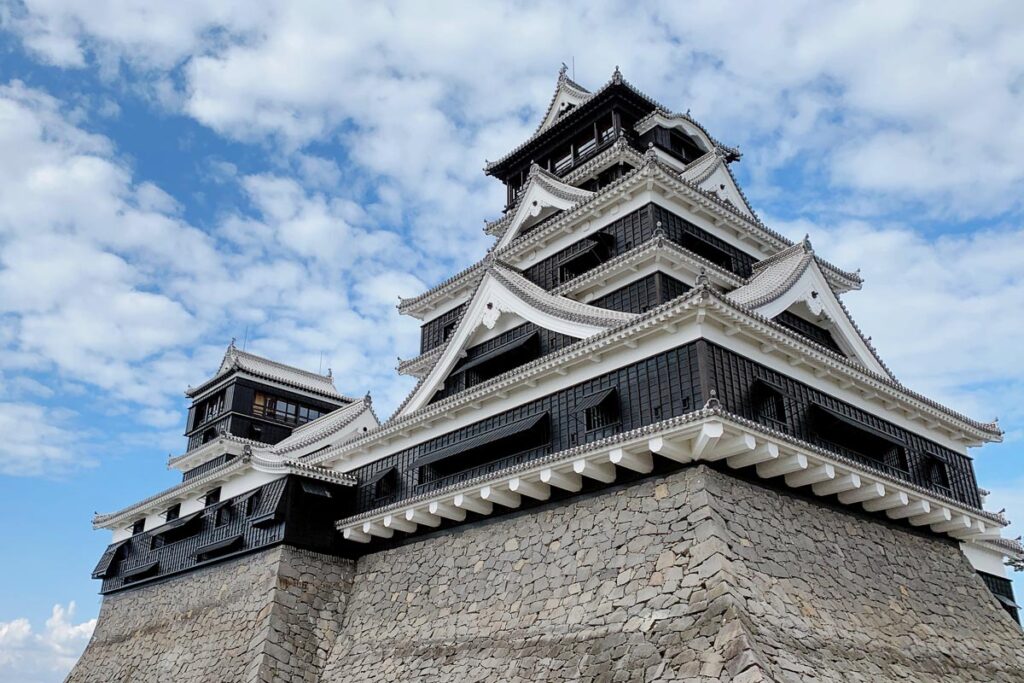
Kumamoto