



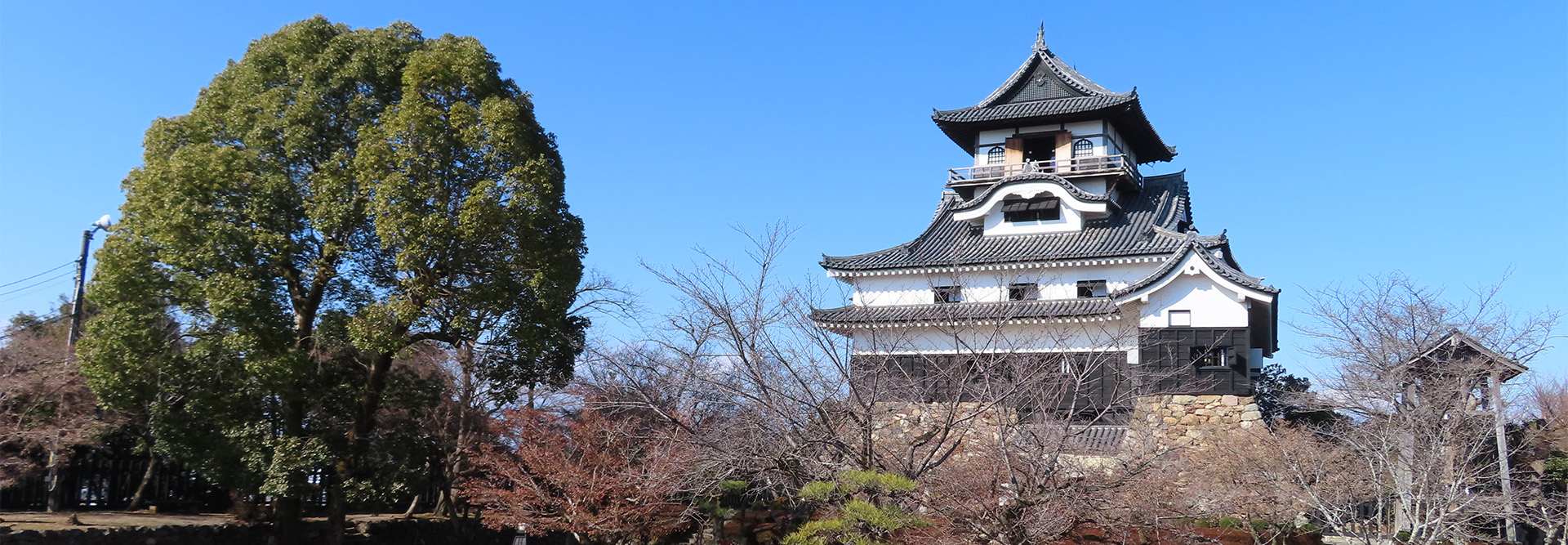
Inuyama Castle
Inuyama Castle: A Timeless Samurai Fortress Near Nagoya
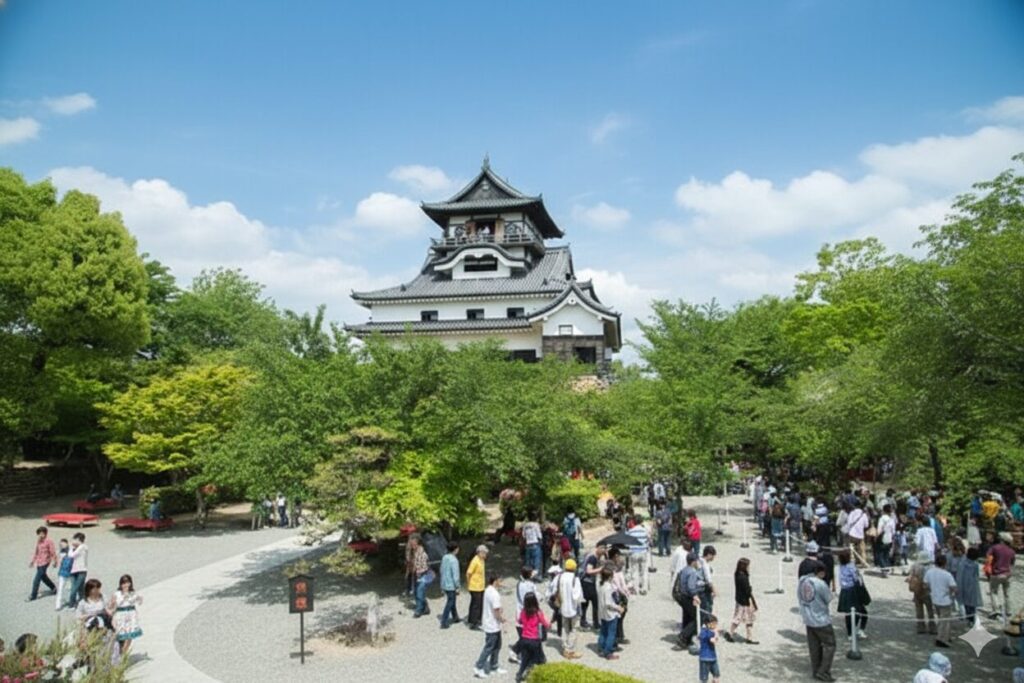
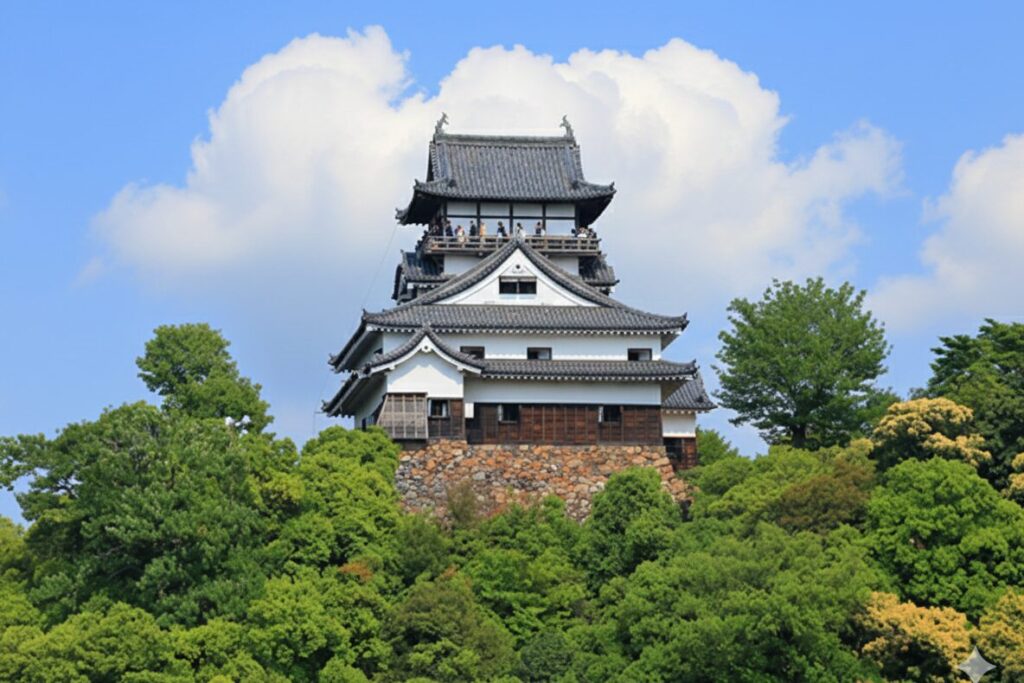
Photos are for illustrative purposes only.
Perched on a wooded hill above the Kiso River, Inuyama Castle is one of Japan’s most atmospheric original castles and a rewarding day trip from Nagoya. For first-time visitors to Japan, it offers a rare chance to step inside an authentic wooden keep, wander a preserved castle town, and experience traditional culture without overwhelming crowds.
Why Inuyama Castle Belongs on Your Japan Itinerary
Many castles in Japan are modern concrete reconstructions, rebuilt after fires, war, or earthquakes. Inuyama Castle is different. Its main keep (tenshukaku) is one of only a handful of original wooden castle towers left in Japan and is officially designated a National Treasure.
For international travelers, this means:
- A genuine look at samurai-era architecture and defense design
- Intimate scale and a relaxed, local atmosphere
- Panoramic views over the Kiso River and surrounding mountains
- A traditional castle town lined with street food, cafés, and craft shops
Compact, walkable, and full of character, Inuyama is ideal if you want a historic experience that is easier to navigate than Japan’s bigger cities.
A Brief History: One of Japan’s Oldest Castles
Inuyama Castle’s origins date back to the mid-16th century, during Japan’s turbulent Sengoku (Warring States) period. The castle overlooks a strategic crossing of the Kiso River, which was vital for controlling movement between central Japan and the north.
Over the centuries, it passed between powerful clans, including allies of the famous warlord Oda Nobunaga, before becoming the domain of the Naruse family. Remarkably, Inuyama Castle was privately owned for generations, which helped preserve its wooden interior and original structure. Today it is managed by a public foundation, but it still retains the feeling of a lived-in fortress rather than a reconstructed museum.
Exploring the Castle Grounds
The approach to Inuyama Castle is part of the experience. From Inuyama Station, you enter the preserved castle town and slowly climb toward the hilltop keep, passing old wooden shops, shrines, and stone markers that hint at the town’s long history.
After you pass through the ticket gate and stone walls, you step into a compact complex typical of mountain-and-river castles (yamashiro). Despite its modest size compared with Osaka or Himeji, the castle’s position on a cliff above the river made it highly defensible. Steep slopes, narrow paths, and multiple gates were designed to slow attackers.
The Original Wooden Keep
The heart of your visit is the three-story wooden keep, which rests on a sturdy stone base. Shoes must be removed at the entrance, and you’ll store them in cubbies or plastic bags provided by staff. Inside, the smell of old timber and the creak of floorboards remind you that this building has withstood wars, typhoons, and earthquakes for centuries.
The interior is simple and functional, with dark wooden beams and tatami rooms. As you climb, look for:
- Defensive features such as narrow windows for archers and gun ports
- Steep, narrow staircases built to slow any enemy who made it inside
- Displays of armor, weapons, and maps offering context for the castle’s role in regional warfare
The climb can be challenging for those with mobility issues or young children, but the experience of ascending authentic wooden stairs used by samurai and retainers feels unmistakably real.
The Panoramic Observation Deck
At the top, you step out onto a wraparound balcony with 360-degree views. This open-air corridor is one of Inuyama Castle’s highlights.
On a clear day, you can see:
- The winding Kiso River directly below, once used for transport and trade
- The tiled roofs of Inuyama’s old town stretching from the base of the hill
- Distant mountains marking the transition from city to countryside
The railing is relatively low by modern standards, so be careful with cameras and small children. In return, the views feel unobstructed and immediate, giving you a strong sense of why this hill was chosen for a fortress.
Inuyama Castle Town: Old Streets and Local Flavors
The area leading up to the castle is one of the most enjoyable castle towns in central Japan, with much of its historic street grid still intact. Recent restoration efforts have revived traditional shopfronts and wooden facades, making the walk to the castle as memorable as the castle itself.
Strolling Honmachi Street
Honmachi-dori, the main street, runs straight toward the castle, creating a classic postcard view of the keep framed by low, dark-wood buildings. This is the place to slow down and explore:
- Cafés in renovated townhouses serving matcha, seasonal sweets, and light lunches
- Street food stalls offering skewers, rice crackers, soft-serve ice cream, and local specialties
- Souvenir and craft shops selling ceramics, chopsticks, textiles, and unique regional gifts
Weekend afternoons can be lively, with couples in rental kimono, families, and small groups of friends taking photos and sampling snacks. On weekdays, the area is often quieter and easier to photograph.
Traditional Snacks to Try
While prices and specific shops change, keep an eye out for:
- Mitarashi dango: grilled rice dumplings glazed with a slightly sweet soy sauce
- Gohei mochi: regional grilled rice cakes coated in a miso or walnut sauce
- Local wagashi: delicate Japanese sweets that pair beautifully with green tea
These make great snacks between sightseeing stops and offer a taste of everyday Japanese flavors beyond sushi and ramen.
Cultural Experiences Around Inuyama Castle
Inuyama is more than just a castle. The wider area is known for living traditions, from river cormorant fishing to shrine festivals.
Kiso River and Cormorant Fishing
Below the castle, the Kiso River flows wide and calm. In summer, traditional cormorant fishing (ukai) is performed on the river at night. Fishermen in wooden boats use trained cormorants to catch river fish, illuminated by blazing braziers. While primarily a cultural performance today, it preserves a technique with over a thousand years of history.
Special viewing boats operate during the season, and reservations are often required. If your schedule and budget allow, it provides a memorable way to see the castle lit up from the water.
Nearby Shrines and Historic Sites
Within walking distance of the castle town are several smaller shrines and temples, where you can observe everyday religious practice in Japan:
- Local Shinto shrines where people pray, buy charms, and draw fortune slips
- Stone statues and torii gates tucked into side streets and hillside paths
These sites are usually peaceful and uncrowded, offering a glimpse into how historical and spiritual life blend with the modern town.
Best Time to Visit Inuyama Castle
Inuyama Castle is open year-round, and each season has its own charm:
Spring: Cherry Blossoms
Late March to early April is peak cherry blossom season, when the castle hill and riverbanks are fringed with pale pink flowers. This is one of the most photogenic times to visit, but also the busiest. Arrive early in the morning for fewer crowds and softer light.
Summer: Lush Greenery and River Activities
From June to August, the surrounding forest is a vivid green, and the river feels alive with boat activity. It can be hot and humid, so pack water, sunscreen, and a hat. Evening cormorant fishing performances add a cultural highlight.
Autumn: Clear Skies and Colorful Leaves
October and November bring cooler temperatures and autumn foliage. The view from the top of the keep over red and gold treetops is particularly striking. Visibility is often excellent, making this a comfortable and scenic time to climb the steep interior stairs.
Winter: Quiet and Atmospheric
In winter, visitor numbers drop and the atmosphere becomes calm. On rare snowy days, the white-capped roof and frosted trees create a fairy-tale scene. Dress warmly; the interior of the wooden keep can be chilly.
Practical Information for First-Time Visitors
Getting to Inuyama Castle from Nagoya
Inuyama is one of the easiest historical destinations to reach from Nagoya, making it an excellent half-day or full-day trip.
- From Nagoya Station: Take the Meitetsu Inuyama Line to Inuyama Station. The rapid or express services are the fastest; journey time is typically under 30 minutes.
- From Inuyama Station: Follow signs toward Inuyama Castle, walking through the castle town. The walk takes about 15–20 minutes at a relaxed pace.
Trains run frequently, and IC cards such as Suica, Pasmo, and regional cards are widely accepted on private lines in the Nagoya area. Check local guidance if you are using a JR Pass, as it generally does not cover Meitetsu services.
Tickets and Opening Hours
Opening hours and admission fees can change, so always confirm the latest details before you travel. As a general guideline:
- The castle is typically open from morning through late afternoon.
- Last entry is usually set 30–60 minutes before closing time.
- There is a modest admission fee for the castle grounds and keep.
Combined tickets that include nearby museums or attractions are sometimes offered, which can be useful if you plan to explore the area more deeply.
What to Wear and Bring
Because much of your visit involves walking and climbing, plan accordingly:
- Comfortable shoes: You’ll be walking on slopes, stairs, and occasional uneven surfaces.
- Easy-to-remove footwear: Shoes must be removed inside the keep; slip-on shoes are convenient.
- Layered clothing: Interiors can feel cooler in winter and warm in summer.
- Small bag: Narrow stairways make large backpacks and luggage difficult to manage.
Accessibility Considerations
The historic nature of Inuyama Castle means that accessibility is limited. The steep wooden stairs of the main keep are not suitable for wheelchairs or visitors with serious mobility issues. However, the lower grounds and parts of the castle town are more manageable.
If climbing to the top is difficult, you can still enjoy:
- Views of the castle from the base of the hill and riverside
- The atmosphere of the old town streets
- Cafés and shops with ground-floor seating
Tips for Enjoying Your Visit Respectfully
Inuyama Castle is both a tourist attraction and a cultural treasure. A few simple courtesies will help you fit in with local expectations:
- Follow staff instructions, especially regarding shoe removal, photography rules, and one-way stair routes.
- Move carefully on the stairs and balconies, holding the handrails where available.
- Keep noise levels low inside the keep; echoes carry easily in wooden interiors.
- Take your litter with you if you can’t find a bin; trash cans are rare in Japan.
Being mindful of these small details will make your time at the castle more relaxed and enjoyable for everyone.
Combining Inuyama with Other Destinations
Many travelers visit Inuyama as part of a wider Central Japan itinerary. From Nagoya, it pairs well with:
- A day exploring Nagoya’s modern city center, museums, and food scene
- Trips north into the mountains, such as historic post towns and alpine villages
- Stops between Tokyo and Kyoto, if you’re using the shinkansen and want a less-touristed detour
Because it is relatively compact, you can comfortably visit Inuyama Castle and town in half a day, leaving time for other sightseeing or travel in the morning or evening.
Final Thoughts: A Human-Scale Castle with Real Character
For first-time visitors to Japan, Inuyama Castle offers something increasingly rare: an authentic, human-scale window into samurai Japan that still fits easily into a modern travel schedule. The preserved wooden keep, sweeping river views, and welcoming castle town blend history and everyday life in a way that feels both accessible and deeply local.
Whether you are based in Nagoya or passing through Central Japan, set aside time for this hilltop fortress. Climbing its timeworn stairs and stepping out onto the breezy balcony, you may find that Inuyama becomes one of your most vivid memories of Japan.

Access Map
Recommended spots in Aichi
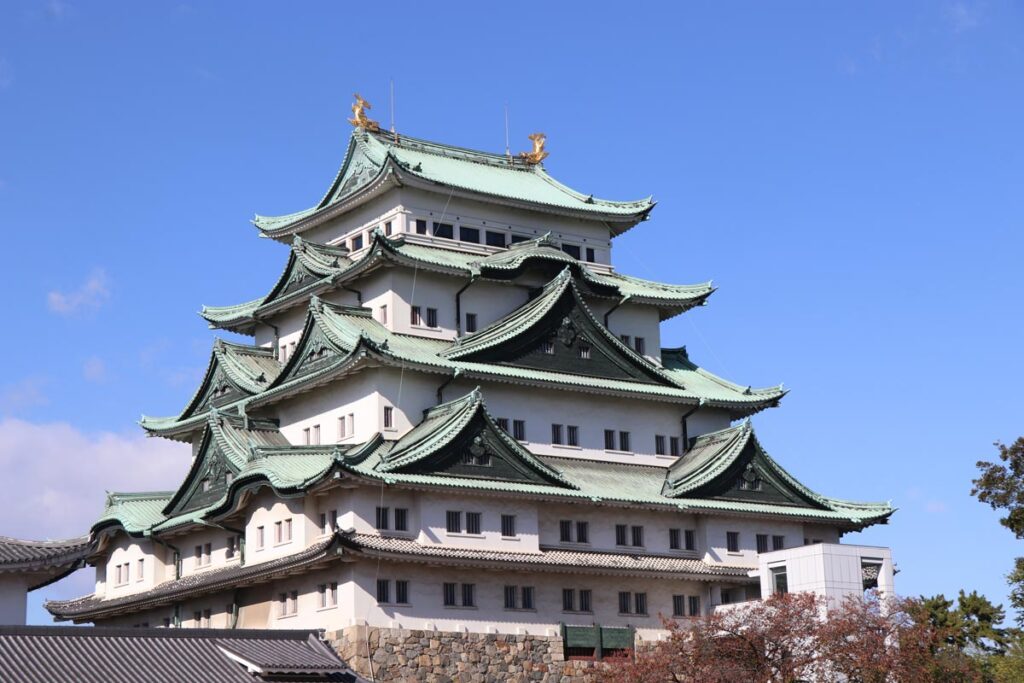
Nagoya Castle
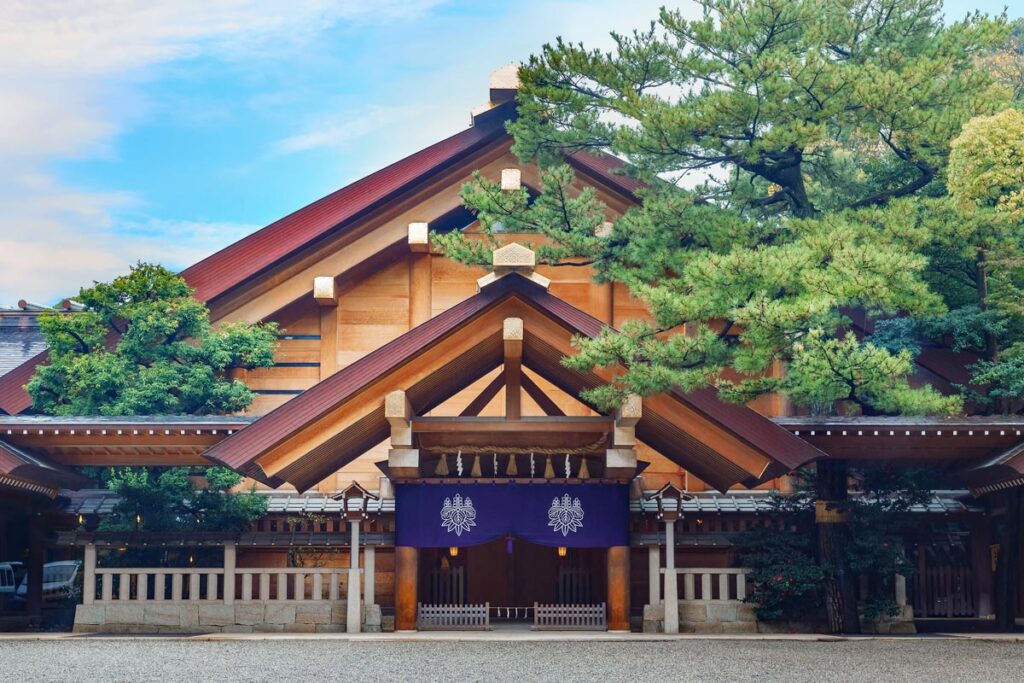
Atsuta Shrine
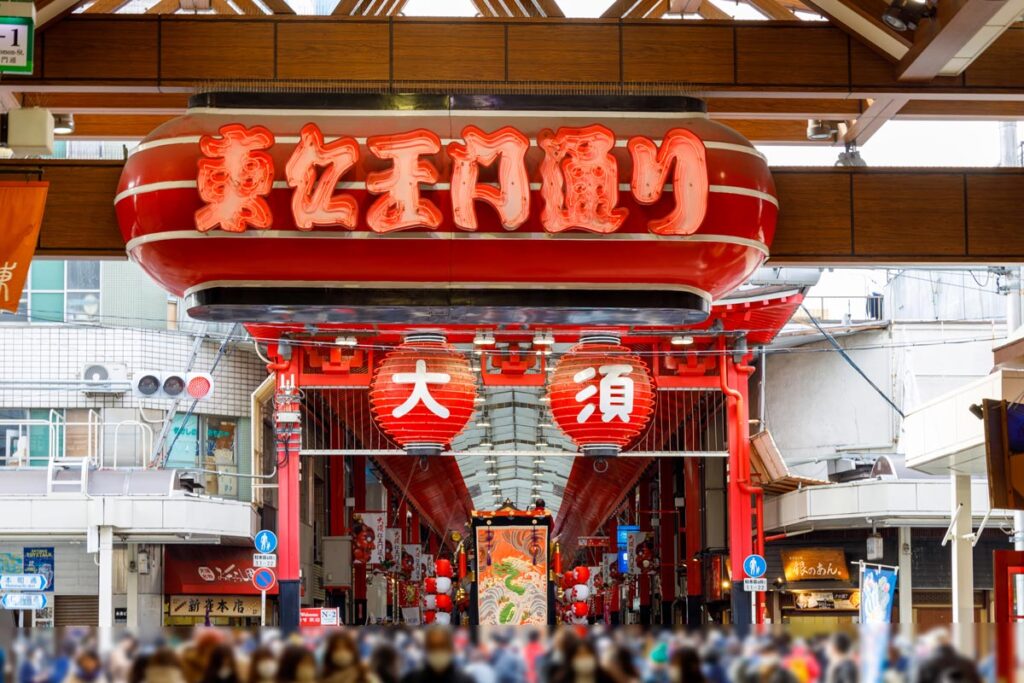
Ōsu Shopping Street
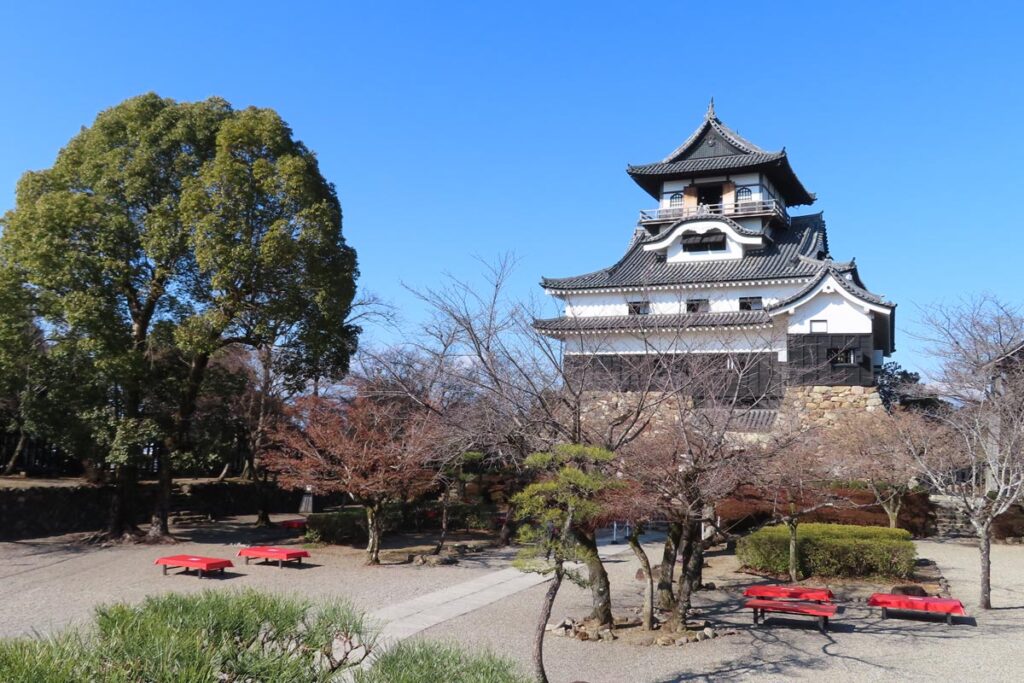
Inuyama Castle
Top destinations in Chubu/Hokuriku
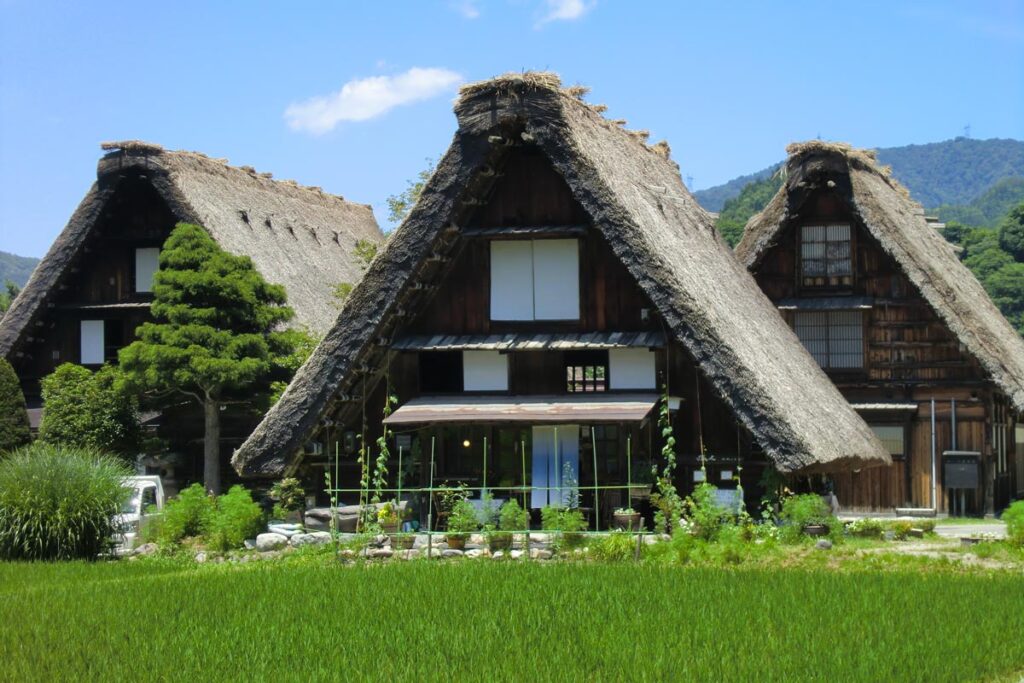
Gifu
Ishikawa
Nagano