


Ishikawa
First-Timer’s Guide to Ishikawa, Japan: Castles, Coasts and Culture
Photos are for illustrative purposes only.
On Japan’s northwestern coast, facing the Sea of Japan, Ishikawa Prefecture offers a refined blend of old samurai towns, quiet fishing villages, hot springs and dramatic coastal scenery. Less hectic than Tokyo or Osaka but rich in culture like Kyoto, it is an ideal destination for first-time visitors who want to see a more traditional side of Japan without traveling too far off the beaten path.
Centered on the historic city of Kanazawa, Ishikawa has long been associated with fine crafts, elegant gardens and gourmet seafood. With the opening of the Hokuriku Shinkansen (bullet train) line, it has also become much easier to reach from Tokyo, making it a popular side trip or base for exploring Japan’s Hokuriku region.
Where Is Ishikawa and Why Visit?
Ishikawa stretches along the Sea of Japan, with Kanazawa in the south and the long, finger-shaped Noto Peninsula reaching north. The prefecture was once part of the powerful Kaga Domain, ruled by the Maeda clan, who invested heavily in arts, gardens and town planning. This heritage is still visible in its exceptionally preserved districts and refined local culture.
For first-time visitors, Ishikawa offers three main appeals:
- History and culture: Samurai residences, geisha teahouses and one of Japan’s top three gardens.
- Nature and scenery: Rugged coastal drives, rice terraces and quiet rural landscapes.
- Onsen and food: Traditional hot spring towns and some of Japan’s best crab and sushi.
How to Get to Ishikawa
From Tokyo
The easiest way to reach Ishikawa is via the Hokuriku Shinkansen from Tokyo Station to Kanazawa Station. The journey takes about 2.5–3 hours, with frequent departures. The ride is fully covered by the Japan Rail Pass and most regional JR passes.
Seats are reserved on faster services (Kagayaki), so it is wise to book ahead during busy seasons such as cherry blossom (late March–early April) and autumn foliage (November).
From Osaka and Kyoto
From Osaka or Kyoto, take the express train to Tsuruga, then change to the Shinkansen to get to Kanazawa in about 2.5-3 hours. While slower than the shinkansen from Tokyo, these trains are comfortable and scenic, passing through rolling countryside and along the Lake Biwa area.
Getting Around Ishikawa
Within Kanazawa, buses and taxis are convenient. A loop bus connects most major tourist sites. For exploring beyond the city, especially the Noto Peninsula, consider:
- Rental cars (international driving permit required)
- Highway buses between Kanazawa and Noto towns
- Local trains for nearby hot spring areas
If you are not comfortable driving in Japan, it is still possible to visit key spots on the peninsula via bus or guided tours, but schedules can be sparse, so plan ahead.
Kanazawa: The Cultural Heart of Ishikawa
Kanazawa is often called “Little Kyoto” for its well-preserved districts and traditional atmosphere, yet it feels more relaxed and less crowded than its famous cousin. Allow at least two full days here on a first trip.
Kenrokuen Garden
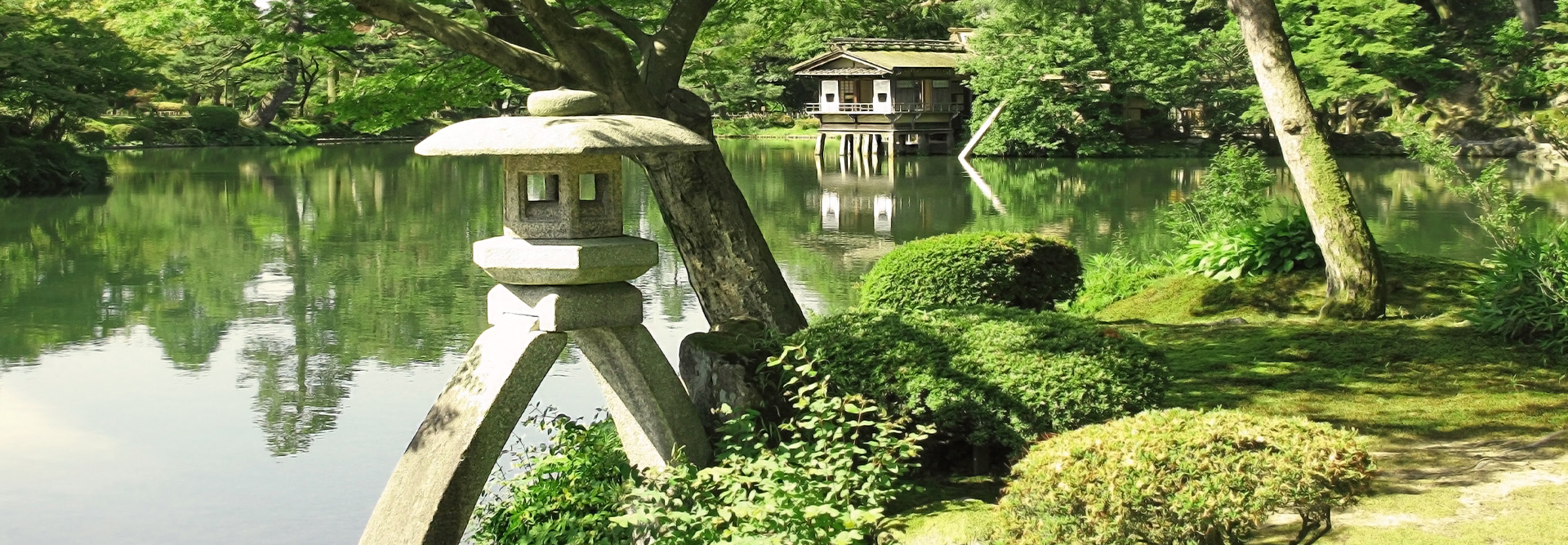
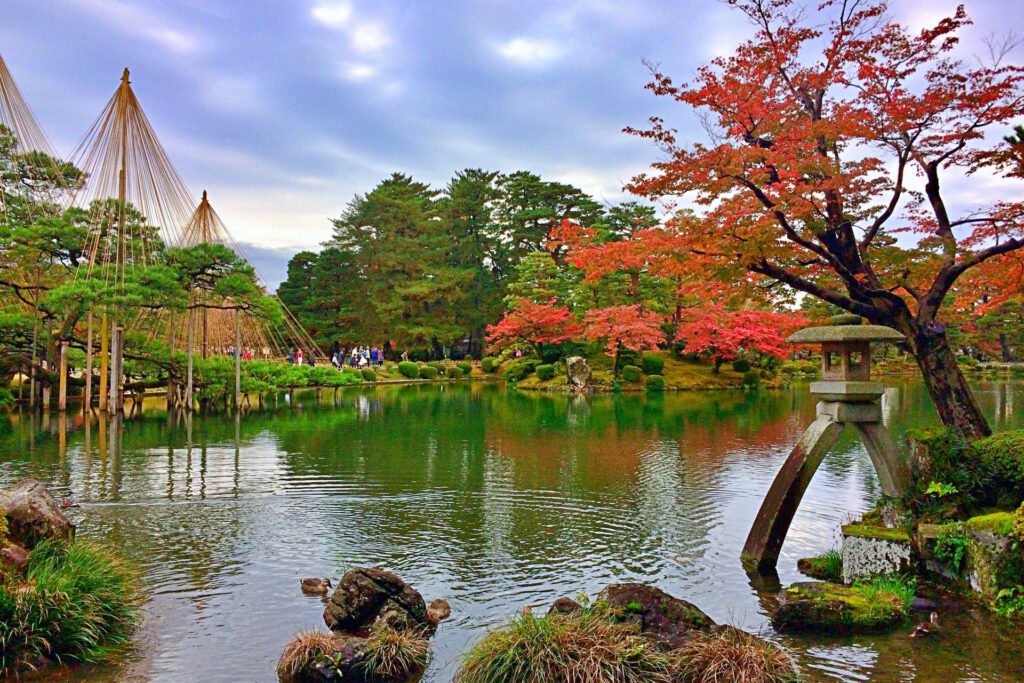
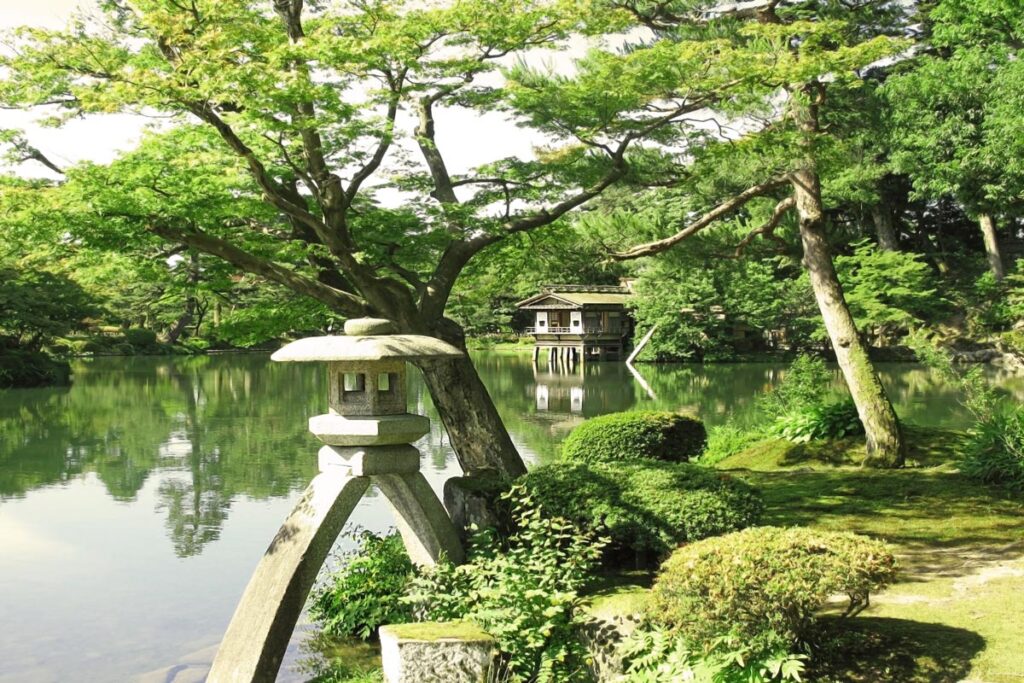
Kenrokuen is the star attraction of Ishikawa and one of Japan’s most celebrated landscape gardens. Once the private garden of the ruling Maeda family, it is carefully designed to embody six traditional qualities of a perfect garden: spaciousness, seclusion, artifice, antiquity, watercourses and panoramas.
Highlights include a stone lantern reflected in a tranquil pond, winding paths through mossy groves and seasonal flowers and trees that change the scene throughout the year. Visit early in the morning for fewer crowds and a more tranquil atmosphere. In winter, you will see distinctive yukitsuri, ropes strung from trees to protect their branches from heavy snow, creating a uniquely Ishikawa winter landscape.
Kanazawa Castle and Park
Across from Kenrokuen stands Kanazawa Castle Park, the former seat of the Maeda clan. Several gates and turrets have been carefully reconstructed using traditional techniques and local timber. Inside, you can learn how feudal lords defended and organized their domains, and from the walls you get sweeping views over the city.
Higashi Chaya District
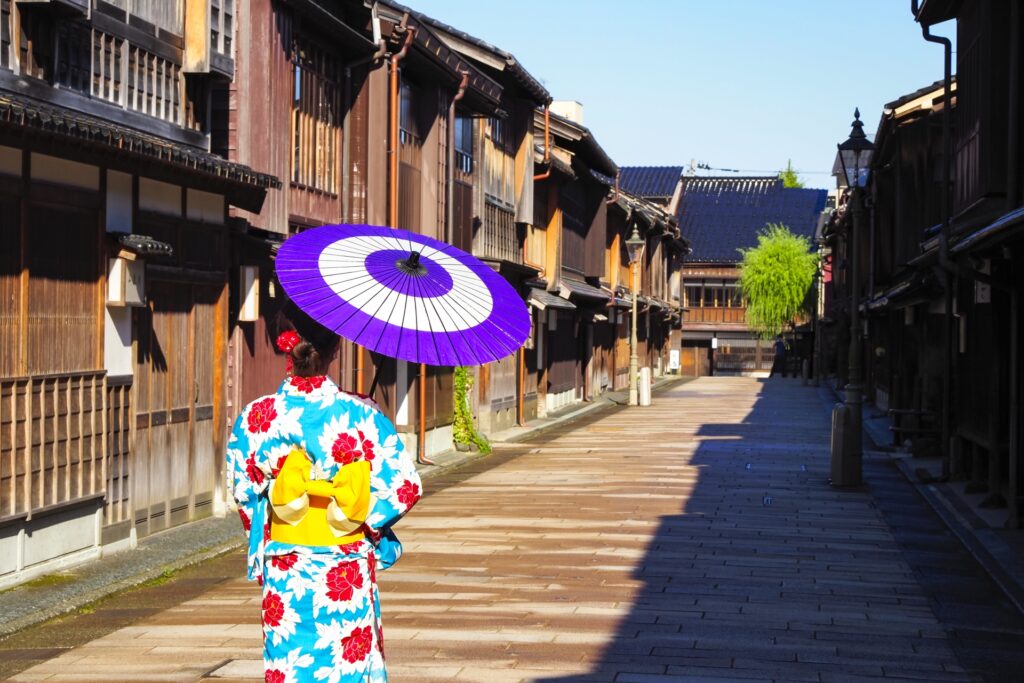
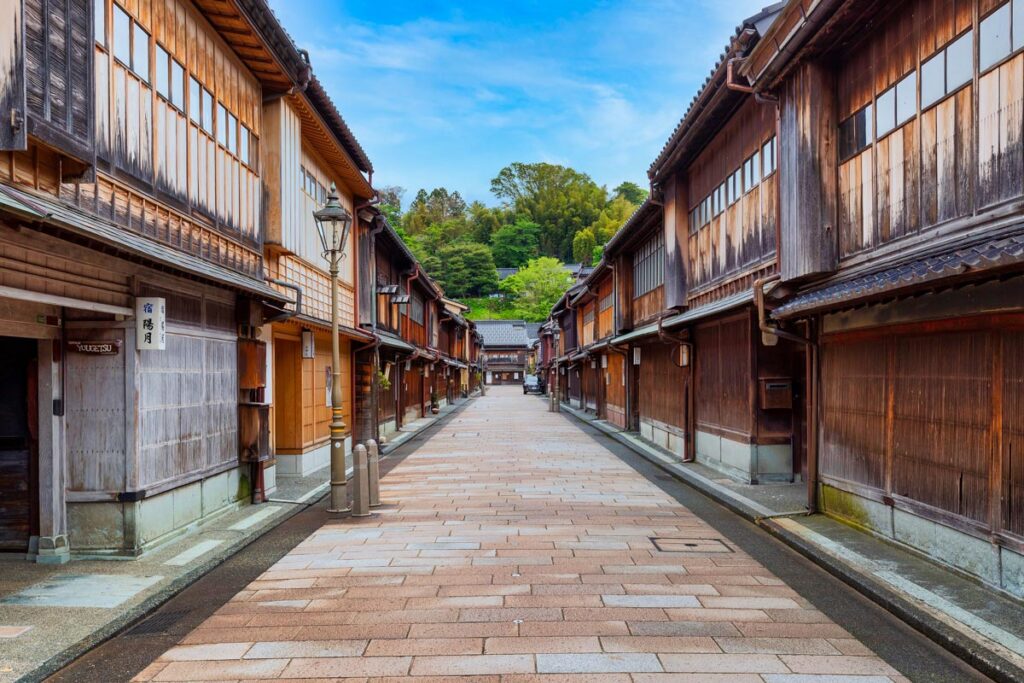
Higashi Chaya-gai is Kanazawa’s best-preserved geisha entertainment district. Its narrow lanes are lined with two-story wooden teahouses with latticework facades and paper lanterns. In the evenings, you may glimpse geiko (geisha) and maiko (apprentice performers) slipping quietly between engagements, though most teahouses still operate on an exclusive, introduction-only basis.
Visitors can step inside restored teahouses turned museums, where tatami rooms, stage areas and instruments show how performances were held. Some shops and cafés also offer sweets made with edible gold leaf, a Kanazawa specialty rooted in its history as a gold leaf production center.
Samurai District: Nagamachi
To understand Kanazawa’s warrior past, walk through Nagamachi, the preserved samurai quarter. Earthen walls, narrow alleys and water channels give a sense of feudal Japan’s residential design. At former residences such as Nomura-ke, you can explore tatami rooms, small but meticulously designed gardens and displays of armor and swords.
This area is especially atmospheric after light rain, when the stone-paved alleys and clay walls reflect the soft lantern light of the evening.
21st Century Museum of Contemporary Art
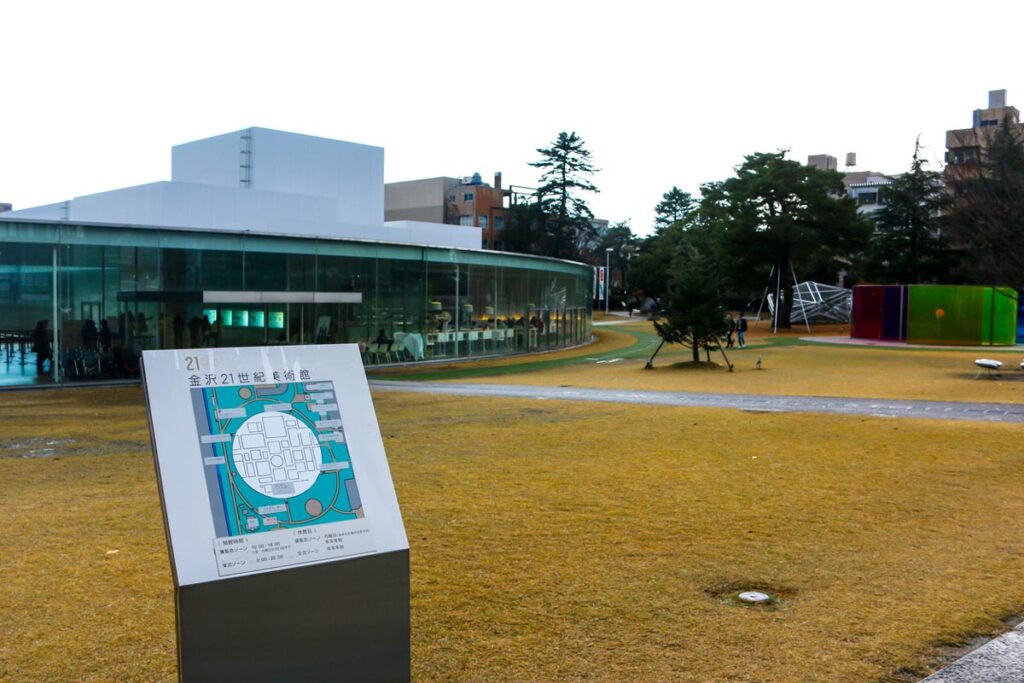
Kanazawa is not only about the past. The 21st Century Museum of Contemporary Art, near Kenrokuen, showcases cutting-edge modern art in a circular, glass-walled building. The contrast between historic gardens and contemporary design captures Kanazawa’s balancing act between tradition and innovation.
Food in Kanazawa
Facing the Sea of Japan, Ishikawa is famous for exceptionally fresh seafood. In Kanazawa, head to Omicho Market, a lively fish and produce market where locals shop for seasonal ingredients. Many small eateries serve rice bowls topped with sashimi, grilled fish and local specialties. In winter, look for snow crab and other cold-season delicacies.
Kanazawa is also known for delicate kaiseki cuisine, which showcases seasonal ingredients through many small courses. Reservations are essential at higher-end restaurants, and some have English menus or accept bookings through hotels.
Noto Peninsula: Coastal Scenery and Slow Travel
Jutting into the Sea of Japan, the Noto Peninsula offers a slower, more rural experience of Ishikawa. It is dotted with fishing ports, rice terraces and small shrine towns. The region has long been associated with salt production, traditional festivals and a strong sense of local identity.
Scenic Drives and Coastal Views
One of the best ways to appreciate Noto is by driving along its coastal roads. You will pass rugged cliffs, windswept beaches and small villages clinging to the shoreline. Famous viewpoints include unique rock formations and stretches of coast where waves crash dramatically against the shore, especially in winter when the Sea of Japan can be wild and moody.
Inland, terraced rice fields cascade down slopes toward the sea, particularly striking in spring when flooded with water and in autumn when golden with ripe grain.
Cultural Experiences
Noto is known for its many local festivals, where portable shrines and towering festival floats are paraded through towns to the sound of drums and flutes. Even outside festival dates, you can see floats on display at small museums or town centers, and visit shrines that serve as community focal points.
Traditional crafts also survive here, from lacquerware to wooden architecture. Staying in small guesthouses (minshuku) or traditional inns (ryokan) lets you experience rural hospitality and home-style cooking based on local catches and mountain vegetables.
Hot Springs: Relaxing in Ishikawa’s Onsen Towns
Soaking in an onsen bath is one of the great pleasures of travel in Japan, and Ishikawa has several well-known hot spring resorts within easy reach of Kanazawa. They make ideal bases for a night or two of quiet relaxation.
Kaga Onsen Area
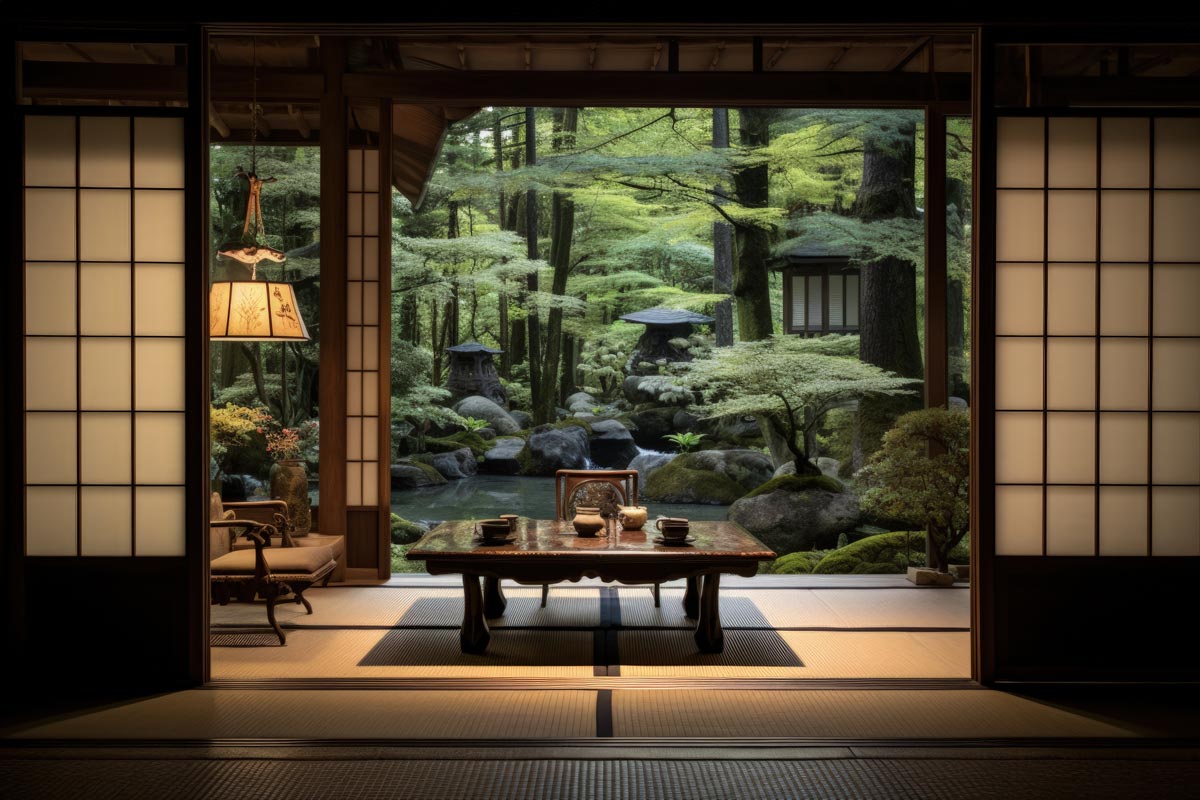
To the south of Kanazawa lies the Kaga Onsen region, consisting of several historic hot spring towns such as Yamashiro, Yamanaka and Katayamazu. Each has its own character, but all offer traditional ryokan with indoor and outdoor baths, multi-course dinners and tatami rooms where futons are laid out at night.
In many onsen towns, you can stroll in yukata (light cotton robes) and wooden sandals, moving between public baths, small shrines and riverfront paths. Some towns have long histories as retreats for poets and artists, and you may find small museums or galleries dedicated to local cultural figures.
Onsen Etiquette Basics
For first-time visitors, a few key rules help you enjoy onsen like a local:
- Wash thoroughly at the shower area before entering the shared bath.
- Swimsuits are not worn; baths are usually segregated by gender.
- Keep towels out of the bath water; place them on your head or the edge of the tub.
- Speak quietly and avoid splashing to maintain a calm atmosphere.
Some ryokan offer private family baths that can be reserved, which can be more comfortable for those not yet used to public bathing.
Traditional Crafts and Souvenirs
Ishikawa’s long history as a wealthy domain allowed artisans to develop highly refined crafts, many of which continue to this day.
Gold Leaf
Kanazawa produces the majority of Japan’s gold leaf, used to decorate temples, shrines, lacquerware and even food. In town, you can visit shops that demonstrate the delicate process of beating gold into ultrathin sheets. Popular souvenirs include gold leaf cosmetics, stationery, chopsticks and sweets dusted with edible gold.
Lacquerware and Ceramics
The region is also known for elegant lacquerware and distinct pottery styles. Small studios and galleries sell bowls, plates and tea utensils that make practical yet beautiful mementos. Many are handmade and intended for everyday use, reflecting Japan’s appreciation for well-crafted daily objects.
Best Time to Visit Ishikawa
Ishikawa has four distinct seasons, each offering a different atmosphere:
- Spring (March–May): Cherry blossoms usually appear in early April, particularly beautiful around Kenrokuen and Kanazawa Castle. Temperatures are mild, but evenings can still be cool.
- Summer (June–August): Warm and humid, with a rainy season in June and early July. Festivals and fireworks add lively color, and the Noto coastal areas are popular for fresh seafood and sea views.
- Autumn (September–November): Clear skies and comfortable temperatures make this a favorite time to visit. Gardens and mountain areas display vivid red and gold foliage, especially from late October to mid-November.
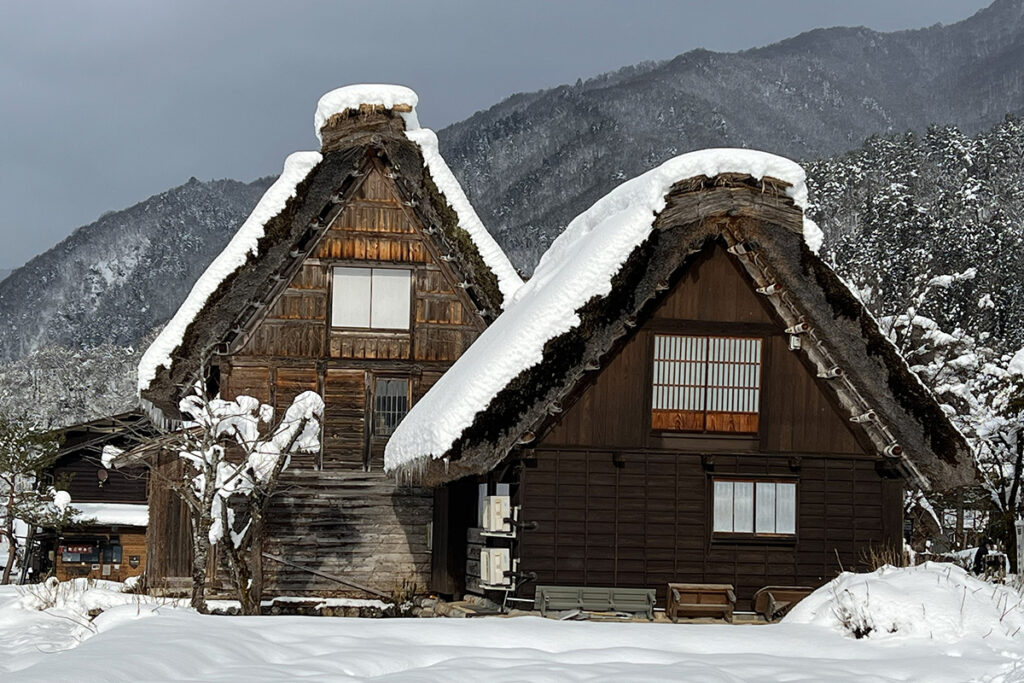
- Winter (December–February): Ishikawa often sees snow, transforming gardens and onsen towns into quiet, white landscapes. Seafood is at its richest, particularly crab. Roads can be icy in rural areas, so plan accordingly if driving.
Practical Tips for First-Time Visitors
Language and Signs
In Kanazawa and major tourist sites, you will find bilingual signs and some English-speaking staff, especially at museums and hotels. In smaller Noto or onsen towns, English may be limited, but a few simple Japanese phrases, a translation app and patience go a long way. Locals are generally friendly and helpful.
Money and Payments
Credit cards are widely accepted at hotels, larger restaurants and department stores in Kanazawa. In smaller shops, markets and rural areas, cash is still common. International ATMs are available at major convenience stores and post offices.
Suggested Itineraries
For first-time travelers to Japan including Ishikawa in their plans, consider:
- 2 days in Kanazawa: Kenrokuen, Kanazawa Castle, Higashi Chaya, Nagamachi, Omicho Market and the 21st Century Museum.
- 3–4 days in Ishikawa: Add a night or two in Kaga Onsen and a day trip or overnight to Noto Peninsula for coastal scenery and rural experiences.
Combining Ishikawa with Tokyo or Kyoto offers a balanced introduction to both Japan’s well-known cities and its more relaxed regional culture.
Experience a Refined Side of Japan
Ishikawa rewards those who take time to wander its backstreets, linger in gardens and sit down to carefully prepared seasonal meals. From the elegance of Kanazawa’s samurai and teahouse districts to the quiet rhythms of the Noto Peninsula and the restorative calm of hot spring towns, the prefecture offers a rich yet approachable introduction to Japanese culture.
For first-time visitors who want both iconic sights and authentic local atmosphere, Ishikawa is a destination that often becomes a favorite, and one many travelers find themselves returning to on future journeys across Japan.

Access Map
Recommended spots in Ishikawa
Kenrokuen
Higashi Chaya District
21st Century Museum of Contemporary Art
Top destinations in Chubu/Hokuriku
Gifu
Nagano
Aichi
Shizuoka
Ishikawa Useful Link