
Izakaya
How to Enjoy an Izakaya in Japan: A First-Timer’s Guide
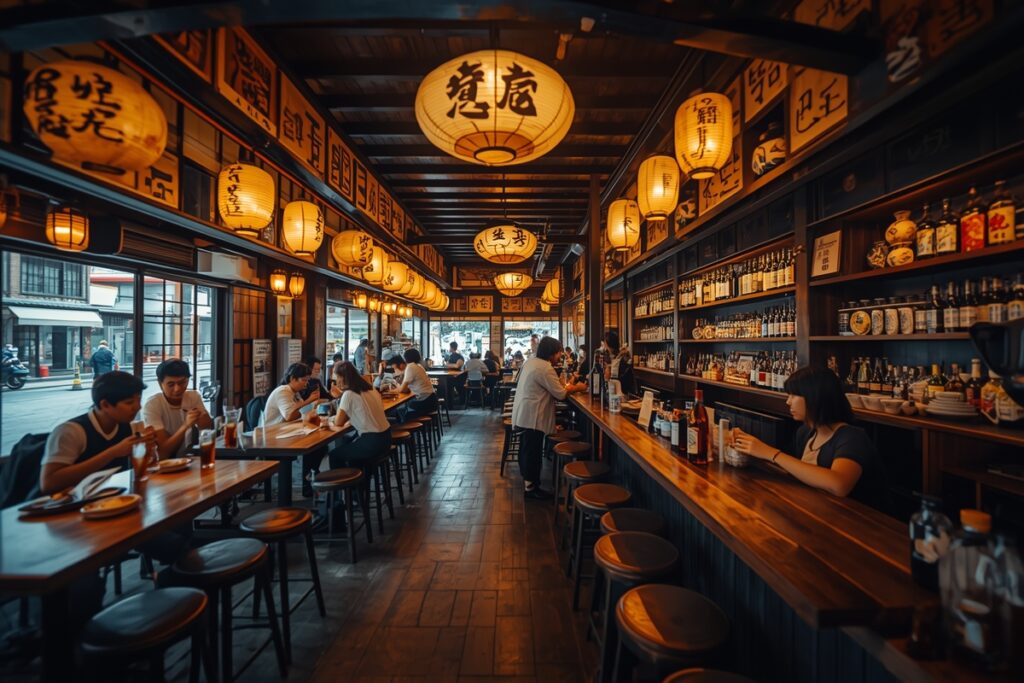
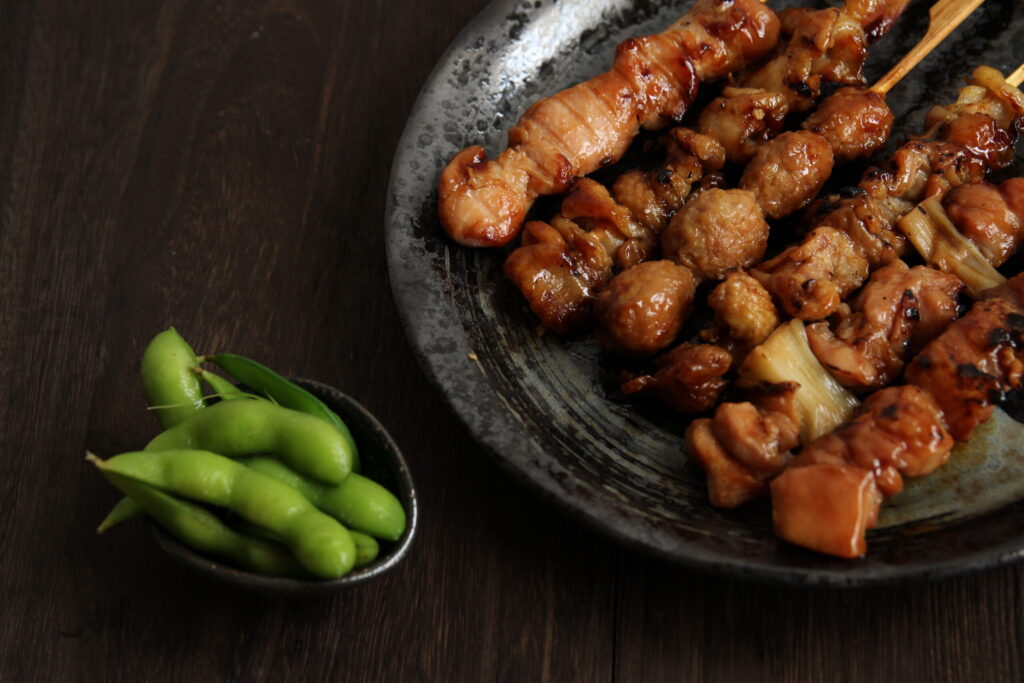
For many visitors, their first real taste of Japan happens not in a famous temple or a sleek high-rise bar, but at a bustling, lantern-lit izakaya. These casual Japanese pubs are where colleagues unwind after work, friends catch up over shared plates, and travelers get a warm, lively introduction to everyday Japanese life.
If you’re visiting Japan for the first time, an izakaya should be near the top of your itinerary. This guide explains what an izakaya is, how to order, what to eat and drink, and the key etiquette that will help you relax and enjoy the experience like a local.
What Is an Izakaya?
An izakaya (居酒屋) is best described as a Japanese-style pub or tapas bar. It’s a place to drink, snack, and socialize rather than sit in silence over a single main dish. The atmosphere is usually lively, sometimes noisy, and always relaxed.
Instead of a course meal, you order several small dishes to share, pairing them with beer, sake, or other drinks. Izakaya range from tiny counter-only spots down back alleys to large chain establishments with picture menus and tablet ordering systems.
Types of Izakaya You Might Encounter
1. Traditional “shitamachi” izakaya
Often found in older neighborhoods, these have wooden interiors, paper lanterns, and handwritten menus. Staff may speak limited English, but the atmosphere is warm and characterful.
2. Modern chain izakaya
Spread across big cities, they’re bright, busy, and generally beginner-friendly. Many chains offer English menus, photos of dishes, and touch-screen ordering with language options.
3. Specialty izakaya
Some focus on one theme: yakitori (grilled chicken skewers), seafood, oden (simmered dishes), or nihonshu (sake-focused bars). These are great if you want to dive into a particular food culture.
How an Izakaya Visit Works
1. Finding and Entering an Izakaya
Izakaya can be found around train stations, in busy nightlife districts, and along narrow alleys known as yokocho. Look for red or white paper lanterns, curtains (called noren) hanging over the door, and signs advertising beer or sake.
At the entrance, staff will greet you with a cheerful “Irasshaimase!” (Welcome!). Indicate your group size with your fingers if you don’t speak Japanese. You may be asked:
“Nan-mei sama desu ka?” – How many people?
Hold up your fingers or say the number in English or simple Japanese: “two” or “futari” for two, “three” or “sannin” for three, and so on.
2. Seating Styles
You might be seated at:
- Counter seats: Great if you’re alone or in a pair, and you can watch food being prepared.
- Table seats: Standard restaurant-style tables, good for most visitors.
- Zashiki (tatami) seats: Low tables on tatami mats, sometimes with a recessed footwell. You’ll remove your shoes; look for shoe lockers or a shelf near the entrance.
3. The “Otoshi” or Table Charge
In many izakaya, you’ll automatically receive a small appetizer soon after you sit down, such as pickled vegetables or a tiny salad. This is called an otoshi (or tsukidashi) and comes with a modest table charge, similar to a cover charge in Western bars.
This fee is standard and not a scam; it helps the establishment cover seating and service. You normally cannot refuse the otoshi, and it will appear on your bill.
How to Order Food and Drinks
Understanding the Menu
Menus may be printed booklets, laminated cards, or handwritten sheets on the wall. Many urban izakaya now offer English menus or at least menus with photos. If you’re unsure, ask the staff, “English menu?” or say “Eigo menu arimasu ka?”
Some modern places use tablets for ordering. Look for a language button (often a flag icon) to switch to English. In more traditional spots, you’ll order directly from the staff, usually by calling them over.
Calling the Staff
At busy izakaya, staff won’t necessarily hover at your table. To order, you can say “Sumimasen!” (Excuse me) in a clear but polite voice. This is completely normal in Japan and not considered rude in this context.
Some places have a call button on the table. Press it, and a staff member will come to take your order.
First Drinks: “Toriaezu Beer”
It’s common for groups to order drinks first, often all the same, then decide on food. The phrase “toriaezu biiru” means “beer for now” and captures this custom. You don’t have to follow it, but a first round of beers is a very typical start.
Popular drink options include:
- Beer – Usually draft lager (nama biiru).
- Highball – Whisky and soda, a light and refreshing choice.
- Chuhai / Sour – Shochu-based drinks with flavors like lemon, grapefruit, or oolong tea.
- Sake (nihonshu) – Served hot or cold; ask staff for recommendations.
- Soft drinks – Oolong tea, cola, ginger ale, juices.
Must-Try Izakaya Dishes
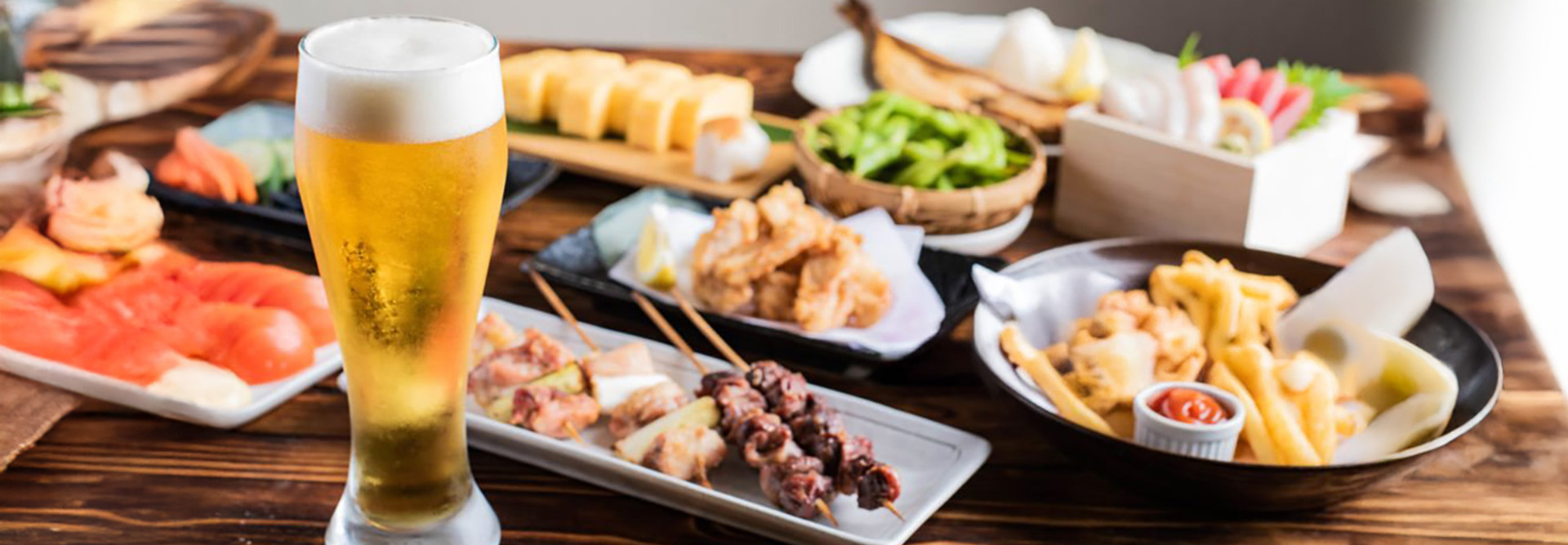
Unlike a restaurant with a single main course, izakaya are about sharing many small plates. This makes them ideal for trying a range of Japanese flavors in one sitting.
Classic Izakaya Favorites
- Yakitori – Grilled chicken skewers, from thigh meat and wings to more adventurous cuts like liver or skin. Often seasoned with salt (shio) or sauce (tare).
- Edamame – Lightly salted boiled soybeans in the pod; a go-to snack with beer.
- Karaage – Japanese-style fried chicken, juicy inside and crispy outside.
- Agedashi tofu – Lightly fried tofu in a savory broth with grated radish and green onion.
- Sashimi – Slices of raw fish, typically tuna, salmon, or seasonal specialties.
- Tempura – Lightly battered and fried seafood and vegetables.
- Nikumaki or kushiyaki – Various grilled skewers, including pork and vegetables.
Comfort Foods and Seasonal Dishes
- Oden – A comforting stew of daikon radish, eggs, tofu, and fish cakes simmered in a light broth, especially popular in winter.
- Nabe (hot pot) – Shared hot pot dishes like yosenabe or shabu-shabu, where you cook meat and vegetables at the table.
- Okonomiyaki or monjayaki – Savory pancakes or batter-based dishes cooked on a griddle, often at the table in specialized izakaya.
- Onigiri – Rice balls with fillings like salmon or pickled plum; a gentle way to end the meal.
If you feel overwhelmed, look for combination platters (often labeled as a “moriawase”) that give you a selection of skewers, sashimi, or appetizers on one plate.
Izakaya Etiquette for First-Time Visitors
Sharing Dishes
Izakaya food is typically shared family-style, placed in the center of the table for everyone. You’ll usually be given a small individual plate. Transfer a portion from the shared dish to your plate before eating.
If there are serving utensils, use those instead of your own chopsticks. If not, it’s polite—especially in groups you don’t know well—to flip your chopsticks around and use the clean ends to take food from shared plates.
Toasting and Drinking Together
Before drinking, people often raise their glasses and say “Kampai!” (Cheers!). It’s a simple, friendly ritual; join in, make eye contact, and then take your first sip.
In group settings, Japanese drinking culture emphasizes pouring for others. If you see someone’s glass becoming empty, it’s polite to offer to refill it. They will likely do the same for you. When someone pours for you, lift your glass slightly off the table with both hands as a sign of respect.
Pace and Order of Dishes
Dishes typically arrive as they are ready, rather than in strict courses. Cold dishes and quick items may appear first, followed by grilled items and hot dishes. You can keep ordering throughout your stay; it’s perfectly fine to add more skewers or another plate of karaage later on.
Noise and Atmosphere
Izakaya are naturally lively, with conversation, laughter, and clinking glasses. Speaking at a normal or slightly louder tone is acceptable, and casual dress is the norm unless you’re visiting a particularly upscale establishment.
How to Pay and Typical Costs
Understanding the Bill
When you’re ready to leave, say “O-kaikei onegaishimasu” (Check, please) or simply “Check, please” in English. In many izakaya, you’ll receive a small tray or slip with your total, and you take it to the cashier near the entrance to pay. In others, the staff will bring a portable register to your table.
Most izakaya will not automatically split the bill individually. In Japan, it’s common for one person to pay and the group to settle up among themselves afterward, or to divide the total evenly (warikan) using cash or payment apps.
Price Ranges
Costs vary by city and style, but a rough guide per person (including drinks) might be:
- Budget/chain izakaya: Around ¥2,000–¥3,500
- Mid-range: Around ¥3,500–¥6,000
- Specialty or high-end: ¥6,000 and up
There is usually no tipping in Japan. Service charges may be included at more upscale places, but you do not need to leave cash on the table.
Ordering Tips for Non-Japanese Speakers
Visiting an izakaya without speaking Japanese can feel intimidating, but staff in busy city areas are used to international visitors. A few simple strategies can make things smoother:
- Look for photos: Pointing at menu photos and saying “Kore onegaishimasu” (This, please) works well.
- Start with set menus: Some izakaya offer set courses or all-you-can-drink/all-you-can-eat plans (nomihodai and tabehodai). These can simplify decisions for groups.
- Mention allergies clearly: If you have serious allergies, prepare a printed card in Japanese explaining what you cannot eat, and show it to staff.
- Ask for recommendations: “Osusume wa?” (What do you recommend?) can lead you to house specialties or seasonal dishes.
When and Where to Try an Izakaya
Best Time to Visit
Izakaya typically open in the late afternoon or early evening, becoming busiest from around 7:00 p.m. to 10:00 p.m. In larger cities, some run until late at night, especially near major stations and entertainment districts.
For a more relaxed experience, aim for an earlier dinner around opening time, particularly on weekends or in popular areas where places can fill up quickly.
Popular Izakaya Districts
While you’ll find izakaya nationwide, certain neighborhoods are particularly famous for them:
- Tokyo: Shinjuku’s Omoide Yokocho and Golden Gai, Shibuya’s backstreets, and the salaryman-heavy streets of Shinbashi.
- Osaka: Umeda and Namba areas, especially around hidden alleys and under elevated train tracks.
- Kyoto: The lanes around Kawaramachi and Pontocho mix traditional charm with cozy, modern izakaya.
In smaller cities and towns, izakaya are often clustered around the main train station, making them convenient for travelers.
Why Izakaya Belong on Your Japan Itinerary
An evening at an izakaya offers more than just food and drink; it’s an easy, enjoyable way to slip into the rhythms of local life. You’ll see colleagues in suits unwinding after the workday, groups of friends chatting over shared plates, and solo diners relaxing at the counter with a beer and a book.
For first-time visitors, izakaya provide:
- Variety: Try many classic Japanese dishes in one place.
- Flexibility: Order a little or a lot, linger over drinks, or stop in for a quick bite.
- Cultural connection: Experience how people in Japan socialize, celebrate, and decompress.
With a basic understanding of what to expect and a willingness to point, smile, and say “Kampai,” you’ll find izakaya welcoming, memorable, and surprisingly easy to enjoy. Add one to your Japan travel plans, and you may discover it becomes the highlight of your trip—and the place where Japan starts to feel a little like home.