What Is the Japan Rail Pass?
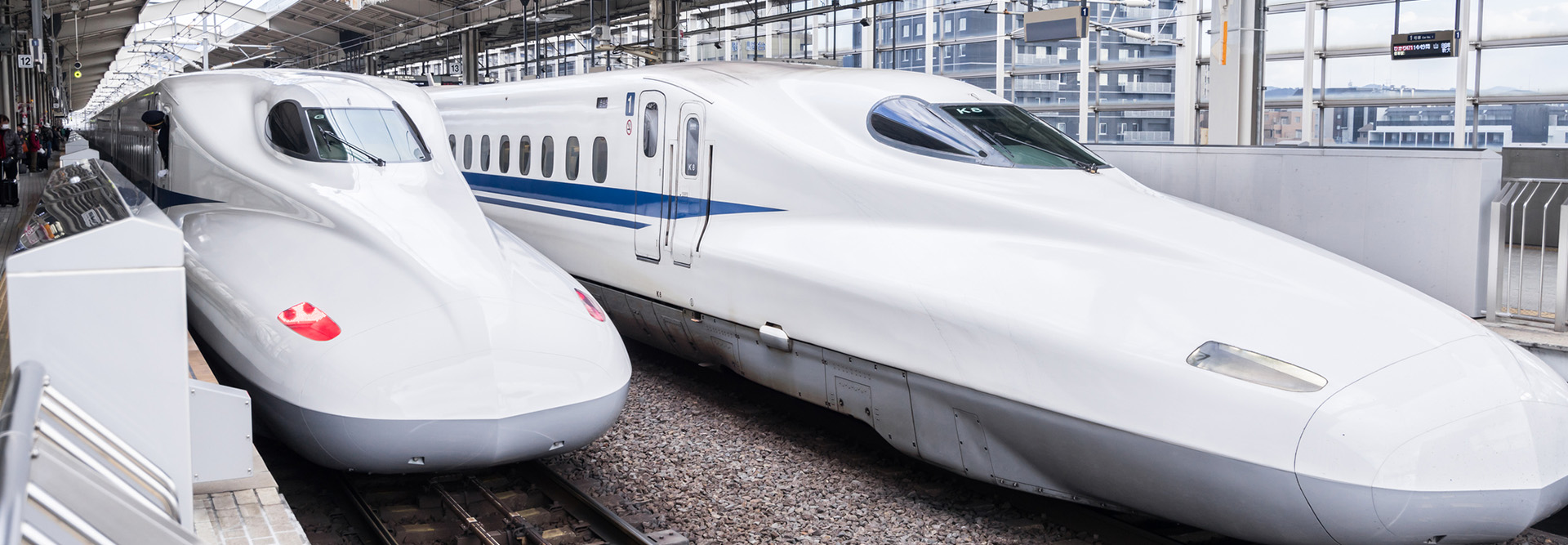
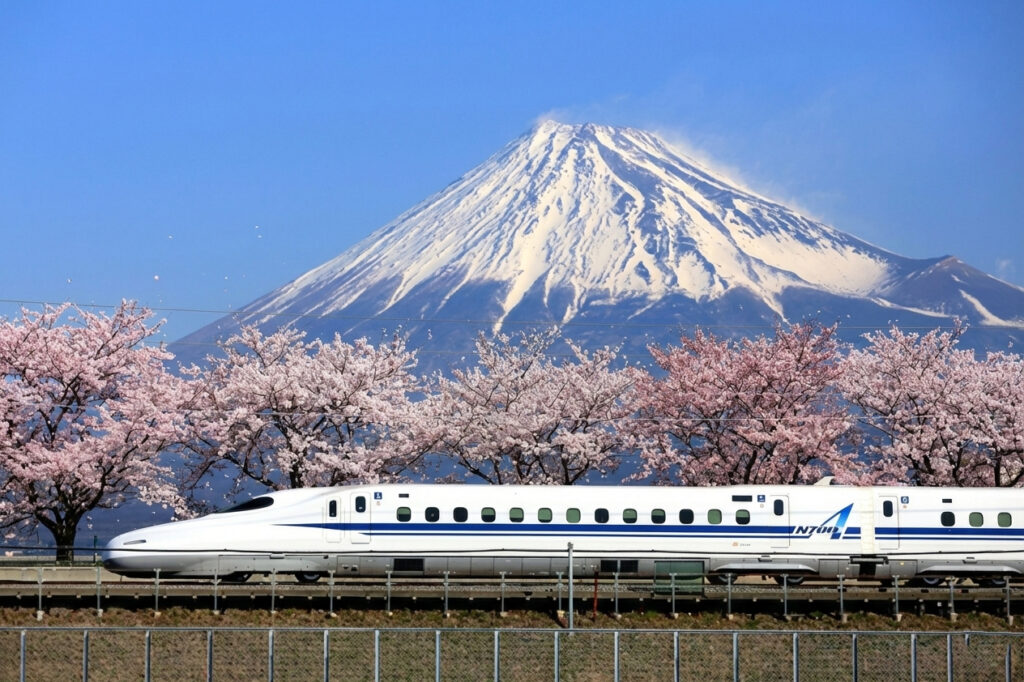
The Japan Rail Pass (often called the JR Pass) is a special, time-limited rail pass for short-term foreign visitors. It offers unlimited travel on most trains operated by Japan Railways Group (JR), including many Shinkansen bullet trains, limited express routes, and local lines.
Instead of buying individual tickets for each journey, you show your pass at the ticket gate or reserve seats without paying extra (with some exceptions for premium services). For travelers planning to visit multiple cities such as Tokyo, Kyoto, Osaka, Hiroshima, and Sapporo, the pass can be both a money-saver and a huge convenience.
Who Can Use the Japan Rail Pass?
The JR Pass is designed for international tourists. To be eligible, you must:
- Enter Japan on a temporary visitor status (typically up to 90 days).
- Show your passport with the “Temporary Visitor” stamp or sticker when you exchange your voucher for the pass.
When entering Japan, those using the automatic gates may be able to omit the entry stamp, but be sure to ask an official to stamp your passport.
Long-term residents of Japan are generally not eligible, unless they meet specific conditions under certain programs. For most visitors coming for sightseeing, eligibility is straightforward: arrive as a tourist, keep your passport handy, and you can use the pass.
Types of Japan Rail Passes
There are two main decisions: the validity period and the class of service.
Validity Periods
You can choose from three durations:
- 7-day pass – Ideal for short trips focusing on 2–3 cities.
- 14-day pass – Better for country-wide itineraries spread over two weeks.
- 21-day pass – For long, in-depth trips, slow travel, or multiple regional loops.
The pass is valid for consecutive calendar days from the date you activate it. For example, if you start using a 7-day pass on April 10, it will be valid through April 16, regardless of the time you first ride on the 10th.
Ordinary vs. Green (First Class)
The JR Pass comes in two classes:
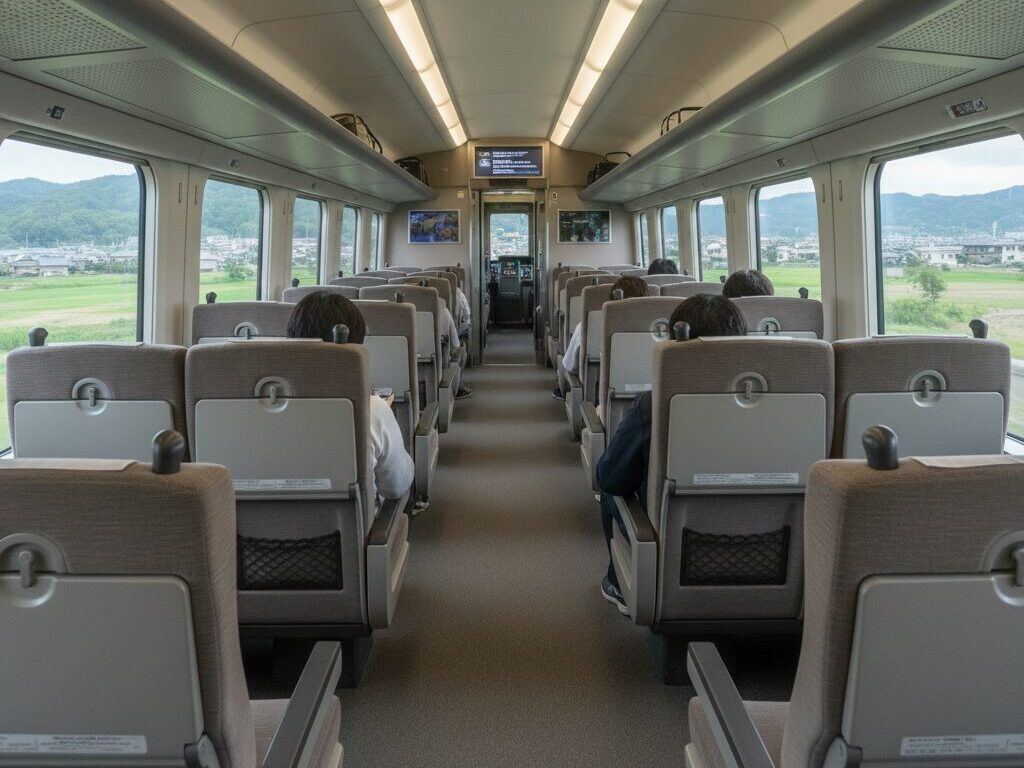
- Ordinary Pass – Standard class, comfortable and clean with reserved and non-reserved cars.
- Green Pass – First-class cars (Green Cars) with wider seats, more legroom, and a quieter atmosphere.
Ordinary class is already high quality by global standards, and most travelers find it perfectly adequate. Green Pass can be worth it if you are traveling in peak seasons (such as cherry blossom or New Year), want extra comfort on long journeys, or prefer a calmer environment.
Is the Japan Rail Pass Still Worth It?
Over the years, JR Pass prices have changed, and many travelers now wonder if it still offers good value. The answer depends entirely on your itinerary and travel style.
When the JR Pass Makes Sense
The pass usually pays off if you plan multiple long-distance trips within a short period. For example:
- Tokyo → Kyoto → Osaka → Hiroshima → Tokyo within 7 days.
- Exploring both eastern and western Japan in 14 days (for instance Tokyo, Kanazawa, Takayama, Kyoto, Osaka, Hiroshima).
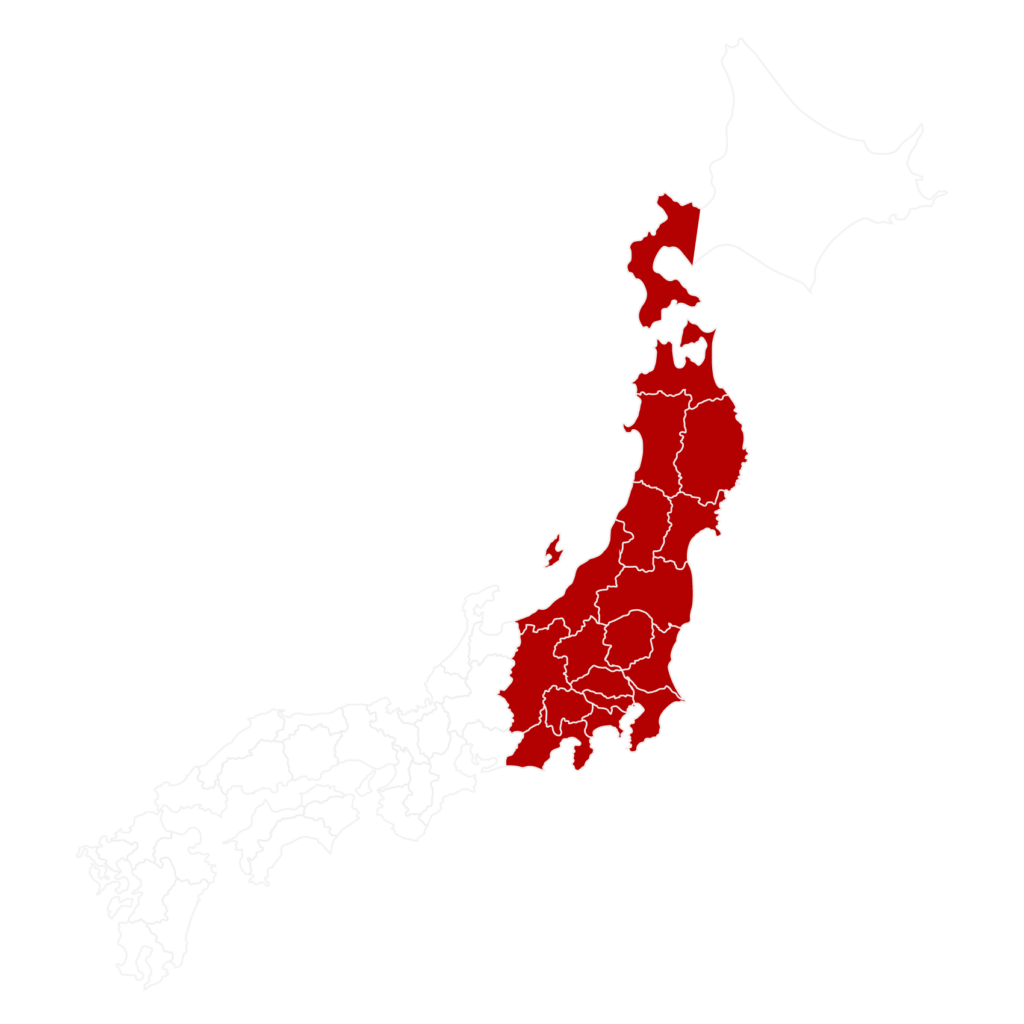
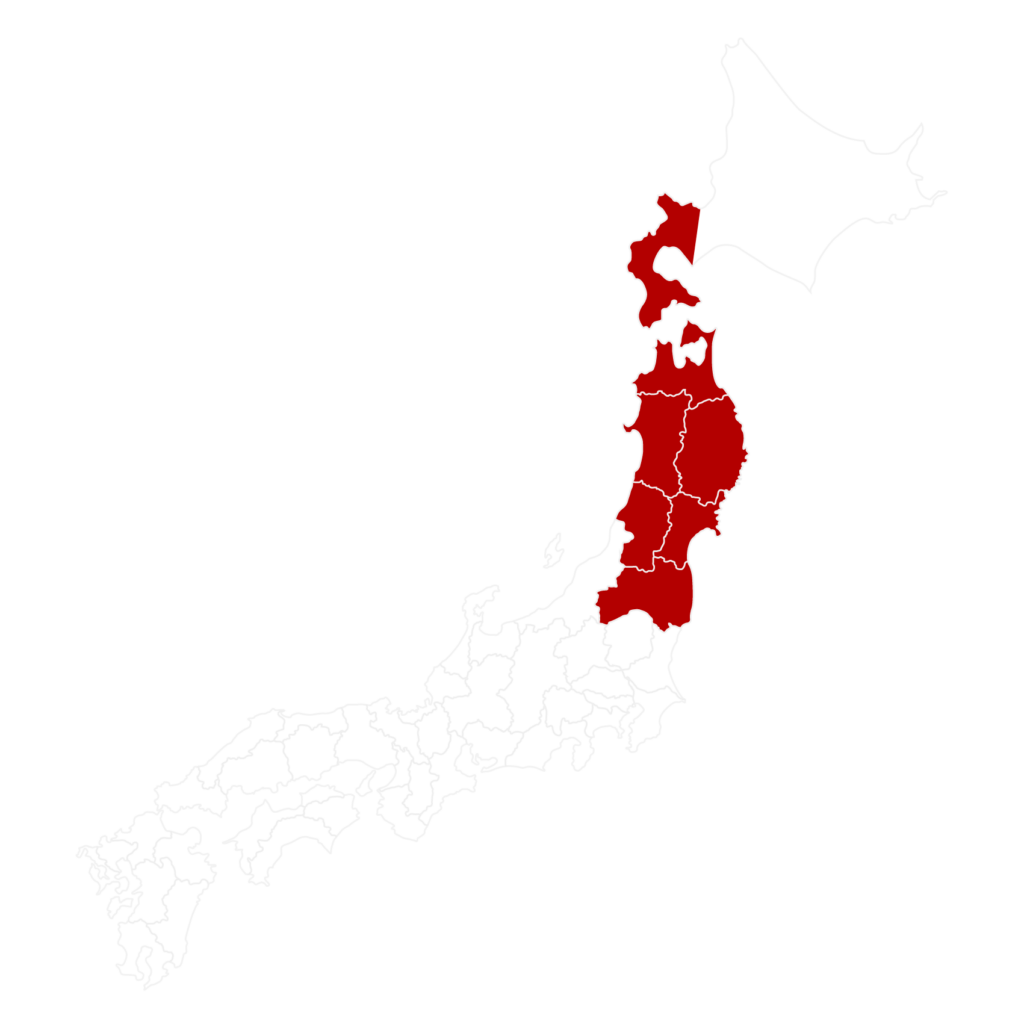
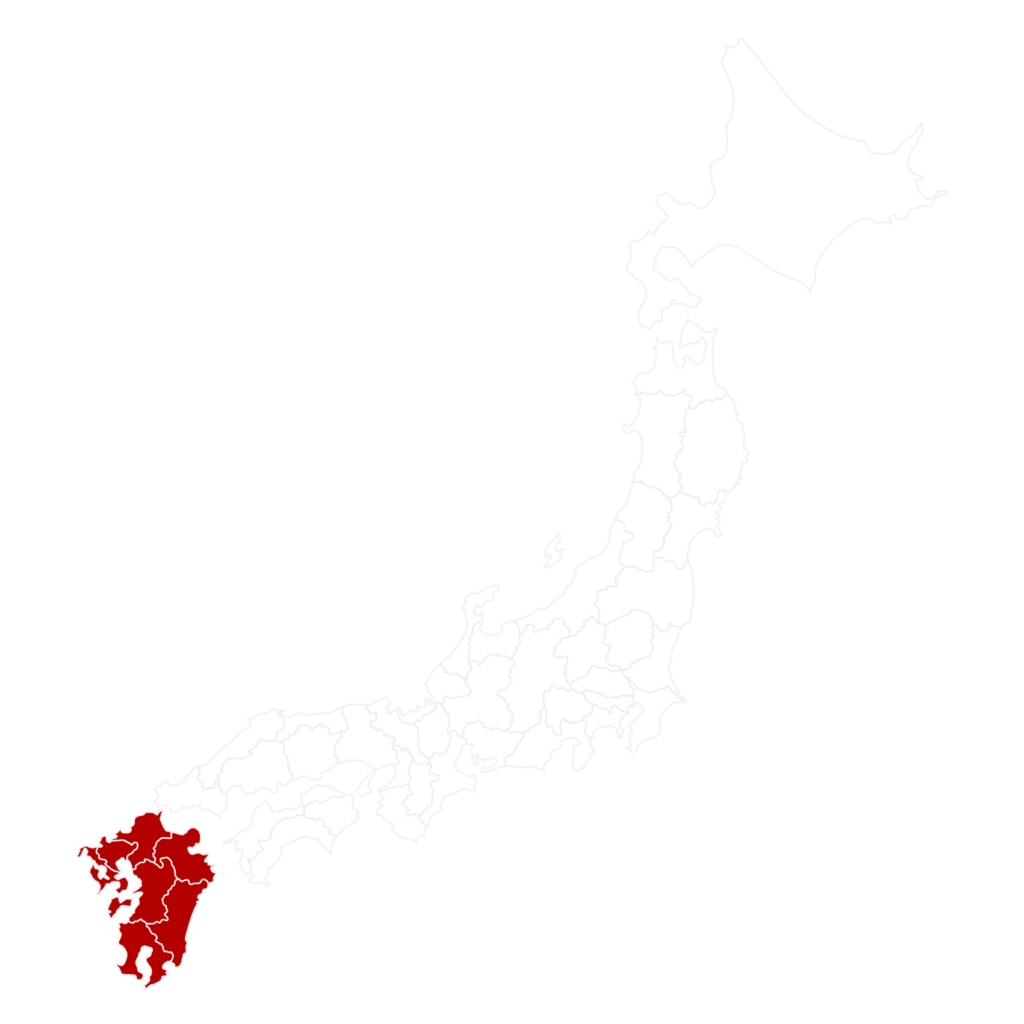
- Long loops that reach northern areas like Tohoku or Hokkaido, or southern Kyushu.
If a single return trip between Tokyo and another city nearly matches the cost of the pass, adding even one more long-distance journey plus local JR rides can tip the balance in favor of the JR Pass.
When Individual Tickets Might Be Cheaper
On the other hand, the JR Pass may not be the best choice if:
- You are mainly staying in one region (for example, just Tokyo and nearby day trips).
- You fly into Tokyo and out of Osaka (or vice versa) and only take one major Shinkansen ride.
- You plan to rely heavily on private lines, subways, or buses that are not covered by JR.
In those cases, individual Shinkansen tickets combined with regional passes or local IC cards (like Suica or Pasmo) could be more economical.
What the Japan Rail Pass Covers
The strength of the JR Pass is its wide coverage across the country. It includes:
- Most Shinkansen (bullet trains) operated by JR, including the Tokaido, Sanyo, Tohoku, Hokkaido, Joetsu, and Kyushu lines.
- JR Limited Express, Rapid, and Local trains in both urban and rural areas.
- Some JR buses on specific routes, often connecting remote areas or tourist sites.
- JR-West Miyajima Ferry to Miyajima Island (near Hiroshima), a famous destination with its iconic floating torii gate.
However, there are important exceptions. Ultra-fast Nozomi and Mizuho services on some Shinkansen lines are typically not included,
though you can use slightly slower alternatives such as Hikari, Sakura, or Kodama on the same routes.
Due to recent changes, it is now possible to ride on certain sections of the line by purchasing a "Nozomi/Mizuho Ticket" for an additional fee.
This ticket can also be purchased from the ticket vending machine when reserving a seat.Also, private railway companies, subways, and most city buses are not covered by the JR Pass.
Buying the Japan Rail Pass
You can usually purchase the JR Pass either before arriving in Japan (through authorized agents or official websites) or after you arrive (at major JR stations and airports). Prices and conditions can differ slightly between overseas and in-country purchases, and these policies may change, so always confirm current details near your travel dates.
Before You Travel
Buying in advance has several advantages:
- You secure your pass before peak seasons.
- You can plan your itinerary knowing your rail costs in advance.
- You avoid queueing at busy ticket offices right after landing.
When you purchase online, you typically receive an exchange order or electronic confirmation. This is not the pass itself; you must exchange it for the physical pass after arriving in Japan.
Where to Exchange Your Voucher in Japan
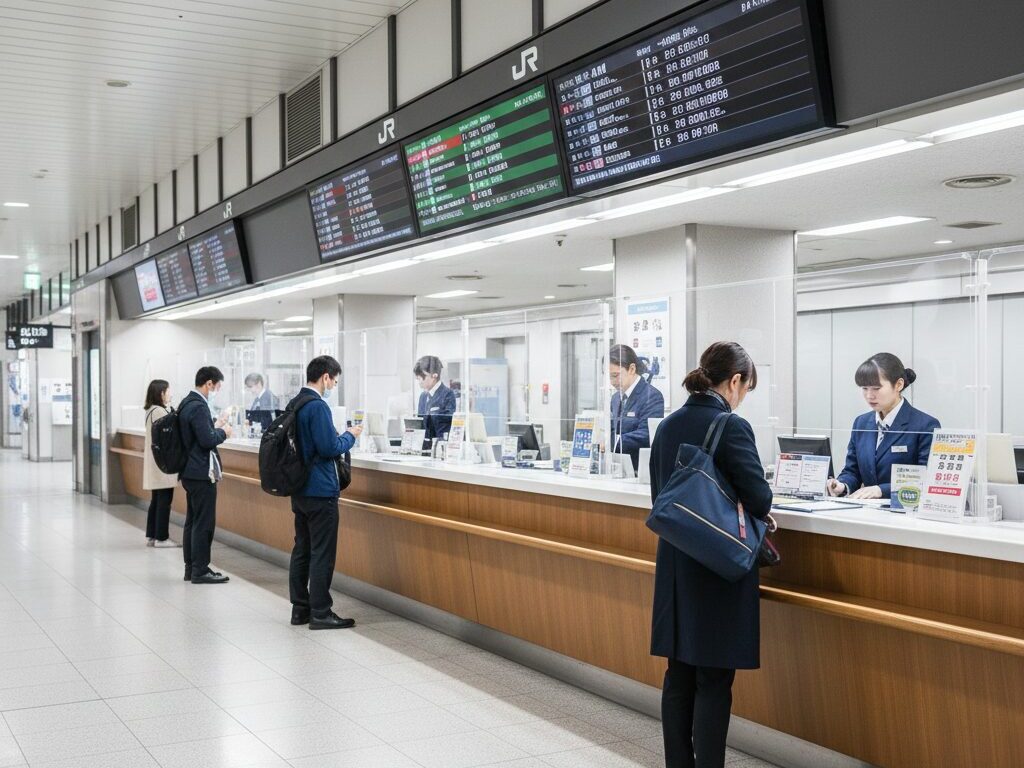
To convert your exchange order into the actual JR Pass, visit a designated JR Exchange Office. You will find them at major airports and train stations, including:
- Tokyo (Tokyo Station, Shinjuku, Ueno, Shinagawa, and others)
- Osaka (Shin-Osaka, Osaka Station)
- Kyoto Station
- Hokkaido (Sapporo, New Chitose Airport)
- Airports like Narita, Haneda, and Kansai International
Bring your passport, your exchange order or confirmation, and be sure that your passport clearly shows the “temporary visitor” status. At the counter, JR staff will ask you to fill in a simple form, choose your start date for the pass, and then issue your JR Pass card.
How to Activate and Use the Japan Rail Pass
When you exchange your voucher, you can decide whether the pass starts immediately or on a later date, as long as it is within a set time window from your arrival. This is helpful if you plan to stay in Tokyo for a few days first and only start long-distance travel later.
At the Ticket Gate
JR Pass can be used at automatic ticket gates.
If you get your reserved seat tickets from a ticket machine, insert both tickets into the automatic ticket gate at the same time.
When you exiting, do the same and insert both tickets into the automatic ticket gate at the same time.
The reserved seat tickets will be collected by the machine, and only your JR Pass will come out.
Seat Reservations
On Shinkansen and most limited express trains, you can choose between reserved and non-reserved seats:
- Non-reserved cars are first-come, first-served. Show your pass at the gate and head directly to the appropriate cars.
- Reserved seats are recommended on busy days or for long journeys. With the JR Pass, reservations are generally free.
To reserve a seat, go to any JR ticket office (sometimes marked as “Midori-no-Madoguchi” or simply “Tickets”) or use designated reservation machines where available. Show your JR Pass, say your desired route and time, and the staff will print a seat ticket.
When reserving a seat at a ticket machine, you will need to enter your passport number.
Carry this ticket with you on the train.
Sample Itineraries Using the Japan Rail Pass
To visualize how the JR Pass can shape your trip, here are a few sample itineraries for first-time visitors.
7-Day Classic Golden Route
- Day 1–2: Tokyo – Explore Shibuya Crossing, Asakusa’s Senso-ji Temple, and Akihabara.
- Day 3: Tokyo Day Trip – Use JR lines to visit Nikko or Kamakura.
- Day 4–5: Kyoto – Travel by Shinkansen to Kyoto. Visit Fushimi Inari Shrine, Kiyomizu-dera, and the Arashiyama Bamboo Grove.
- Day 6: Osaka & Nara – Short JR ride to Osaka, and a side trip to Nara’s famous deer park and Todaiji Temple.
- Day 7: Hiroshima & Miyajima – Shinkansen to Hiroshima and ferry to Miyajima, then return to your base or continue onward.
14-Day Deeper Japan
- Combine Tokyo, Hakone or Fuji Five Lakes, Kanazawa, Takayama, Kyoto, Osaka, Hiroshima, and perhaps Fukuoka or Nagasaki.
- Use the JR Pass for Shinkansen segments and long-distance limited express services, plus JR urban lines where available.
By clustering your long-distance rides within the active period of your pass, you can save both time and money while seeing a broad slice of Japan.
Cultural Tips for Riding Trains in Japan
Using the JR Pass also means you will experience Japanese train culture, which is famously polite and punctual. Observing local customs will make your journey smoother and more enjoyable.
Punctuality and Queuing
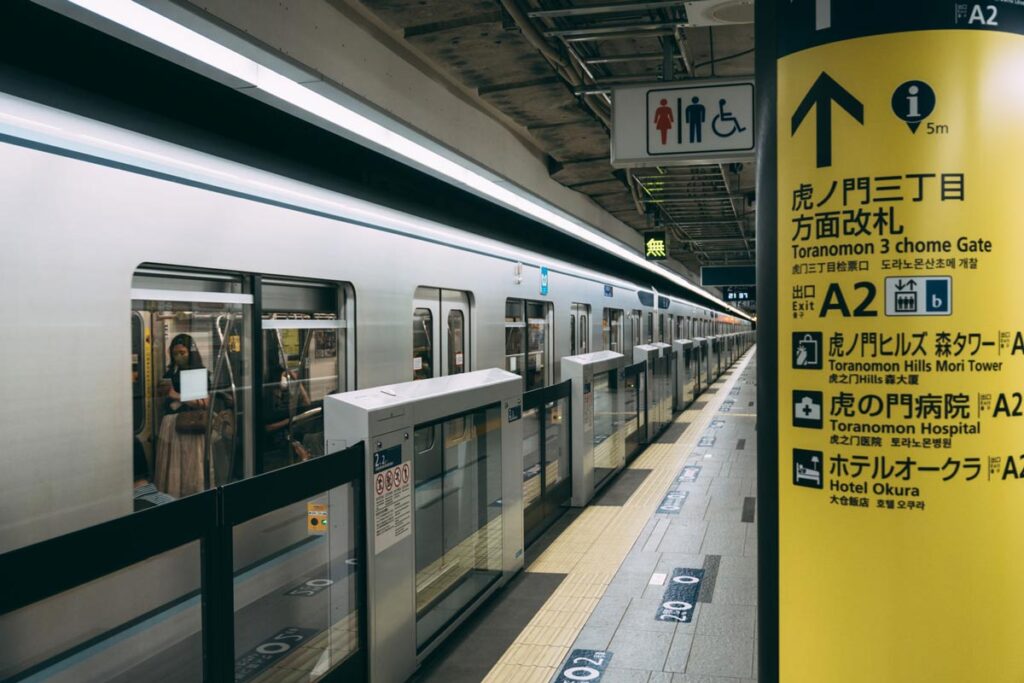
Trains in Japan are extremely punctual, often leaving exactly on time. Arrive on the platform a few minutes early. On the platform, you will see lined markers indicating where doors will open. Join the queue and enter the train calmly after passengers have exited.
Etiquette On Board
- Keep noise low – Speak quietly, and avoid loud phone conversations. Many people use Shinkansen time to rest or work.
- Phone calls – If you must make a call, move to the vestibule area between cars.
- Eating – On Shinkansen, it is common to eat ekiben (train station bento). On crowded local trains, however, eating is generally frowned upon.
- Seats for those in need – Priority seats are reserved for the elderly, pregnant passengers, and people with disabilities. Offer your seat when appropriate.
Practical Tips to Get the Most From Your JR Pass
A bit of preparation can greatly enhance your JR Pass experience.
Use Apps and Station Maps
Navigation apps and official JR tools can help you find JR-only routes, check platform numbers, and avoid trains not covered by the pass. Station signs and announcements are generally bilingual (Japanese and English), especially on major routes.
Combine With IC Cards
The JR Pass does not cover many subway lines, non-JR private railways, or city buses. For those, purchase a rechargeable IC card such as Suica or Pasmo. You can then tap in and out of local transport while using the JR Pass for longer JR journeys.
Pack Light for Easy Transfers
Japanese stations can involve stairs, escalators, and long walks between platforms. Traveling with smaller luggage or sending your suitcase ahead using a luggage delivery service (called takuhaibin) can make transfers much easier and more comfortable.
Watch Peak Travel Seasons
Japan has intense travel peaks during Golden Week (late April to early May), Obon (mid-August), and New Year. During these periods, trains can become extremely crowded. If you are traveling then, reserve seats well in advance and consider a Green Pass for more comfort.
Common Mistakes to Avoid
First-time visitors often fall into a few predictable traps. You can easily avoid them with a bit of awareness.
- Activating the pass too early – Do not start your pass on the day you land if you will only use local transport in Tokyo. Save activation for when your long-distance travel begins.
- Taking non-covered bullet trains – Double-check that your Shinkansen is one of the services included with the pass. If in doubt, ask JR staff.
- Forgetting your passport – Your JR Pass is technically valid only when carried together with your passport, and staff may occasionally ask to see it.
- Not reserving seats on busy days – Standing for hours in a crowded car can ruin an otherwise pleasant journey. When in doubt, reserve.
Final Thoughts: Is the Japan Rail Pass Right for You?
The Japan Rail Pass is not a one-size-fits-all solution, but for many first-time visitors it remains a powerful tool. It can simplify logistics, encourage you to explore farther than you otherwise would, and provide a flexible backbone for your itinerary.
If your plans involve multiple cities connected by JR lines and Shinkansen, take the time to compare individual ticket prices with the pass. If the numbers align, the JR Pass offers not just potential savings, but also the freedom to hop on and off trains, adjust plans on the go, and experience Japan’s legendary rail network with ease.
With a bit of planning, an understanding of what is included, and respect for local train etiquette, the Japan Rail Pass can turn your journey across Japan into a smooth, efficient, and memorable part of your travel story.