Kabukicho (Shinjuku)
Shinjuku Kabukicho: A First-Timer’s Guide to Tokyo’s New Entertainment Tower
In the heart of Shinjuku’s legendary nightlife district, a new landmark is reshaping Tokyo’s after-dark skyline. Opened in 2023, Tokyu Kabukicho Tower rises above the neon streets as one of Japan’s largest entertainment complexes. For first-time visitors to Japan, it offers an easy, all-in-one way to taste Tokyo’s nightlife, pop culture, food, and city views without ever leaving the building.
This guide walks you through what to do inside and around the tower, how to visit safely and comfortably, and how to make the most of Kabukicho—even if it’s your first night out in Japan.
What Is Tokyu Kabukicho Tower?
Tokyu Kabukicho Tower is a 48-story skyscraper (plus five basement floors) that functions like a vertical entertainment city. Under one roof you’ll find:
- Two very different hotels (from design-forward to luxury)
- A theater, a live music venue, and a multi-story nightclub
- A premium cinema and anime-inspired attractions
- An expansive food hall, individual restaurants, and bars
It stands in Kabukicho 1-chome, just a short walk from Shinjuku Station. By day, the tower is a convenient stop for food, views, and shopping; at night, it becomes a gateway to Tokyo’s famously sleepless entertainment district.
Understanding Kabukicho: Tokyo’s “City That Never Sleeps”
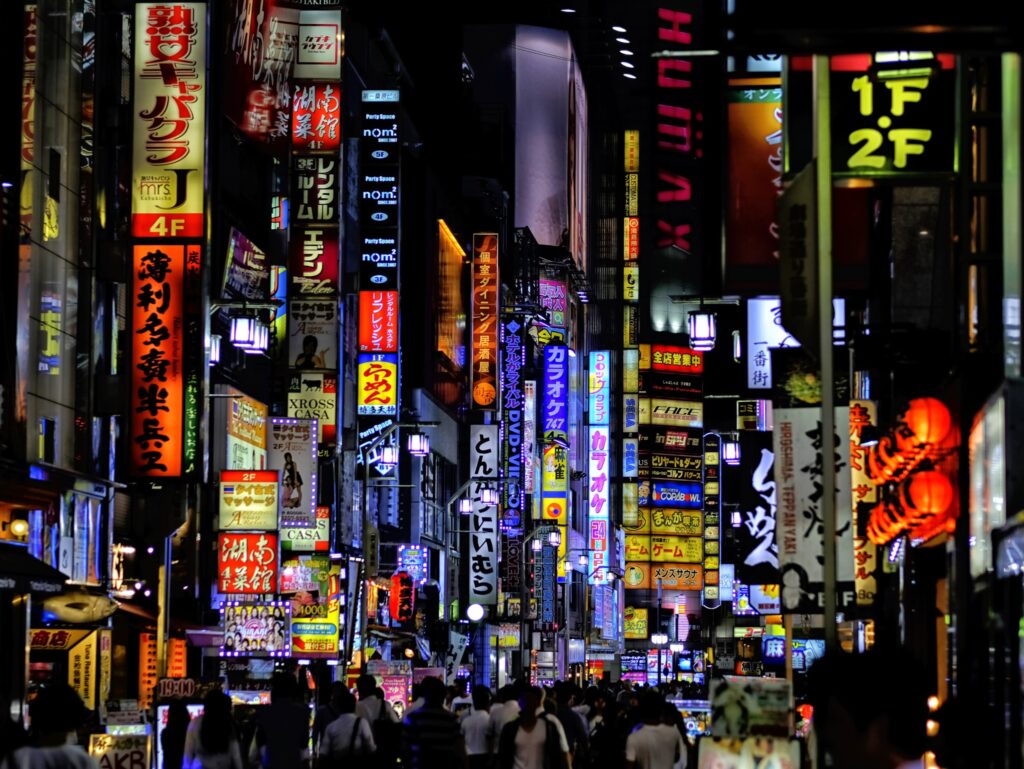
Kabukicho, on the east side of Shinjuku, grew after World War II as a bustling entertainment and nightlife district. For decades it has been known for izakaya pubs, karaoke boxes, bars, and late-night venues clustered under glowing neon signs. This is where many Tokyoites come to unwind after work, sing karaoke until dawn, or catch live shows.
Historically, Kabukicho also had a slightly rougher reputation. In recent years, however, increased security patrols and cameras have helped improve safety, and the area is now firmly on the tourist map. Today, you’ll hear multiple languages on the streets and see visitors from all over the world mixing with local office workers and students.
Tokyu Kabukicho Tower was designed as a new symbol of this transformation: a place where international visitors can enjoy Kabukicho’s energy in a modern, organized, and easily navigable environment.
Culture and Atmosphere: Neon, Pop Culture, and Diversity
Unlike temples or shrines, Kabukicho has no religious background—it’s purely about entertainment. But that doesn’t mean it lacks cultural value. Here, you see a different side of Japan: neon-lit streets, anime imagery, game centers, music clubs, and restaurants that stay open until morning.
Inside the tower, this urban culture is reflected in the design of its hotels, restaurants, and attractions. You’ll notice:
- Art and design inspired by Kabukicho’s retro signage and nightlife history
- Anime and game collaborations, from crane game prizes to interactive attractions
- A mix of Japanese and international guests, giving the complex a cosmopolitan, late-night city feel
It’s an ideal place if you’re curious about Tokyo’s pop culture and nightlife but prefer a more structured, easily accessible environment than wandering back streets on your own.
Highlights Inside Tokyu Kabukicho Tower
2F – Shinjuku Kabuki Hall ~ Kabuki Yokocho Food Hall
If you’re new to Japanese food and don’t know where to start, head straight to the second floor. Shinjuku Kabuki Hall ~ Kabuki Yokocho is a lively food hall styled after a Japanese festival, complete with lanterns and colorful signage.
Around ten different eateries showcase regional “soul foods” from across Japan, from the northern island of Hokkaido down to Kyushu and Okinawa. You might find:
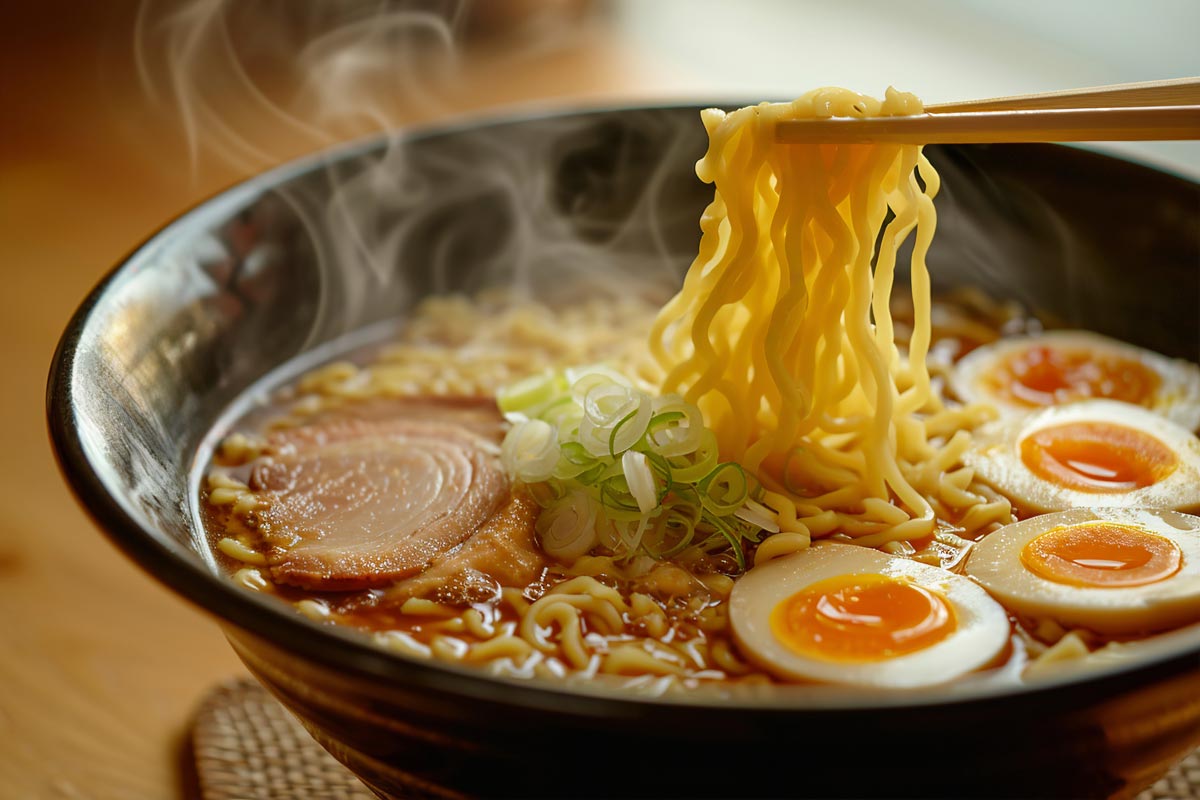
- Hokkaido-style miso ramen and seafood dishes
- Osaka favorites like takoyaki (octopus balls) and okonomiyaki (savory pancakes)
- Kyushu-style tonkotsu ramen with rich pork bone broth
- Okinawan specialties such as taco rice
Many stalls offer small plates and shared dishes, so you can sample a range of flavors even on a short visit. Occasional live performances and events add to the matsuri (festival) atmosphere, making this a fun introduction to Japanese dining culture for first-timers.
3F – namco TOKYO: Games, Anime, and an AI DJ
On the third floor, namco TOKYO blends arcade fun with anime fandom. You’ll find:
- Large crane games that feature limited-edition prizes available only here
- Prize areas themed around hit series like One Piece and Dragon Ball
- The “ASOBINOTES” lounge, where you can relax with food and drinks while an AI DJ curates the music
Even if you’re not usually into arcade games, the bright visuals and character goods make this floor enjoyable to browse, especially for fans of Japanese pop culture.
4F – THE TOKYO MATRIX: Step Into Sword Art Online
Anime fans should not miss THE TOKYO MATRIX on the fourth floor. Its main attraction, “Anomaly Quest,” is an interactive, escape game-style experience based on the world of Sword Art Online.
Groups move through a dungeon-like setting, solving puzzles and challenges to clear the quest. There is guidance and visual storytelling, so you can enjoy it even if your Japanese is basic, though some understanding of the language (or visiting with a Japanese-speaking friend) can enhance the experience.
6F–8F – THEATER MILANO-Za
For a more traditional stage experience, THEATER MILANO-Za spans the 6th to 8th floors. This compact, roughly 900-seat theater is designed so that even the back row is only about 19 meters from the stage, creating an intimate feeling.
The program changes regularly and can include:
- Musicals and plays
- Concerts and special live events
- Film screenings and limited-run performances
Checking the online schedule before your trip allows you to plan an evening performance into your Tokyo itinerary. Even if the show is in Japanese, the atmosphere and staging can be enjoyable for overseas visitors.
9F–10F – 109 CINEMAS PREMIUM Shinjuku
On the ninth and tenth floors, 109 CINEMAS PREMIUM Shinjuku offers a polished moviegoing experience. With eight screens and 752 seats, the cinema focuses on comfort and sound quality. The background music and acoustic design are supervised by world-renowned composer Ryuichi Sakamoto, giving the space a refined audio atmosphere.
Some auditoriums are equipped with ScreenX technology, where the image extends onto the side walls for a more immersive viewing experience. Certain ticket categories also include perks such as unlimited drink and popcorn refills.
This can be a relaxing choice if you’re adjusting to jet lag or want a quieter evening in Shinjuku with familiar entertainment.
17F – JAM17 DINING & BAR: Views Over Shinjuku
On the 17th floor, JAM17 DINING & BAR is one of the best spots in the building to appreciate Shinjuku’s skyline. The menu focuses on Japanese-inspired Western cuisine, offering both course meals and lighter options from lunch through to dinner and bar time.
By day, large windows frame the busy city below; at night, you’ll see a sea of neon and office lights. It’s a good place for a date, a special-occasion dinner, or a relaxed drink with a view without committing to a full luxury hotel stay.
18F, 20F–38F – HOTEL GROOVE SHINJUKU
For travelers who want to stay in the center of the action, HOTEL GROOVE SHINJUKU occupies the middle floors of the tower. With 538 guest rooms, the hotel’s style is retro and Art Deco-inspired, echoing Kabukicho’s long-standing nightlife heritage.
A highlight is the collection of “Groove Rooms,” each individually designed by different artists. These rooms incorporate murals, graphic design, and installations that reflect Shinjuku’s music, art, and street culture, offering a stay that feels distinctly local rather than generic.
The hotel is a strong choice if you enjoy design, plan to explore Tokyo’s nightlife, and want to be within walking distance of Shinjuku’s many stations and attractions.
39F–44F – BELLUSTAR TOKYO
Higher up, BELLUSTAR TOKYO offers a different type of experience: contemporary luxury with a Japanese twist. Every room features panoramic views over Shinjuku and beyond, and the top floors house penthouse suites and an exclusive lounge.
Japanese sensibilities are woven into the interiors and service, from materials and artworks to the layout of the rooms. Staying here places you above the neon rather than in it—perfect if you want to enjoy Kabukicho’s energy by day and then retreat to a quiet, refined space at night.
B1F – Zepp Shinjuku: Live Music and Events
Below ground, the tower continues to buzz. On basement level one, Zepp Shinjuku is a live music venue with a capacity of about 1,500 people. The schedule ranges from rock and pop concerts to special one-off events and showcases.
If you’re interested in Japan’s live music scene, check the event calendar in advance. Even if the artists are unfamiliar to you, the atmosphere of a Japanese live house—fans with light sticks, call-and-response, and organized merch lines—can be a fascinating cultural experience.
B2F–B4F – ZERO TOKYO: Multi-Zone Nightclub
Continuing deeper underground, ZERO TOKYO stretches from basement level two to four. This large club space is divided into five distinct areas, each with different music and atmosphere. Events range from EDM and techno nights to hip-hop and live DJ performances.
Dress codes can be more relaxed than in some Western cities, but you should still avoid extremely casual or beachwear-style clothing. Bring a valid photo ID (passport is safest) in case age checks are required. If you’re new to Tokyo clubbing, staying within the tower complex—and returning directly to your hotel upstairs—can feel more comfortable than venturing into unfamiliar alleys late at night.
Exploring Around the Tower: Classic Kabukicho Sights
Stepping outside Tokyu Kabukicho Tower, you’re immediately in the thick of Kabukicho’s streets. Some nearby photo spots and landmarks include:
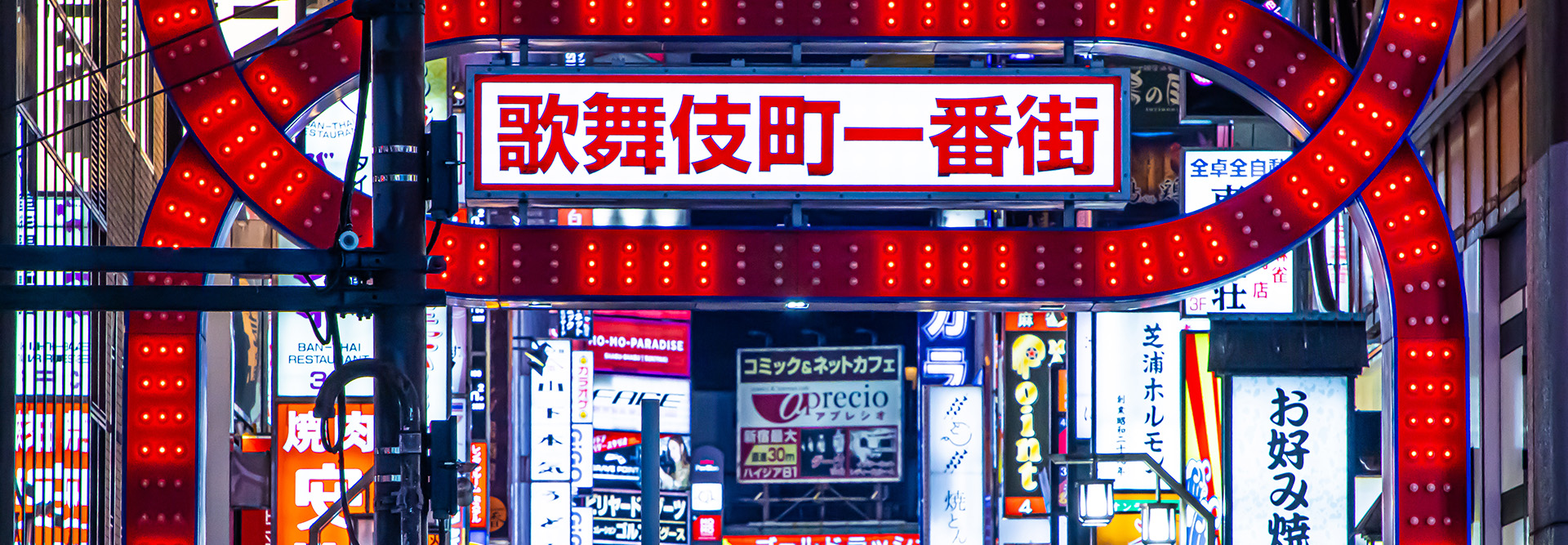
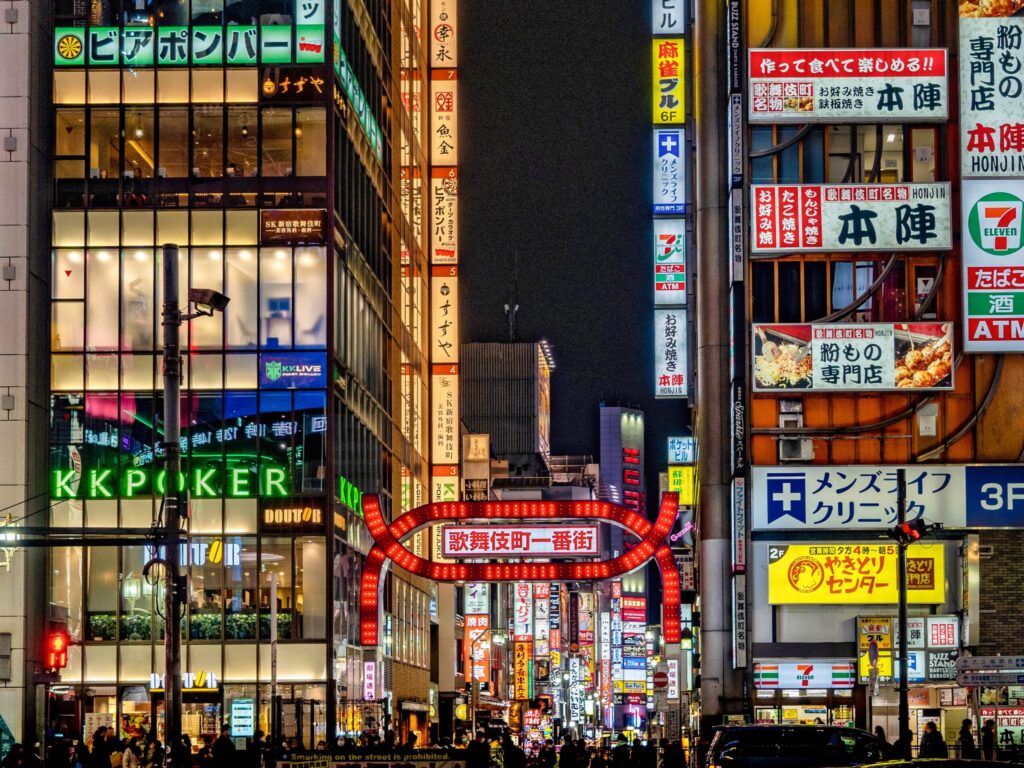
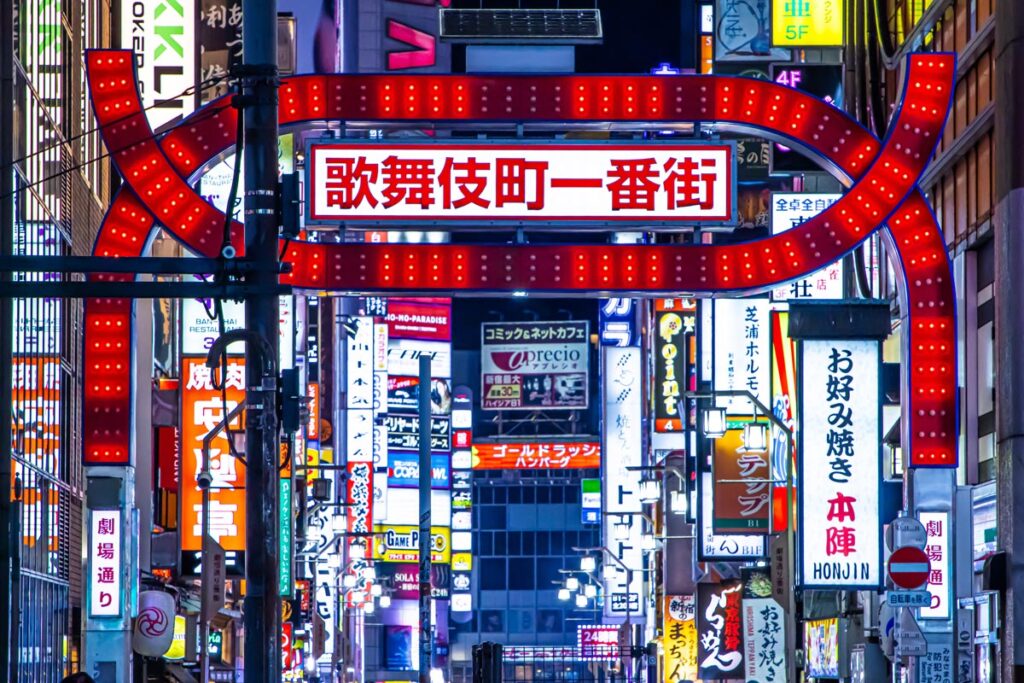
- Kabukicho Ichibangai Gate – The iconic red neon arch that marks the entrance to the district. It’s one of Shinjuku’s most photographed views, especially at night.
- Godzilla Head – A towering Godzilla sculpture perched on a nearby cinema building rooftop. From the street, it looks as if Godzilla is peering over the city; some hotel bars and terraces in the area offer closer views.
- Side streets filled with izakayas and karaoke boxes – Ideal if you want to compare the curated experience inside the tower with the more chaotic, local-feeling scene outside.
Many restaurants and bars in Kabukicho have English or picture menus, and large chains like karaoke boxes are accustomed to international guests. Still, it’s useful to have a translation app ready on your phone for ordering and reading signs.
When to Visit: Day vs. Night
Tokyu Kabukicho Tower is open year-round and is mostly indoors, so weather and season are less important than timing your visit during the day.
Daytime
During daylight hours, Kabukicho is relatively calm. This is a good time to:
- Enjoy the food hall and restaurants without long waits
- Try arcade games or THE TOKYO MATRIX in a less crowded setting
- Walk the surrounding streets to familiarize yourself with the area
Evening and Night
After dark, the area transforms. Neon signs flicker on, music spills onto the streets, and more visitors arrive for dinner, drinks, and shows. The tower’s nightlife-focused spaces—Zepp Shinjuku, ZERO TOKYO, JAM17’s bar time—are most alive at night.
Weekends and holidays can be especially busy, so consider reserving restaurants or allowing extra time if you’re attending a concert or club event. Visiting both by day and at night lets you see two very different sides of Kabukicho.
Access: Getting to Tokyu Kabukicho Tower
Address: 1-29-1 Kabukicho, Shinjuku-ku, Tokyo
The tower sits just north of central Kabukicho and is easy to reach from major train stations:
- Seibu-Shinjuku Station (Seibu Shinjuku Line): About 1 minute on foot
- Shinjuku Station (JR lines, Odakyu, Keio, Tokyo Metro Marunouchi Line): About 7 minutes on foot
From JR Shinjuku Station, follow signs to the East Exit. Once outside, head toward Kabukicho—look for the Kabukicho Ichibangai gate and neon signs. From there, the tower’s modern silhouette and signage are easy to spot. Using a map app such as Google Maps can simplify navigation through Shinjuku’s busy streets.
Practical Tips for International Visitors
Facilities and Services
The tower is designed with comfort and accessibility in mind. Inside, you’ll find:
- Numerous restrooms and rest areas
- Free Wi-Fi in many common spaces
- Parking facilities (fees apply)
- Barrier-free restrooms and wheelchair-accessible routes
- Facilities for ostomy bag users
- Accessible guest rooms in the hotels
Opening hours and prices vary by facility and can change for special events or holidays. Check the latest information online before you go, especially for theaters, attractions, and clubs.
Language and Payments
Staff at major facilities in Shinjuku are increasingly used to foreign visitors, and you can often find English signage or menus. That said, not every venue will have fluent English speakers, so simple phrases and a translation app are helpful.
Credit cards and IC cards (such as Suica and PASMO) are widely accepted throughout the complex, though having a small amount of cash is useful for smaller purchases or certain restaurants.
Safety in Kabukicho
While Kabukicho is safer today than in the past, it remains a busy nightlife area. To enjoy your visit comfortably:
- Avoid walking alone very late at night if you feel uneasy.
- Politely decline unsolicited invitations from touts, especially those offering bars or “special” deals.
- Keep valuables secure and be cautious with excessive drinking.
- Stick to well-lit main streets and recognized venues like those inside the tower.
Many visitors find it helpful to first explore the neighborhood by day to get their bearings before venturing out at night. Staying in one of the tower’s hotels adds another layer of convenience, as you can return directly to your room without crossing the entire district at late hours.
Making the Most of Your Visit
For first-time travelers to Japan, Tokyu Kabukicho Tower is an efficient way to experience several sides of Tokyo at once: regional cuisine, anime culture, cinema and theater, live music, clubbing, and city views—all stacked in one striking high-rise.
Consider planning your visit with a clear focus—such as a dinner and movie night, a full evening of music and clubbing, or a design-focused hotel stay—then allow some extra time to drift, explore a new floor, or step outside for a classic Kabukicho street walk. With a bit of planning and normal city awareness, this new tower can be one of the most memorable stops on your Tokyo itinerary.
Access Map
Recommended spots in Tokyo
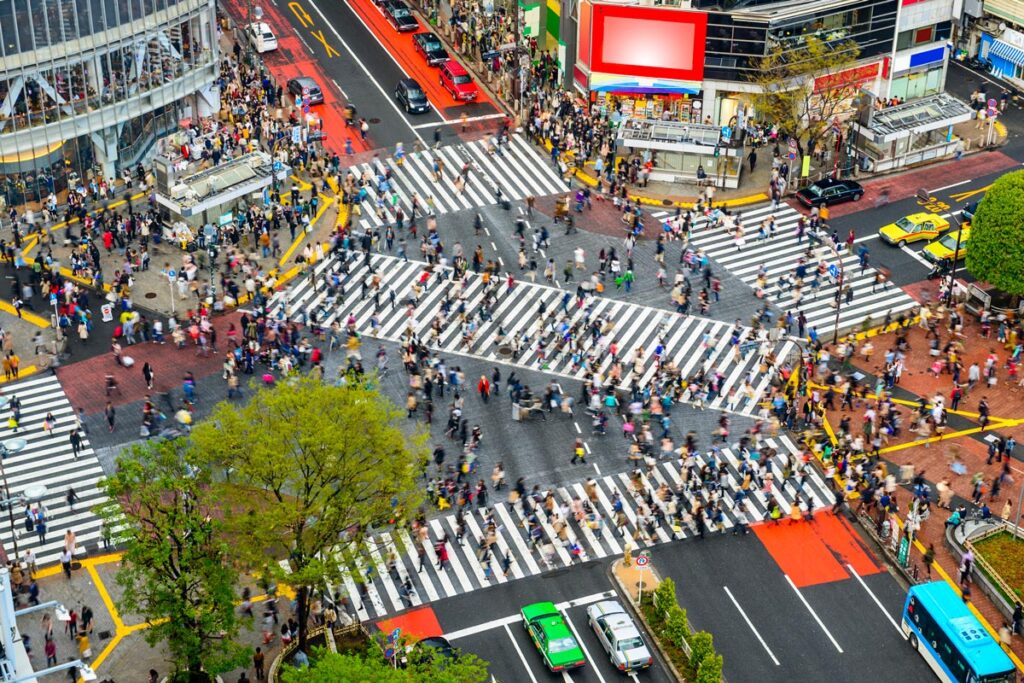
Shibuya Scramble Crossing
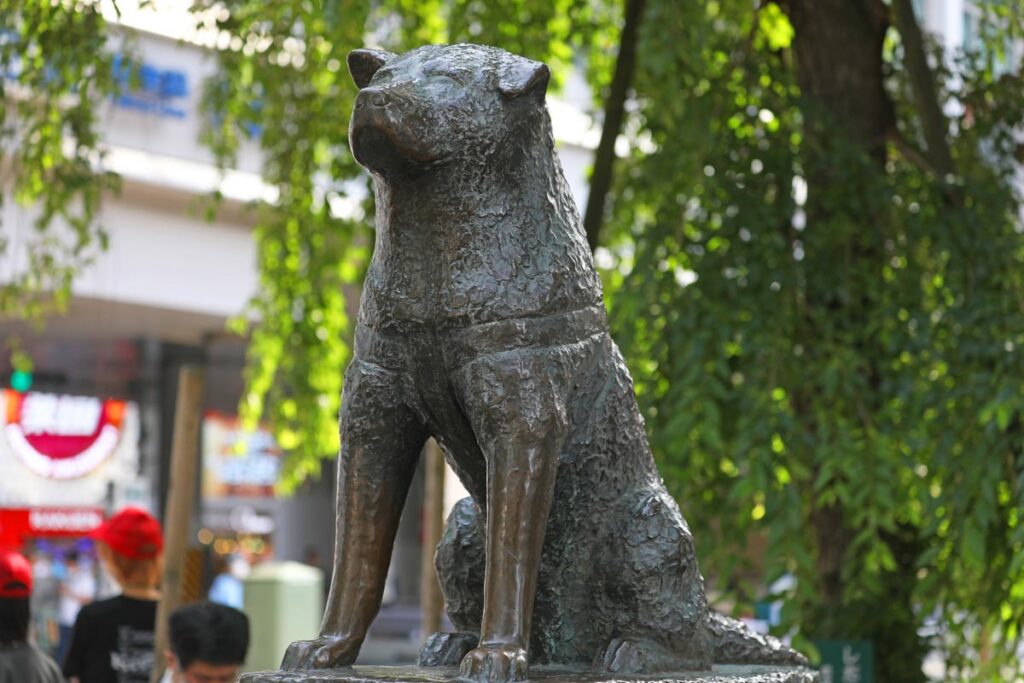
Hachiko Statue
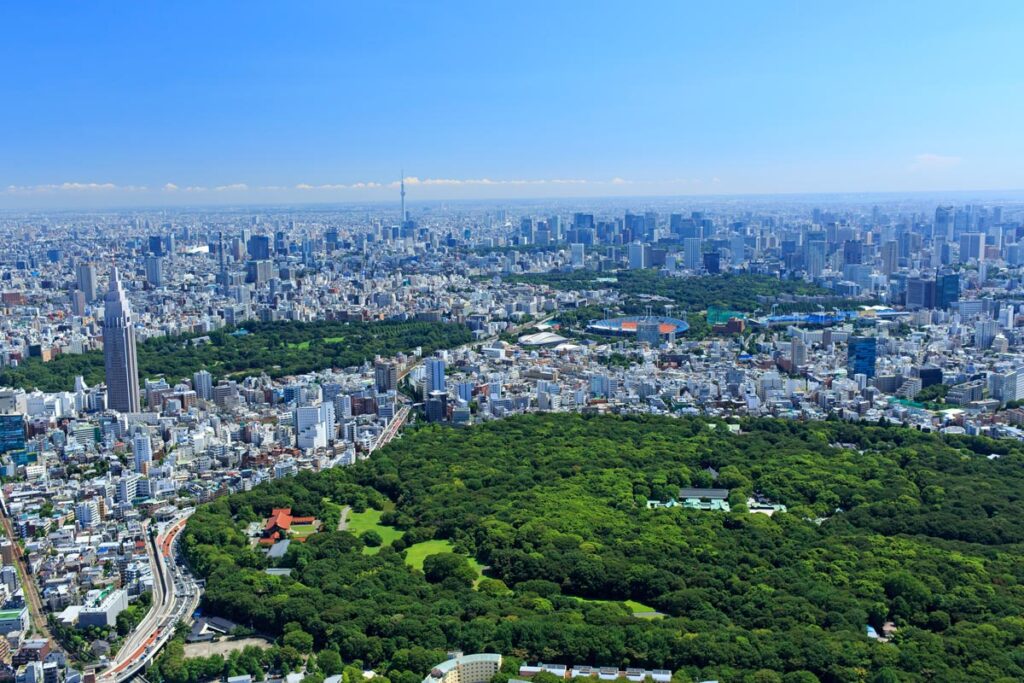
Shinjuku Gyoen
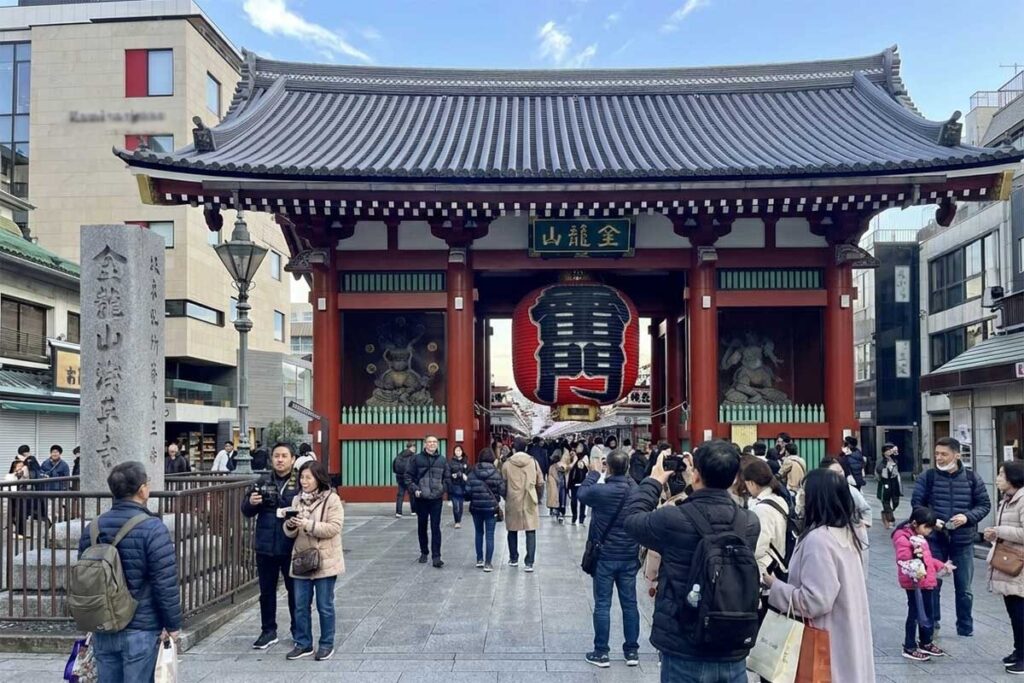
Asakusa
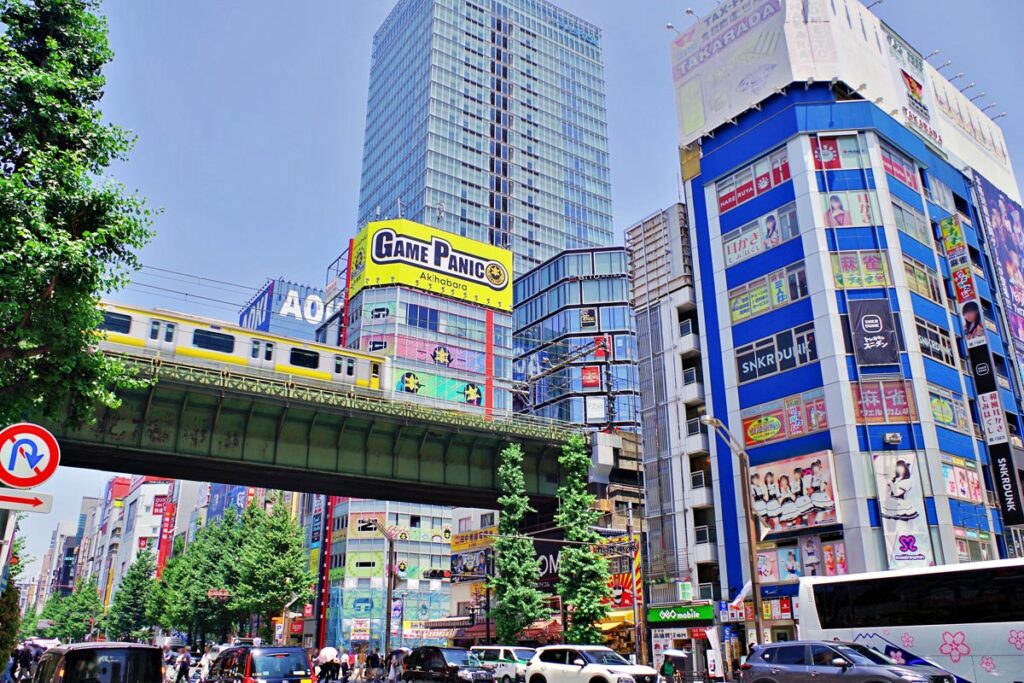
Akihabara
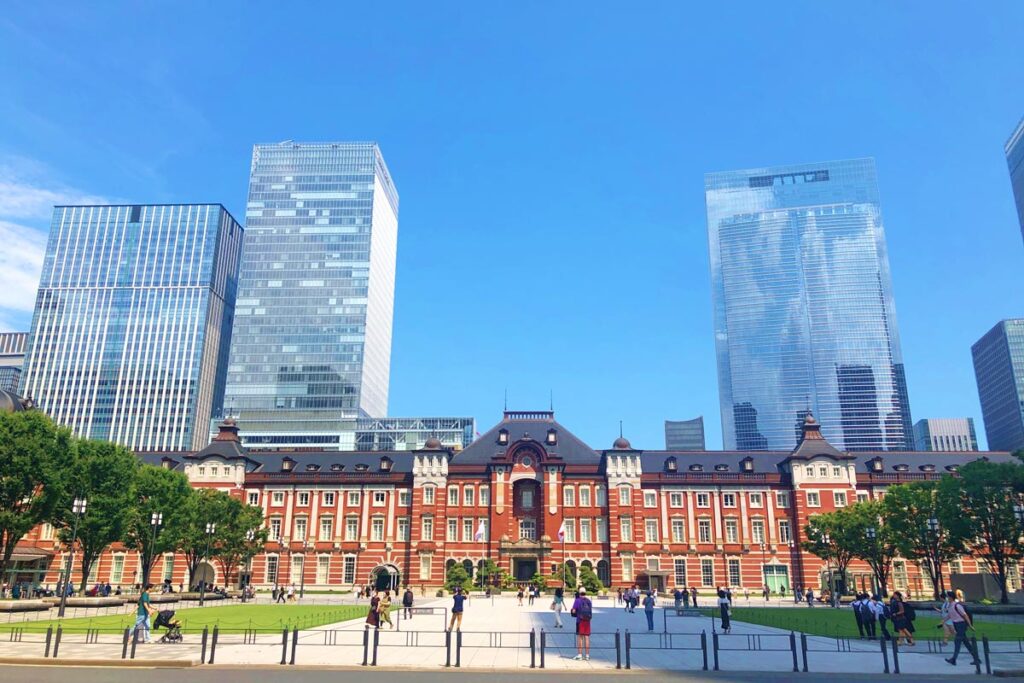
Tokyo Station
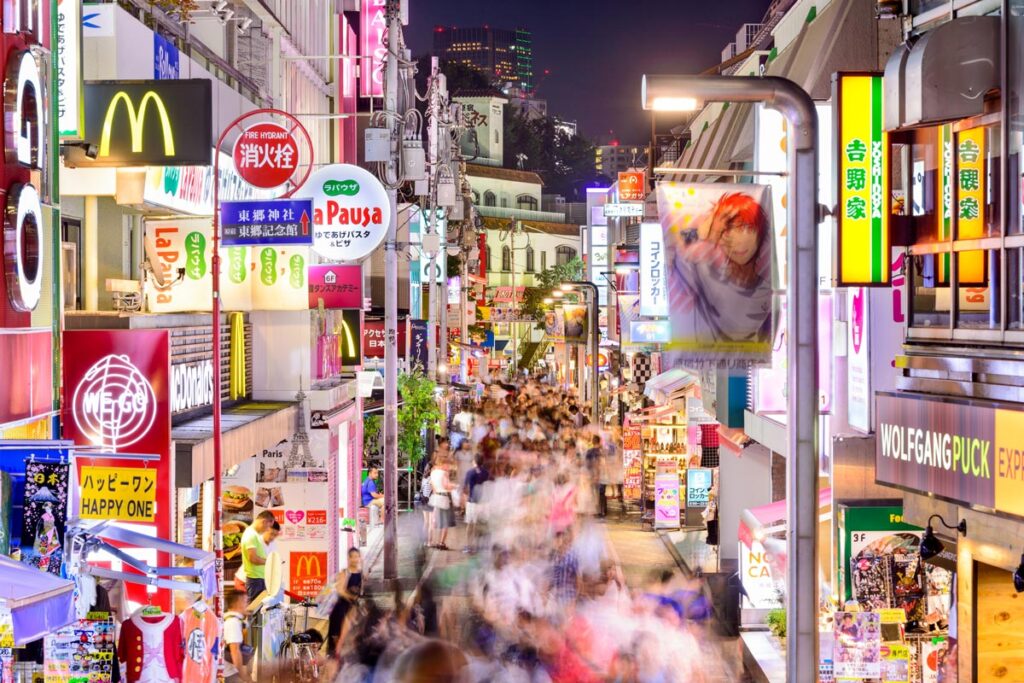
Takeshita Street (Harajuku)
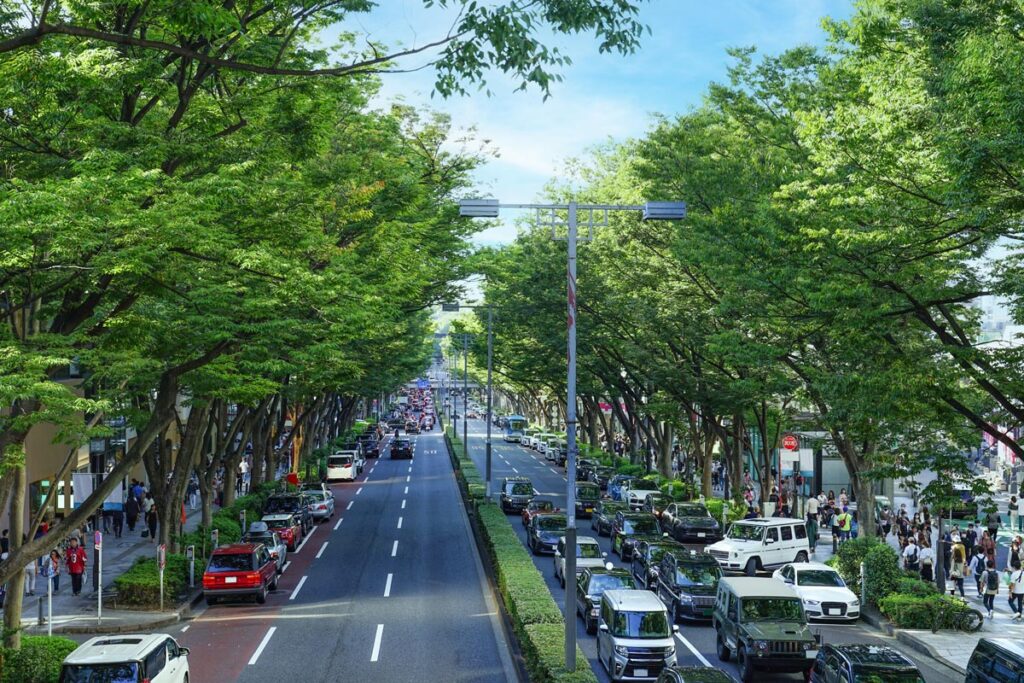
Omotesando
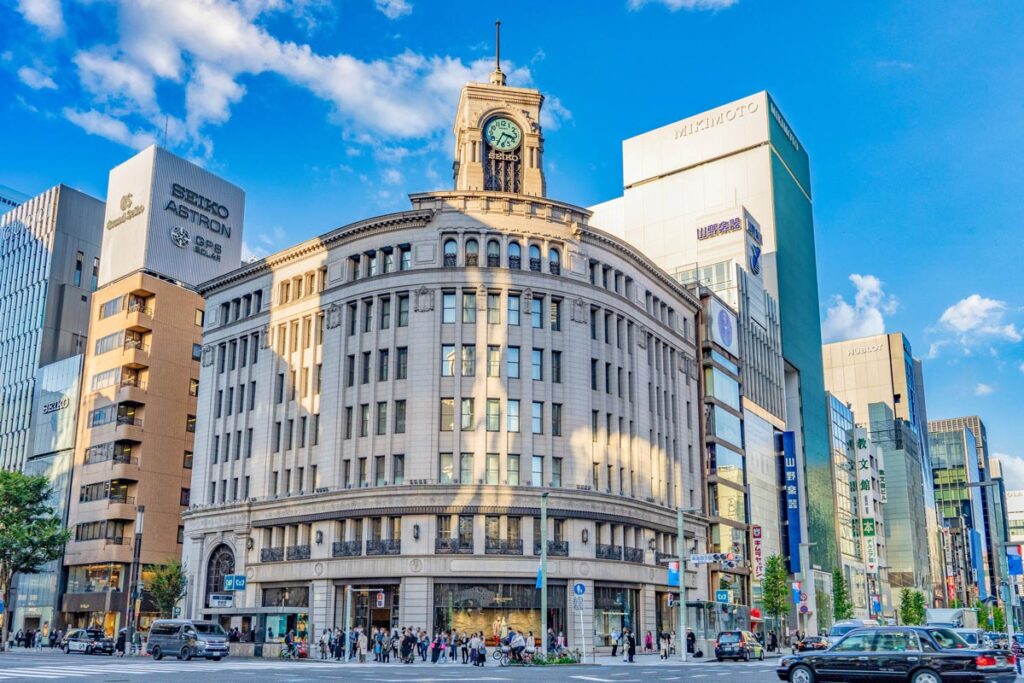
Ginza
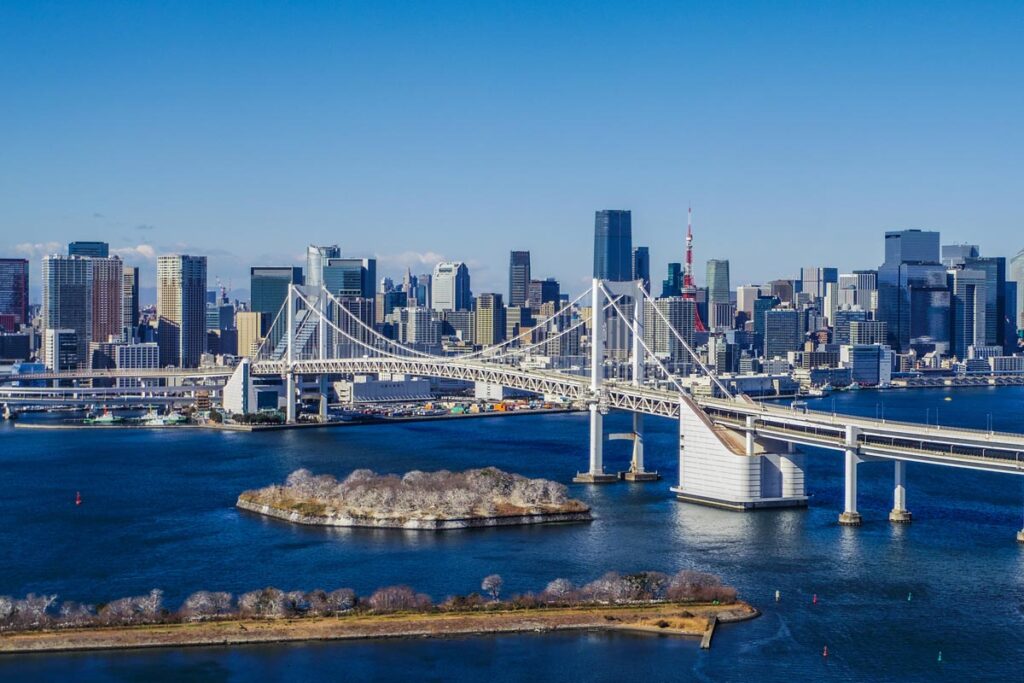
Odaiba
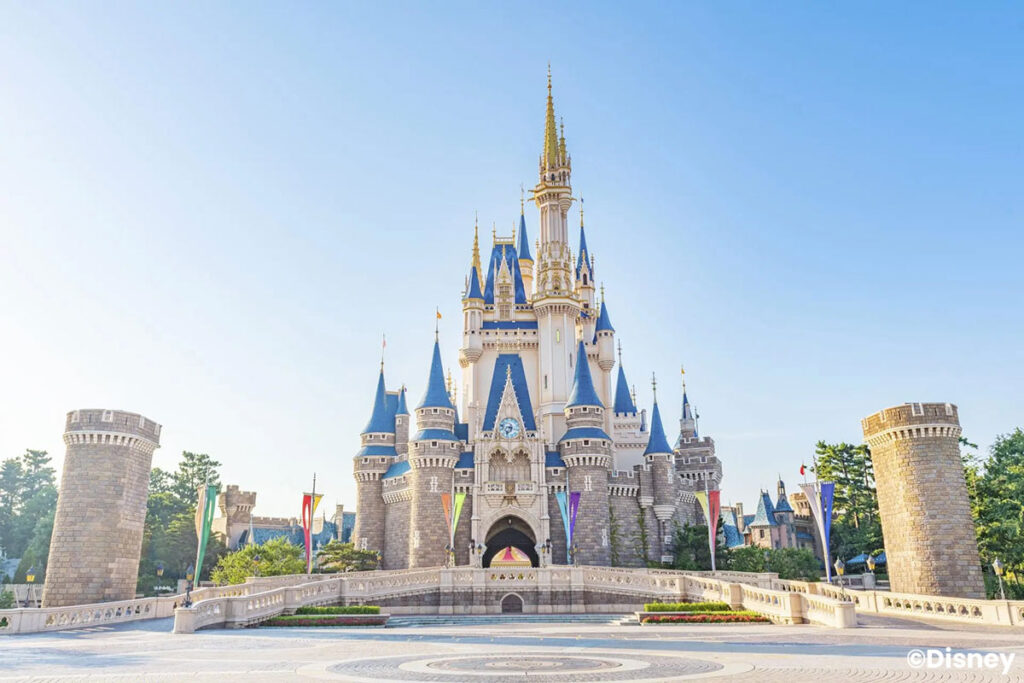
Tokyo Disneyland
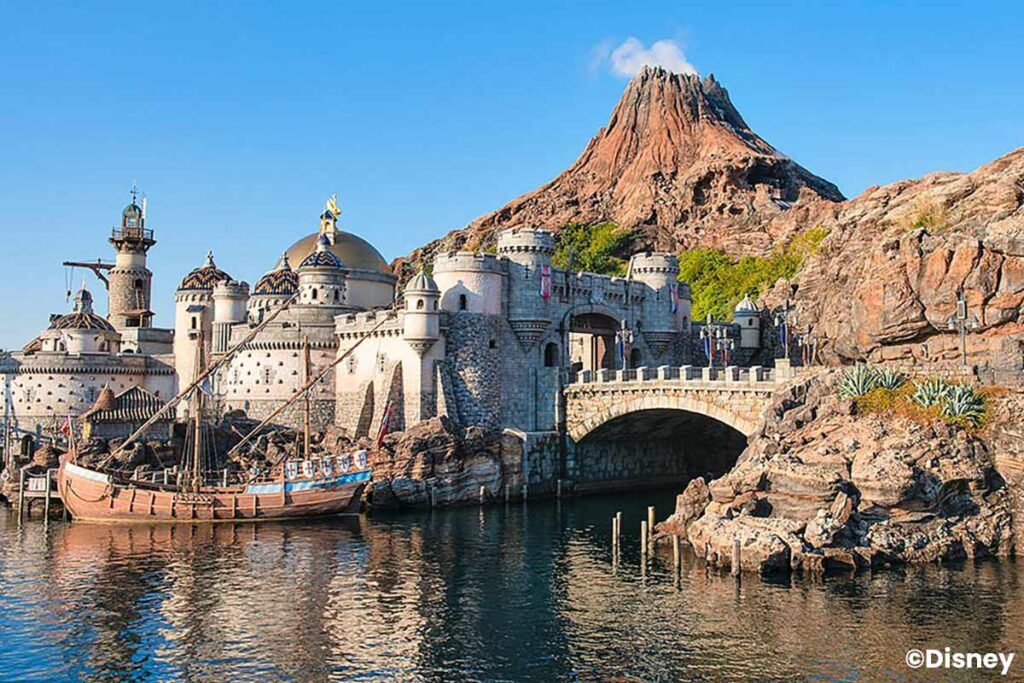
Tokyo DisneySea
Toyosu Market
Tsukiji Outer Market
Ameyoko
Kabukicho (Shinjuku)
Ryogoku Kokugikan
teamLab Planets
Toyosu
Ueno Park
Other Top Cities
Mt. Fuji
Kyoto
Osaka