
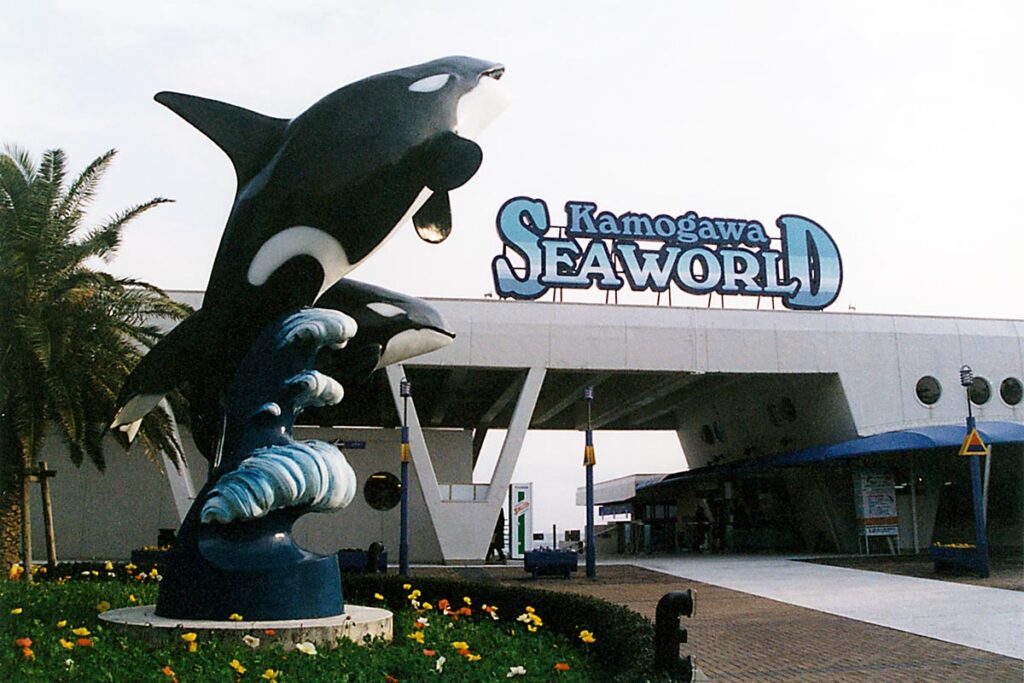
Kamogawa Sea World
Kamogawa Sea World: A Complete Guide for First-Time Visitors to Japan
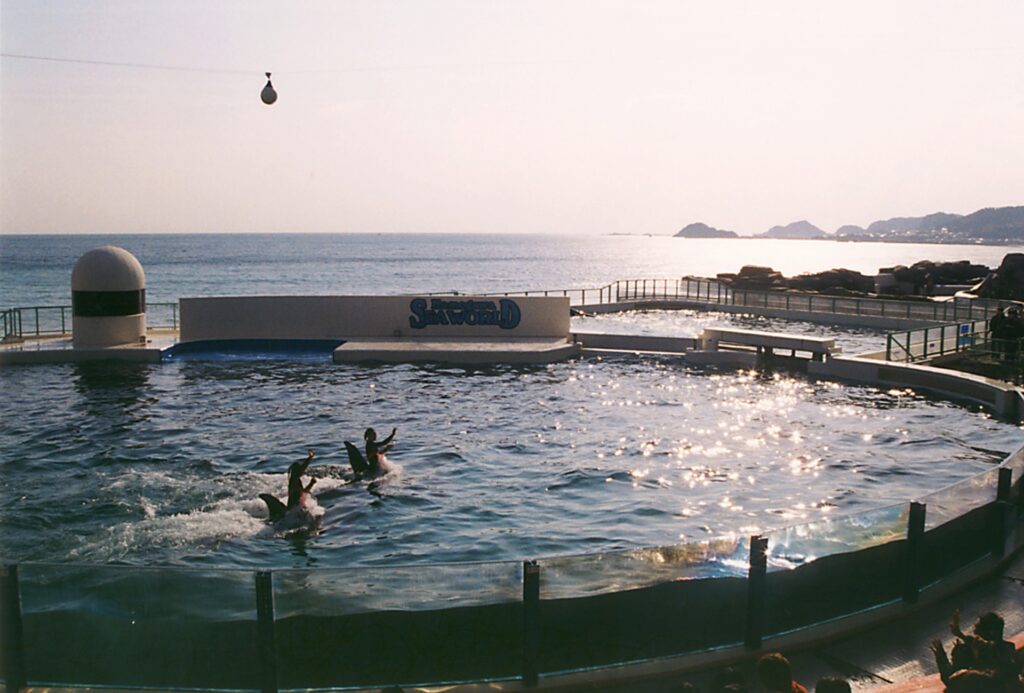
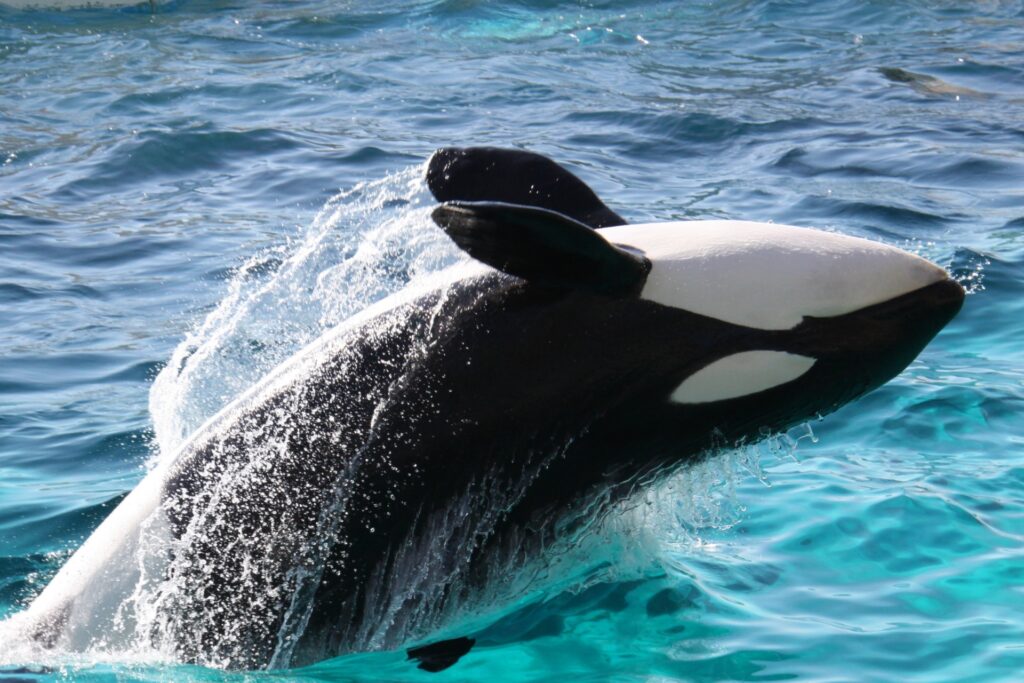
Photos are for illustrative purposes only.
On the Pacific coast of Chiba Prefecture, Kamogawa Sea World offers a classic Japanese family-day-out experience with sweeping ocean views, impressive marine animal performances, and an attached resort hotel. For first-time visitors to Japan, it’s an easy side trip from Tokyo that combines an aquarium visit with a relaxed seaside escape.
Why Visit Kamogawa Sea World?
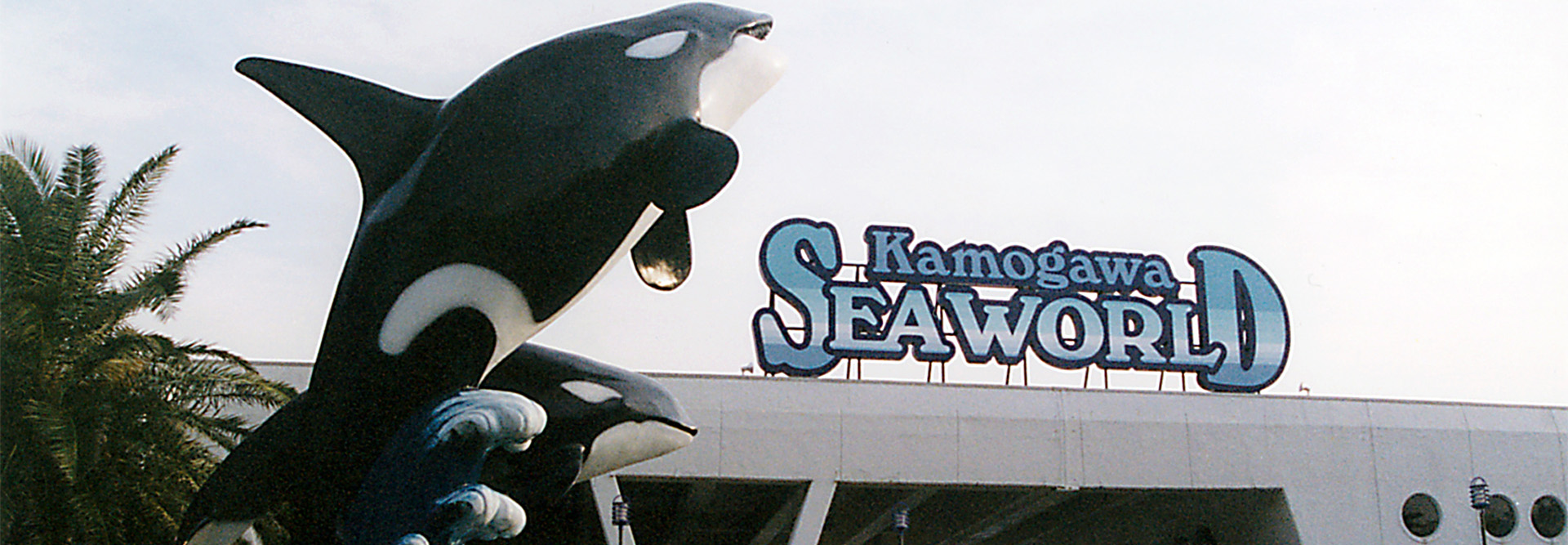
Kamogawa Sea World is one of Japan’s best-known marine parks, opened in 1970 on the shores of Kamogawa City. Set between green hills and the open Pacific, the park’s pools and stadiums are designed to blend with the surrounding seascape. The focus here is on large marine animals—especially dolphins, sea lions and orcas—as well as educational exhibits and interactive experiences.
For international visitors, it offers:
- A very “Japanese” style of marine show, complete with upbeat music and enthusiastic narrations
- Easy access from Tokyo as a full-day or overnight trip
- On-site hotel stays where you can watch the sunrise over the ocean
- Nearby beaches and coastal scenery that contrast sharply with the city
While attitudes toward marine animal shows are changing globally and some travelers may feel conflicted about captive animal attractions, Kamogawa Sea World remains a popular destination for Japanese families and school groups. If you decide to visit, going with awareness and using the opportunity to learn about marine life and local coastal culture can make the experience more meaningful.
Where Is Kamogawa Sea World?
Kamogawa Sea World sits on the Boso Peninsula in southern Chiba Prefecture. It faces the Pacific Ocean, with waves crashing just beyond the seawall. Although Chiba is often associated with Narita Airport and bedroom communities for Tokyo, the Boso Peninsula is a different world—quieter, greener, and known for its surf spots, rice paddies, flower fields and fishing ports.
From central Tokyo, Kamogawa Sea World feels comfortably far from the skyscrapers, yet it is still accessible in about two to two and a half hours by train or car, making it suitable as:
- A long day trip from Tokyo or Chiba City
- An overnight coastal getaway paired with hot spring stays elsewhere on the Boso Peninsula
Highlights and Main Attractions
Orca and Dolphin Shows
The signature experiences at Kamogawa Sea World are the large-scale marine shows held in outdoor stadiums overlooking the Pacific. Expect high-energy performances, synchronized jumps and plenty of water spray in the front rows.
- Orca (killer whale) show: The most famous attraction, held at the Ocean Stadium. Trainers and orcas perform coordinated jumps and splashes. Commentary is primarily in Japanese, but the visual spectacle is easy to follow.
- Dolphin show: Acrobatic bottlenose dolphins leap, spin and interact with their trainers. This show often includes sections that highlight dolphin intelligence and agility.
- Sea lion show: A lighter, more comedic performance with sea lions “acting” in short skits, clapping and posing for the crowd.
Show schedules change seasonally and by day, so check the timetable on arrival and plan your route through the park around the performances you most want to see. Shows can fill quickly on weekends and holidays; arriving 15–30 minutes early is wise.
Indoor Exhibits and Aquariums
Beyond the stadiums, indoor zones introduce the wider world of marine life from Japan and beyond. They are especially useful in hot summer sun or on rainy days.
- Tropical Island and coral reef tanks: Colorful reef fish, rays and small sharks swim through carefully lit tanks that recreate warm ocean environments.
- Rocky shore and cold-water exhibits: Displays focused on Japan’s own coastal ecosystems help visitors understand life in the surrounding Pacific.
- Jellyfish and deep-sea zones: Darkened rooms with illuminated tanks highlight the surreal grace of jellyfish and other deep-sea species.
Labels are primarily in Japanese, but many tanks include basic English species names. Even without full translation, the visual experience is engaging for all ages.
Interactive and Close-Up Experiences
One distinctly Japanese feature of Kamogawa Sea World is the emphasis on close-up animal encounters and seasonal events. Availability and content change throughout the year, but may include:
- Feeding experiences: For an extra fee, you may be able to feed penguins, seals or fish at designated times.
- Touch pools: Shallow pools where you can gently touch starfish and shells under staff supervision, popular with children and school groups.
- Backstage-style programs: Limited-capacity activities that let visitors see training sessions or get closer to animals, usually in Japanese and by reservation.
If you’re interested in these experiences, check availability as soon as you enter the park, as numbers are limited and slots may sell out early on busy days.
Understanding the Japanese Aquarium Culture
Visiting Kamogawa Sea World also offers insight into how many Japanese families relate to the sea. As an island nation, Japan has deep cultural and economic ties to the ocean—from fishing and seafood cuisine to seasonal festivals and coastal pilgrimages. Aquariums and marine parks are viewed as educational spaces where children can encounter sea life up close.
Environmental awareness in Japan has been growing, and most facilities now include displays on ocean conservation, pollution and local ecosystems. When you visit, look for panels or short films that discuss issues such as plastic waste or endangered species. Even if the content is mostly in Japanese, diagrams and statistics can still be informative.
Best Time to Visit Kamogawa Sea World
Seasonal Considerations
The Boso Peninsula has a relatively mild climate, but the park is partly outdoors and exposed to sea breezes. Each season offers a different atmosphere:
- Spring (March–May): Comfortable temperatures and fresh greenery. Popular for school trips, but generally pleasant with fewer extremes in weather.
- Summer (June–August): Hot and humid with strong sun. Shows run as usual, but bring hats, sunscreen and water. The sea breeze can be refreshing, and it’s easy to combine the visit with nearby beaches.
- Autumn (September–November): Often the most comfortable time to visit, with clear skies and cooler air after typhoon season.
- Winter (December–February): Chilly but not severe. The park is less crowded, and visibility over the ocean can be excellent on crisp days.
Crowd Levels and Japanese Holidays
To enjoy a more relaxed experience, be aware of major Japanese holidays. Kamogawa Sea World can be very crowded during:
- Golden Week (late April–early May)
- Obon (mid-August)
- New Year period (late December–early January)
Weekends, national holidays and school vacation periods also draw large numbers of families. If your schedule allows, aim for a weekday outside these peak times.
How to Get to Kamogawa Sea World
From Tokyo by Train
The most convenient public transport option from central Tokyo is a combination of JR trains. As schedules and services change, always confirm your route on a reliable transit app or at a JR ticket counter, but the typical pattern is:
- Take a JR train from Tokyo Station (or another major hub such as Chiba Station) toward the Boso Peninsula.
- Transfer to a local or limited express train bound for Awa-Kamogawa Station, the nearest station to the park.
- From Awa-Kamogawa Station, it is around 10 minutes by local bus or taxi to Kamogawa Sea World.
Bus stops and taxis are easy to find outside the station, and Kamogawa Sea World is clearly signposted in Japanese and often in English as well.
By Car
If you are driving or have rented a car in Japan, the Boso Peninsula offers a scenic coastal drive. Follow expressways and local roads toward Kamogawa City; navigation systems and smartphone maps recognize “Kamogawa Sea World” as a destination. There is on-site parking for a fee, and signs direct you from the main roads into the parking area.
Tickets, Opening Hours and Basic Costs
Opening hours and ticket prices can change seasonally, so check the official website before your trip. In general, you can expect opening hours that cover the late morning through afternoon, with extended hours during peak seasons. Ticket types typically include:
- Standard admission: Includes access to all shows and exhibits inside the park.
- Children’s tickets: Discounted admission for younger visitors, with age categories differing slightly from country to country.
- Group discounts: Available for school trips and large parties, often not relevant to independent travelers.
Tickets are usually available at the gate and may also be sold through online platforms or travel agencies. In high season or on weekends, arriving earlier in the day can reduce waiting time at the entrance.
Food, Facilities and Accessibility
Dining Options
Inside Kamogawa Sea World, you will find a variety of casual dining options:
- Family restaurants and cafeterias: Serving Japanese-style curry rice, noodles, fried chicken and kids’ meals.
- Snack stands: Selling ice cream, drinks, churros and seasonal treats.
- Ocean-view seating: Some dining areas and terraces look out over the Pacific, especially pleasant on clear days.
Bringing large amounts of outside food into the park may be restricted, but small snacks and drinks are generally acceptable. Tap water in Japan is safe to drink, and restrooms usually have sinks for refilling bottles.
Facilities and Services
As a family-oriented facility, Kamogawa Sea World provides many conveniences that also benefit international visitors:
- Clean restrooms throughout the park
- Stroller rental and baby-care rooms
- Souvenir shops selling marine-themed gifts, snacks and character goods
- Information counters where staff can offer basic guidance; some may speak simple English
Paths around the park are mostly flat and paved, making it reasonably accessible for wheelchairs and strollers, though some seating in stadiums may involve steps.
Where to Stay: Kamogawa Sea World Hotel and Beyond
One advantage of Kamogawa Sea World is its attached accommodation, often referred to as the Kamogawa Sea World Hotel or a similarly named property. Staying here allows you to turn a simple park visit into a coastal mini-break.
Typical features include:
- Ocean-facing rooms: Many rooms look out directly over the Pacific; sunrise views can be memorable.
- Family-friendly services: Play areas, kids’ amenities and easy access to the park entrance.
- Meal plans: Breakfast and dinner options with a mixture of Japanese and Western dishes, often buffet-style.
Beyond the official hotel, Kamogawa City and the broader Boso Peninsula offer:
- Traditional ryokan inns: Some with onsen-style hot spring baths and kaiseki (multi-course) dinners featuring local seafood.
- Small guesthouses and pensions: Ideal for travelers who want a quieter, more local atmosphere.
An overnight stay lets you slow down after a busy Tokyo itinerary and experience a more rural side of Japan.
Nearby Attractions and Suggested Itineraries
Kamogawa Sea World can be the centerpiece of a Boso Peninsula exploration. Nearby options include:
- Local beaches: Depending on the season, you can walk along the shore, watch surfers or enjoy sea views from coastal promenades.
- Temples and small shrines: Many towns in the area have quiet neighborhood shrines and hillside temples that give a glimpse into everyday spiritual life.
- Scenic drives: If you have a car, driving the coastal routes reveals dramatic cliffs, fishing harbors and viewpoints.
For first-time visitors on a short trip, a simple one-night itinerary works well:
- Morning: Travel from Tokyo to Kamogawa and check into your hotel.
- Midday–afternoon: Enjoy Kamogawa Sea World, focusing on the shows and a relaxed lunch.
- Evening: Stroll along the coast, then have dinner at your hotel or a local restaurant.
- Next day: Explore nearby coastal sights, then return to Tokyo by late afternoon or evening.
Practical Tips for International Visitors
- Language: Most announcements and signs are in Japanese, with limited English. However, staff are generally friendly and accustomed to helping visitors using simple English and gestures.
- Payment: Larger facilities like Kamogawa Sea World increasingly accept credit cards and IC transport cards, but having some cash (yen) is still useful for smaller shops and local buses.
- Weather preparation: Bring a light jacket in cooler months; in summer, protect yourself from the strong sun and hydrate regularly.
- Show seating: Front rows in the orca and dolphin stadiums are “splash zones.” If you want to stay dry, sit farther back or bring a light poncho.
- Photography: Photography is generally allowed, but flash may be restricted in some indoor exhibits. Always follow posted guidelines.
Is Kamogawa Sea World Right for You?
For first-time travelers to Japan, Kamogawa Sea World is best suited to those who:
- Enjoy aquariums and marine-themed attractions
- Are traveling with children or multi-generational family members
- Want a break from big-city sightseeing in a quieter coastal setting
If your time in Japan is very short, you may prefer to focus on Tokyo’s central attractions and more famous sites like Asakusa, Shibuya or Kyoto. But if you have a spare day or two and are curious about Japan’s coastal culture, combining Kamogawa Sea World with a stay on the Boso Peninsula offers a different, more laid-back perspective on the country—one framed by ocean horizons, sea breezes and the sounds of waves just beyond the park’s walls.
Access Map
Recommended spots in Chiba
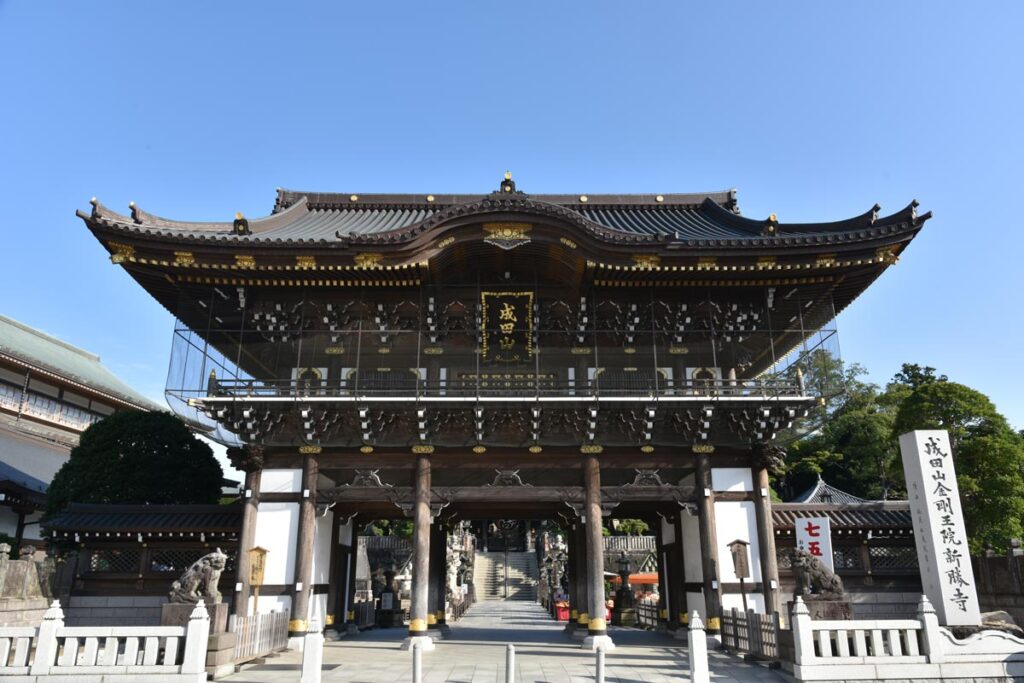
Naritasan Shinshoji Temple
Kamogawa Sea World
Makuhari Messe
Top destinations in Kanto Region
Tochigi
Kanagawa