

Kanagawa
Kanagawa Travel Guide for First-Time Visitors to Japan
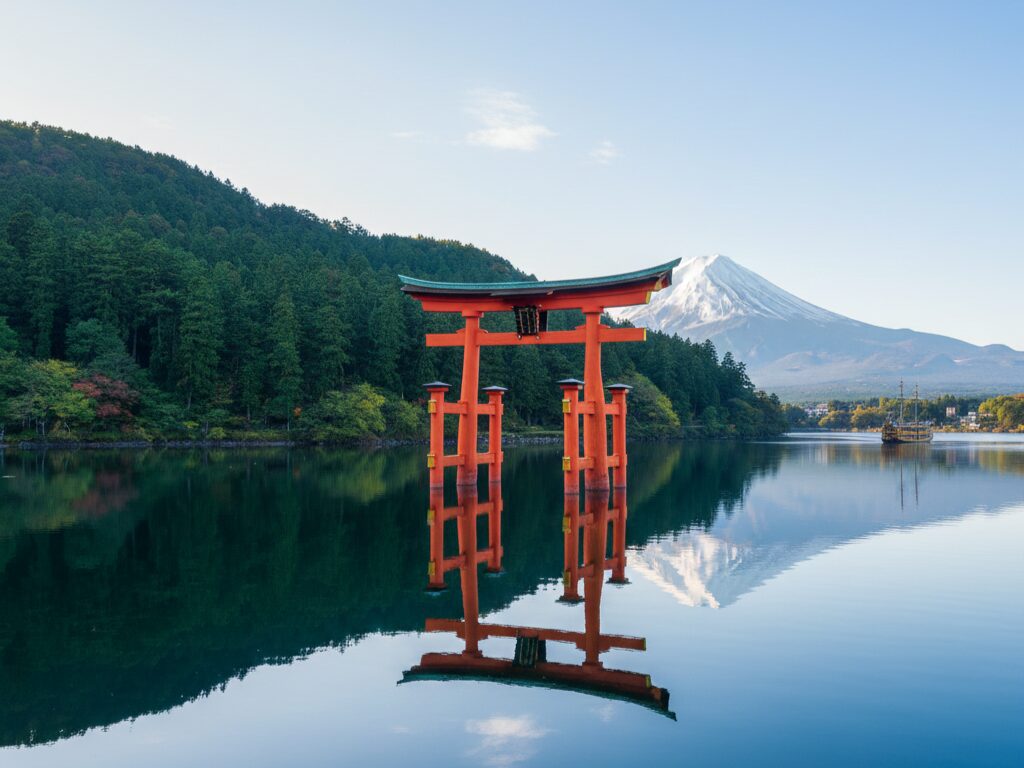
Photos are for illustrative purposes only.
Just south of Tokyo, Kanagawa Prefecture offers a complete Japan experience in a compact, easy-to-explore area. From historic temples and sea views in Kamakura, to hot-spring retreats in Hakone and nightlife in Yokohama, Kanagawa is one of the best regions for first-time travelers to Japan.
This guide explains where to go, what to see, and how to plan a Kanagawa trip as part of your wider Japan itinerary.
Why Visit Kanagawa?
Kanagawa is often described as Tokyo’s backyard, but it has a distinct character and many iconic sights of its own. It is ideal for travelers who want to:
- Escape Tokyo for a day trip without long train rides
- Combine city life, seaside towns, and nature in one region
- Experience onsen (hot springs) with views of Mount Fuji
- Explore samurai-era temples and shrines
- Enjoy coastal walks and local seafood
Because of its excellent transport links, Kanagawa suits short stays: you can see a lot with one to three days and easily return to Tokyo for the evening, or stay overnight in a traditional ryokan.
Where Kanagawa Is & How to Get There
Kanagawa sits directly south of Tokyo, facing Tokyo Bay and the Pacific Ocean. The prefecture’s main transport hub is Yokohama, Japan’s second-largest city. Most visitors travel to Kanagawa from Tokyo or directly from the airports.
From Tokyo
- To Yokohama: About 30 minutes from Tokyo Station by JR Tokaido Line or JR Yokosuka Line, or from Shinjuku by JR Shonan–Shinjuku Line. Multiple private lines also connect to Yokohama.
- To Kamakura & Enoshima: About 1 hour from Tokyo or Shinjuku on the JR Yokosuka or Shonan–Shinjuku Line to Kamakura, then local trains or the Enoden tram.
- To Hakone: Take the JR Tokaido Shinkansen from Tokyo Station to Odawara (around 35 minutes), then switch to local trains, buses, or the Hakone Tozan Railway. Alternatively, use Odakyu Line from Shinjuku to Hakone-Yumoto.
From Airports
- From Haneda Airport: Direct trains and limousine buses reach Yokohama in about 30–40 minutes.
- From Narita Airport: Allow 1.5–2 hours by express train or bus to Yokohama, or travel via central Tokyo then transfer.
For most travelers, Kanagawa is best visited as day trips or short side trips from Tokyo. Japan Rail Pass holders can use JR lines to Yokohama, Kamakura, and Odawara, while regional passes (like the Hakone Freepass or Enoshima–Kamakura Freepass) can save money on local transport.
Main Areas to Explore in Kanagawa
Yokohama: Port City with a Cosmopolitan Feel
Yokohama is a modern, airy city with wide harborside promenades, shopping complexes, and a relaxed atmosphere. As one of the first Japanese ports opened to foreign trade in the 19th century, it has a strong international flavor.
Key areas and attractions include:
- Minato Mirai 21: The landmark waterfront district known for the Yokohama Landmark Tower, Cosmo Clock 21 Ferris wheel, and large shopping malls. Visit at sunset for harbor views and night illuminations.
- Yamashita Park: A long, green park running along the bay, ideal for easy walks and photo stops. Nearby you can visit the historic Hikawa Maru ship.
- Yokohama Chinatown: One of the largest Chinatowns in the world. Colorful gates, temples, and lantern-lined streets are filled with dim sum, steamed buns, and Chinese–Japanese fusion dishes.
- Cup Noodles Museum & Ramen Museum: Fun, interactive museums introducing Japan’s instant noodles and regional ramen varieties. Both are popular with families.
Yokohama works well as a half-day or full-day trip. Its modern skyline contrasts nicely with Tokyo’s dense center, and evening harbor views are a highlight.
Kamakura: Temples, Samurai History, and Coastal Charm
Kamakura is a small coastal city that once served as the political center of Japan under the samurai-led Kamakura shogunate (late 12th to 14th century). Today it is famous for its temples, shrines, and leafy walking trails, all close to the sea.
Popular sights in Kamakura include:
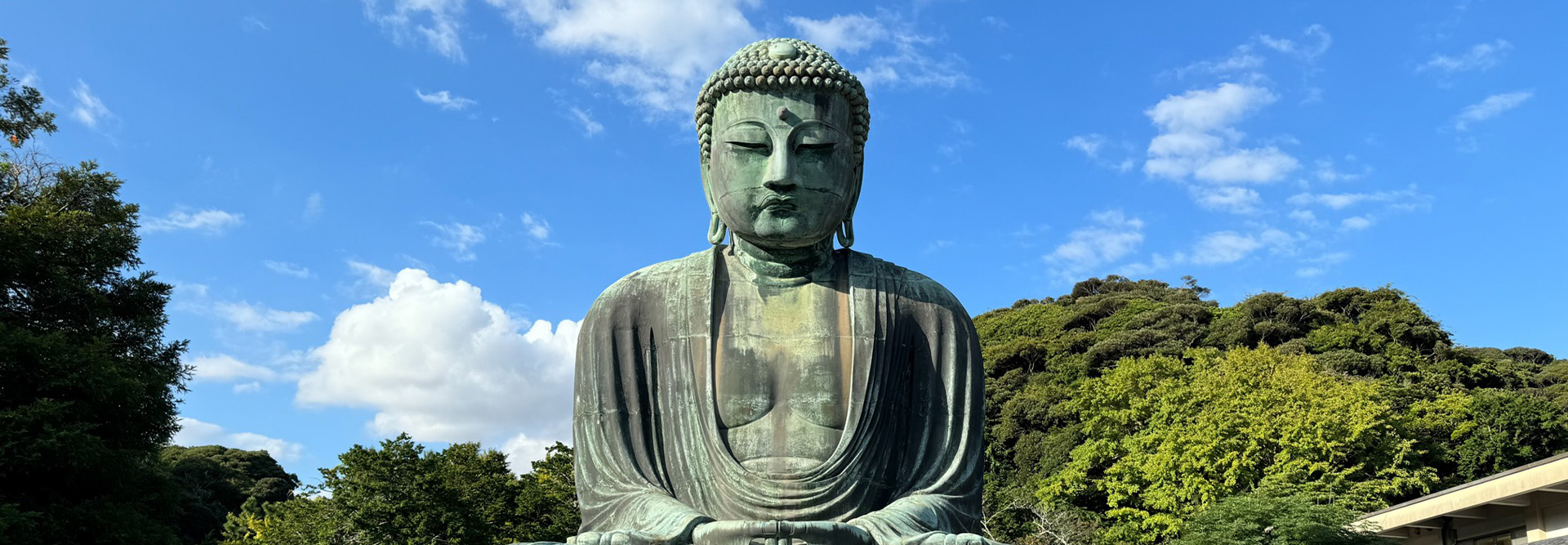
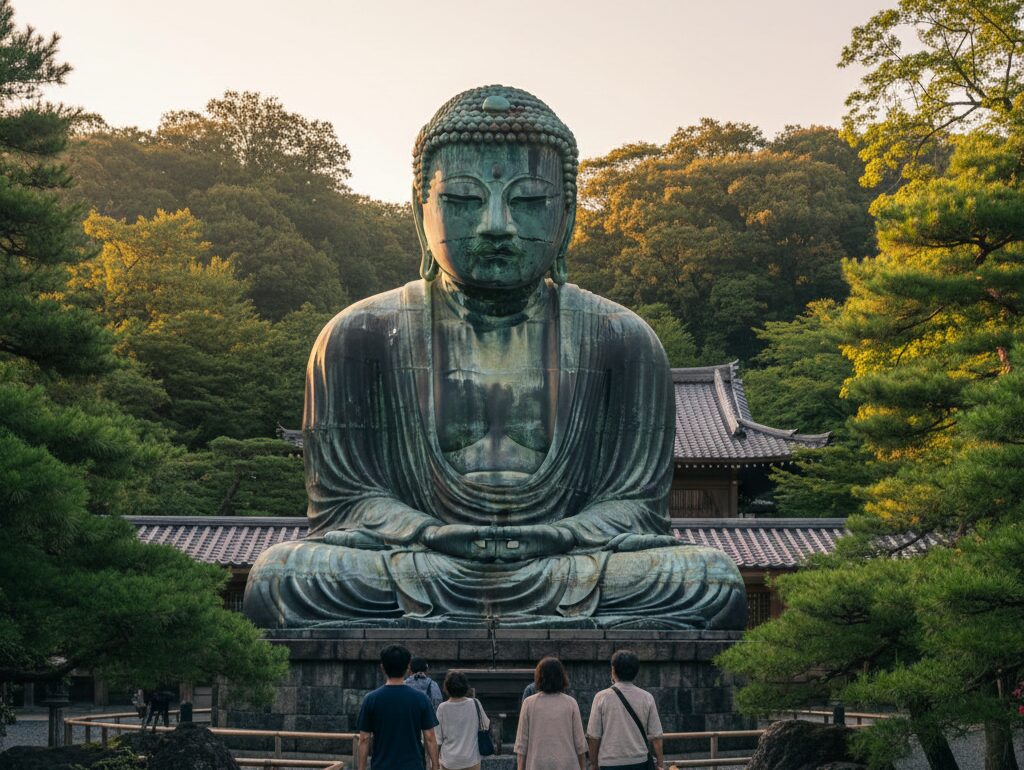
- Great Buddha of Kamakura (Kamakura Daibutsu): A huge bronze statue of Amida Buddha seated in the open air at Kotoku-in Temple. You can even step inside the statue for a small fee.
- Tsurugaoka Hachimangu Shrine: Kamakura’s spiritual heart, dedicated to the Shinto god of war and protection. The broad approach lined with torii gates and seasonal flowers is especially photogenic.
- Hasedera Temple: A hillside temple with a wooden statue of Kannon (the bodhisattva of compassion), beautiful gardens, and a viewpoint over the sea and town.
- Komachi-dori Street: A bustling shopping street leading from the station, lined with cafes, souvenir stores, and local snacks such as sweet potato treats and rice crackers.
Kamakura offers a peaceful contrast to Tokyo. Many visitors walk hillside trails between temples, especially in spring and autumn. The atmosphere is relaxed, and you can easily combine sightseeing with a stroll by the beach.
Enoshima: Island Getaway by the Sea
Not far from Kamakura, Enoshima is a small island connected to the mainland by a bridge. It combines sea views, shrines, caves, and coastal walks, making it a popular day-trip destination, especially in summer.
Highlights include:
- Enoshima Shrine: A cluster of shrine buildings dedicated to the goddess Benzaiten, associated with music, art, and good fortune.
- Samuel Cocking Garden & Sea Candle: A botanical garden and lighthouse observation tower offering wide views of Sagami Bay and, on clear days, Mount Fuji.
- Iwaya Caves: Sea caves carved into the cliffs, historically linked to local legends and religious practice.
- Beaches & Surfing: The surrounding Shonan coast is known for its surf culture, beach bars, and sunsets.
The Enoden, a vintage-style tram line running between Kamakura and Fujisawa, is an attraction itself, passing close to the sea and traditional neighborhoods. For photography lovers, this line offers some of the region’s most iconic scenes.
Hakone: Hot Springs, Mountains, and Views of Mount Fuji
Hakone is one of Japan’s classic hot-spring resort areas. Located in the mountains of western Kanagawa, it is easily accessible from Tokyo yet feels like a world away. Travelers come to relax in onsen, enjoy art museums, and, when the weather is clear, admire views of Mount Fuji across Lake Ashi.
Key experiences in Hakone:
- Onsen (Hot Springs): Many hotels and traditional ryokan offer indoor and outdoor baths using natural hot-spring water. Staying overnight and wearing a yukata (light cotton robe) to dinner is part of the experience.
- Lake Ashi (Ashinoko): A scenic crater lake where sightseeing boats, often styled like pirate ships, cruise between ports. On clear days, Mount Fuji rises behind the torii gate of Hakone Shrine.
- Hakone Shrine: A Shinto shrine set in dense forest with vermilion torii gates. One gate stands in the lake, making it a popular photo spot.
- Hakone Ropeway & Owakudani: A cable car gliding above a volcanic valley, where you can see fumaroles and try “black eggs” boiled in sulfur-rich hot springs. Local legend says one egg adds seven years to your life.
- Art Museums: Hakone is surprisingly rich in museums, including an outdoor sculpture park and private collections of Western and Japanese art.
Hakone is a comfortable introduction to Japan’s traditional hospitality. English is more commonly spoken in hotels than in smaller countryside areas, and many places provide multilingual signs explaining bathing etiquette.
Cultural Tips for Visiting Kanagawa
Temple & Shrine Etiquette
Kanagawa’s historic sites are active places of worship, not just tourist attractions. When visiting Kamakura, Enoshima, or Hakone’s shrines:
- Walk quietly and avoid blocking the main approach paths.
- At purification fountains, rinse your hands and mouth lightly before praying.
- Bow once at the main hall, toss a coin into the offering box, bow twice, clap twice, then bow once more.
- Photography is usually fine outdoors, but look for “no photos” signs inside buildings.
Onsen Etiquette in Hakone
Public hot-spring baths follow long-standing customs. To avoid misunderstandings:
- Wash thoroughly with soap and rinse before entering the shared baths.
- Swimwear is typically not allowed; baths are usually single-sex and used nude.
- Keep towels out of the water; rest them on your head or the edge of the bath.
- Speak quietly, and avoid using smartphones or cameras in bathing areas.
Some places offer private baths that can be reserved by couples or families, a good option if you feel shy or have tattoos. Policies on tattoos vary, so check in advance.
When to Visit Kanagawa
Kanagawa can be visited year-round, but each season offers a different atmosphere:
- Spring (March–May): Cherry blossoms in Kamakura and Yokohama’s parks, mild weather, and fresh greenery in Hakone. Popular and often crowded on weekends.
- Summer (June–August): Beach season along the Shonan coast and Enoshima, with lively seaside bars and fireworks festivals. Hakone is cooler than the cities and good for escaping the heat.
- Autumn (September–November): Clearer skies and colorful foliage in Hakone’s mountains and temple gardens. Often the best season for Mount Fuji views.
- Winter (December–February): Crisp air, illuminations in Yokohama, and very clear Fuji views from coastal areas and Hakone on sunny days. Onsen are especially enjoyable.
National holiday periods such as Golden Week (late April to early May) and New Year can bring heavy crowds and higher accommodation prices. If possible, visit on weekdays for a calmer experience.
Suggested Itineraries for First-Time Visitors
1-Day Overview from Tokyo
- Morning: Travel to Kamakura, visit Tsurugaoka Hachimangu and Komachi-dori.
- Midday: See the Great Buddha and Hasedera Temple.
- Afternoon: Continue to Enoshima for sea views and a stroll, then return to Tokyo.
2 Days: City & Nature
- Day 1: Explore Yokohama’s Minato Mirai, Yamashita Park, and Chinatown; stay overnight in Yokohama or Tokyo.
- Day 2: Head to Hakone for Lake Ashi, the ropeway, and onsen before returning to Tokyo or staying in a ryokan.
3 Days: Slow Kanagawa
- Day 1: Kamakura temples and coastal walk.
- Day 2: Enoshima and Shonan beaches; evening in Yokohama.
- Day 3: Hakone loop, art museum, and hot springs.
All of these plans can be adjusted depending on weather and interests. On rainy days, focus on Yokohama and Hakone’s museums; on clear days, prioritize Lake Ashi and coastal viewpoints for Mount Fuji.
Practical Travel Tips
Transportation & Passes
Kanagawa’s rail network is dense and reliable. To simplify your trip:
- Use an IC card such as Suica or PASMO for quick tap-on, tap-off travel on most trains and buses.
- Consider regional passes that cover trains, buses, and attractions in specific areas, especially Hakone and the Enoshima–Kamakura area.
- Trains run frequently, but check the last train times back to Tokyo or your accommodation.
Food & Local Specialties
Kanagawa’s coastal setting means fresh seafood is common, alongside local sweets and casual favorites:
- Yokohama Chinatown: Dim sum, steamed buns, and Chinese-style sweets.
- Shonan Coast & Enoshima: Dishes featuring small whitebait fish known as shirasu, served over rice or in omelets.
- Kamakura: Traditional Japanese sweets, matcha tea, and baked snacks along Komachi-dori.
- Hakone: Onsen manju (steamed buns with sweet filling) and soft-serve ice cream near sightseeing spots.
Most tourist-oriented restaurants have picture menus or plastic food displays outside, making it easy to order even if you don’t read Japanese.
Language & Accessibility
English signage is common in train stations, major attractions, and many hotels across Kanagawa. In smaller shops or local restaurants, staff may speak limited English, but they are usually patient with gestures, translation apps, and simple phrases.
For travelers with mobility needs, large stations like Yokohama and main tourist spots generally have elevators and ramps. Some older temples and hillside areas, especially in Kamakura and Hakone, include stairs and uneven paths, so plan ahead if accessibility is important.
Adding Kanagawa to Your Japan Itinerary
For first-time visitors, Kanagawa works best as an extension of a Tokyo stay. It offers a cross-section of Japanese life: port city modernity, samurai-era history, seaside leisure, and hot-spring relaxation, all within easy reach by train.
Whether you have a spare day or several, Kanagawa rewards slow wandering and curiosity. Stop for local snacks, follow side streets to small shrines, and take your time along the waterfront or in the hot springs. With thoughtful planning, this coastal prefecture can become one of the most memorable parts of your trip to Japan.
Access Map
Recommended spots in Kanagawa
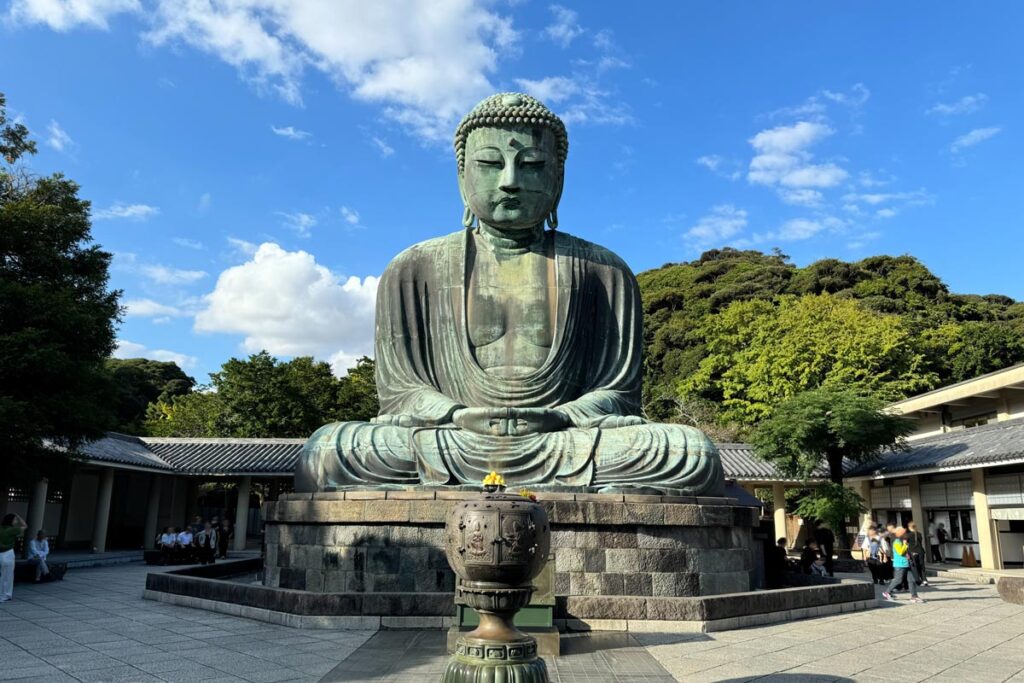
Great Buddha of Kamakura
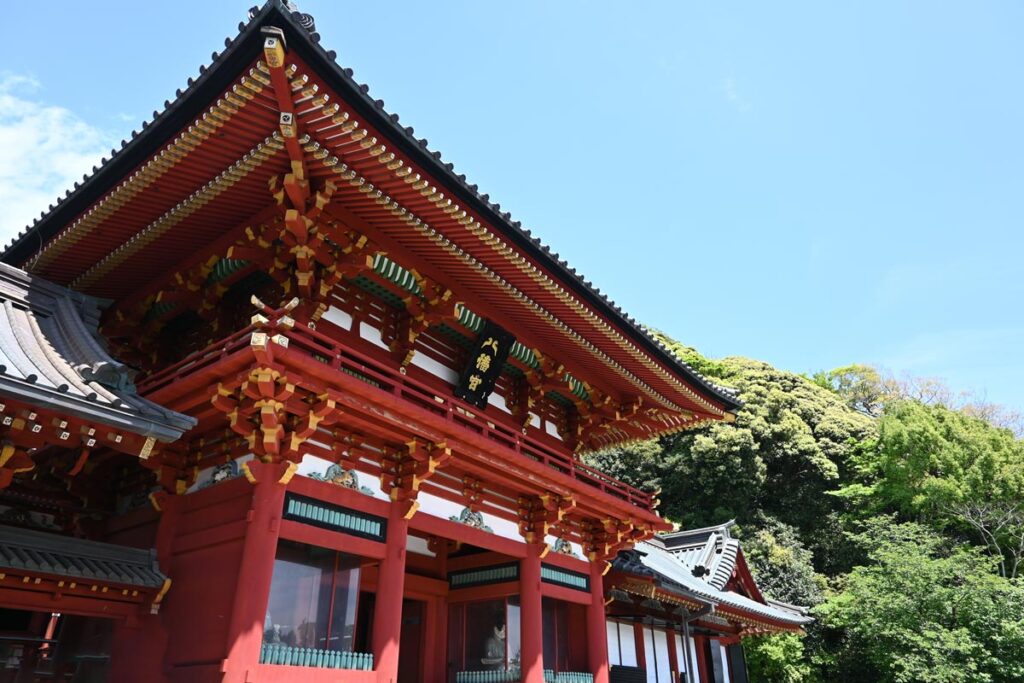
Tsurugaoka Hachimangu Shrine
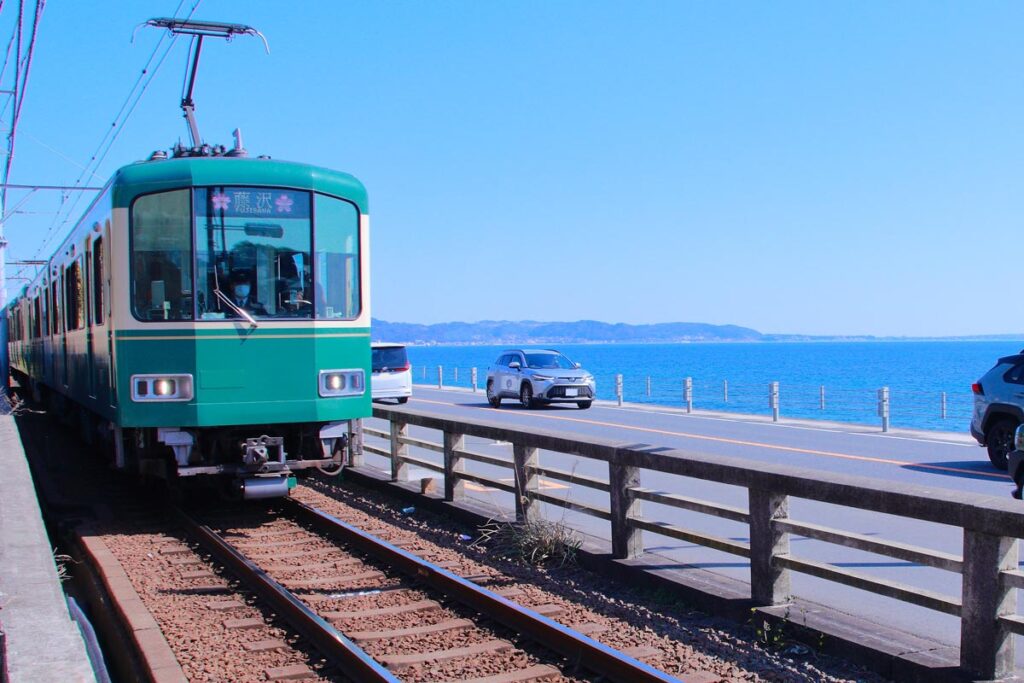
Enoshima Area
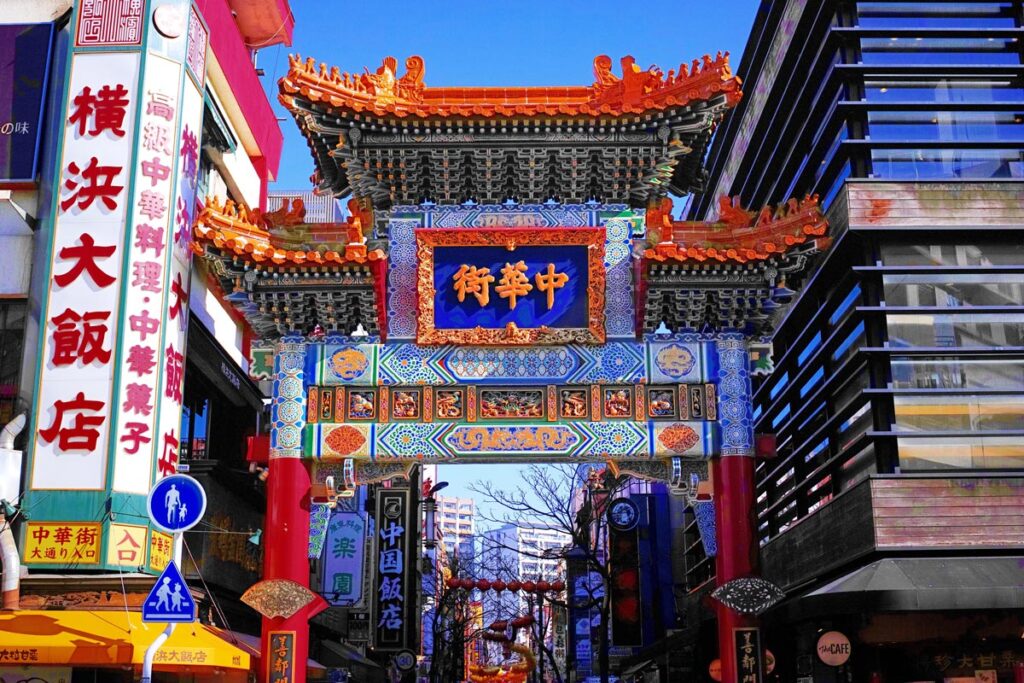
Chinatown Yokohama
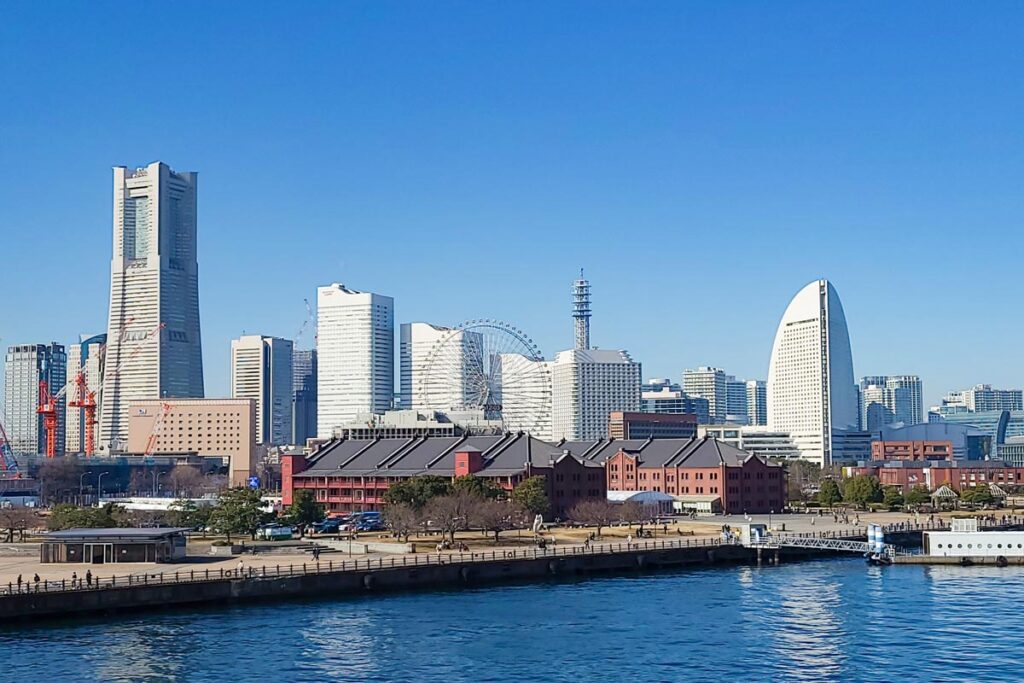
Yokohama Red Brick Warehouse
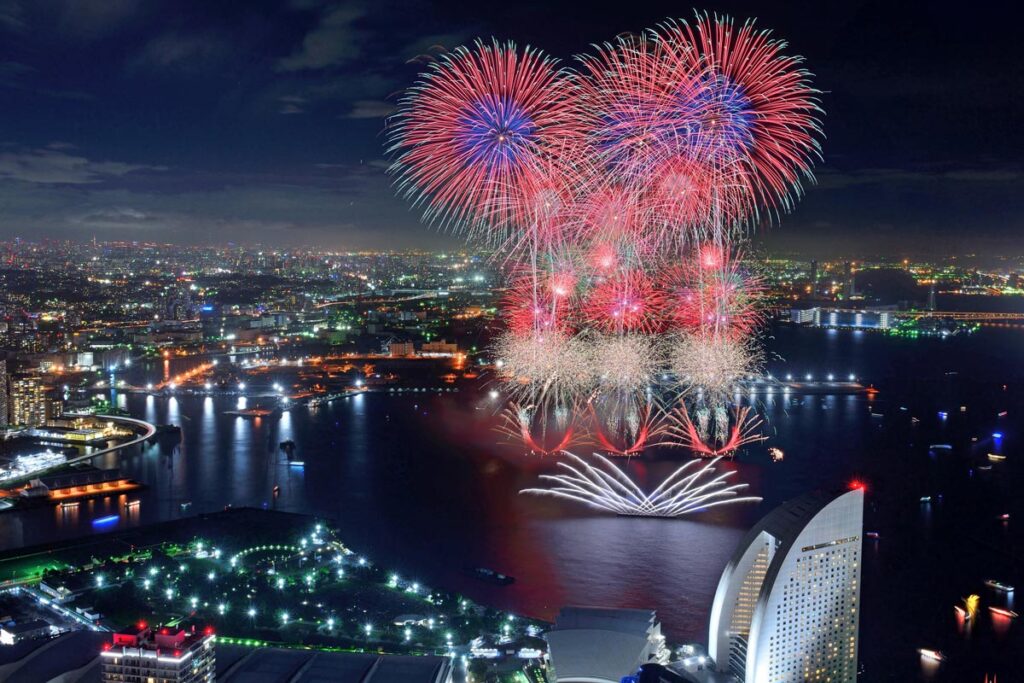
Yokohama Landmark Tower & Sky Garden
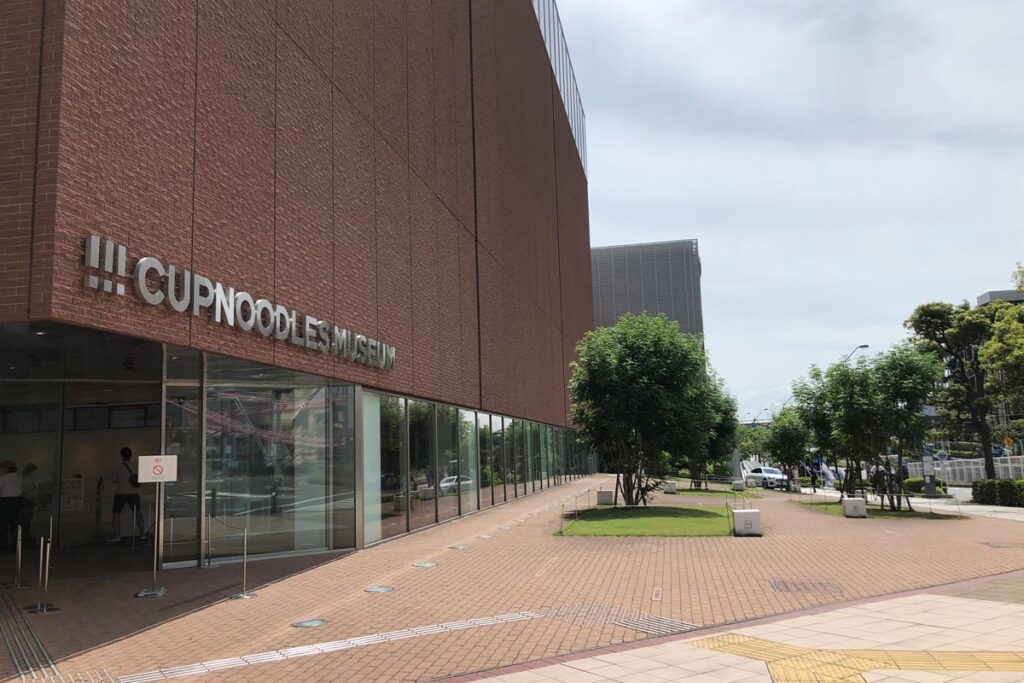
Cupnoodles Museum
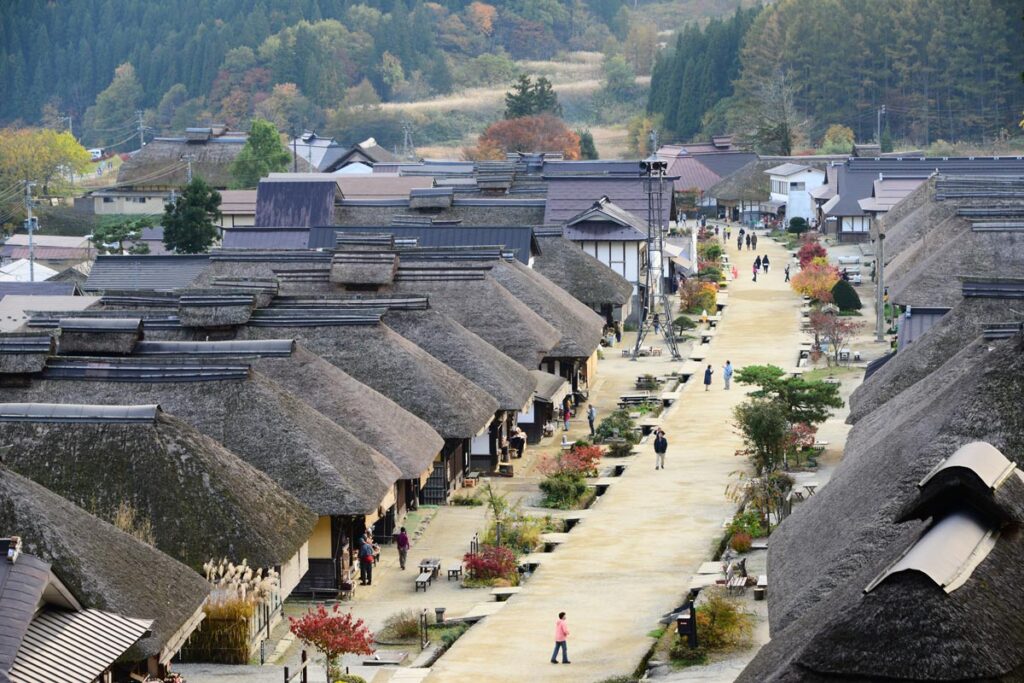
Top destinations in Kanto Region
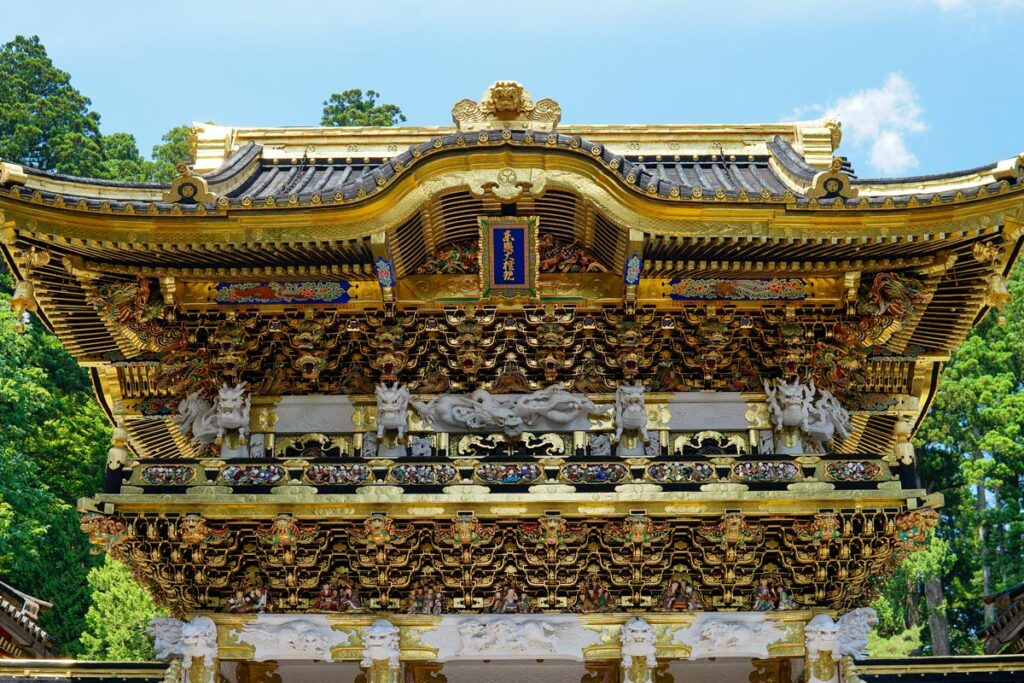
Tochigi
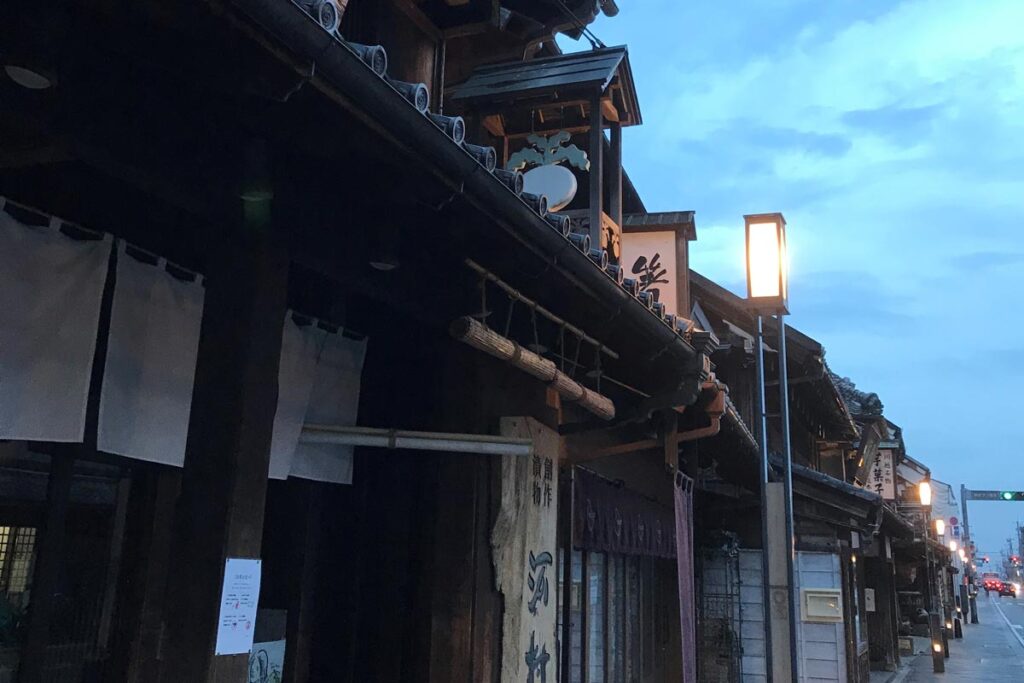
Saitama