
Kanagawa - Kamakura
Kamakura Travel Guide: Coastal Temples, Trails, and Tradition
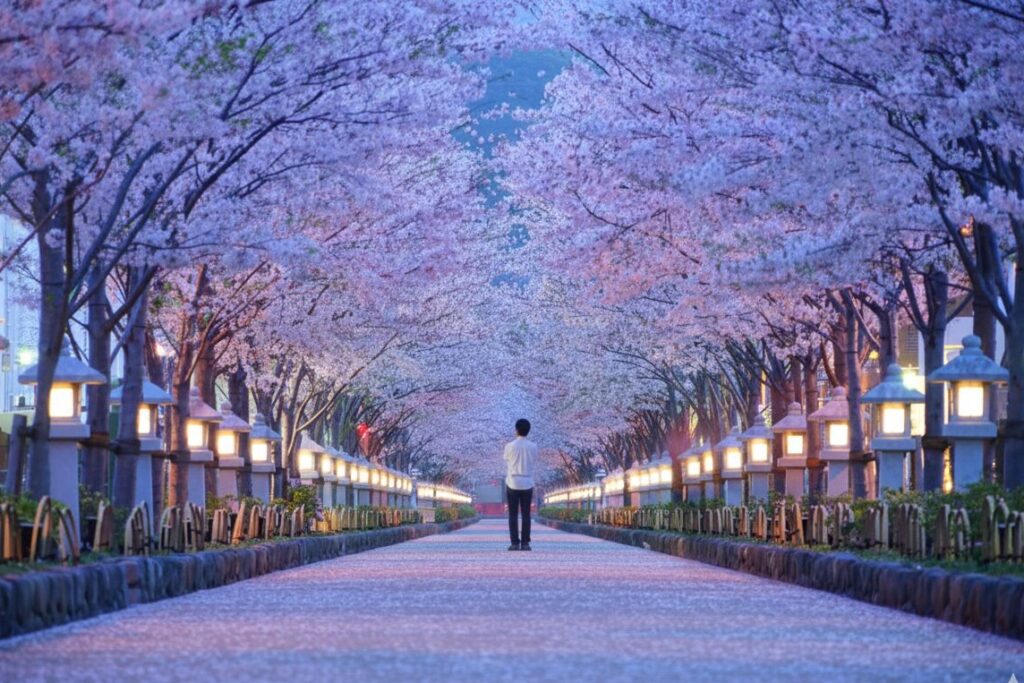
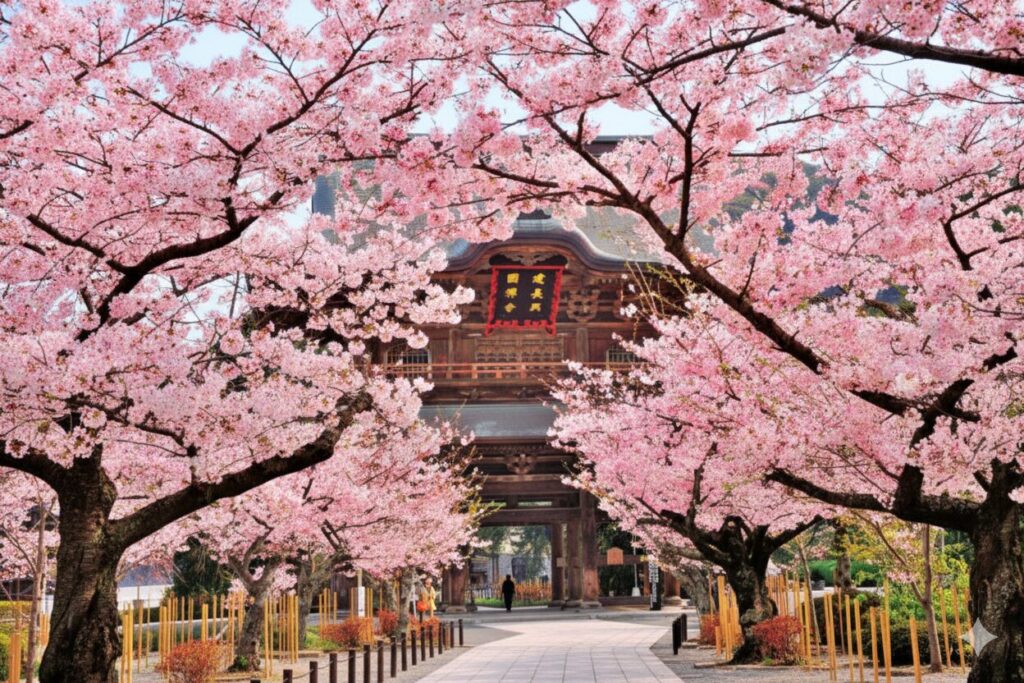
Photos are for illustrative purposes only.
Just an hour south of Tokyo, Kamakura offers a rare mix in Japan: ancient Zen temples, forested hills, and sandy beaches, all in one compact, walkable city. Once the political capital of Japan in the 12th–14th centuries, Kamakura is now a relaxed coastal town that makes an ideal day trip or overnight escape from the capital.
This guide is designed for first-time visitors to Japan, with clear explanations, cultural tips, and practical advice to help you enjoy Kamakura without feeling rushed or overwhelmed.
Why Visit Kamakura on Your Japan Trip?
Kamakura is often called the “Kyoto of Eastern Japan” thanks to its high concentration of historic temples and shrines. But it also has something Kyoto does not: Pacific Ocean views, laid-back surf culture, and forested hiking trails that connect many of its most important sites.
Reasons Kamakura works especially well for first-time visitors:
- Easy day trip from Tokyo: Roughly one hour by train, covered by most regional passes.
- Compact but varied: Temples, shrines, shopping streets, beaches, and hikes all within a small area.
- Historical depth: Former samurai capital with roots in Japan’s medieval period.
- Relaxed atmosphere: Less intense than Tokyo, with a slower coastal pace.
How to Get to Kamakura from Tokyo
By JR Train (Most Convenient)
The simplest route from central Tokyo is via JR trains:
- From Tokyo or Shinjuku: Take the JR Shonan-Shinjuku Line or JR Yokosuka Line directly to Kamakura Station. The ride takes about 55–65 minutes.
- From Shinagawa: The JR Yokosuka Line runs directly and is slightly quicker.
These lines are usually covered by the Japan Rail Pass and various regional JR passes. Trains are frequent, and seats are first-come, first-served (no reservation needed for regular cars).
From Yokohama or Nearby Kanagawa
If you are staying in Yokohama, you can reach Kamakura in about 25 minutes via the JR Yokosuka Line or Shonan-Shinjuku Line. This makes Kamakura an easy half-day or full-day excursion from the bay area as well.
Getting Around Kamakura
Kamakura’s attractions are spread across a few key areas: around Kamakura Station, in the northern hills, near Hase on the west side, and along the coastline. You will likely use some combination of walking, local trains, and buses.
On Foot
Many visitors explore primarily on foot. The walk from Kamakura Station to the famous Tsurugaoka Hachimangu Shrine is about 10–15 minutes, and the main shopping street is directly outside the station’s east exit.
Enoden Line
The Enoshima Electric Railway (Enoden) is a charming local train that connects Kamakura with Hase (Great Buddha area) and Enoshima further along the coast.
- From Kamakura Station to Hase Station: About 5 minutes.
- Trains are small and can be crowded on weekends and holidays.
Buses and Taxis
City buses connect Kamakura Station with major temples, but signs may only be partly in English. For first-time visitors, taxis are a stress-free alternative for longer hops, especially if traveling in a group or in bad weather.
Essential Kamakura Highlights
Kotoku-in and the Great Buddha (Daibutsu)
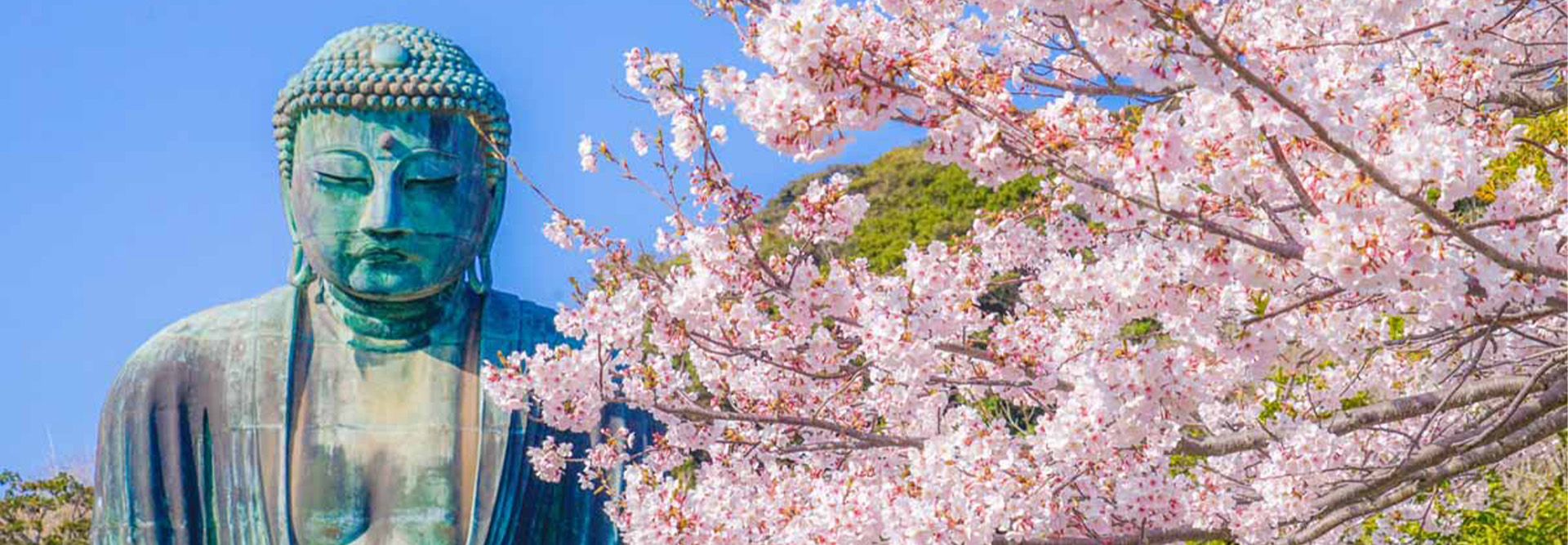
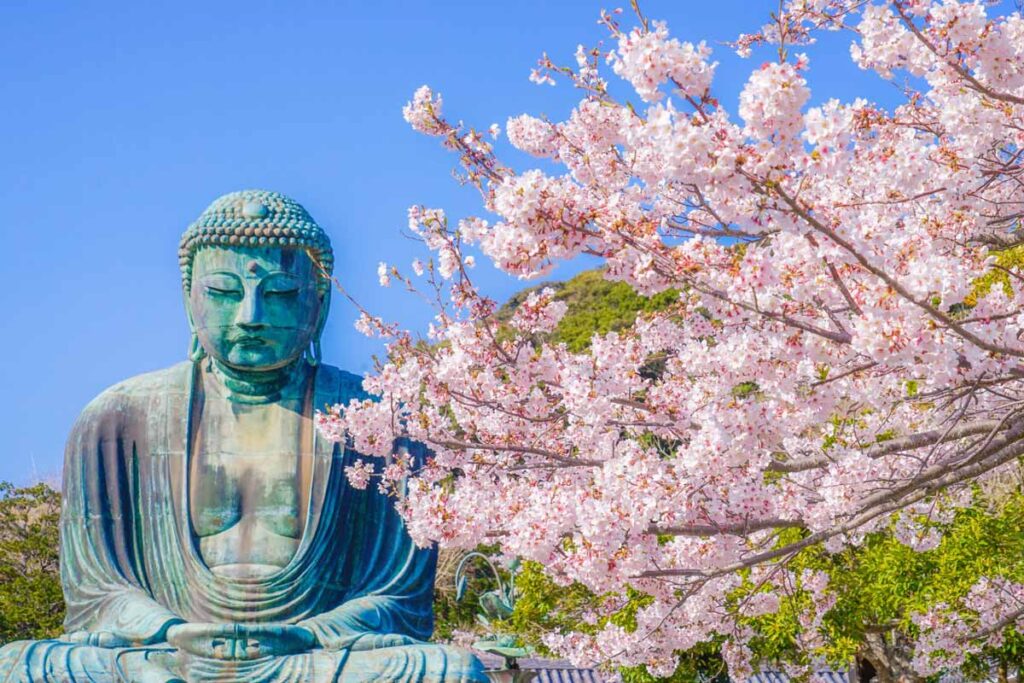
Kamakura’s most iconic sight is the colossal bronze statue of the Buddha at Kotoku-in, known as the Kamakura Daibutsu. Standing about 11 meters tall and dating to the 13th century, it has survived earthquakes and tsunamis that destroyed its original hall, leaving the statue sitting open to the sky.
You can circle the statue, observe the subtle details of its serene expression, and, for a small extra fee, even step inside the hollow interior to see how it was cast. This is an excellent place to learn how Buddhism shaped Japan’s medieval culture.
Access: Take the Enoden from Kamakura to Hase Station and walk about 10 minutes.
Hasedera Temple
Just a short walk from Kotoku-in, Hasedera is famous for its eleven-headed statue of Kannon, the Buddhist goddess of mercy, and for its scenic hillside location.
The temple grounds are arranged on multiple levels with ponds, flowers, and small halls. In spring and early summer, the temple’s hydrangea path becomes one of Kamakura’s most photogenic spots. There is also a terrace with sweeping views over the town and the coastline.
Hasedera is a good place to experience how Japanese temples blend spiritual practice with carefully designed landscapes meant to calm the mind.
Tsurugaoka Hachimangu Shrine
Moving back toward central Kamakura, Tsurugaoka Hachimangu is the city’s grand Shinto shrine and a symbol of its samurai-era power. Founded by Minamoto no Yoritomo, the first shogun of the Kamakura shogunate, this shrine was the spiritual heart of the warrior government.
A wide pedestrian avenue leads from Kamakura Station toward the shrine, passing under several red torii gates. Within the grounds you will find lotus ponds, subsidiary shrines, and stone steps leading up to the main hall, which offers views back over Kamakura.
The shrine hosts many seasonal festivals, including archery demonstrations and New Year celebrations, giving a sense of how Shinto remains woven into modern Japanese life.
Komachi-dori Shopping Street
Between Kamakura Station and Tsurugaoka Hachimangu runs Komachi-dori, a lively shopping and snack street ideal for tasting local flavors and picking up souvenirs.
Here you can try:
- Shirasu (whitebait), often served over rice or as croquettes, a coastal specialty.
- Matcha sweets, including soft-serve ice cream and cakes using local green tea.
- Traditional wagashi (Japanese sweets) that pair well with tea.
The street can get crowded, especially on weekends, but it is also where you will feel the energy of Kamakura’s role as a popular local getaway from Tokyo.
Zen Temples in Northern Kamakura
To understand Kamakura’s spiritual side, head to the quieter temple districts north of the station.
Engaku-ji
Near Kita-Kamakura Station, Engaku-ji is one of the most important Zen temples in Japan. It was founded in the 13th century and spread out across a wooded valley with multiple halls, gates, and stone paths. In autumn, the temple’s maple leaves are spectacular.
Engaku-ji is an excellent introduction to Zen architecture: simple wooden buildings, large open spaces for meditation, and an emphasis on harmony with the surrounding nature.
Kencho-ji
Also in northern Kamakura, Kencho-ji is the oldest Zen training monastery in Japan. Its impressive main gate, long straight approach, and large Buddha hall give a sense of the scale of medieval religious life.
From Kencho-ji, hiking trails lead into the hills behind the temple, offering panoramic views and a quiet escape from the crowds below.
Hiking and Nature in Kamakura
One of Kamakura’s pleasures is the network of walking trails that link many of its temples. These forest paths were once used by monks and pilgrims and today provide welcome shade in the warmer months.
Popular Hiking Routes
- Daibutsu Hiking Course: Connects the Great Buddha area with northern temples. Expect gentle ups and downs, narrow forest paths, and occasional views over the city.
- Ten-en Hiking Course: Runs along the ridge behind Kencho-ji and Engaku-ji, offering longer walks and viewpoints over Kamakura and the bay.
Tips for Hiking:
- Wear comfortable walking shoes; trails can be muddy after rain.
- Carry water, especially in summer, as vending machines are scarce on the trails.
- Stay on marked paths; some sections pass close to private land or steep slopes.
Beaches and the Coastal Side of Kamakura
Unlike many historic cities, Kamakura opens directly onto the Pacific. In warmer months, its beaches fill with swimmers, surfers, and families from across the region.
Yuigahama and Zaimokuza Beaches
South of Kamakura Station, Yuigahama Beach and neighboring Zaimokuza Beach are wide, sandy stretches popular for swimming in summer and for leisurely walks year-round. Beach houses open seasonally, offering food, drinks, and rental umbrellas.
On clear days you may see Mount Fuji in the distance across the bay, especially around sunset.
Day Trip Extension: Enoshima
Many visitors combine Kamakura with a visit to Enoshima, a small offshore island accessible via bridge from the town of Fujisawa. Enoshima offers coastal viewpoints, caves, shrines, and an observation tower. You can ride the Enoden line from Kamakura directly to Enoshima stations and enjoy sea views along the way.
Local Food and Seasonal Specialties
Kamakura’s coastal location and temple culture influence its food scene.
What to Eat in Kamakura
- Shirasu-don: A bowl of rice topped with tiny whitebait, served either raw (nama-shirasu, in season) or boiled.
- Temple vegetarian cuisine (shojin ryori): Some temples and nearby restaurants serve elegant, vegetable-based meals inspired by Buddhist practice.
- Matcha and sweets: Traditional tea houses near major temples serve high-quality green tea and wagashi.
- Beachside snacks: In summer, try grilled seafood, yakisoba noodles, and kakigori (shaved ice) from beach huts.
Suggested Kamakura Itineraries
Classic One-Day Kamakura Itinerary
- Morning: Arrive at Kamakura Station, walk Komachi-dori, visit Tsurugaoka Hachimangu.
- Midday: Take Enoden to Hase, explore Hasedera and Kotoku-in (Great Buddha).
- Afternoon: Walk to Yuigahama Beach for a seaside break, then return to Kamakura Station.
One-and-a-Half to Two Days (With Hiking)
- Day 1: Start in northern Kamakura (Kita-Kamakura Station), visit Engaku-ji and Kencho-ji, then hike a section of the ridge trail.
- Day 2: Explore Hase area and Daibutsu, relax at the beach, or take the Enoden to Enoshima.
Practical Tips for First-Time Visitors
Best Time to Visit Kamakura
- Spring (March–May): Comfortable weather and cherry blossoms; also popular and sometimes crowded.
- Early summer (June): Hydrangeas bloom at temples like Hasedera but expect some rain.
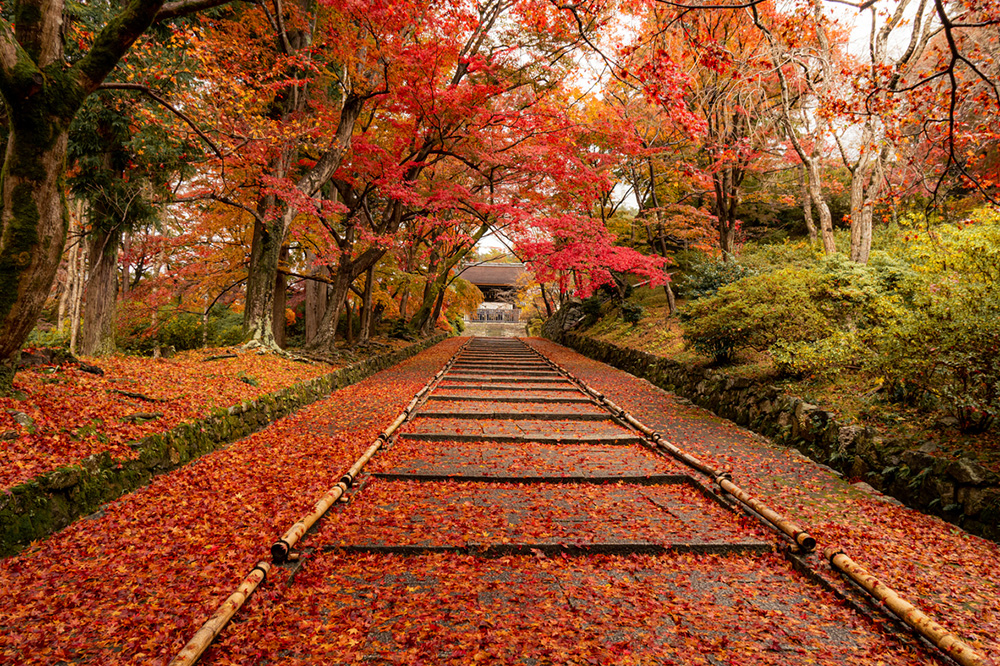
- Autumn (October–November): Clear skies and colorful foliage, especially in northern temple areas.
- Summer (July–August): Hot and humid but ideal for beach activities.
Temple and Shrine Etiquette
Many of Kamakura’s sites are active religious centers. A few simple customs will help you show respect:
- At shrines, rinse hands and mouth lightly at the purification basin before approaching the main hall.
- Remove hats and speak quietly near prayer areas.
- Photography is usually allowed outdoors, but check for signs inside halls.
- Do not touch statues or prayer objects unless clearly invited to do so.
Language and Payments
Basic English is understood at many ticket counters and in tourist areas, but not everywhere. Station staff can usually assist with route information. Carry some cash, as small temples, buses, and older shops may not accept credit cards or international mobile payments.
Staying Overnight in Kamakura
While many people visit Kamakura as a day trip, spending a night lets you experience the town after day-trippers leave.
- Traditional ryokan and guesthouses: Often located in quieter residential neighborhoods or near temples.
- Small hotels near the station: Convenient for train access and evening walks along Komachi-dori.
- Beachside accommodation: Offers a more casual, surf-town feel in summer.
Booking in advance is recommended during cherry blossom, hydrangea, and autumn foliage seasons, as well as summer weekends.
Adding Kamakura to Your Japan Itinerary
Kamakura fits naturally into many first-time Japan itineraries as a break from big cities. It combines historical depth with a relaxed seaside mood, making it a gentle introduction to Japan’s religious culture and everyday coastal life.
Whether you come for the Great Buddha, the forested temple hikes, or a simple bowl of shirasu-don by the sea, Kamakura offers a different rhythm from Tokyo—close enough for a day, yet distinct enough to feel like a true journey.

Access Map
Recommended spots for Cherry Blossoms
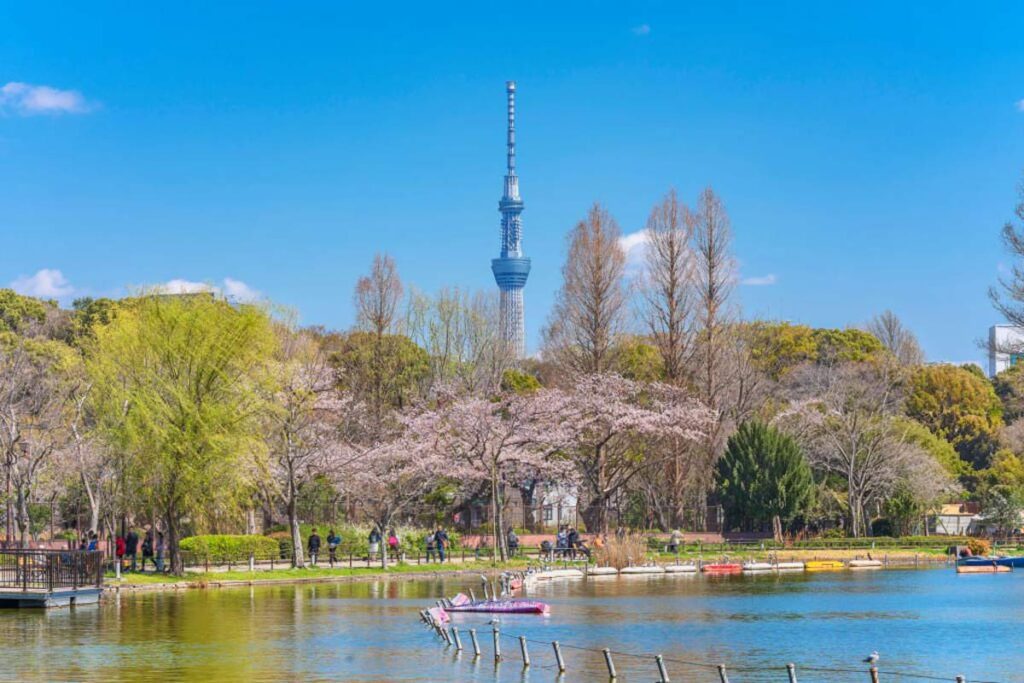
Tokyo
- Ueno Park
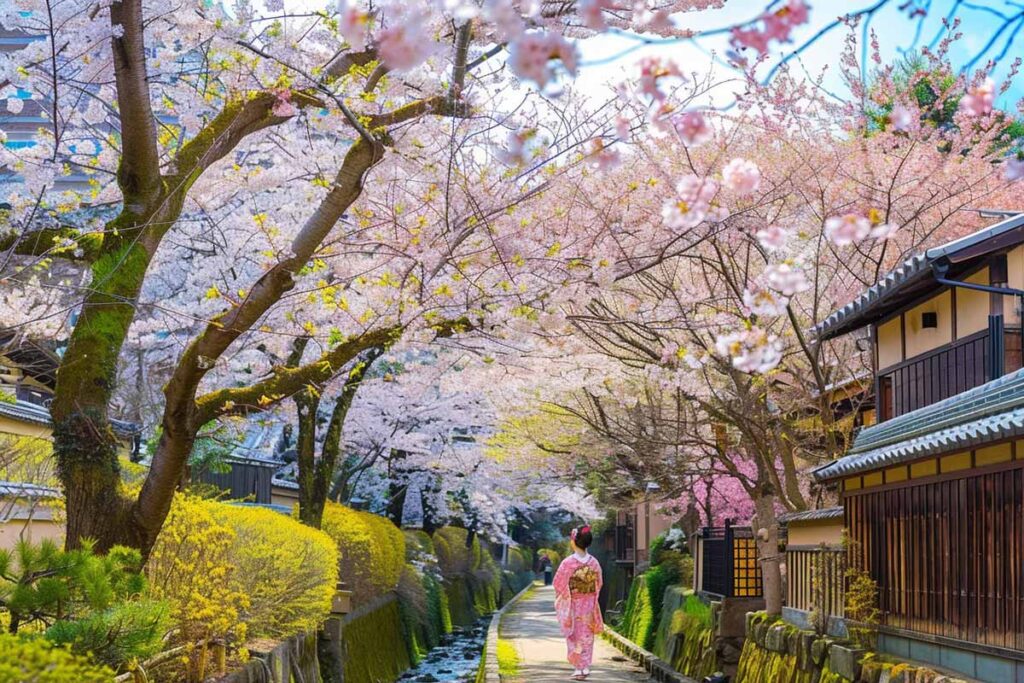
Kyoto
- Philosopher's Path
Osaka
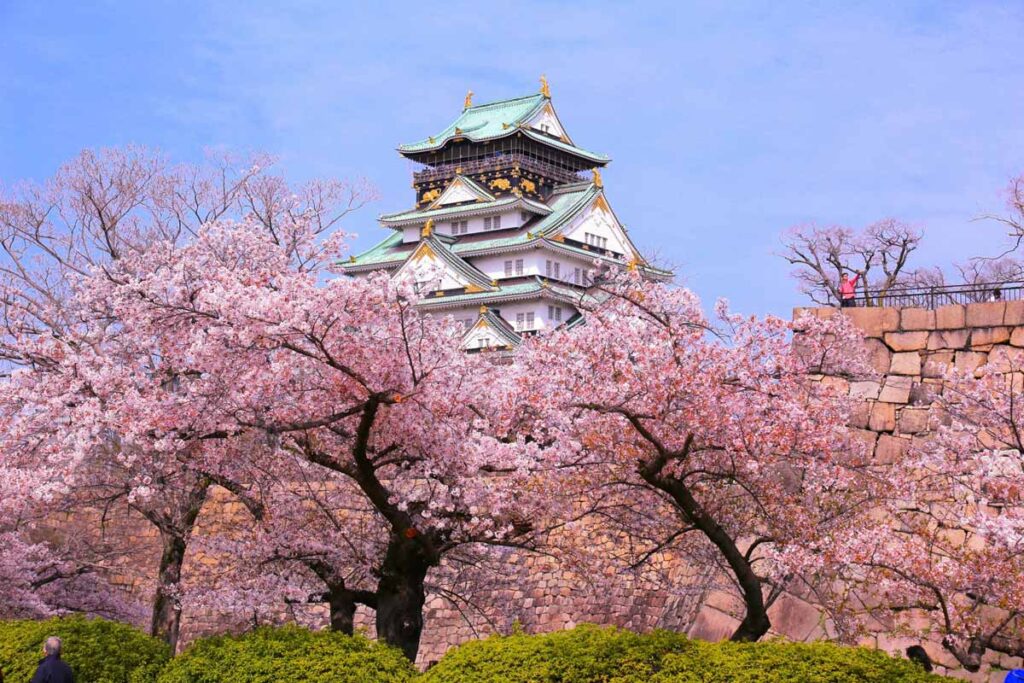
- Osaka Castle Park
Nara
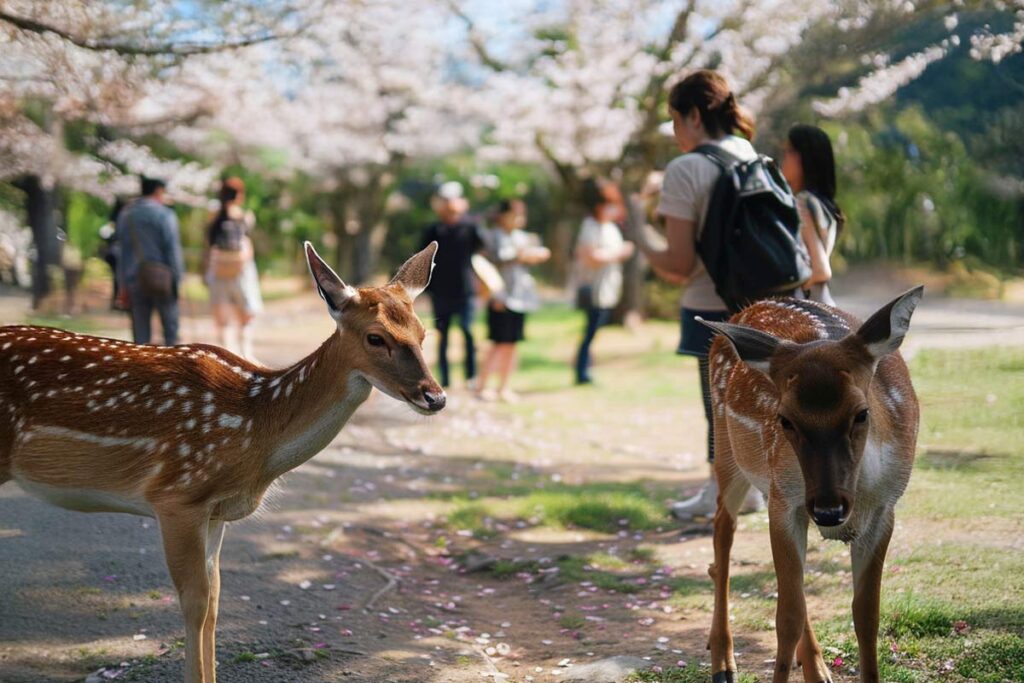
- Nara Park
Kanagawa
- Kamakura
Other Seasonal Spot
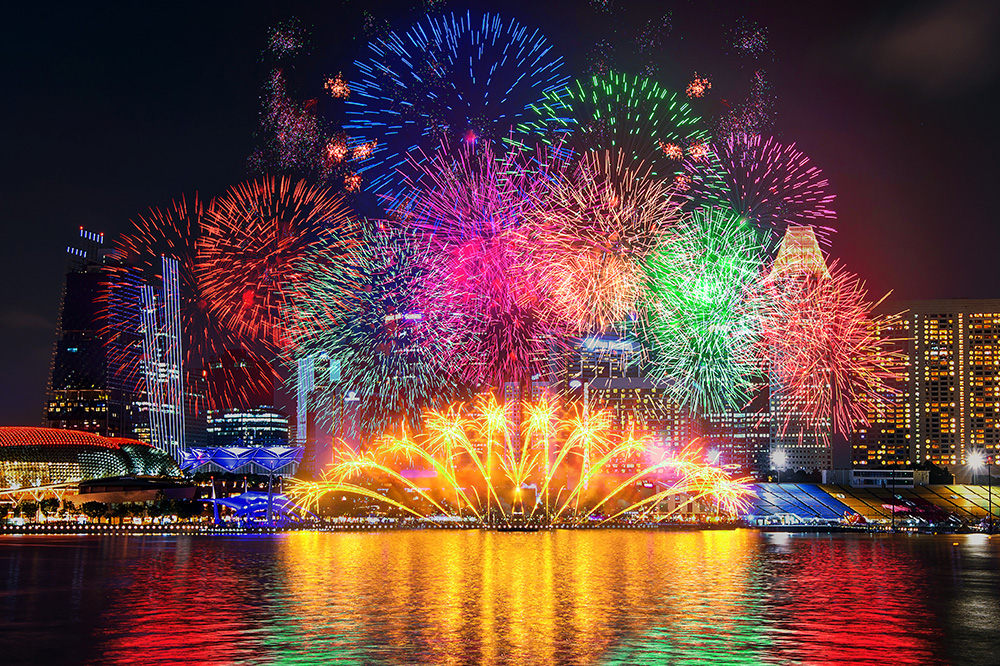
Summer Festivals
Autumn Leaves