

Kanto Region
First-Time Guide to Japan’s Kanto Region
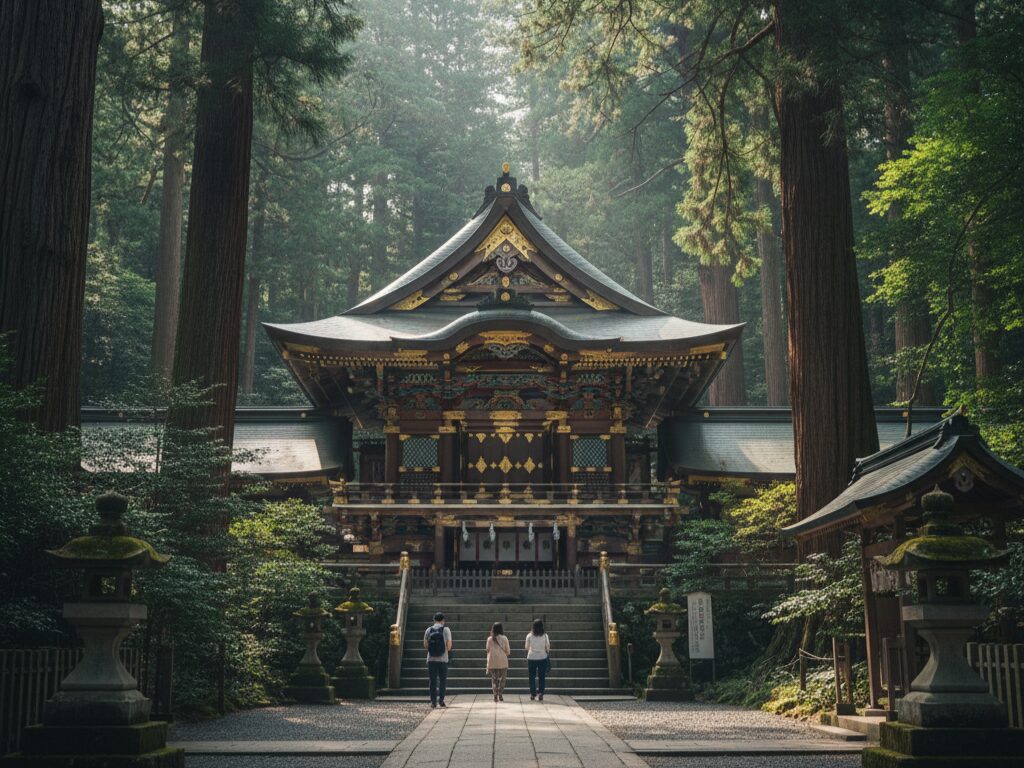
Photos are for illustrative purposes only.
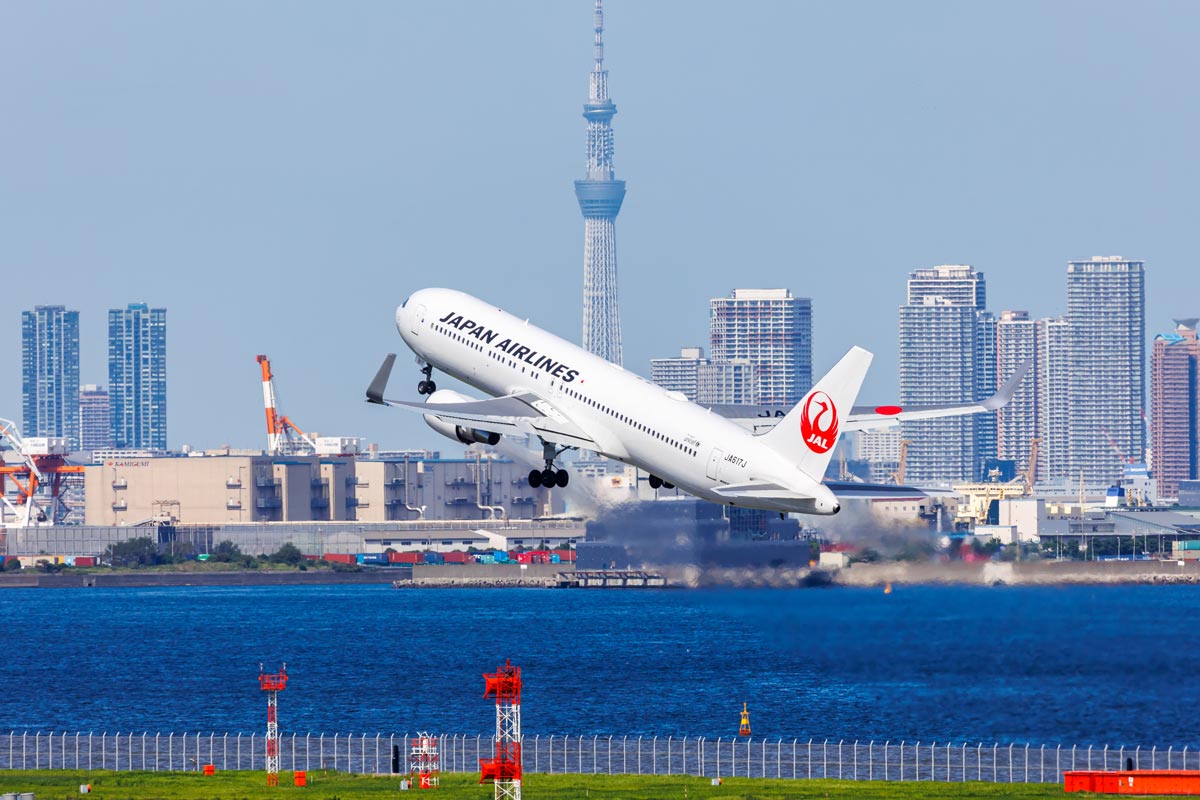
The Kanto region is where most international visitors first meet Japan. Centered on Tokyo, it stretches across the eastern side of Honshu and includes some of the country’s most iconic sights: modern megacities, sacred mountains, coastal temples and soothing hot springs. If you fly into Narita or Haneda Airport, you are already in Kanto.
For first-time travelers, Kanto is an ideal introduction to Japan. You can experience cutting-edge city life, deep-rooted traditions and natural landscapes, all within a few hours of Tokyo by train. This guide explains the main destinations, how to get around and how to plan a satisfying first Kanto itinerary.
Where Is the Kanto Region?
Kanto lies on the eastern side of Japan’s main island, Honshu. It includes Tokyo and the surrounding prefectures of Kanagawa, Chiba, Saitama, Ibaraki, Tochigi and Gunma. The region opens onto Tokyo Bay and the Pacific Ocean to the east, and rises toward mountains and volcanic hot spring areas in the west and north.
Most visitors treat Kanto as a “hub and spoke” region: stay in Tokyo, then make easy day trips or short overnight escapes to nearby cities, mountains and coasts. Thanks to Japan’s excellent rail network, you rarely need a car.
Top Destinations in Kanto for First-Time Visitors
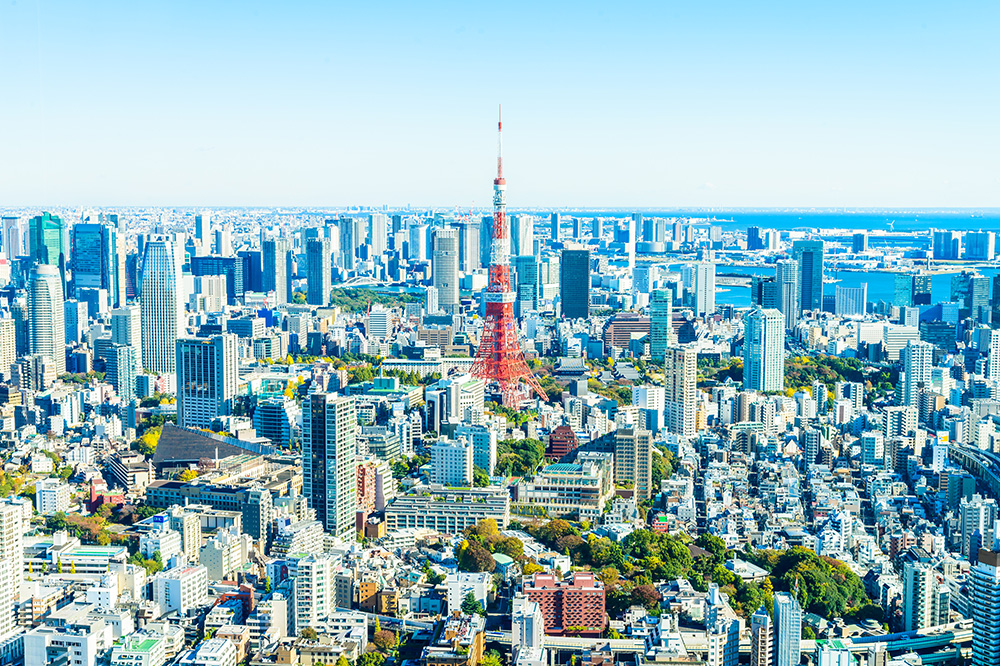
Tokyo: Heart of Modern Japan
Tokyo is the world’s largest urban area and the core of the Kanto region. It blends neon skylines with quiet shrines and traditional neighborhoods. Give yourself at least three or four full days here, more if you plan several day trips.
Key areas to explore include:
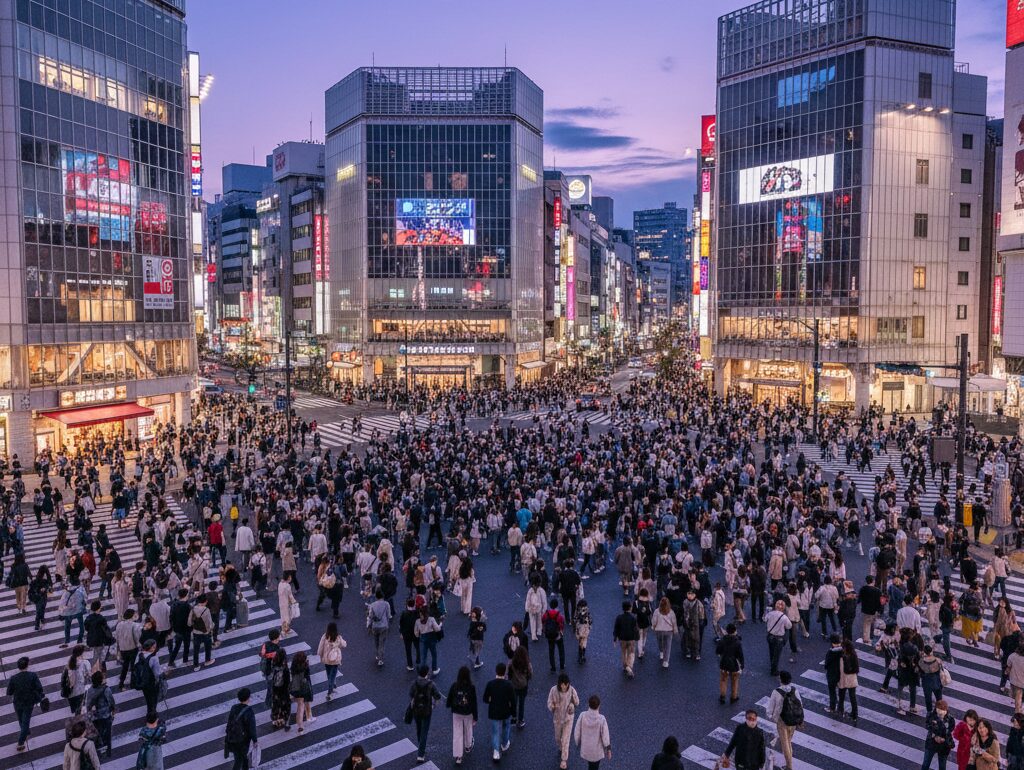
- Shibuya – Famous for Shibuya Crossing and youth fashion. Visit at dusk to see the giant screens light up, then slip into side streets for izakaya pubs and small bars.
- Shinjuku – A major nightlife and entertainment hub. The west side is lined with skyscrapers; the east side glows with neon, karaoke and casual eateries. Don’t miss the tranquil Shinjuku Gyoen garden nearby.
- Asakusa – Home to Senso-ji, Tokyo’s oldest temple. The approach road, Nakamise-dori, is lined with stalls selling traditional snacks like ningyo-yaki (doll-shaped cakes) and souvenirs such as folding fans.
- Harajuku & Omotesando – Harajuku is known for youth culture and colorful street fashion, while tree-lined Omotesando features stylish boutiques and modern architecture. Nearby Meiji Jingu shrine offers a peaceful forested contrast.
- Akihabara – Often called “Electric Town,” it’s a hub for electronics, anime, manga and gaming culture. Look for multi-floor arcades and specialty hobby stores.
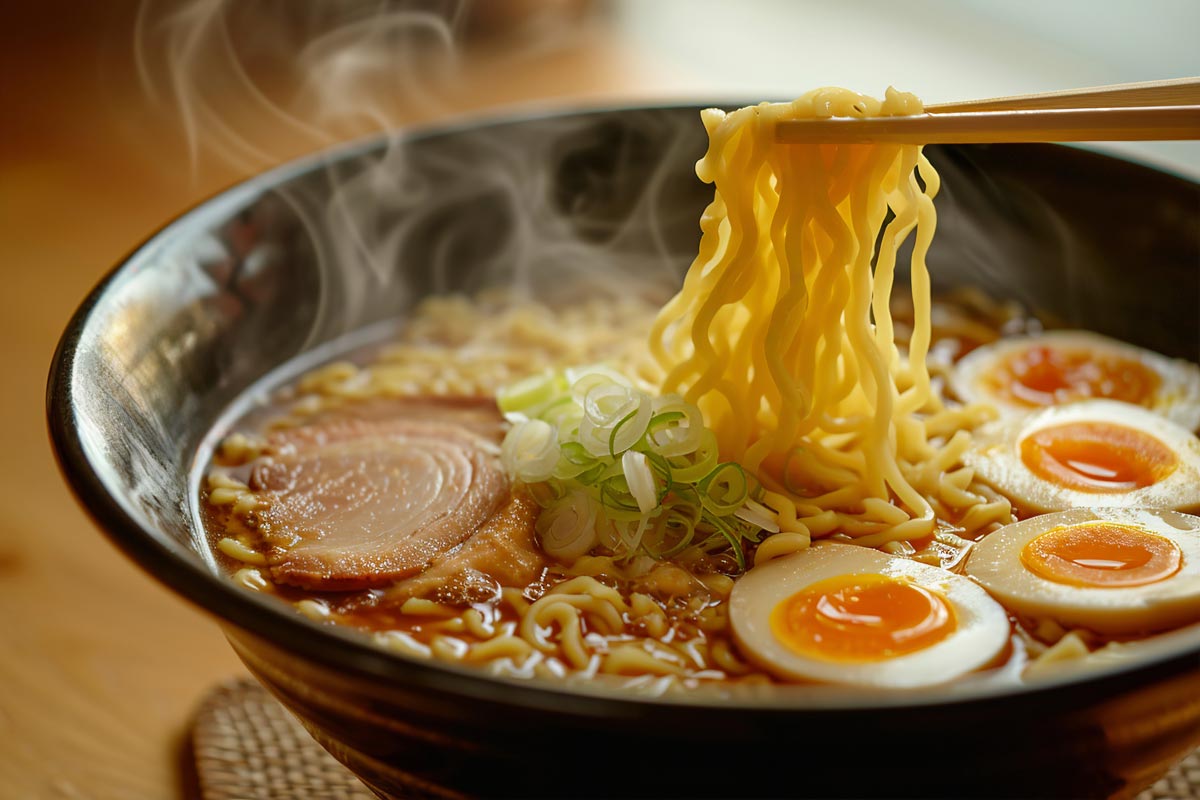
Tokyo also offers world-class museums, from the Tokyo National Museum in Ueno Park to Mori Art Museum in Roppongi. Food lovers can enjoy everything from Michelin-starred kaiseki to standing ramen counters. English signage and contactless payment cards make the city relatively easy for first-timers to navigate.
Yokohama: Port City with a Relaxed Vibe
Just 30 minutes south of central Tokyo by train, Yokohama in Kanagawa Prefecture offers fresh sea breezes and wide-open spaces. Once one of the first ports opened to foreign trade in the 19th century, it still has a cosmopolitan flavor.
Highlights include:
- Minato Mirai 21 – A modern waterfront district with an iconic skyline, large shopping malls and the Yokohama Landmark Tower observatory. The night view over the bay is particularly impressive.
- Yokohama Chinatown – One of the largest Chinatowns in the world, with colorful gates, Chinese temples and streets full of dim sum, steamed buns and sesame desserts.
- Sankeien Garden – A spacious traditional garden, famous for seasonal flowers and historic buildings relocated from around Japan, including elegant teahouses and pagodas.
Yokohama is easy to visit as a day trip from Tokyo, but staying overnight lets you enjoy the illuminated harbor and relaxed evening atmosphere.
Kamakura & Enoshima: Coastal Temples and Island Views
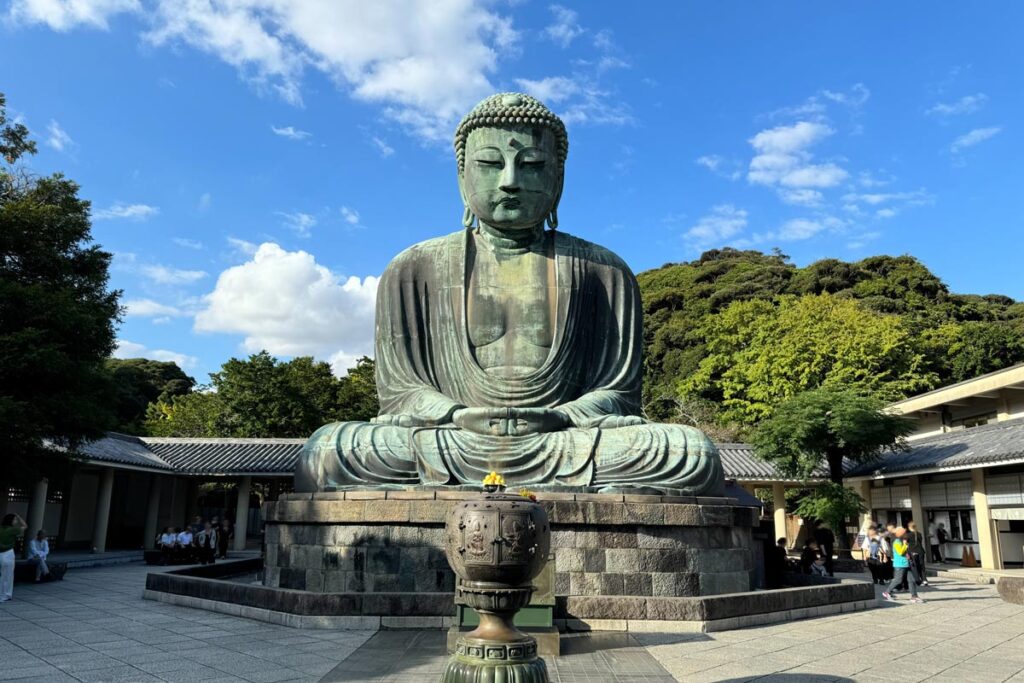
Further down the coast in Kanagawa lies Kamakura, once the seat of Japan’s military government. Today it is known for its temples, shrines and laid-back surf culture. A short local train ride away, Enoshima is a small island with coastal views and cave shrines.
In Kamakura, don’t miss:
- Great Buddha of Kamakura (Kotoku-in) – An enormous bronze statue of Amida Buddha, sitting outdoors since the 15th century. You can even step inside the statue for a small fee.
- Tsurugaoka Hachimangu Shrine – The city’s spiritual heart, approached via a long avenue lined with torii gates and seasonal cherry blossoms or autumn leaves.
- Hiking Trails – Short forested paths connect several temples and offer a refreshing break from city crowds.
Take the vintage-style Enoden railway along the coast to Enoshima. Walk across the bridge, explore hilltop shrines and descend to sea caves said to be linked to local dragon legends. On clear days, you may see Mount Fuji on the horizon.
Hakone: Hot Springs and Mount Fuji Views
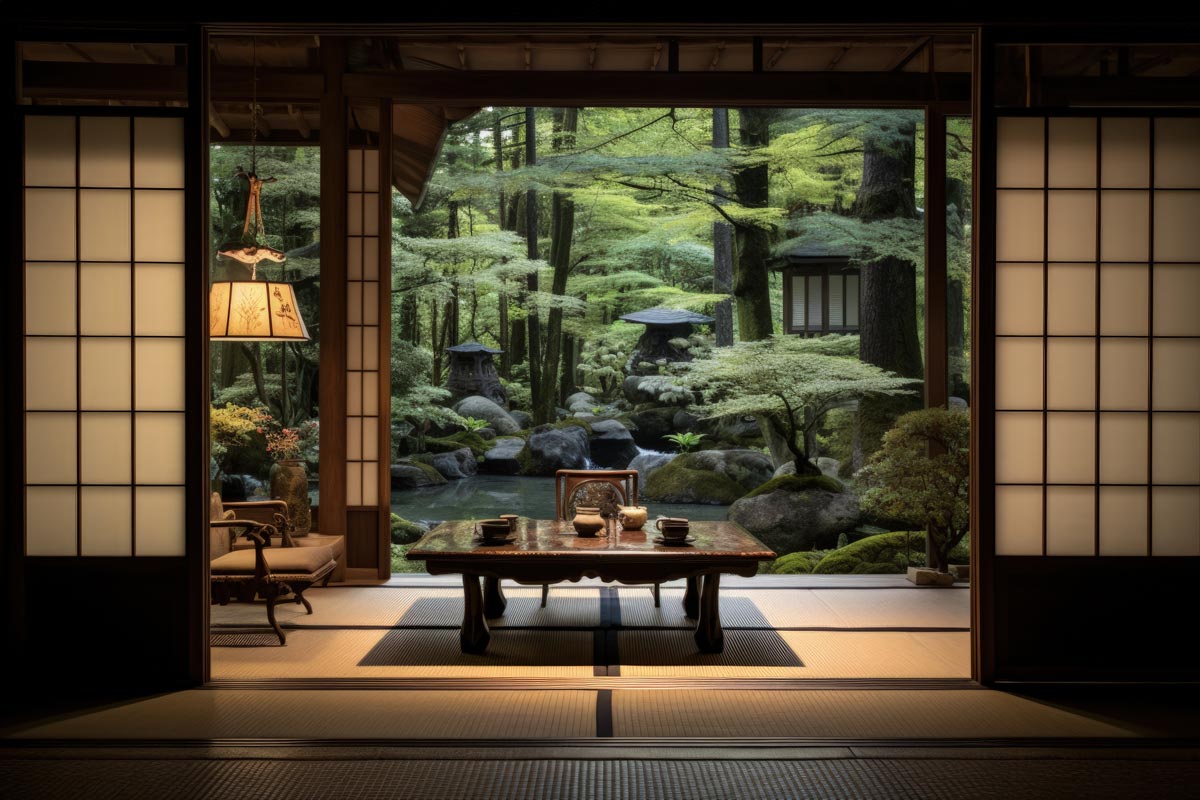
Hakone, in the mountainous western edge of Kanto, is one of Japan’s classic hot spring resorts. It is easily reached by Odakyu Railway from Shinjuku or by Shinkansen to nearby Odawara. Many travelers visit on a day trip, but an overnight stay in a traditional inn makes the experience more relaxing.
Popular activities include:
- Lake Ashi Cruise – Sightseeing boats cross the lake with views of forested hills and, when the weather allows, Mount Fuji in the distance. A red torii gate standing in the water marks Hakone Shrine.
- Ropeways and Cable Cars – A circular route of trains, ropeways and boats offers changing views of volcanic valleys and hot spring vents.
- Onsen Baths – Many ryokan (traditional inns) and public bath houses offer mineral-rich hot springs. Bathing etiquette is important: wash thoroughly before entering the shared bath, and do not bring towels into the water.
- Hakone Open-Air Museum – Outdoor sculptures set among nature, with a focus on modern art and a notable Picasso collection.
Hakone’s mountain climate is cooler than Tokyo’s; bring a light layer even in summer, especially for evenings.
Nikko: World Heritage Shrines in the Forest
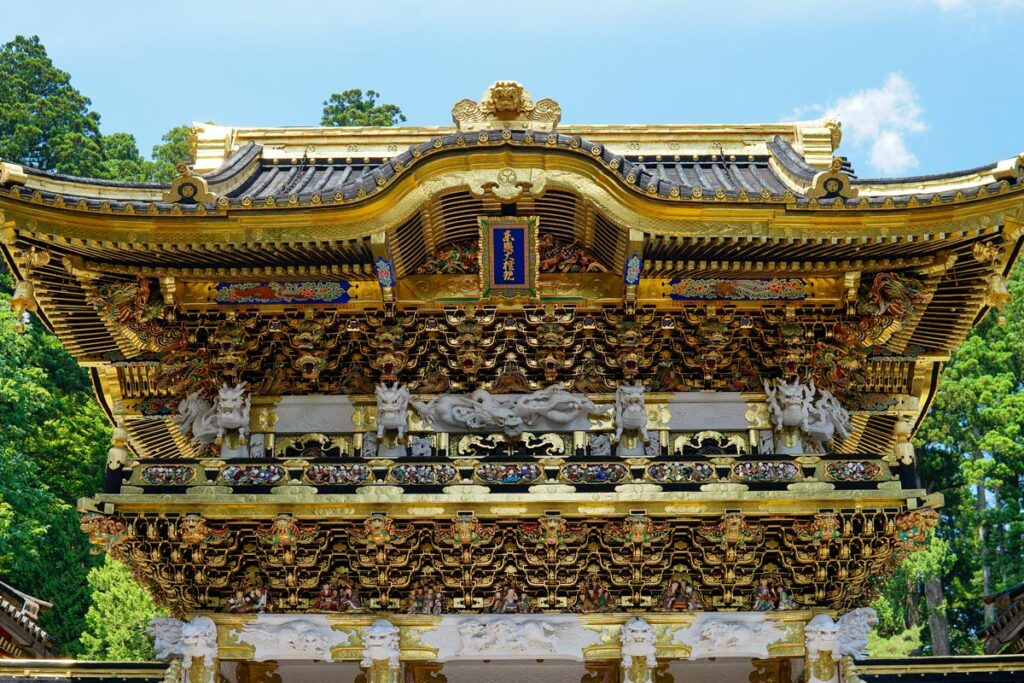
Nikko, in Tochigi Prefecture, is one of Kanto’s most revered spiritual sites. Its ornate shrines set in towering cedar forests have earned UNESCO World Heritage status. From Tokyo, the trip takes around two hours by Tobu Railway or JR lines.
The must-see complex centers on:
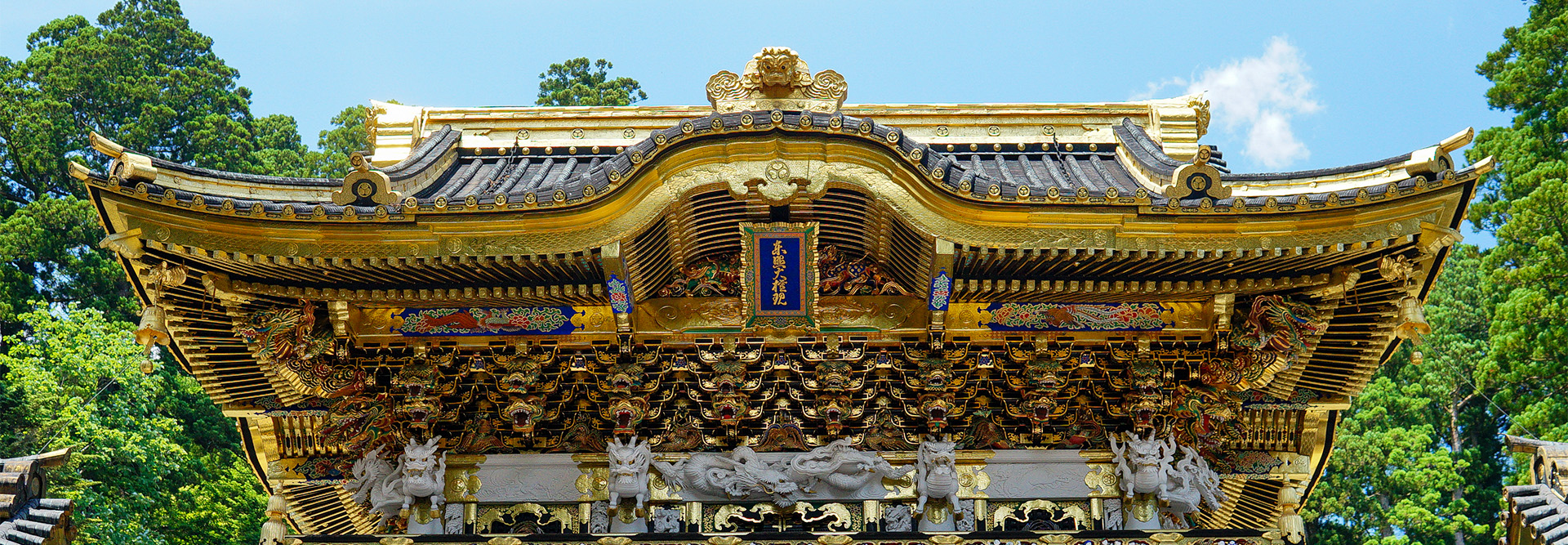
- Nikko Toshogu Shrine – Dedicated to Tokugawa Ieyasu, the shogun who unified Japan. The shrine is lavishly decorated with gold leaf and intricate carvings, including the famous “sleeping cat” and “see no evil, speak no evil, hear no evil” monkeys.
- Rinno-ji Temple and Futarasan Shrine – Together with Toshogu, they form a sacred trio that has attracted pilgrims for centuries.
Nature is never far away in Nikko. Just beyond the town, the Irohazaka winding road climbs toward the plateau of Lake Chuzenji and Kegon Falls. In autumn, the foliage around the lake turns vivid red and gold, making this one of Kanto’s most spectacular seasonal destinations.
Gunma & Tochigi: Hot Springs and Rural Landscapes
Beyond Nikko, Tochigi and neighboring Gunma Prefecture offer quieter rural charms. These areas are especially appealing if you want to see the countryside without traveling too far from Tokyo.
Highlights include:
- Kusatsu Onsen (Gunma) – One of Japan’s most famous hot spring towns, known for its steaming yubatake hot water field in the center and high mineral content baths. The town retains a traditional charm, with wooden inns, bathhouses and occasional yumomi (water-stirring) performances showing how locals historically cooled the hot spring water.
- Minakami (Gunma) – A gateway to outdoor activities, including white-water rafting in spring and hiking in summer and autumn. Many lodgings offer riverside or mountain-view hot springs.
- Nasu Highlands (Tochigi) – A cool retreat with hiking trails, dairy farms, museums and resort hotels. It is popular with Tokyo residents in summer.
English may be less common in smaller towns, but signage often includes basic translations, and people are generally helpful. A translation app can smooth over communication gaps.
Coastal Ibaraki and Chiba: Pacific Ocean Views
To the east, Ibaraki and Chiba Prefectures open onto the Pacific Ocean. These coastal areas receive fewer international visitors and reward those who want a quieter, more local feel.
Notable spots include:
- Hitachi Seaside Park (Ibaraki) – A large park famous for its seasonal flower displays, especially blue nemophila in spring and red kokia bushes in autumn. The rolling hills of color make it a photographer’s favorite.
- Oarai & Kashima Coast (Ibaraki) – Coastal shrines and rugged seashores, with dramatic rock formations and sunrise views.
- Boso Peninsula (Chiba) – A mix of fishing villages, beaches and low mountains. It is known for fresh seafood and coastal drives.
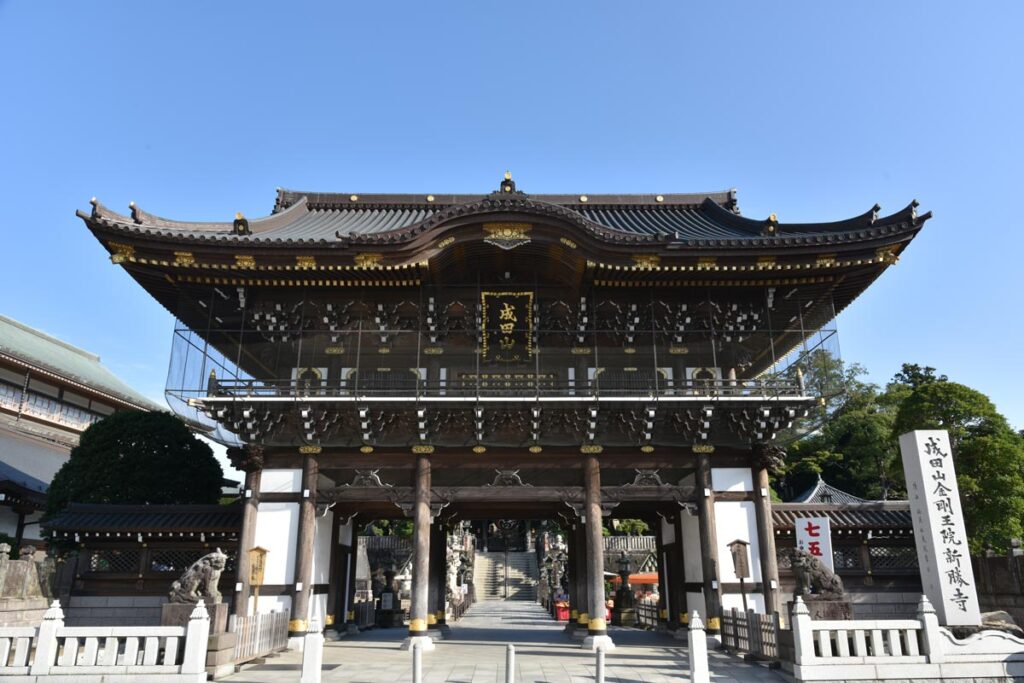
- Naritasan Shinshoji Temple (Chiba) – Near Narita Airport, this large temple complex with a landscaped park is ideal for visitors on a layover or final morning in Japan.
Some coastal trains run less frequently than urban lines, so check schedules in advance, especially if returning to Tokyo the same day.
Getting Around the Kanto Region
Kanto’s transport network is dense and efficient, making it easy for first-time travelers to move between city centers, mountains and coasts.
Rail Passes and IC Cards
For longer distances, the Shinkansen (bullet train) connects Tokyo with cities like Utsunomiya and Takasaki on the fringe of Kanto. Limited Express trains run to areas such as Nikko and coastal Ibaraki. Consider regional rail passes if you plan several longer journeys within a few days; these can offer savings compared with buying individual tickets.
For local travel, rechargeable IC cards such as Suica and PASMO work on most trains, subways and buses around Kanto. You tap in and out at ticket gates, avoiding the need to calculate fares. Many convenience stores and vending machines also accept IC cards as payment.
Planning Routes
Route-planning smartphone apps are extremely helpful in Kanto. They show platform numbers, transfer times and which train car to board for the easiest exit. Trains are punctual, so it is wise to arrive on the platform a few minutes early. During peak commuter hours, carriages can be very crowded; if possible, plan long-distance moves outside of rush hour.
When to Visit Kanto
Kanto is a year-round destination, but each season offers a different mood.
- Spring (March–May) – Cherry blossoms usually bloom from late March to early April in Tokyo and surrounding lowland areas. Parks such as Ueno, Shinjuku Gyoen and Sumida River become lively hanami (flower viewing) spots. Weather is mild but evenings can be cool.
- Summer (June–August) – June brings a rainy season, followed by hot, humid weather in July and August. Summer festivals and fireworks displays light up the evenings. Mountain areas like Hakone and Nasu offer cooler air.
- Autumn (September–November) – Often the most pleasant time, with comfortable temperatures and clear skies. Autumn leaves typically peak from late October to late November, earlier in the mountains and later near the coast.
- Winter (December–February) – Tokyo winters are generally cold but not severe, with dry, sunny days. Illuminations brighten city streets, and hot springs feel especially inviting. Higher mountain areas may see snow and require warmer clothing.
Cultural Tips for Enjoying Kanto
Even in cosmopolitan Kanto, small gestures of respect go a long way and help smooth your travels.
- At Shrines and Temples – Purify your hands and mouth at the water pavilion before approaching the main hall. Bow lightly before and after praying, and avoid touching sacred objects unless invited.
- On Trains – Keep phones on silent and speak quietly. Priority seats are reserved for the elderly, pregnant women and people with disabilities; offer your seat when needed.
- Cash and Cards – Credit cards are widely accepted in cities and larger stores, but small eateries, shrines and rural shops may be cash-only. ATMs at convenience stores commonly accept international cards.
- Garbage and Recycling – Public trash bins are rare. Carry a small bag for your rubbish and dispose of it at your hotel or in designated bins. Separate burnable and recyclable items when required.
Suggested First-Time Kanto Itinerary
For a one-week trip focused on Kanto, consider the following structure:
- Days 1–3: Tokyo – Explore major districts (Shibuya, Shinjuku, Asakusa, Harajuku), sample local food and visit a museum or two.
- Day 4: Kamakura & Enoshima (Day Trip) – Discover temples, the Great Buddha and coastal scenery.
- Day 5–6: Hakone or Nikko (Overnight) – Choose Hakone for hot springs and Fuji views, or Nikko for ornate shrines and forested landscapes.
- Day 7: Yokohama or Narita Area – Spend your final day enjoying Yokohama’s harbor and Chinatown, or visit Naritasan Shinshoji Temple if you fly out of Narita.
This simple plan balances urban excitement with nature and tradition, without requiring complicated logistics. If you have more time, add a night at a rural hot spring town in Gunma or explore the flower parks and coastlines of Ibaraki and Chiba.
Why Start Your Japan Journey in Kanto
The Kanto region condenses many of Japan’s essential experiences into a compact, well-connected area. You can watch the sunrise over the Pacific, soak in a mountain hot spring, wander centuries-old temple grounds and gaze at futuristic skyscrapers—all within a few days of travel.
For first-time visitors, this mix of accessibility, diversity and cultural depth makes Kanto more than just a gateway. It is a destination in its own right, and an excellent starting point for understanding Japan’s past, present and future.
With a bit of planning and an open mind, your journey through the Kanto region will set the tone for many future trips across Japan.
Access Map
Top destinations in Kanto Region
Tochigi
Kanagawa
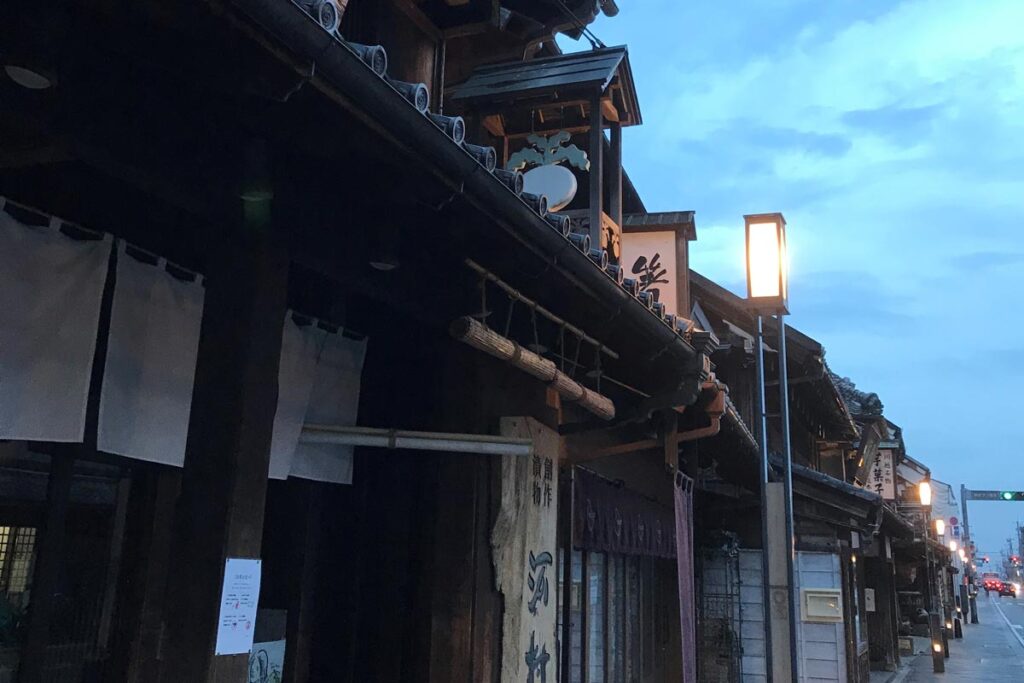
Saitama