

Karaoke
Karaoke in Japan: A First‑Timer’s Guide for International Visitors
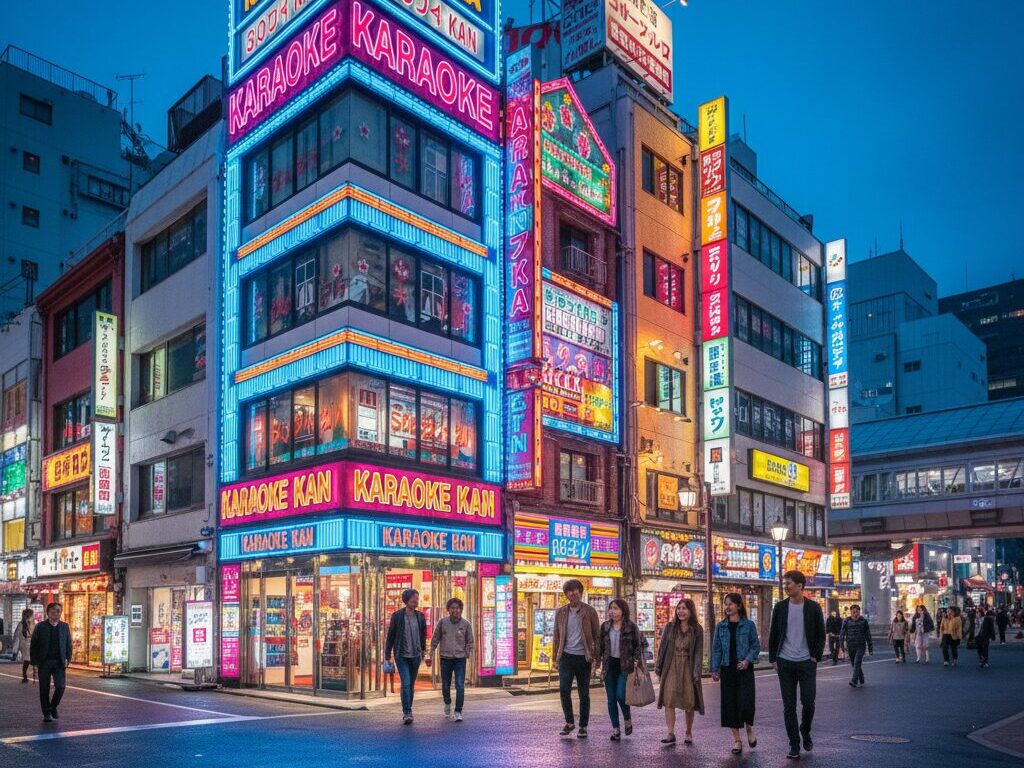
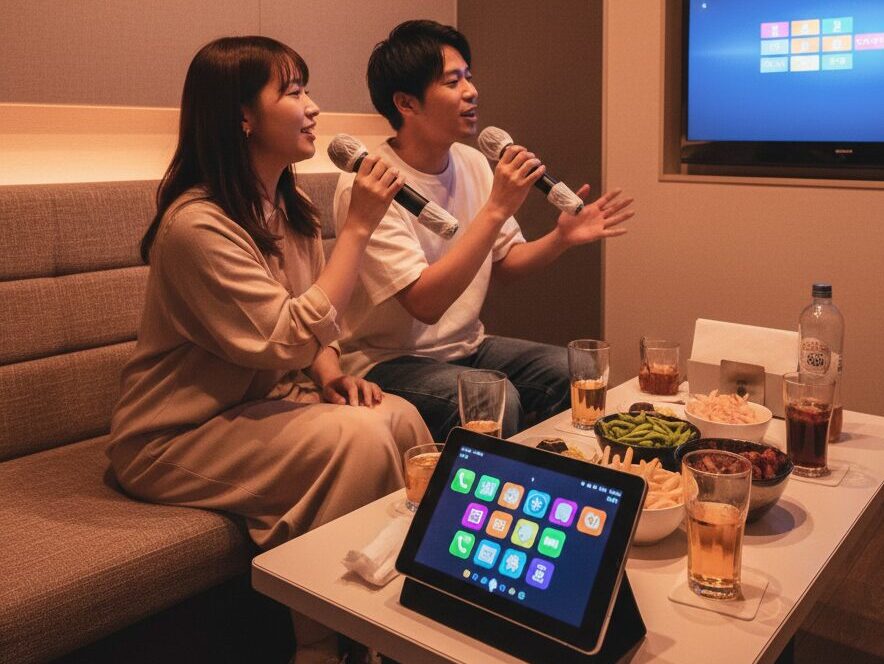
Few experiences feel more Japanese to first-time visitors than karaoke. Neon signs, late-night singing, and friends laughing over microphones have become an essential part of modern Japanese culture. But the karaoke you’ll find in Japan is very different from singing on a public stage in a Western bar. Instead, it’s mostly about private rooms, all-you-can-drink soft drinks, and hours of relaxed fun with friends or even on your own.
This guide explains exactly how karaoke in Japan works, what to expect at your first visit, how to navigate the touch screens, and which unspoken rules will help you blend in like a local.
What Makes Japanese Karaoke Unique?
The modern karaoke box was born in Japan, and the country has turned it into a highly polished entertainment system. Instead of standing in front of strangers, you usually sing in a private room shared with just your group. This makes karaoke comfortable even for shy singers, families with children, or solo travelers.
Most karaoke places are open until very late or even 24 hours, especially in big cities like Tokyo and Osaka. Students, salary workers, couples, and tourists all use karaoke as a stress release: after exams, after work, or after a night out when trains have stopped running.
Understanding the Karaoke Box System
Karaoke in Japan is dominated by chains such as Big Echo, Karaoke-kan, Joysound, and others. While each chain has its own style, the basic system is almost always the same.
Step 1: Checking In at the Front Desk
When you arrive, go straight to the reception counter. Staff will usually greet you with a cheerful “Irasshaimase!” (welcome). If you don’t speak Japanese, you can still manage easily with simple English and gestures.
Be prepared to answer a few questions:
- Number of people – Hold up fingers or say the number.
- Smoking or non-smoking – Non-smoking rooms are now common; say “no smoking”.
- How long – Typical options are 30 minutes, 1 hour, 2 hours, or a “free-time” package (unlimited singing within certain hours).
- Drink plan – Many places require at least one drink. There may be all-you-can-drink soft drinks or alcohol plans.
You may be asked to write your name and phone number, especially at busy times or for late-night packages. In some chains, one person may need to show an ID, particularly late at night.
Step 2: Choosing Time and Plan
Karaoke pricing in Japan is based on time plus any drink or food orders. The price per 30 minutes or hour changes depending on:
- Day of the week – Weekends and holidays are more expensive.
- Time of day – Daytime is cheaper than nighttime.
- Free-time packages – A fixed price for several hours, often from opening until evening, or from late night to morning.
The staff might show you a laminated price chart. If you are unsure, you can point to a time slot that looks right and say “OK”. Many karaoke chains in tourist areas also display English price lists.
Step 3: Getting Your Room
Once your plan is decided, staff will hand you a small receipt or card with your room number. They will usually lead you to the room, but in busy locations you may be simply pointed towards an elevator or corridor lined with doors.
Each room is like a mini living room: padded benches, a table, TV screens, speakers, microphones, and often mood lighting. Some places even have themed rooms, such as anime designs, VIP rooms, or party rooms with a small stage.
Inside the Karaoke Room: What to Expect
Equipment and Controls
Most karaoke rooms have:
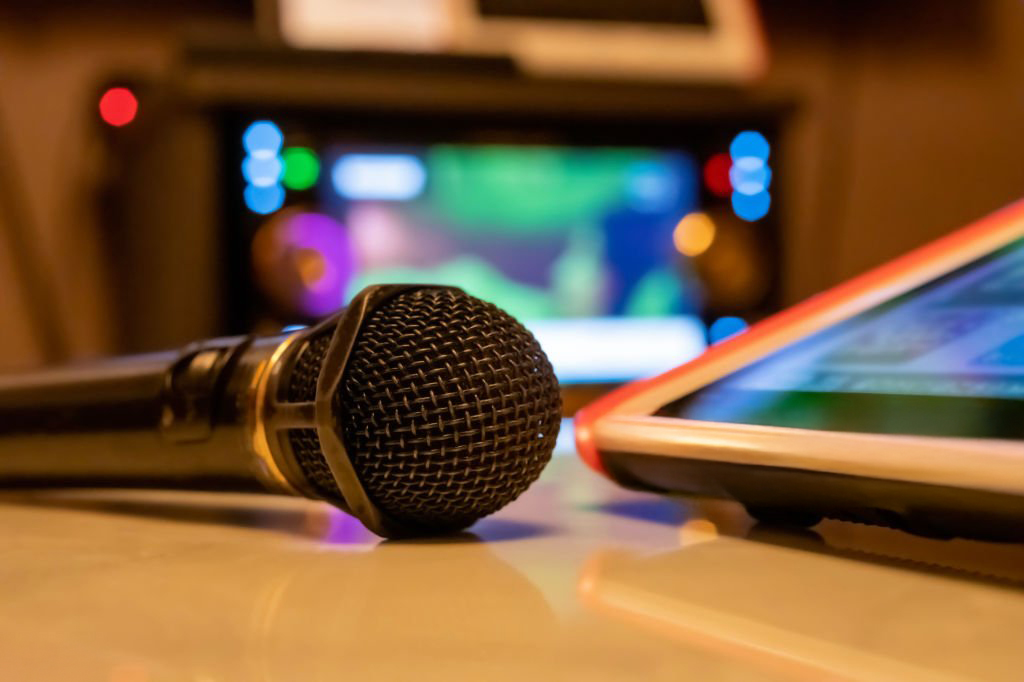
- Two microphones – Usually wireless, with a small cover on top. Shared among the group.
- Remote tablet or touch screen – The main device used to choose songs, adjust the key, change tempo, or manage playlists.
- TV or projector – Displays lyrics, background videos, and song information.
- Bell or phone – Used to call staff to order drinks or extend your time.
- Air conditioning controls – Sometimes available so you can adjust the temperature.
Modern karaoke systems generally offer multiple languages, including English. Look for a “Language” or “言語” button on the song selection screen and switch it to English to make navigation easier.
Ordering Drinks and Food
Most karaoke places work like a casual restaurant. Menus are usually on the table, and many chains include photos of food such as French fries, fried chicken, snacks, pizza, and desserts, as well as soft drinks, beer, cocktails, and highballs.
Ordering is normally done by pressing the call button; a staff member will come to the door. Some newer systems let you order directly from the tablet. Drinks and dishes are brought straight to your room, and the total will be added to your bill when you check out.
Choosing Songs
Once you’re settled, it’s time to sing. On the tablet or remote, you can usually:
- Search by song title or artist.
- Browse by language (Japanese, English, Korean, Chinese, etc.).
- Explore genre categories like anime songs, pop, rock, or oldies.
- Look at lists of recommended or popular songs.
After selecting a song, confirm it to add it to the queue. You can usually see a list of upcoming songs and rearrange or cancel them if needed.
Even if you’re nervous, remember nobody outside your room can hear you clearly. Japanese people often say they are bad at singing, even when they’re quite good, so don’t worry about perfection. Karaoke is about enjoying the moment, not performing professionally.
Essential Karaoke Etiquette in Japan
Japanese karaoke has a relaxed atmosphere, but there are subtle rules that help everything flow smoothly. Following them will make you a more considerate guest.
Sharing the Microphone
In a group, people normally take turns choosing songs. It’s polite not to dominate the queue with your own choices. After you sing one song, wait and see who else wants to add theirs. Duets and group songs are especially welcome, as they get everyone involved.
When someone else is singing, avoid talking loudly over the song. Light conversation is fine, but people usually listen, clap, or sing along quietly to the chorus.
Using Microphone Covers
Most karaoke chains provide disposable microphone covers or foam caps. These are commonly used for hygiene, especially when several people share a mic. You can slip one on before singing and replace it when a new singer takes over.
Volume and Behavior
Karaoke rooms are not perfectly soundproof, so sound leaks into the corridor. It’s acceptable to sing with enthusiasm, but screaming or yelling into the microphone is considered rude, especially late at night. Avoid slamming the doors or running in the hallways.
Alcohol is common at karaoke, but heavy drunkenness or damaging equipment can lead to extra charges or being asked to leave. Treat the room like someone else’s living room: lively but respectful.
Extending Your Time
Near the end of your reserved time, a message will appear on the screen or staff may call the room phone to ask if you want to extend. If you do, you can usually add another 30 or 60 minutes. If you don’t, finish your last song and prepare to leave a couple of minutes before your time ends.
How Much Does Karaoke in Japan Cost?
Prices vary widely depending on location, chain, and time of day, but you can use these ranges as a general guide:
- Daytime weekday: Often the cheapest. Around a few hundred yen per 30 minutes per person.
- Evening and weekends: Higher prices, especially in city centers and popular nightlife districts.
- Free-time packages: Fixed-price deals for several hours (for example, from opening to early evening, or overnight). Good value if you plan to stay long.
Most chains offer discount memberships, student rates, and seasonal campaigns. For short stays, you usually do not need to join any membership program; just pay the standard visitor rate at the end.
Drinks are often required. If you choose an all-you-can-drink soft drink plan, expect your per-person cost to include both room time and drink charges. Alcoholic free-drink plans cost more and may be limited to a set menu of beer, cocktails, and simple mixed drinks.
Tips for Non-Japanese Speakers
Even with limited Japanese, karaoke is easy to enjoy. Here are some tips to make it smoother:
Focus on English-Friendly Chains and Areas
In tourist-friendly districts such as Shinjuku, Shibuya, and Ueno in Tokyo, or Namba and Umeda in Osaka, large karaoke chains are very used to international guests. Staff may speak basic English, and the machines usually have English menu options.
Find English Songs Quickly
On the touch screen, look for an option labeled “洋楽” (Western music) or an English language switch. There is usually an entire section for English-language hits, including classics from the 70s and 80s, rock anthems, Disney songs, and recent pop tracks.
If you struggle to find a specific song, try searching only the memorable keyword instead of the full title, or just browse by artist. Popular Western artists are very well-represented.
Trying Japanese Songs
Many visitors enjoy trying at least one Japanese song, even if they can’t read the language. Consider:
- Anime themes – From Studio Ghibli to recent hit series, anime songs are a fun way to connect with Japanese pop culture.
- J-pop classics – Famous ballads and upbeat songs from the 1990s and 2000s are loved by many locals.
- Romanized lyrics – Some machines display lyrics in romanized Japanese (Latin letters), making it easier to sing along.
Don’t worry about pronunciation; effort is appreciated, and it often becomes the highlight of the night.
Solo Karaoke: Singing on Your Own
One uniquely Japanese trend is hitokara – going to karaoke alone. It’s surprisingly common, especially during quiet daytime hours. People practice singing, relieve stress, or simply enjoy time alone with their favorite music.
If you’re traveling solo and hesitant to sing in front of others, this is a perfect opportunity. Just tell the staff you are one person when you check in. They may give you a smaller room at a lower price. You can then experiment freely with different songs, keys, and styles without any pressure.
Family-Friendly Karaoke
Karaoke in Japan isn’t only for nightlife. During the day, many families visit with children. Chains often provide child-friendly menus, non-alcoholic drink bars, and a wide selection of animated songs and kids’ music.
Because rooms are private, parents can relax while children sing, dance, or watch the videos. Some karaoke branches even offer larger party rooms suitable for birthday gatherings or multi-generation outings.
When and Where to Enjoy Karaoke on Your Trip
Karaoke can fit into almost any itinerary:
- After sightseeing – Relax in the evening after a busy day of temples and museums.
- Rainy days – A perfect indoor activity that doesn’t depend on weather.
- Before or after dinner – Combine it with izakaya (Japanese pub) dining for a classic local night out.
- Late-night option – When trains stop and taxis are pricey, some travelers choose a free-time overnight karaoke package instead of a hotel, though this is more common among students and budget travelers.
You’ll find karaoke boxes near major train stations, commercial districts, and entertainment areas across Japan. In big cities, you might see multiple branches of the same chain on one street. In smaller towns, karaoke spots may be part of local bars or multipurpose entertainment complexes.
How to Check Out and Pay
When your time is finished and you’re ready to leave, press the call button or pick up the phone to ask for your bill, or simply go back to the reception desk. Staff will tally your room time, any drink plans, and your food orders.
Payment is usually made at the front counter. Many chains accept credit cards and IC transport cards (such as Suica or Pasmo), as well as cash. Split bills among friends are possible, though paying together as one group is simpler.
Make Karaoke Part of Your Japan Story
Whether you belt out power ballads, quietly hum along with friends, or bravely attempt your first Japanese anime theme, karaoke offers a window into everyday contemporary life in Japan. It’s relaxed, welcoming, and surprisingly flexible – suitable for groups, couples, families, and solo travelers alike.
On your first trip to Japan, set aside at least an hour or two for a karaoke session. You’ll not only gain a memorable story, but also experience how locals unwind, celebrate, and connect through music. When you step back onto the street afterward, still humming your last song, you’ll feel a little closer to the country’s modern culture – and maybe ready for an encore.
Explore Other Cultures
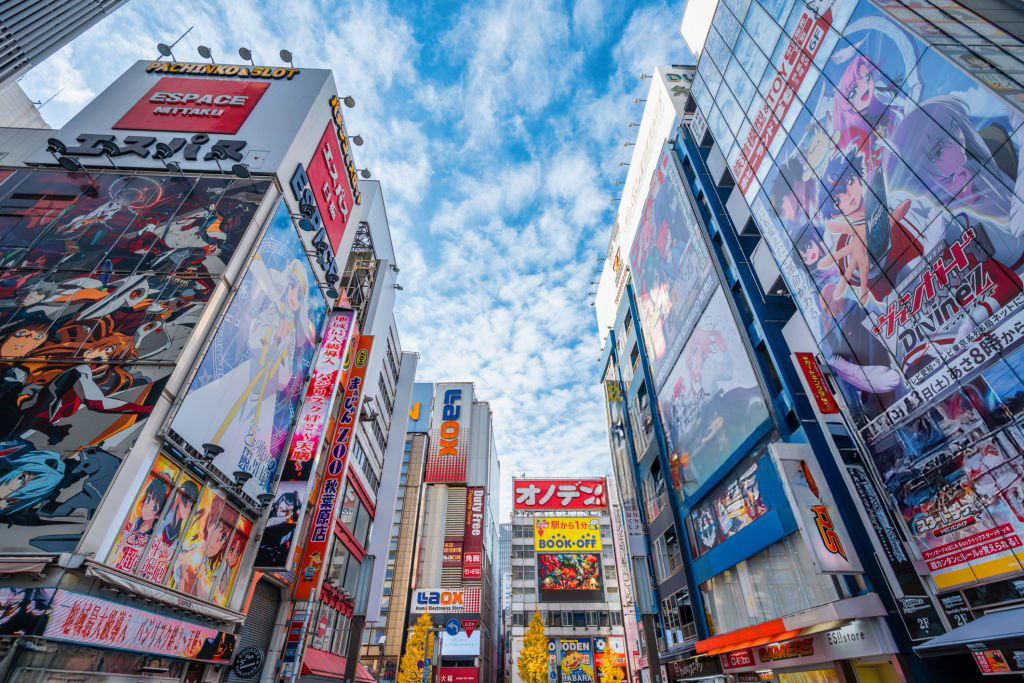
Anime & Manga Culture
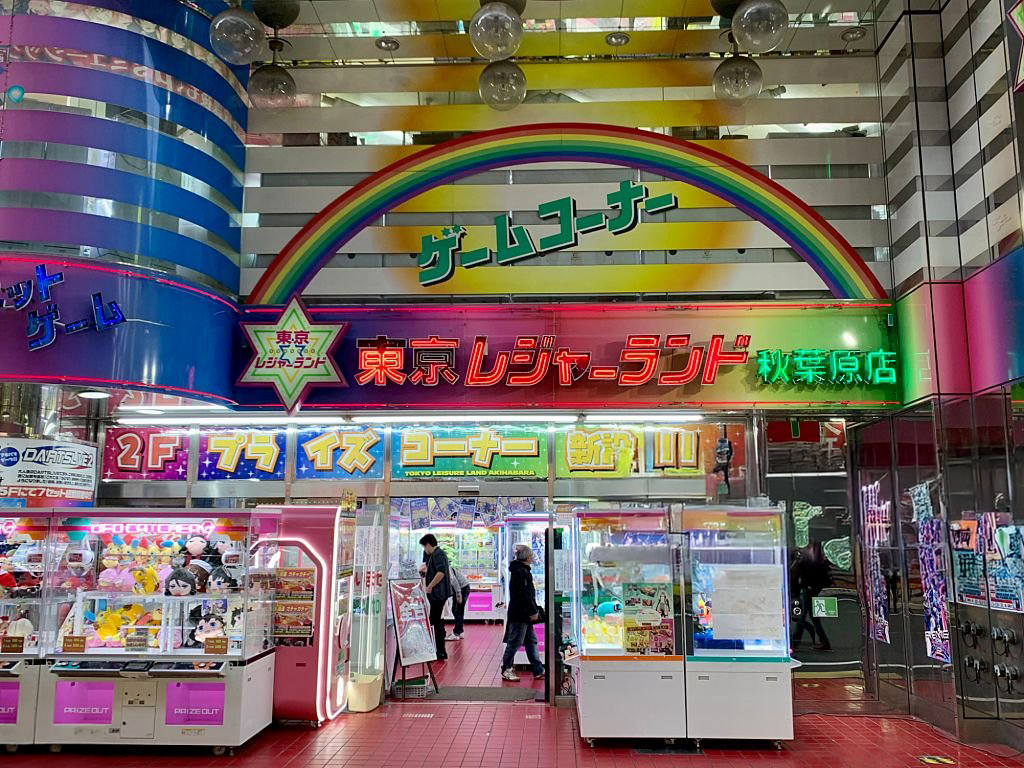
Amusement Arcade
Karaoke
Maid Cafes