
Karuizawa Town
Karuizawa Town Travel Guide: A Stylish Highland Escape from Tokyo
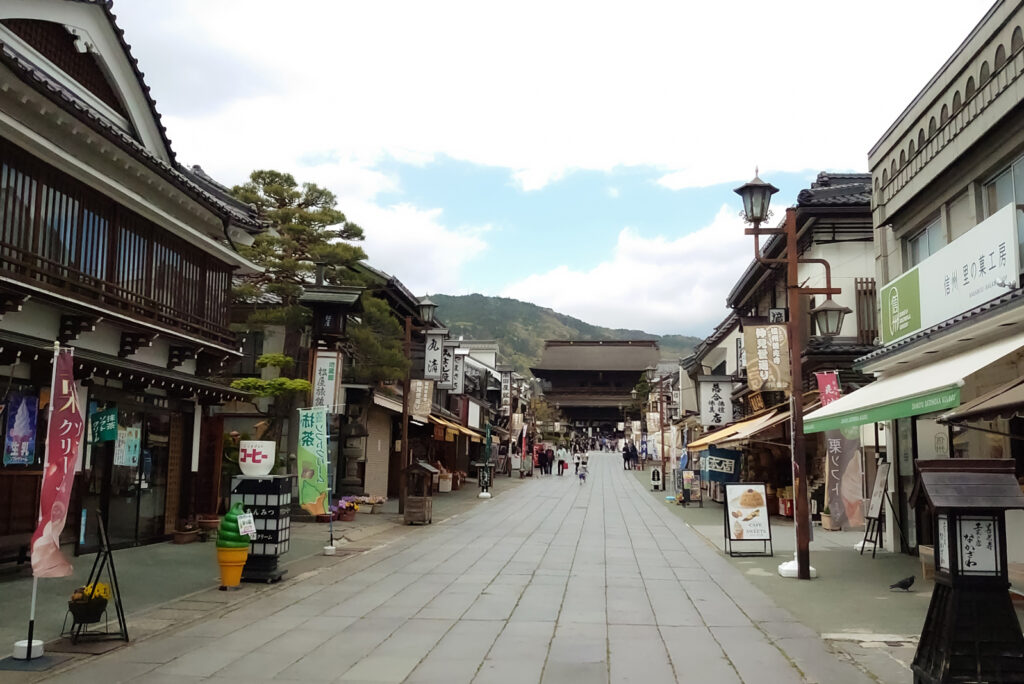
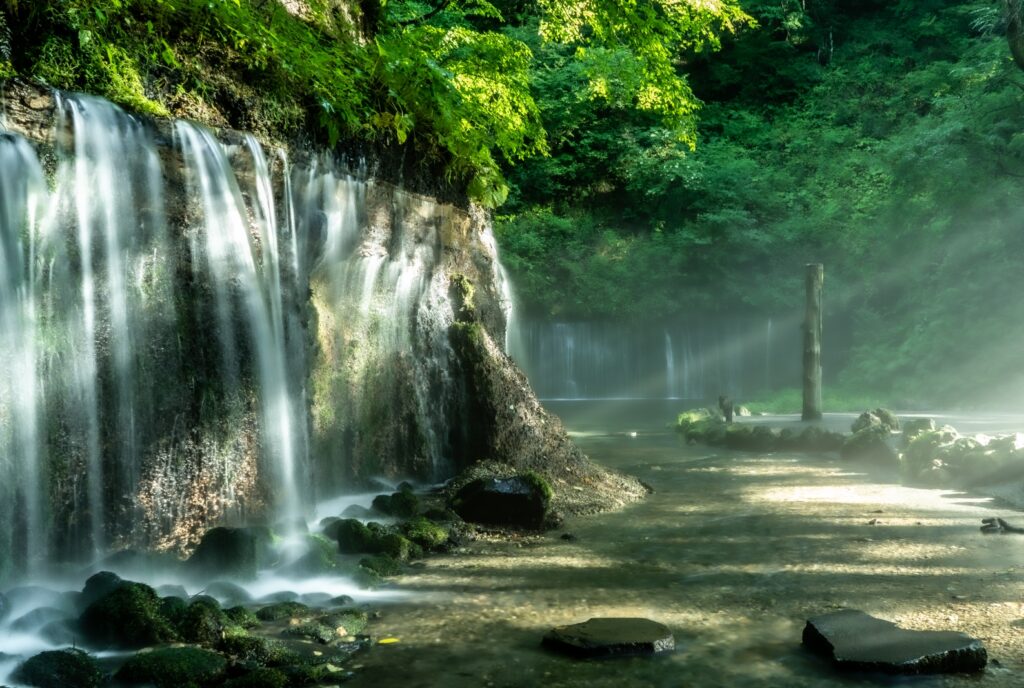
Photos are for illustrative purposes only.
Set in the cool highlands of Nagano Prefecture, Karuizawa Town is one of Japan’s classic resort destinations. For more than a century it has attracted diplomats, writers and Tokyo’s elite with its fresh mountain air, chic cafés and tree-lined lanes. Today, it is an easy and rewarding side trip for international visitors, offering a relaxed, walkable town that feels worlds away from Tokyo despite being only an hour away by bullet train.
Why Visit Karuizawa?
Karuizawa is a rare combination of nature, style and convenience. Long before the term “weekend getaway” became popular in Japan, wealthy families were building elegant summer villas here to escape the capital’s humidity. The town still has that leisurely, slightly European atmosphere: wide pavements shaded by tall trees, stone churches, terrace cafés and boutiques set in converted cottages.
For first-time visitors to Japan, Karuizawa offers a gentle introduction to smaller-town life without the language and transport challenges of more remote regions. English signage is relatively common around the station and major attractions, and the compact center can be explored on foot or by rental bicycle. Nature is never far away: within minutes you can be riding along forested cycle paths, hiking to a waterfall or soaking in an onsen with mountain views.
Best Time to Visit Karuizawa
Spring (April–May)
Spring brings a gradual transformation as snow melts on the surrounding mountains and flowers return to the meadows. Cherry blossoms bloom slightly later than in Tokyo (often mid to late April), followed by fresh, brilliant green foliage known in Japanese as shinryoku. Cool mornings and evenings mean you’ll want a light jacket, but days are often clear and perfect for cycling and sightseeing without the summer crowds.
Summer (June–August)
Summer is when Karuizawa truly lives up to its reputation as a resort town. While Tokyo sweats in heavy humidity, Karuizawa enjoys pleasantly cool temperatures, especially at night. Many Tokyo families come to stay in holiday homes, and you’ll see groups strolling in sandals, enjoying soft-serve ice cream and shopping in the open-air mall. Afternoon showers are possible during the rainy season (June–early July), so bring a compact umbrella.
Autumn (October–November)
Autumn might be the most beautiful season of all. Karuizawa’s forests and avenues blaze with red and gold leaves, creating stunning vistas around town and in the nearby hills. The autumn foliage season typically peaks from late October to early November, depending on altitude. Crisp air, clear skies and the smell of wood smoke make this a wonderfully atmospheric time to stroll, photograph and linger in cafés.
Winter (December–March)
In winter, Karuizawa is quiet and sometimes snow-dusted, with a romantic, alpine feel. Ski fields on the edge of town welcome day-trippers, and some hotels and ryokan offer hot spring baths with views of the snowy landscape. The outlet mall and resort hotels often host winter illuminations. Dress warmly: temperatures can drop well below freezing at night, but the town is well equipped for snow and trains usually run on schedule.
How to Get to Karuizawa
Karuizawa is one of the easiest highland resorts to reach from Tokyo, which makes it perfect for first-time visitors and short trips.
From Tokyo by Shinkansen
The fastest and most convenient way is the Hokuriku Shinkansen from Tokyo Station or Ueno Station. Trains take about 65–80 minutes depending on the service. Seats can be reserved at ticket machines or counters; if you are using a JR Pass that covers this line, you can ride without extra charge in the appropriate class.
Karuizawa Station is compact and centrally located. The outlet mall is directly connected, while the main town area, known as Kyu-Karuizawa, is about a 20–25 minute walk or a short bus or taxi ride away.
From Other Cities
From Nagano City, the Hokuriku Shinkansen takes around 30 minutes. From Kanazawa, the same line reaches Karuizawa in around two and a half hours. For those driving, expressways connect the Kanto region with Nagano, though parking in busy seasons may be limited in central areas.
Exploring Karuizawa’s Main Areas
Karuizawa Station and Outlet Area
Directly outside the station’s south exit lies a large outlet mall with domestic and international fashion brands, outdoor gear, cafés and casual restaurants. It feels more like an airy village than a conventional mall, with mountain views and wide open spaces. For many Japanese visitors this outlet is a primary attraction, but for overseas travelers it’s most useful for last-minute shopping and easy dining, especially on arrival or just before catching a train.
Kyu-Karuizawa (Old Karuizawa)
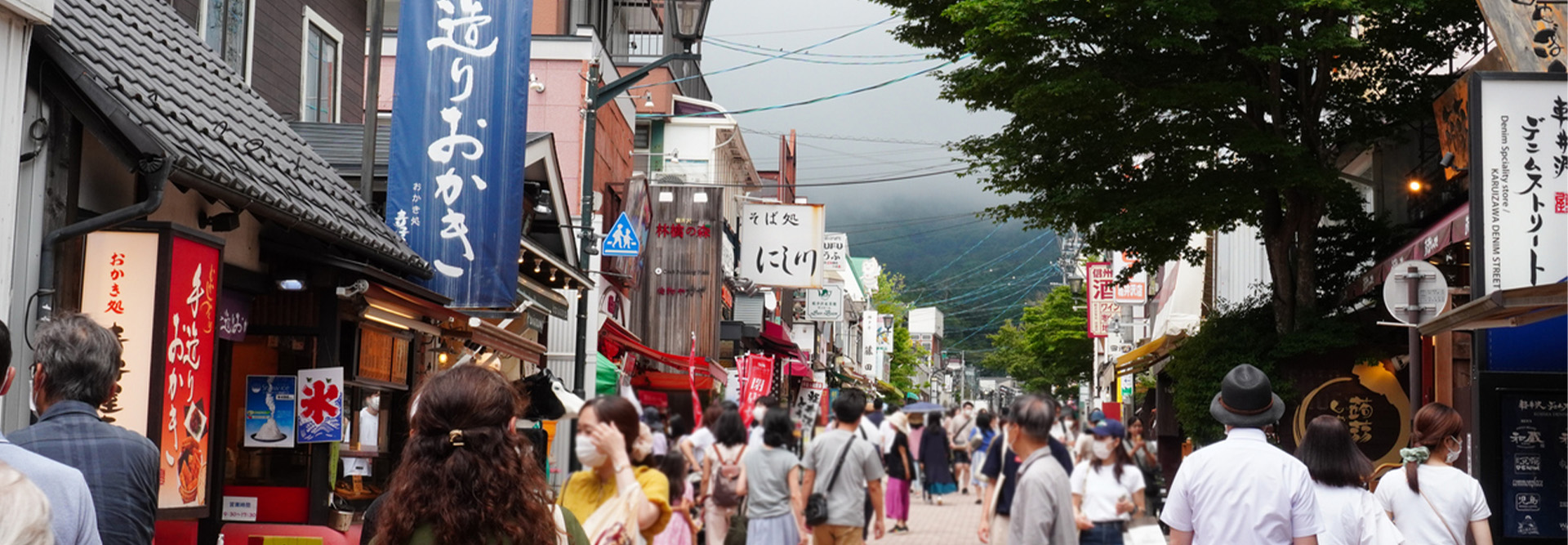
North of the station, Kyu-Karuizawa is the atmospheric heart of town. This “old” district developed around resort villas and boarding houses in the early 20th century and still exudes a nostalgic charm. Along the main shopping street you’ll find:
- Traditional souvenir shops selling local jams, honeys and smoked meats
- Bakeries famous for European-style bread and pastries
- Cafés housed in wooden cottages surrounded by tall larch and birch trees
- Bicycle rental shops offering hourly or full-day rentals
Side streets reveal quiet lanes lined with vacation homes, churches and small museums. The pace is unhurried; it’s common to see couples walking dogs, families enjoying ice cream and cyclists gliding gently between trees.
Top Things to Do in Karuizawa
Wander the Tree-Lined Streets
Simply strolling Kyu-Karuizawa is one of the town’s great pleasures. The canopy of trees provides shade in summer and rich colors in autumn. Many shops sell Karuizawa specialties like fruit jams, local craft beer, smoked cheese and ham. These products grew out of the town’s early contact with foreign missionaries, who introduced Western food traditions that locals adapted with Japanese ingredients.
Rent a Bicycle and Explore
Bicycle rental is easy around the station and in Kyu-Karuizawa. Traffic is generally slower than in big cities, and there are dedicated cycling routes leading into forested areas. A popular route runs towards the old Mikasa area, where you can pass villas hidden in the woods, small chapels and quiet cafés with garden terraces. Helmets may not always be standard, so ask if you prefer to wear one.
Visit the Charming Churches
Karuizawa has an unusual number of churches and chapels for a Japanese town, reflecting its origin as a retreat for foreign missionaries in the Meiji era. Today, many Japanese couples choose Karuizawa for Western-style weddings, so you might see bridal parties posing for photographs.
Churches vary from simple wooden chapels tucked into the woods to architecturally striking modern sanctuaries. Even if you are not religious, these spaces offer a sense of tranquility and a window into the town’s international history. Please remember to maintain quiet and respect any photography rules, especially during services or weddings.
Enjoy Karuizawa’s Café Culture
Café-hopping is almost a sport in Karuizawa. Many establishments have sunlit verandas or forest views, creating an atmosphere somewhere between a European resort town and a Japanese mountain village. You’ll find excellent hand-drip coffee, seasonal cakes featuring local fruits, and light meals like sandwiches and curry rice.
In cooler months, cafés become cozy refuges with fireplaces or wood stoves. In summer, outdoor seating lets you enjoy the breeze and the subtle scent of pine. If you’re used to the rush of Tokyo, the slower pace and extended opening hours here invite you to linger with a book or journal.
Taste Local Food and Specialties
The cooler climate around Karuizawa is ideal for growing highland vegetables such as lettuce and cabbage, as well as fruits like apples and berries. Restaurant menus often highlight these ingredients in salads, pasta dishes and desserts. Western-influenced cuisine is well represented, but you’ll also find traditional Japanese meals featuring seasonal mountain vegetables.
Look out for:
- Homemade jams and preserves – Beautifully packaged and ideal as gifts
- Smoked meats and cheese – A legacy of early foreign residents
- Bakery bread – Karuizawa is famous nationwide for its loaves and pastries
- Craft beer and local wine – Several shops stock regional labels
Relax in Onsen and Hot Springs
While Karuizawa itself is more associated with villas and cafés than hot springs, the surrounding area offers several onsen facilities, some attached to hotels and resort complexes. Bathing etiquette is the same as elsewhere in Japan: wash thoroughly before entering the communal bath, do not let towels touch the water, and keep your voice down to maintain a peaceful atmosphere. Many facilities provide rental towels if you are visiting just for the day.
Enjoy Winter Sports and Outdoor Activities
In winter, ski facilities near Karuizawa attract both families and beginners. These resorts are more compact than those in Hokkaido or the Japan Alps, but their accessibility from Tokyo makes them popular for short breaks. Equipment rental is widely available, and some language support in English is common at larger resorts.
In other seasons, hiking paths and nature trails wind through the woods and up gentle hills. Always check trail conditions and maps before setting off, and consider that weather can change faster in the mountains than in the lowlands.
Cultural Background: A Resort with International Roots
Karuizawa’s distinctive atmosphere owes much to its history. In the late 19th century, during Japan’s rapid modernization, foreign missionaries and diplomats searched for locations that offered a cooler climate and clean air. Karuizawa, on a plateau overlooking Mount Asama, suited them perfectly. Western-style houses, churches and schools began to appear, and the town developed a cosmopolitan identity unique among Japanese rural destinations.
Japanese writers and artists later followed, drawn by the light and the quiet. Over time, Karuizawa became a symbol of sophisticated leisure, featured in novels and films as a place of summer romance, creative retreats and nostalgic memories. When you walk its streets today, you’re moving through a landscape layered with these cultural associations, even if the boutiques and cafés are now decidedly modern.
Practical Tips for First-Time Visitors
Language and Signage
Around Karuizawa Station, the outlet mall and major tourist streets, you’ll find a reasonable amount of English signage. Staff at larger hotels, brand-name shops and the tourist information counter generally have basic English ability. In small local cafés and shops, communication may require gestures or translation apps, but most staff are patient and accustomed to visitors.
Getting Around Town
From the station, you can walk to the outlet mall in minutes and to Kyu-Karuizawa in around 20–25 minutes. Taxis queue outside the station, and local buses run to key areas, though schedules may be less frequent than in big cities. Bicycle rental provides a flexible, enjoyable way to move between the station, old town, churches and nature spots.
What to Pack
- Layers: Even in summer, evenings can be cool; in spring and autumn, temperatures change quickly between day and night.
- Comfortable walking shoes: Many attractions are best enjoyed on foot or by bicycle.
- Compact umbrella or rain jacket: Mountain weather can shift suddenly.
- Cash: While most larger establishments accept cards, smaller shops may still be cash-only.
Etiquette and Local Customs
Karuizawa is relaxed, but general Japanese etiquette applies. Dispose of rubbish properly or carry it with you until you find a bin. When visiting churches and religious buildings, dress modestly, keep voices low, and avoid interrupting ceremonies. If you rent a bicycle, park only in designated areas to avoid inconveniencing residents.
Suggested Itinerary: One Easy Day in Karuizawa
For a first-time visitor, a single day is enough to experience Karuizawa’s main highlights, though many choose to stay overnight.
- Morning: Arrive by shinkansen, drop luggage in station lockers, and stroll through the outlet mall or pick up a rental bicycle.
- Late Morning: Cycle or walk towards Kyu-Karuizawa, exploring side streets and visiting one or two churches along the way.
- Lunch: Enjoy a relaxed meal at a café or restaurant featuring local vegetables and bakery bread.
- Afternoon: Continue cycling through tree-lined avenues, stop for coffee and dessert, then shop for jams and souvenirs.
- Late Afternoon: Return to the station, perhaps with a quick look at the outlet again, and catch the shinkansen back to Tokyo or onwards to Nagano.
Staying Overnight: Making the Most of the Highland Air
Spending a night in Karuizawa allows you to experience the town at its quietest. Early mornings are especially beautiful, with mist drifting through the trees and few people on the streets. Accommodation ranges from Western-style resort hotels with on-site spas and shopping to smaller pensions and traditional inns. Booking ahead is strongly recommended for weekends, public holidays and the peak summer and autumn seasons.
For many repeat visitors, the real magic of Karuizawa lies in these slower moments: sipping coffee on a terrace as the sun filters through the forest, listening to the distant sound of a train arriving, or feeling the temperature drop gently as evening settles over the plateau. For first-time travelers to Japan, it’s a chance to discover that the country is not only neon and skyscrapers but also quiet lanes, cool breezes and the simple pleasure of walking beneath tall trees.
Whether you come for a day or stay for a week, Karuizawa offers an accessible, stylish and soothing counterpoint to the intensity of Japan’s big cities—a highland retreat where you can breathe deeply and slow your pace, without straying far from the comfort of the shinkansen line.

Access Map
Recommended spots in Nagano
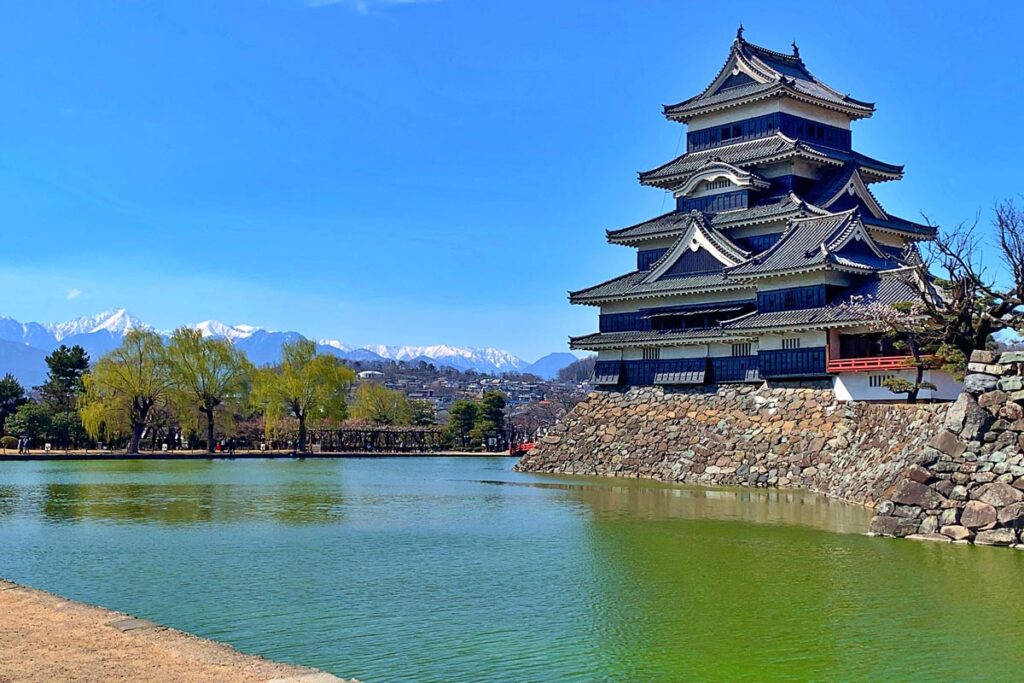
Matsumoto Castle
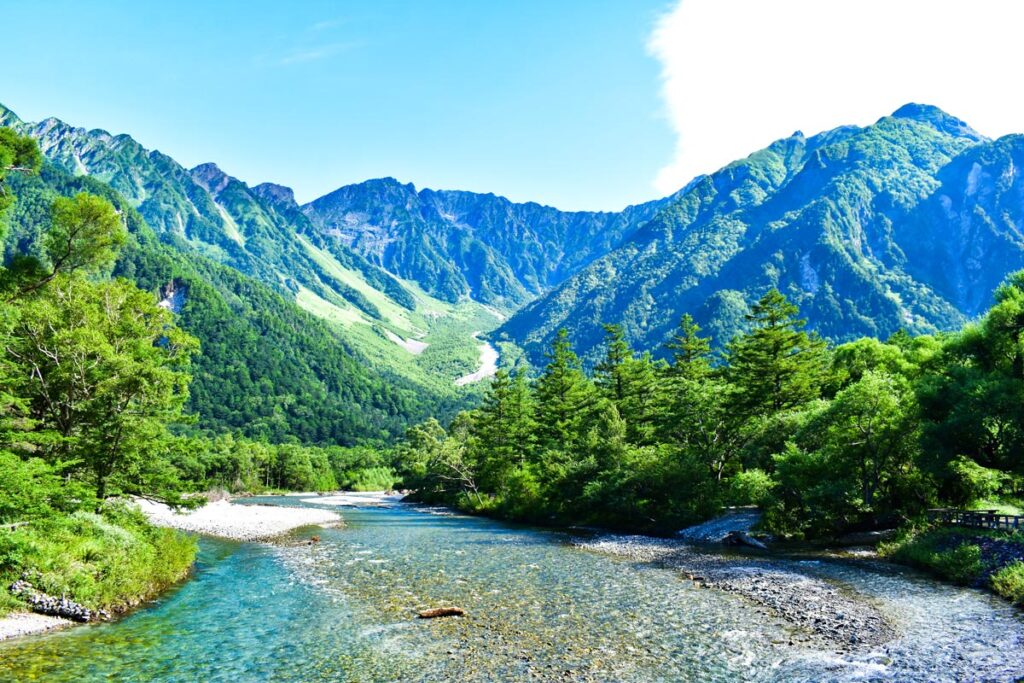
Kamikochi
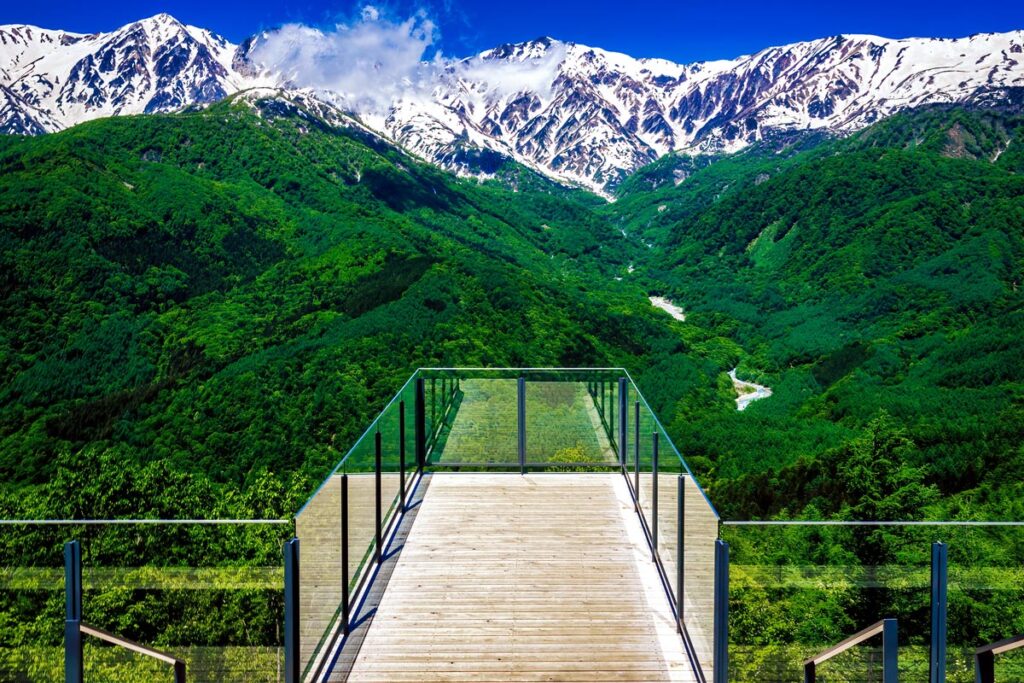
Hakuba Mountain Resort
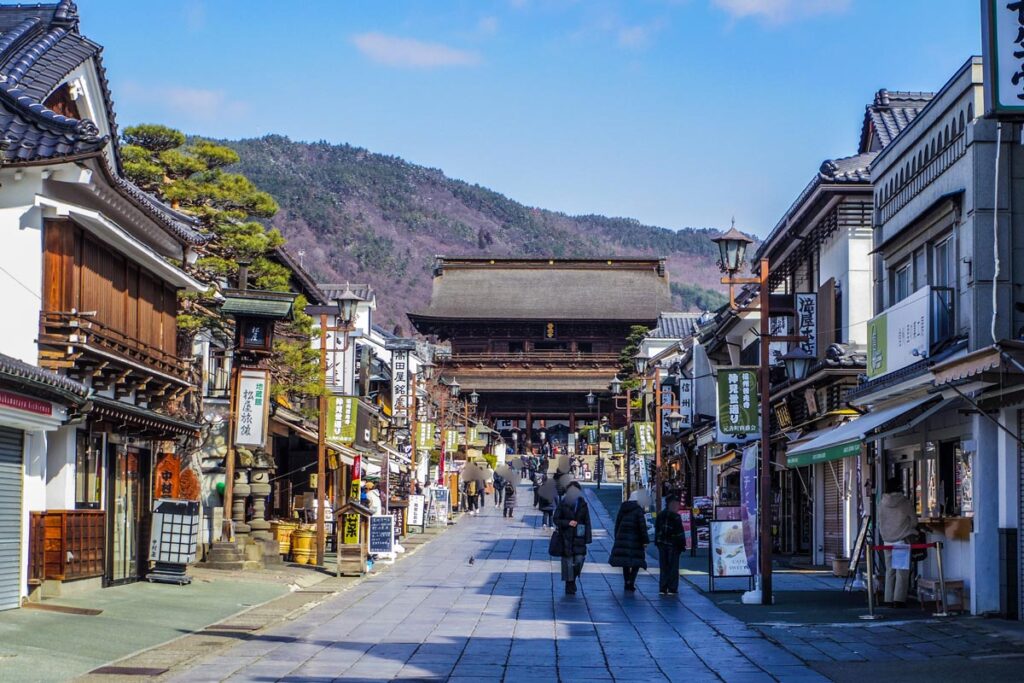
Zenkō-ji Temple
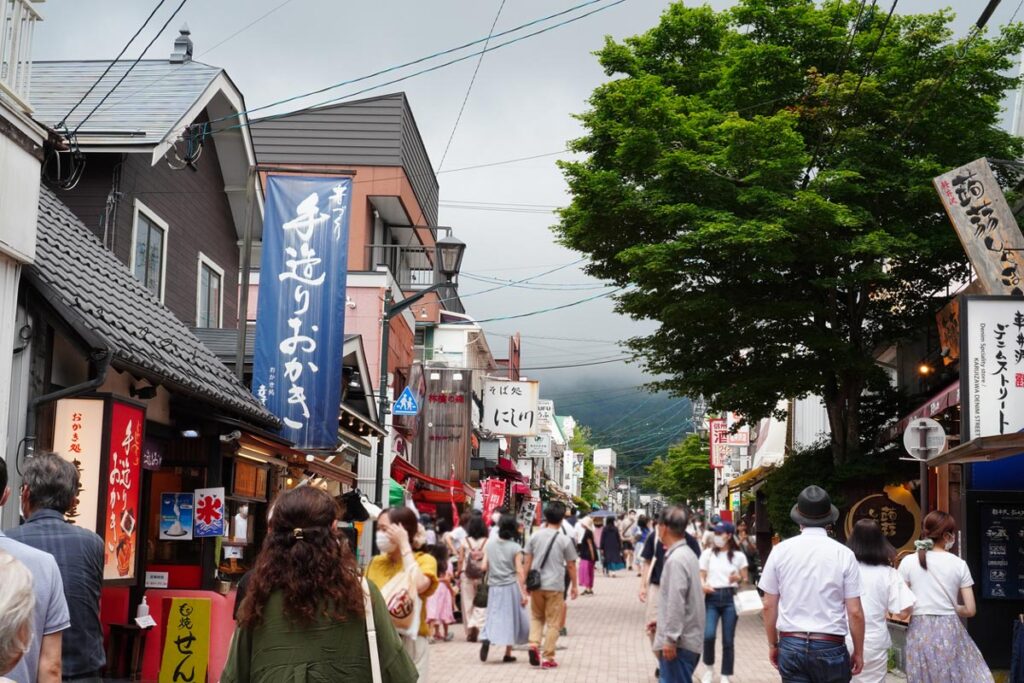
Karuizawa Town
Top destinations in Chubu/Hokuriku
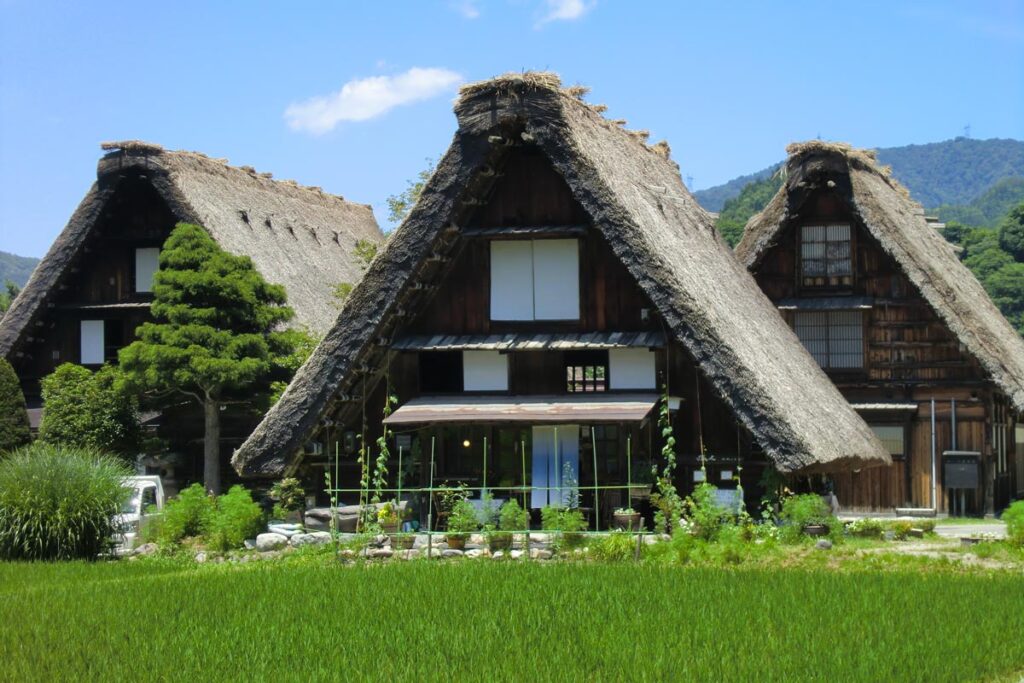
Gifu
Ishikawa
Aichi