




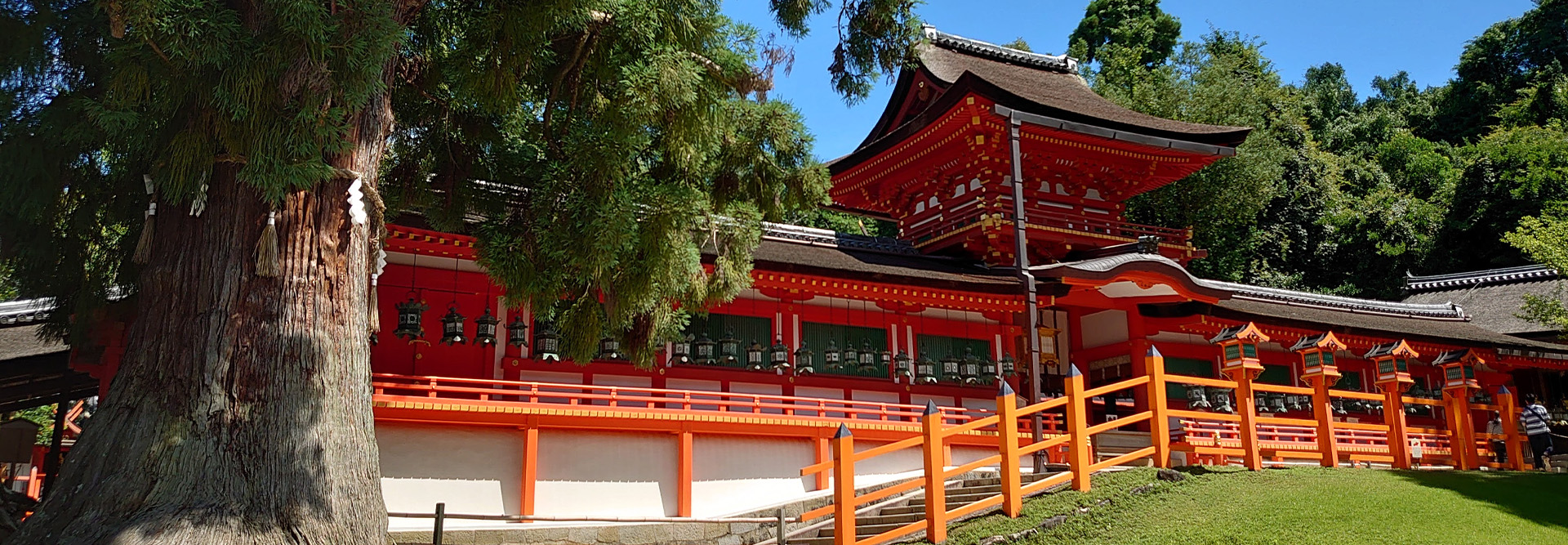
Kasuga Taisha Shrine
Kasuga Taisha Shrine: A First-Time Visitor’s Guide to Nara’s Sacred Lantern Forest
Photos are for illustrative purposes only.
Hidden in the ancient forests of Nara Park, Kasuga Taisha Shrine is one of Japan’s most atmospheric Shinto shrines. Famous for its hundreds of stone and bronze lanterns, friendly deer wandering nearby, and deep connection to Japan’s early history, it’s a must-visit for first-time travelers who want to experience traditional Japan beyond the big cities.
This guide explains what Kasuga Taisha is, how to get there, what to see, and how to enjoy your visit respectfully and comfortably.
Why Kasuga Taisha Matters
Founded in 768 and rebuilt many times over the centuries, Kasuga Taisha is the guardian shrine of Nara and the powerful Fujiwara clan, who once ruled Japan from behind the scenes. It’s dedicated to several Shinto deities associated with protection, good fortune, and the prosperity of the nation.
The shrine complex sits at the edge of the primeval Kasugayama Forest, part of the UNESCO World Heritage listing “Historic Monuments of Ancient Nara.” For international visitors, it offers three experiences in one place: a spiritual site, a cultural landmark, and a peaceful walk in nature.
Location: In the Heart of Nara Park
Kasuga Taisha is located within Nara Park, famous for its semi-wild deer that wander freely. Many travelers combine a visit to the shrine with nearby attractions such as Tōdai-ji Temple and Kōfuku-ji. Expect a gentle walk through wooded paths, stone lanterns, and mossy steps as you approach the main buildings.
Nara is an easy day trip from both Kyoto and Osaka, making Kasuga Taisha a convenient addition to a classic first-time Japan itinerary.
How to Get to Kasuga Taisha
From Kyoto
Take a JR train from Kyoto Station to Nara Station (usually via the JR Nara Line). Depending on the service, the journey takes about 45–70 minutes. From JR Nara Station, you can either walk (around 35–40 minutes through Nara Park) or take a local bus toward Kasuga Taisha; get off at the Kasuga Taisha Honden bus stop and follow signs into the forested approach.
From Osaka
From Osaka, you can use either JR or Kintetsu lines. JR trains run from Osaka Station to Nara Station in around 45–60 minutes. Kintetsu Nara Station is slightly closer to Nara Park and Kasuga Taisha; from there, it’s about a 25–30 minute walk through the park or a short bus ride to Kasuga Taisha Honden.
On Foot Through Nara Park
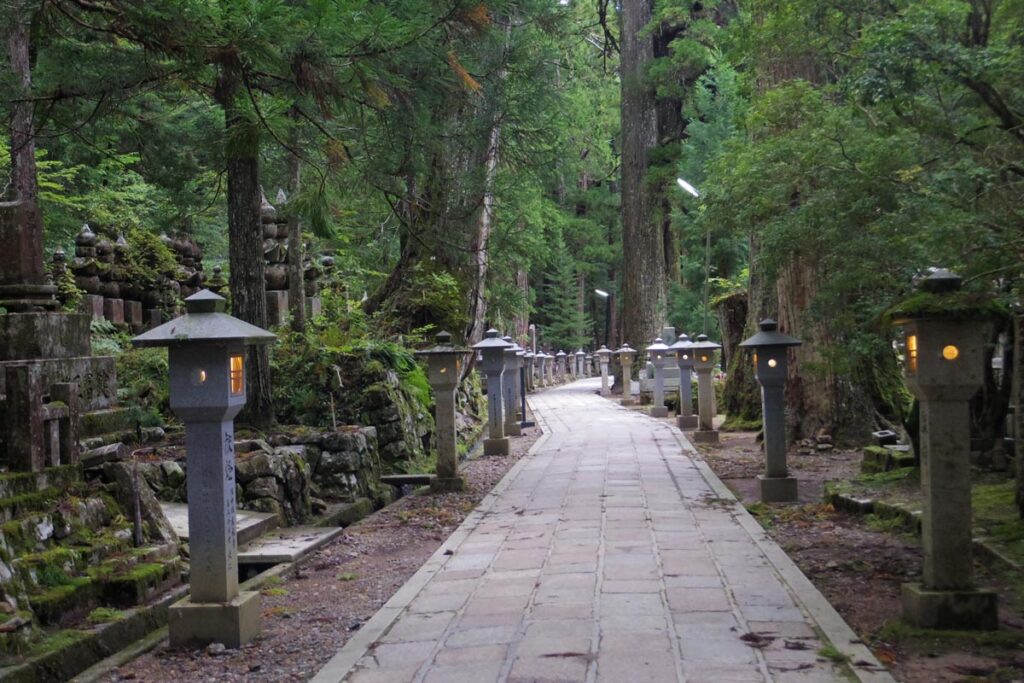
Many visitors choose to walk from Nara’s stations through Nara Park, visiting the deer, Tōdai-ji, and Kōfuku-ji on the way. The approach to Kasuga Taisha starts to feel more secluded: the crowds thin out, and you’re flanked by long rows of moss-covered stone lanterns under tall cedar trees.
When to Visit Kasuga Taisha
Best Seasons
Spring (March–April): Soft light, cherry blossoms around Nara Park, and comfortable temperatures. The shrine grounds feel especially gentle and photogenic.
Autumn (late October–November): Vivid autumn leaves along the forest paths make this one of the most beautiful times to visit. Cooler air adds to the shrine’s tranquil mood.
Winter (December–February): Fewer crowds and a very peaceful atmosphere. On rare snowy days, the stone lanterns and vermilion buildings are enchanting, though it can be cold.
Summer (June–August): Lush greenery and deep shade from the forest, but also heat and humidity. Bring water and a hat.
Time of Day
Arrive in the morning to avoid crowds and tour groups, or late afternoon for a quieter, more contemplative experience. The main shrine buildings have defined opening hours, but you can often walk parts of the approach path earlier or later in the day.
Highlights of Kasuga Taisha Shrine
The Lanterns: Stone and Bronze Guardians
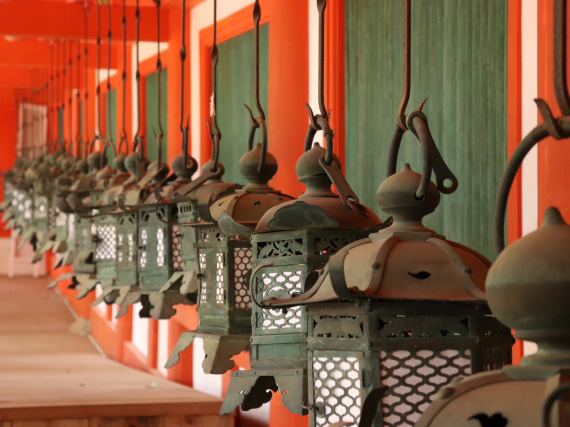
Kasuga Taisha is most famous for its tōrō (lanterns). Hundreds of stone lanterns line the approach through the forest, while hanging bronze lanterns decorate the eaves and corridors of the shrine buildings. Many have been donated over centuries by worshippers seeking protection or to express gratitude.
For most of the year, the lanterns are unlit during the day, but they still create a haunting, timeless atmosphere. Some side corridors are kept deliberately dim so you can experience what the shrine looks like when lanterns are glowing.
Lantern Festivals
On a few special days each year, the lanterns are lit at dusk, transforming the shrine into a sea of warm, flickering light. If your visit coincides with a lantern festival, it’s a rare chance to see Kasuga Taisha as people did centuries ago. Check event schedules before your trip, as dates can vary by year.
Main Sanctuary and Vermilion Halls
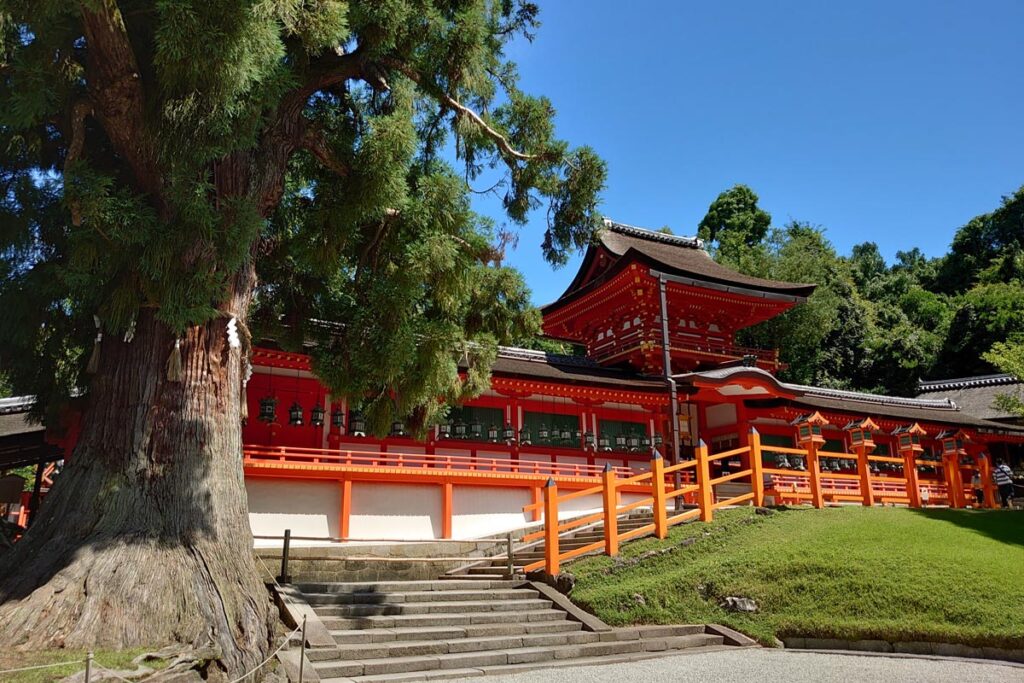
The main sanctuary buildings, with their bright vermilion pillars, sloping roofs, and white walls, represent classic Shinto architecture. Some inner areas require a small admission fee, which helps preserve the shrine. Inside, you’ll find graceful corridors, more lanterns, and views toward the sacred inner sanctuaries where the deities are enshrined.
Sub-Shrines and Sacred Trees
Beyond the main halls, smaller auxiliary shrines dedicated to different deities dot the forested grounds. Look out for ancient trees wrapped with a straw rope (shimenawa), marking them as sacred. These trees remind visitors of the strong connection between Shinto belief and the natural world.
Deer Around the Shrine
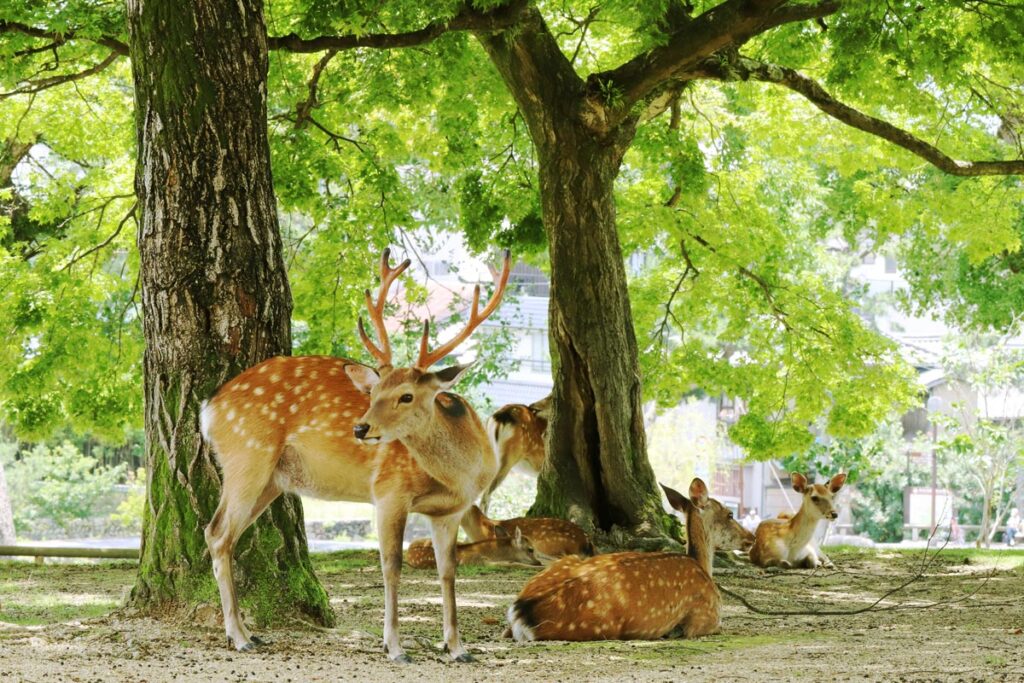
While most deer gather in the open parts of Nara Park, you may see some on the quieter paths leading to Kasuga Taisha. In local tradition, the deer are considered messengers of the gods. Today they are tame but not domestic, so treat them with respect.
Shinto Etiquette: How to Visit Respectfully
Kasuga Taisha is an active place of worship. Following basic etiquette will make your visit smoother and more meaningful, even if you’re completely new to Shinto practices.
At the Entrance
You’ll pass under tall torii gates as you enter. Torii mark the boundary between the everyday world and sacred space. You do not need to bow, but stepping slightly to the side of the central path as you pass through is considered polite, leaving the center symbolically for the deities.
Purification at the Chōzuya
Near the main approach, you’ll find a purification font with ladles. This simple ritual is a way to show respect before approaching the shrine:
- Take a ladle in your right hand and pour water over your left hand.
- Switch hands and pour over your right hand.
- Pour a little water into your left hand, rinse your mouth, and spit discreetly beside (not into) the basin.
- Hold the ladle vertically to let remaining water clean the handle, then return it.
Offering a Prayer
At the main offering hall, you can offer a brief prayer:
- Throw a coin into the offering box (5-yen coins are considered lucky, but any coin is fine).
- Bow deeply twice.
- Clap your hands twice to call the deity’s attention.
- Pause silently for a private wish or expression of thanks.
- Bow deeply once more.
Follow any signs about photography. Some inner areas may prohibit photos to preserve the sacred atmosphere.
Experiences You Shouldn’t Miss
Walking the Lantern-Lined Approach
Take your time on the approach path. The gradual shift from busy park to deep forest is one of Kasuga Taisha’s most special qualities. Look closely at the stone lanterns: many are covered in moss, lichen, and carved family crests, telling silent stories of the people who donated them.
Omikuji and Omamori
Near the main halls, you’ll find stands selling omikuji (paper fortunes) and omamori (protective charms). Drawing an omikuji is a fun, traditional activity: make a small offering, draw a slip, and read your fortune. If it’s good, keep it as a souvenir; if it’s bad, tie it to the provided racks or trees to “leave the misfortune behind.”
Omamori come in different designs for safe travels, academic success, health, or general good luck. They’re a meaningful souvenir and a gentle way to bring a piece of Kasuga Taisha’s blessing home.
Exploring the Surrounding Forest
If time allows, wander deeper along the trails behind the shrine into Kasugayama Forest. This protected area has been considered sacred for centuries. While many paths are easy, wear comfortable shoes and be prepared for some gentle hills and natural terrain.
Practical Tips for First-Time Visitors
Opening Hours and Fees
Outer areas of the shrine grounds are generally free to enter. Access to the inner shrine precincts and certain buildings usually requires a modest admission fee, which helps fund preservation. Opening hours often begin in the early morning and end in late afternoon or early evening. Check current hours before your visit, as they can change seasonally.
What to Wear
You’ll be walking on stone paths, gravel, and occasionally uneven forest trails, so comfortable, closed-toe shoes are recommended. Dress modestly and avoid overly revealing clothing; you don’t need formal wear, but respectful casual attire feels more appropriate in a sacred site.
Weather and Comfort
Nara can be hot and humid in summer and chilly in winter. Bring water, especially in warmer months, and consider a small umbrella or rain jacket during Japan’s rainy season. Many parts of the approach are shaded by trees, which helps in summer but can feel cool on windy or damp days.
Facilities and Accessibility
Public restrooms are available in and around Nara Park and near major attractions. Some paths around the shrine include steps and slopes that may be challenging for visitors with mobility issues. If accessibility is a concern, allow extra time and check local tourism information for the most suitable routes.
Food and Drink
There are no large restaurants directly inside the shrine complex, but you’ll find cafés and eateries in nearby parts of Nara Park and around the stations. Eating while walking within the shrine grounds is usually discouraged; finish snacks before entering or save them for later. Carry a reusable water bottle to stay hydrated.
Combining Kasuga Taisha with Other Nara Sights
Kasuga Taisha is best experienced as part of a wider walk through Nara’s historic area. A simple itinerary for a day trip might look like this:
- Morning: Arrive in Nara and visit Kōfuku-ji Temple near the station.
- Late Morning: Stroll through Nara Park and meet the deer (buy official deer crackers if you’d like to feed them).
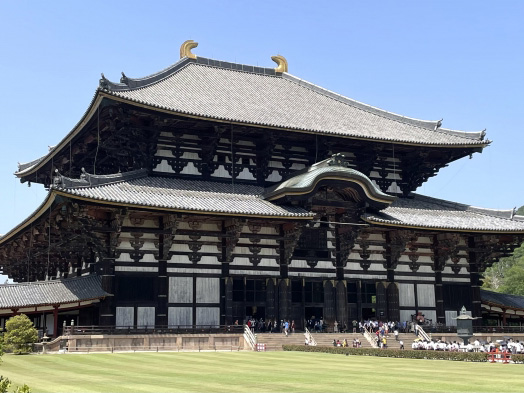
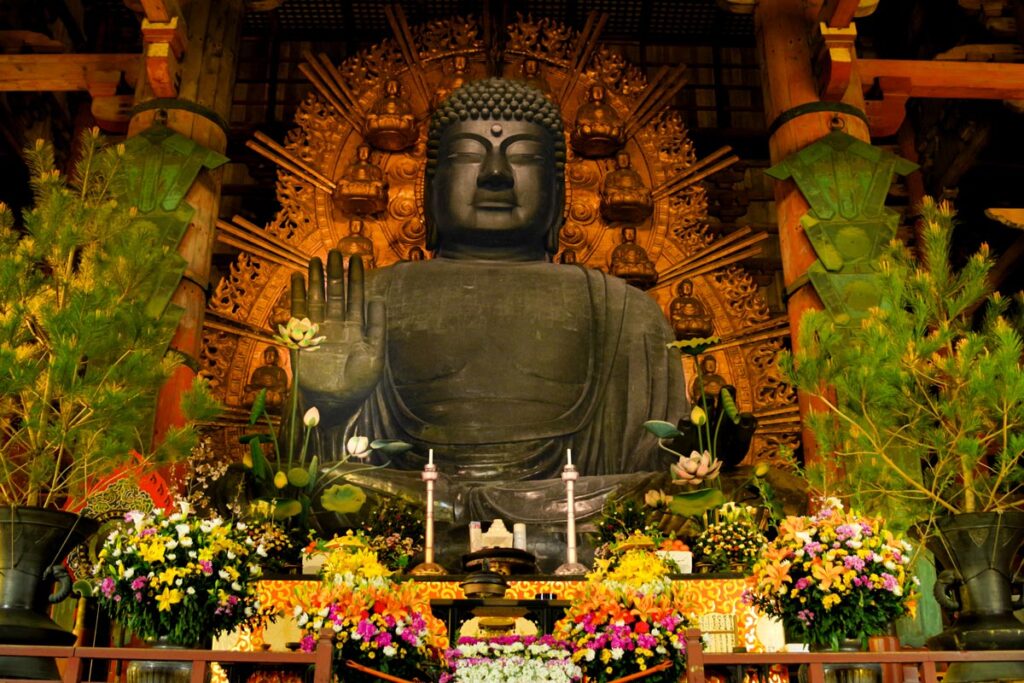
- Midday: Visit Tōdai-ji Temple and its giant Great Buddha statue.
- Afternoon: Walk through the lantern-lined forest paths to Kasuga Taisha Shrine.
- Late Afternoon: Explore sub-shrines or forest trails before heading back to the station.
Doing this loop gives you a balanced view of Japan’s Buddhist and Shinto traditions, as well as time with nature and animals.
Understanding Kasuga Taisha in Japan’s Culture
Kasuga Taisha offers a window into how Japanese people see the relationship between the divine and the natural world. Rather than imposing itself on the landscape, the shrine seems to grow out of the forest, with vermilion buildings and lanterns gently woven into the trees and stone.
For first-time visitors, it’s a chance to slow down after the neon of Tokyo or the bustling streets of Osaka. As you walk beneath the trees and pass lantern after lantern, it’s easy to imagine the centuries of pilgrims who made the same journey, pausing to pray for safe travels, good harvests, or the health of their families.
Making the Most of Your Visit
Allow at least one to two hours for Kasuga Taisha itself, and more if you enjoy photography, quiet walking, or exploring side paths. Bring curiosity and an open mind: you don’t need to understand every ritual to appreciate the calm and beauty of the shrine.
Whether you’re visiting Nara on a quick day trip or staying overnight, Kasuga Taisha Shrine is one of the most rewarding places to experience traditional Japan. Lanterns, forest, deer, and centuries of living faith come together here to create an atmosphere that stays with many travelers long after they leave.

Access Map
Recommended spots in Nara
Nara Park
Todai-ji Temple
Kasuga Taisha Shrine