

Katsuoji Temple
Katsuoji Temple: A Tranquil Mountain Retreat Near Osaka
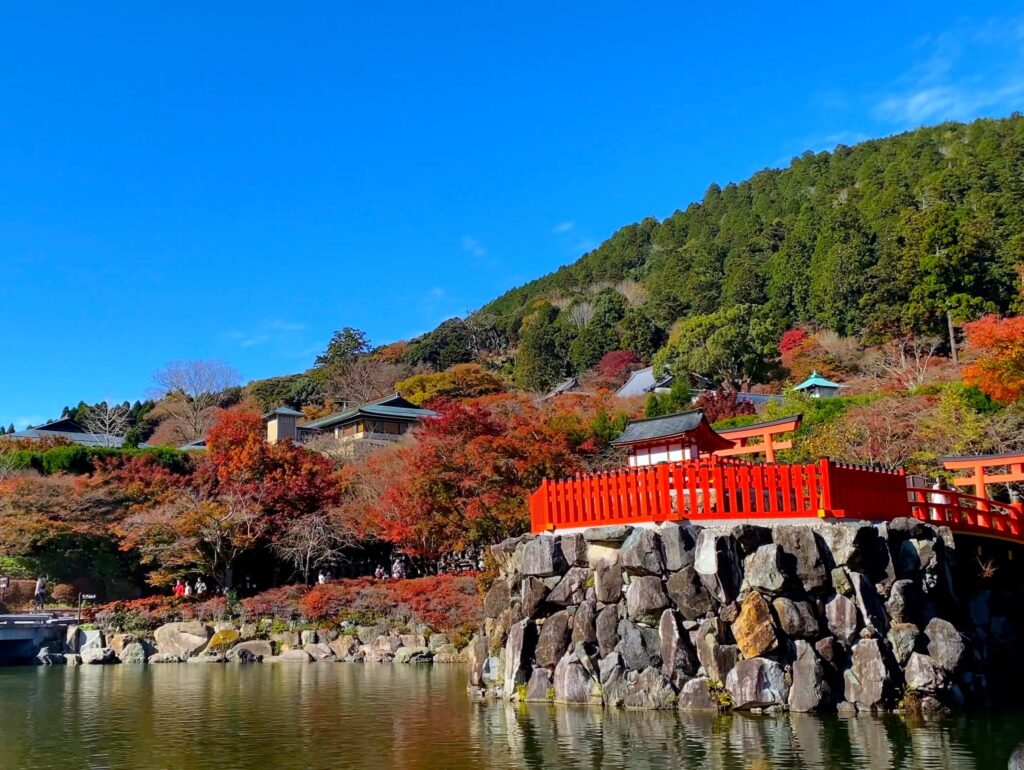
Hidden in the forested hills of northern Osaka, Katsuoji Temple is a serene Buddhist temple famous for its “victory” daruma dolls, misty ponds, and brilliant autumn leaves. For first-time visitors to Japan looking to escape the city and experience a quieter, more spiritual side of the country, this temple makes a rewarding day trip from Osaka or Kyoto.
Why Visit Katsuoji Temple?
Katsuoji (勝尾寺) is often called the “Temple of Victory.” For centuries, people have come here to pray for success: in exams, business, sports, relationships, and personal goals. The temple is nestled in the Minoh mountain range, surrounded by cedar forests and maple trees, creating a calm, almost otherworldly atmosphere.
Unlike crowded urban temples, Katsuoji feels spacious and contemplative. You can wander stone paths, cross red bridges, listen to the sound of waterfalls, and discover countless daruma dolls peeking out from shrines, rooftops, and mossy rocks. It’s a place where spiritual tradition blends with playful charm.
A Brief History and Meaning
Katsuoji’s history stretches back more than a thousand years. The temple’s name is written with characters meaning “victory” (勝) and “tail” or “end” (尾), and its reputation as a place to pray for winning and overcoming hardship grew over time. Powerful warlords, aristocrats, and later ordinary townspeople visited to ask for strength in battle, success in governance, and protection from misfortune.
Today, this idea of “victory” is understood more broadly: not just defeating an opponent, but overcoming personal challenges and seeing a wish through to the end. This concept is reflected in the temple’s most recognizable symbol, the daruma doll.
The Daruma Culture of Katsuoji
What Is a Daruma Doll?
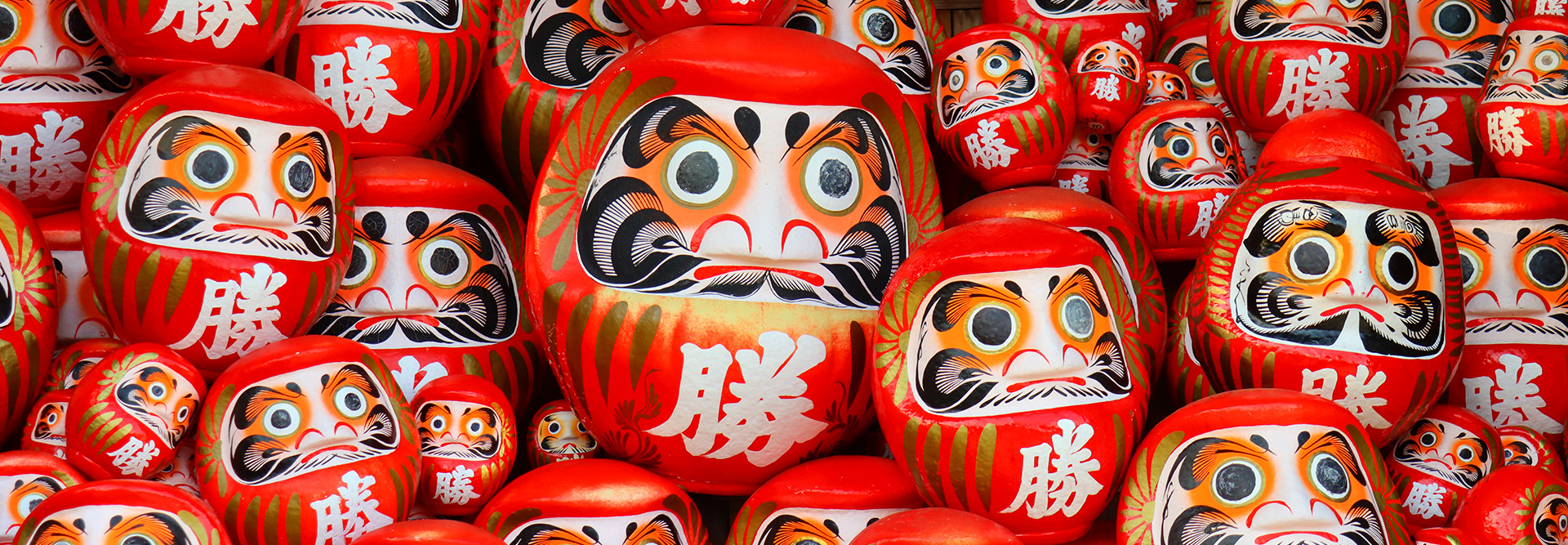
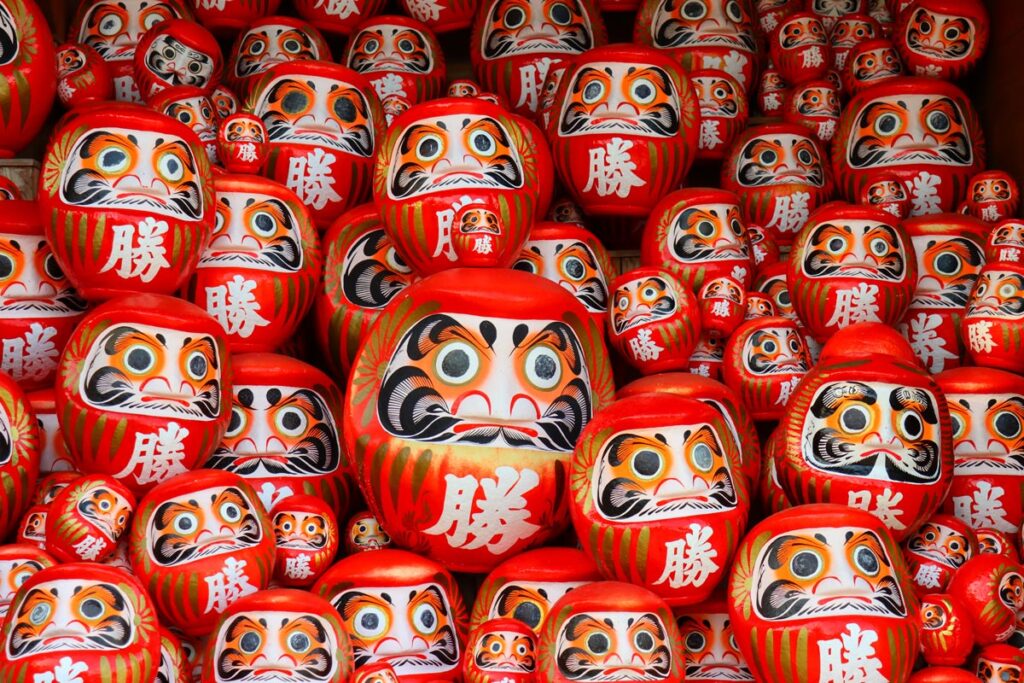
Daruma dolls are rounded, hollow figures modeled after Bodhidharma, the monk said to have brought Zen Buddhism to China. Typically painted red with a bearded face and wide eyes, they are considered talismans of perseverance and good luck. A well-known proverb linked to daruma is “fall down seven times, stand up eight,” symbolizing resilience.
When you buy a daruma, the eyes are usually left blank. You make a wish or set a goal, paint in one eye, and keep the doll somewhere visible at home or in your workplace. When your wish comes true or your goal is achieved, you paint in the other eye to “complete” the daruma.
Victory Daruma at Katsuoji
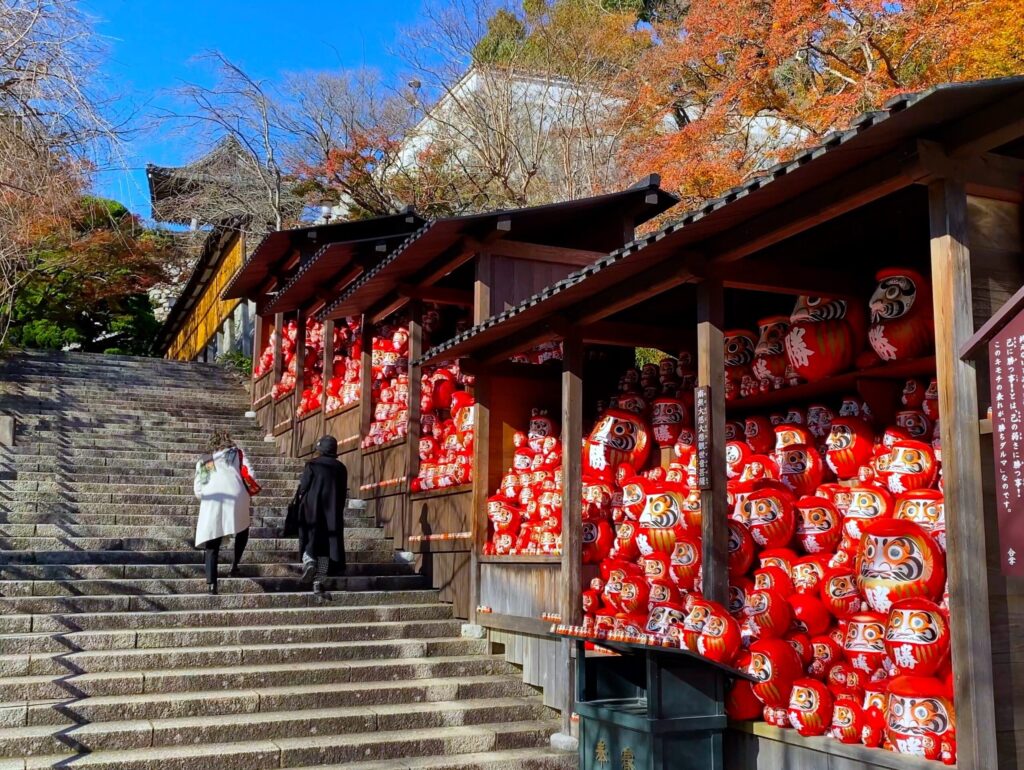
Katsuoji has taken this custom and turned it into a unique temple identity. All around the grounds you’ll see victory daruma in different sizes and poses: lined along stairways, perched on pagoda roofs, hiding in trees, and sitting beside stone lanterns. Finding them can feel like a gentle treasure hunt.
For visitors, buying a daruma here is a meaningful souvenir. After making your wish and painting in one eye, you can either take the doll home or place it at a designated area within the temple, joining thousands of other wishes left behind from around Japan and the world.
Highlights of the Temple Grounds
The temple complex is fairly large, with gentle slopes and stairways connecting several halls, gardens, and viewpoints. Plan to spend at least 1.5 to 2 hours to see the main sights without rushing.
The Grand Gate and Approach
Your visit typically begins at the main gate, where vivid vermilion structures stand out against the surrounding greenery. As you pass through, you’ll notice guardian statues and lanterns, then descend a broad stone staircase framed by trees. In autumn, this approach is especially beautiful, with a tunnel of fiery red and gold maple leaves.
The Main Hall (Hondo)
The heart of the complex is the main hall, where worshippers bow, clap, and offer prayers. Even if you are not Buddhist, it is respectful to pause quietly here. Many visitors purchase a small votive tablet or charm and offer a short moment of reflection for whatever “victory” they are seeking in life.
When entering or walking close to the hall, mind your steps and avoid pointing your feet directly at sacred images. Photography rules may vary inside; if in doubt, ask a staff member or simply refrain from shooting indoors.
Ponds, Bridges, and Pagodas
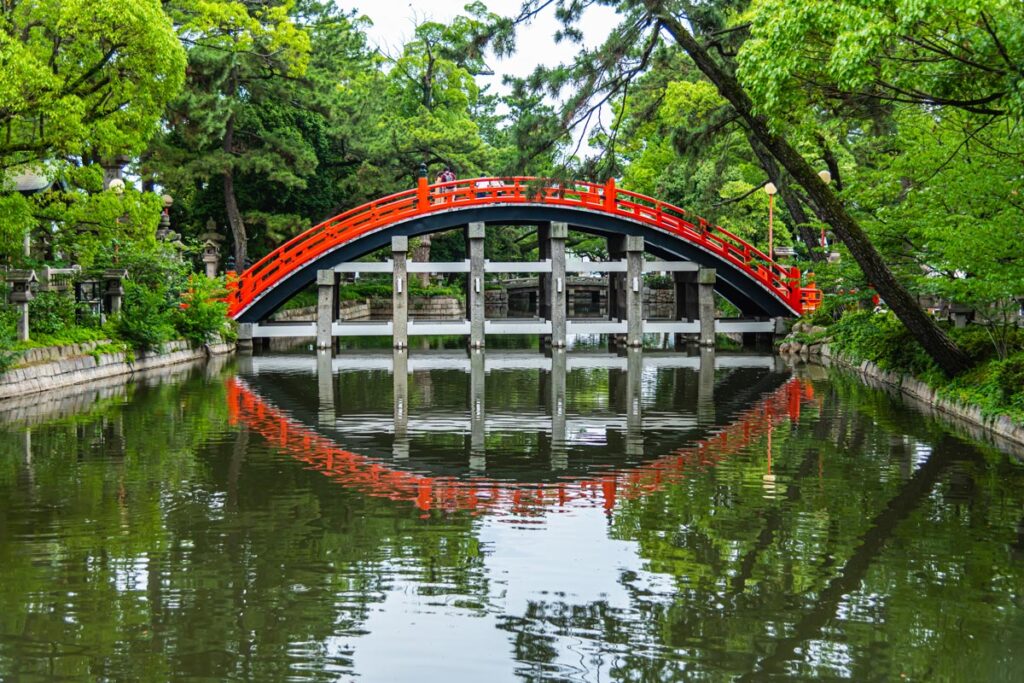
Below the main hall, a series of ponds and streams create a peaceful, almost cinematic setting. Curved red bridges cross the water, with koi fish swimming below. Traditional halls, stone pagodas, and smaller shrines are scattered around the water’s edge.
You’ll find daruma dolls placed in whimsical locations: gathered at the base of maple trees, perched along railings, or lined up beside stone basins. Take time to wander off the main route; the atmosphere changes as you move between shaded forest corners and open views. Don’t rush — this is a place best appreciated slowly.
Seasonal Beauty: Especially Autumn Leaves
Katsuoji is one of the region’s most beloved spots for autumn foliage. From mid-November to early December (timing varies slightly each year), the gardens transform as hundreds of maple trees ignite in shades of crimson, orange, and gold. Reflections in the ponds and the contrast with red temple buildings make this a paradise for photographers.
Spring brings fresh greenery and late-blooming cherry blossoms scattered around the grounds, while summer’s lush green canopy gives the temple a cool, forested feel. In winter, a light dusting of snow (when it occurs) adds a quiet, ethereal quality to the rooftops and statues.
Prayer Rites and Omamori Charms
Near the main hall, a reception area sells various good-luck items. Besides daruma dolls, you can find:
- Omamori (protective charms) for safe travels, academic success, health, and romance
- Ema (wooden prayer plaques) where you can write your wish and hang it on a rack
- Incense and candles for offering at altars
Even if you don’t speak Japanese, you can participate in a simple way: bow lightly before the main hall, place a small coin (like a 5-yen or 10-yen) into the offertory box, and silently express gratitude or your wish. This quiet ritual can be a meaningful memory of your time in Japan.
How to Experience Katsuoji Respectfully
Japanese temples are active religious sites rather than theme parks, so a few etiquette tips will help you fit in smoothly:
- Dress modestly, with shoulders and midriff covered; comfortable shoes are recommended due to slopes and stairs.
- Speak softly and avoid blocking pathways, especially near halls where people are praying.
- Do not touch statues or sacred objects unless clearly invited to do so.
- Food and drink should be consumed in designated areas, not while walking through prayer spaces.
- Trash bins may be limited; carry your rubbish with you until you find the proper place.
Best Time to Visit Katsuoji
By Season
- Autumn (mid-November to early December): Peak maple season, the most spectacular and also the most crowded period. Expect more visitors on weekends.
- Spring (late March to April): Mild temperatures and a mix of cherry blossoms and fresh green leaves. A pleasant time for walking.
- Summer (June to August): Lush greenery and cool mountain breezes, but also humidity and potential rain. A good time if you prefer fewer crowds.
- Winter (December to February): Quiet and contemplative; some facilities may operate shorter hours. Occasional snow can be beautiful, but wear warm clothing.
By Time of Day
Arriving in the morning offers a more peaceful experience, especially on weekends and during autumn foliage season. Light in the early to mid-morning is also excellent for photography, with fewer harsh shadows. Late afternoon can be beautiful too, but check temple closing times before you go.
Access: Getting to Katsuoji from Osaka and Kyoto
Katsuoji is located in the northern part of Osaka Prefecture, within the Minoh mountain area. While not directly on a train line, it is fairly easy to reach with a short bus or taxi ride from nearby stations.
From Central Osaka
The journey usually takes about 60 to 90 minutes, depending on transfers and waiting times. A typical route is:
- From central Osaka, take the Osaka Metro Midosuji line to the last stop, Minoh-Kayano, and change onto the Hankyu bus bound for Katsuoji.
Bus schedules can be less frequent on weekdays and in the late afternoon, so checking the return timetable upon arrival is wise. If you prefer convenience or are traveling in a group, a taxi from the nearest major station may be a comfortable alternative.
From Kyoto
From Kyoto Station, you can reach northern Osaka by JR or private rail, then continue in the same way as visitors coming from Osaka itself. Travel time is usually around 90 minutes to 2 hours including transfers. Katsuoji is best visited as a half-day or full-day excursion rather than a quick stop.
Facilities and Practical Tips
Temple Hours and Admission
Opening hours and admission fees can change, but in general the temple is open during daylight hours with a modest entry fee to maintain the grounds. Before your visit, confirm current details via an up-to-date source. Arriving well before closing time is recommended so you can explore at a relaxed pace.
Food, Drink, and Rest Areas
Within or near the temple precincts you may find small rest areas or tea spots, depending on the season. Simple snacks and drinks from vending machines are often available. However, options can be limited, so it is wise to eat before arriving or bring a light snack and water. Always dispose of trash properly or carry it with you if bins are not immediately available.
Accessibility
The terrain at Katsuoji includes slopes and staircases, which can be challenging for visitors with limited mobility. Some main areas around the entrance and lower ponds are relatively gentle, but reaching every corner of the grounds may not be practical for everyone. Comfortable walking shoes are essential, and in wet weather some paths may be slippery.
Language and Signage
Signage around the temple usually includes at least some English, especially for major sites and etiquette guidelines. Staff may speak only basic English, but communication is usually manageable with simple phrases and gestures. If you plan to purchase specific charms or daruma, it can help to learn a few keywords beforehand, such as “study,” “safe travel,” or “love,” or show them written in Japanese.
Combining Katsuoji with Other Nearby Sights
Because of its location in the Minoh mountain region, Katsuoji combines nicely with other nature-rich spots:
- Minoh Park and Minoh Waterfall: A scenic hiking area with a pleasant riverside trail leading to a 33-meter waterfall. In autumn, the foliage here is also famous, and you can try seasonal snacks such as deep-fried maple leaves.
- Northern Osaka Neighborhoods: On your way back, stop at a local shopping street or station-area restaurant to sample regional dishes and unwind after your temple walk.
These side trips turn a simple temple visit into a full day of nature, culture, and quiet exploration just outside the city.
Making the Most of Your Visit
For first-time travelers to Japan, Katsuoji offers an ideal introduction to the country’s spiritual traditions without the overwhelming crowds of more famous sites. To fully enjoy your time there:
- Give yourself enough time to wander, pause, and simply sit on a bench to absorb the scenery.
- Consider buying a small daruma and making a personal wish; it can become a powerful reminder of your journey long after you return home.
- Visit in the morning or on a weekday if you value quiet reflection.
- Combine your trip with a nearby nature walk for a balanced day of culture and fresh air.
Whether you are hoping for exam success, a new chapter in your career, or simply a moment of stillness far from home, Katsuoji Temple offers a peaceful, atmospheric setting to reflect on your own definition of “victory.” Surrounded by countless daruma dolls and ancient trees, you may find that the memories you carry away become one of the true highlights of your time in Japan.

Access Map
Recommended spots in Osaka

Kaiyukan Osaka Aquarium
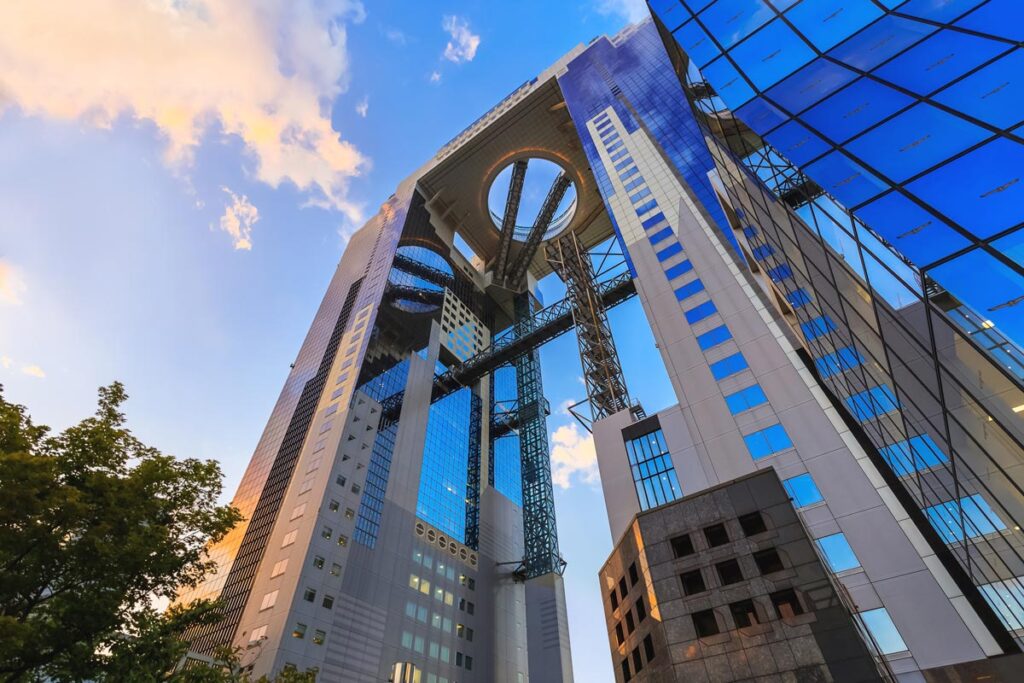
Umeda Sky Building (Floating Garden Observatory)
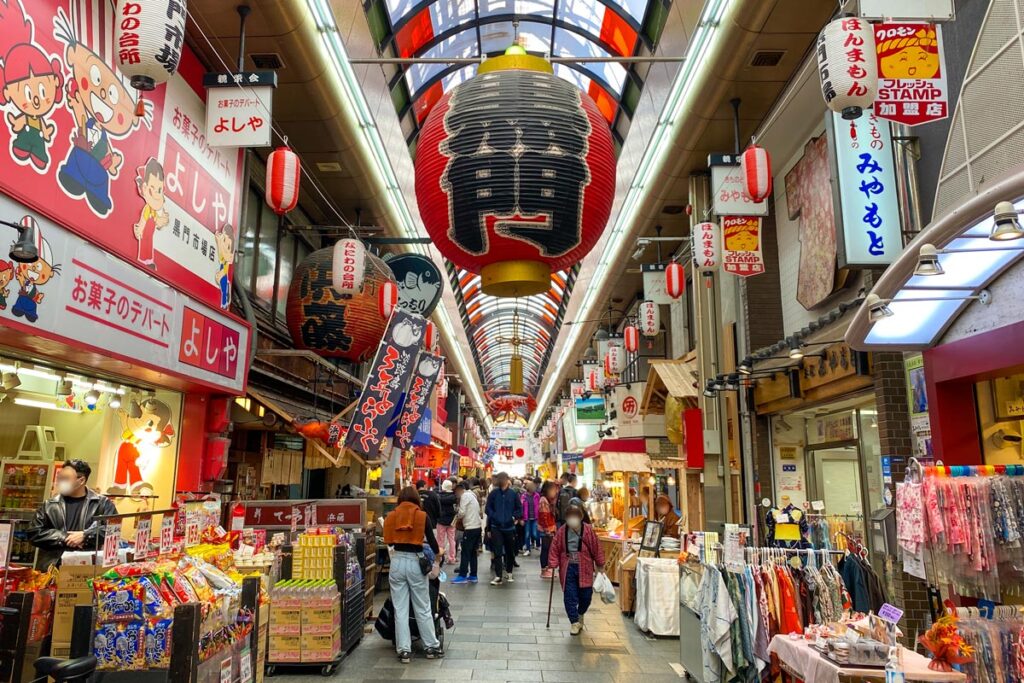
Kuromon Market
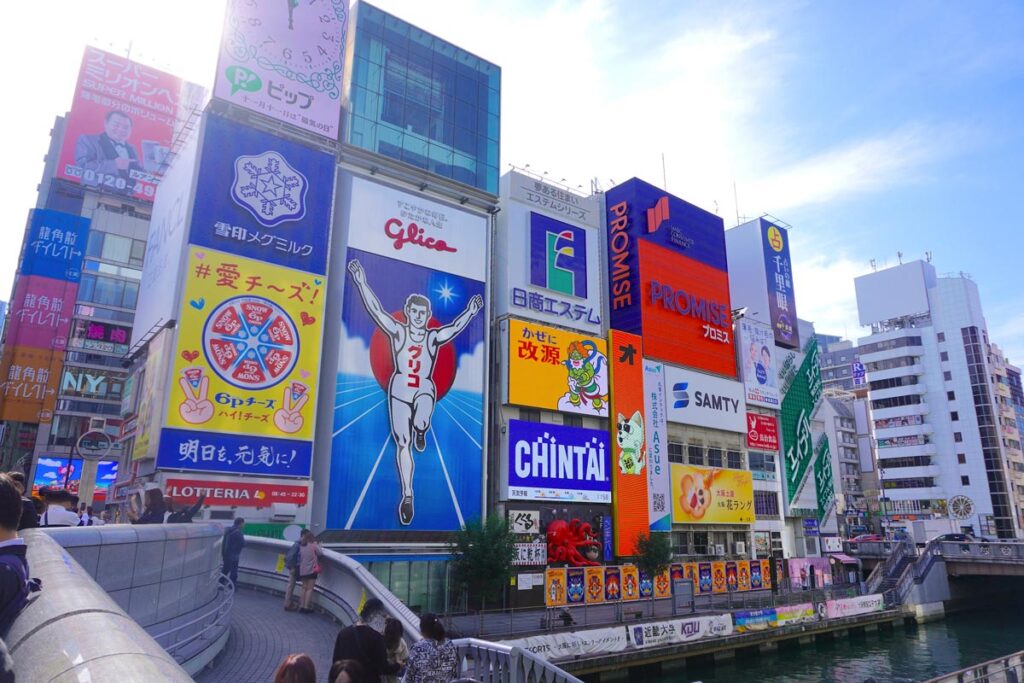
Shinsaibashi

America-mura
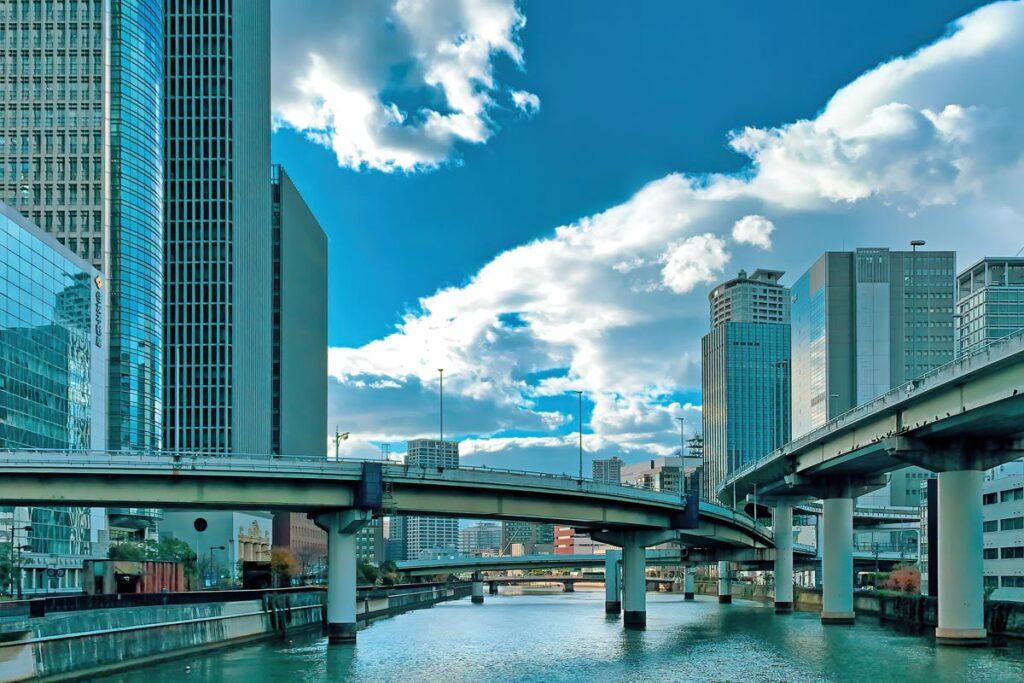
Nakanoshima
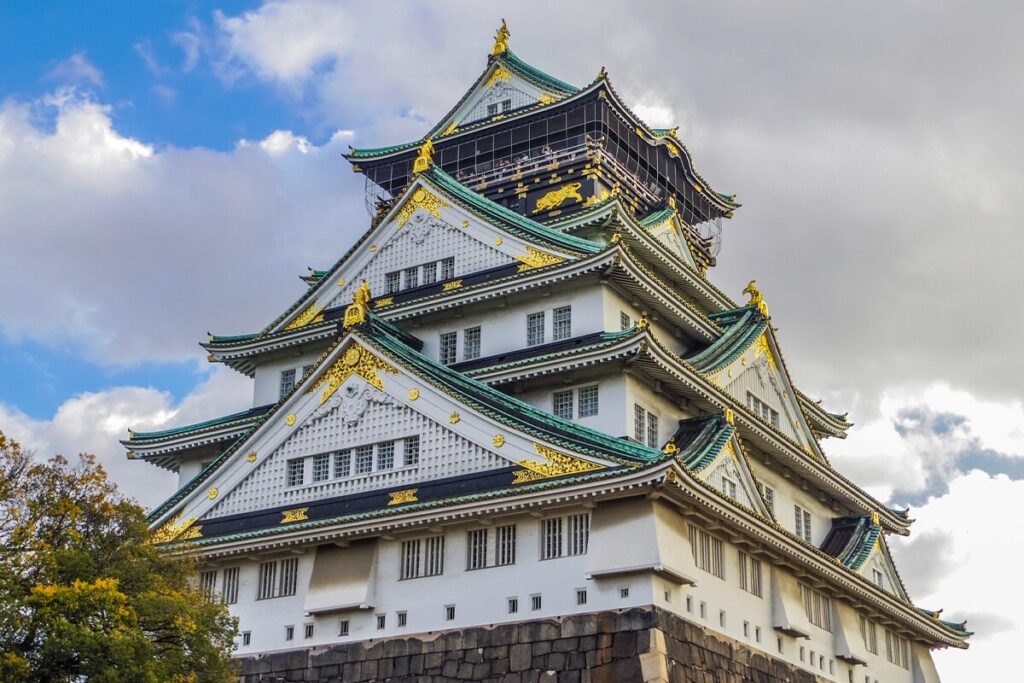
Osaka Castle
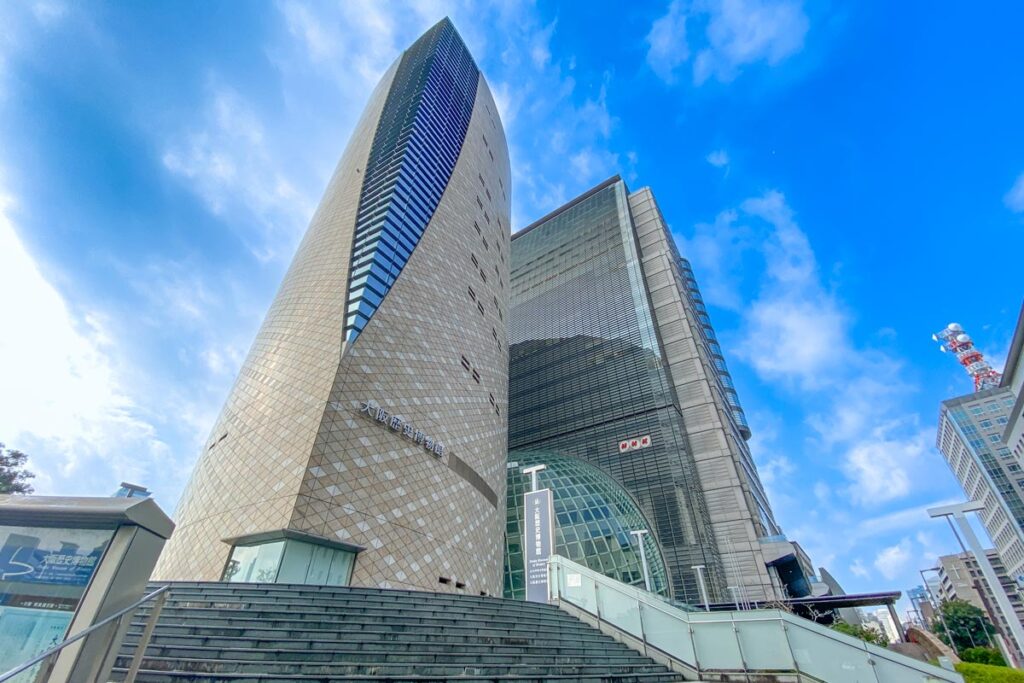
Osaka Museum of History
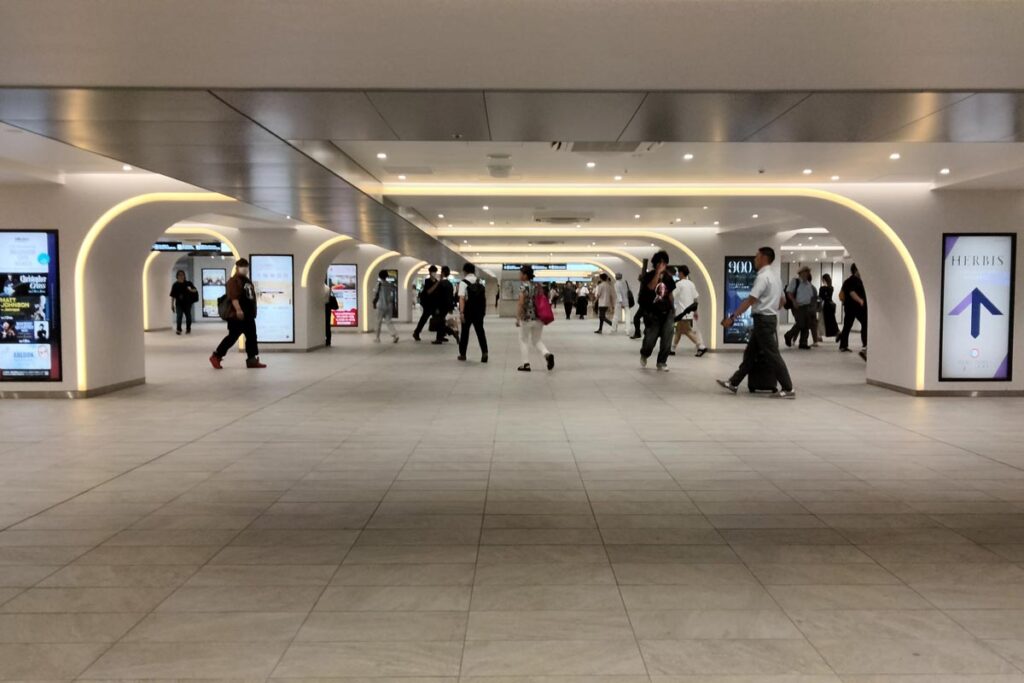
Umeda Dungeon
Katsuoji Temple