Kawaii Culture
Kawaii Culture in Japan: A First‑Timer’s Guide to Cute
If you have ever smiled at a pastel cartoon character, a tiny latte art bear, or a train announcement spoken by a cheerful mascot, you’ve already felt the pull of kawaii culture. In Japan, “kawaii” (かわいい) means cute, lovable, or charming, but it is far more than a simple adjective. It is a powerful aesthetic and cultural force that shapes fashion, products, advertising, entertainment, and even government campaigns.
For first-time visitors, exploring kawaii culture is one of the most fun and accessible ways to experience modern Japan. This guide explains what kawaii really means, where to find it, and how to enjoy it respectfully during your trip.
What Does “Kawaii” Really Mean?
On the surface, kawaii refers to anything cute: characters with big eyes, miniature desserts, pastel stationery, or frilly dresses. But in Japan, kawaii also expresses softness, friendliness, and a gentle, non-threatening vibe. It can be visual, but also emotional: a kawaii gesture might be speaking in a softer tone, adding hearts to a handwritten note, or decorating your belongings with stickers and charms.
Kawaii has deep roots in youth culture. From the 1970s, Japanese schoolgirls began developing rounded “cute” handwriting and customizing their school items with adorable motifs. Over time, companies noticed and began creating products to match this taste. Characters like Hello Kitty, born in the mid-1970s, became pioneers of commercial kawaii, and today Japanese pop idols, anime, manga, and fashion all reflect this aesthetic.
Importantly, kawaii is not only for children. Adults freely embrace it in Japan, whether that means carrying a cute transit card holder, attaching a soft character charm to a briefcase, or choosing kawaii packaging for snacks and cosmetics. For travelers, this makes kawaii both visible and approachable—you’ll spot it in convenience stores, train stations, and office districts, not just in tourist areas.
Where to Experience Kawaii Culture in Japan
Harajuku: Tokyo’s Epicenter of Cute Fashion
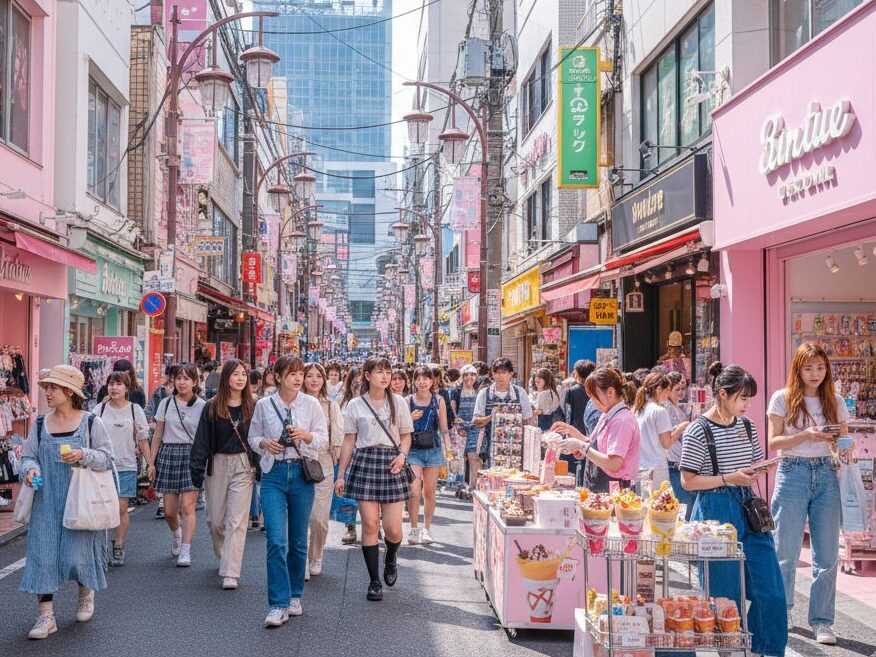
Harajuku, between Shibuya and Shinjuku in Tokyo, is the best-known neighborhood for kawaii culture. The area combines youth fashion, character goods, themed cafés, and street snacks into a concentrated dose of color and creativity.
Takeshita Street is the main artery of kawaii Harajuku. This narrow, pedestrian street is filled with small fashion boutiques, accessory shops, and dessert stands. Look for:
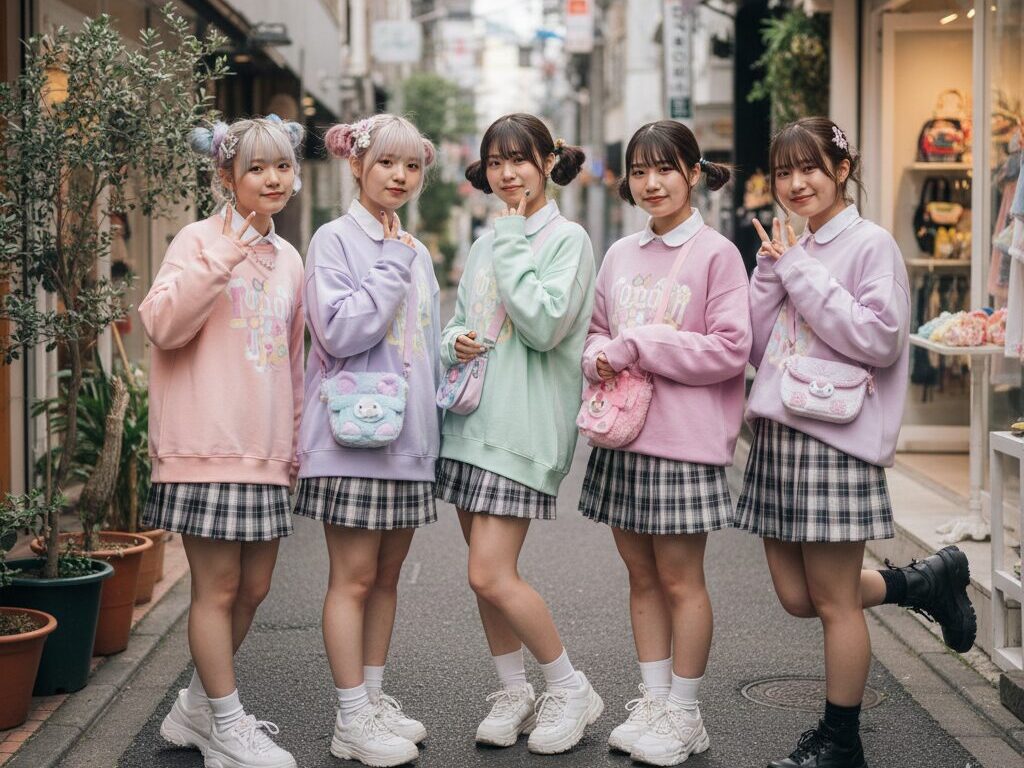
- Fast-fashion kawaii boutiques selling pastel skirts, oversized sweaters, and character-print T-shirts.
- Accessories shops filled with hair clips, socks, earrings, and smartphone cases decorated with bows, sparkles, and cartoon motifs.
- Crepe stands offering elaborately decorated crepes with whipped cream, fruit, cake slices, and chocolate art—very photogenic and very kawaii.
Just off the main street, you can find multi-story character stores and costume shops where you’ll see lolita dresses, cosplay outfits, and colorful wigs. Even if you’re not planning to dress up, browsing is half the fun and offers a window into how seriously some fans take their kawaii style.
Shibuya and Shinjuku: Urban Kawaii in the Big City
Nearby Shibuya and Shinjuku districts also showcase kawaii, but in a more mainstream, city-center way. In Shibuya, you’ll find large department stores and fashion buildings with entire floors dedicated to cute clothing, accessories, and cosmetics. Look for:
- Character shops in large malls selling popular mascots, anime goods, and limited-edition collaborations.
- Game centers (arcades) with UFO catcher claw machines packed with plush toys and character merchandise. Even if you don’t play, watching locals strategize is entertaining.
- Photo sticker booths (purikura) where you can take enhanced selfie shots with big eyes, sparkles, and themed frames. It’s an easy, inexpensive souvenir of your kawaii adventure.
In Shinjuku, explore multi-story electronics and hobby stores for character-themed gadgets, phone accessories, and figurines. You’ll notice that even serious technology retailers embrace kawaii packaging and mascots.
Osaka’s Amerikamura and Dotonbori
Outside Tokyo, Osaka has its own take on kawaii, with a slightly bolder and more humorous edge. Amerikamura (“America Village”) is a youth culture district near Shinsaibashi where Japanese street style, vintage fashion, and K-pop-inspired looks mix freely. Expect:
- Streetwear with cute graphics and playful prints.
- Second-hand shops where kawaii accessories and character clothing appear alongside US and Korean brands.
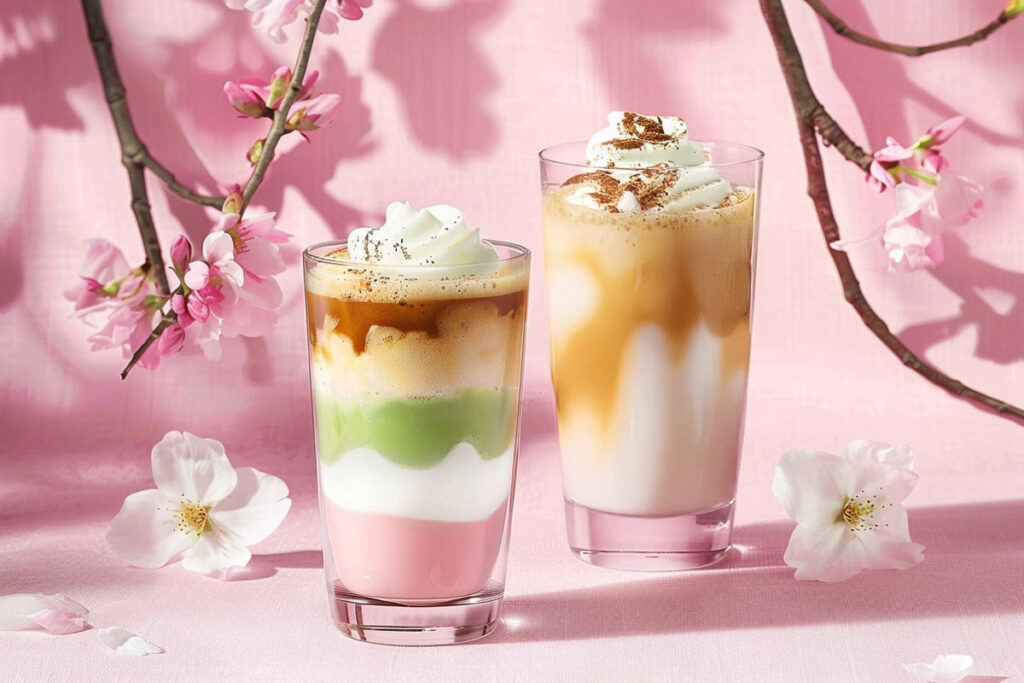
- Cafés that incorporate character designs into drinks and desserts, ideal for photos.
In nearby Dotonbori, giant 3D signboards of crabs, pufferfish, and gyoza add a different kind of “big kawaii” to the streetscape. Here, cute meets over-the-top, a very Osaka-style way to enjoy the concept.
Themed Cafés and Character Experiences
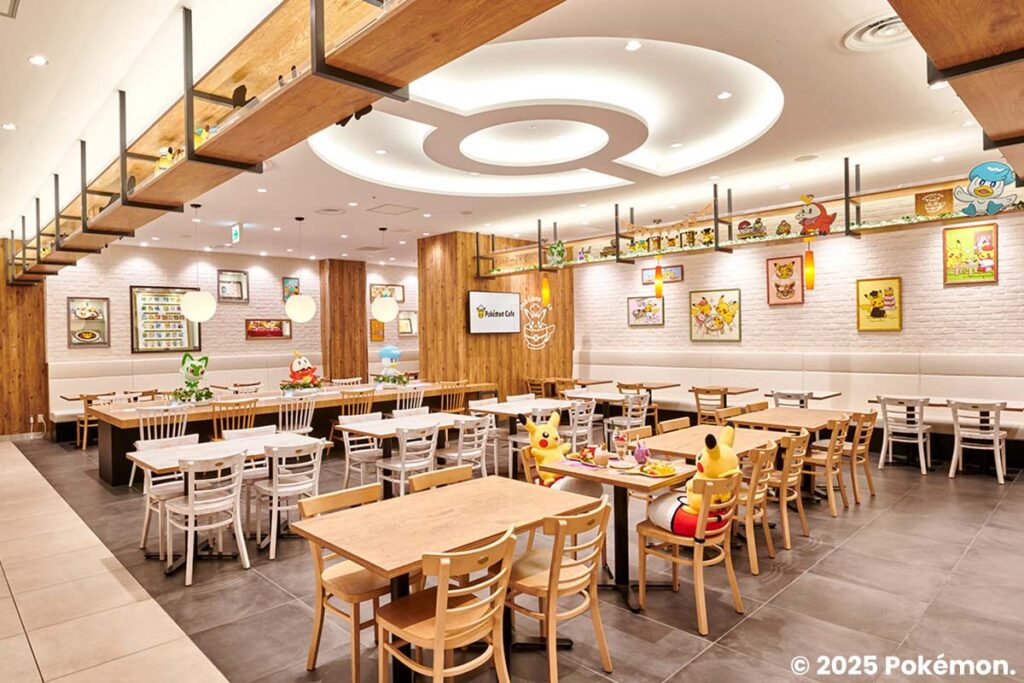
Themed cafés are one of the most accessible ways for visitors to immerse themselves in kawaii. These venues decorate their interiors, menus, and even staff uniforms around a particular character or concept.
Common types include:
- Character cafés based on famous mascots and anime. Expect latte art faces, character-shaped pancakes, and souvenir placemats you can take home.
- Animal cafés featuring cats, owls, hedgehogs, or dogs. While they look very kawaii, always choose places with clear rules about animal welfare and limited visitor numbers.
- Art and concept cafés that use pastel interiors, heart-shaped chairs, flower walls, and decorated drinks to create an Instagram-ready kawaii setting.
Many popular character cafés use online reservation systems and operate time slots of about 60–90 minutes. Check official websites before visiting, especially on weekends and holidays, when they can book out quickly.
Everyday Kawaii: Finding It Beyond Tourist Spots
Cute Stationery, Souvenirs, and Daily Goods
Kawaii isn’t limited to special districts. Some of the most charming discoveries happen in everyday stores:
- 100 yen shops offer an incredible range of cute items for around 100 yen plus tax: bento boxes, chopsticks, stickers, notebooks, and kitchen tools shaped like animals or characters.
- Stationery stores and bookstore chains stock beautifully designed notebooks, pens, washi tapes, letter sets, and planners decorated in soft kawaii styles.
- Drugstores and cosmetic shops often use kawaii packaging—mascara with cartoon eyelashes, skincare with pastel animals, and limited-edition collaborations with popular characters.
These are ideal for inexpensive, lightweight souvenirs that still feel uniquely Japanese.
Trains, Mascots, and Public Spaces
One striking aspect for newcomers is how often kawaii appears in formal or public contexts. You might notice:
- Train and bus mascots printed on tickets, IC cards, and posters, explaining safety rules with friendly smiles.
- Tourism mascots for each prefecture or city, often designed as human-animal hybrids or stylized local specialties.
- Police and government campaigns using cute illustrations to promote everything from traffic safety to recycling.
This blending of cute and serious is typical in Japan. Kawaii softens messages, making them more approachable and less confrontational. For visitors, it also makes navigation more fun—watch for mascots on signboards to remember train lines or tourist routes.
Understanding Kawaii Fashion and Subcultures
Harajuku Street Styles
While everyday clothing in Japan tends to be fairly understated, certain youth fashion styles fully embrace kawaii. In places like Harajuku, you may encounter:
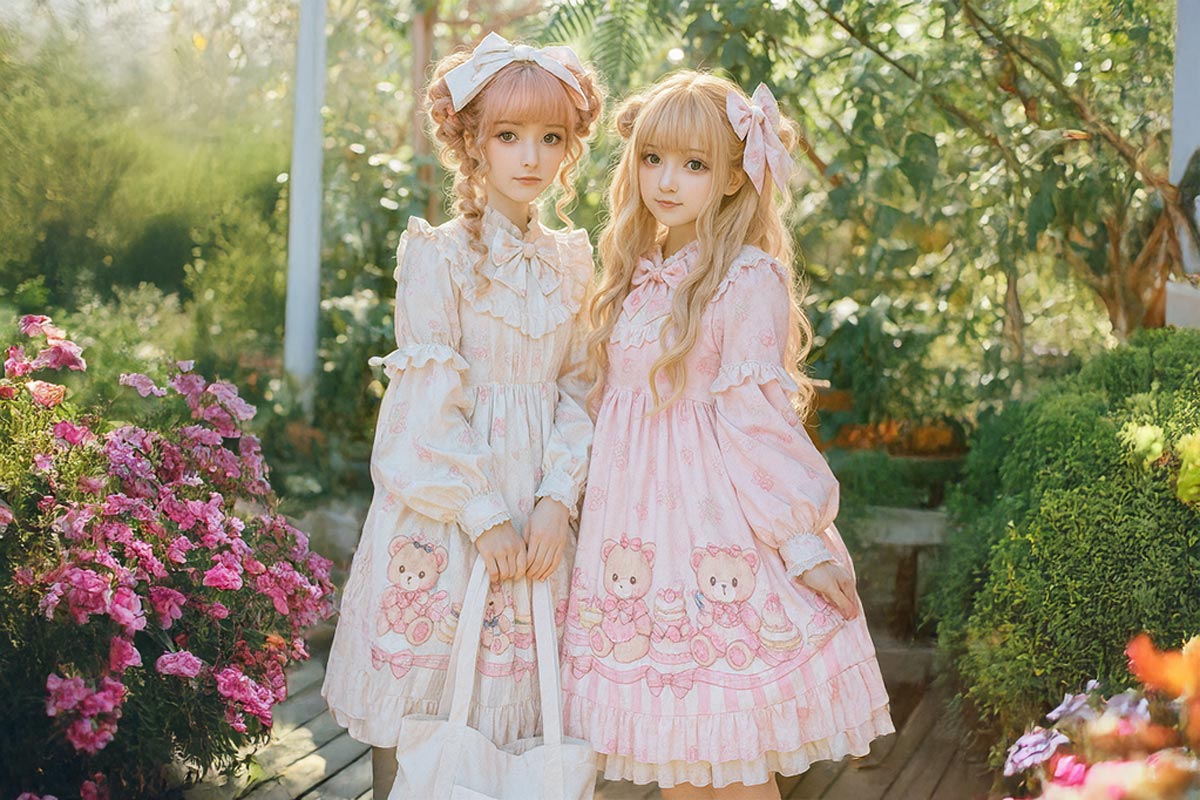
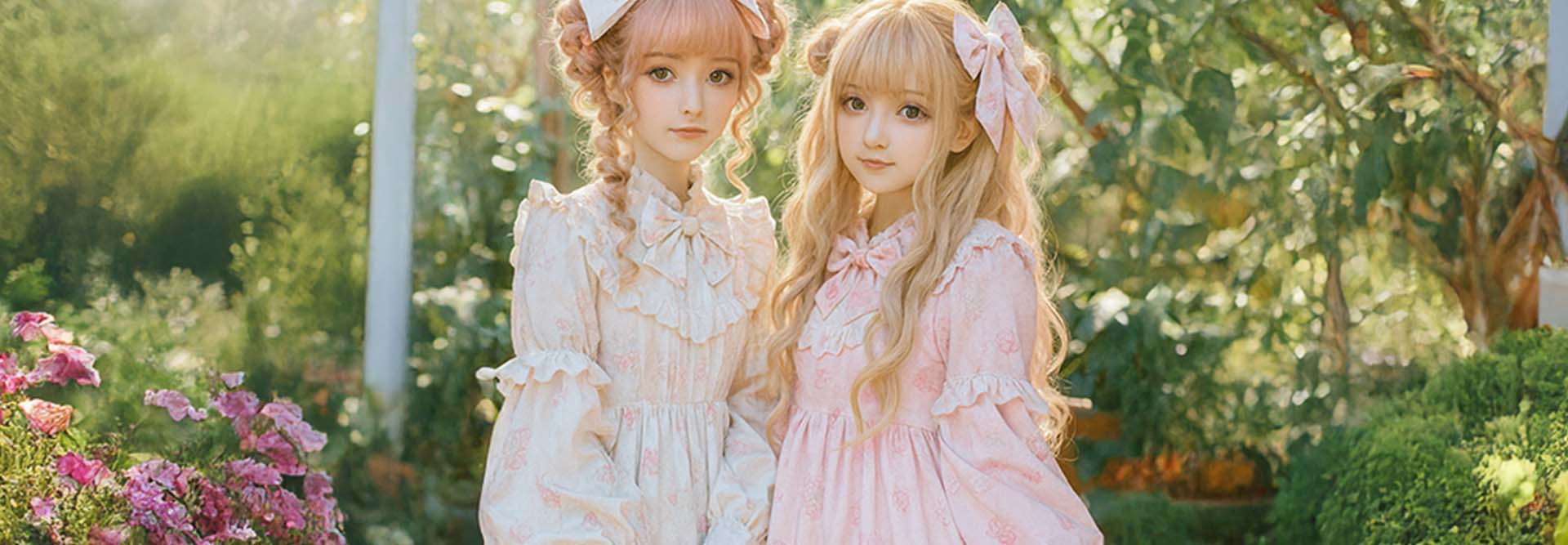
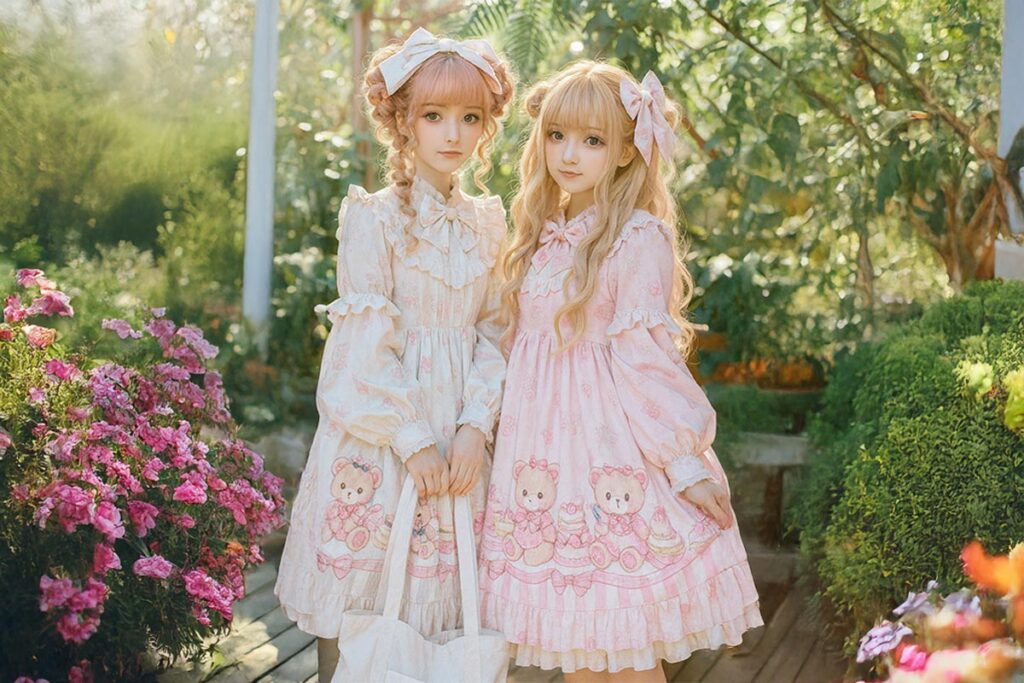
- Sweet Lolita: Frilly dresses inspired by Victorian and Rococo styles, often in pastel colors with lace, ribbons, and petticoats. Accessories include bonnets, parasols, and cute handbags.
- Decora: Layered clothing with many bright colors and a focus on accessories—hair clips, bracelets, stickers, and badges worn in abundance.
- Casual kawaii: Oversized hoodies, graphic T-shirts, platform sneakers, and playful tote bags printed with characters or positive messages.
These styles are often worn on weekends or at events rather than every day. Fashion is a form of self-expression, and many participants appreciate polite compliments but do not want to be treated like tourist attractions. Always ask before taking someone’s photo, and accept a “no” gracefully.
How Visitors Can Dress Kawaii (Comfortably)
You don’t need a full costume to enjoy kawaii fashion. Easy ways to participate include:
- Buying a cute T-shirt or sweatshirt featuring a character or soft pastel design.
- Adding kawaii accessories such as socks, hairbands, keychains, or pins to your usual outfit.
- Choosing a fun tote bag or backpack from a Harajuku or Shibuya shop.
Remember that Japan’s climate varies by season. Choose breathable fabrics in summer, and layer up in winter. You can look kawaii and still be practical for long days of walking and train rides.
Practical Tips for Enjoying Kawaii Culture
Money, Budgeting, and Souvenir Strategy
Kawaii items are tempting and often priced to encourage impulse buying. To avoid going overboard:
- Set a daily or total souvenir budget before exploring Harajuku, game centers, or character shops.
- Limit yourself to items you can use regularly—stationery, pouches, mugs, or T-shirts—rather than purely decorative things you may later store away.
- Check luggage space; plush toys and oversized items can be bulky, even if they are light.
Most shops accept major credit cards and IC cards, but smaller boutiques and some crepe stands may be cash-only. Convenience stores and station ATMs are reliable places to withdraw yen.
Etiquette in Shops and Cafés
Japan’s kawaii spaces are generally welcoming, though a few customs are important:
- No outside food or drink in themed cafés unless specifically allowed.
- Time limits may apply in busy cafés or character venues; check your receipt or ask staff.
- Photography rules vary. Some cafés encourage photos but ask you not to film staff; others have no-photo areas. Look for signs or ask “Shashin, daijōbu desu ka?” (Is taking photos OK?).
- Handling merchandise: avoid opening sealed packages or trying accessories without permission, especially in small boutiques.
A simple “arigatō gozaimasu” (thank you very much) when paying or leaving is always appreciated.
Respecting People and Public Spaces
While kawaii encourages playfulness, politeness remains important:
- Do not touch displays, costumes, or decorations that are clearly for viewing only.
- At events or in crowded areas, keep your voice moderate and avoid blocking doorways or sidewalks for long photo sessions.
- Ask before photographing staff in costume; some companies prohibit it, others are happy to pose.
By following these unwritten rules, you help maintain the gentle atmosphere that makes kawaii spaces enjoyable for everyone.
Planning a Kawaii-Themed Day in Tokyo
For first-time visitors, a simple one-day kawaii itinerary in Tokyo might look like this:
- Morning in Harajuku
Walk Takeshita Street before it becomes too crowded, browse fashion and accessory shops, and enjoy a cute crepe or bubble tea. - Afternoon character shopping
Head to nearby Shibuya or Shinjuku to visit large character stores and game centers. Try a purikura photo booth with friends. - Café break
Reserve a spot at a themed or character café for late afternoon, leaving time to explore the décor and savor kawaii desserts. - Evening stroll
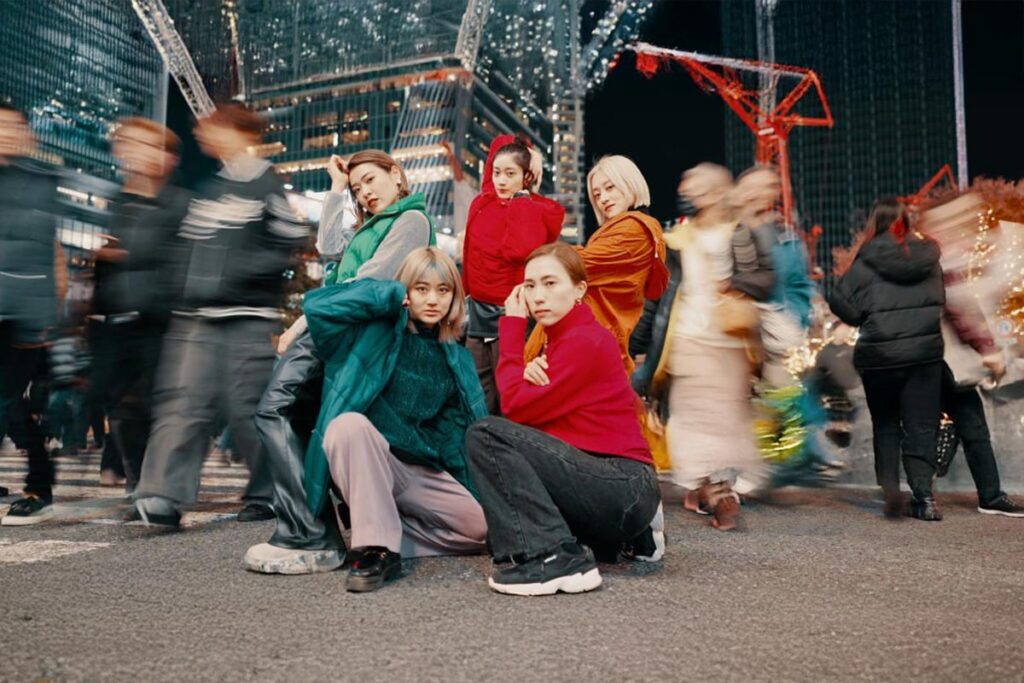
Watch the neon lights and giant screens of Shibuya Crossing or Shinjuku, spotting kawaii mascots in advertisements and shop signs.
This blend of niche and mainstream kawaii gives you a well-rounded feel for how deeply the culture is woven into modern Japanese life.
Why Kawaii Culture Matters
For many visitors, kawaii begins as something fun to photograph and shop for. But as you spend more time in Japan, you may notice a deeper effect. Kawaii offers a form of emotional comfort—soft designs, rounded shapes, and playful characters can make busy cities feel more welcoming and less intimidating. It allows people of all ages to express a lighter side of themselves without embarrassment.
Whether it appears in a child’s backpack, a businesswoman’s phone case, or a city’s tourism mascot, kawaii reflects a cultural preference for harmony, gentleness, and friendliness. Experiencing it firsthand, from crepe stands in Harajuku to character signs in train stations, can add a warm and memorable dimension to your first trip to Japan.
Travel with open eyes and curiosity, and you’ll discover that kawaii is not just a style but a language of joy—one that you can understand without speaking a word of Japanese.
Explore Other Cultures
Kawaii Culture
Street Fashion
Instagram-worthy Spots
Seasonal Limited Items
Character Collaborations
Digital Art & TeamLab
Unique Vending Machines