



Kegon Falls
Kegon Falls Japan Travel Guide for First-Time Visitors
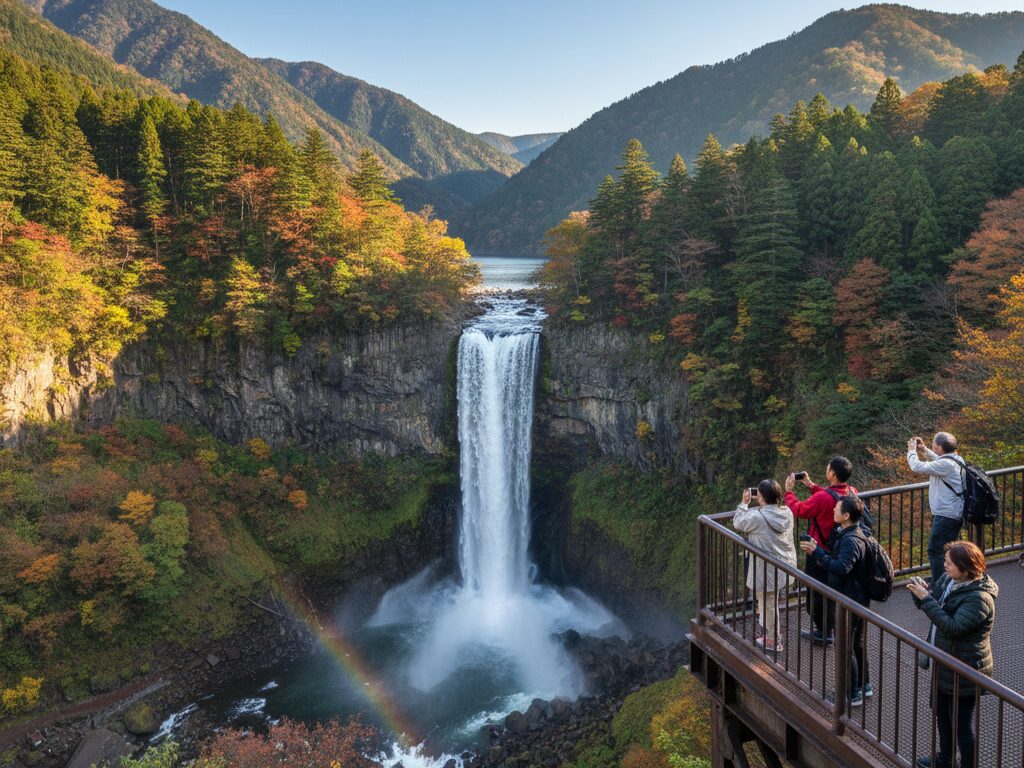
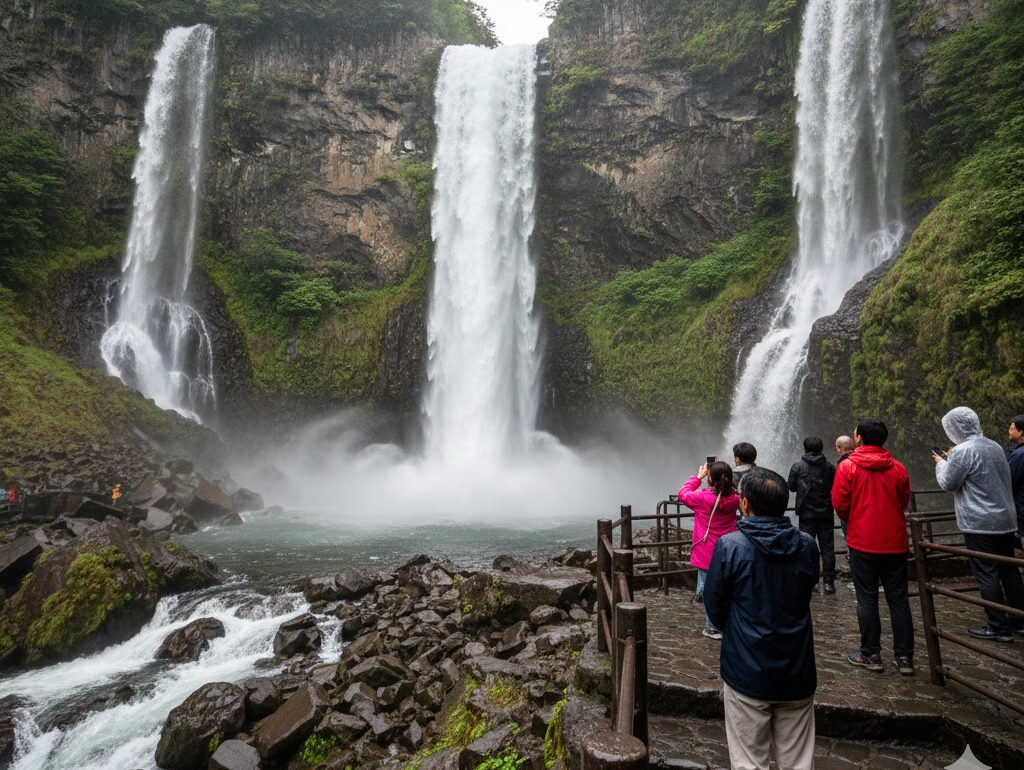
Photos are for illustrative purposes only.
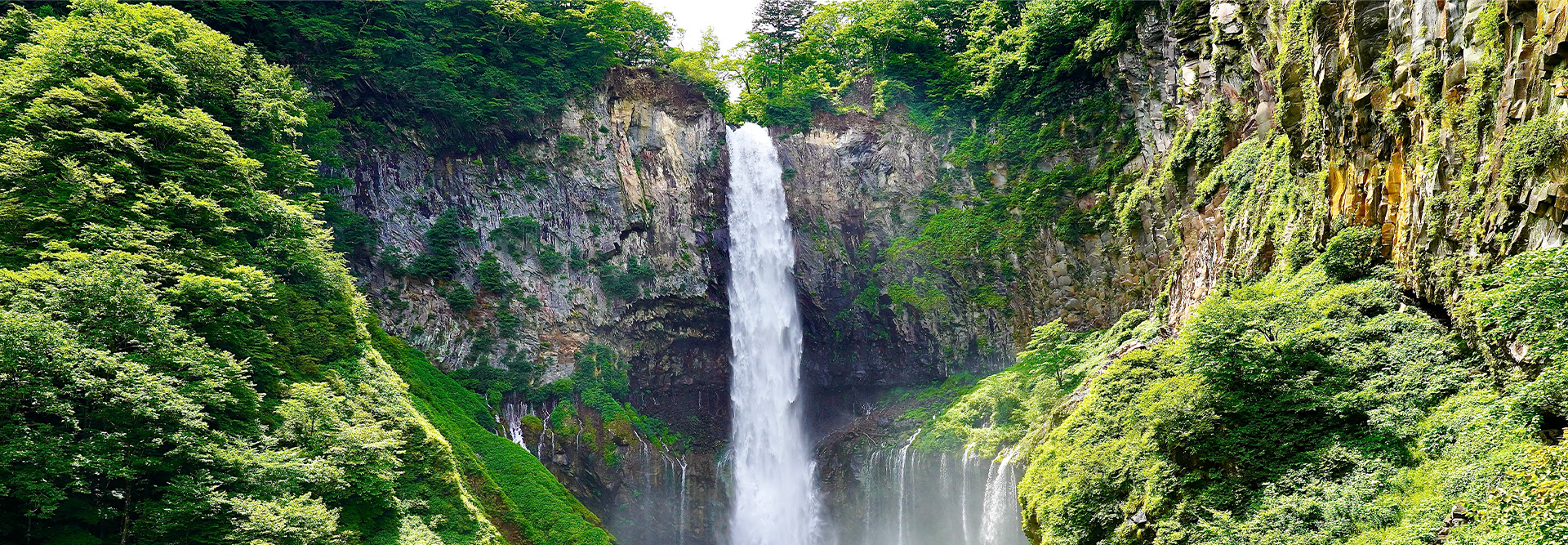
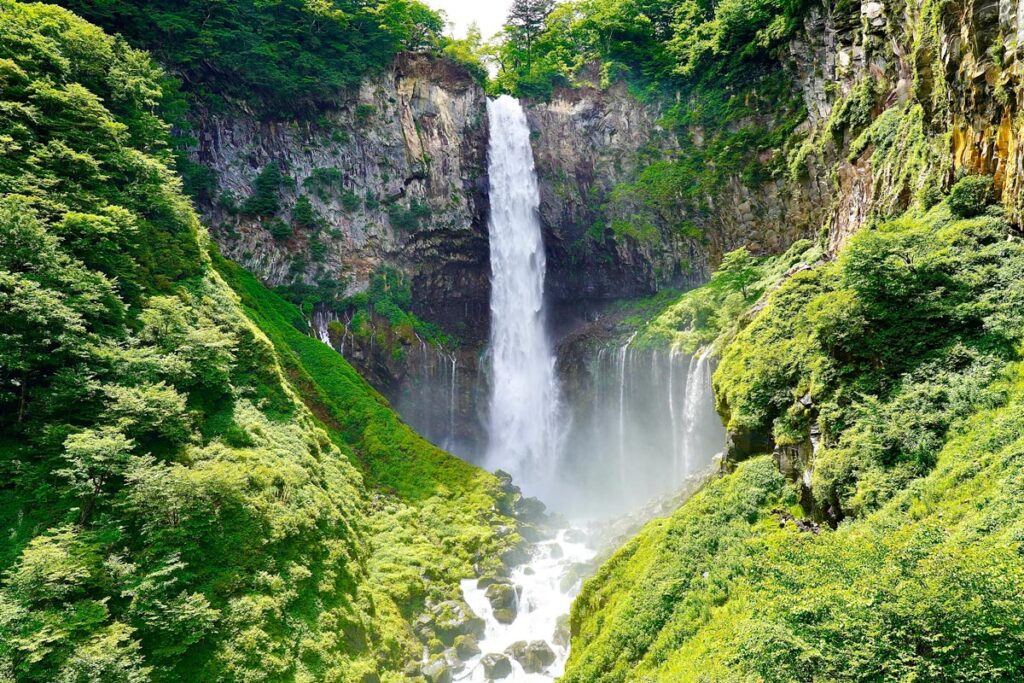
Kegon Falls (Kegon no Taki) is one of Japan’s most dramatic waterfalls and a must-see side trip from Tokyo. Plunging nearly 100 meters from Lake Chuzenji into a rocky gorge, this iconic Nikko landmark blends raw natural power with a serene mountain setting that feels worlds away from the city. If you are planning your first visit to Japan and wondering which day trips truly deserve a spot in your itinerary, Kegon Falls is an excellent choice.
Why Kegon Falls Belongs on Your Japan Itinerary
Japan has countless waterfalls, but Kegon Falls is often ranked among the country’s “Three Great Waterfalls,” alongside Nachi Falls in Wakayama and Fukuroda Falls in Ibaraki. The scale, easy access, and seasonal beauty make it especially appealing for first-time travelers.
Set in the Nikko National Park, Kegon Falls combines dramatic scenery with a compact, well-organized visitor experience. You can admire the falls from a free upper viewpoint, ride an elevator down to a paid observation deck almost level with the base, then stroll along Lake Chuzenji or explore nearby trails and shrines—all within a few hours. It is very possible to visit as a day trip from Tokyo, yet the area also rewards those who linger overnight in a lakeside ryokan (traditional inn).
Where Is Kegon Falls?
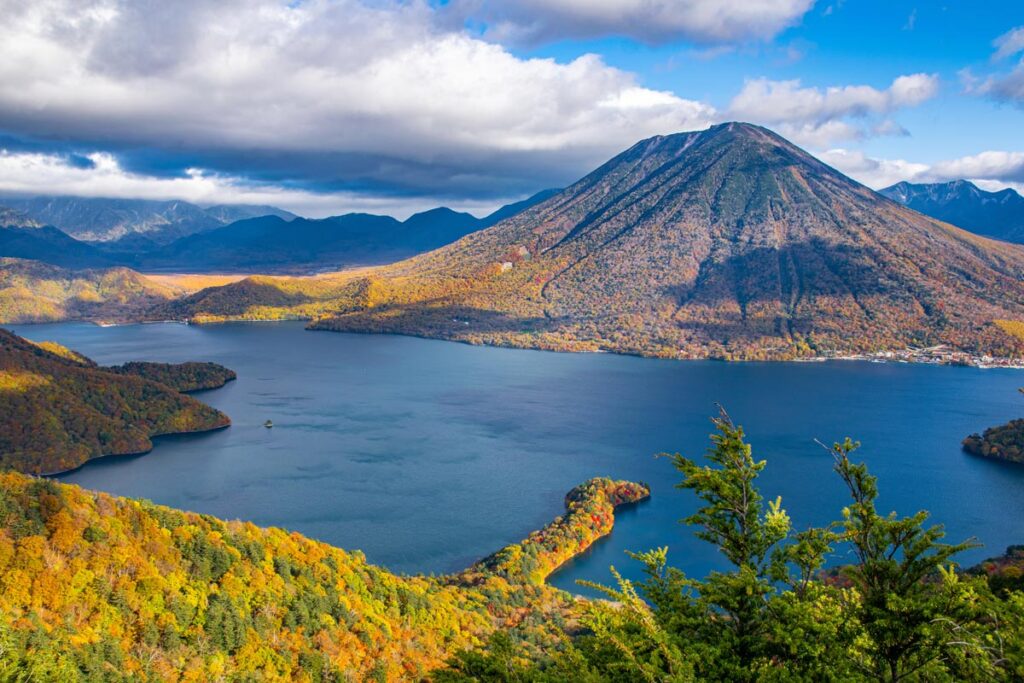
Kegon Falls lies in the Okunikko (“Inner Nikko”) region, above the main town of Nikko in Tochigi Prefecture. The waterfall is fed directly by Lake Chuzenji, which formed thousands of years ago when nearby Mount Nantai erupted and blocked the river. Water from the lake spills over a sheer cliff, creating Kegon Falls and a cluster of thinner side falls that appear like white threads against dark rock.
The site is inside Nikko National Park, so you will be surrounded by protected forest, mountains, and clear air. Although you are only about two hours from central Tokyo by train and bus, the change in climate and atmosphere is striking, especially in summer when Tokyo is hot and humid.
How to Get to Kegon Falls from Tokyo
Reaching Kegon Falls is straightforward, but it does involve a transfer from train to bus. Here is the typical route for first-time visitors:
1. Tokyo or Asakusa to Nikko
By Tobu Railway (popular for tourists):
- From Asakusa Station, take a Limited Express Tobu train toward Nikko or Tobu-Nikko.
- Journey time is around 2 hours, with reserved seats and luggage racks.
- Look for tourist passes that cover round-trip fares and unlimited local buses in Nikko—they are often good value for day or overnight trips.
By JR (Japan Rail):
- From Tokyo or Ueno Station, take a JR Tohoku Shinkansen to Utsunomiya.
- Change to the JR Nikko Line for Nikko Station.
- Total travel time is about 1 hour 45 minutes. This route is convenient if you have a Japan Rail Pass.
2. Nikko to Kegon Falls
Once you arrive at either Tobu-Nikko Station or JR Nikko Station, walk outside to the bus stops. Look for buses headed to Chuzenji Onsen or Yumoto Onsen. These buses climb the famous Irohazaka Winding Road up to the Okunikko plateau.
- Ride time to the Kegon Falls area: about 40 minutes (longer in autumn or on weekends due to traffic).
- Get off at the “Chuzenji Onsen” or dedicated “Kegon no Taki” stop, depending on the bus signage and announcements.
- Irohazaka is a one-way hairpin road with dozens of tight curves and scenic viewpoints. Sit by the window if you enjoy mountain views.
From the bus stop, it is only a short walk to the entrance area for Kegon Falls, marked with signs in Japanese and English.
Understanding the Viewing Areas
Kegon Falls has two main viewing zones: a free upper observation platform and a lower paid area reached by elevator. Both offer distinct perspectives, and most visitors choose to see both.
Free Upper Observation Deck
The free viewpoint is a short, gentle walk from the main entrance area and bus stop. Here you can look directly across the gorge to the falls, with a broad view of the water, cliff, and surrounding forest. On a clear day you may also catch glimpses of the lake and distant peaks.
This spot is ideal for quick photos, families with young children, or anyone who prefers to avoid stairs and crowds. It is also a useful backup if you are short on time, since you can visit without lining up for elevator tickets.
Elevator to the Lower Observation Platform
To get closer to the base of Kegon Falls, head to the building that houses the elevator. Inside you will find a ticket counter with clear signage and prices. After purchasing a ticket, you descend via elevator to a lower deck, almost level with the plunge pool.
Down here, you feel the true power of the waterfall: the roar of water, fine mist on your face, and cool air even in mid-summer. Several viewing terraces allow you to photograph from different angles, and you can often see smaller side falls seeping from the rock layers around the main drop.
Practical notes:
- The path on the lower level can be damp and slightly uneven. Wear shoes with decent grip.
- In peak seasons (especially weekends in October), there can be a queue for the elevator. Try to arrive early in the morning.
- Tickets are sold on-site only; you do not need to book ahead.
Best Time to Visit Kegon Falls
Kegon Falls is impressive year-round, but each season offers a different experience. Consider your priorities—cool air, autumn colors, or winter scenery—when planning your trip.
Spring (March–May)
Spring in the mountains comes a bit later than in Tokyo. Snow may linger in early March, and trees begin to bud through April. By May, fresh green leaves frame the falls beautifully. Spring is a good choice if you want cooler weather without the crowds of peak autumn.
Summer (June–August)
While Tokyo swelters in heat and humidity, Okunikko stays relatively cool. Kegon Falls becomes a natural air conditioner, with refreshing mist rising from the plunge pool. Summer clouds sometimes add drama to photos, but be prepared for sudden showers, especially during the rainy season in June and early July.
Autumn (Late September–Early November)
Autumn is the most famous season for Kegon Falls. The surrounding hills explode into shades of red, orange, and yellow, turning the gorge into a living postcard. The koyo (autumn leaves) season typically peaks from mid to late October around Lake Chuzenji.
This beauty comes with a trade-off: crowds and traffic. Buses and roads can become very busy on weekends and holidays. To make the most of your visit:
- Arrive as early as possible in the morning.
- Consider visiting on a weekday.
- Allow extra time for buses and queues.
Winter (December–February)
In winter, Kegon Falls transforms into a stark, almost monochrome scene. Parts of the waterfall may freeze, creating icy columns beside the flowing water. Snow often blankets the area, and the air is crisp and quiet.
However, it is very cold, and paths can be slippery. Some facilities or nearby attractions may have reduced hours. If you are prepared with warm clothing and good footwear, the reward is a peaceful, less crowded experience and hauntingly beautiful views.
What to Expect on Arrival
The area around Kegon Falls is compact and easy for first-time visitors to navigate. Here is what you will typically find:
- Bus stops: Clearly marked stops for buses heading down to central Nikko or farther into Okunikko.
- Information boards: Maps and signage in Japanese and English outlining viewpoints, trails, and nearby attractions.
- Souvenir shops and snack stalls: Selling local specialties, drinks, and small gifts.
- Restrooms: Public toilets are available near the main entrance area.
From the plaza area, it is only a short walk to the free viewpoint and the elevator building. Paths are paved and mostly flat, making them manageable for most fitness levels.
Cultural and Natural Background
Nikko has long been a place of spiritual retreat. The nearby mountains, forests, and waterfalls were historically considered sacred, and monks and ascetics would come here to practice shugendo (mountain asceticism). Waterfalls in Japan often symbolize purification, and some ascetics practiced misogi, a ritual of standing under cold waterfall spray to cleanse body and mind.
Lake Chuzenji and Kegon Falls are also tied to Mount Nantai, a volcano revered as a sacred mountain. Many visitors still climb Mount Nantai in summer for pilgrimage and panoramic views, passing through a shrine gate at the trailhead. Even if you are not religious, it is worth keeping this spiritual background in mind as you explore—speaking quietly and respecting the natural surroundings adds to the atmosphere.
Things to Do Around Kegon Falls
While the waterfall itself may be the main draw, the surrounding Okunikko area offers plenty to fill a full day.
Stroll Along Lake Chuzenji
Lake Chuzenji’s shoreline is only a short walk from Kegon Falls. The lake sits at an elevation of about 1,200 meters, giving it a cool alpine feel. You can:
- Walk along the lakeside promenade and enjoy views of Mount Nantai.
- Stop at small cafés and restaurants for simple meals or coffee.
- Take short sightseeing cruises in warmer months (usually available seasonally).
Visit Chuzenji Onsen
Close to the lakefront, Chuzenji Onsen is a small hot-spring area with hotels, ryokan, and public baths. Soaking in an onsen after walking around in cool mountain air is a classic Japanese experience. If you are staying overnight, consider booking a room with access to hot-spring baths, some of which offer lake or mountain views.
Combine with Central Nikko’s World Heritage Temples
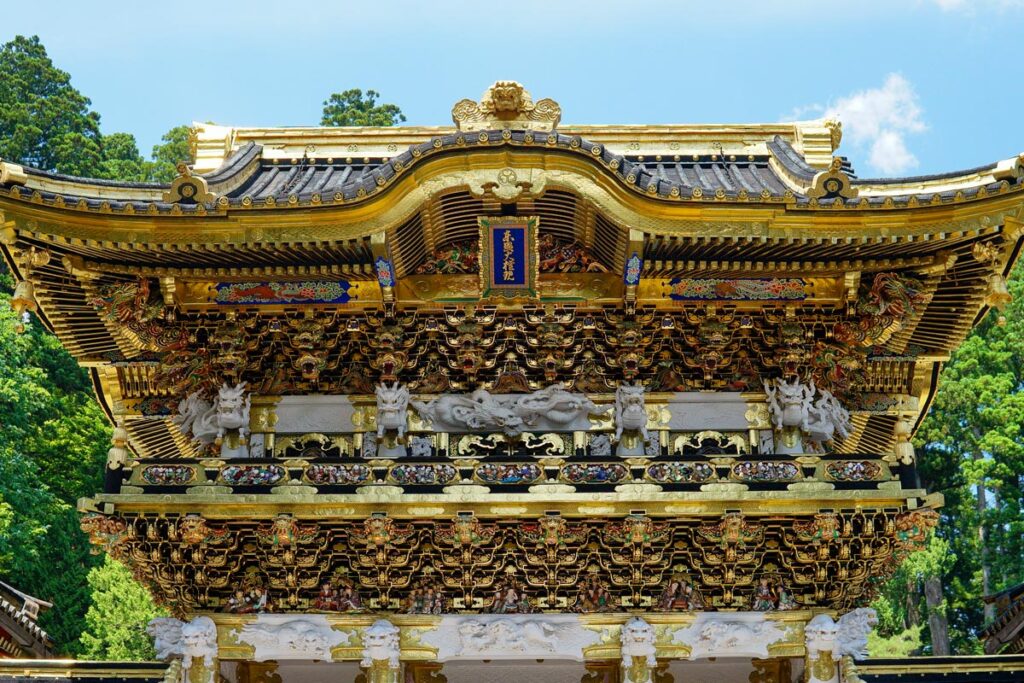
Most first-time visitors combine Kegon Falls with a visit to Nikko’s famous shrines and temples, such as Toshogu Shrine. Plan your timing carefully if you want to do both in one day: visit the temples first in the morning, then head up to Kegon Falls and Lake Chuzenji in the afternoon, or vice versa if you are trying to beat the crowds at the waterfall.
Food and Local Specialties
You will not find fine dining at the falls themselves, but there are plenty of casual options nearby, especially around Chuzenji Onsen.
- Yuba (tofu skin): A Nikko specialty, often served in soups, over rice, or in tempura. Light yet satisfying.
- Soba (buckwheat noodles): Mountain areas like Nikko are known for good soba, served hot or cold.
- Simple snack foods: Grilled skewers, rice crackers, soft-serve ice cream, and seasonal sweets.
Most menu boards feature photos, and staff are used to serving visitors from overseas. Some restaurants offer basic English menus or can help you order by pointing.
Practical Tips for First-Time Visitors
How Much Time Do You Need?
If you are only visiting Kegon Falls and the lakeside area, plan for:
- About 1–1.5 hours for walking, viewpoints, photos, and the elevator.
- Add extra time for a lakeside stroll or meal.
If you combine the falls with central Nikko’s temples and shrines on a day trip from Tokyo, expect a very full day and start early.
Tickets and Costs
There is no fee for the upper observation deck. The elevator to the lower deck requires a separate ticket, generally a modest per-person cost. Bus fares from Nikko to Chuzenji or Kegon Falls can be paid with IC cards (such as Suica or PASMO) or cash. Consider tourist passes that cover both the train and bus if you are planning a round trip from Tokyo.
Clothing and Footwear
- Wear comfortable walking shoes with good grip; surfaces can be wet from mist.
- Bring a light jacket or extra layer, even in summer, as temperatures are cooler than Tokyo.
- Carry a compact umbrella or rain jacket in spring and early summer.
Accessibility
The free upper viewpoint is generally accessible via paved paths with gentle slopes, making it suitable for many visitors with mobility challenges. The elevator itself is convenient, but the lower area includes some stairs and uneven ground. Facilities and layouts can change, so if accessibility is a major concern, check the latest information before your trip and allow extra time.
Safety and Etiquette
- Stay behind fences and railings; the cliffs are high and the ground can be slippery.
- Dispose of trash properly or carry it with you—Japanese national parks are very clean.
- Speak quietly around viewpoints; many visitors come to enjoy the sound of the water and the natural surroundings.
Making Kegon Falls Part of Your Japan Journey
For first-time travelers to Japan, Kegon Falls offers a memorable taste of the country’s wild side without requiring advanced hiking skills or complicated logistics. In just one outing from Tokyo, you can experience mountain scenery, a powerful waterfall, a volcanic lake, and the cool air of a national park that has inspired worshippers and nature lovers for centuries.
Whether you stand at the upper deck watching the water plunge into the gorge, or ride the elevator down to feel the spray on your skin, Kegon Falls is likely to be one of the natural highlights of your trip. Plan ahead, choose your season thoughtfully, and give yourself time to slow down by the lake—you will see a quieter, refreshing side of Japan that contrasts beautifully with the neon streets of the big cities.

Access Map
Recommended spots in Tochigi
Nikko Toshogu Shrine
Kegon Falls
Lake Chuzenji
Top destinations in Kanto Region
Kanagawa
Saitama