



Kenrokuen
Kenrokuen Garden: A First-Time Visitor’s Guide to One of Japan’s Great Gardens
Photos are for illustrative purposes only.
For many first-time visitors to Japan, Kyoto’s temples or Tokyo’s neon streets are the main draw. Yet in Kanazawa, on the Sea of Japan coast, lies one of the country’s most exquisite places to experience traditional Japanese aesthetics: Kenrokuen Garden. Widely recognized as one of Japan’s “Three Great Gardens,” Kenrokuen offers a living lesson in landscape design, seasonal beauty, and quiet everyday culture.
This guide explains what makes Kenrokuen special, how to enjoy it through the seasons, and everything you need to know for an easy, rewarding visit.
What Is Kenrokuen?
Kenrokuen is a vast strolling garden built and refined over nearly two centuries by the powerful Maeda clan, feudal lords of the Kaga domain. The name “Kenrokuen” literally means “Garden of the Six Qualities.” It comes from classical Chinese landscape theory, which says the ideal garden should harmonize six elements:
- Spaciousness
- Seclusion
- Human artistry
- Antiquity
- Watercourses
- Panoramic views
Walking the garden’s looping paths, you can see how these concepts are woven into every detail, from borrowed views of nearby Mount Utatsu to carefully framed ponds, lanterns, and pine trees.
Today, Kenrokuen is a public park and one of Kanazawa’s signature attractions, sitting just beside Kanazawa Castle. It is meticulously maintained; gardeners adjust ropes, trim pines, and rake gravel year-round to preserve the atmosphere of an Edo-period daimyo garden.
Highlights You Should Not Miss
Kasumigaike Pond
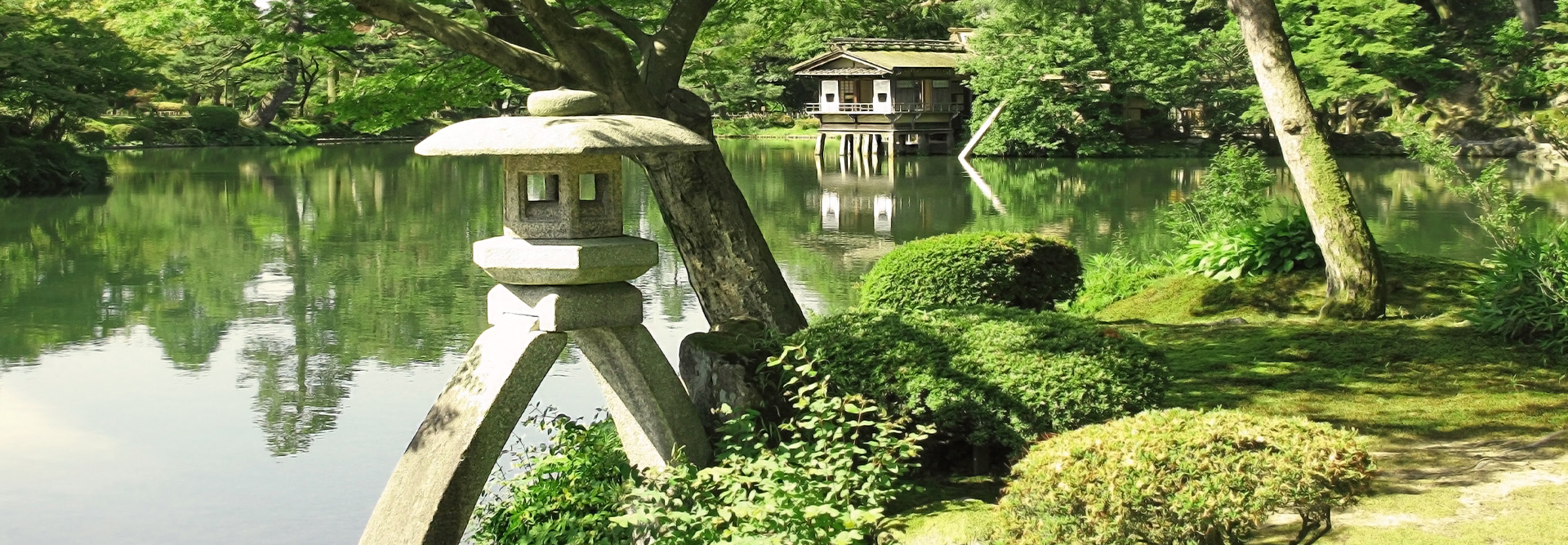
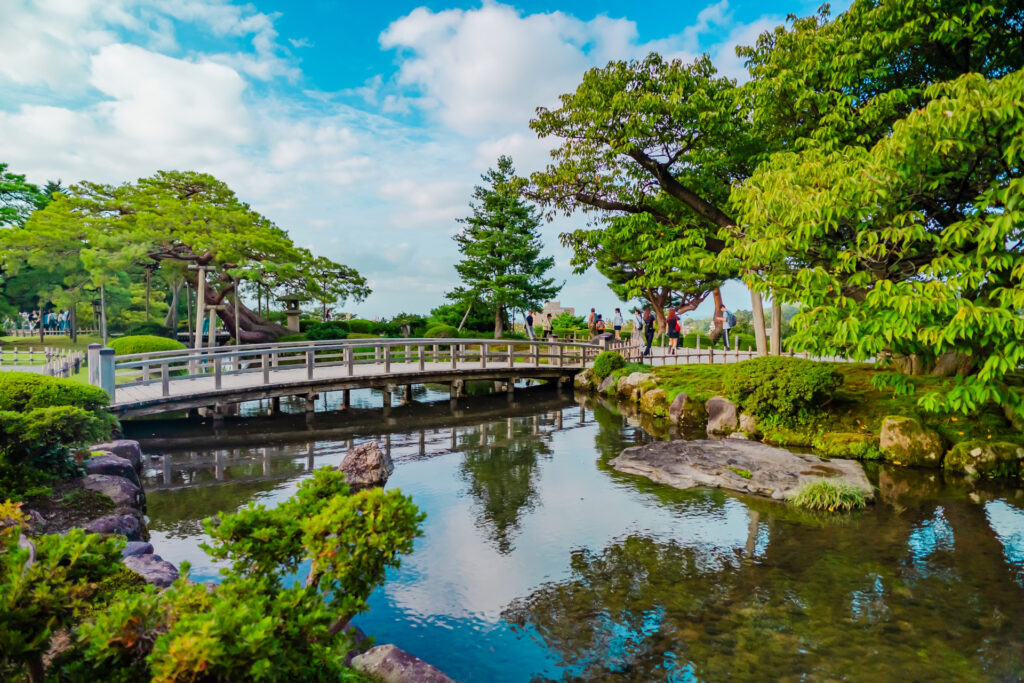
Kasumigaike is the heart of Kenrokuen’s landscape. The large, misty pond is designed to suggest a boundless sea, with a small island symbolizing the mythical home of immortals. Small bridges, stone lanterns, and sculpted pines encircle the water, creating classic Japanese postcard views. Take your time to walk the full circuit; the scenery changes subtly from each angle.
Kotojitoro Lantern
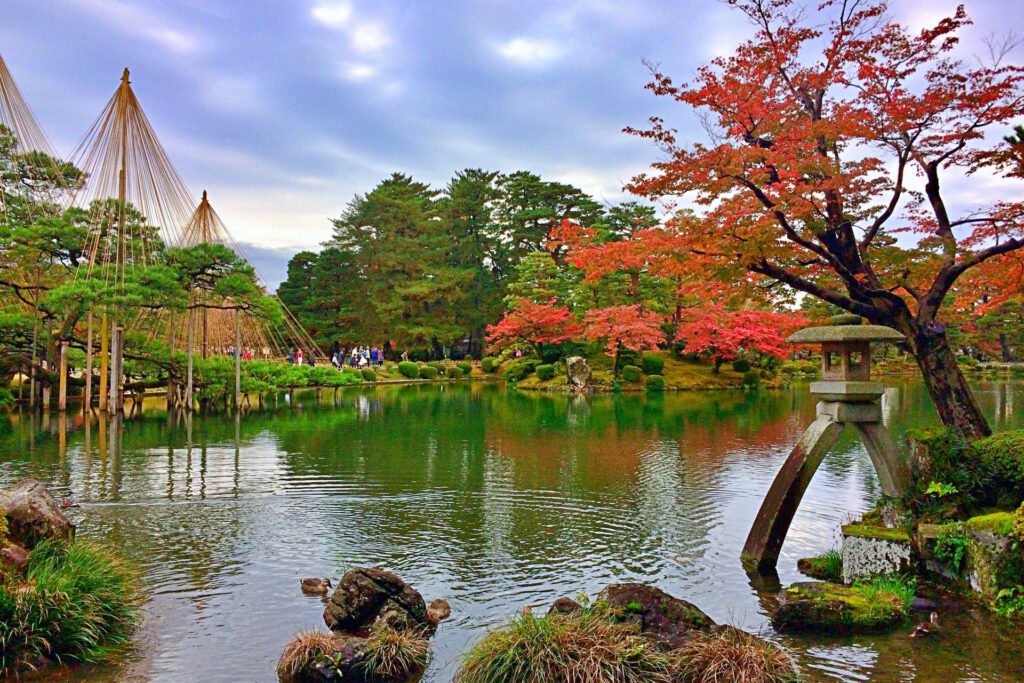
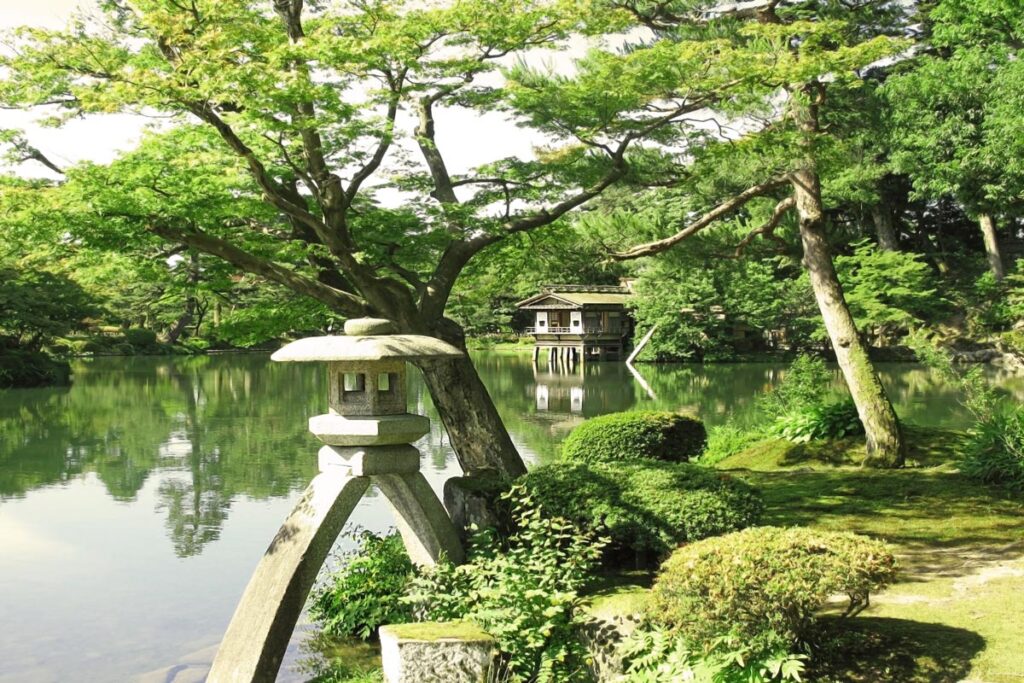
Kenrokuen’s most iconic symbol is the Kotojitoro stone lantern beside Kasumigaike. With its two legs dipping into the water like the bridges of a koto (Japanese harp), it is one of the most photographed spots in the garden. Come early in the morning or late in the afternoon for softer light and fewer people in your photos.
Karasaki Pine
This grand black pine was grown from a seedling brought from Karasaki near Lake Biwa. Its heavy branches stretch wide over the water, supported by wooden posts and, in winter, by elegant ropes. The tree is a testament to generations of careful gardening and symbolizes the Maeda family’s taste and power.
Yukitsuri – Winter Rope Supports
If you visit in winter, look for the graceful conical shapes of yukitsuri: ropes radiating from tall poles to support tree branches from heavy snow. This technique is especially impressive around the Karasaki pine. The combination of ropes, dark branches, and white snow is one of Kanazawa’s most beautiful winter scenes.
Plum and Cherry Groves
Near the eastern areas of the garden you’ll find groves of plum and cherry trees. Plums bloom in late winter to early spring, offering a subtle fragrance and delicate blossoms, followed by the more famous cherry blossoms. During peak seasons, locals stroll slowly, enjoy the flowers, and take family photos under the branches.
Teahouses and Viewpoints
Throughout the garden you will notice historic teahouses and rest spots. Some were used by feudal lords to host guests or enjoy tea while viewing the landscape. One notable spot is Uchihashi-tei, which sits over a pond with views of surrounding greenery. Even if you don’t enter, peeking through the wooden frames and imagining Edo-period tea gatherings adds a layer of cultural depth to your visit.
Seasonal Beauty: When to Visit Kenrokuen
Kenrokuen is designed as a “four-season garden.” No matter when you visit Japan, the garden offers something distinctive.
Spring: Plum and Cherry Blossoms
Spring in Kenrokuen comes in two floral waves:
- Plum blossoms (late February to March): These are earlier and underrated. White and pink blossoms appear while the air is still cool, drawing local enthusiasts rather than big crowds.
- Cherry blossoms (early to mid-April): During peak bloom, paths are lined with soft pink clouds of flowers. The garden sometimes opens for special evening illuminations, creating a magical atmosphere with reflections on the ponds.
Spring is one of the busiest times, so visit early in the morning to enjoy a more tranquil experience.
Summer: Lush Green and Cool Shade
In summer, Kenrokuen becomes an oasis of green. The canopy of pines and maples offers shade, and the sound of streams and waterfalls brings a cooling effect, even on humid days. Irises and other seasonal flowers bloom around the water’s edge. Summer is a pleasant time for a slow, meditative walk and for observing details like moss, stonework, and carp in the ponds.
Autumn: Fiery Foliage
From late October to November, maples and other deciduous trees turn brilliant shades of red, orange, and yellow. Autumn evenings often feature special light-ups that transform the garden into a dreamlike landscape. Reflections of red maple leaves in the ponds are especially photogenic. This is another peak season, so expect crowds but also unforgettable views.
Winter: Snow, Silence, and Yukitsuri
In winter, Kenrokuen reveals its most serene face. A fresh snowfall muffles sound, while the dark trunks of pines create strong contrast with white snow. The yukitsuri ropes resemble geometric sculptures rising above the trees. Even on clear, cold days without snow, the garden feels calmer and more spacious, offering a very different mood from lively spring or autumn.
How to Get to Kenrokuen
Reaching Kanazawa
Kanazawa is easily accessible by train from major Japanese cities:
- From Tokyo: Take the Hokuriku Shinkansen (about 2.5–3 hours).
- From Osaka or Kyoto:Take the express train to Tsuruga, then change to the Shinkansen to get to Kanazawa in about 2.5-3 hours.
Kanazawa Station itself is worth a quick look for its modern glass gate and wooden “drum gate” structure.
From Kanazawa Station to Kenrokuen
Once at Kanazawa Station, you have several options:
- Tourist loop bus: The Kanazawa Loop Bus and other city buses connect the station with Kenrokuen and nearby attractions. The ride takes about 15–20 minutes.
- Taxi: A taxi ride from the station takes around 10–15 minutes.
- On foot: If you enjoy walking, it takes about 30–40 minutes, passing through parts of central Kanazawa.
Kenrokuen has multiple entrances; signs in English help you navigate from bus stops and nearby roads.
Tickets, Hours, and Practical Information
Kenrokuen is a paid garden, but entrance fees are relatively modest compared to major attractions elsewhere in the world. Fees may vary slightly by season or for special openings, but they are generally affordable for most travelers.
The garden typically opens in the early morning and closes around sunset, with slight variations depending on the time of year. Morning visits are especially recommended: you’ll encounter fewer tour groups, gentler light for photos, and a more peaceful atmosphere.
There are toilets and small rest areas inside the garden, and vending machines can be found near some entrances. Benches and open spaces allow you to pause, enjoy views, or simply sit quietly and watch the play of light on water and leaves.
How to Explore: Suggested Walking Approach
Kenrokuen is not a garden to rush through. Instead of following a strict route, think of it as a slow, circular wandering. A simple approach:
- Enter and pause for a moment to adjust to the slower pace. Many visitors take a map at the entrance, which often includes English.
- Head toward Kasumigaike to orient yourself at the garden’s center.
- Circle the pond clockwise or counterclockwise, stopping at the Kotojitoro lantern, bridges, and viewpoints.
- Explore side paths leading to higher viewpoints, teahouses, and groves of plum and cherry trees.
- Finish with a quiet break on a bench or in a small rest house, reflecting on your visit.
Allow at least one to two hours for a relaxed visit; photography enthusiasts or garden lovers may want even more time.
Cultural Etiquette and How to Behave
Kenrokuen is not only a tourist attraction; it is also a place where locals come for seasonal walks, quiet reflection, and family outings. Observing a few simple manners will make your visit more pleasant and respectful.
- Stay on paths: Do not step onto moss, into planted areas, or beyond ropes. The garden’s beauty depends on delicate plantings, and footprints can cause lasting damage.
- Be mindful of noise: Kenrokuen is a place for calm. Keep voices low, especially near teahouses and quiet corners.
- Photography etiquette: Photography is welcome, but avoid blocking paths or monopolizing famous photo spots. Tripods may be restricted in busy periods.
- No littering or picnics on the grass: Use bins provided near entrances, and eat only in designated areas. This helps keep the garden pristine for everyone.
- Respect seasonal decorations: Rope supports, lanterns, and stone features are part of the garden’s design. Do not touch or climb on them.
By following these simple guidelines, you’ll blend more easily into the flow of local visitors and appreciate the quiet dignity of the space.
Kenrokuen and Kanazawa: Making a Day of It
Kenrokuen sits at the heart of Kanazawa’s main sightseeing area, making it easy to combine with other cultural highlights.
Kanazawa Castle
Just across the road from Kenrokuen, Kanazawa Castle Park offers reconstructed castle buildings, imposing stone walls, and broad lawns. The contrast between the structured castle grounds and the flowing forms of Kenrokuen helps you understand how power and aesthetics worked together in the Maeda domain.
Nearby Cultural Districts
Within walking or short bus distance, you can explore:
- Higashi Chaya District: A preserved teahouse quarter with traditional wooden buildings, small shops, and cafes.
- Nagamachi Samurai District: Narrow streets lined with old earthen walls that once enclosed samurai residences.
- 21st Century Museum of Contemporary Art: A modern art museum offering a sharp contrast with Kenrokuen’s classical beauty.
Planning a full day in this area lets you see multiple faces of Kanazawa: feudal, traditional, and contemporary.
Tips for First-Time Visitors to Japan
Kenrokuen is friendly to international visitors, and basic English signage is available. Still, a few general tips will make your visit smoother:
- Cash and cards: Entrance fees and shops increasingly accept cards, but it’s wise to carry some cash, especially for small purchases or bus fares.
- Weather preparation: In Kanazawa, weather can change quickly. Bring a compact umbrella or light raincoat, especially in spring and autumn.
- Footwear: Wear comfortable walking shoes. Paths are mostly easy, but you may encounter slopes, gravel, and occasional uneven stones.
- Language: Simple English is often understood at ticket counters. Having your destination name “Kenrokuen” written in Roman letters or Japanese (兼六園) can help if you need to ask for directions.
Why Kenrokuen Belongs on Your Japan Itinerary
For first-time visitors to Japan, Kenrokuen offers a concentrated experience of what draws many travelers to the country: respect for nature, attention to detail, and an elegant balance of past and present. It is large enough to feel like a small world of its own, yet manageable and welcoming even if you are new to Japanese gardens.
Whether you come in spring to walk under blossoms, in summer to enjoy cool shade, in autumn to see fiery leaves reflected in water, or in winter to admire snowy pines under yukitsuri ropes, Kenrokuen will show you a quiet, timeless side of Japan that stays with you long after your trip ends.
If your schedule allows, pair Kenrokuen with an overnight stay in Kanazawa. Early morning or late afternoon in the garden, when light is soft and visitors are fewer, can turn a simple sightseeing stop into one of the most memorable moments of your journey through Japan.

Access Map
Recommended spots in Ishikawa
Kenrokuen
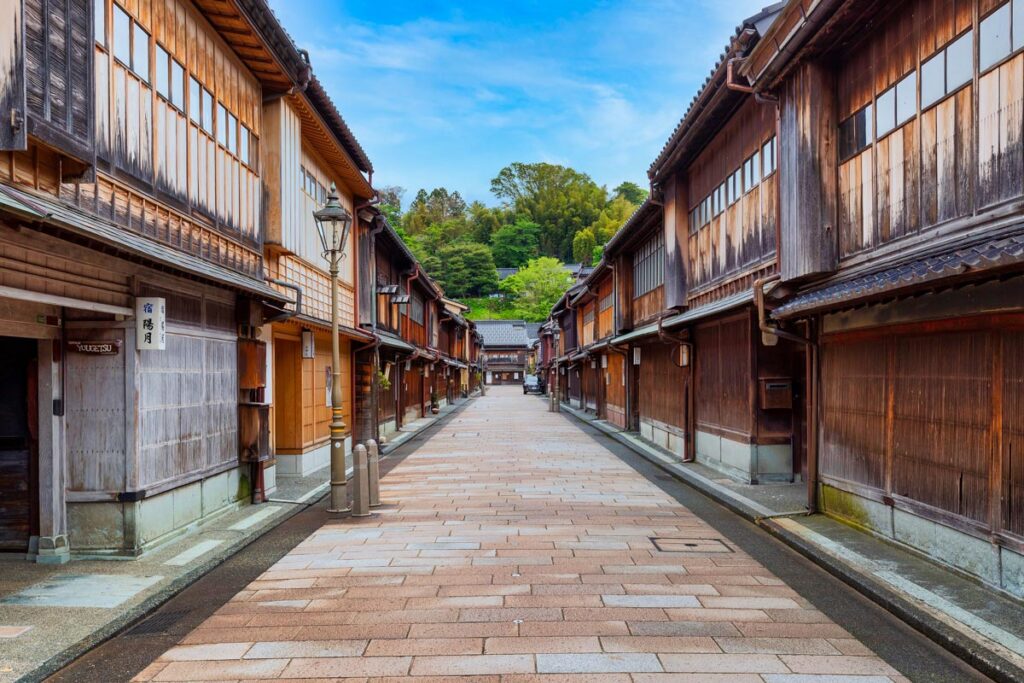
Higashi Chaya District
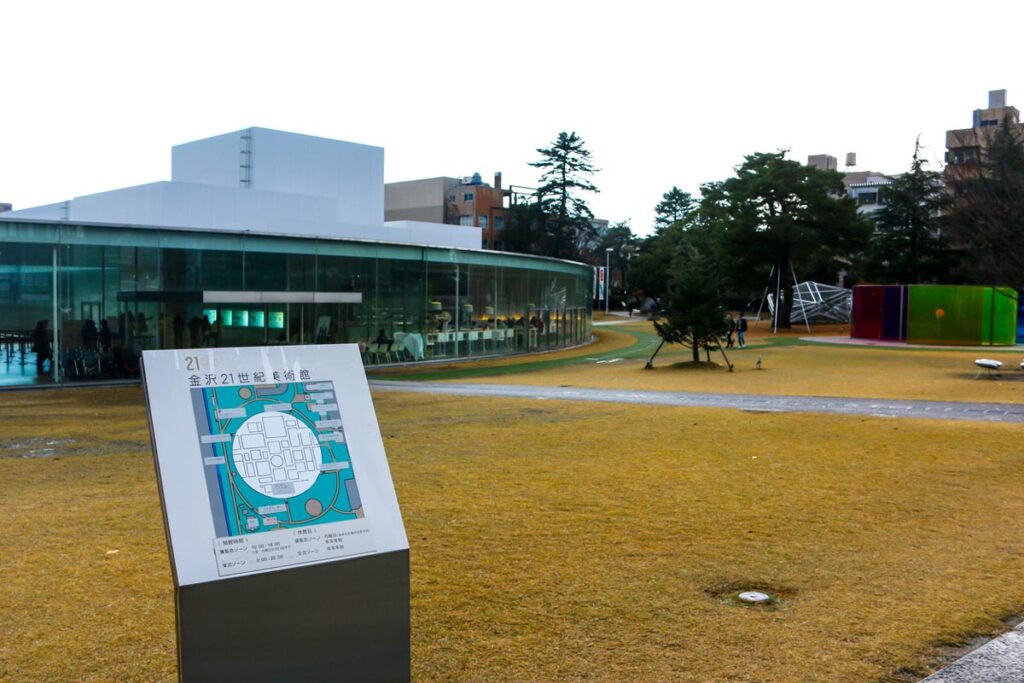
21st Century Museum of Contemporary Art
Top destinations in Chubu/Hokuriku
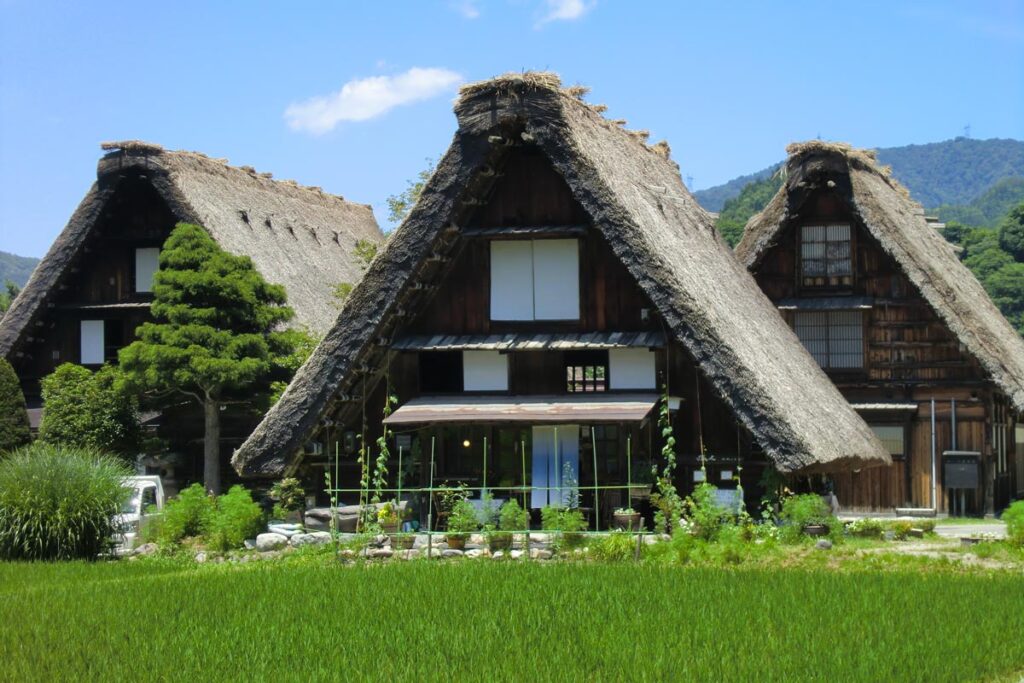
Gifu
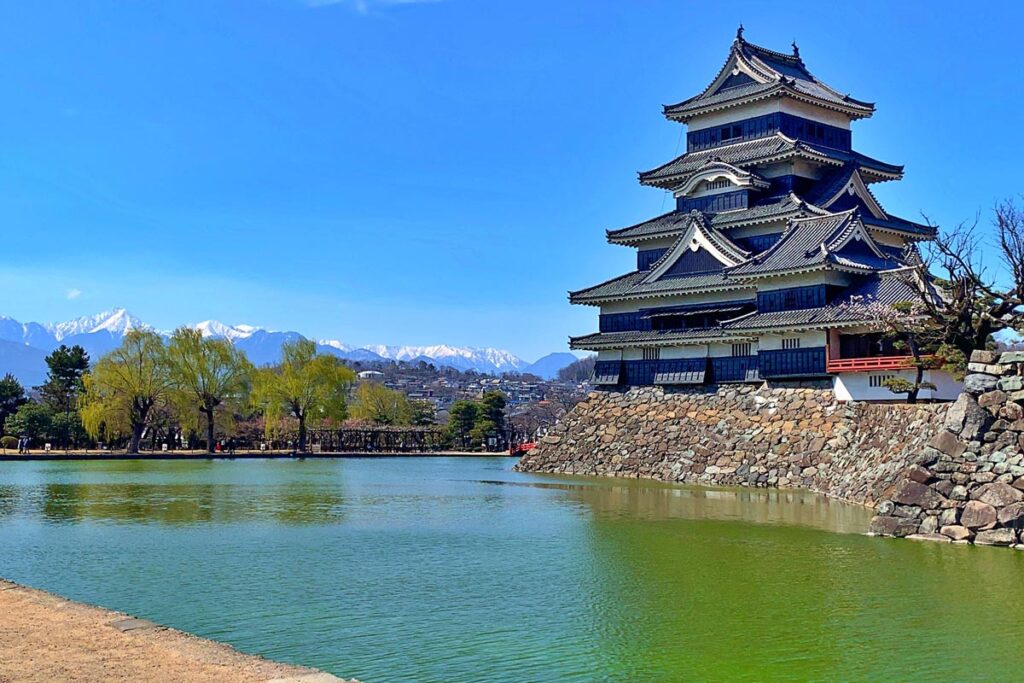
Nagano
Aichi