


Kifune Shrine
Kifune Shrine Travel Guide: A Mystical Valley Escape from Kyoto
Photos are for illustrative purposes only.
Hidden in a cool, forested valley just north of Kyoto, Kifune Shrine (Kifune Jinja) is one of Japan’s most atmospheric sacred sites. Famous for its red lantern‑lined stone steps, flowing river, and water-themed blessings, this shrine offers a refreshing escape from the city and a glimpse into the spiritual roots of Japanese culture.
Why Visit Kifune Shrine?
Kifune Shrine is dedicated to the god of water, believed to control rain and the life-giving power that water brings. For centuries, people have journeyed into this mountain valley to pray for safe voyages, a good harvest, and later, successful relationships.
Today, international visitors come for several reasons:
- A peaceful day trip from Kyoto, set amid lush cedar forests
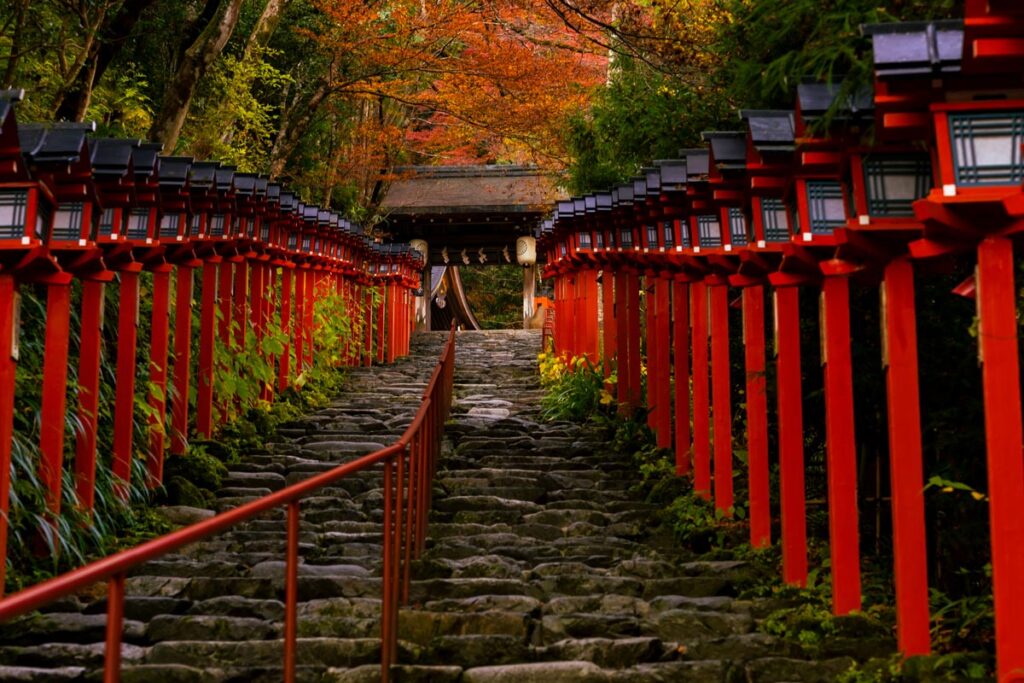
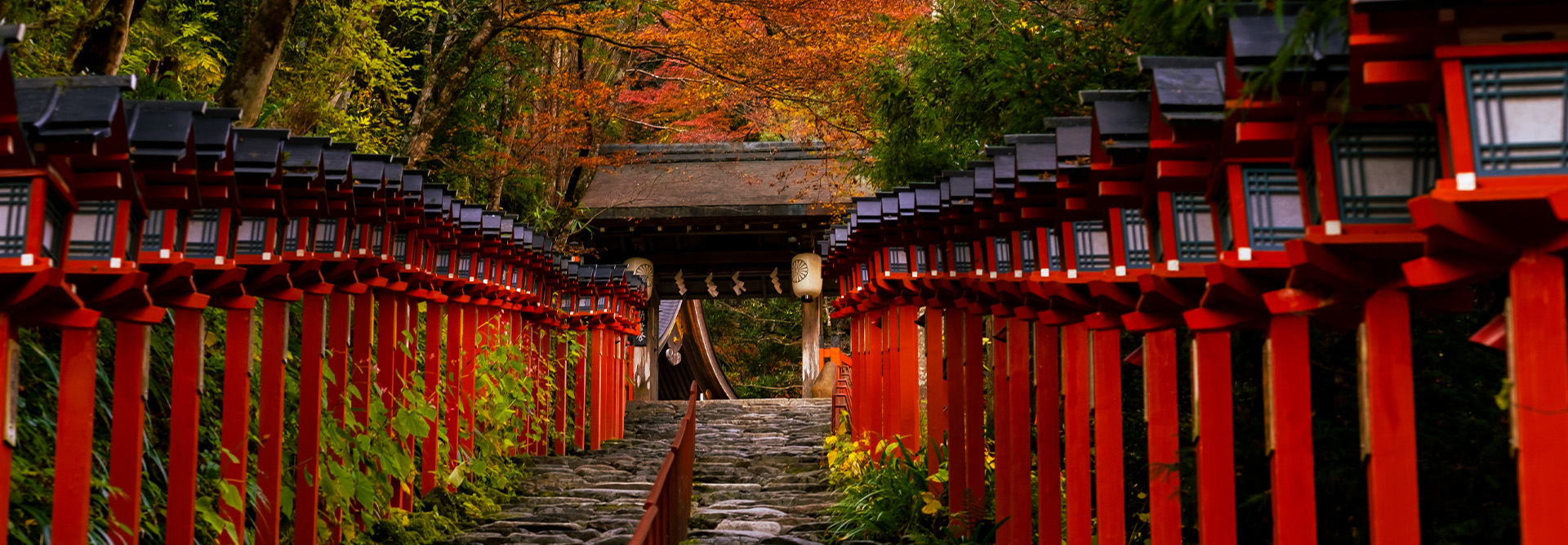
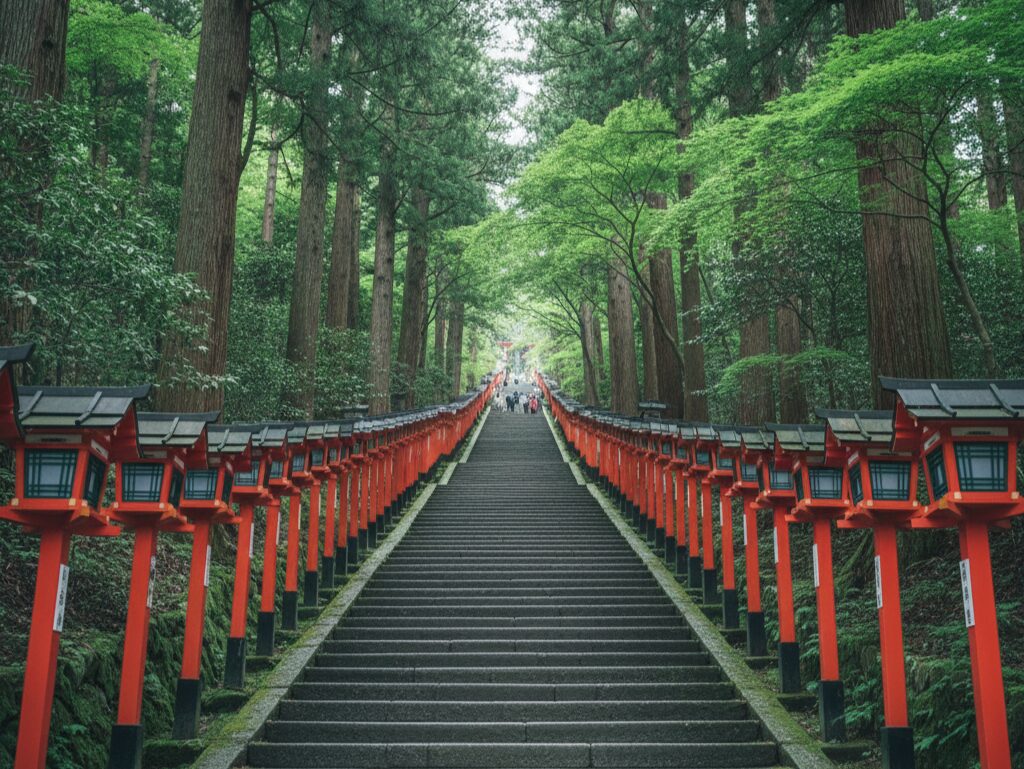
- Iconic photo spots, especially the stone staircase lined with vermilion lanterns
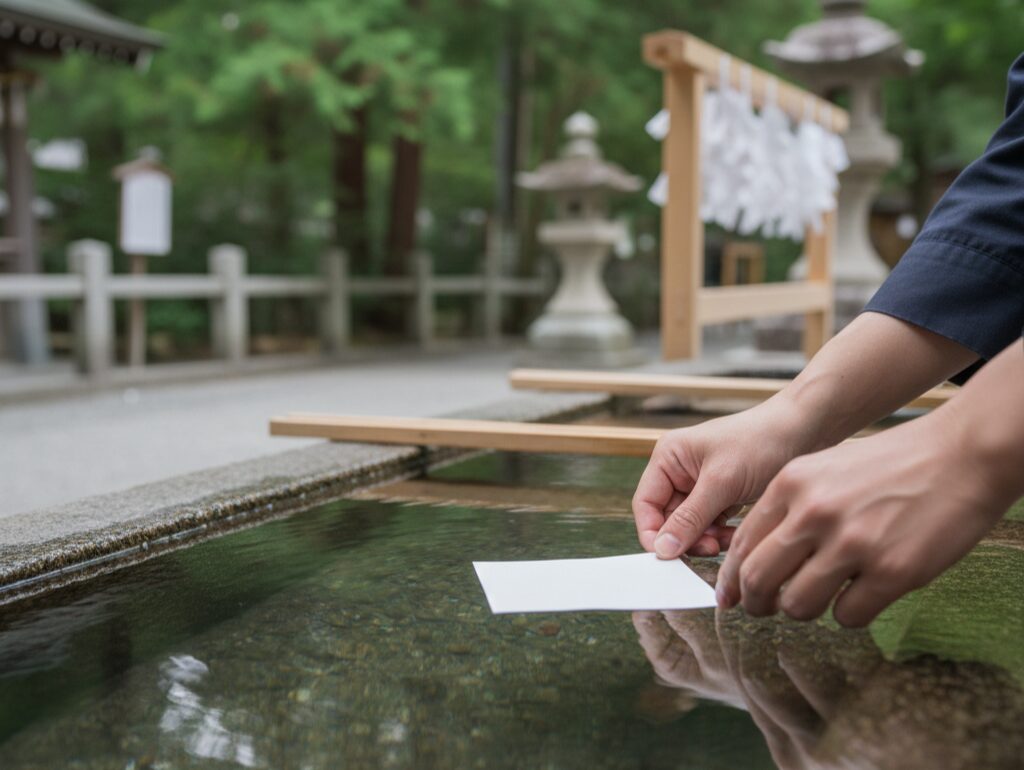
- Unique water omikuji (fortune slips that appear when placed in water)
- Cooler temperatures in summer and magical snow scenes in winter
- Easy access to riverside dining and traditional inns in the Kibune area
A Brief History and Spiritual Significance
Kifune Shrine traces its origins back over a thousand years. According to legend, a goddess traveled by boat from Osaka Bay up the river and into the mountains. Where her boat finally stopped, Kifune Shrine was founded. The characters for “Kifune” can be read as “yellow boat” or “precious boat,” reflecting this myth.
The shrine enshrines Takaokami-no-Kami, a powerful water deity. In ancient times, imperial envoys were sent from Kyoto to Kifune to pray for rain during droughts or to halt destructive storms. Even today, local people visit to pray for water-related blessings: protection from floods, safety at sea, and success in businesses related to food and agriculture.
Over time, Kifune also gained a reputation as a place to pray for love and relationships, particularly at the rear shrine, where couples and singles alike appeal for romantic fortune.
Understanding the Layout: Three Separate Shrines
Unlike many shrines that are contained in a single precinct, Kifune Shrine consists of three main parts stretched along the valley. Allow time to explore each.
1. Hongu (Main Shrine)
The Hongu area is what most visitors picture when they think of Kifune Shrine. After a short walk from the bus stop, you’ll see the famous stone staircase rising toward the main gate, flanked by bright red lanterns. This is one of Kyoto’s most photographed scenes in every season.
Beyond the stairway lies the main worship hall, where visitors bow, clap, and offer prayers. A small stream runs nearby, reminding you that this is a shrine built around water. This is also where you can try Kifune’s signature water fortune slips.
2. Yui no Yashiro (Shrine of Binding Relationships)
A short walk further up the valley brings you to Yui no Yashiro, a smaller shrine dedicated to forming and strengthening ties between people. The Japanese word en-musubi refers not only to romantic relationships but also to bonds of friendship, family, and work.
Visitors write their wishes on wooden ema plaques, often asking for help finding a partner or nurturing an existing relationship. The shrine is popular with couples as well as solo travelers hoping for good fortune in love.
3. Okunomiya (Inner Shrine)
Further into the valley is Okunomiya, the innermost and most mysterious of the three. Surrounded by towering trees and mossy rocks, it has a quieter, more secluded atmosphere.
Okunomiya is believed to stand near the original site of Kifune Shrine. It’s an excellent place to experience Japan’s concept of shinrin-yoku (forest bathing): allowing the sounds of the river and wind through the trees to restore your senses.
Highlights and Unique Experiences
The Lantern-Lined Stone Steps
The steep staircase at the entrance to Hongu, edged with wooden lanterns, is the shrine’s most iconic sight. In the daytime, the vivid red lanterns stand out against the greenery; in the evening, they glow softly, creating a dreamlike scene.
Steps can be slightly uneven and slippery in rain or snow, so wear sturdy shoes. There is also a gentler side path for those who wish to avoid the full staircase.
Water Omikuji: Fortunes Revealed by the River
Kifune’s water omikuji are one of its most memorable experiences. You first purchase a blank-looking fortune slip at the office. Then, at the designated water basin, you place the paper on the surface. As it absorbs the water, text slowly appears.
Fortunes are usually graded from great blessing to small curse, and cover areas like love, work, and travel. If the fortune predicts something unlucky, you can tie the slip to a nearby rack to leave the misfortune behind. This tradition reflects the shrine’s belief that water can purify and carry away negativity.
Seasonal Beauty in Kibune Valley
Kifune Shrine’s appeal changes dramatically with the seasons, making it worth visiting at different times of year if you can.
- Spring (March–May): Fresh green leaves appear on the mountains, and cherry blossoms bloom in the wider Kyoto area. The valley feels clean and bright after winter.
- Summer (June–August): The surrounding forest is deep green and the air is noticeably cooler than in central Kyoto. This is prime time for riverside dining platforms known as kawadoko, where restaurants build decks over the flowing water.
- Autumn (November): Maple leaves turn brilliant shades of red and orange, drawing many domestic visitors. Evening illuminations are often held, lighting the lantern-lined steps and colorful foliage.
- Winter (December–February): On snowy days, the shrine takes on a hushed, otherworldly beauty. The stone steps and lanterns blanketed in white make for striking photos, though access may be more limited in heavy snow.
How to Visit from Kyoto
Kifune Shrine is located in the village of Kibune, about an hour north of central Kyoto, and is commonly combined with nearby Kurama.
By Train and Bus
- From Demachiyanagi Station in Kyoto, take the Eizan Railway line to Kibuneguchi Station. The ride through the mountains is part of the charm, especially in autumn.
- From Kibuneguchi, you can either walk about 30 minutes up the valley or take a short local bus ride to the Kibune area near the shrine entrance.
Trains and buses run regularly, but schedules are less frequent early in the morning and in the evening. Check times in advance if you plan to stay late for illuminations.
Combining with Kurama
Many travelers hike between Kibune and Kurama, another mountain village with a famous temple and hot springs. The trail over Mt. Kurama takes about 2–3 hours at a relaxed pace and includes forest paths, small shrines, and scenic viewpoints.
A popular plan is to start at Kurama, hike over the mountain to Kibune, visit Kifune Shrine, enjoy a meal by the river, and then return to Kyoto by train.
Riverside Dining and Local Cuisine
One of the most distinctive experiences in Kibune is dining on kawadoko, raised platforms built directly above the river. In summer, restaurants set out low tables and cushions on these decks, allowing cool air and the sound of flowing water to surround you as you eat.
Menus often feature local specialties such as:
- Kyo-ryori: Seasonal Kyoto-style kaiseki cuisine featuring vegetables, tofu, and river fish
- Ayu (sweetfish): Grilled and served whole, a classic river dish
- Somen or soba: Light, chilled noodles ideal for hot days
Some restaurants may require reservations in busy periods, especially weekends and during the summer season. Prices vary, but riverside dining is generally a special-occasion experience rather than a budget meal.
Etiquette and How to Pray at Kifune Shrine
Visiting a Shinto shrine like Kifune is not only about sightseeing; it’s also a chance to participate respectfully in local religious customs. Even first-time visitors can follow a few simple steps.
Purification at the Water Basin
Near the entrance, you’ll find a stone basin with ladles, called a temizuya. This is used to symbolically purify yourself before approaching the main hall.
- Pick up the ladle with your right hand, scoop water, and pour over your left hand.
- Switch hands and pour water over your right hand.
- Pour a little water into your left hand, bring it to your mouth, and rinse lightly (do not touch the ladle directly to your lips).
- Rinse your left hand again.
- Hold the ladle vertically to let the remaining water wash the handle, then return it.
Praying at the Main Hall
At the main worship hall:
- Approach the offering box and bow lightly.
- Throw a coin (any amount) into the box as an offering.
- Bow deeply twice.
- Clap your hands twice.
- Silently make your wish or show gratitude.
- Bow deeply once more.
Photography is usually allowed in the shrine grounds, especially at the steps and paths, but avoid taking photos directly of people praying at the main hall and follow any posted signs.
Practical Tips for First-Time Visitors
Best Time of Day
To avoid crowds, plan to arrive early in the morning or later in the afternoon, especially during autumn foliage and summer weekends. Evening visits, when lanterns are lit, are particularly atmospheric but require attention to train and bus times for your return to Kyoto.
What to Wear and Bring
- Footwear: Comfortable walking shoes with good grip, as paths can be damp and uneven.
- Layers: The mountain valley can be cooler than the city, especially in spring and autumn.
- Umbrella or rain jacket: Weather in the mountains can change quickly. Rain adds to the beauty but makes surfaces slippery.
- Cash: Some small shops and shrines may not accept cards, especially for small offerings and amulets.
Accessibility Notes
Kifune Shrine is in a natural mountain setting, so there are slopes and steps. The iconic stairway is steep, but a side path reduces the number of stairs. Visitors with mobility concerns may find some areas challenging, particularly at the inner shrine and hiking trails.
Souvenirs and Amulets
Like many shrines in Japan, Kifune offers a variety of omamori (protective charms) and ema (wooden prayer plaques). Typical options include amulets for safe travel, success in relationships, and general good fortune.
Because of Kifune’s association with water, you may also find themed items such as charms featuring droplets or waves. Purchasing a small amulet is a meaningful way to support the shrine and keep a tangible memory of your visit.
Integrating Kifune Shrine into Your Japan Itinerary
For first-time travelers to Japan, Kifune Shrine offers a calmer, more contemplative experience compared with major tourist sites like Fushimi Inari Taisha or Kiyomizu-dera. It fits well into:
- A Kyoto stay of three days or longer, as a nature-focused escape from the city center
- A combined day trip with Kurama Temple and Kurama Onsen
- A photography-focused itinerary emphasizing seasonal landscapes
By visiting Kifune, you’ll experience not just another famous shrine, but an environment where river, forest, and spirituality are deeply intertwined. The sound of water, the scent of cedar, and the glow of lanterns at dusk leave a lasting impression—one that many travelers remember long after they’ve left Japan.
Allow yourself time to slow down, listen to the valley, and appreciate why people have been climbing these lantern-lit steps to offer prayers to the water god for over a thousand years.

Access Map
Recommended spots in Kyoto
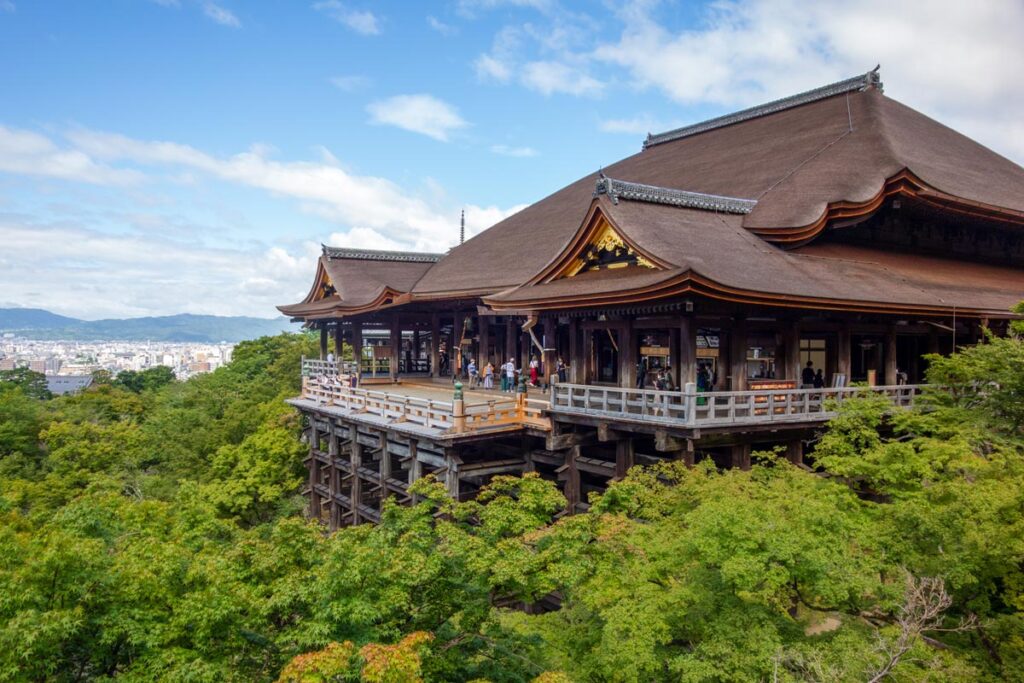
Kiyomizu-dera
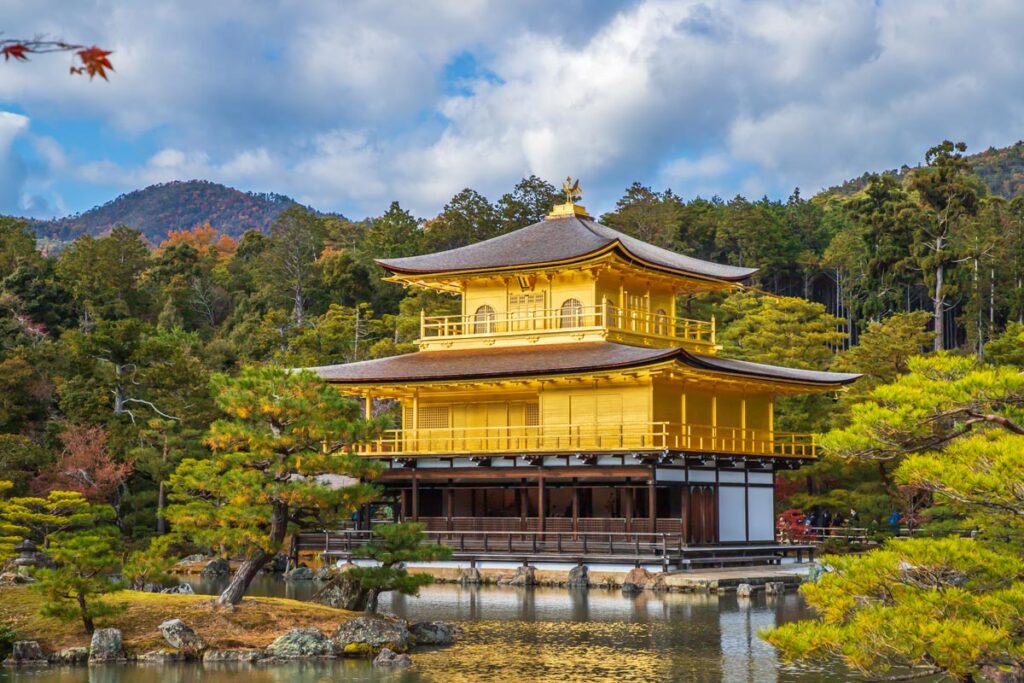
Kinkaku-ji
(Golden Pavilion)
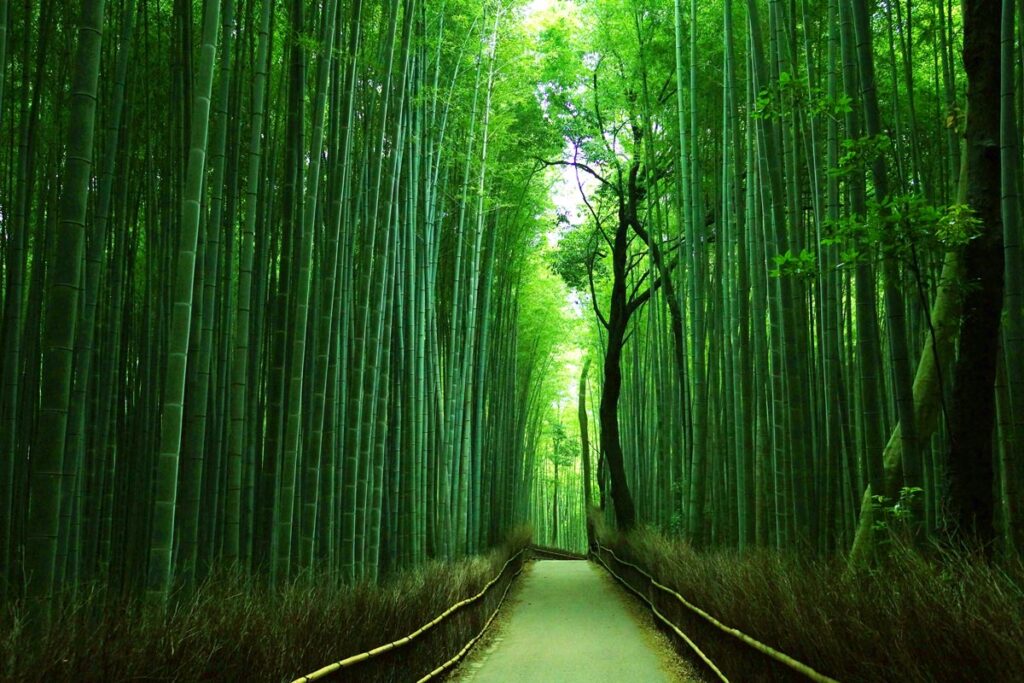
Arashiyama
Bamboo Grove
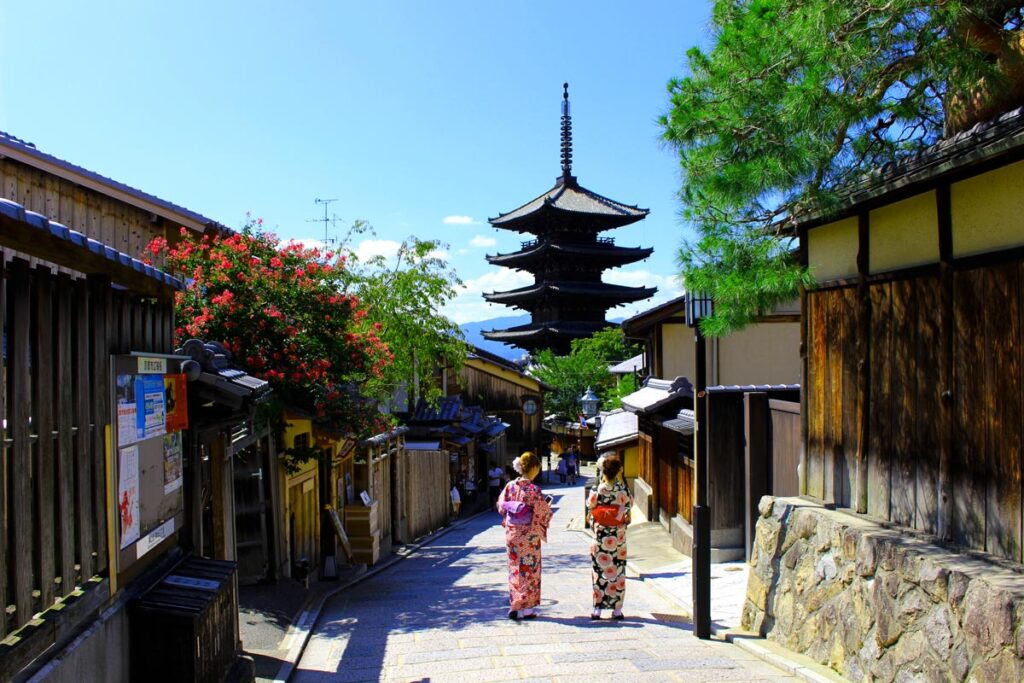
Gion
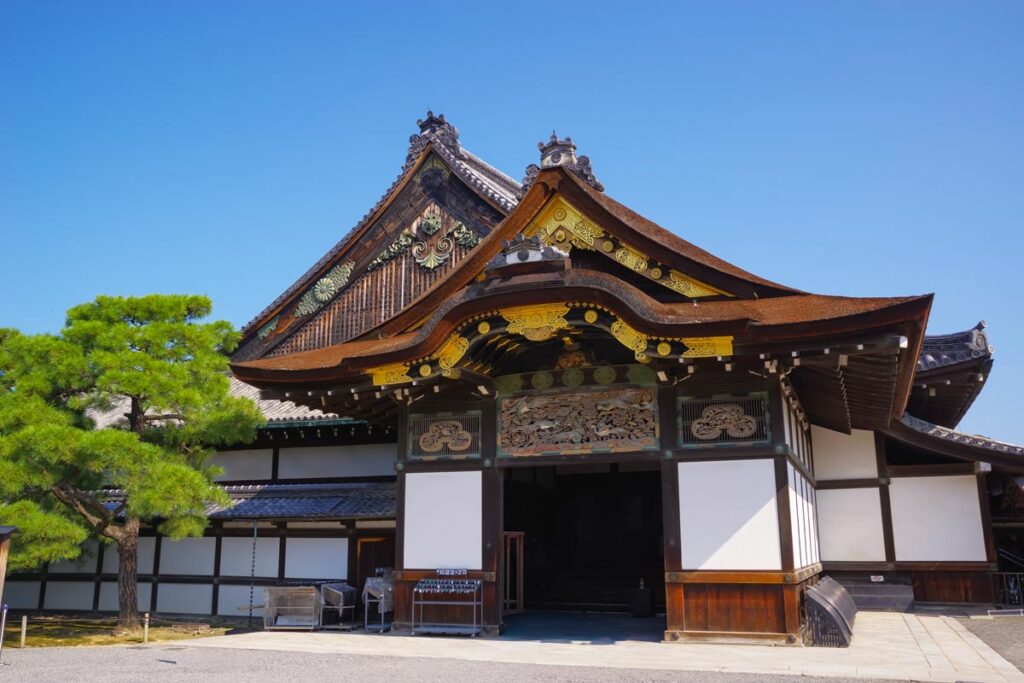
Nijo Castle
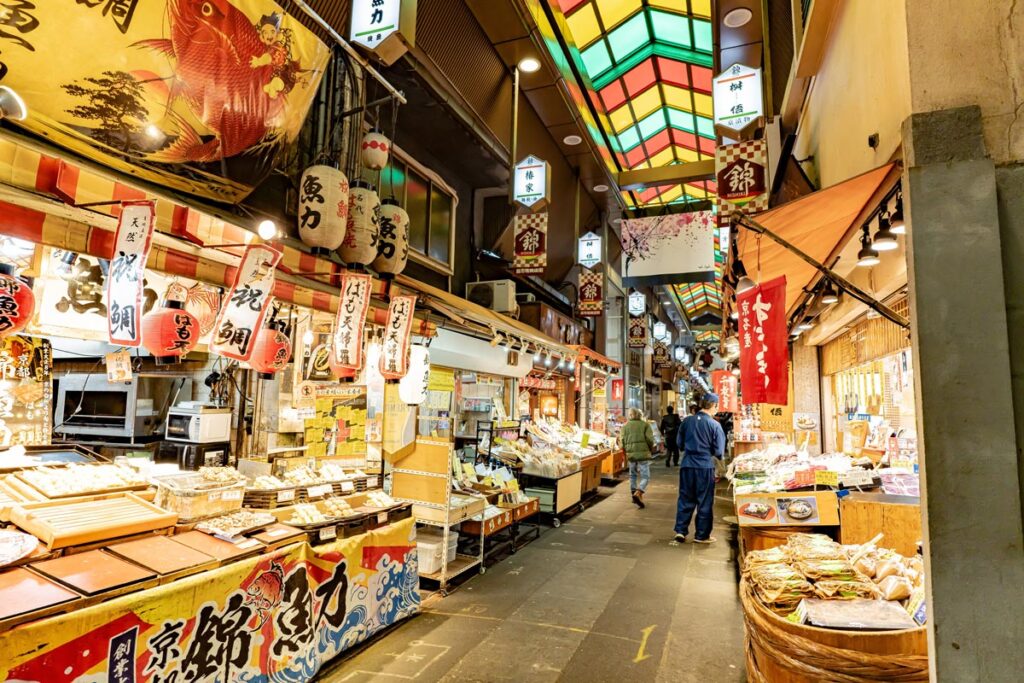
Nishiki Market
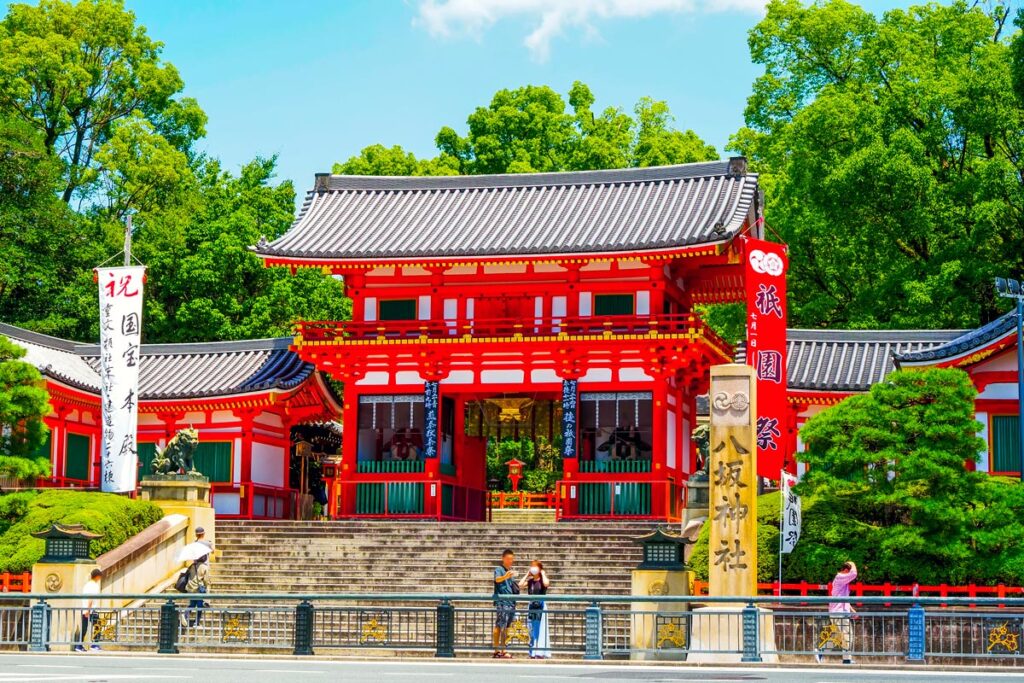
Yasaka Shrine
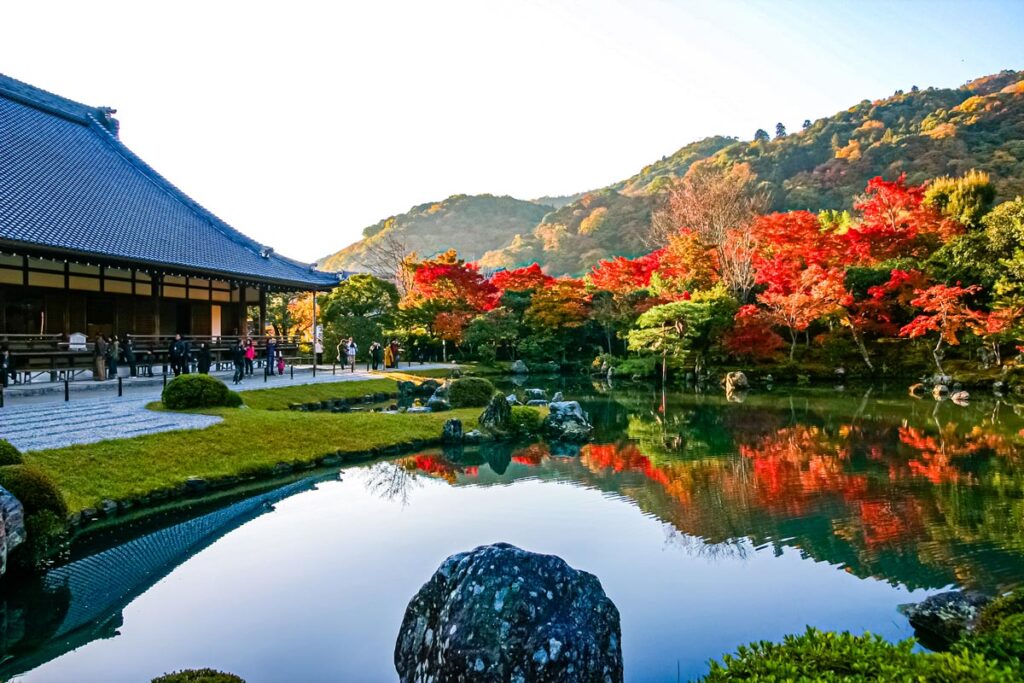
Tenryu-ji
Kyoto Imperial Palace
Philosopher's Path
Heian Jingu
Kitano Tenmangu
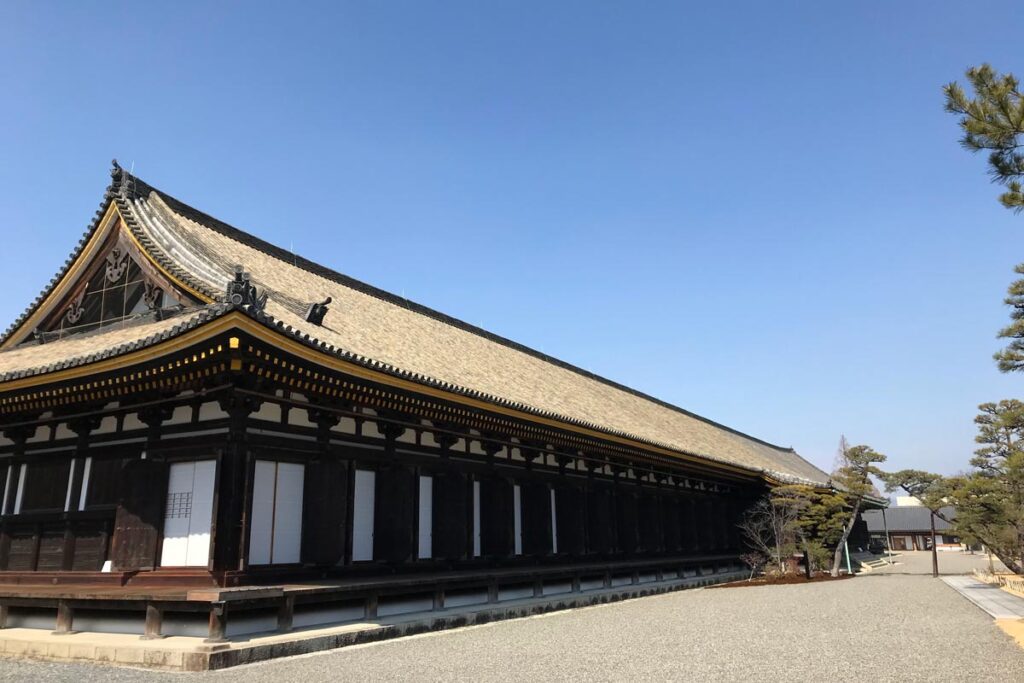
Sanjusangendo
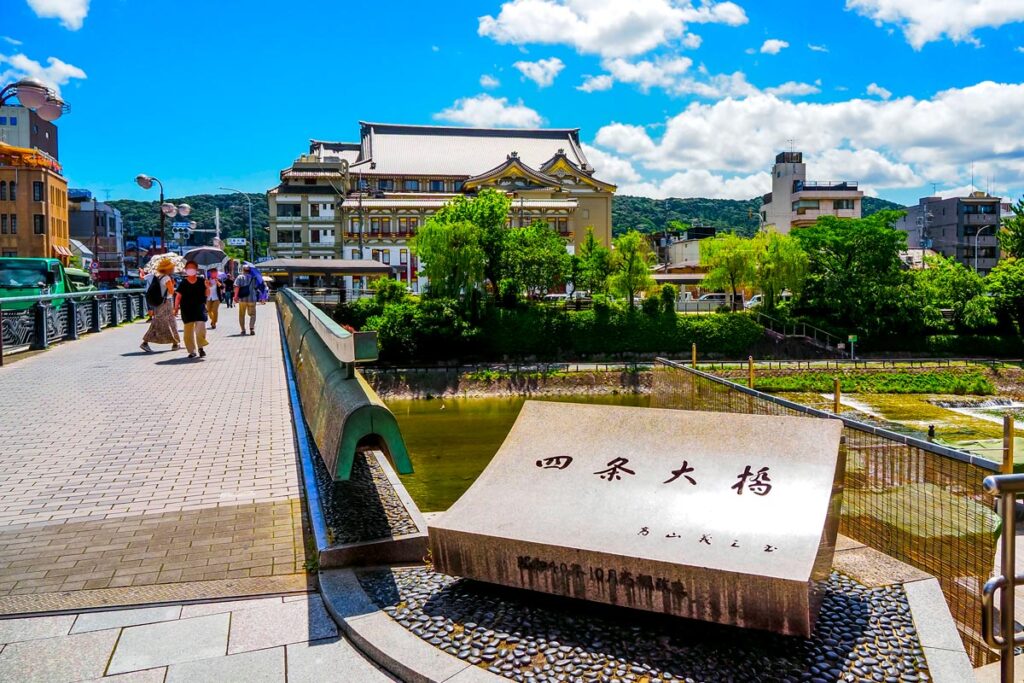
Kamo River
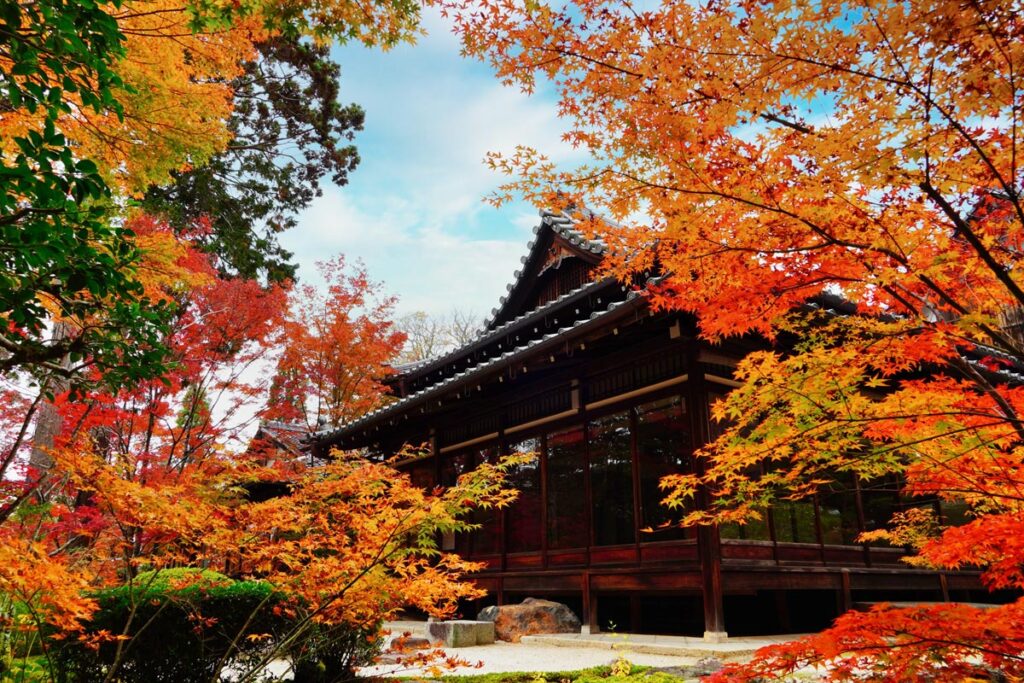
Nanzen-ji
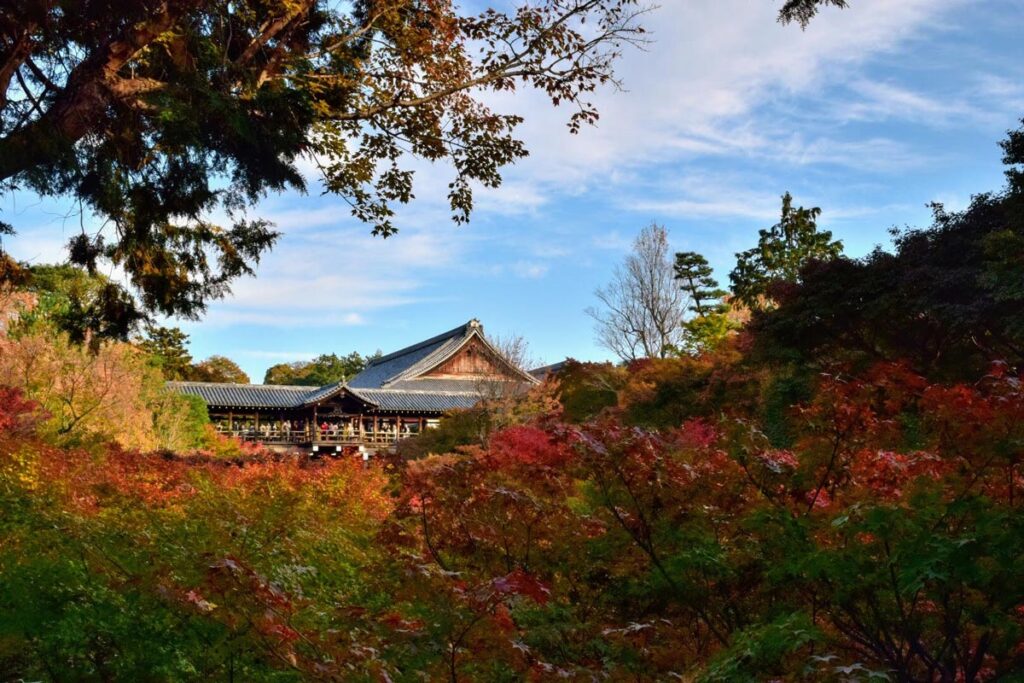
Tofuku-ji
Kyoto International Manga Museum