
Kimono Wearing
Kimono Wearing in Japan: A Complete First-Time Visitor’s Guide
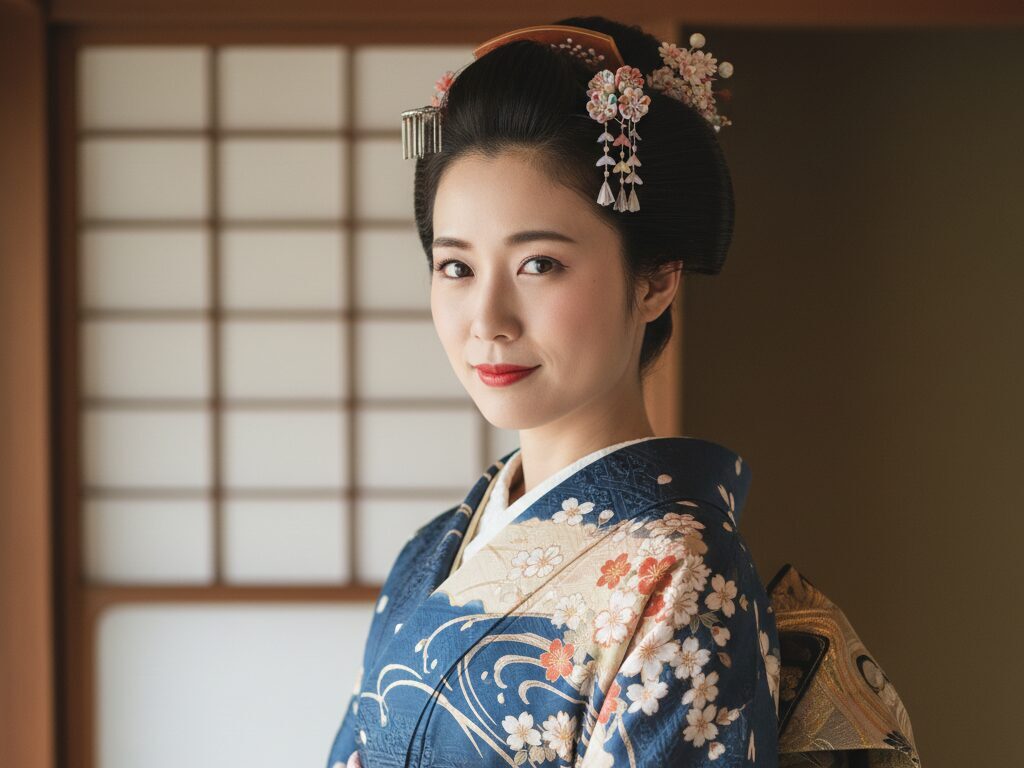
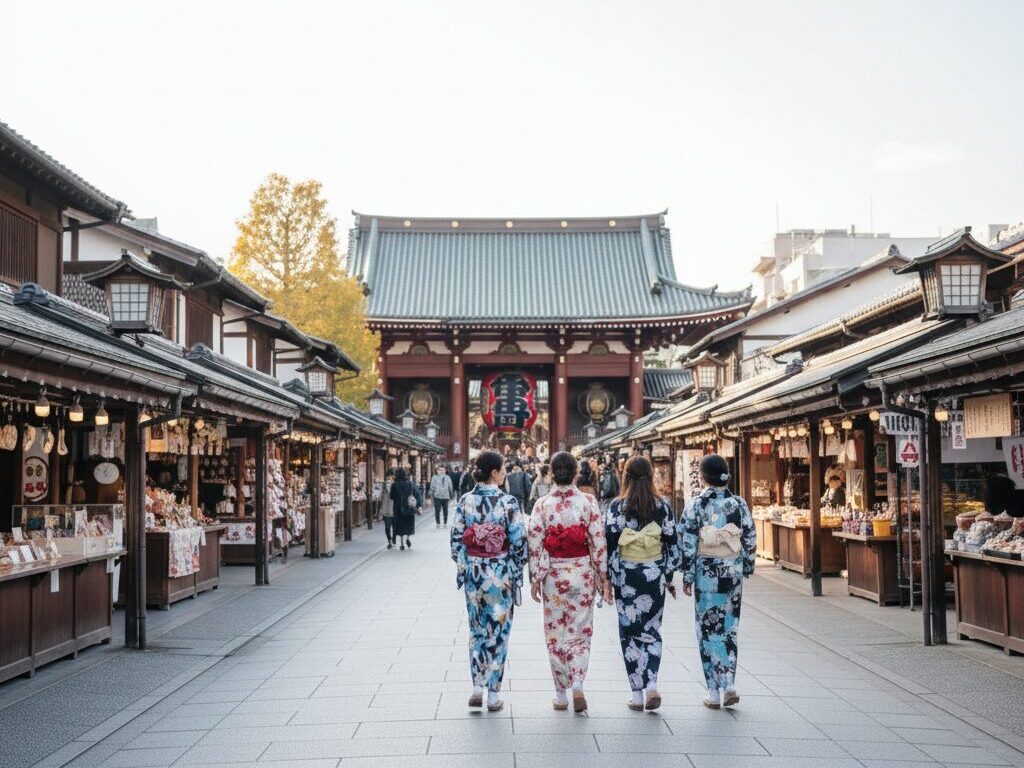
Few travel experiences feel as instantly and delightfully “Japan” as slipping into a beautifully patterned kimono and strolling through historic streets. For first-time visitors, kimono wearing is more than a photo opportunity: it is a gentle introduction to Japanese aesthetics, seasonal culture, and everyday etiquette.
This guide explains what kimono are, how the rental process works, what to wear underneath, practical tips for comfort and manners, and the best places in Japan to enjoy the experience.
What Is a Kimono, Really?
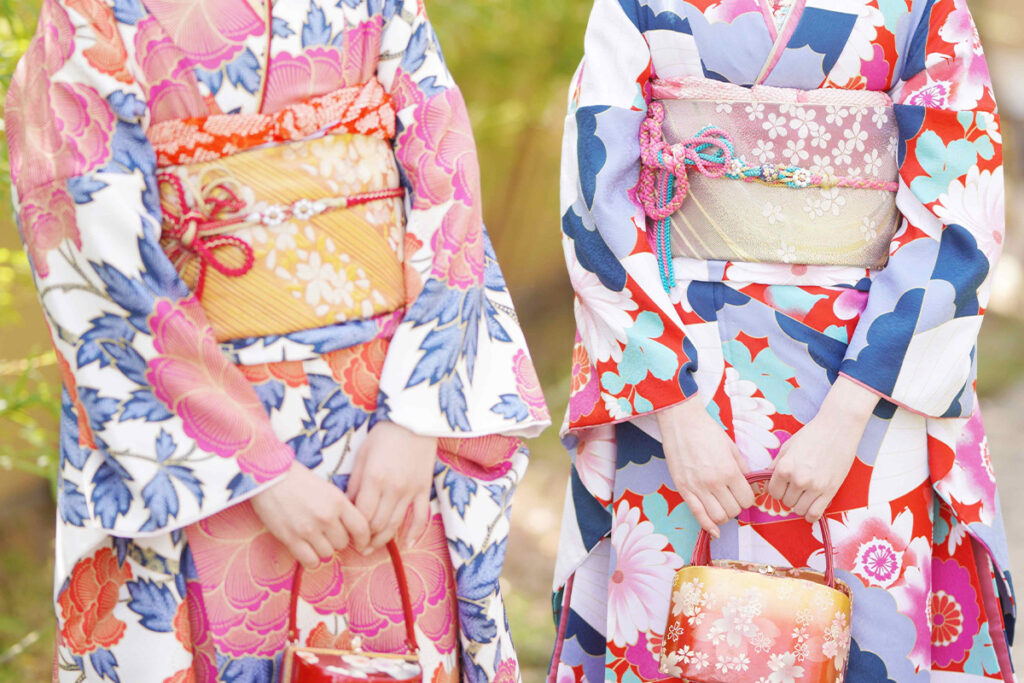
The word kimono literally means “thing to wear,” but in modern Japan it refers to the traditional full-length robe wrapped around the body and secured with a wide belt called an obi. For centuries, kimono were everyday clothing; today they are worn mostly for special occasions such as weddings, coming-of-age ceremonies, tea ceremonies, and festivals.
There are many types of kimono, distinguished by fabric, sleeve length, and formality:
- Komon: Casual kimono with small repeating patterns, often used in rental shops.
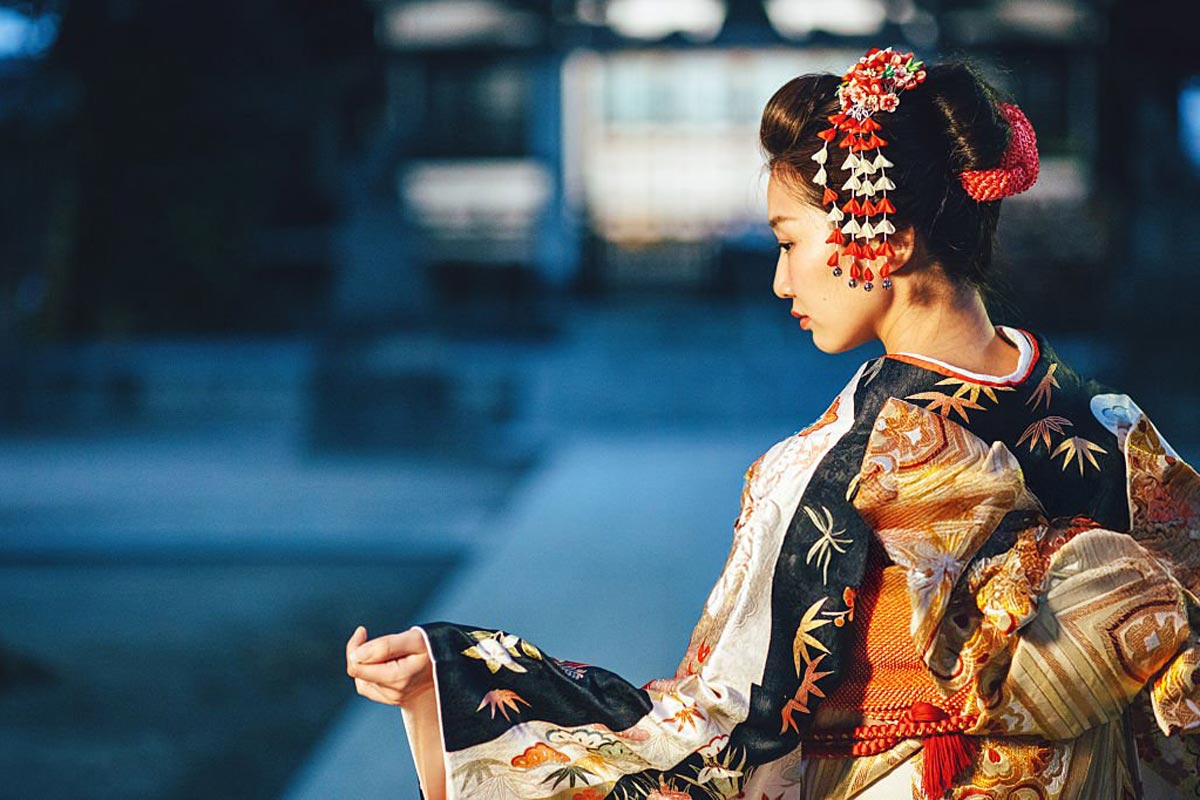
- Furisode: Long-sleeved formal kimono worn by young, unmarried women for celebrations.
- Yukata: A lightweight cotton robe, usually worn in summer and at hot spring resorts. It is easier and quicker to put on than formal kimono.
Most tourists experience either a casual kimono or a yukata, depending on the season. Both are beautiful, but kimono tend to be heavier and layered, while yukata feel breezier and simpler.
Where to Enjoy Kimono Wearing in Japan
Kimono rental shops can be found across Japan, especially in areas with traditional townscapes or famous temples. Some of the most popular destinations for first-time visitors include:
Kyoto: The Classic Kimono City
Kyoto is arguably the best place in Japan for kimono wearing. Its preserved wooden townhouses, stone lanes, and historic temples make a perfect backdrop.
- Gion and Higashiyama: Walk past teahouses, shrines, and pagodas in full attire. Early mornings or late afternoons are less crowded and better for photos.
- Arashiyama: A kimono among the bamboo groves and riverside views creates striking photos, especially in spring and autumn.
Tokyo: Tradition in a Modern City
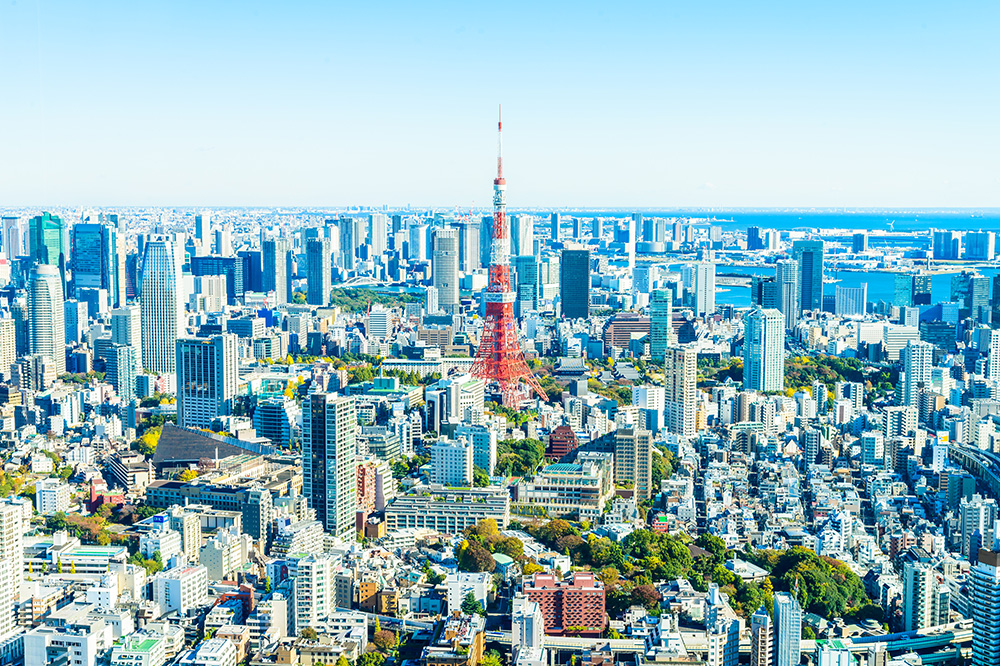
Even futuristic Tokyo has pockets that pair beautifully with traditional clothing.
- Asakusa: Senso-ji Temple and its surrounding shopping streets are filled with rental shops and classic lanterns and gates.
- Ueno and Yanaka: Old-town neighborhoods where you can combine museum visits with nostalgic alleyways.
Other Great Kimono Spots
- Kanazawa: Well-preserved samurai and geisha districts with teahouses, stone streets, and traditional gardens.
- Nara: Deer, temples, and wide parks offer playful and serene photo opportunities.
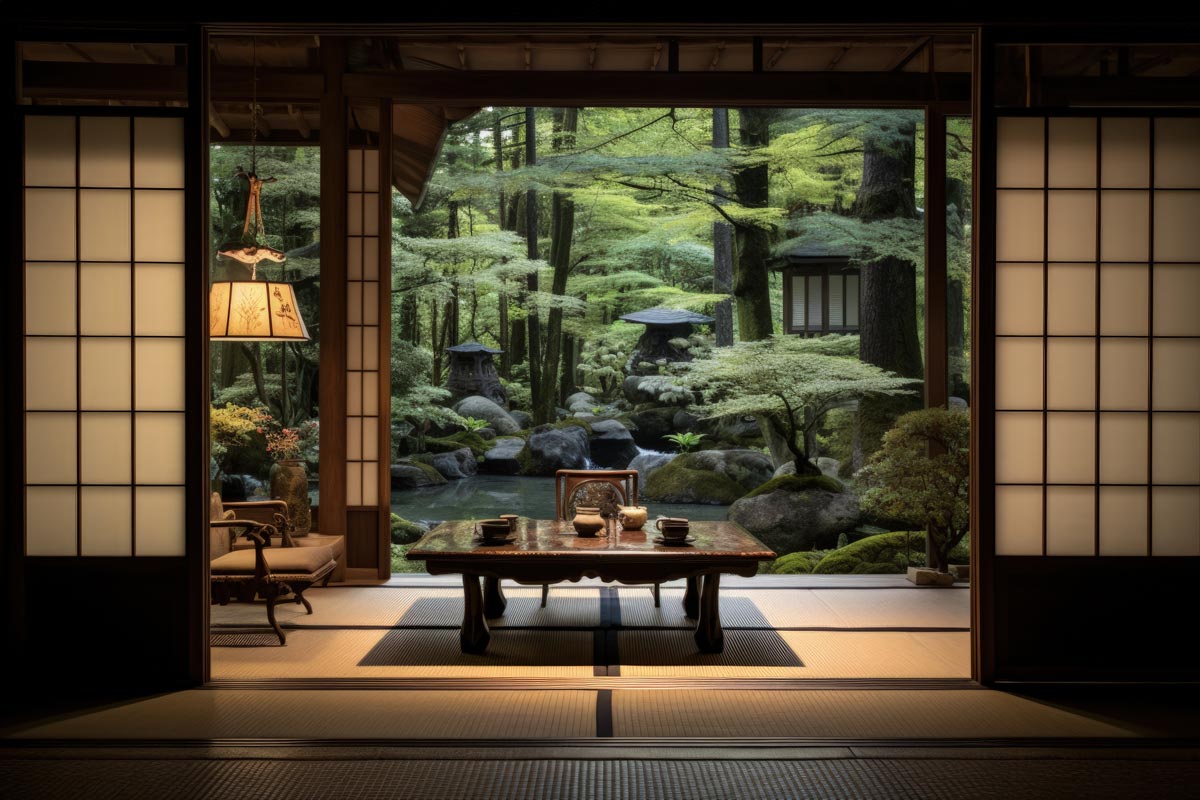
- Hakone and Onsen Towns: Here you will often wear yukata at your ryokan (traditional inn) and can stroll the neighborhood in comfort.
How a Kimono Rental Experience Works
For travelers, the easiest way to wear kimono is to use a rental shop. The process is simple, even if you don’t speak Japanese, and staff are usually experienced with international visitors.
1. Booking Your Kimono Rental
Many shops accept walk-ins, but advance reservations are recommended, especially in popular seasons such as cherry blossom (late March–early April) and autumn leaves (November). Reservation forms on websites are often available in English, and some shops list staff language abilities.
When booking, you may be asked to choose:
- The type of plan (standard kimono, premium fabric, couple’s set, group plan, etc.)
- Optional extras (hairstyling, makeup, professional photography, accessories)
- Rental duration (half-day, full day, or evening-return plan)
2. Choosing Your Kimono and Obi
At the shop, you’ll be shown racks or sample displays of kimono and obi. This can be the most enjoyable part of the experience. Staff will usually help you match colors to your skin tone, hair color, and the season.
- Spring: Pastel shades and floral motifs such as cherry blossoms and plum flowers.
- Summer: Cool blues and whites, or vivid festival colors for yukata.
- Autumn: Deep reds, golds, and maple leaves or chrysanthemums.
- Winter: Rich, warm tones and bold, elegant patterns.
Don’t worry too much about “rules.” Rental shops focus on helping you find something that feels good and photographs beautifully, rather than strict formality.
3. Getting Dressed by Professionals
Traditional kimono dressing, called kitsuke, is a skilled art. Staff will layer undergarments, adjust the collar, wrap the obi, and secure everything with hidden ties. The process typically takes 15–30 minutes.
Expect the fit to feel different from Western clothing:
- The obi is tied firmly to keep the kimono in place, so your waist will feel snug.
- Your stride will naturally shorten a bit because of the straight skirt shape.
- You’ll wear tabi (split-toe socks) and zori sandals, which may feel unusual at first.
Staff are used to working with all body types and will do their best to make you comfortable. If anything feels too tight, politely say so; a small adjustment can make a big difference.
4. Hairstyling and Accessories
Many rental plans include simple hairstyling, especially for women. Typical styles are neat updos or curls decorated with floral hairpins (kanzashi). Men may be offered minimal styling or traditional hats.
Accessories can enhance your look and convenience:
- Small handbag or pouch for your phone, wallet, and keys.
- Haori jacket or shawl for cooler days.
- Umbrella in case of rain – some shops include them in the plan.
5. Exploring in Kimono and Returning It
Once you are dressed, you are free to explore the area, visit temples and shrines, stop at cafés, or join cultural experiences like tea ceremony or rickshaw rides. Most rentals require you to return by a specific time (usually between 5 p.m. and 7 p.m.), so check your schedule before wandering too far.
Some shops offer hotel drop-off or next-morning return for an additional fee, which can be convenient if you plan to attend evening illuminations or dinner.
What to Wear Underneath and What to Bring
You don’t need to purchase special undergarments, but a few simple choices will make the experience more comfortable.
- For everyone: Wear plain, close-fitting underwear in neutral colors. Bulky items or bright patterns may show through.
- Women: A strapless or sports bra without push-up padding works best to create a smooth line. Many shops provide a simple cotton under-robe.
- Men: A plain T-shirt or undershirt plus lightweight shorts is usually fine; follow the shop’s instructions.
Things you should bring:
- Passport or ID if requested
- Cash or credit card for payment and deposits
- Your smartphone for maps and photos
- A small foldable bag for any clothing you are not leaving at the shop
Kimono Etiquette: Being Respectful and Comfortable
Wearing a kimono as a visitor is widely accepted in Japan, especially when done with curiosity and respect. Observing a few simple points of etiquette will help you feel confident and welcome.
How to Move and Pose in Kimono
- Walking: Take slightly smaller steps than usual to avoid tripping on the hem.
- Stairs: Lightly hold the front of the kimono with one hand to lift it a little as you climb.
- Sitting: Sit with your knees together and keep the kimono smooth over your lap.
- Posing for photos: Turn your body slightly sideways, place one foot a little forward, and gently hold your sleeve or bag.
Temple and Shrine Manners
Many popular kimono spots are religious sites, so basic manners are important:
- Do not eat or drink inside main worship halls.
- Keep voices low and avoid blocking pathways while taking photos.
- If locals are praying, give them space and avoid using flash directly in front of them.
Cultural Sensitivity
Japanese people generally appreciate visitors showing interest in traditional culture, and you’ll likely receive kind smiles and compliments. To keep the experience respectful:
- Avoid treating the outfit as a costume for jokes or disrespectful poses.
- Handle the garments carefully; they often represent skilled craftsmanship.
- If you are unsure about appropriateness, ask the shop staff; they’re happy to advise.
Seasonal Tips: When to Wear Kimono or Yukata
Japan’s four seasons strongly influence clothing and design, and this is especially true for kimono. Choosing the right time of year can make your experience more comfortable.
Spring: Cherry Blossoms and Mild Weather
From March to early May, the air is cool and dry, ideal for full kimono. Floral patterns, soft pinks, and light greens blend beautifully with cherry blossoms and fresh leaves. This is also the busiest season, so book rentals well in advance.
Summer: Festivals and Yukata
From June to August, temperatures and humidity rise. Yukata, made from lightweight cotton, are perfect for summer festivals, fireworks (hanabi), and evening strolls. Many people wear them with handheld fans and simple straw bags.
Autumn: Colorful Leaves and Deep Tones
From late October to early December, crisp, cool days and fiery foliage make for dramatic photos. Kimono in earthy reds, oranges, and golds echo the maple leaves. A haori jacket or shawl keeps you warm without hiding the pattern.
Winter: Quiet Temples and Stylish Layers
Winter can be cold, but clear skies and fewer crowds create a peaceful atmosphere. Some shops provide extra inner layers or coats. Dark, elegant designs with touches of color stand out against snow or bare gardens.
Getting Great Photos in Kimono
Most visitors want at least a few memorable photos of their kimono day. With a bit of planning, you can capture images that feel timeless rather than staged.
- Go early: Start as soon as the shop opens to avoid crowds and harsh midday light.
- Use natural backdrops: Wooden buildings, stone paths, gates, bridges, and gardens all work beautifully.
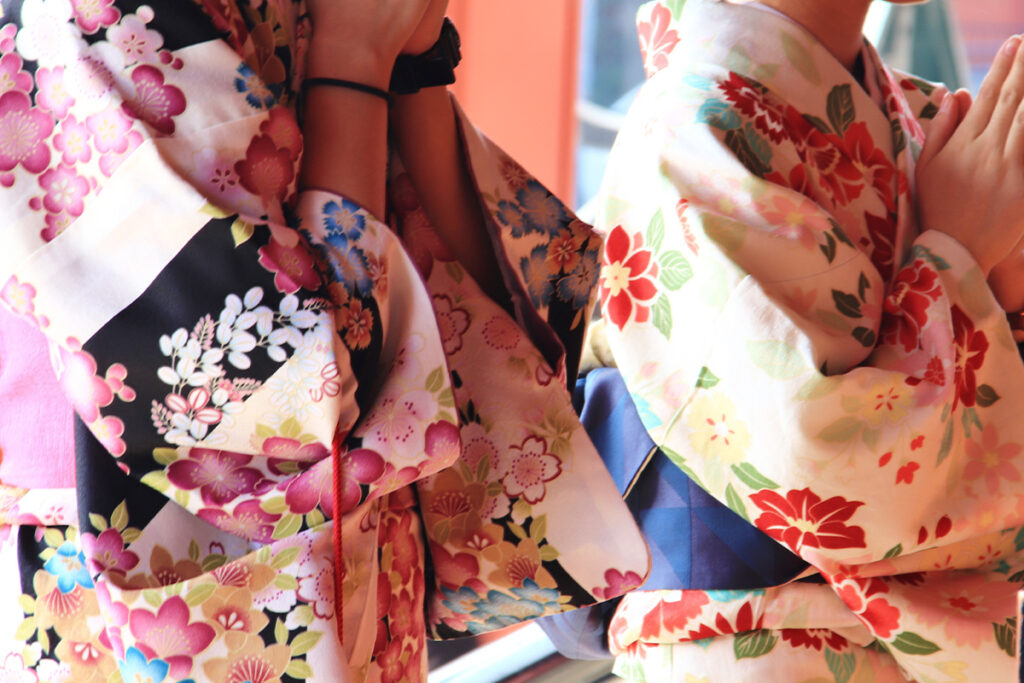
- Include small details: Close-ups of the obi bow, hairpin, or sleeve pattern tell a richer story than full-body shots alone.
- Consider a photographer: Some shops offer professional photo sessions in nearby streets or gardens.
Costs and Time: Planning Your Kimono Day
Prices and packages vary by city and shop, but you can use these rough estimates for budgeting:
- Standard kimono rental: Around ¥4,000–¥7,000 per person for several hours.
- Premium or formal kimono: From ¥8,000–¥15,000, depending on fabric and design.
- Yukata rental (summer): Often slightly cheaper than formal kimono.
- Hairstyling: ¥1,000–¥3,000, depending on complexity.
- Professional photography: From about ¥10,000 upwards for a short session.
In total, allow at least half a day for the full experience: check-in, dressing, photos, and relaxed walking or sightseeing. Many travelers dedicate one whole day of their itinerary to kimono wearing in Kyoto or Tokyo.
Is Kimono Wearing Right for You?
For first-time visitors to Japan, wearing kimono or yukata is a memorable way to connect with local culture. You do not need previous experience, a special body type, or Japanese language skills. All you need is a willingness to move a little more slowly, appreciate the details, and treat the garments with respect.
Whether you are wandering Kyoto’s temple paths, exploring Asakusa’s retro streets, or enjoying a summer festival by the river, kimono wearing offers a rare chance to step briefly into Japan’s living traditions. With this guide, you can plan your experience with confidence and focus on what matters most: being present in the moment and savoring the beauty around you.

Explore Other Cultures
Tea Ceremony
Kimono Wearing
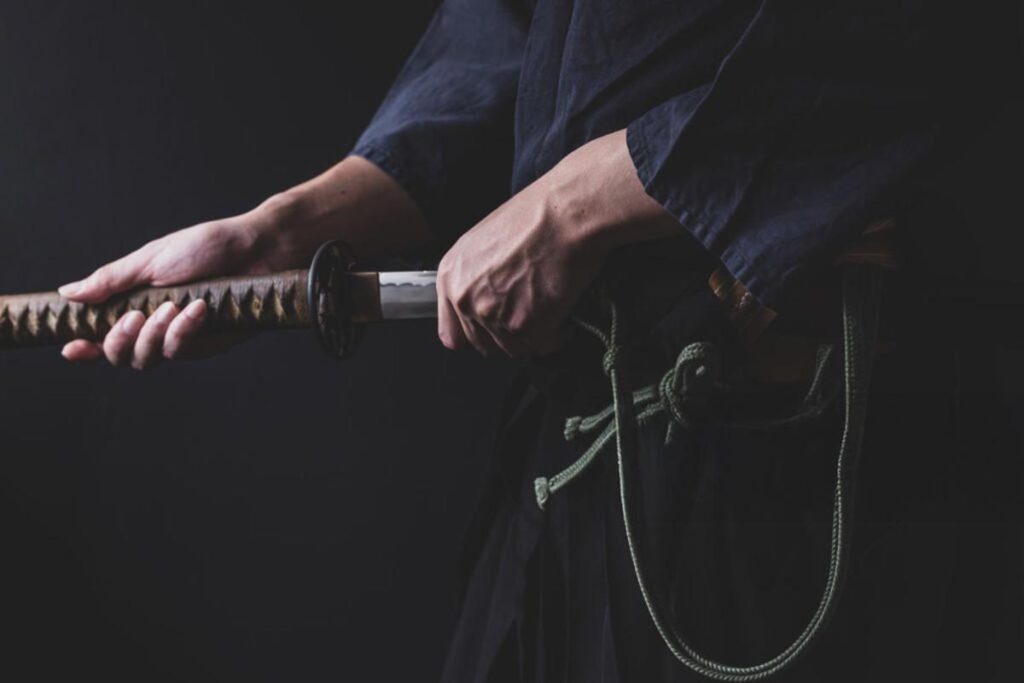
Samurai Experience
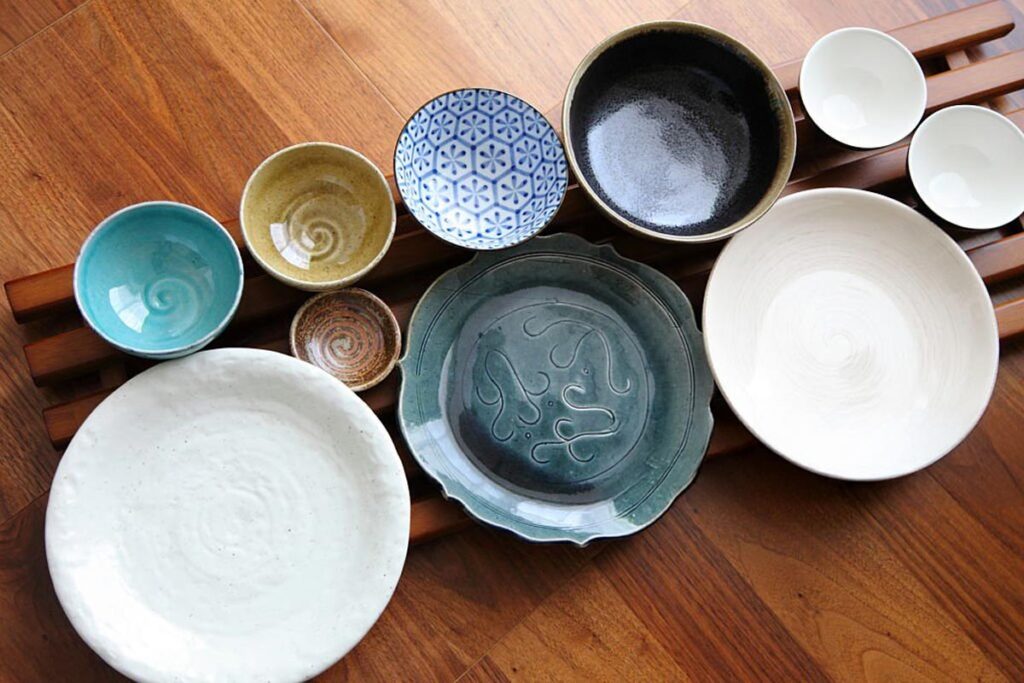
Pottery
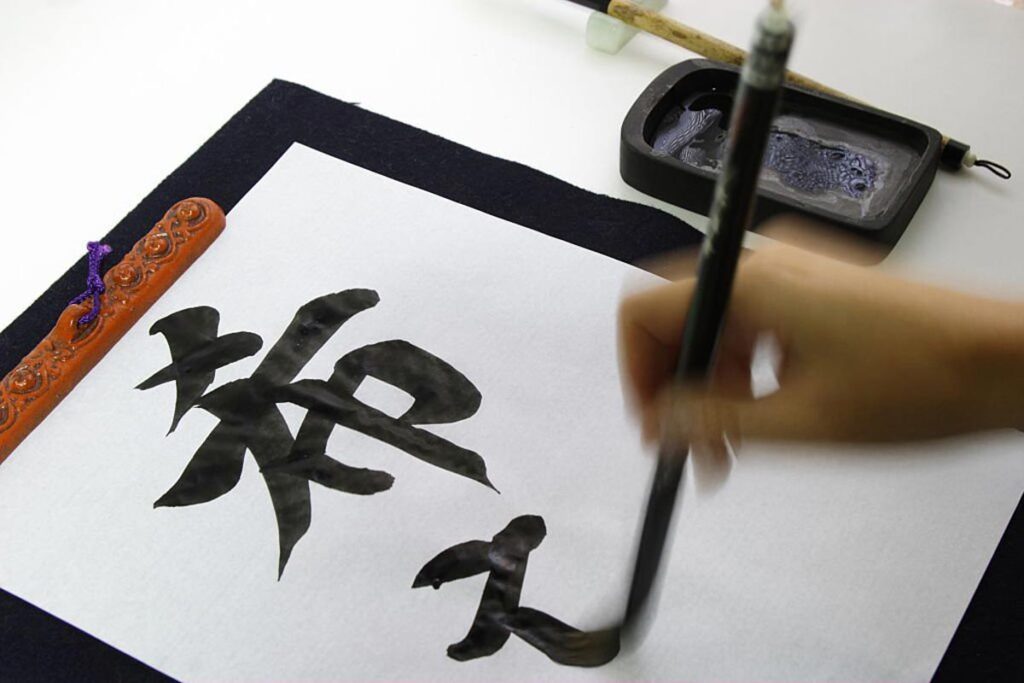
Calligraphy
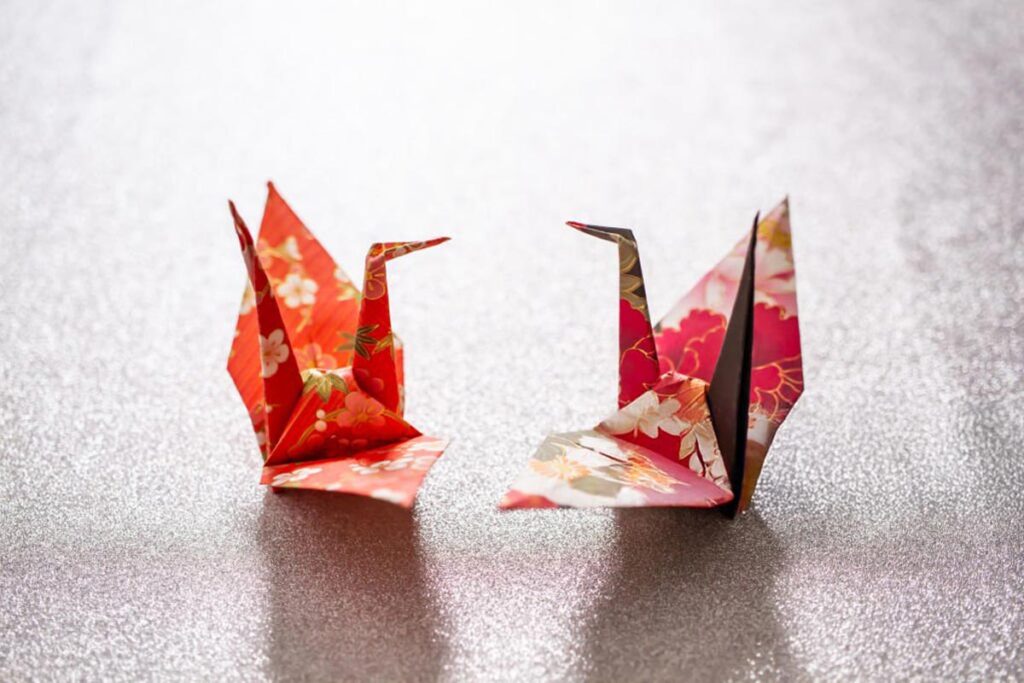
Origami Workshops
Useful Links
Tokyo Asakusa | Popular Kimono Rental Experience