




Kitano Ijinkan District
Kitano Ijinkan District: A First‑Timer’s Guide to Kobe’s European Quarter
Photos are for illustrative purposes only.
Perched on the gentle hills above downtown Kobe, the Kitano Ijinkan District offers a completely different side of Japan. With steep cobbled lanes, European-style mansions and leafy terraces overlooking the city and harbor, this compact neighborhood tells the story of Kobe’s international past while feeling like a romantic movie set.
For first-time visitors to Japan, Kitano is an easy half‑day trip that combines history, architecture, city views and relaxed café culture. This guide explains what the area is, how to visit, and how to make the most of your time there.
What Is the Kitano Ijinkan District?
After Japan reopened its ports to foreign trade in the late 19th century, Kobe quickly became one of the country’s most international cities. Merchants, diplomats, engineers and traders arrived from Europe, North America and other parts of Asia, bringing with them new building styles, furniture and ways of life.
They built Western-style residences on the slopes of Kitano, just north of central Kobe. These homes were known as ijinkan — literally “foreign residences.” While many were lost to earthquakes, war and redevelopment, a cluster of around 20 have survived and been beautifully preserved or reconstructed. Today, they are open to visitors as museums, cafés and event spaces, creating the Kitano Ijinkan District.
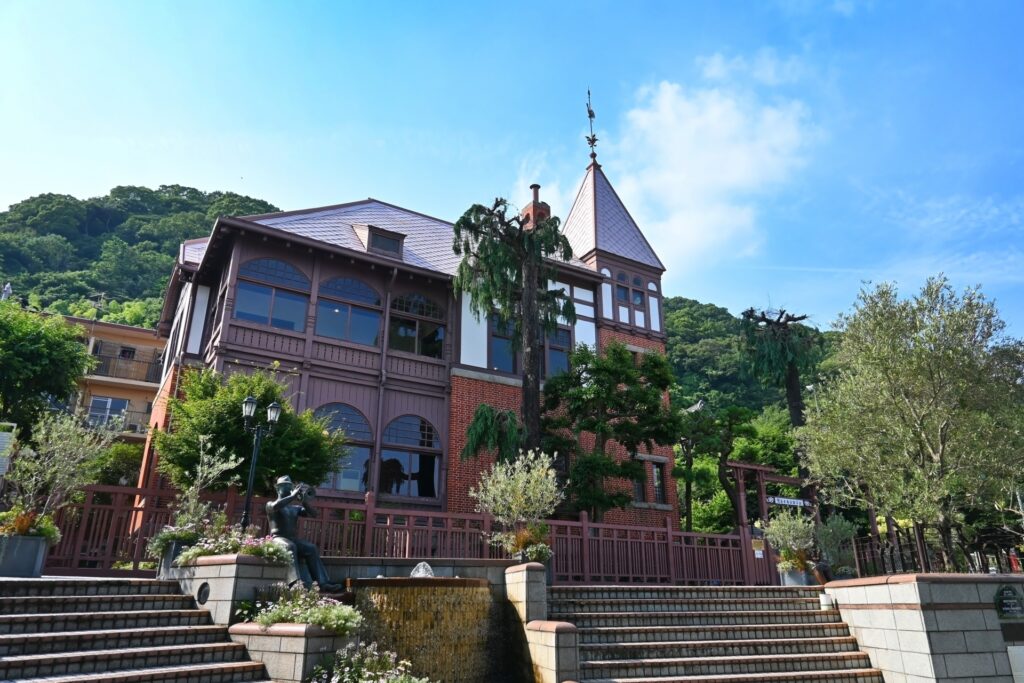
Walking the area, you’ll see gabled roofs, stained glass, verandas and wooden balconies that feel more like Europe than Japan, yet you are only minutes away from busy Sannomiya and Shin-Kobe Stations. This contrast between Japanese urban life and Western heritage is what makes Kitano so atmospheric and memorable.
Highlights of the Foreign Residences
Most ijinkan are small, privately managed museums with a modest entrance fee. You can buy individual tickets or “passport” style combination tickets that cover several houses and often include a small discount. Exhibits tend to focus on interior décor, period furniture and the lives of former residents rather than dense historical explanations, so they’re easy to enjoy even if you’re tired or short on time.
Weathercock House (Kazamidori no Yakata)
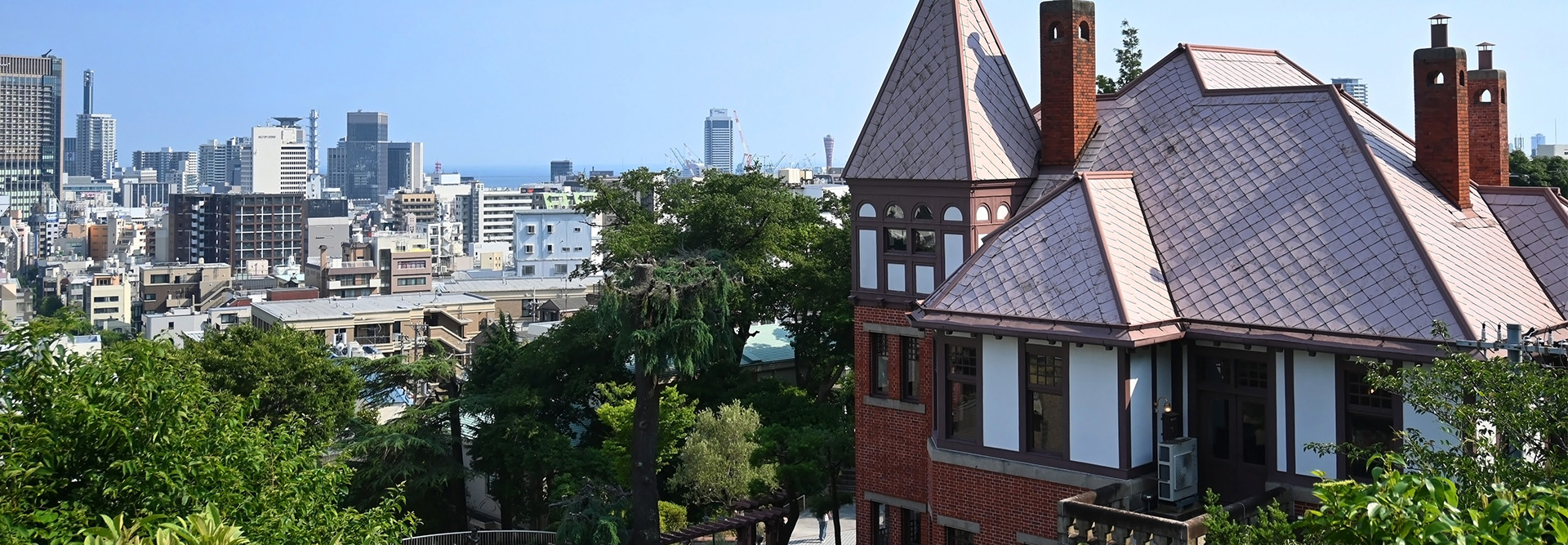
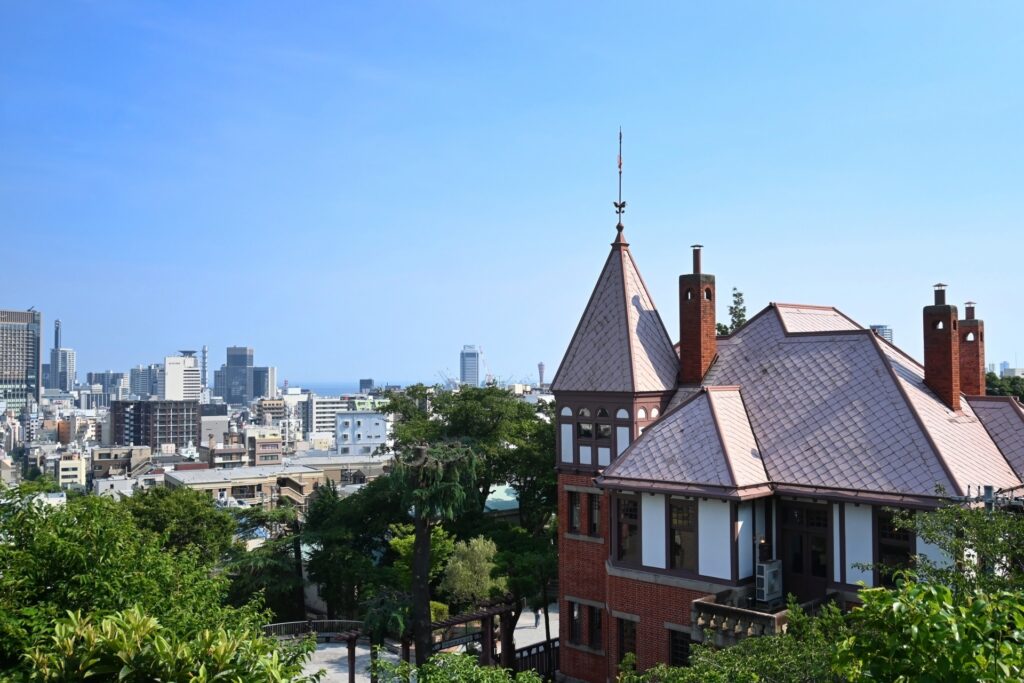
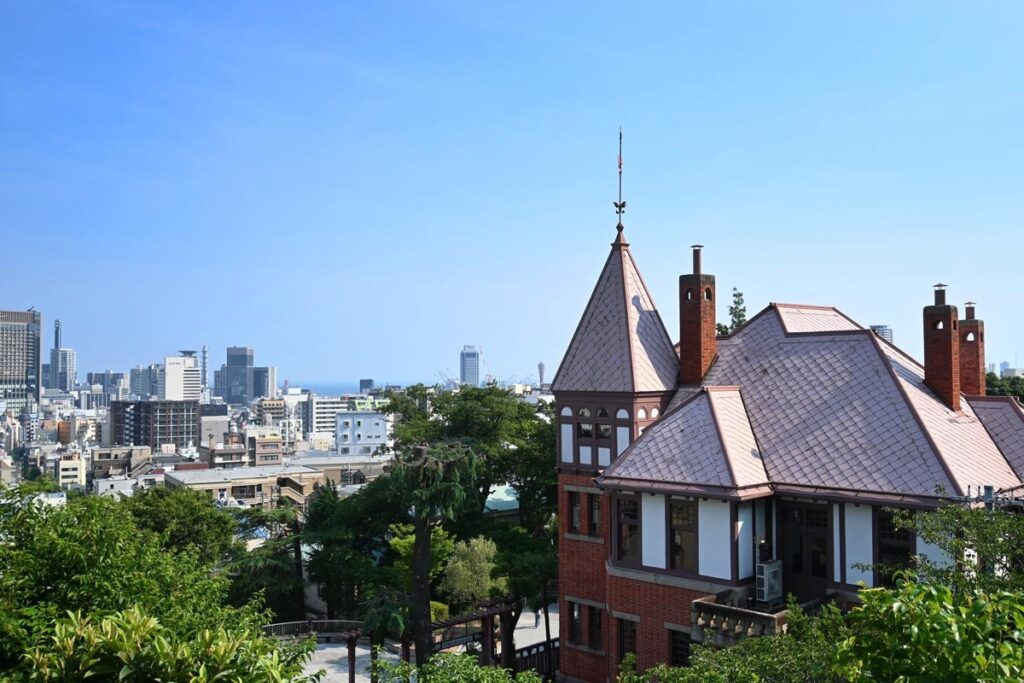
The Weathercock House is the emblem of Kitano. This red-brick, German-style mansion, built for a German trader in the early 1900s, sits on a corner overlooking the city. Its pointed tower topped with a metal weathercock has become the unofficial logo of the district.
Inside, polished wooden floors, fireplaces, chandeliers and tall windows evoke the era when foreign merchants hosted social gatherings here. Many rooms are staged with period furniture and table settings, giving a vivid sense of daily life. Upstairs, look for windows framing views over Kobe’s modern skyline and harbor — a striking reminder of how much the city has changed while this building has endured earthquakes and reconstruction.
Moegi House (Moegi no Yakata)
Just steps from the Weathercock House stands the Moegi House, painted a soft pistachio green with white trim. Built as the residence of an American consul, it has airy verandas and large bay windows that feel more like a stately home in New England or Europe than a typical Japanese house.
Inside, you’ll find spacious drawing rooms, a formal dining room and bedrooms accented with floral wallpapers and antique lamps. The building’s elevated position offers excellent photo opportunities: from the terrace you get sweeping views over the city, especially beautiful in the late afternoon as the light softens.
Rhine House, Uroko House and Other Mansions
Beyond the two headline mansions, the neighborhood is dotted with other ijinkan that reveal different facets of Kobe’s international history.
- Rhine House: A Western-style residence with tasteful wood interiors and displays that highlight Kobe’s links with European trade.
- Uroko House: Named after its fish-scale-like exterior cladding (uroko means “scales”), this mansion doubles as an art gallery. Inside, paintings, antiques and quirky furnishings create an elegant yet slightly eclectic atmosphere.
- Other themed houses: Some residences emphasize particular countries or cultures and display imported furniture, costumes and decorative objects. Even if the historical details vary, all of them showcase how dramatically foreign and Japanese lifestyles differed at the time.
Because each house is compact, you can comfortably visit three to five in a few hours without feeling rushed, especially if you focus on those closest together around the Weathercock House and Moegi House.
Strolling the Streets: Atmosphere and Views
One of the main pleasures of Kitano is simply wandering. The area is hilly, so expect some short climbs, but the reward is charming streetscapes and frequent viewpoints over Kobe.
Many lanes are lined with stone walls and hedges, with glimpses of gardens and old trees behind them. Small plazas and stairways connect houses at different levels, making it fun to explore side paths rather than just following one main route. Street lamps and decorative signs add a slightly European feel, although vending machines, convenience stores and kanji signs remind you that this is still very much Japan.
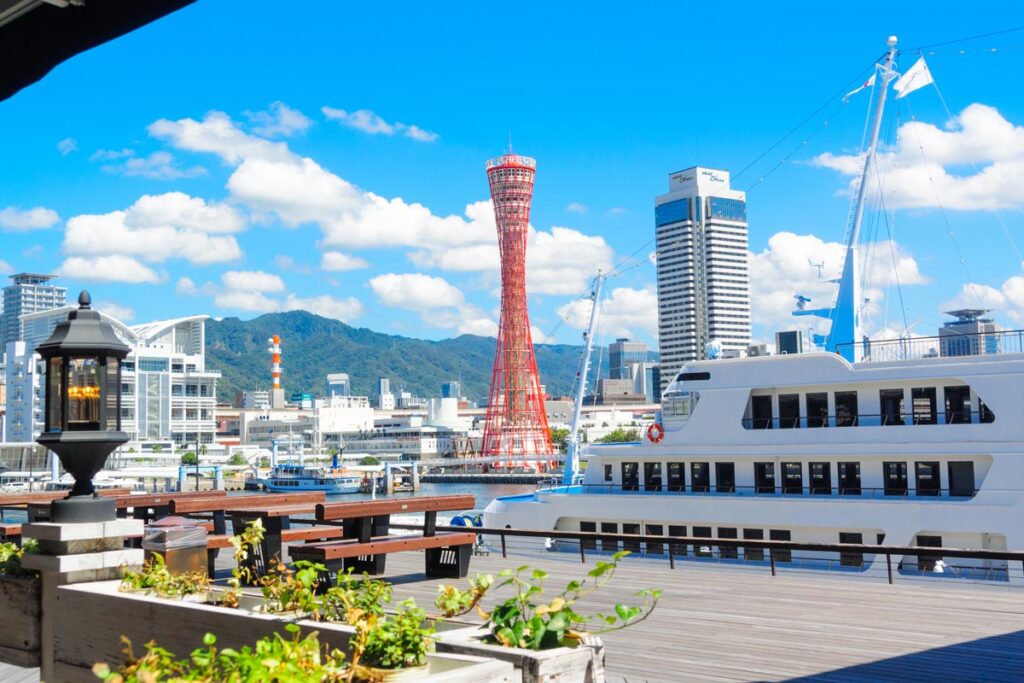
On clear days, you can see all the way to Kobe Port and, in the distance, Osaka Bay. At dusk, the city’s lights begin to sparkle below, giving the district a romantic atmosphere that attracts couples and photographers.
Cafés, Sweets and Relaxing Breaks
The Kitano Ijinkan District is as much about lingering as it is about sightseeing. Scattered among the mansions are stylish cafés, patisseries and restaurants that lean into the area’s European character.
You’ll find cafés in repurposed old houses serving cakes, quiches, afternoon tea sets and Kobe’s famous coffee. Some ijinkan themselves include tearooms or terraces where you can sit with a drink and quietly enjoy the view. The pace is noticeably slower than in central Kobe: people linger over dessert, chat softly and take their time choosing souvenirs.
Be sure to try local specialties such as delicate cakes, chocolates or Western-style sweets that reflect Kobe’s history as a port city where new flavors arrived. Many shops offer pretty boxed treats that travel well, perfect as gifts to bring back to your hotel or home country.
Cultural Context: Kobe as a Gateway to the World
To understand why Kitano exists, it helps to know a little about Kobe’s role in modern Japanese history. When Japan largely closed itself to foreign contact during the Edo period (1603–1868), port cities like Kobe were quiet coastal towns. That changed dramatically after the Meiji Restoration, when Japan opened several ports for international trade.
Foreign residents were restricted to designated areas known as “concessions.” In Kobe, those communities blossomed into multicultural neighborhoods with churches, schools, consulates and private clubs. The architecture of Kitano reflects not only Western tastes but also the ambitions of a newly modernizing Japan eager to learn from abroad.
Today, visiting the ijinkan is a gentle introduction to this transformative era. You can literally step inside the rooms where foreign merchants planned business ventures, diplomats wrote reports home and families tried to recreate a bit of Europe on a Japanese hillside. For travelers, this background adds depth to the pretty façades and photo spots.
Practical Information for Visitors
Location and Access
The Kitano Ijinkan District is located just north of central Kobe, on the lower slopes of the mountains that frame the city. It’s very easy to reach on foot or by public transport from major stations.
- From Sannomiya Station: Sannomiya is Kobe’s main hub, served by JR, Hankyu, Hanshin and subway lines. From here, it’s roughly a 15–20 minute walk uphill to the heart of Kitano. Signage in English will guide you toward the ijinkan area.
- From Shin-Kobe Station: If you arrive by Shinkansen (bullet train), Shin-Kobe Station is closest. The ijinkan area is about a 10–15 minute walk downhill, making it a convenient stop either before heading into central Kobe or when leaving the city.
Taxis are readily available and can drop you near the main cluster of houses if you prefer to save your energy for exploring the streets themselves.
Opening Hours and Tickets
Most ijinkan are open during the daytime, typically from mid-morning to late afternoon. Exact hours vary by house and may change seasonally, so it’s wise to allow some flexibility if you’re planning a tight schedule.
Each mansion charges a small entrance fee, often around the cost of a coffee. If you plan to visit several, look for combination tickets sold at participating houses or tourist information counters in the area. These passes can be better value and simplify entry.
Best Time to Visit
The district is pleasant year-round, but your experience will change with the seasons:
- Spring: Mild weather and fresh greenery make this an ideal season for walking. Flowering plants around the houses add color.
- Summer: Days can be hot and humid, though the hillside often catches a breeze. Aim for morning or late afternoon and take frequent café breaks.
- Autumn: Clear skies and comfortable temperatures, sometimes with subtle foliage color in nearby trees, make this a particularly photogenic time.
- Winter: Crisper air and fewer crowds create a quieter, more contemplative mood. On clear days, winter views over the city can be exceptionally sharp.
How Long to Spend
Allow at least two to three hours to explore the Kitano Ijinkan District at a relaxed pace. This gives you time to visit a few key houses, enjoy a drink or dessert, and wander the streets without rushing. If you are particularly interested in architecture or photography, you could easily spend half a day here.
Walking and Accessibility
Because the area is built on a hillside, expect some slopes and stairways. Comfortable walking shoes are recommended. Some mansions are in older buildings without elevators, so access to upper floors may be limited for visitors with mobility challenges. If this is a concern, check with local tourist information centers or individual facilities ahead of time for the most suitable spots to visit.
Tips for First-Time Travelers to Japan
Language and Signs
Many signs in and around Kitano are bilingual in Japanese and English, especially at major mansions and tourist sites. Staff at ijinkan attractions may speak some English, and even when they don’t, they are generally patient and helpful. Simple phrases like “thank you” (arigatou gozaimasu) or “excuse me” (sumimasen) are appreciated.
Etiquette Inside the Houses
Ijinkan are historic buildings and often feel like stepping into someone’s home, so basic courtesy goes a long way:
- Speak quietly and avoid running or touching fragile items.
- Follow instructions on whether photography is permitted in each room.
- Use provided slippers or remove shoes if requested at the entrance.
In cafés and restaurants, waiting to be seated and paying at the register after your meal are common practices. Tipping is not customary in Japan; polite thanks is enough.
Pairing Kitano with Other Kobe Sights
Because Kitano is so close to central Kobe, it fits easily into a day that also includes other highlights:
- Combine a morning in Kitano with an afternoon at the harbor area, such as Meriken Park and the waterfront shopping and dining complexes.
- Visit Kitano after a stroll through Chinatown (Nankinmachi) to experience two very different faces of Kobe’s international heritage.
- If you arrive via Shin-Kobe, you can pair a walk in Kitano with a ride on the nearby ropeway into the mountains for more expansive city views and garden walks.
Why Kitano Belongs on Your Japan Itinerary
Japan’s major sights often focus on temples, shrines, neon cityscapes and traditional neighborhoods. The Kitano Ijinkan District adds another layer: a window into the moment when Japan looked outward and began to weave international influences into its own culture.
For first-time visitors, Kitano is manageable, walkable and visually rewarding. You don’t need deep historical knowledge to enjoy the graceful houses, city views and relaxed café culture. Yet if you look a little closer, every veranda, staircase and dining room hints at personal stories of families who crossed oceans to build new lives in a foreign land.
Whether you stay in Kobe or visit on a day trip from Osaka or Kyoto, setting aside a few hours for the Kitano Ijinkan District will show you a quietly fascinating corner of Japan that many travelers miss — one where East and West have coexisted on a sunny hillside for more than a century.

Access Map
Recommended spots in Hyogo
Himeji Castle
Kitano Ijinkan District