
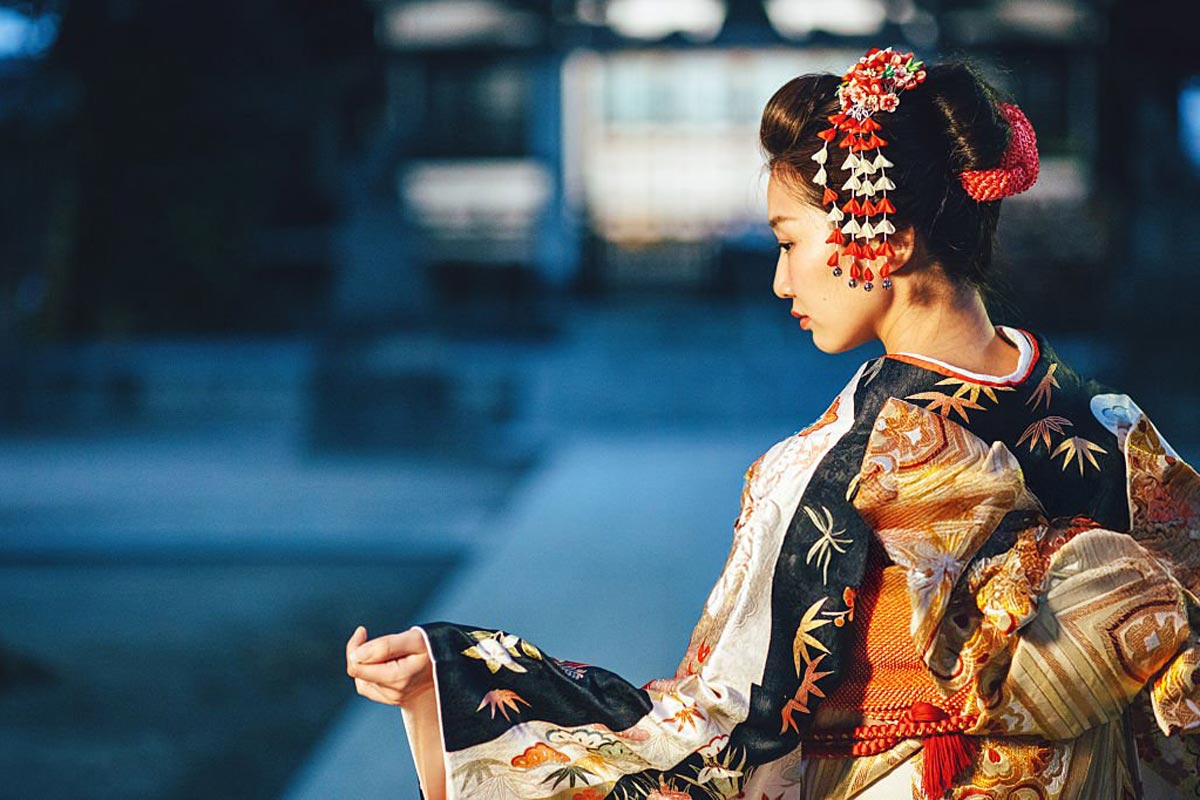

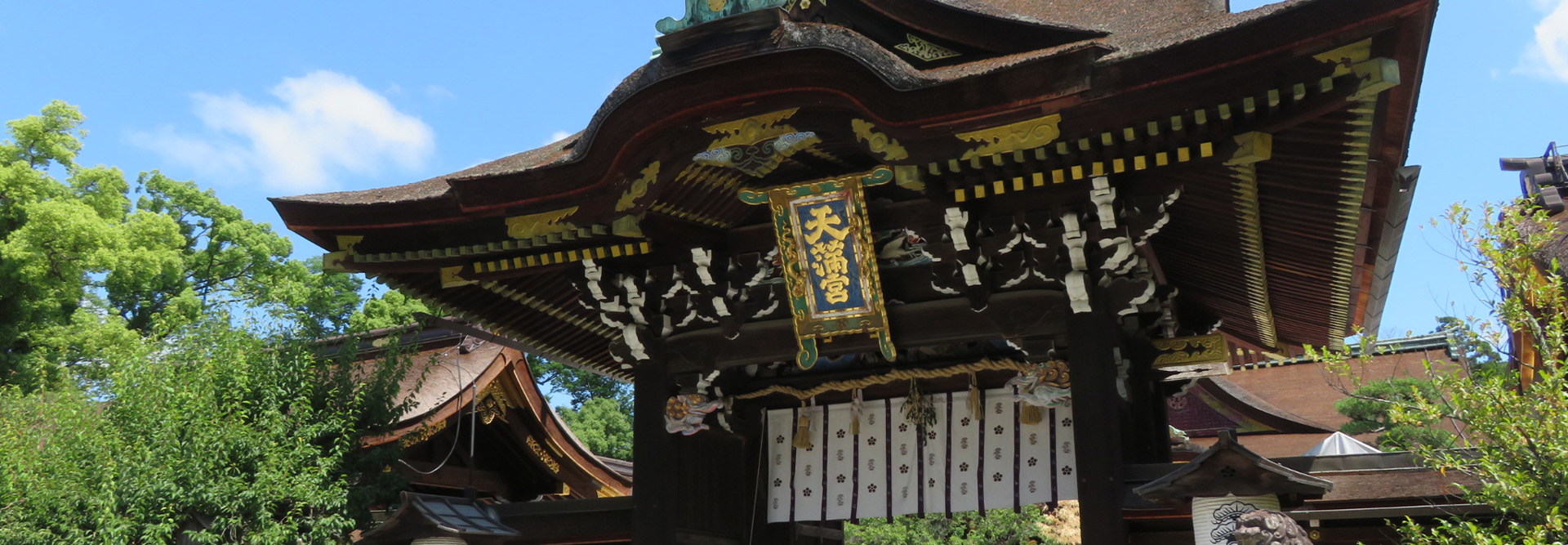
Kitano Tenmangu
Kitano Tenmangu: Kyoto’s Shrine of Scholarship and Seasons
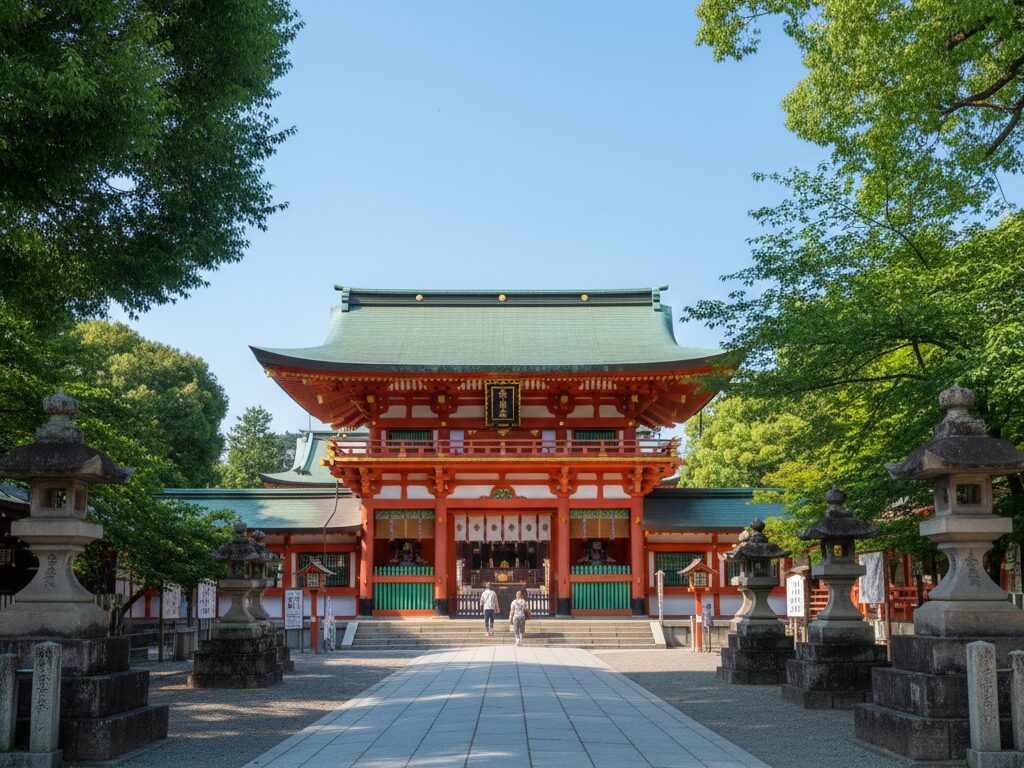
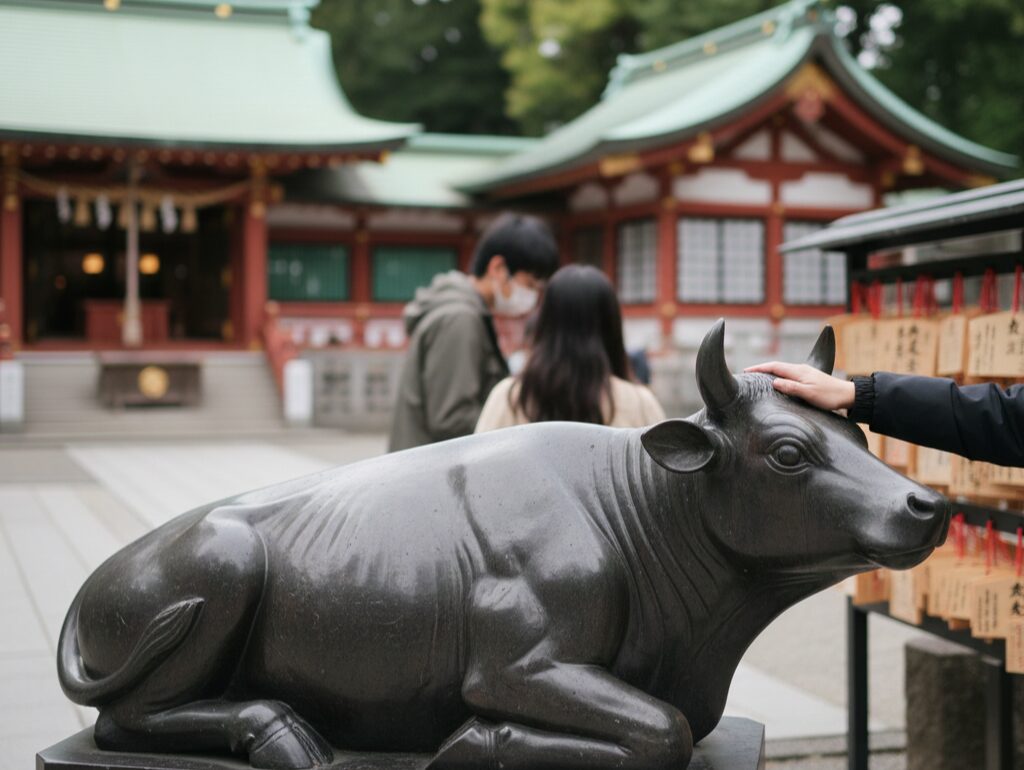
Photos are for illustrative purposes only.
Hidden on the quieter, northwestern side of Kyoto, Kitano Tenmangu is one of Japan’s most beloved shrines for students, scholars, and anyone who loves history and seasonal beauty. For first-time visitors to Japan, it offers a perfect blend of classic shrine architecture, local life, and easy-to-understand traditions without the overwhelming crowds of Kyoto’s most famous spots.
What Is Kitano Tenmangu?
Kitano Tenmangu is the head shrine of all Tenmangu and Tenjin shrines across Japan. These shrines are dedicated to Sugawara no Michizane, a real historical figure from the 9th century who was an excellent scholar, poet, and politician. After his death, he was deified as Tenjin, the Shinto god of learning, scholarship, and the arts.
Because of this, you’ll see countless students visiting Kitano Tenmangu, especially before important exams. They come to pray for success, buy lucky charms, and gently touch the stone statues of oxen scattered around the grounds. These “sacred cows” are closely associated with Michizane and are believed to transfer good luck and academic ability to those who pat them.
Why Visit Kitano Tenmangu on Your First Trip to Japan?
Kyoto is full of famous temples and shrines, so why add Kitano Tenmangu to your list? For first-time travelers, it stands out for several reasons:
A Deeply Local, Less Touristy Atmosphere
While places like Fushimi Inari and Kiyomizudera can be crowded, Kitano Tenmangu has a calmer, more neighborhood feel. You’ll see local families, school groups, and elderly Kyoto residents coming to pray, stroll, and shop at the nearby market streets. It’s an easy way to experience everyday spiritual life in Japan, not just the “famous photo spots.”
Perfect for Students and Lifelong Learners
If you’re a student, teacher, researcher, or simply proud of your love of learning, this shrine will feel especially meaningful. The ema (wooden prayer plaques) here are full of wishes related to exams, university entrance, job interviews, and skill development. Even if you have finished your school days, you can still write wishes for language learning, career success, or creative projects.
Seasonal Beauty: Plum Blossoms, Maple Leaves, and More
Kitano Tenmangu is particularly famous for two seasons: early spring and late autumn. In both, the shrine grounds transform into a landscape of color that showcases Kyoto at its best, with fewer crowds than more famous viewing spots.
The Story Behind Kitano Tenmangu
To fully appreciate the shrine, it helps to know a little of Sugawara no Michizane’s story. He was a brilliant court scholar in the Heian period, admired for his poetry and knowledge of Chinese classics. After a political dispute, he was exiled from Kyoto to Kyushu, where he died in sadness.
Soon after his death, Kyoto suffered a series of disasters and unusual storms. People believed Michizane’s angry spirit was behind these events. To appease him, the imperial court built Kitano Tenmangu in 947 on the site connected with his life in Kyoto, and he was enshrined as Tenjin, the kami (Shinto deity) of learning.
Over the centuries, Tenjin worship spread throughout Japan. Today, if you see a shrine with plum trees, ox statues, and many student visitors, chances are good it’s a Tenjin shrine, with Kitano Tenmangu as its spiritual origin.
Highlights of Kitano Tenmangu
The Grand Entrance and Main Hall
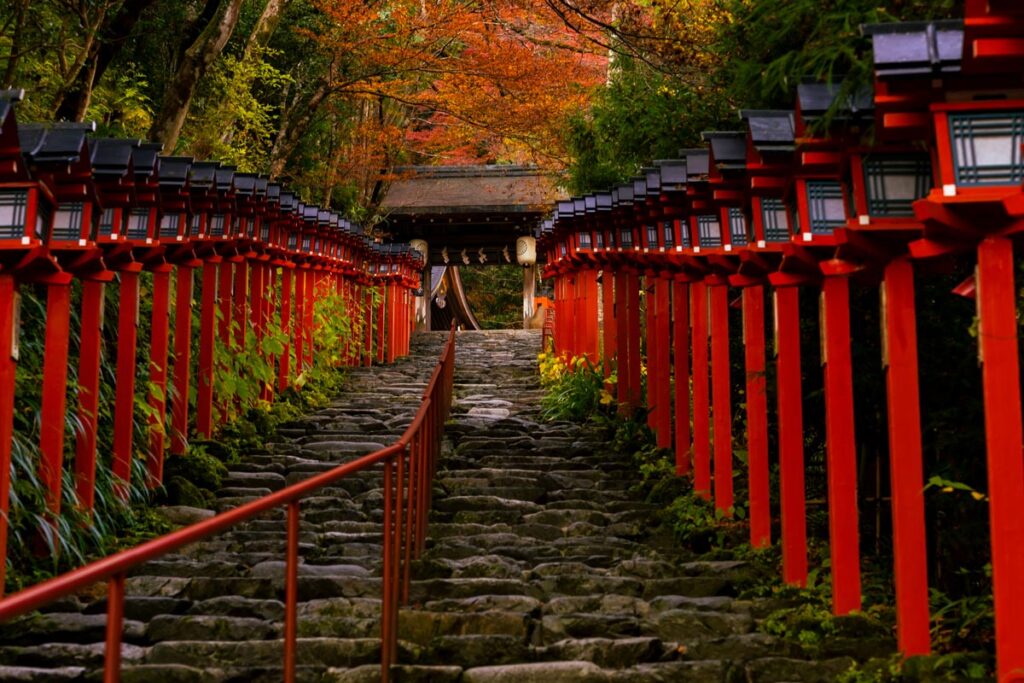
After approaching through the main torii gate, you’ll walk along a stone path leading to the impressive romon (two-story gate). From here, you’ll see the shrine’s main buildings decorated with gold details, intricate carvings, and vivid vermilion and green colors typical of Shinto architecture.
The honden (main hall) at Kitano Tenmangu is especially important. It is designated as a National Treasure of Japan and dates back to the early 17th century. When you visit, you won’t enter the inner sanctuary but will stand before it to bow, clap, and pray in the standard Shinto way.
The Gardens and Plum Orchard
Behind the main hall lies one of the shrine’s star attractions: a large grove of plum trees (ume). Michizane loved plum blossoms, and the flower became a symbol of Tenjin. Kitano Tenmangu now has hundreds of plum trees that burst into bloom from late February to early March.
In spring, the contrast between the ancient wooden buildings and soft pink-and-white blossoms creates a classic Kyoto scene. There is often a special paid viewing area opened during peak season, giving access to walking paths among the trees and elevated viewpoints.
Stone Ox Statues
Scattered around the grounds are several statues of reclining oxen. Visitors often touch the head or body of these oxen, believing that doing so will bring them Michizane’s wisdom or help cure physical ailments, especially in the part of the body they touch.
Some legends say Michizane was fond of oxen, while others say an ox refused to move his funeral cart, indicating the site where he should be buried. Whatever the story, these statues have become one of the shrine’s charming, interactive traditions.
Historic Treasures and Sub‑Shrines
Wandering deeper into the grounds, you’ll find smaller sub-shrines dedicated to different kami, stone lanterns, and mossy paths that feel much older than the busy main approach. Kitano Tenmangu also preserves important cultural artifacts, such as ancient documents and artworks, although these are usually only shown in special exhibitions.
Best Times to Visit Kitano Tenmangu
Plum Blossom Season (Late February–Early March)
For flower lovers, this is the most magical time to visit. While most travelers focus only on cherry blossoms, plum blossoms offer a quieter, earlier taste of spring. They have a stronger fragrance and appear when the air is still crisp, giving the shrine a peaceful, almost nostalgic atmosphere.
During this period, Kitano Tenmangu holds the Baikasai (Plum Blossom Festival), often featuring tea ceremony events and women dressed as traditional court ladies offering tea under the blooming trees. Dates vary each year, so check local information before you go.
Autumn Leaves (Mid–Late November)
In autumn, the shrine opens a special maple garden behind the main buildings. The trees here turn brilliant shades of red, orange, and gold, with small bridges and a stream adding reflections. Visiting in late afternoon, when lanterns begin to light up and the sky softens, makes for particularly beautiful photos.
Monthly Flea Market: Tenjin-san (25th of Each Month)
On the 25th of each month, Kitano Tenmangu hosts a large market known as Tenjin-san. Stalls line the shrine approach and surrounding streets, selling antiques, kimono, pottery, local snacks, and everyday goods. The biggest and liveliest markets are on January 25 and July 25, but any 25th offers a fascinating look at local life.
This is a great time to pick up unique souvenirs at reasonable prices and sample street foods like takoyaki (octopus balls), grilled squid, and traditional sweets.
New Year and Exam Season
Early January is one of the busiest times at Kitano Tenmangu, as people visit for hatsumode, the first shrine visit of the year. If you don’t mind crowds, it’s an energetic way to see how Kyoto residents welcome the new year.
Exam season (roughly January–March) also brings many students praying for success. You’ll see them buying dedicated exam charms and writing hopeful messages on ema. It’s a moving snapshot of Japan’s academic culture and the pressure young people face.
What to Do at Kitano Tenmangu
Learn How to Pray in the Shinto Style
Shinto prayer is simple and respectful, even for first-time visitors:
1. Purify your hands and mouth at the temizuya (water basin) near the entrance. Use the ladle to wash your left hand, then right hand, then pour water into your left hand to rinse your mouth discreetly, and finally tilt the ladle upright to cleanse the handle.
2. Approach the offering box in front of the main hall, bow lightly, and toss in a coin (5-yen coins are considered especially lucky).
3. Ring the bell if there is one, bow deeply twice, clap your hands twice, make your silent wish or prayer, then bow once more.
Write Your Wishes on an Ema
At the shrine office, you can purchase ema, small wooden plaques shaped especially for Tenjin shrines, often decorated with plum blossoms or oxen. Write your wish on one side—many visitors use English—and hang it on the designated rack. It’s a meaningful, inexpensive souvenir and a way to participate in a living tradition.
Buy Charms for Study and Success
Kitano Tenmangu sells a wide variety of omamori (protective amulets). Popular choices include:
- Exam success charms for students
- Good luck in learning foreign languages
- General fortune and protection charms
These small fabric pouches usually have a prayer inside and are meant to be kept closed. They make thoughtful gifts for friends or family back home facing big exams or life challenges.
Stroll Beyond the Main Path
Allow time to wander off the central route. You’ll discover quieter corners, stone lanterns covered in moss, and small shrines where locals stop briefly on their daily walks. Many first-time visitors to Japan comment that these hidden corners feel like the “real Kyoto,” away from souvenir stands and selfie sticks.
Practical Tips for First-Time Visitors
Access and Location
Kitano Tenmangu is located in northwestern Kyoto, not far from the traditional district of Nishijin, famous for its textiles. Some travelers combine a visit here with nearby attractions like the golden temple Kinkakuji or the atmospheric streets of Kamishichiken, one of Kyoto’s lesser-known geisha districts.
From central Kyoto, the easiest way to reach the shrine is usually by city bus or taxi. Signs and announcements may be in Japanese, but staff and drivers are used to helping tourists; showing the shrine’s name written in Japanese characters can be useful when asking for directions.
Opening Hours and Fees
The main shrine grounds typically open early in the morning and close around sunset, with no general admission fee. However, special areas like the plum orchard or autumn garden may require a small entrance fee during limited viewing seasons. Carry some cash, as small shrines and markets often do not accept credit cards.
Etiquette to Keep in Mind
As with all shrines and temples in Japan:
- Speak quietly and behave respectfully, especially near people who are praying.
- Ask before photographing people, and avoid flash in darker interior areas.
- Do not enter areas marked as off-limits, even if there are no staff nearby.
- Food is fine in market areas, but avoid walking and eating directly in front of the main hall.
Language and Navigation
Many signs at Kitano Tenmangu include English explanations, especially for major areas and seasonal events. Shrine staff may speak limited English, but basic phrases, gestures, and a translation app will cover most needs. The shrine layout is simple enough that you can comfortably explore without a guide.
Nearby Experiences to Combine with Kitano Tenmangu
Since the shrine sits a little away from Kyoto’s most famous temple clusters, it helps to plan your day with nearby stops:
- Kinkakuji (Golden Pavilion): One of Kyoto’s icons, with a golden hall reflected in a pond, reachable by a short bus or taxi ride.
- Nishijin Textile Area: Learn about Kyoto’s weaving traditions, visit small shops, or see demonstrations of kimono production.
- Kamishichiken District: In the evening, the narrow streets and lantern-lit tea houses offer a glimpse of Kyoto’s traditional entertainment culture.
By combining Kitano Tenmangu with these spots, you can enjoy a full day that balances world-famous sights with quieter, more intimate places.
Making the Most of Your Visit
For first-time travelers to Japan, Kitano Tenmangu offers a gentle introduction to Shinto beliefs, local customs, and Kyoto’s seasonal beauty. It’s less about rushing through a checklist of landmarks and more about slowing down to watch how Japanese people interact with their own sacred spaces.
Whether you come to pray for exam success, admire plum blossoms, shop at the lively Tenjin-san market, or simply wander through the gardens, Kitano Tenmangu leaves a lasting impression of warmth and quiet dignity. Include it in your Kyoto itinerary, and you’ll experience a side of Japan that many short-term visitors never see.

Access Map
Recommended spots in Kyoto
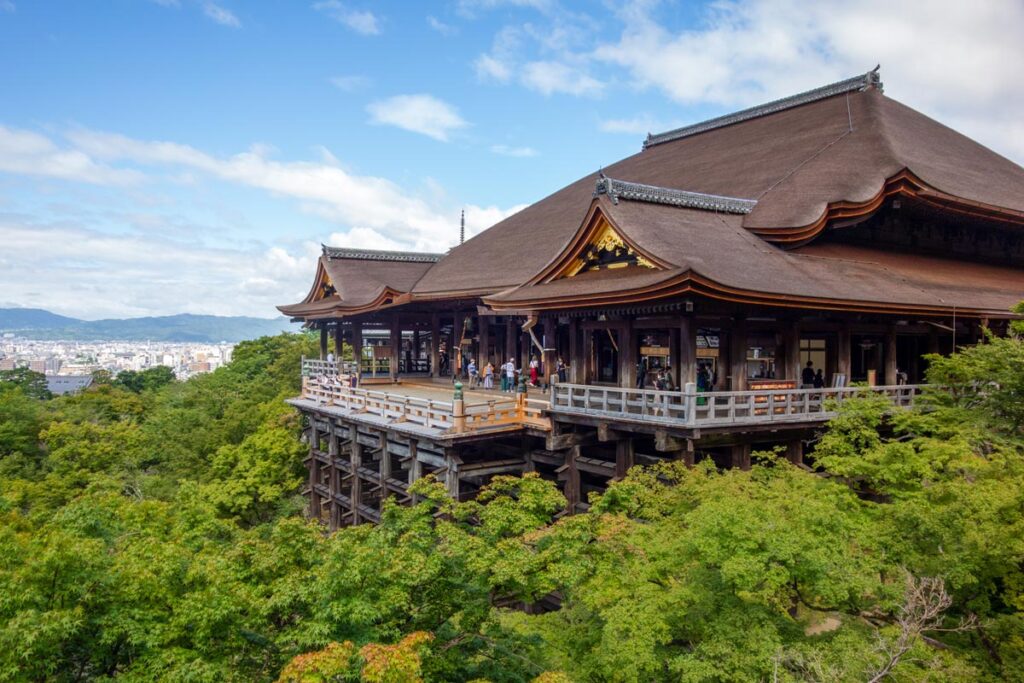
Kiyomizu-dera
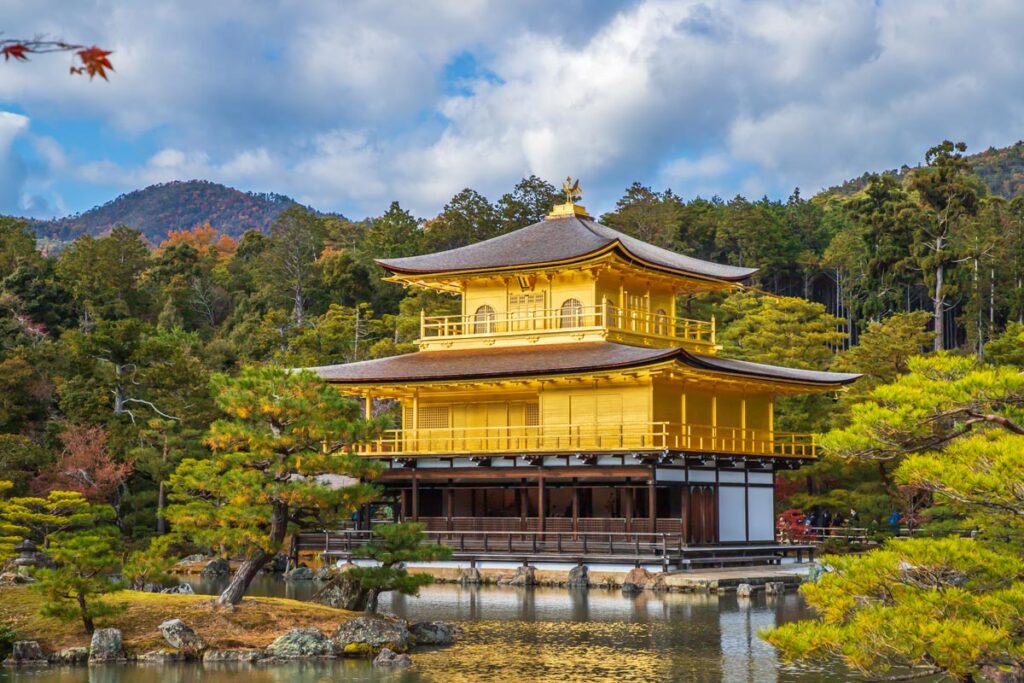
Kinkaku-ji
(Golden Pavilion)
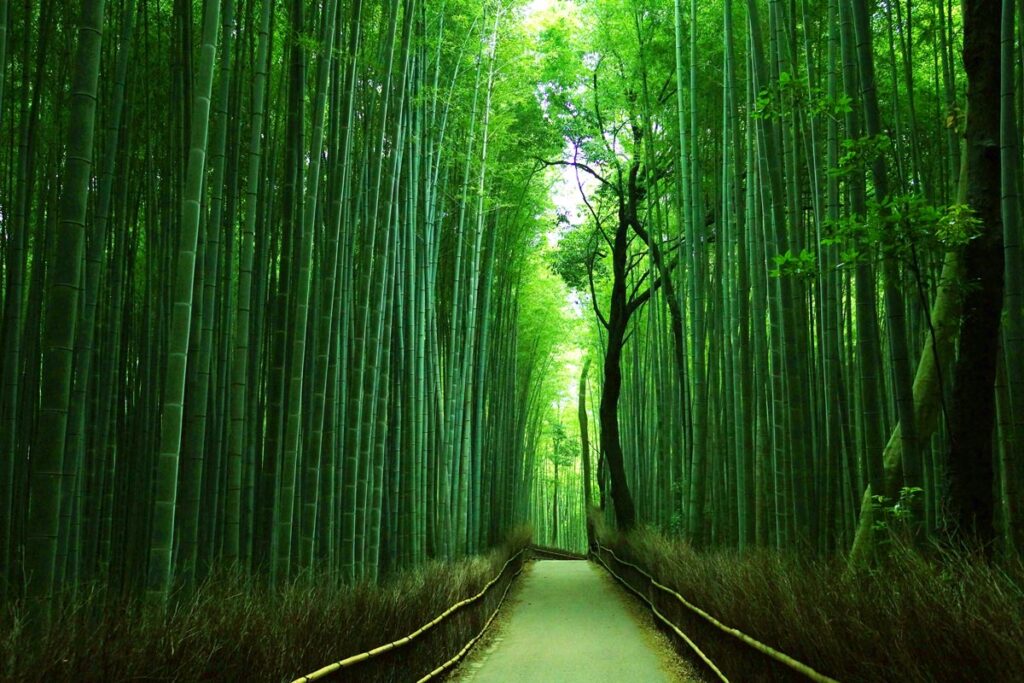
Arashiyama
Bamboo Grove
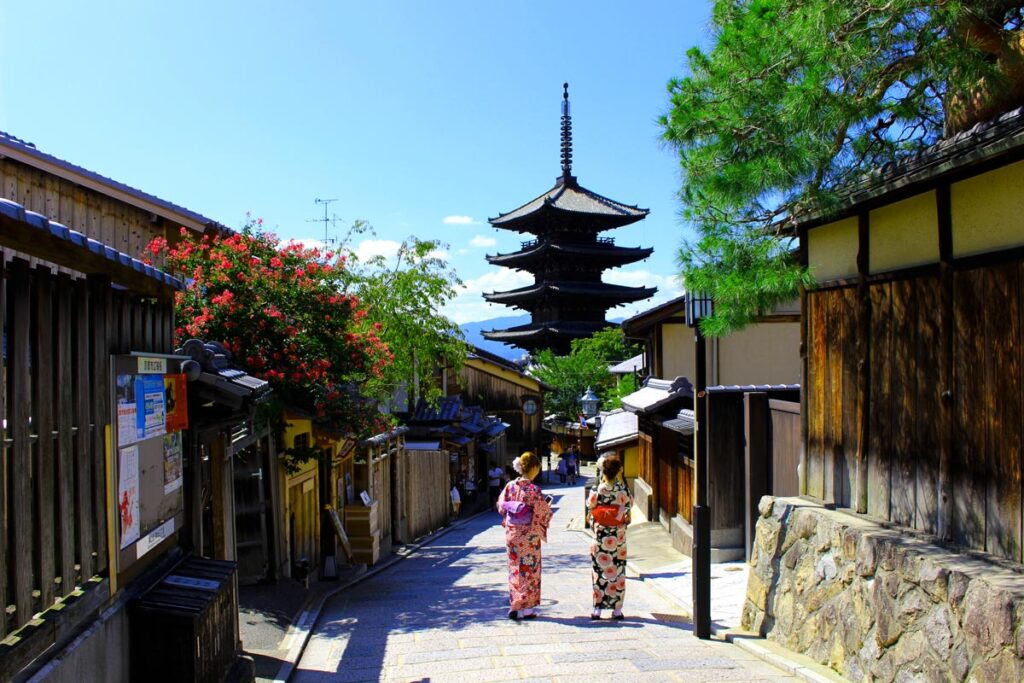
Gion
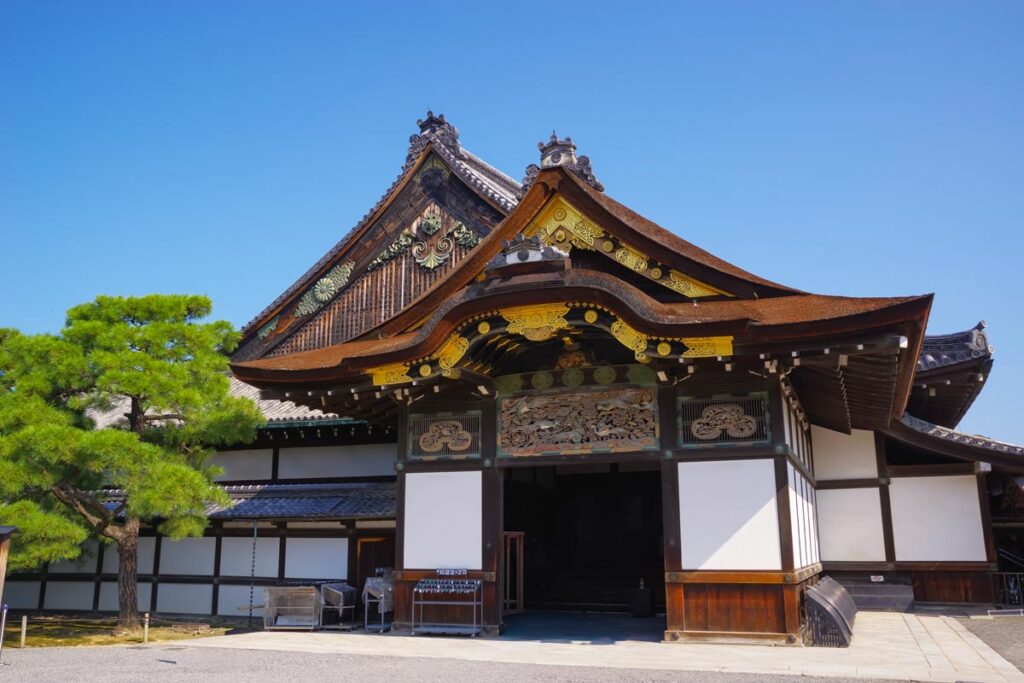
Nijo Castle
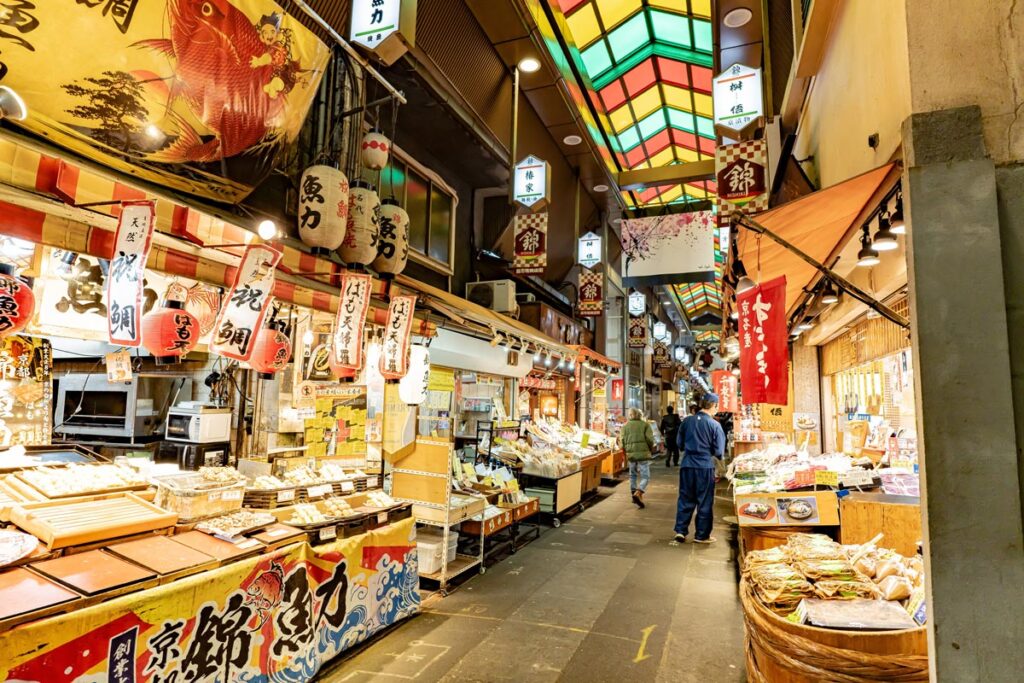
Nishiki Market
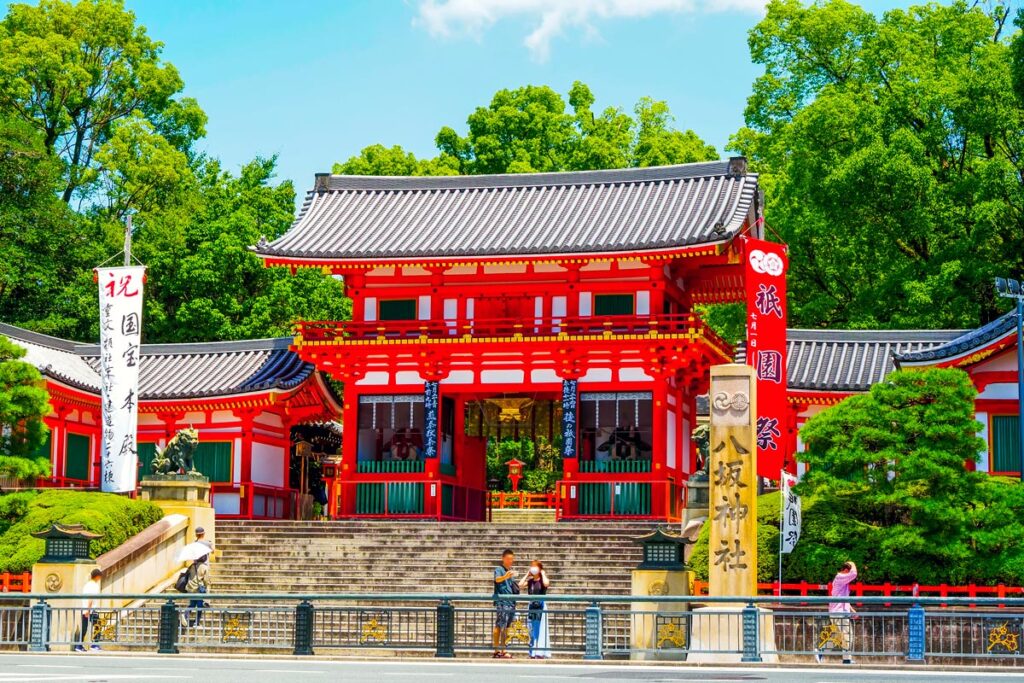
Yasaka Shrine
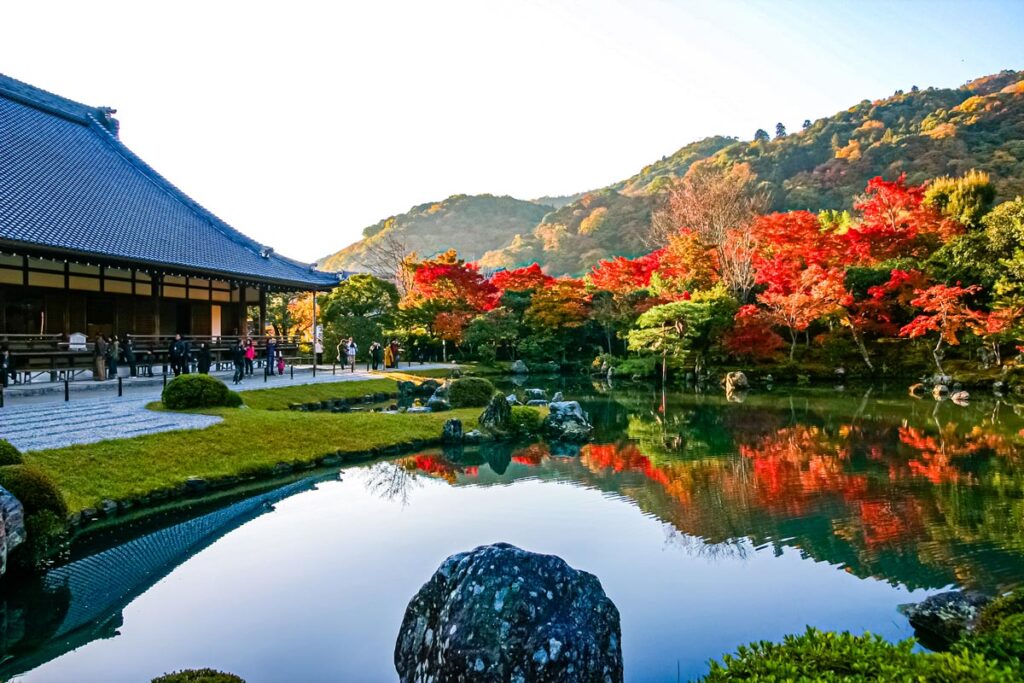
Tenryu-ji
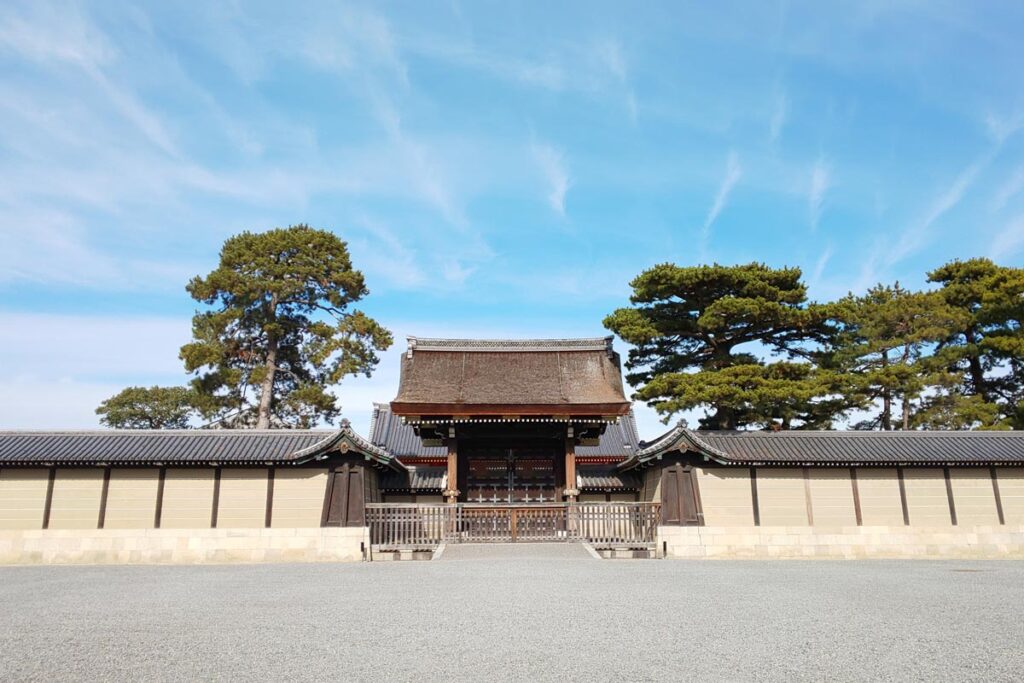
Kyoto Imperial Palace
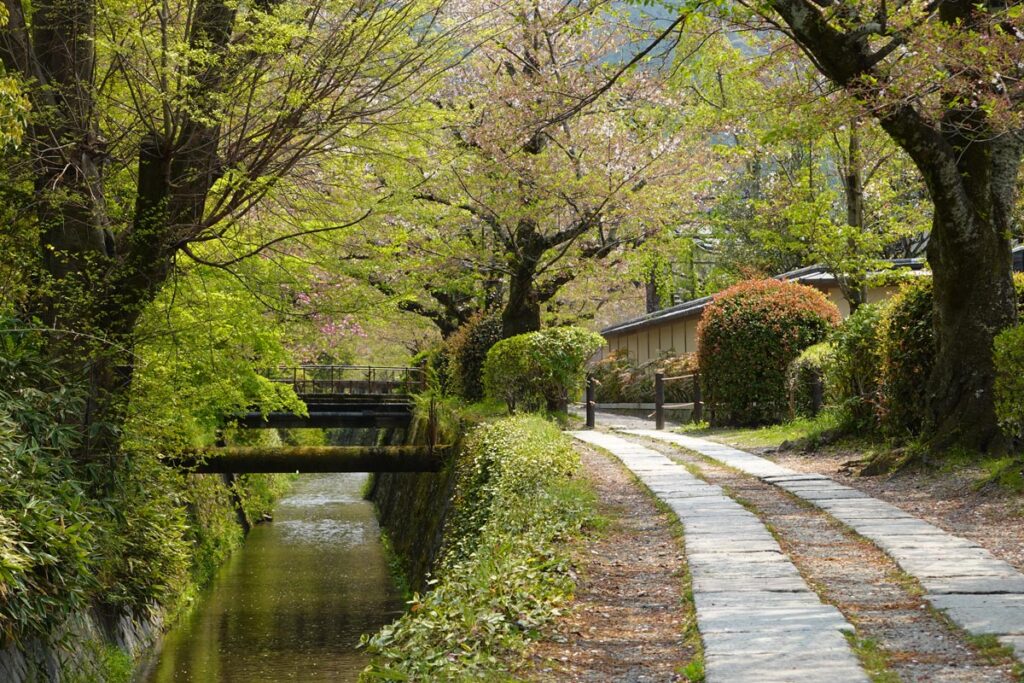
Philosopher's Path
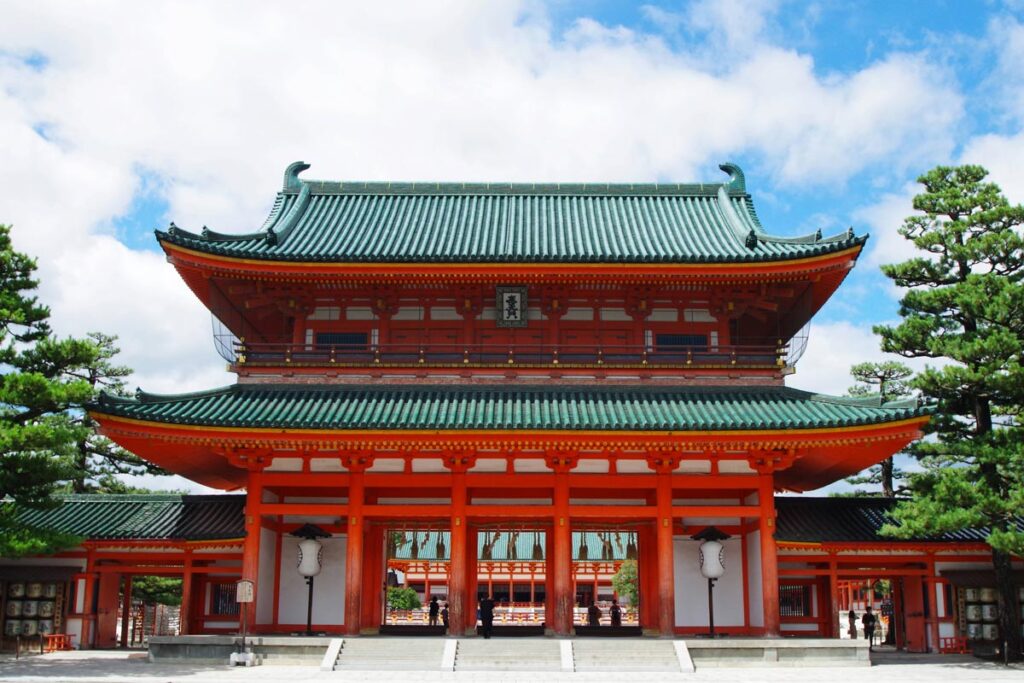
Heian Jingu
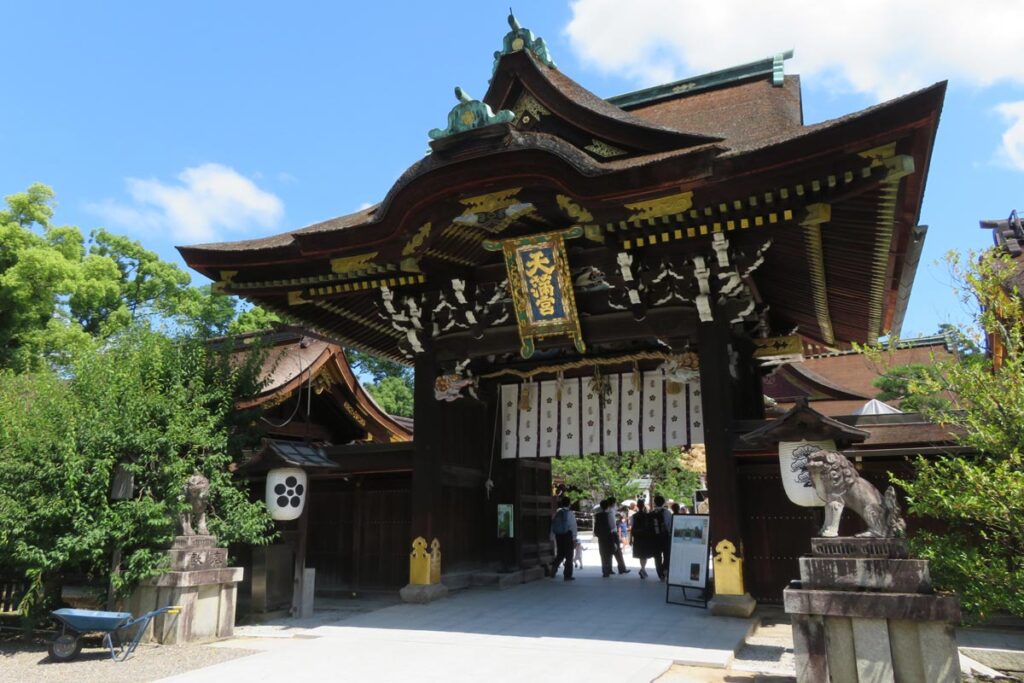
Kitano Tenmangu
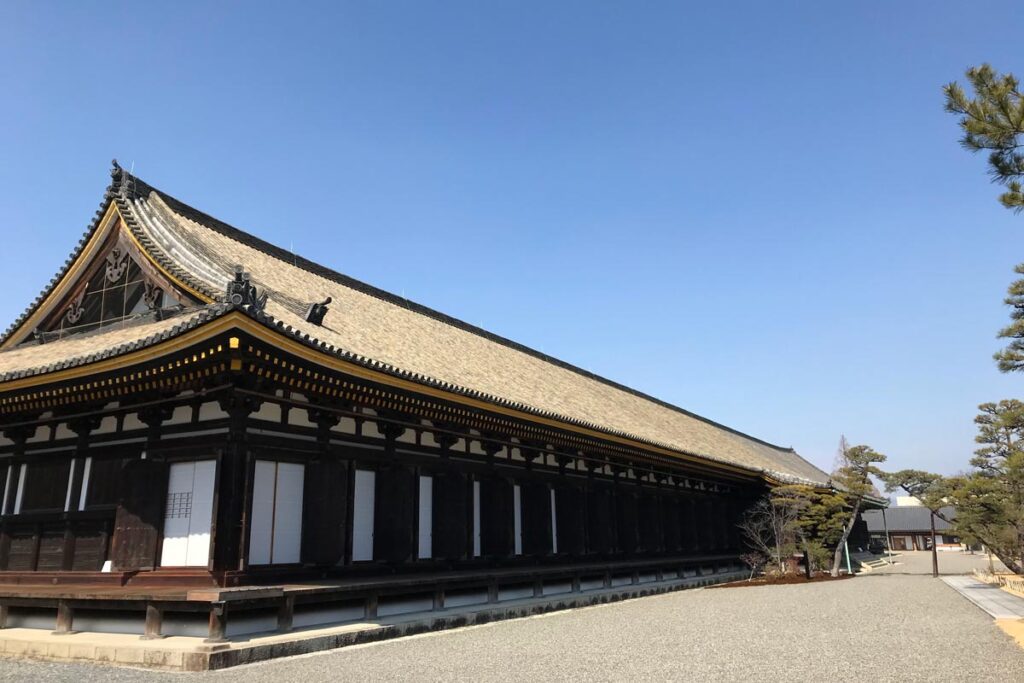
Sanjusangendo
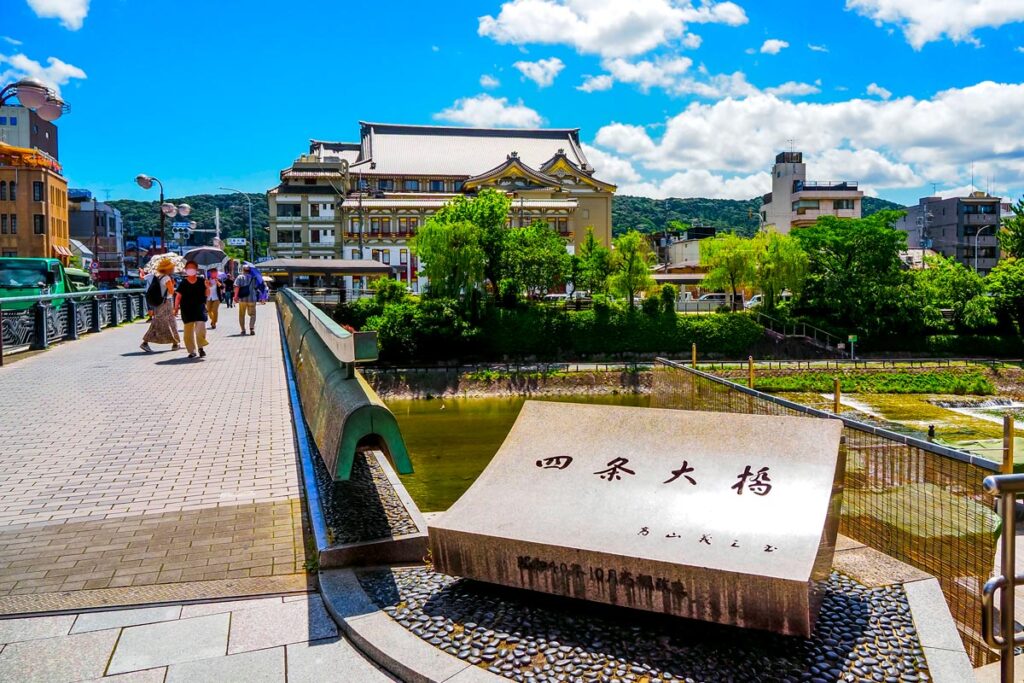
Kamo River
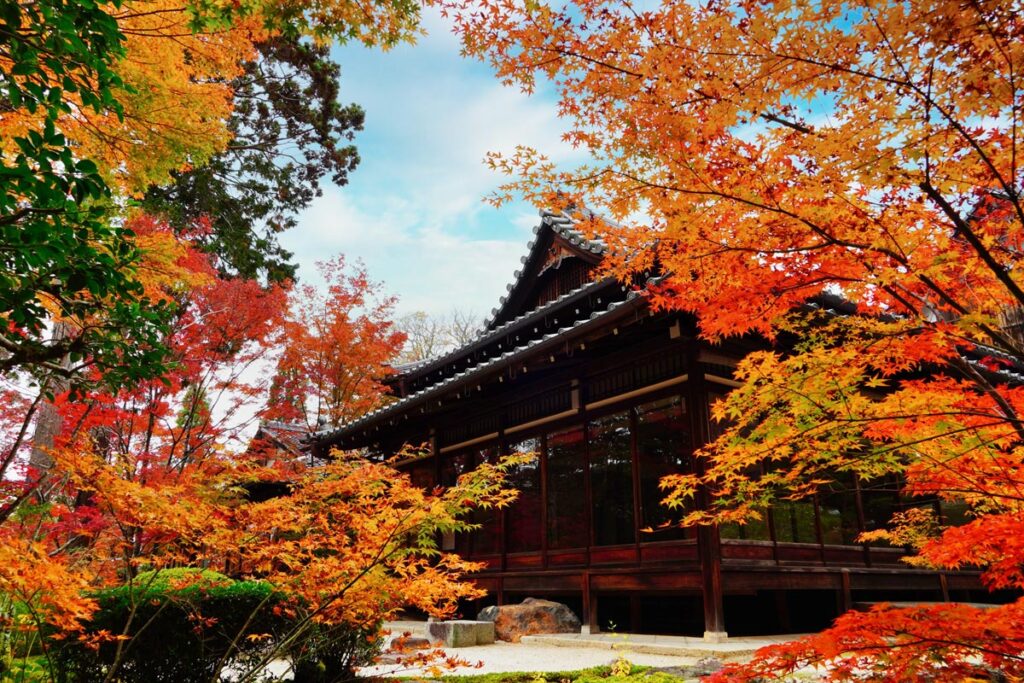
Nanzen-ji
Tofuku-ji
Kyoto International Manga Museum