


Kokusai Street
Kokusai Street Travel Guide: How to Enjoy Naha’s Lively Heart
Photos are for illustrative purposes only.
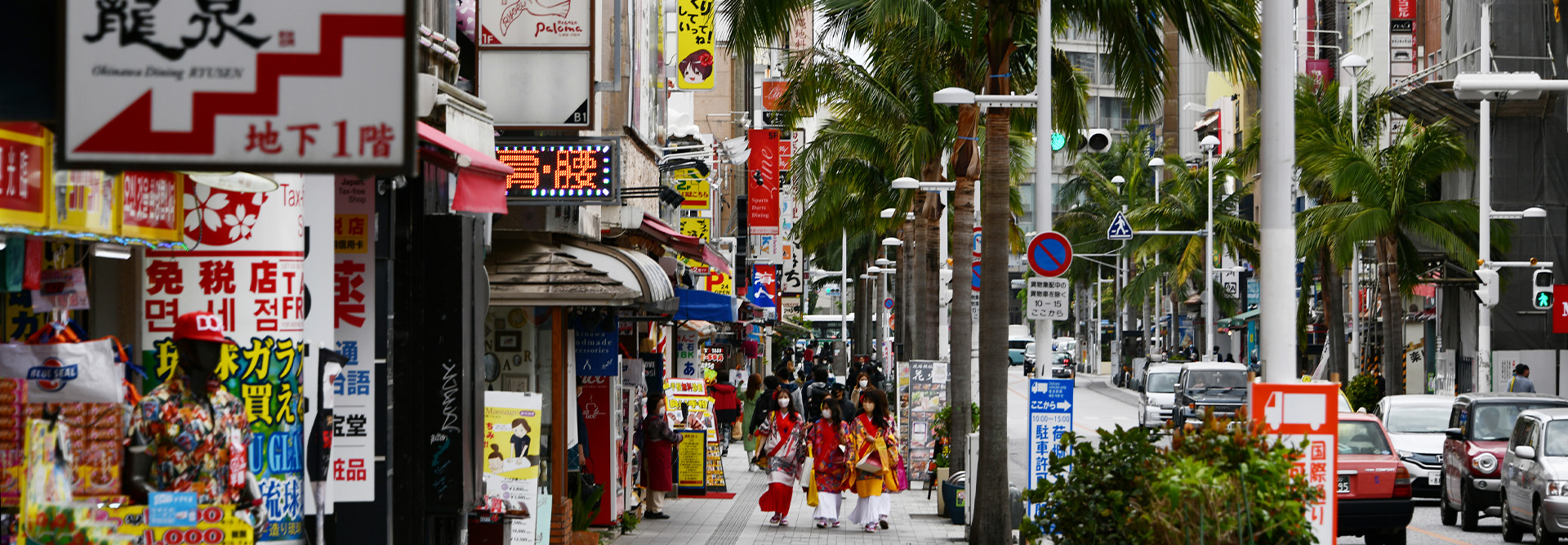
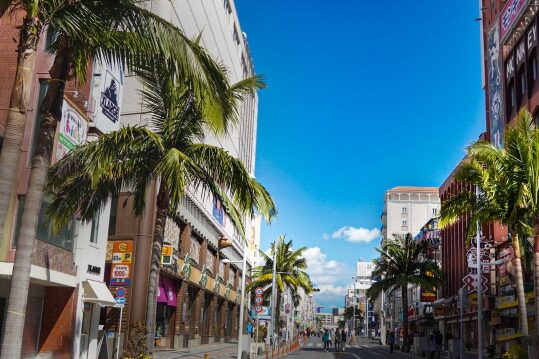
In the heart of Naha, the capital of Okinawa Prefecture, Kokusai Street (Kokusai-dori) is where many visitors have their very first taste of Japan’s southern island culture. Stretching for about 1.6 kilometers through central Naha, this busy avenue is lined with restaurants, souvenir shops, bars, markets and small lanes that reveal a more local side of the city.
For first-time travelers to Japan, Kokusai Street is an easy and welcoming introduction: English signs are common, public transport is simple to use, and the atmosphere is friendly and relaxed. At the same time, it offers a distinctly Okinawan flavor, very different from Tokyo or Kyoto, shaped by subtropical weather, island music, and centuries of trade across Asia.
Why Visit Kokusai Street?
Kokusai Street is not just a shopping strip. It is the main stage of Naha’s modern life, rebuilt after World War II and now a symbol of Okinawa’s resilience and creative energy. It is a place where you can:
- Sample classic Okinawan dishes and tropical sweets
- Pick up local crafts such as colorful Ryukyu glass and traditional textiles
- Experience island music, dance, and nightly entertainment
- Use as a convenient base for exploring nearby historic sites
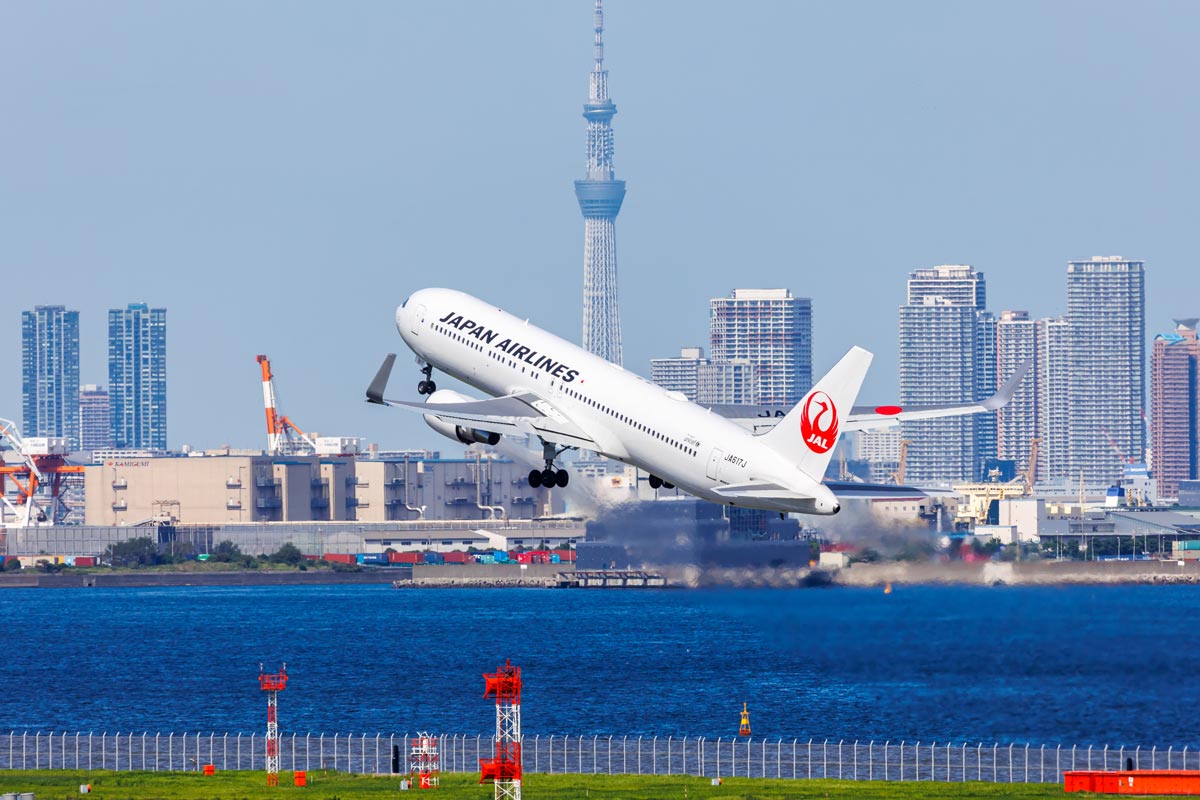
Because everything is compact and walkable, Kokusai Street works perfectly as your first stop after landing at Naha Airport or as a base for a short stay in Okinawa.
Orientation: Where Is Kokusai Street and How Long to Stay
Kokusai Street runs roughly east–west through central Naha, from the Asahibashi area near the government offices to the Asato area. It is bookended by Yui Rail monorail stations, and smaller shopping alleys branch off to the north and south.
Most first-time visitors spend a half day to a full day exploring, but because the area has many accommodations and eateries, you could also stay nearby for several nights and use it as your base for day trips to beaches and other attractions on Okinawa’s main island.
How to Get to Kokusai Street
From Naha Airport
The easiest way to reach Kokusai Street is via the Okinawa Urban Monorail, commonly called Yui Rail. From Naha Airport Station:
- Take Yui Rail toward Shuri
- Get off at either Kenchomae Station or Miebashi Station for the western end of Kokusai Street
- Alternatively, use Makishi Station or Asato Station for the central and eastern sections
The ride from the airport takes about 12–15 minutes. Stations are clearly marked in English, announcements are bilingual, and the trains are clean and safe at any time of day.
On Foot Around the Area
Once you arrive, Kokusai Street is easy to explore on foot. The sidewalks are wide and mostly flat, and there are frequent pedestrian crossings. The walk from one end of the street to the other takes about 20–25 minutes without stops, but you will likely want to move slowly, browsing shops, trying snacks, and venturing into side streets.
Best Time to Visit Kokusai Street
Time of Day
Kokusai Street changes character throughout the day:
- Morning (9:00–11:00): Quiet and relaxed. Good for a calm stroll, photography, and browsing without crowds. Some smaller shops may open closer to 10:00.
- Afternoon (11:00–17:00): The busiest period. Restaurants are lively, souvenir shops are in full swing, and tour groups are common.
- Evening (17:00–22:00): Neon lights turn on, bars and izakaya fill up, and live music spills out onto the street. Great for soaking up the atmosphere and enjoying Okinawan nightlife.
Seasons and Weather
Okinawa has a subtropical climate, with mild winters and hot, humid summers.
- Spring (March–May): Comfortable temperatures, ideal for walking. Occasional rain showers. Popular time for international visitors.
- Summer (June–September): Very hot and humid, with a strong sun and possible typhoons. Kokusai Street remains busy but be prepared with sunscreen, hats, and plenty of water.
- Autumn (October–November): Often considered the best season: warm but not extreme, with fewer crowds than peak summer.
- Winter (December–February): Mild and pleasant compared to mainland Japan. You may need a light jacket at night, but daytime temperatures are usually comfortable for strolling.
Highlights and Things to Do on Kokusai Street
Shop for Okinawan Souvenirs
Kokusai Street is one of the best places in Japan to buy region-specific souvenirs. Look out for:
- Ryukyu Glass: Hand-blown glassware with vivid colors and bubbles. These pieces originated from recycled glass bottles after the war and are now a beloved local craft.
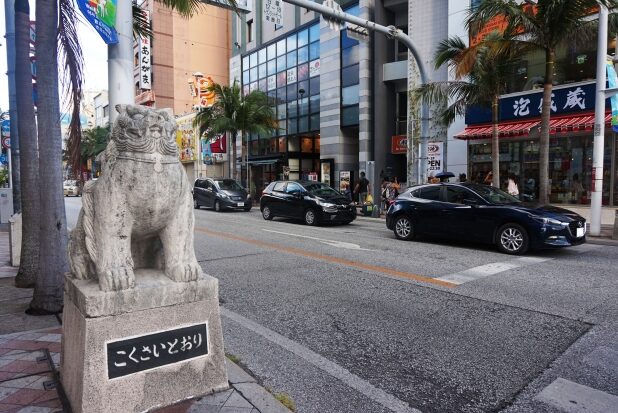
- Shisa Statues: Lion-dog guardians that sit on rooftops and gates across Okinawa. Traditionally, one Shisa has an open mouth (to ward off evil) and the other a closed mouth (to keep good fortune inside).
- Okinawan Textiles and Wear: Lightweight shirts, bags, and cloth featuring island motifs and traditional Bingata patterns, perfect for hot weather.
- Local Snacks and Sweets: Sweet potato tarts, brown sugar candies, and unique flavors such as goya (bitter melon) and shikuwasa (a local citrus fruit).
Many shops offer tax-free shopping for foreign visitors if you present your passport and meet the minimum purchase requirement, so it is worth checking at the counter.
Explore Naha’s Markets Just off Kokusai Street
While the main street is modern and polished, the markets behind it reveal a more traditional side of Naha’s daily life. Narrow alleys lead you to indoor arcades packed with food stalls, butcher shops, and small eateries serving Okinawan home-style dishes. Visiting these markets adds texture to your experience and helps you understand what locals actually eat and buy.
Taste Okinawan Cuisine
Kokusai Street is an accessible introduction to Okinawan food, which differs noticeably from typical Japanese cuisine. You will see many restaurants, izakaya (Japanese-style pubs), and small diners advertising local specialties.
Classic dishes to try include:
- Soki Soba: Noodles in a light, flavorful broth topped with slow-cooked pork spare ribs. Despite the name “soba,” the noodles are closer to udon or ramen in texture.
- Goya Champuru: A stir-fry featuring bitter melon, tofu, egg, and pork or spam. It is a symbol of Okinawan home cooking and may taste surprisingly refreshing in the heat.
- Taco Rice: A playful fusion dish of seasoned taco meat, shredded lettuce, cheese, and salsa over white rice, created in Okinawa and now beloved by locals and visitors alike.
- Rafute: Tender braised pork belly, slowly cooked in a sweet-savory sauce until it becomes melt-in-the-mouth soft.
To drink, you can sample awamori, Okinawa’s traditional distilled liquor, often enjoyed over ice or with water. Many places also serve Orion Beer, the local brew, which pairs well with island dishes in the humid climate.
Experience Island Music and Nightlife
As evening falls, some venues along and near Kokusai Street offer live performances of Okinawan folk songs accompanied by the sanshin, a three-stringed instrument covered in snakeskin. The music, with its gentle but rhythmic sound, reflects Okinawa’s history as the Ryukyu Kingdom and its long-standing links with China and Southeast Asia.
Bars and izakaya range from relaxed, family-friendly spots to energetic music pubs. Prices are generally moderate, and many menus have pictures and basic English descriptions. Tipping is not customary in Japan, but a small cover charge may be added at some music venues.
Cultural Background: The Spirit of Kokusai Street
Understanding a bit of local history deepens your appreciation of what you see today. Much of Naha, including the area that became Kokusai Street, was heavily damaged during World War II. The street’s later development into a bustling commercial zone symbolized Okinawa’s recovery and modern identity.
The name “Kokusai,” meaning “international,” reflects the island’s long history as a crossroads between Japan, China, and Southeast Asia, as well as the postwar presence of U.S. military bases. This blend is visible in the food, music, and easygoing atmosphere that differs from the more formal feel of many mainland cities.
While the street is now quite commercial, look for hints of older Okinawa: tiled rooftops with Shisa statues, shopfronts handwritten in local dialect, and small family-run businesses that have been here for generations.
Practical Tips for First-Time Visitors
Language and Communication
Japanese is the main language, but simple English is commonly understood in hotels, larger shops, and tourist information centers around Kokusai Street. Many menus include pictures, and you can often point to what you would like to order. Learning a few phrases such as “arigatou” (thank you) and “sumimasen” (excuse me) will be appreciated.
Money, Payments, and ATMs
Japan’s currency is the yen, and while cash is still widely used, electronic payment is becoming more common in Naha. Along Kokusai Street you will find:
- Convenience stores with international ATMs that accept many foreign cards
- Larger shops and chain restaurants that accept major credit cards
- Smaller eateries and market stalls that may be cash only
It is wise to carry some cash, especially if you plan to explore the side streets and markets.
Safety and Etiquette
Kokusai Street is generally very safe, even at night. Still, it is good practice to keep valuables secure and be mindful in crowded areas.
Basic etiquette tips include:
- Dispose of trash properly. Public bins are limited, so you may need to carry your rubbish until you find one.
- Avoid eating while walking in crowded areas; step aside or sit down when enjoying street food.
- Keep voices moderate, especially near residential side streets at night.
- If you visit shrines or small temples off the main street, behave quietly and respectfully.
Accessibility
Sidewalks along Kokusai Street are generally accessible for travelers with strollers or wheelchairs, though some older buildings and market alleys may have steps or narrow entrances. Yui Rail stations provide elevators and clear signage.
Suggested Walking Route for First-Time Visitors
To make the most of Kokusai Street, you can follow a simple walking route:
- Start at Kenchomae Station and walk onto Kokusai Street. Take in your first impressions and stop at a café for an iced coffee or local juice.
- Browse souvenir shops for Ryukyu glass and Shisa figures. Even if you do not buy anything right away, this gives you a sense of typical prices.
- Venture into the markets just off the main street for a glimpse of daily life and perhaps a light lunch of Okinawan noodles.
- Continue eastward, sampling snacks such as sata andagi (Okinawan doughnuts) or sweet potato treats from street-side stands.
- Finish near Makishi or Asato Station, where you can rest at a bar or izakaya, listen to live music, and enjoy an easy ride back to your accommodation by monorail.
Combining Kokusai Street with Nearby Attractions
Kokusai Street is a natural hub for exploring greater Naha. From here, you can easily reach several well-known spots by Yui Rail or short taxi ride, such as historic sites, parks, and museums. Many visitors spend the day sightseeing elsewhere and then return to Kokusai Street in the evening for dinner and shopping.
Final Thoughts: A Gentle Introduction to Okinawa
For first-time visitors to Japan, Kokusai Street offers a soft landing: it is easy to navigate, welcoming to international travelers, and filled with opportunities to taste, shop, and learn. More importantly, it gives you an immediate sense of Okinawa’s distinct island culture—warm, relaxed, and subtly different from the Japan you may know from guidebooks and films.
Whether you spend just a few hours or base your Okinawa stay around Naha, walking Kokusai Street is a simple way to begin understanding the rhythm of life in Japan’s southernmost prefecture. Come hungry, stay curious, and leave space in your suitcase for colorful reminders of your time in Naha.

Access Map
Recommended spots in Okinawa
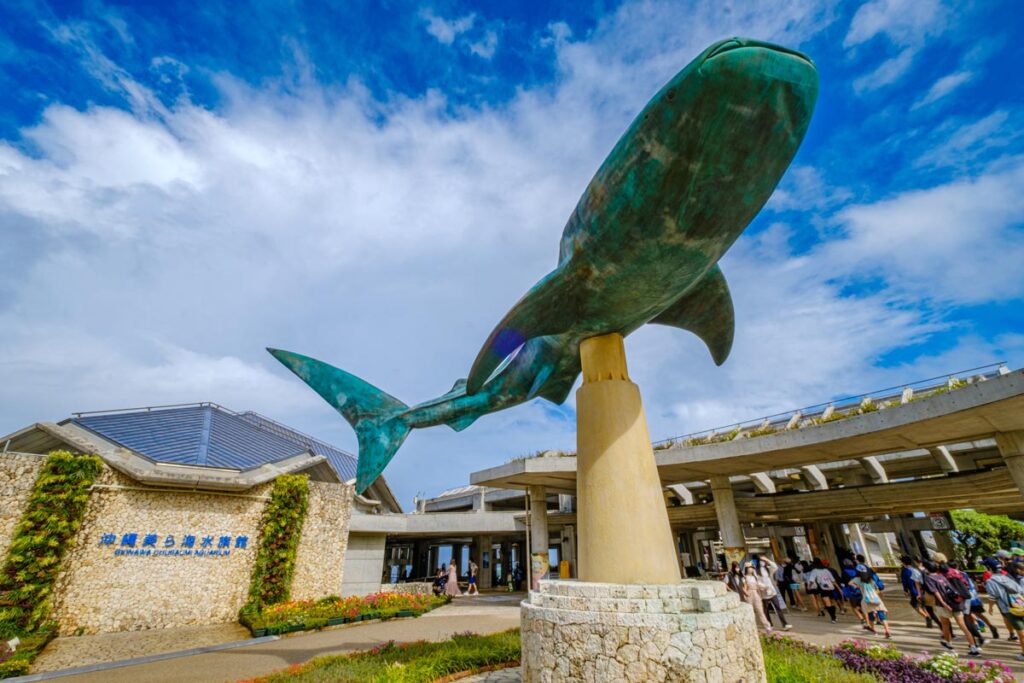
Churaumi Aquarium
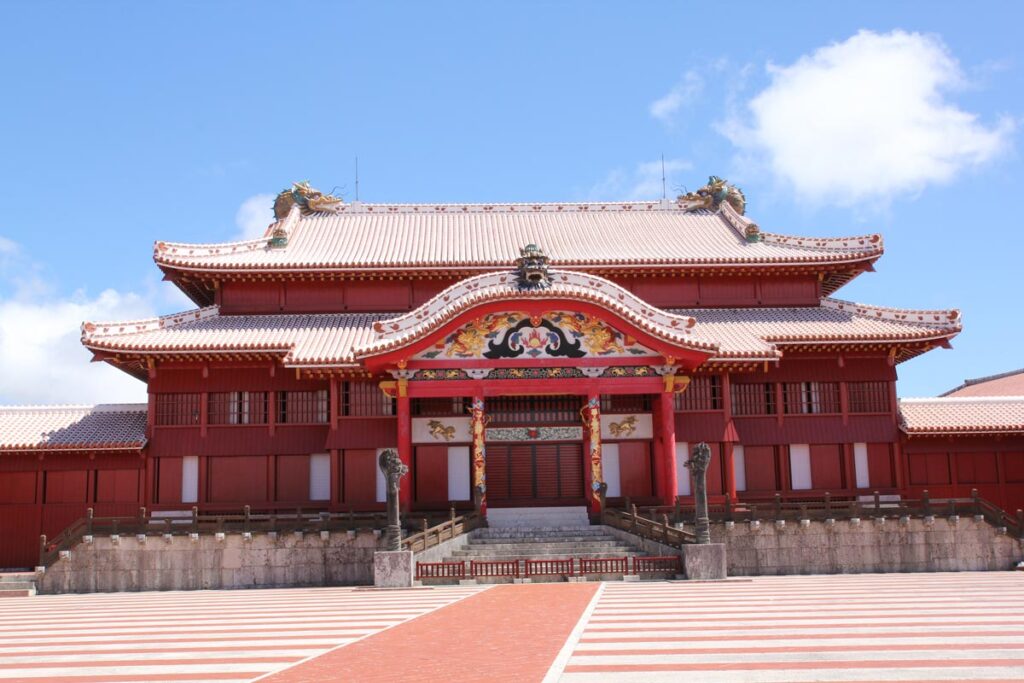
Shuri Castle
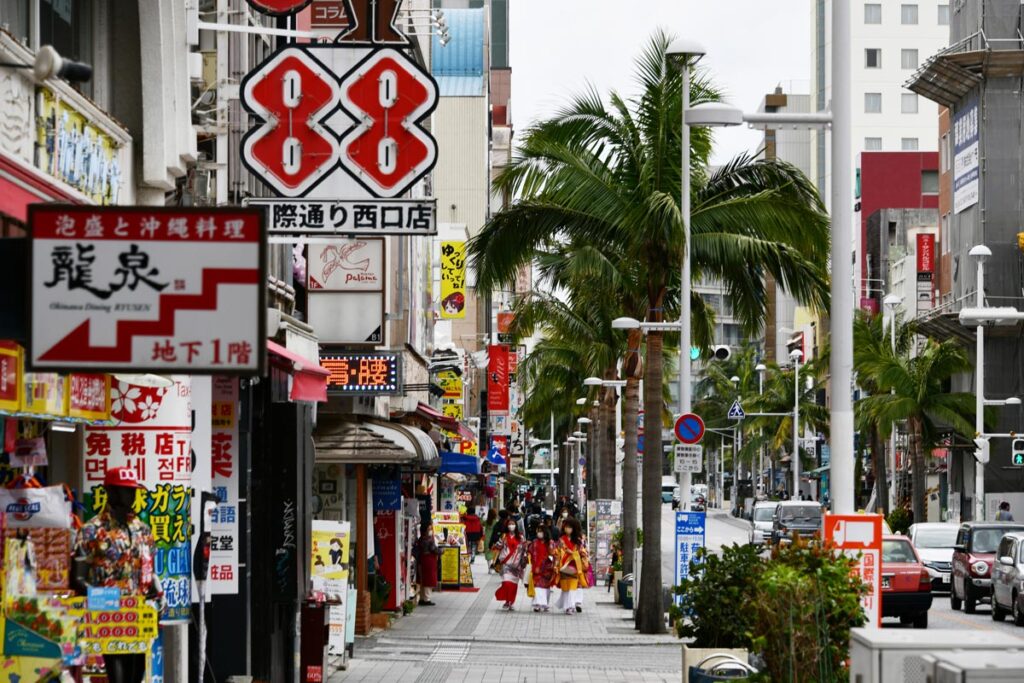
Kokusai Street
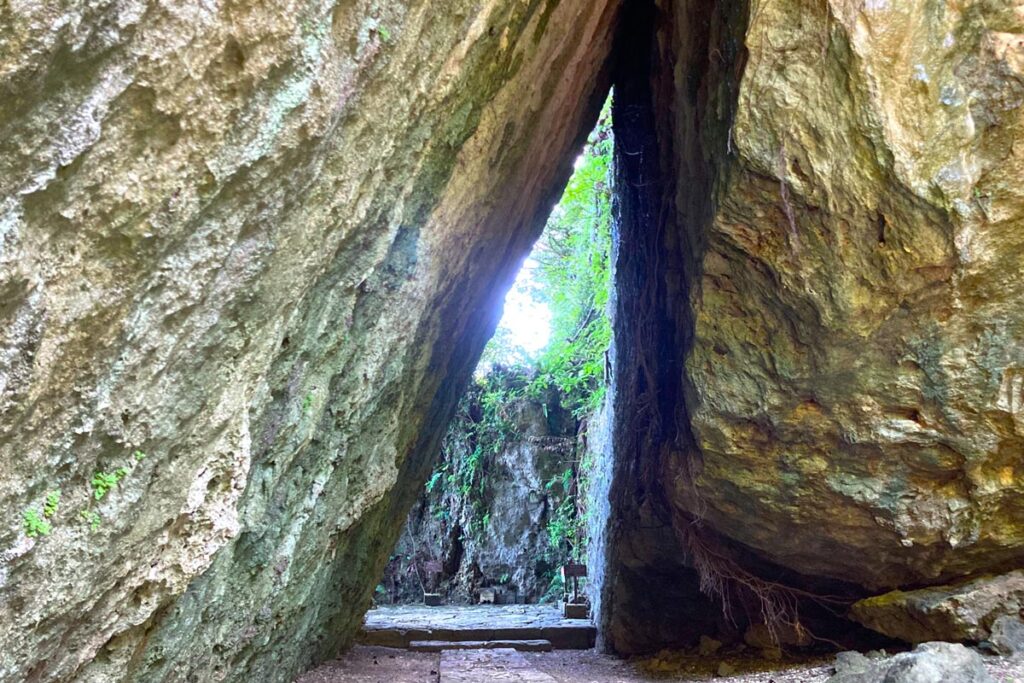
Sefa Utaki
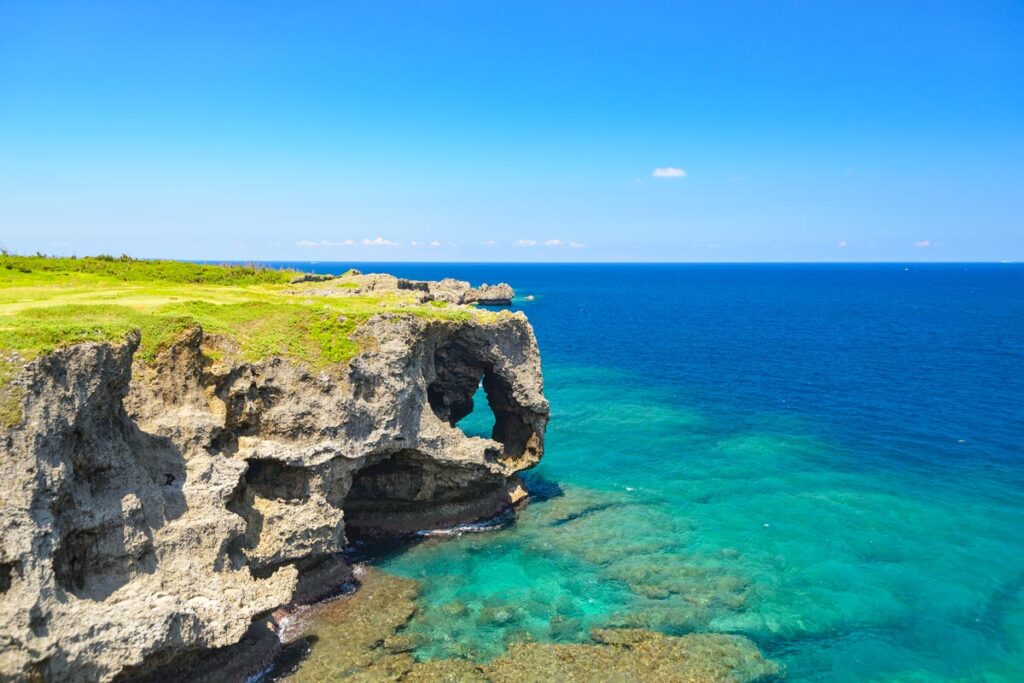
Manza-mo

Blue Cave
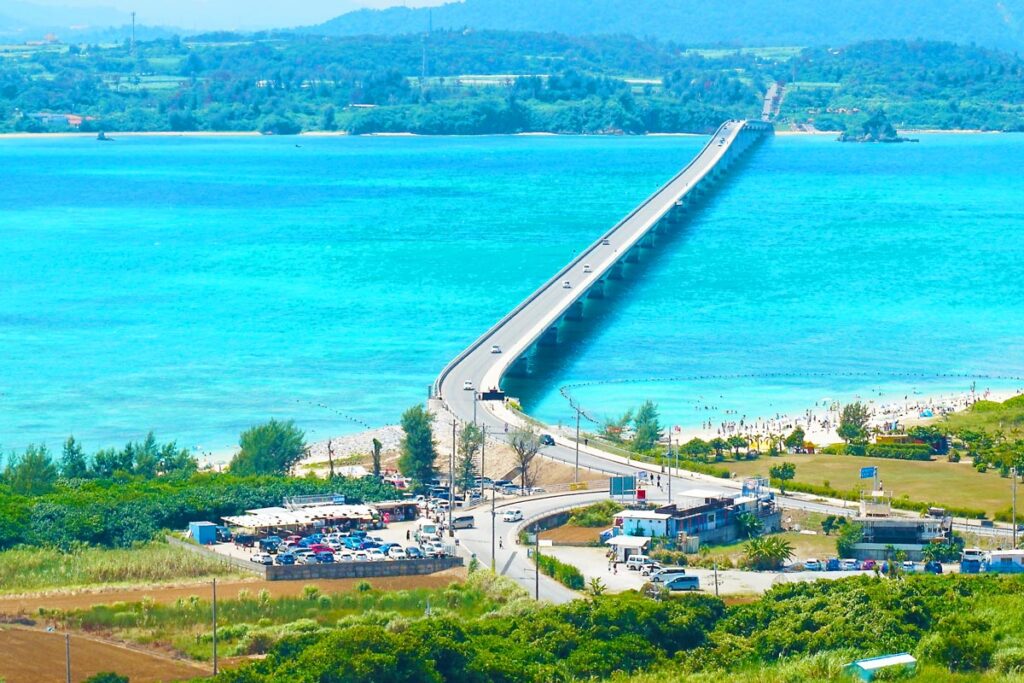
Kouri Island

Diving Spots
Top destinations in Kyushu/Okinawa
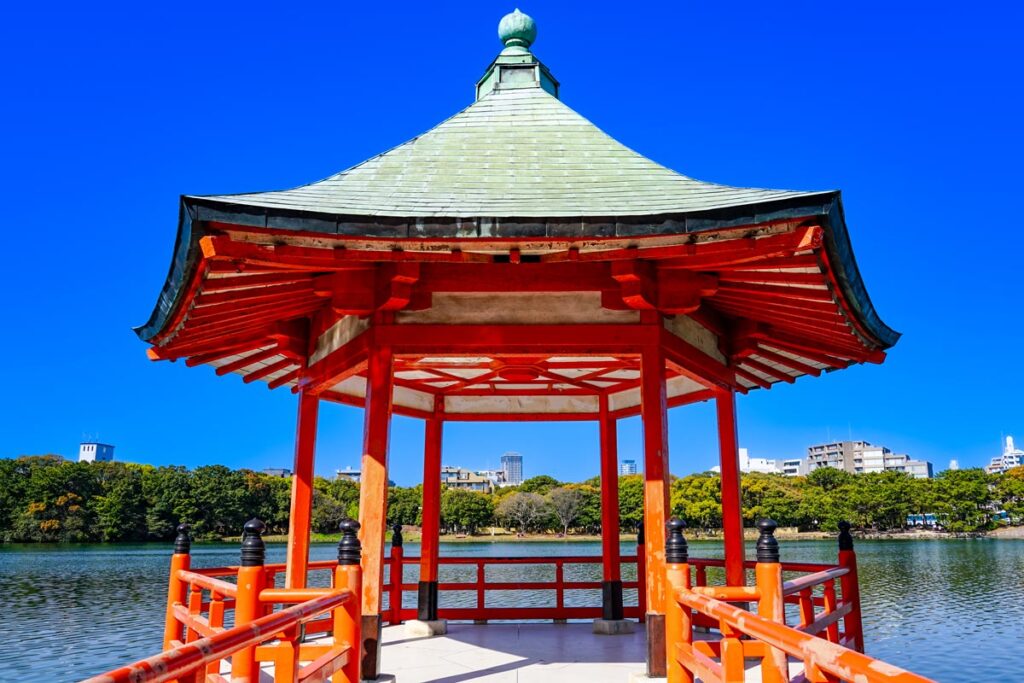
Fukuoka
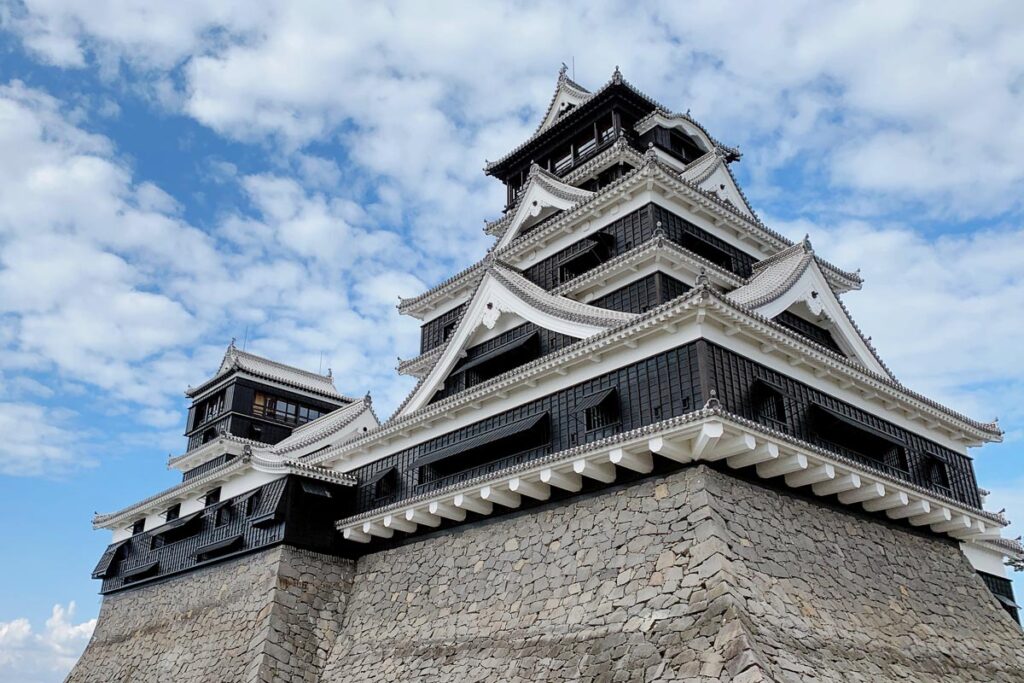
Kumamoto
Kagoshima