



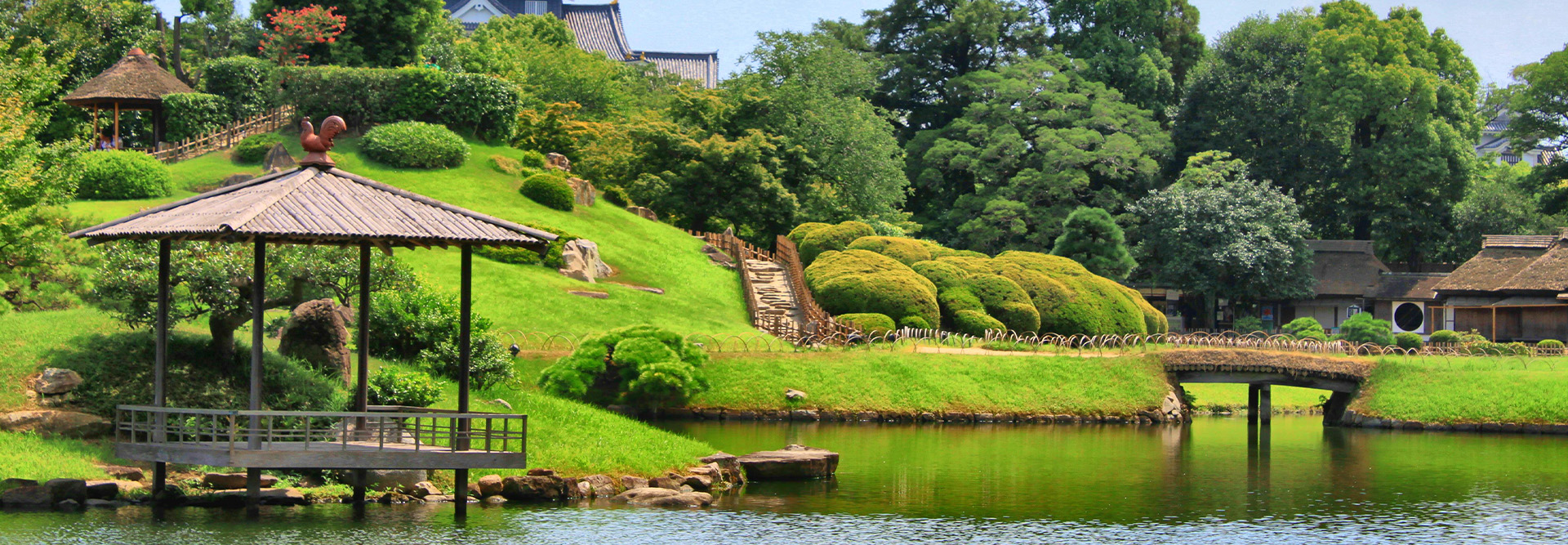
Korakuen Garden
Korakuen Garden Japan Travel Guide for First-Time Visitors
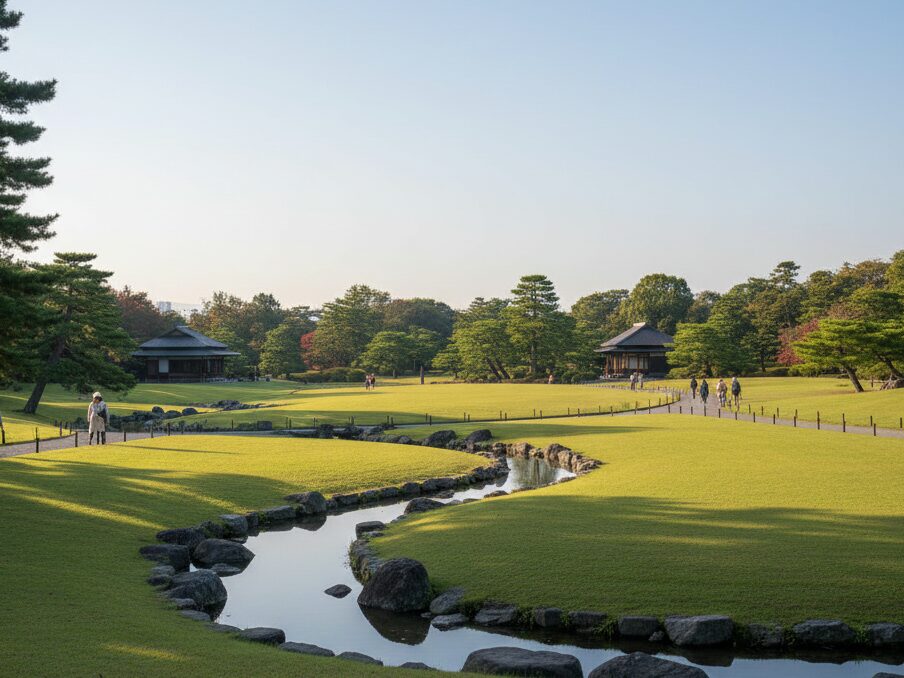
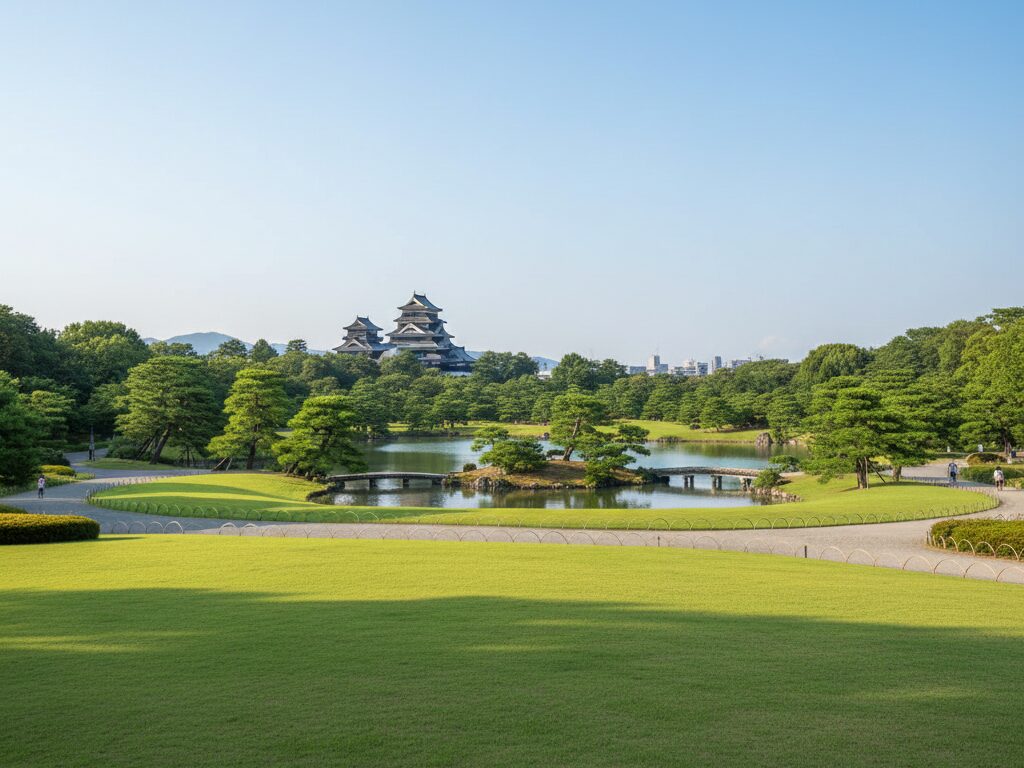
Photos are for illustrative purposes only.
Korakuen Garden in Okayama is one of Japan’s most celebrated landscape gardens and an ideal introduction to traditional Japanese aesthetics for first-time visitors. With spacious lawns, meandering ponds, teahouses, and a stunning backdrop of Okayama Castle, it offers a calm, walkable escape that feels worlds away from Tokyo’s neon or Osaka’s bustle.
Why Korakuen Belongs on Your Japan Itinerary
Korakuen is officially ranked as one of Japan’s “Three Great Gardens,” alongside Kenrokuen in Kanazawa and Kairakuen in Mito. Unlike many gardens tucked into temple grounds or built on hillsides, Korakuen is remarkably open and expansive. Broad lawns, wide paths, and clear views across ponds create a sense of space that’s rare in Japan, making it very approachable for international visitors unfamiliar with Japanese garden design.
Historically, this was the private retreat of the local feudal lord, a daimyo. Today, it’s a public park where you can stroll at your own pace, observe seasonal changes, and get a feel for how nature, architecture, and water are carefully orchestrated in Japanese culture.
A Brief History and Cultural Background
Korakuen was commissioned in 1687 by Ikeda Tsunamasa, feudal lord of the Okayama domain, and completed a few years later. The garden follows the philosophy of a strolling garden (kaiyu-shiki teien): visitors walk along a circular path, with the scenery subtly changing at every turn. Instead of one grand viewpoint, the garden invites you to experience many “mini landscapes” that unfold like a story.
The name “Korakuen” comes from a Chinese teaching that praises rulers who attend to their own pleasure only after ensuring their people’s welfare. It reflects the Confucian ideal that leisure should come after duty. When you walk through the garden today, you’re walking through a space designed both for relaxation and for demonstrating the lord’s refined taste and moral values.
Layout: How to Explore Korakuen
Korakuen is easy to navigate, even if you don’t read Japanese. The main attractions are arranged along a loop path that typically takes about 60–90 minutes to walk at a relaxed pace. Most paths are flat and well maintained, suitable for casual strolls and accessible for many visitors.
Main Gate and First Impressions
After entering through the main gate, you’re immediately introduced to the spaciousness that makes Korakuen unique. Instead of dense forest or hidden corners, you see large lawns, streams, and the central pond spread out before you. Signboards, often with English explanations, help you understand what you’re looking at and suggest walking routes.
The Central Pond and Island Views
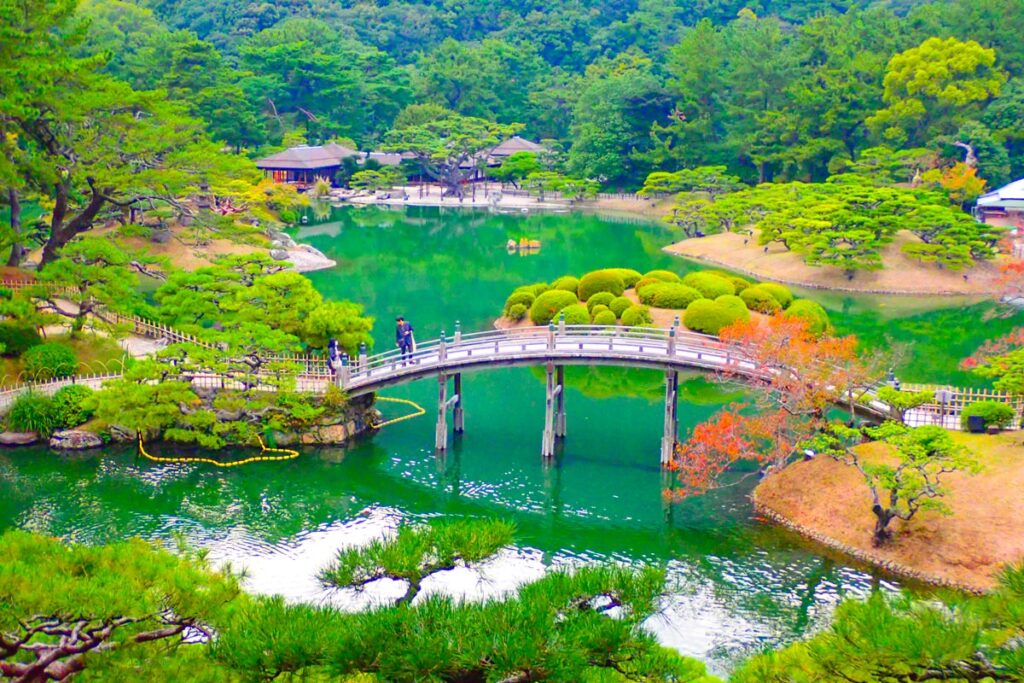
The heart of Korakuen is a shimmering central pond dotted with several small islands. Paths and bridges around this pond are carefully placed so that with each step the composition of water, rocks, and trees shifts subtly. This design principle—creating changing scenes along a walk—is central to Japanese garden aesthetics.
Look for:
- Enyo-tei area: A prominent viewing spot where the pond, islands, and Okayama Castle line up for a classic photo.
- Stone bridges and stepping stones: These offer charming close-up views of koi carp and reflections in the water.
Meadows, Streams, and Rice Fields
One of Korakuen’s distinctive features is its use of open meadows. While many Japanese gardens favor dense plantings, Korakuen incorporates large lawns and a meandering stream that lends a pastoral, almost countryside atmosphere.
You’ll also find a small rice paddy within the garden. This is not merely decorative: it recalls the lord’s role in overseeing agriculture and shows how daily life and high culture intertwined. If you visit during planting or harvest seasons, you may catch special events or demonstrations.
Teahouses and Rest Spots
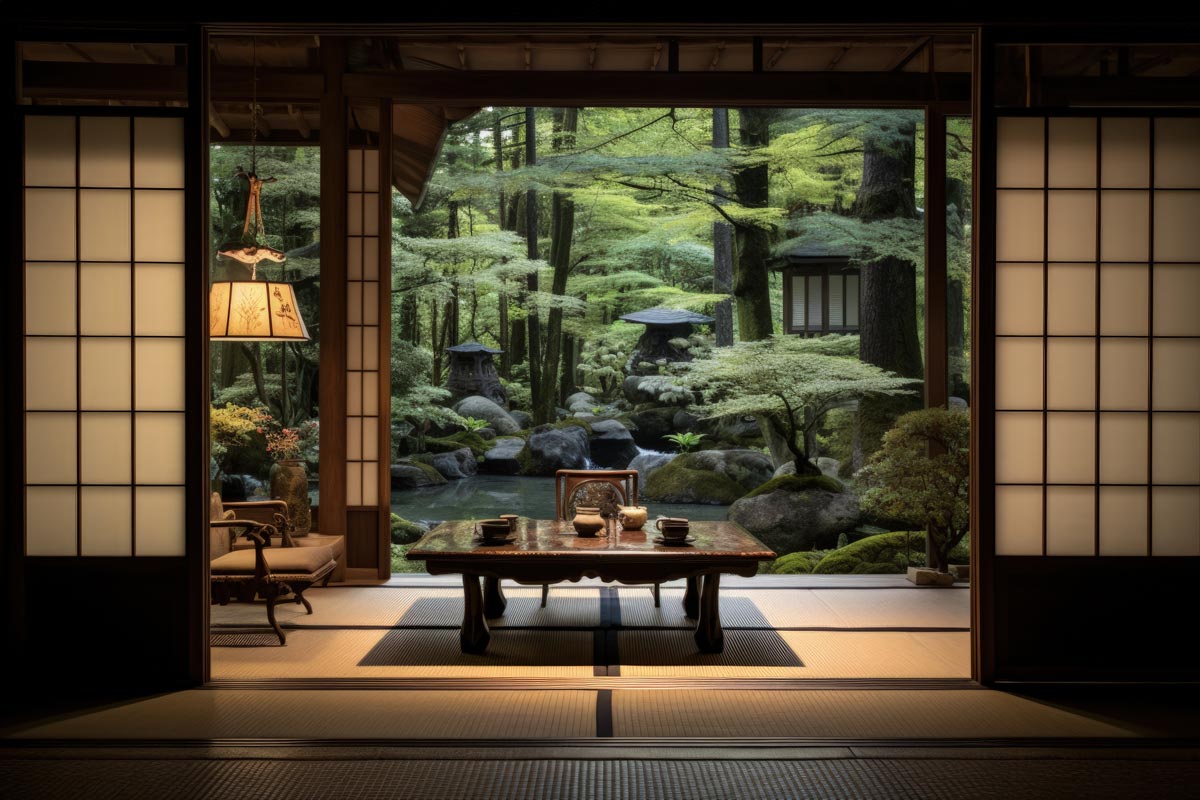
Several traditional buildings are scattered around the garden, once used by the feudal lord for rest, entertainment, and tea ceremonies. While not all are open for casual entry, they create scenic focal points and demonstrate the elegant simplicity of Japanese wooden architecture.
- Enyo-tei: The main villa where the lord could host guests and enjoy garden views.
- Teahouses: Smaller structures tucked near ponds or groves, used for tea gatherings that emphasized harmony with nature.
Some areas offer benches or seating where you can pause, enjoy a snack from the garden shop, and watch the scenery change with the light.
Seasonal Highlights: When to Visit Korakuen
Korakuen is designed to be beautiful in every season. If you’re planning a wider Japan itinerary, it’s helpful to know what to expect at different times of year.
Spring: Plum Blossoms and Cherry Trees
From late February to early March, plum blossoms (ume) appear first, often while the air is still crisp. Plums are associated with endurance and early spring in Japanese culture and are less crowded than the famous cherry blossoms that follow.
Cherry blossoms (sakura) typically bloom from late March to early April. The lawns and paths around the central pond become softly framed by pale pink, and picnicking under the blossoms—hanami—is a cherished local pastime. If you visit during this period, consider coming early in the morning or late in the afternoon for fewer crowds and softer light.
Summer: Lush Greens and Lotus Ponds
By late spring and summer, Korakuen becomes a lush green refuge. Trees are in full leaf, lawns are vibrant, and the streams provide a cooling atmosphere. Morning visits are ideal in summer to avoid the midday heat and humidity.
Lotus flowers often bloom in the ponds, their broad leaves and pale blossoms creating a serene contrast against the dark water. As lotus flowers open in the morning and close by afternoon, earlier visits will reward you with their best display.
Autumn: Fiery Maples and Golden Rice
From late October into November, autumn colors transform Korakuen. Japanese maples and ginkgo trees blaze in red, orange, and gold. Garden designers carefully placed these trees near ponds and streams to create stunning reflections—ideal for photography.
If your visit coincides with harvest time, you may see the rice fields turning golden, a subtle reminder of Japan’s agrarian roots and the seasonal rhythm that still underpins many festivals and customs.
Winter: Subtle Beauty and Quiet Mornings
Winter in Korakuen is tranquil and often less crowded. Trees stand bare against the sky, and the garden’s underlying design becomes more visible. On snowy days, if you’re lucky enough to catch one, the contrast of white snow with black pines and dark pond water is unforgettable.
Winter also suits travelers who prefer a quieter, more contemplative experience. Dress warmly, and enjoy the peaceful atmosphere as you wander along the nearly silent paths.
Views of Okayama Castle
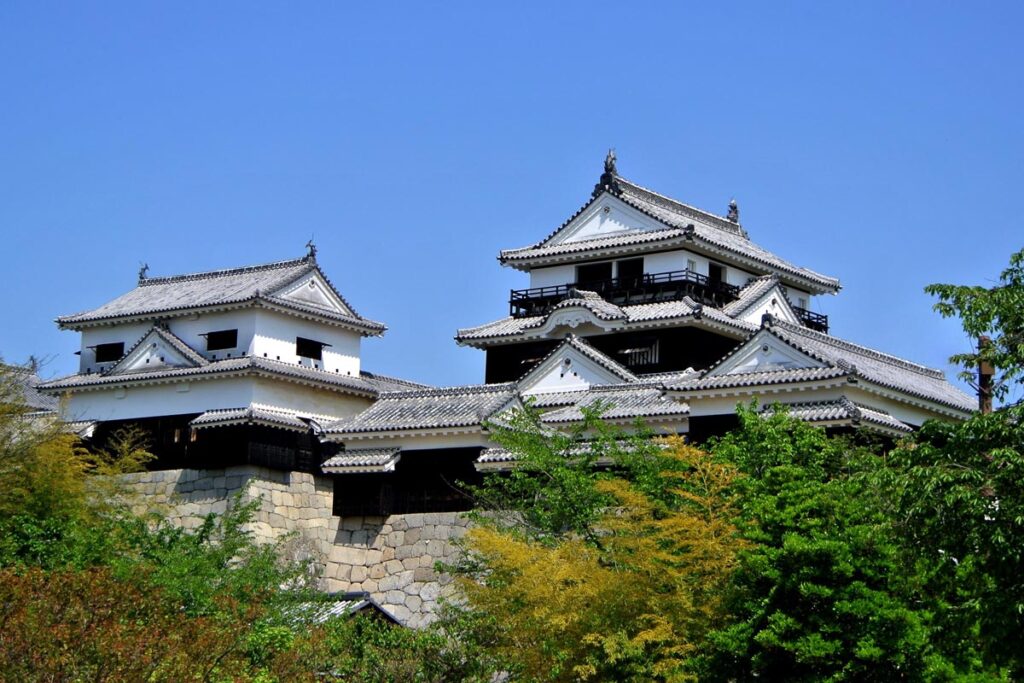
One of Korakuen’s most iconic features is its borrowed scenery—shakkei—of Okayama Castle rising beyond the pond. This concept of “borrowing” distant views to enhance a garden’s composition is central to Japanese landscape design.
As you walk, notice how the castle appears and disappears behind trees and teahouses. Garden planners calculated these sightlines carefully, creating a sense of depth and connection between the ruler’s residence and his retreat. Taking a photograph with the garden in the foreground and the castle behind gives you a classic Okayama postcard shot.
Experiencing Japanese Culture Inside the Garden
Beyond scenic walks, Korakuen offers small windows into traditional Japanese culture that first-time visitors can appreciate without prior knowledge.
Tea and Local Snacks
Inside or near the garden, you can often find simple cafes or stands offering green tea, sweets, and local specialties. Taking a break with a cup of matcha or sencha while looking over the pond echoes the slower pace of life this garden was designed to encourage.
Teahouses sometimes host seasonal events or limited tea experiences. Even if you don’t take part in a formal ceremony, just sitting with a warm drink while observing the garden can give you a quiet sense of Japanese hospitality, or omotenashi.
Traditional Events and Illuminations
Depending on the time of year, Korakuen may host cultural events such as seasonal illuminations, garden festivals, or traditional performances. Evening light-ups can be especially atmospheric, with paths and trees gently illuminated and the castle glowing in the distance.
Check local tourism information or the garden’s current schedule before your visit to see if any special events coincide with your travel dates.
Practical Information for Visitors
Location and Access
Korakuen Garden is in Okayama City, a convenient stop on the Sanyo Shinkansen line in western Japan. It’s an easy day trip from cities like Osaka or Hiroshima and can also be combined with visits to Naoshima art island or Kurashiki’s historic canal district.
From Okayama Station:
- By tram or bus: Local public transport runs frequently toward Okayama Castle and Korakuen; the ride is short.
- On foot: If you enjoy walking, allow around 25–30 minutes. The route is straightforward and signposted.
Opening Hours and Tickets
The garden is generally open daily, with slightly different hours in summer and winter. It typically opens in the early morning and closes around sunset. There is an admission fee, with possible discounts for children or combined tickets that include Okayama Castle.
Arriving early in the day is recommended, especially during cherry blossom and autumn foliage seasons, both to avoid crowds and to enjoy softer light for photos.
Facilities and Accessibility
For international visitors, Korakuen is relatively hassle-free:
- Restrooms: Available at several points inside the garden.
- Signs: Key information is often provided in both Japanese and English.
- Paths: Mostly flat and well maintained, making them suitable for a wide range of fitness levels.
- Shops: Small shops near the entrance may sell souvenirs, local sweets, and drinks.
As with most Japanese gardens, you’ll be expected to stay on the paths, avoid stepping on restricted lawn areas, and refrain from picking flowers or feeding animals. Trash bins can be limited, so it’s wise to carry your rubbish with you until you find a proper bin.
Tips for First-Time International Travelers
To make the most of your visit, consider these practical tips:
- Timing: Aim for the early morning or late afternoon for pleasant light and fewer visitors.
- Footwear: Wear comfortable walking shoes; you’ll likely be on your feet for an hour or more.
- Weather: Carry an umbrella or rain jacket in spring and autumn, and sun protection in summer.
- Photography: Photography is generally allowed, but tripods may be restricted in busy seasons; check local rules.
- Language: Staff may have limited English, but basic phrases, gestures, and signage make navigation straightforward.
Combining Korakuen with Nearby Attractions
Korakuen pairs naturally with a few other spots in Okayama:
- Okayama Castle: Just across the river, the black-walled castle offers city views and exhibits on local history.
- Kurashiki Bikan Historical Quarter: A short train ride away, this area features preserved canals, warehouses, and museums.
- Seto Inland Sea: From Okayama you have access to islands known for contemporary art and coastal scenery.
Even if you’re traveling on a tight schedule, setting aside a half-day for Korakuen and Okayama Castle gives you a balanced taste of nature, history, and urban Japan.
Why Korakuen Is Ideal for First-Time Visitors to Japan
For travelers new to Japan, Korakuen offers an accessible introduction to several key aspects of Japanese culture: the careful balance of nature and design, the historical role of feudal lords, the changing seasons, and the quiet pleasures of a simple walk in a thoughtfully crafted landscape.
It’s easy to reach, easy to enjoy, and rich in cultural meaning even if you arrive with no background in Japanese history or gardening. Whether you’re planning a short trip focused on major cities or a longer journey across regions, Korakuen Garden is a rewarding stop that adds depth and calm to your time in Japan.

Access Map
Recommended spots in Okayama
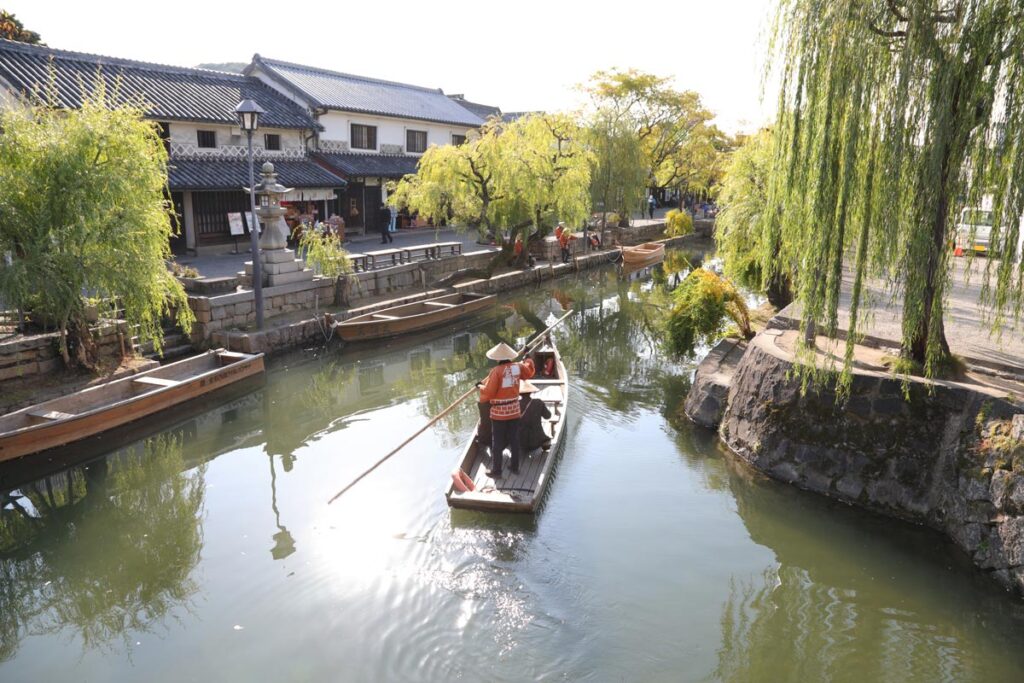
Kurashiki Bikan Historical Quarter
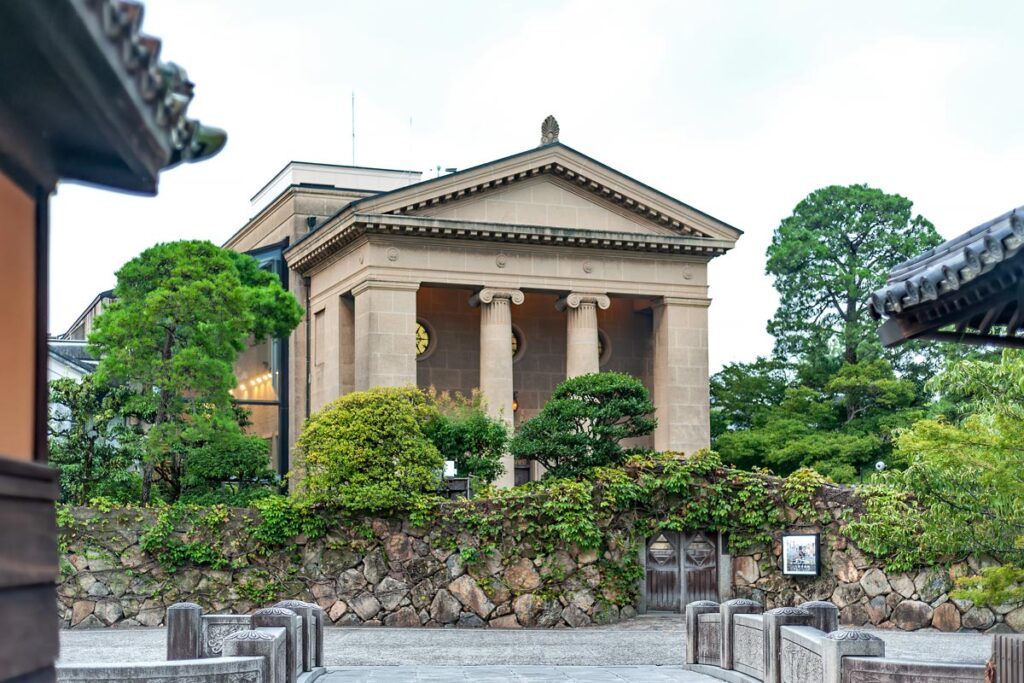
Ohara Museum of Art
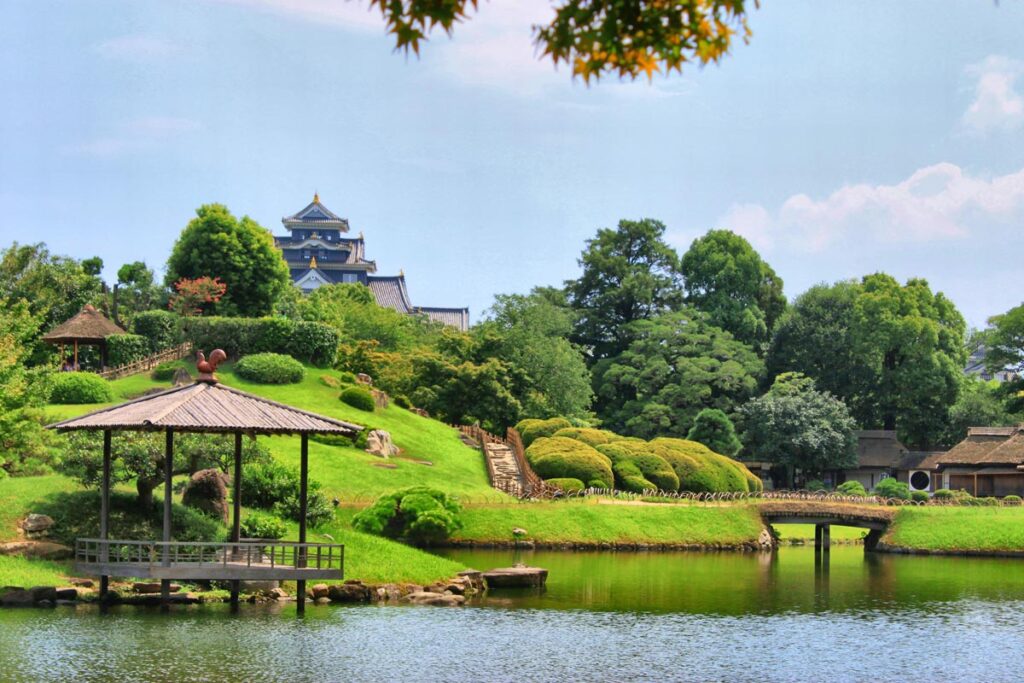
Korakuen Garden
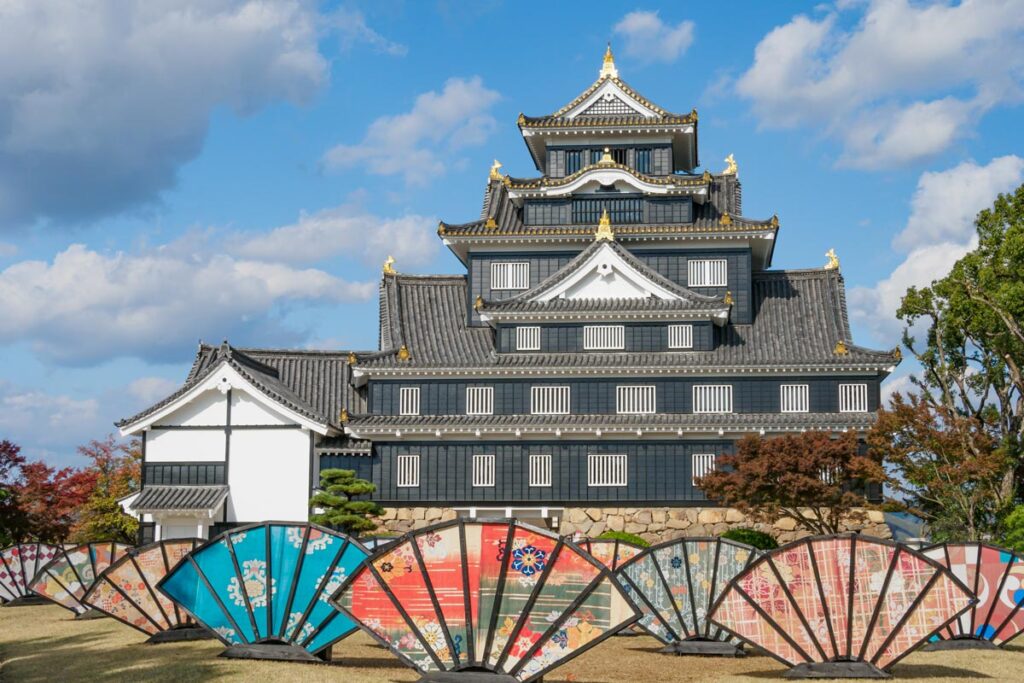
Okayama Castle