


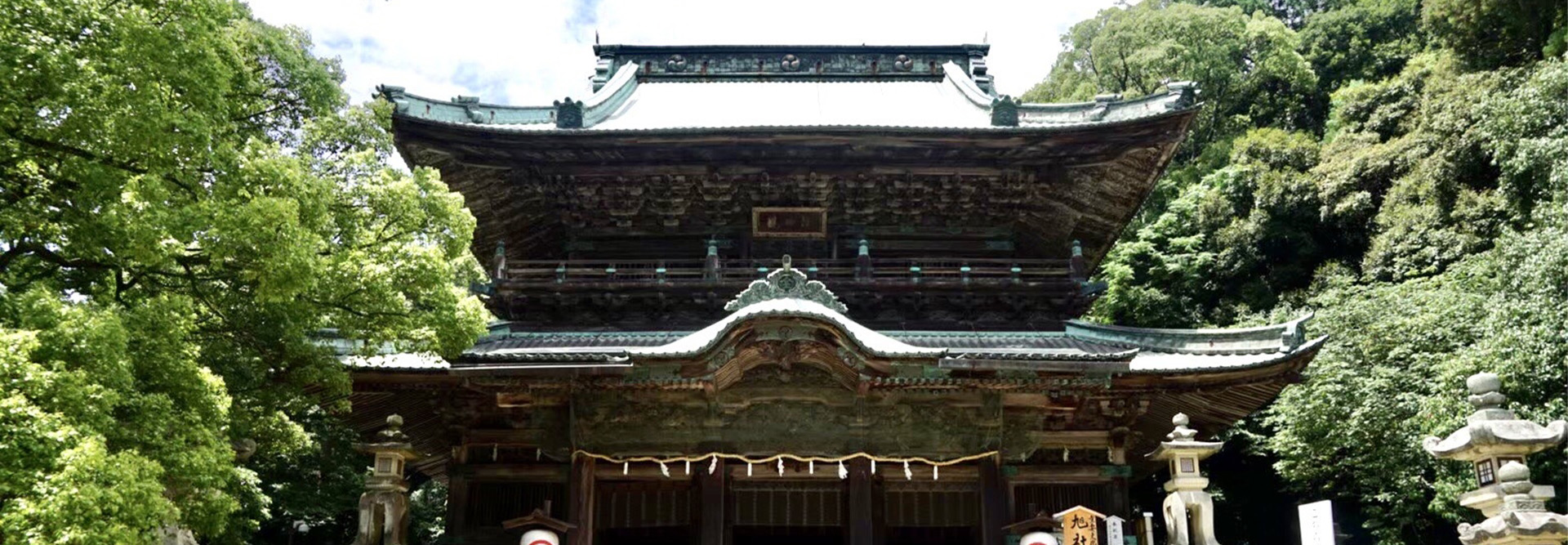
Kotohira-gu Shrine
Kotohira-gu Shrine: A First-Time Visitor’s Guide to Japan’s Legendary Stairway Shrine
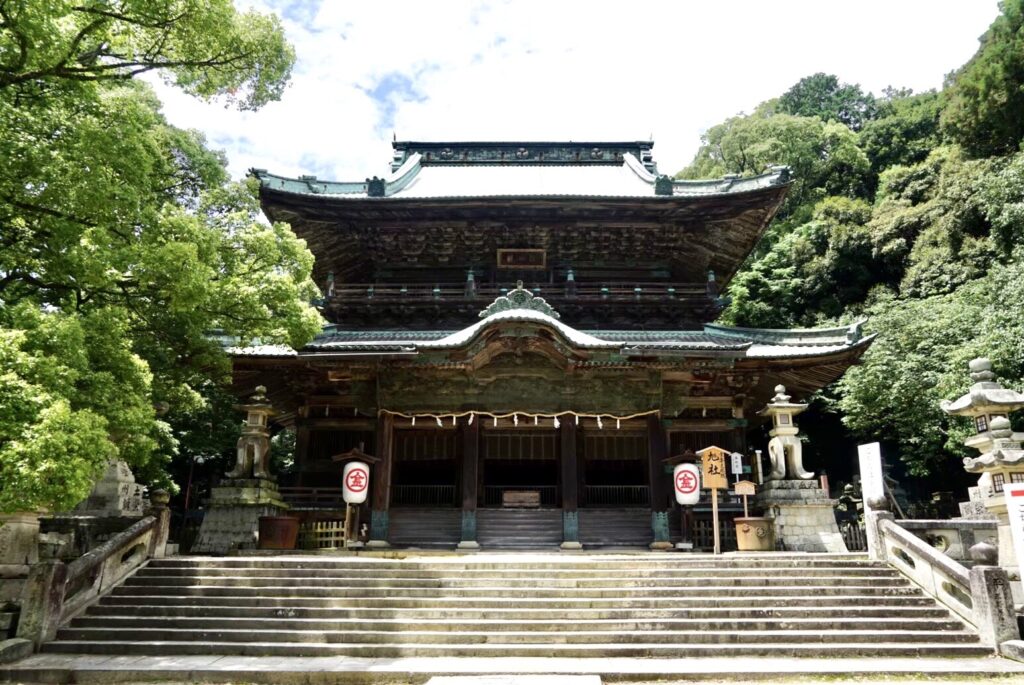
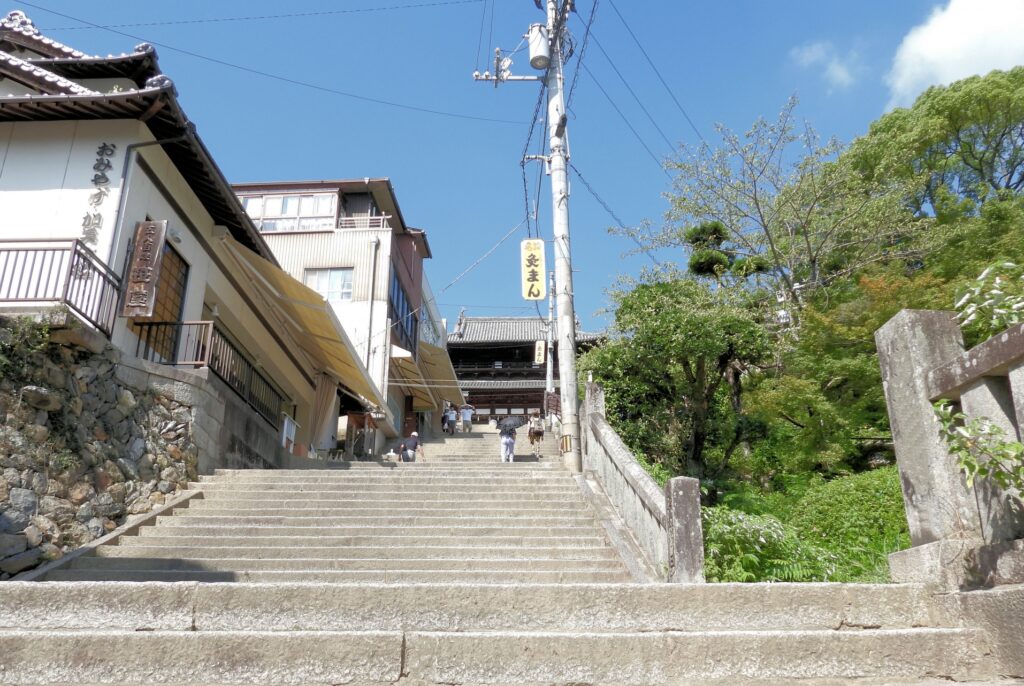
Photos are for illustrative purposes only.
Perched on the forested slopes of Mount Zozu in Kagawa Prefecture, Kotohira-gu Shrine is one of Shikoku’s most beloved spiritual sites. Known affectionately as “Konpira-san,” this hilltop shrine rewards determined visitors with sweeping views, elegant shrine buildings and a deep connection to Japan’s maritime history.
For international travelers, especially first-time visitors to Japan, Kotohira-gu offers a powerful mix of culture, nature and local town charm. This guide explains how to visit, what to expect from the famous 1,368 steps, and how to make the most of your day in this historic pilgrimage town.
Why Visit Kotohira-gu Shrine?
Kotohira-gu is dedicated to a deity associated with seafaring, safe voyages and prosperous business. For centuries, sailors, merchants and ordinary people have climbed its long stone stairway to pray for protection and good fortune.
For modern travelers, the appeal is broader than religion. A visit combines:
- Physical challenge: Climb a stairway of over a thousand stone steps through lantern-lined paths and towering cedars.
- Cultural immersion: Experience a living pilgrimage site where locals still come to pray, give thanks and buy charms.
- Historic atmosphere: Walk past traditional wooden shops and inns that have served pilgrims for generations.
- Panoramic views: Enjoy sweeping vistas over Kotohira town and the golden patchwork of Sanuki countryside.
Understanding Kotohira-gu: History and Legend
Kotohira-gu’s roots stretch back more than a thousand years. Originally a site of mountain worship, it later became closely linked to the sea god Kompira, protector of sailors and fishermen. During the Edo period (1603–1868), when sea routes were crucial for commerce, the shrine’s reputation spread nationwide. People who could not travel themselves sometimes sent wooden plaques bearing their wishes by proxy, a tradition that inspired the shrine’s rich collection of maritime votive offerings.
Even today, you will notice ships, waves and anchors woven into the shrine’s motifs and ema (wooden prayer plaques). For many Japanese, Kotohira-gu is not just another beautiful shrine – it is a place of heartfelt gratitude, where families give thanks for safe journeys, new business ventures and milestones in life.
The Famous Steps: What to Expect from the Climb
Kotohira-gu is built partway up a mountain, and there is no road to the main shrine buildings. The only way up is on foot, via a long stone stairway. The full pilgrimage to the inner shrine involves 1,368 steps. Most visitors, however, aim for the main shrine (Hongu), located at about 785 steps.
Breaking Down the Route
The ascent naturally divides into several stages:
- From town to the main gate (first 100–200 steps): Gentle steps lined with shops, restaurants and souvenir stalls.
- To the first major rest area (around 365 steps): Stone lanterns flank the path; you begin to feel the climb.
- To the main shrine (Hongu) (around 785 steps): The path steepens slightly, and forests close in as you approach ornate shrine structures.
- To the inner shrine (Oku no In) (1,368 steps total): A quieter, steeper section through deeper forest, for those with time and energy.
How Difficult Is It?
The climb is manageable for most reasonably fit visitors, but it is not a casual stroll. The steps can be uneven, and in hot or humid weather it feels more intense. Expect:
- 20–30 minutes to reach the main shrine at a steady pace, longer with photo stops.
- Up to an hour or more if you continue to the inner shrine.
- To sweat in summer and potentially encounter slippery sections in rain.
Take your time. Many Japanese visitors pause regularly at rest areas, buy drinks from vending machines or small stalls, and enjoy the changing scenery as they ascend.
Support for the Climb
Along the approach you may notice men offering traditional palanquin-like “stair climber chairs” called kago. Historically, wealthy pilgrims were carried partway up the mountain, and this service continues in a limited form today, mainly for elderly or mobility-impaired visitors. Most travelers, however, walk at their own pace.
Highlights Along the Approach
The Pilgrimage Town of Kotohira
The journey begins at Kotohira’s atmospheric main street, which leads from the station area toward the mountain. This old-fashioned monzen-machi (temple-town) is lined with wooden houses, traditional inns (ryokan), sake breweries, sweet shops and cafés. Many of these businesses have served pilgrims for decades, if not centuries.
Before or after your climb, allow time to wander these streets, peek into local shops and sample regional specialties.
Stone Torii Gate and Lantern-Lined Path
As you approach the base of the stairs, you will pass under a tall stone torii gate marking the entrance to sacred ground. Beyond, the path is lined with stone lanterns and guardian statues. This transition from town to shrine is a powerful part of the experience, signaling your move from everyday life to a spiritual journey.
Historic Buildings and Museum Spaces
Partway up, you will encounter various shrine-related buildings, including halls storing offerings from past generations. Some areas display maritime paintings, ship models and gifts from sailors who survived storms or long voyages, a tangible record of centuries of faith.
The Main Shrine: Architecture, Atmosphere and Views
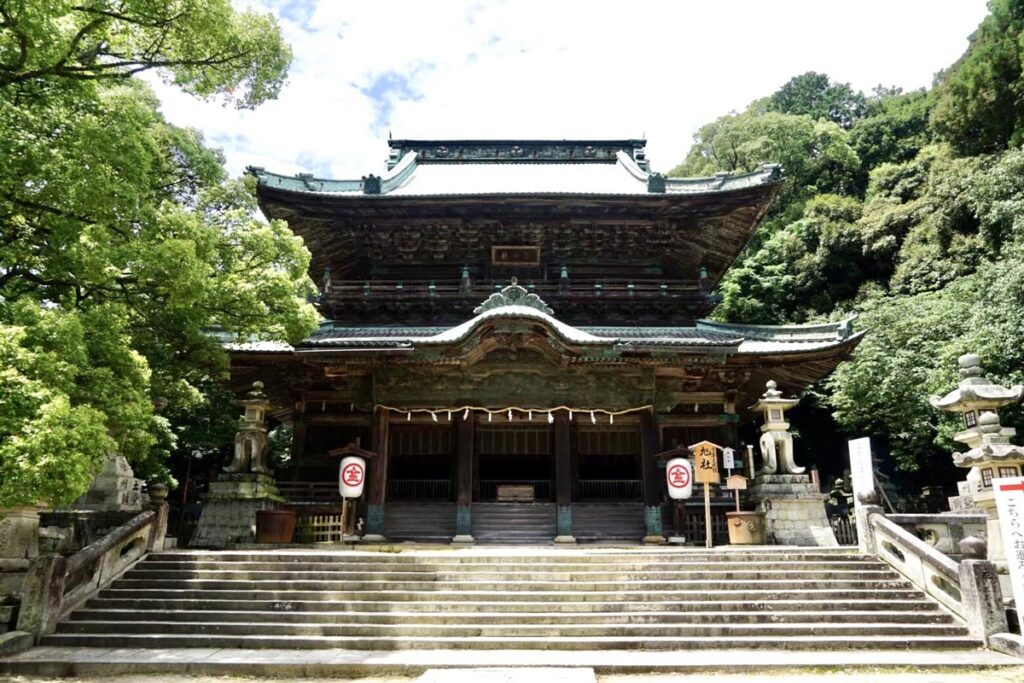
The main shrine complex (Hongu) is where most visitors end their climb. Here, richly decorated wooden buildings blend with the forested hillside, and stone terraces open to dramatic views.
Shrine Architecture
The buildings at Kotohira-gu feature the curved roofs, elaborate carvings and painted details typical of important Shinto shrines. Look for:
- Brightly colored carvings of animals and flowers under the eaves.
- Huge ropes and bells at the front of the main hall, used by worshippers to attract the deity’s attention.
- Offerings and ema related to ships, safe travel and business prosperity.
Viewpoints Over Kagawa
From terraces near the main shrine, the landscape of Kagawa Prefecture spreads out below: the patchwork of rice fields, the rooftops of Kotohira town and, on clear days, distant mountains and the Seto Inland Sea. This is a perfect spot to rest after the climb, sip a cool drink and take photos.
Continuing to the Inner Shrine
If time and fitness allow, you can continue beyond the main shrine to the inner shrine higher up the mountain. This section is quieter, with fewer crowds and a more contemplative atmosphere. The steps are steeper, so be prepared. Many visitors choose to stop at the main shrine, which still gives a full, satisfying experience.
How to Worship Respectfully
You do not need to be Shinto or even religious to visit Kotohira-gu, but it is important to behave respectfully. Following basic shrine etiquette enriches your visit and shows respect to local customs.
Purification at the Chozuya
Near the main shrine area you will find a stone basin with ladles, called a chozuya or temizuya. This is used for symbolic purification before approaching the deity:
- Pick up a ladle in your right hand, scoop water.
- Pour water over your left hand.
- Switch hands and pour water over your right hand.
- Pour a little into your left hand, rinse your mouth quietly, and spit beside (not into) the basin.
- Rinse your left hand again.
- Hold the ladle vertically to let remaining water wash the handle, then replace it.
Offering a Prayer
At the main hall:
- Stand before the offering box.
- Toss in a coin (small amounts like 5 or 10 yen are common).
- Bow twice deeply.
- Clap your hands twice.
- Silently make your wish or thanks.
- Bow once more.
Photography of buildings and scenery is generally allowed, but avoid taking photos directly in front of people praying or in areas marked as off-limits.
Practical Travel Information
Location and Access
Kotohira-gu is located in the town of Kotohira in Kagawa Prefecture on the island of Shikoku.
- Nearest JR station: Kotohira Station (JR Dosan Line).
- Private railway: Kotoden-Kotohira Station on the Kotoden Kotohira Line.
From either station, the shrine approach is about a 10–15 minute walk through the town. Simply follow the flow of visitors and the increasingly steep streets toward the mountain and torii gate.
From Major Cities
- From Takamatsu: Around 1 hour by train. JR and Kotoden lines both connect Takamatsu to Kotohira.
- From Okayama (Honshu): Around 1.5–2 hours by JR train, crossing the Seto Ohashi Bridge into Shikoku.
- From Osaka or Kyoto: Typically 2.5–4 hours total, with transfers at Okayama or Takamatsu depending on your route.
Opening Hours and Admission
The shrine grounds are usually open from early morning until late afternoon or early evening. Access to the main approach and shrine is typically free, but certain museum-style areas or special halls may have small entrance fees.
Hours can vary by season and for special events, so check locally at tourist information centers or station offices when planning your visit.
Best Time to Visit
- Spring (March–May): Mild weather, cherry blossoms and fresh greenery. Popular and sometimes crowded.
- Autumn (October–November): Comfortable temperatures and colorful foliage across the mountainside.
- Summer: Lush greenery but also heat and humidity; start early in the morning to avoid the strongest sun.
- Winter: Fewer crowds and clear views; dress warmly, and be careful of potentially icy steps.
Weekdays and early mornings are generally quieter. Major national holidays and New Year can be very crowded, with long lines on the steps.
What to Wear and Bring
Because of the long stairway and exposed sections, thoughtful preparation improves your experience.
- Comfortable walking shoes with good grip; avoid heels or smooth leather soles.
- Weather-appropriate clothing: breathable layers in summer, warm outerwear in winter.
- Water bottle: There are vending machines and shops, but it is good to carry your own.
- Sun protection: hat, sunglasses and sunscreen for sunny days.
- Compact umbrella or rain jacket if visiting in rainy season.
- Small coins (5-yen and 10-yen) for offerings and charms.
The climb can be tiring, so do not rush. Families with young children often take breaks at rest areas, where benches and simple refreshments are available.
Local Food and Souvenirs to Try
Kotohira town and the shrine approach are rich in regional flavors and traditional crafts. Visiting on foot makes it easy to stop and explore as you go.
Sanuki Udon
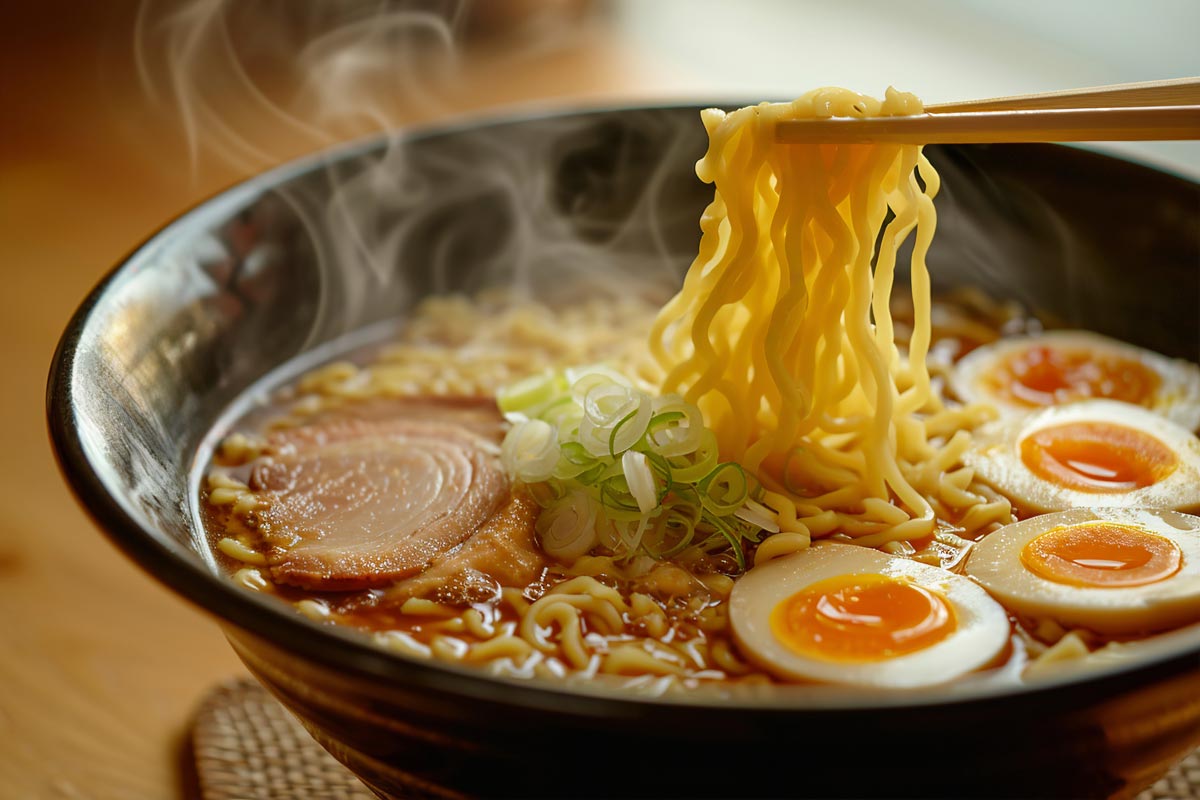
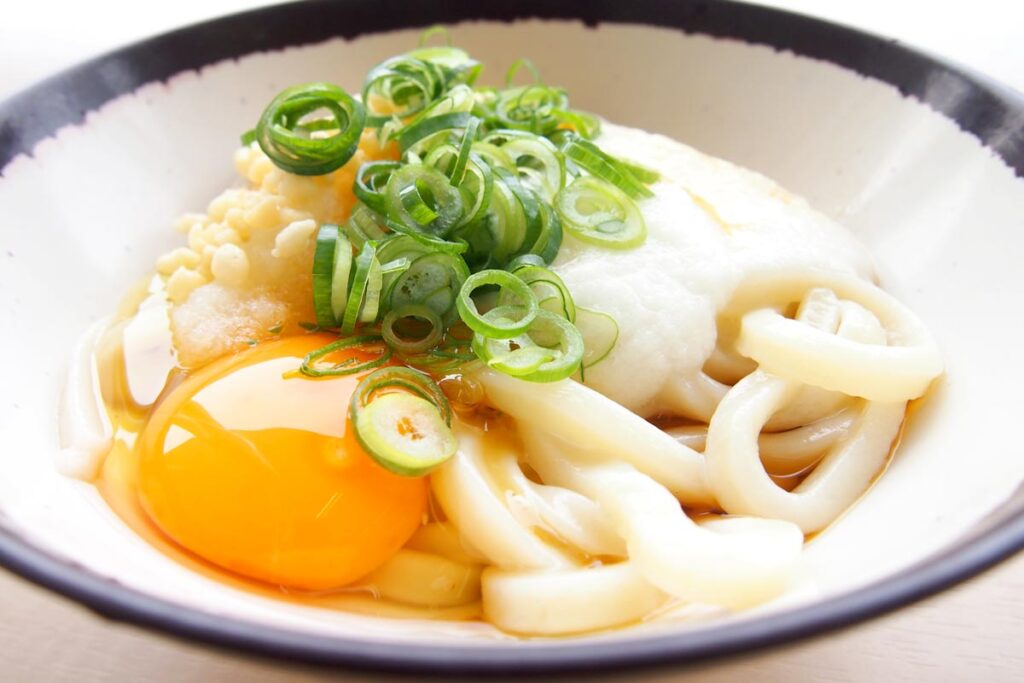
Kagawa Prefecture is famous throughout Japan for its Sanuki udon, thick, chewy wheat noodles usually served in a light broth or with simple toppings. Udon shops are dotted throughout Kotohira town; many are casual, self-service places where you order, add toppings and pay at the counter.
Enjoy a bowl before or after your climb – it is a satisfying, budget-friendly meal that locals eat regularly.
Traditional Sweets and Snacks
Along the approach, you will find stands and small shops selling:
- Freshly grilled rice crackers.
- Seasonal sweets using local ingredients.
- Simple, old-fashioned snacks that long-distance pilgrims once enjoyed.
Charms and Mementos
Like many shrines, Kotohira-gu offers omamori (protective charms) and ema (wooden plaques) that you can take home or dedicate on-site.
- Travel and safety charms: popular with both Japanese and international visitors.
- Business and success charms: reflect the shrine’s reputation as a protector of prosperity.
- Ship-themed ema: a unique souvenir linked to the shrine’s maritime heritage.
Purchasing a charm is a small but meaningful way to connect with the shrine’s traditions and support its upkeep.
Tips for First-Time Visitors to Japan
Kotohira-gu can be a wonderful introduction to regional Japan beyond the big cities. To make your visit smooth and enjoyable, keep these general tips in mind:
- Cash is still useful: While many places now accept cards or IC cards, some smaller shops and shrine counters remain cash-only.
- Respect quiet spaces: Speak softly in shrine areas; avoid eating while walking on the steps.
- Trash etiquette: Garbage bins are rare; carry your rubbish with you until you find a bin or return to town.
- Language: English signage is increasing at major points, but not everywhere. Simple phrases like “sumimasen” (excuse me) and “arigatou” (thank you) go a long way.
- Allow time: Plan at least half a day for Kotohira-gu, more if you want to explore the town, enjoy a leisurely meal and perhaps soak in a local hot spring.
Making Kotohira-gu Part of Your Japan Itinerary
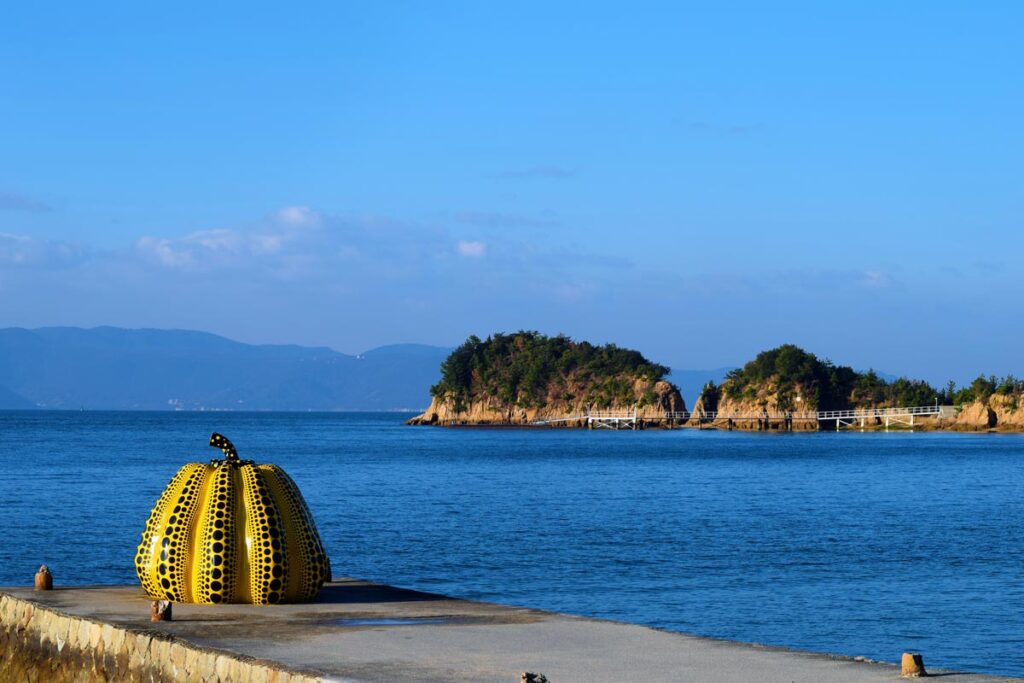
Kotohira-gu fits naturally into a Shikoku or Setouchi (Seto Inland Sea) itinerary. You might combine it with a stay in Takamatsu, a visit to art-filled Naoshima Island, or a rail journey over the Seto Ohashi Bridge from Okayama.
For first-time visitors to Japan who are curious about life beyond Tokyo, Kyoto and Osaka, the shrine offers something special: the chance to walk a historic pilgrimage route, share space with local worshippers and enjoy views over one of Japan’s most quietly beautiful regions. With some simple preparation and an open mind, your climb to Kotohira-gu may become one of the most memorable days of your trip.

Access Map
Recommended spots in Kagawa
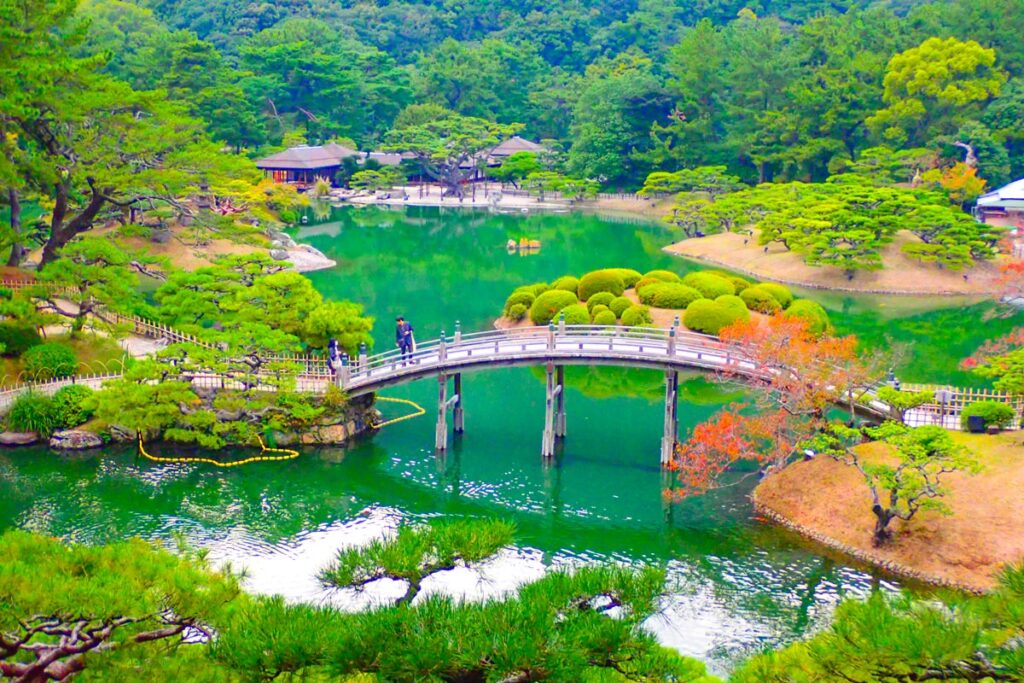
Ritsurin Garden
Sanuki Udon Tour
Kotohira-gu Shrine