



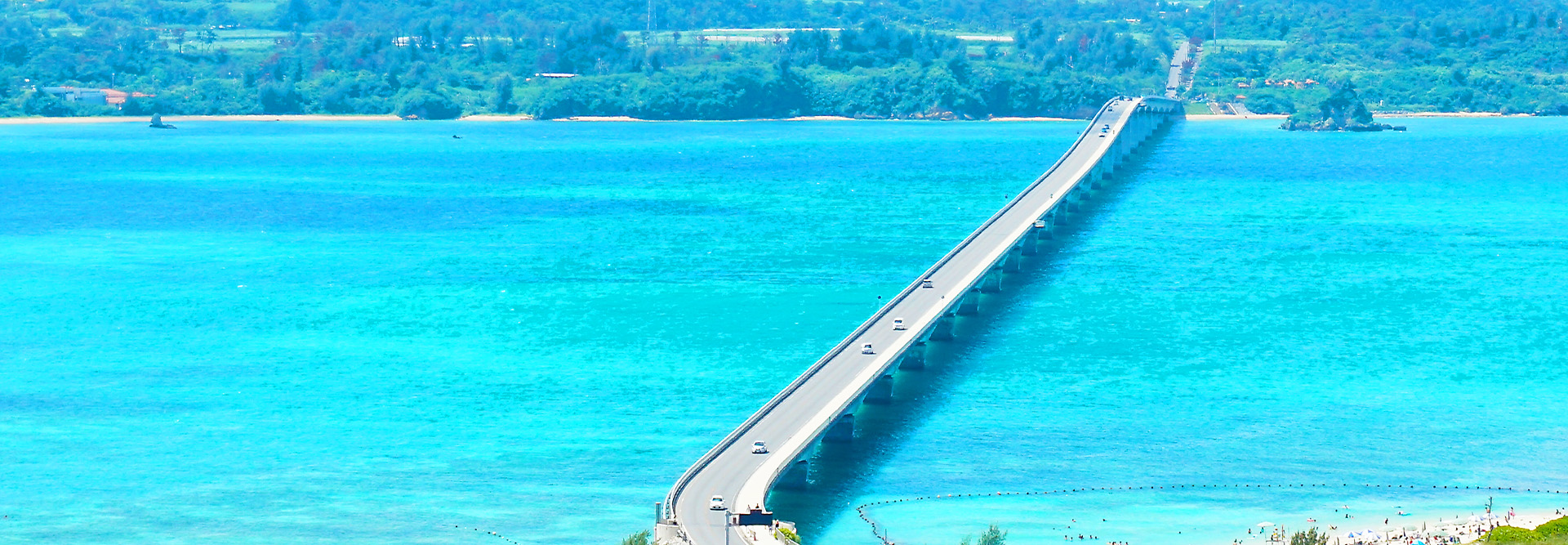
Kouri Island
Kouri Island Travel Guide: Okinawa’s Little Island of Love
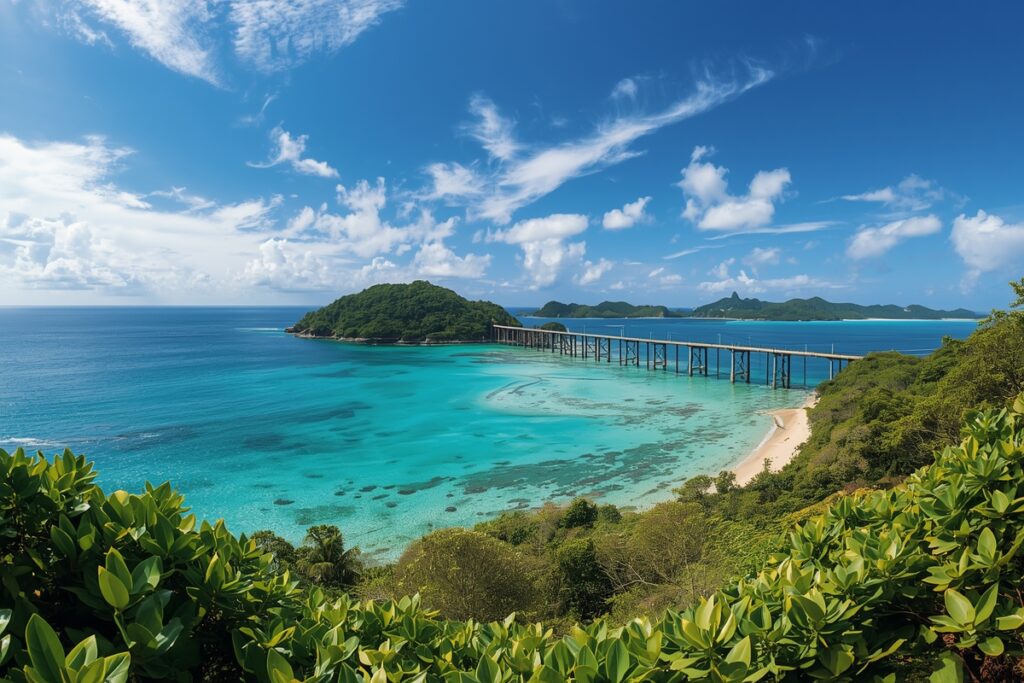
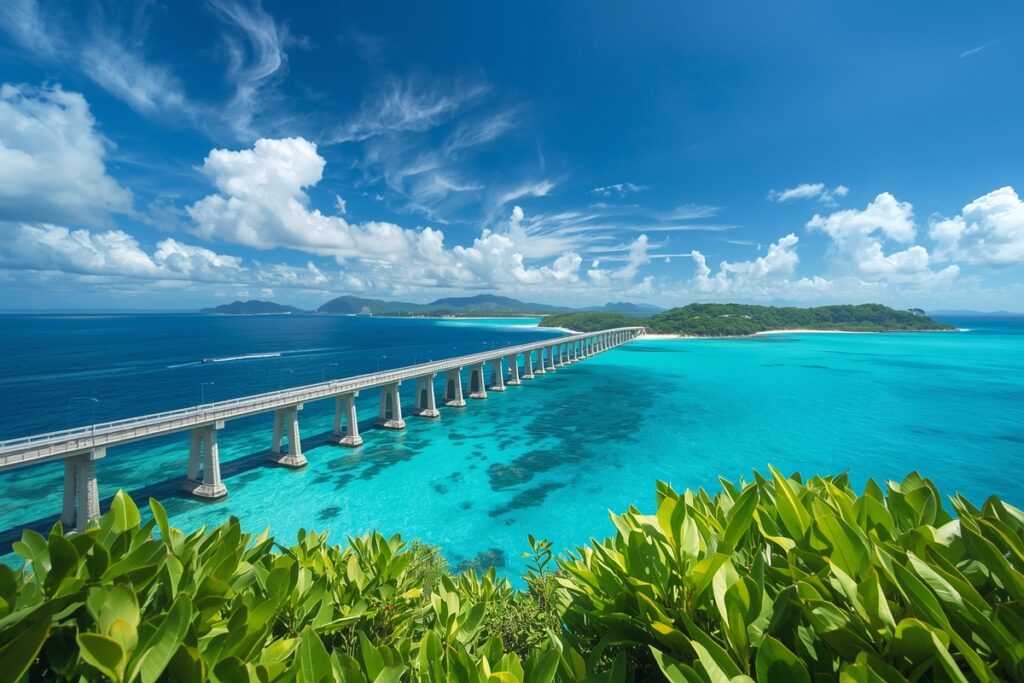
Photos are for illustrative purposes only.
Kouri Island is a tiny coral island just off the northern coast of Okinawa’s main island, but it delivers some of Japan’s most cinematic tropical scenery. Imagine turquoise water in every direction, blindingly white sand, and a long bridge skimming just above the ocean’s surface. Add in a heart-shaped rock, gentle island culture, and easy access from Naha, and you have one of Okinawa’s most inviting day-trip destinations for first-time visitors to Japan.
This guide explains how to visit Kouri Island, what to see and do, and how to enjoy the island respectfully while making the most of your time in Japan’s far south.
Where Is Kouri Island?
Kouri Island (Kouri-jima) lies off the coast of northern Okinawa, connected to Yagaji Island and the Okinawa main island by a series of bridges. Administratively it belongs to Nakijin Village, but for travelers it feels like a world of its own: a small circular island wrapped entirely in coral-filled sea.
The island is only about 8 kilometers in circumference. You can drive around it in 15–20 minutes without stopping, but the joy of Kouri is slowing down: beach-hopping, stopping at viewpoints, and sampling local island food.
Why Visit Kouri Island?
For many international visitors, Kouri Island is the first real encounter with Japan’s subtropical side. The landscape is closer to a Pacific island than to the neon streets of Tokyo or Kyoto’s temple districts. Here’s why many travelers add it to their Okinawa itinerary:
- Iconic sea views: The bridge approach alone is worth the trip, with emerald and cobalt waters spreading out on both sides.
- Relaxed beaches: Several easy-to-access beaches with shallow, clear water, ideal for beginner swimmers and families.
- Heart Rock & romantic atmosphere: Kouri is often called the “Island of Love,” with legends of star-crossed island lovers and a photogenic heart-shaped rock on the shore.
- Easy day trip: A feasible excursion from Naha or Nago by rental car, requiring no Japanese language skills if you plan ahead.
- Local island culture: Simple village life, sugarcane fields, and casual eateries serving Okinawan comfort food and tropical fruit.
Getting to Kouri Island
From Naha and Central Okinawa
The most practical way to visit Kouri Island is by rental car. Public transport in northern Okinawa is limited and slow, while driving gives you the freedom to stop at viewpoints and beaches along the way.
- From Naha Airport or central Naha: Around 1.5–2 hours by car, depending on traffic.
- From Onna or resort areas in central Okinawa: Roughly 1–1.5 hours.
- From Nago (northern city): Around 30–40 minutes.
You will first drive north toward Nago, then follow signs toward Nakijin and Kouri. Even if you rely on GPS, it’s easy to recognize when you’re close: the road rises to a viewpoint, then suddenly the long, low Kouri Bridge appears in the distance over shimmering water.
Driving Across Kouri Bridge
Kouri Bridge is one of Okinawa’s most photographed spots. Stretching about 2 kilometers above extremely shallow, clear water, it feels like you’re floating just above the sea. There are small parking spaces and viewpoints at both ends of the bridge, so consider stopping for photos rather than trying to shoot from the car.
Toll-free and well maintained, the bridge is easy to cross for new drivers. Just watch for people slowing down in front of you to admire the view.
Public Transport Options
Reaching Kouri via bus is possible but time-consuming. You’ll typically take an express bus or local bus toward Nago, then transfer to a local bus that runs closer to Kouri, followed by either another bus or taxi. For most international visitors, especially with limited time, renting a car or joining a guided tour is the simplest way.
Best Time to Visit Kouri Island
Okinawa has a subtropical climate, with warm temperatures for much of the year. However, conditions vary by season and can affect your experience on Kouri.
- Spring (March–May): Pleasant temperatures and relatively calm seas. Late April and May can be humid, but crowds are still manageable outside of Japan’s Golden Week holidays.
- Summer (June–September): Peak beach season, with strong sun and very warm water. This is also typhoon season; check weather forecasts and be prepared for sudden changes and strong winds.
- Autumn (October–November): Still warm enough for swimming in early autumn, with fewer tourists and generally clearer skies.
- Winter (December–February): Mild but cooler, with sea breezes. You may not swim, but it’s a great time for scenic drives, photography, and quiet walks.
For first-time travelers planning beach activities, late spring and early autumn often offer a good balance between warm weather and fewer crowds.
Top Things to Do on Kouri Island
1. Relax at Kouri Beach and Teenu Beach
As soon as you cross the bridge, you’ll see wide sandy beaches on either side. These are Kouri’s most accessible stretches of sand, with soft white sand and gentle, shallow water. They’re ideal for a casual swim, paddle, or just a barefoot walk with the bridge in the background.
Facilities near the main beaches usually include restrooms, showers (often with a small fee), and basic food stands in high season. In summer, you may find rental spots offering parasols, beach chairs, and simple water toys.
2. Visit the Famous Heart Rock
The island’s most iconic landmark is the so-called “Heart Rock” on the northern shore, two rocky formations that, from the right angle, resemble a heart rising out of the sea. This spot has turned Kouri into a favorite day-trip for couples and honeymooners, but it’s also fun for families and solo travelers chasing photogenic landscapes.
A few practical tips for Heart Rock:
- Access: You’ll park near a cluster of small shops and walk down a path toward the shore. Expect some uneven ground and rocks.
- Tides: The rock is easier to view and photograph at lower tide when more of the formation is visible. At high tide, some areas of the beach may be narrower.
- Footwear: Wear sandals or shoes with a good grip; tide pools and rocks can be slippery.
While this area is now quite popular, it still captures the simple magic of Kouri’s coastline: clear water, dramatic rock shapes, and the steady rhythm of waves.
3. Take in the Panorama from Kouri Ocean Tower
For a bird’s-eye view of the island and its surrounding reefs, head to Kouri Ocean Tower, a vantage point built on a small hill. From the observation deck you can see the curve of the island, the slim line of the bridge, and the patchwork of blues in the East China Sea.
Typical features include:
- Observation decks: Multiple viewing levels with 360-degree vistas.
- Café and shops: Light meals, sweets, and island souvenirs such as sea salt, brown sugar, and shell-themed gifts.
- Exhibits: Small displays about the island’s maritime culture and sometimes collections like shell displays that highlight the diversity of Okinawa’s shores.
Visiting near sunset can be especially memorable, as the sky glows behind the bridge and surrounding islets.
4. Drive the Island Loop
Kouri Island is compact enough to explore by car, scooter, or even bicycle if you are comfortable with short climbs and the subtropical sun. A simple loop around the island allows you to discover sugarcane fields, tiny shrines, and quiet residential lanes between the main attractions.
Along the way you may notice traditional Okinawan homes with tiled roofs and stone walls, small family-run fields, and local grave sites set on the hillsides. This is a chance to see everyday island life beyond the beaches.
5. Enjoy Snorkeling and Marine Activities
The waters around Kouri are generally clear, with coral formations and tropical fish visible in many areas. On good days, simply putting on a mask and snorkel near the shore lets you catch glimpses of underwater life.
However, currents and tides can change quickly, and some areas are protected. Look for designated swimming zones, obey local notices, and consider joining an organized snorkeling or glass-bottom boat tour if you’re not an experienced swimmer. Always avoid stepping directly on coral, which is fragile and easily damaged.
Discovering Local Flavors on Kouri Island
Island life in Okinawa revolves as much around food as it does around the sea. While Kouri is small, you’ll find a handful of cafés, roadside stalls, and casual restaurants offering simple but satisfying meals.
Look out for:
- Okinawa soba: A comforting bowl of thick wheat noodles in a clear pork-based broth, often topped with braised pork belly or spare ribs, green onions, and ginger.
- Seafood dishes: Depending on the season, menus may feature local fish, sashimi, or tempura made from seafood and island vegetables.
- Tropical desserts: Soft-serve ice cream, shaved ice, and sweets made with mango, pineapple, or local salt and brown sugar are popular treats near the beach.
- Island fruits and snacks: Small stands may sell bananas, oranges, or handmade snacks like chinsuko (Okinawan shortbread cookies).
Meal times are relaxed, but smaller businesses may close early or take breaks between lunch and dinner. It’s a good idea to eat slightly earlier than typical urban dining hours and have some snacks on hand, especially if traveling with children.
Cultural Notes and Island Etiquette
Kouri Island is more than a sightseeing spot; it’s a living community. A few simple customs will help you enjoy your visit respectfully:
- Respect private property: Many scenic spots are close to local homes and farms. Stay on marked paths and avoid entering fields or yards.
- Keep noise low in residential areas: When driving or walking near houses, especially at night, try to keep voices and music down.
- Shisa statues: You may notice pairs of lion-dog statues on roofs and gates. These shisa are believed to protect homes from harm; admire them quietly without touching.
- Shrines and sacred places: If you pass small shrines or stone altars, treat them as sacred spaces. Refrain from climbing or sitting on them.
Okinawan culture has its own language, music, and history, distinct from mainland Japan. You might hear local songs or see signs written with Okinawan words. Even simple greetings like “konnichiwa” and a friendly smile are appreciated.
Practical Tips for First-Time Visitors
What to Pack for a Day on Kouri Island
- Sun protection: The sun in Okinawa is strong. Bring a hat, sunglasses, and reef-safe sunscreen.
- Swimwear and towel: Wear or pack a swimsuit if you plan to swim, plus a quick-dry towel or beach mat.
- Water shoes or sandals: Helpful for rocky shorelines and hot sand.
- Cash: Some smaller shops and parking lots may not accept credit cards. Carry some yen coins and small bills.
- Light cover-up: A thin shirt or shawl is useful for sun protection and when entering cafés after being at the beach.
Driving and Parking
Roads on Kouri are narrow but generally well paved. Drive on the left, as everywhere in Japan, and keep speeds low. There are several small parking areas near beaches and viewpoints; some are paid, with price boards clearly visible. Place your ticket or receipt on the dashboard if required.
During peak holiday seasons and weekends, parking near Heart Rock and the main beaches can fill up. Arriving earlier in the morning or later in the afternoon may help you avoid congestion.
Safety and Environment
- Swim within your limits: Even if the water looks calm, currents can be strong. Swim close to shore and obey any posted signs or flags.
- Jellyfish and marine life: Depending on the season, jellyfish and other marine creatures may be present. Locals or lifeguards (when present) may post warnings; follow their guidance.
- Take your trash with you: Rubbish bins are limited, particularly on smaller beaches. Bring a small bag for your trash and dispose of it properly later.
Suggested Itinerary: A Perfect Half-Day on Kouri Island
If you’re visiting Kouri as part of a broader Okinawa road trip, this simple plan works well for a half-day visit:
- Late morning: Drive across Kouri Bridge, stopping at the viewpoint for photos. Head straight to Kouri Beach or Teenu Beach for a swim or walk.
- Lunch: Eat at a nearby café or casual restaurant, sampling Okinawa soba or seafood with ocean views.
- Early afternoon: Visit Heart Rock on the northern shore, timing your stop for lower tide if possible.
- Afternoon: Drive the island loop slowly, stopping at small viewpoints and village corners, then end at Kouri Ocean Tower for panoramas and a drink.
- Late afternoon / sunset: Cross back over the bridge, pausing at the viewpoint one last time as the sun begins to set over the sea.
With more time, you can add snorkeling, a second beach, or a relaxed coffee break at a hilltop café overlooking the coastline.
Adding Kouri Island to Your Japan Trip
For many first-time visitors to Japan, Okinawa feels like a different country altogether: slower, sunnier, and framed by coral reefs instead of mountain temples. Kouri Island distills that atmosphere into a compact, easy-to-visit destination highlighted by a graceful bridge, gentle beaches, and a heart-shaped symbol of island romance.
Whether you’re road-tripping around Okinawa or squeezing in a brief side trip from Tokyo or Osaka, a day on Kouri Island offers a change of pace, a deep breath of sea air, and a chance to see a softer, more tropical side of Japan.

Access Map
Recommended spots in Okinawa
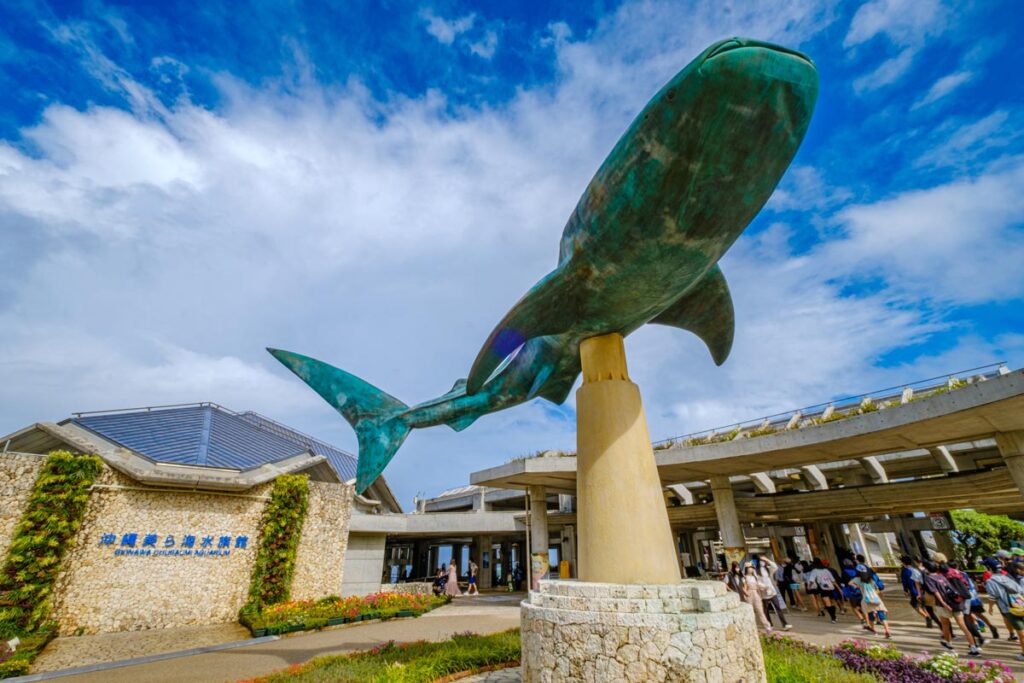
Churaumi Aquarium
Shuri Castle
Kokusai Street
Sefa Utaki
Manza-mo
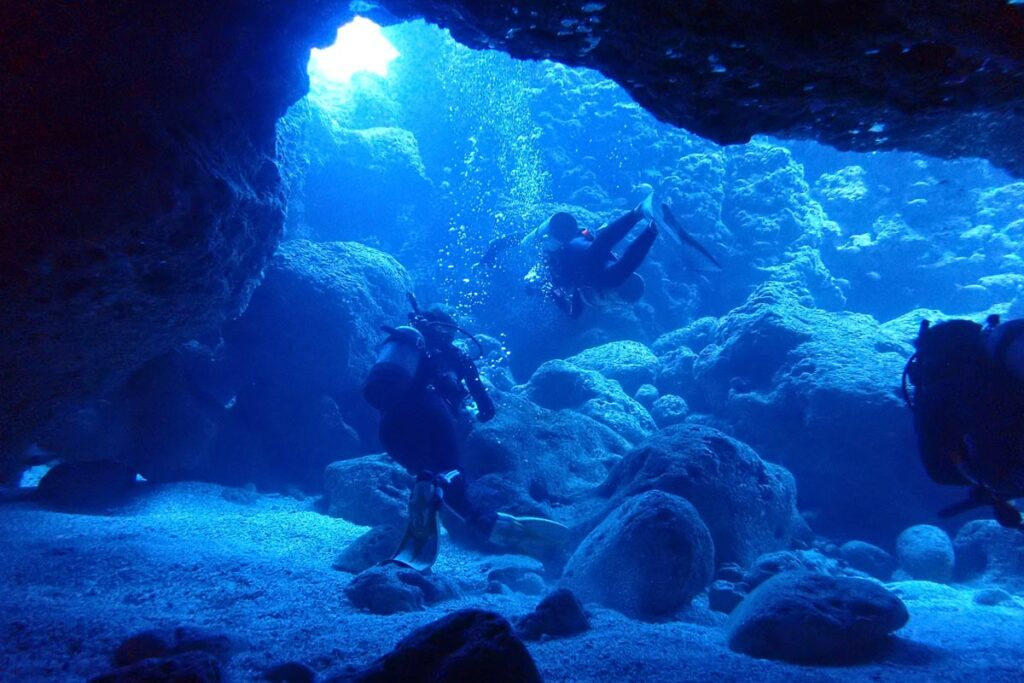
Blue Cave
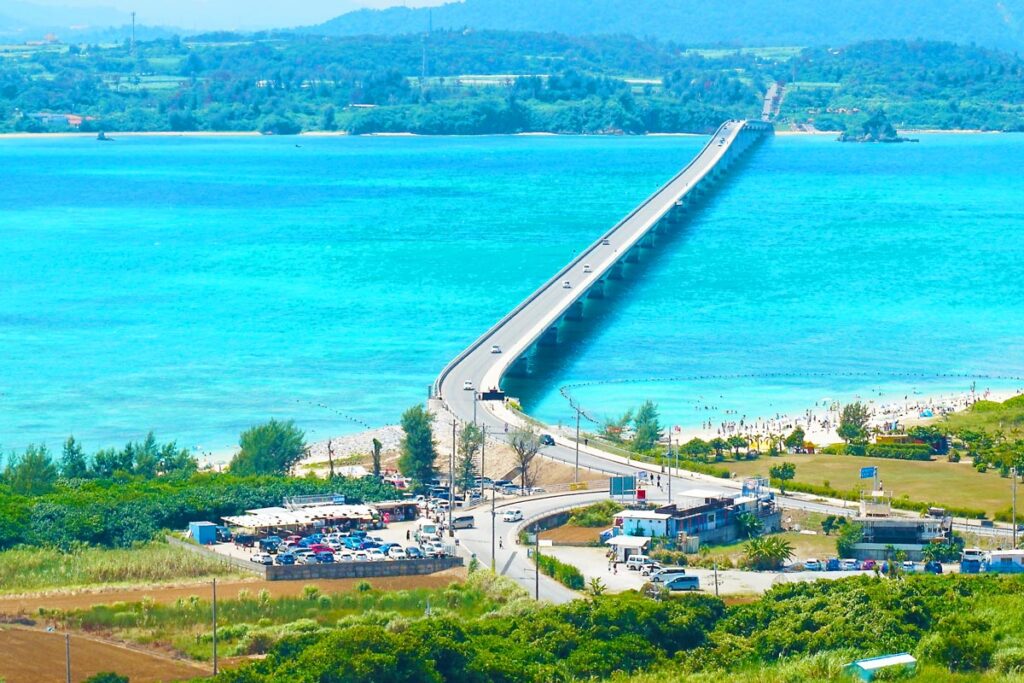
Kouri Island
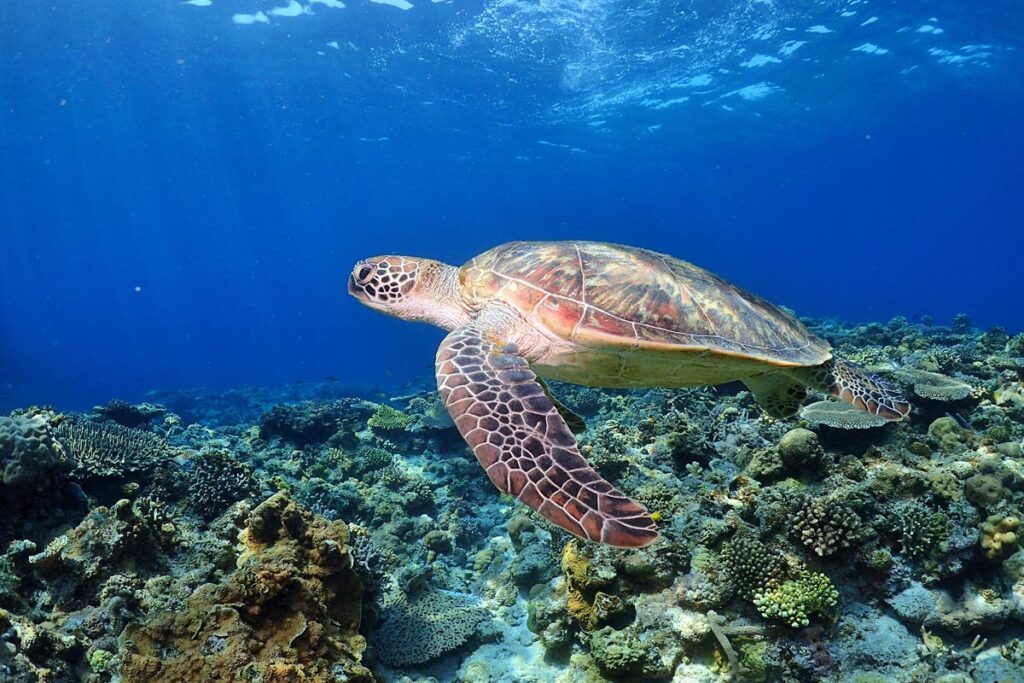
Diving Spots
Top destinations in Kyushu/Okinawa
Fukuoka
Kumamoto
Kagoshima