



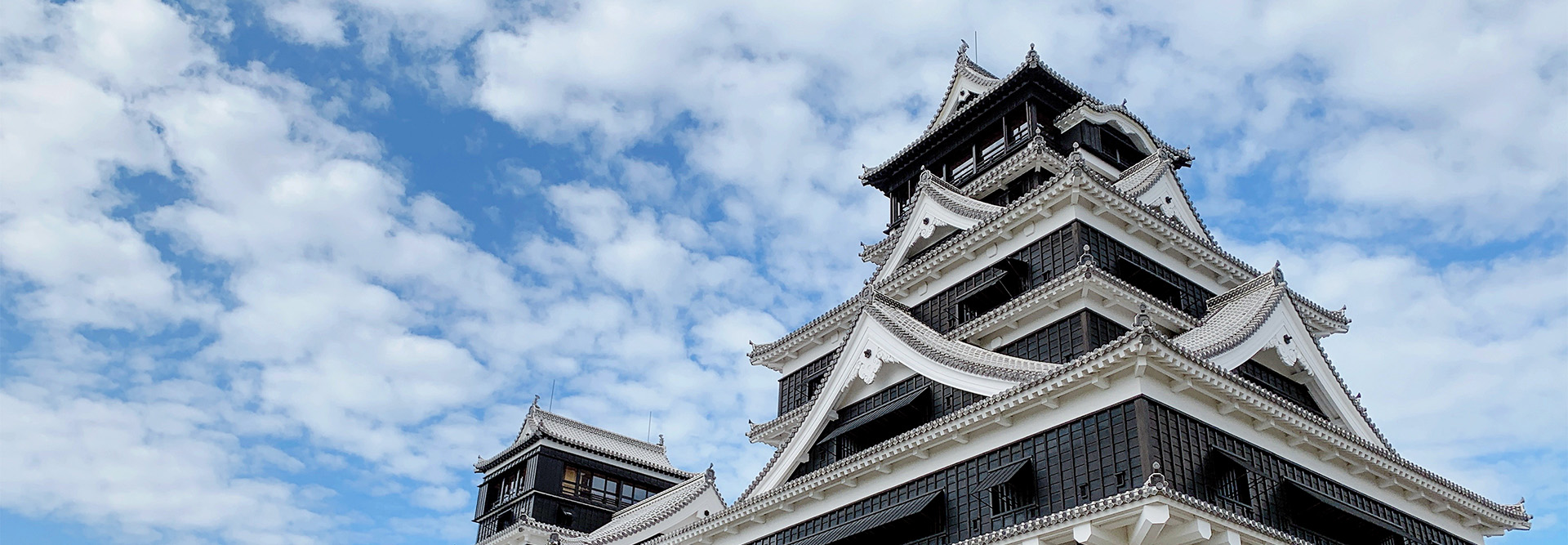
Kumamoto Castle
Kumamoto Castle Travel Guide for First-Time Visitors to Japan
Photos are for illustrative purposes only.
Rising above the modern city of Kumamoto on Kyushu Island, Kumamoto Castle is one of Japan’s most impressive fortresses and a powerful symbol of samurai heritage and resilience. Even after suffering heavy damage in the 2016 earthquakes, the castle has reopened key areas and offers a memorable mix of history, dramatic architecture, and sweeping city views.
If you are visiting Japan for the first time and want to go beyond Tokyo and Kyoto, Kumamoto Castle is a rewarding destination that is easy to combine with hot springs, nature, and local food. This guide explains what to see, how to visit, and how to make the most of your time, even if you know little about Japanese castles or history.
Why Kumamoto Castle Belongs on Your Japan Itinerary
Among Japan’s many castles, Kumamoto Castle stands out for its imposing black walls, ingenious defenses, and emotional story of destruction and restoration. Originally completed in the early 17th century under powerful warlord Kato Kiyomasa, it was designed as a “castle that cannot be taken” with steep stone ramparts and clever traps for enemies.
In 2016, a series of strong earthquakes struck Kumamoto, toppling roof tiles, twisting the main keep, and collapsing sections of the stone walls. Images of the damaged castle shocked people across Japan. Since then, a massive restoration project has been underway, and visitors can now walk through carefully restored areas and watch artisans slowly returning the castle to its former glory.
Visiting Kumamoto Castle today is not just about pretty views; it is a chance to witness living history in progress and to understand how seriously Japan treats cultural preservation.
Understanding Kumamoto Castle: A Brief History
Kumamoto Castle was completed around 1607 by Kato Kiyomasa, a feudal lord known for his strict discipline and engineering skills. At its peak, the castle complex included dozens of turrets, gates, and extensive moats, forming a huge defensive network overlooking the surrounding plain.
Over the centuries, fires and modernization reshaped the castle. Some buildings were lost, others rebuilt. During the Satsuma Rebellion in 1877, one of the last samurai uprisings, Kumamoto Castle endured a long siege and symbolized the new government’s strength. The dramatic black-and-white keep that stands today is largely a 20th-century reconstruction, but it closely follows historical records and remains faithful to the original design.
After the 2016 earthquakes, cranes, scaffolding, and temporary supports became part of the landscape. Unlike some historic sites that hide their repairs, Kumamoto Castle lets visitors see the process. Explanatory panels (with English translations) show how craftsmen rebuild stone walls, reinforce wooden beams, and reattach heavy roof tiles using traditional techniques combined with modern engineering.
Highlights Inside the Castle Grounds
The castle complex is large, and not every area is accessible while restoration continues. However, there is still plenty to see. Allow at least 2–3 hours for a relaxed visit.
The Main Keep (Tenshukaku)
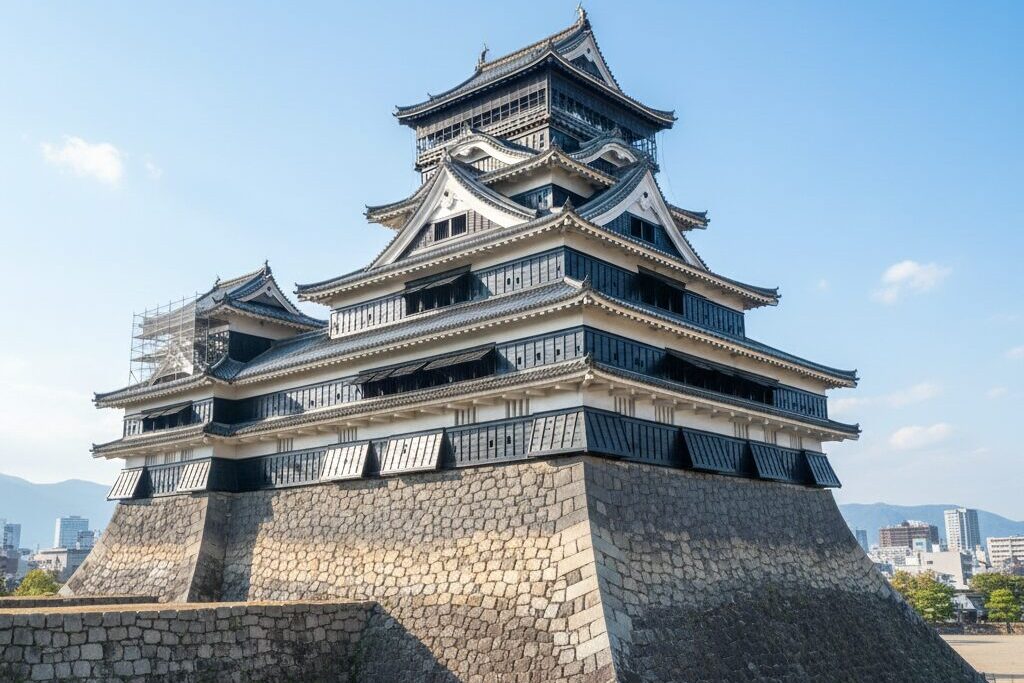
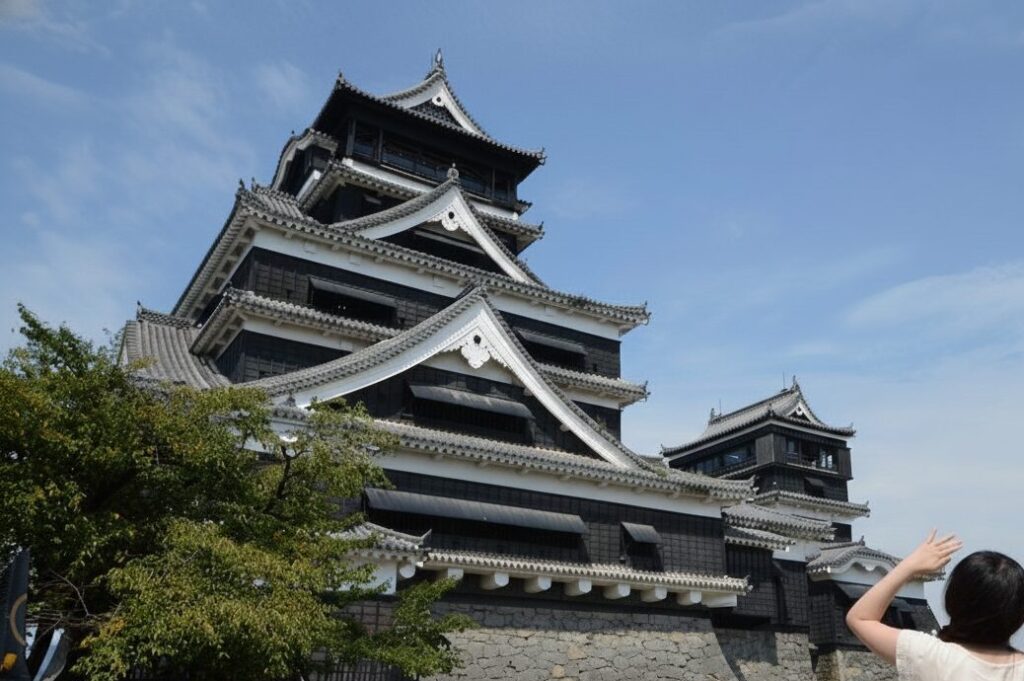
The tall central structure, or tenshukaku, dominates the hilltop and is the visual icon of Kumamoto Castle. The current main keep is a concrete reconstruction from 1960, but its exterior faithfully reproduces the original multi-tiered design with sweeping roofs and black lacquer-like walls. Inside, an exhibition explains the castle’s history, military strategy, and the story of the 2016 earthquakes.
Visitor access to the interior has changed over time due to restoration work, so check locally whether you can enter the keep or view it only from designated walkways. When open, the upper floors offer panoramic views over Kumamoto city, the castle grounds, and, on clear days, towards the volcanic peaks of Mount Aso in the distance.
The Castle Walls and Defensive Slopes
One of Kumamoto Castle’s most distinctive features is its stone ramparts, which curve outward then sharply inward, forming extremely steep slopes. These are known as musha-gaeshi, literally “warrior repellers,” designed to prevent attackers from climbing. When you walk along the paths, take time to look closely at the stonework. The lower stones are massive and tightly fitted, while higher layers use smaller stones placed with great precision.
Several sections of the walls collapsed during the earthquakes, and some of these damaged areas remain visible. Far from spoiling the scenery, they serve as a powerful reminder of the castle’s vulnerability and the scale of the reconstruction effort. Look for interpretive boards (often with diagrams and photos) explaining how each damaged wall is being taken apart and reassembled stone by stone.
Turrets, Gates, and Samurai Architecture
Scattered around the grounds are turrets and gates that survived the earthquakes relatively intact. Notable examples include the Uto Yagura turret and several smaller keeps, some of which date back to the early Edo period and are considered important cultural properties.
These structures showcase classic samurai-era architecture: thick earthen walls, small lattice windows for archers, and heavy tiled roofs. When open, interiors often display weapons, armor, and daily-use items used by retainers who guarded the complex.
Honmaru Goten Palace Area
Just below the main keep, the Honmaru Goten area once contained the lord’s residential palace. A portion of this palace has been reconstructed, including the ornate audience chambers used for official ceremonies. Inside, painted sliding doors, tatami rooms, and decorative transoms reveal the refined lifestyle of the ruling elite.
Expect to remove your shoes when entering, as is standard in traditional Japanese buildings. This is a good place to appreciate the contrast between the castle’s severe exterior defenses and its elegant inner world.
Seasonal Scenery and Castle Gardens
While Kumamoto Castle is not primarily a landscape garden, the surrounding grounds offer seasonal beauty that changes through the year:
- Spring (late March to early April): Hundreds of cherry trees bloom around the stone walls and moats, making the castle a beloved hanami (flower viewing) spot. Evening illuminations may be held during peak bloom.
- Summer (June–August): Lush greenery covers the slopes, and the castle contrasts dramatically with deep blue skies. It can be hot and humid, so plan for early morning or late afternoon visits.
- Autumn (late October to November): Maple and ginkgo trees turn shades of gold and red. The crisp air and clear visibility are ideal for photography.
- Winter (December–February): On rare occasions, a light dusting of snow transforms the black walls into a striking monochrome scene. Crowds are small, and the atmosphere is quiet.
How to Get to Kumamoto Castle
Kumamoto Castle sits in the center of Kumamoto City, Kyushu. Even if you are based in Tokyo or Osaka, it is straightforward to reach via Japan’s efficient rail network.
From Tokyo and Osaka
- By Shinkansen (Bullet Train): Take the Tokaido–Sanyo Shinkansen to Hakata (Fukuoka), then transfer to the Kyushu Shinkansen to Kumamoto. From Tokyo, the total journey is about 5–6 hours; from Osaka, around 3–4 hours. The Japan Rail Pass covers these trains, except certain premium classes.
- By Air: Domestic flights from Tokyo’s Haneda or Narita airports to Kumamoto Airport take about 1.5–2 hours. From the airport, a limousine bus runs to central Kumamoto in roughly 40 minutes.
From Kumamoto Station to the Castle
Once you arrive at JR Kumamoto Station, the castle is easy to reach:
- By tram: Take the Kumamoto City Tram bound for Suizenji or Kengunmachi and get off at Kumamotojo / Shiyakusho-mae (Kumamoto Castle / City Hall). The ride takes about 15 minutes, followed by a 10–15 minute uphill walk to the main entrance.
- By bus or taxi: Buses and taxis are available in front of the station and may be more convenient if you are traveling with luggage or in a group.
Tickets, Opening Hours, and Practical Information
Details can change as restoration progresses, but the following guidelines are typical.
- Opening hours: Usually from around 8:30 or 9:00 to late afternoon (approximately 17:00–18:00), with last entry 30–60 minutes before closing. Hours may be extended during special events or illumination periods.
- Closed days: The castle is often open daily, but short closures can occur for safety inspections or construction. Check the latest information with Kumamoto’s official tourism office before your visit.
- Admission fee: There is a paid area covering the main viewing routes, keeps, and palace section. Fees are modest and help fund the ongoing restoration.
Ticket counters and information boards usually offer English, Chinese, and Korean-language materials. Audio guides or app-based guides are sometimes available and can enhance your understanding of the sites you see.
Recommended Walking Routes and Viewpoints
The present visitor route is designed to give strong views of the main keep while keeping you safely away from active construction zones. Paths are clearly marked and generally paved, though some slopes can be steep.
Suggested Route for First-Time Visitors
- Enter via the main gate area: Start at the primary entrance near the city-side approach. Pick up a pamphlet and check the route map.
- Walk along the stone walls: Follow the designated course that brings you close to the towering ramparts. This gives a sense of the castle’s scale and its defensive design.
- Circle toward the main keep viewpoint: Several observation spots allow you to photograph the keep framed by trees or stone walls. Early morning and late afternoon provide softer light.
- Visit the palace area (if open): Step inside the reconstructed palace rooms to see traditional interiors and historical displays.
- Finish at the lower grounds: Stroll through open spaces where locals relax, then exit toward the city center for food and shopping.
Etiquette and Cultural Tips
Japan’s castles are not only tourist attractions; they are also cultural symbols. A few simple courtesies go a long way:
- Stay on marked paths: Do not climb or sit on stone walls, which are fragile and under restoration.
- Be quiet indoors: In palace rooms or exhibition areas, keep noise to a minimum and follow photography rules. Flash and tripods are often prohibited.
- Shoes off where indicated: When entering tatami-floored areas, remove your shoes and carry them in the provided bags or leave them in the shoe racks.
- Respect construction zones: Fences and barriers protect both visitors and the building teams. Avoid leaning on them or trying to peek too closely.
What to Eat and Do Nearby
After exploring the castle, you can easily spend a few hours in the surrounding streets, which offer local specialties and smaller attractions.
Sample Kumamoto’s Local Cuisine
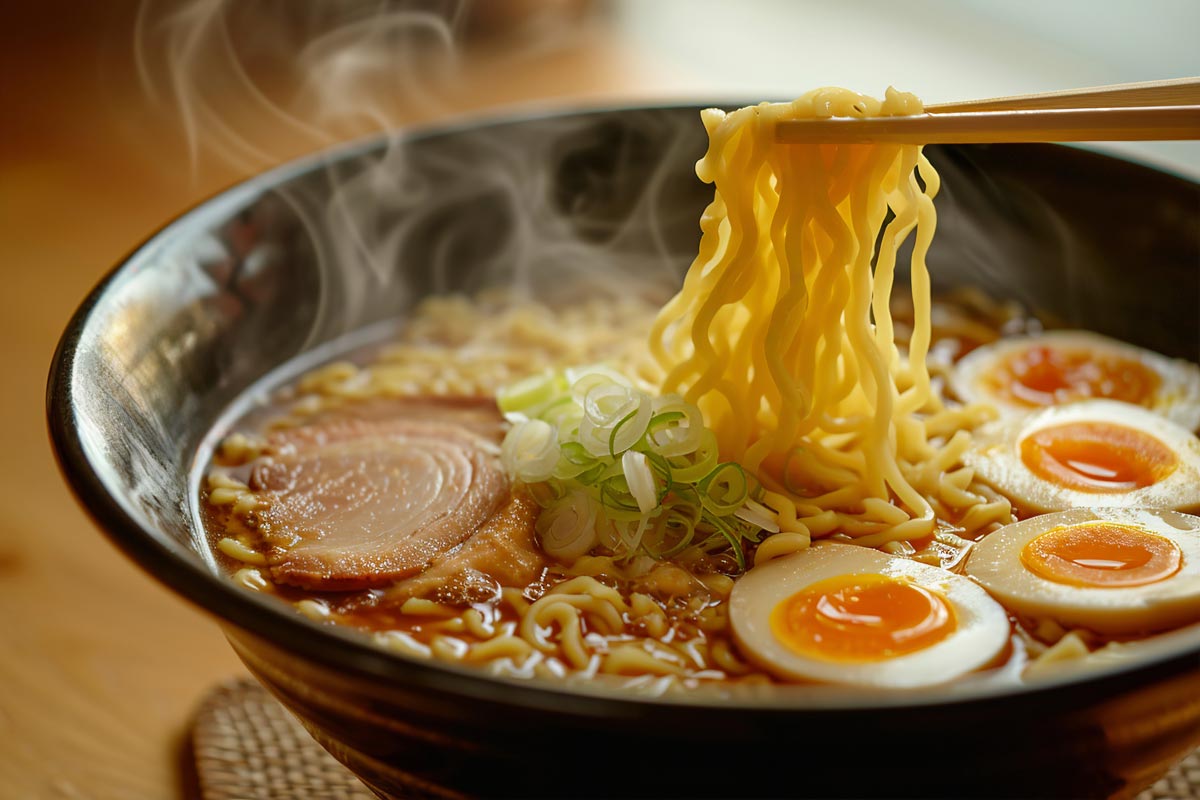
- Kumamoto ramen: A regional style of ramen featuring a rich pork-based broth often flavored with roasted garlic oil. Shops near the castle and downtown serve their own versions.
- Basashi (horse meat sashimi): A Kumamoto specialty. It is thinly sliced and served raw with ginger and soy sauce. Only try it if you are comfortable with adventurous eating and choose reputable restaurants.
- Sweet treats: Local confections such as ikarimanjū (sweet bean paste buns) and seasonal wagashi (traditional sweets) make good souvenirs.
Combine with Other Kumamoto Attractions
- Suizenji Jojuen Garden: A beautiful stroll garden a short tram ride from the castle. Its miniature landscape includes a small replica of Mount Fuji and a central pond fed by spring water. It offers a tranquil contrast to the fortress atmosphere.
- Downtown shopping arcades: Covered shopping streets near the castle are filled with cafes, casual restaurants, and souvenir shops. They are ideal for a relaxed walk, especially on rainy days.
- Day trips to Aso and hot springs: Kumamoto is a good base for visiting the volcanic landscapes of Aso and nearby onsen (hot spring) towns, adding nature and relaxation to your castle-focused trip.
Best Time to Visit Kumamoto Castle
You can visit Kumamoto Castle year-round, but your experience will differ with the seasons:
- Cherry blossom season: Crowds are at their highest, yet the castle is arguably at its most beautiful. Reserve accommodation early if you plan to visit from late March to early April.
- Golden Week and major holidays: Domestic travel peaks during late April and early May, and again around New Year. Expect lines at ticket counters and busy trams.
- Weekdays versus weekends: Weekdays generally see fewer visitors. If you prefer a quieter experience, arrive soon after opening on a weekday morning.
Tips for First-Time Visitors to Japan
If Kumamoto Castle is part of your first trip to Japan, a few general tips will help things go smoothly:
- Use IC cards: Rechargeable IC cards (such as Suica or regional equivalents) can often be used on trams and buses in Kumamoto, making transport easier. Check your card’s coverage in advance.
- Cash and cards: Credit cards are increasingly accepted, but some small eateries and souvenir stalls still prefer cash. ATMs at convenience stores usually accept foreign cards.
- Language: English is not always widely spoken, but staff at major attractions are accustomed to overseas visitors. Simple phrases and gestures, combined with translation apps, are usually enough.
- Luggage: If you are traveling with large suitcases, consider storing them in coin lockers at Kumamoto Station or your hotel before heading to the castle’s hilly grounds.
Experiencing Kumamoto Castle as More Than a Photo Stop
For many travelers, Kumamoto Castle begins as a striking image: a black-and-white fortress poised on a hill. Once you are on the grounds, however, it becomes far more than a backdrop for pictures. The combination of samurai-era engineering, modern reconstruction, and the quiet determination of local residents to restore their symbol of pride creates a unique atmosphere.
By taking time to walk the slopes, read the displays, and notice both the intact and damaged sections, you gain a deeper understanding of Japan’s relationship with its past and its natural environment. Whether you are fascinated by history, architecture, or photography, Kumamoto Castle offers a rich, rewarding experience and an excellent reason to include Kyushu in your Japan adventure.

Access Map
Recommended spots in Kumamoto
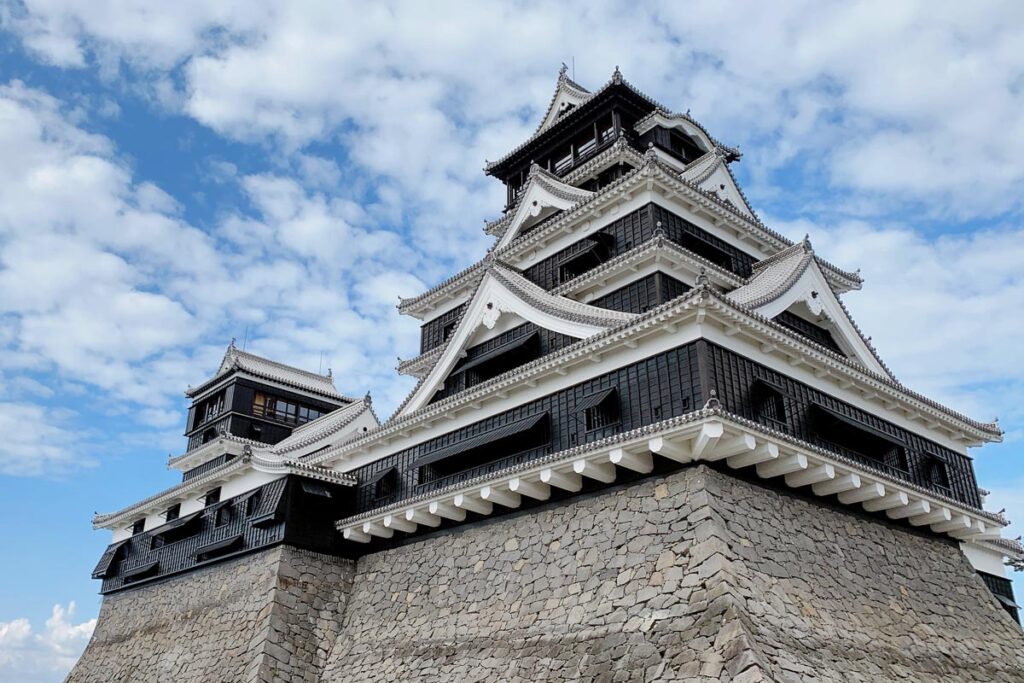
Kumamoto Castle
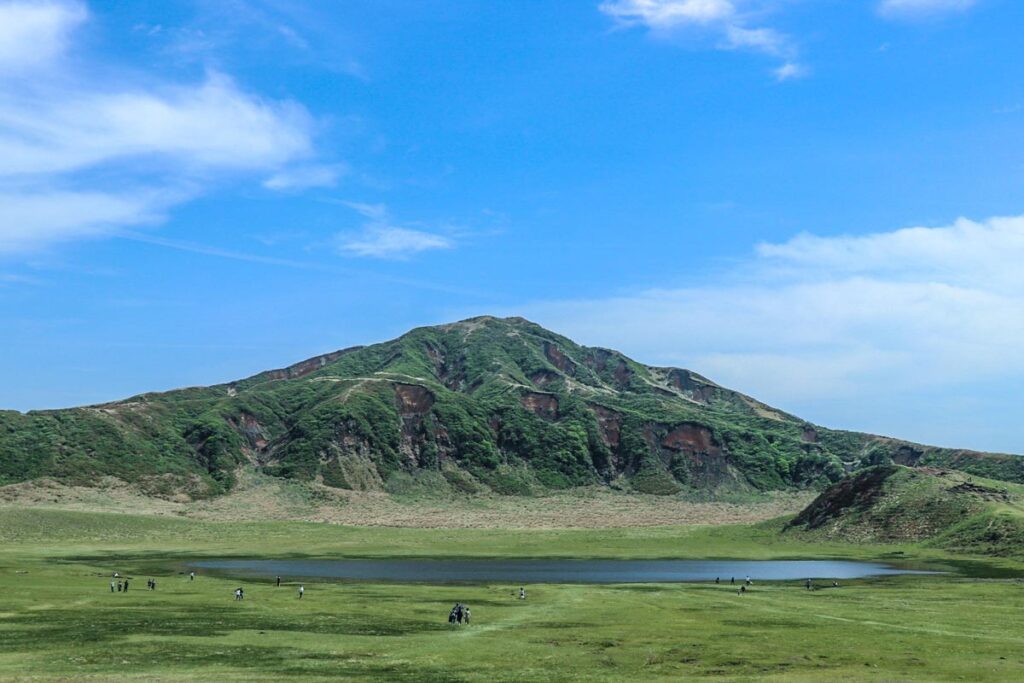
Mount Aso
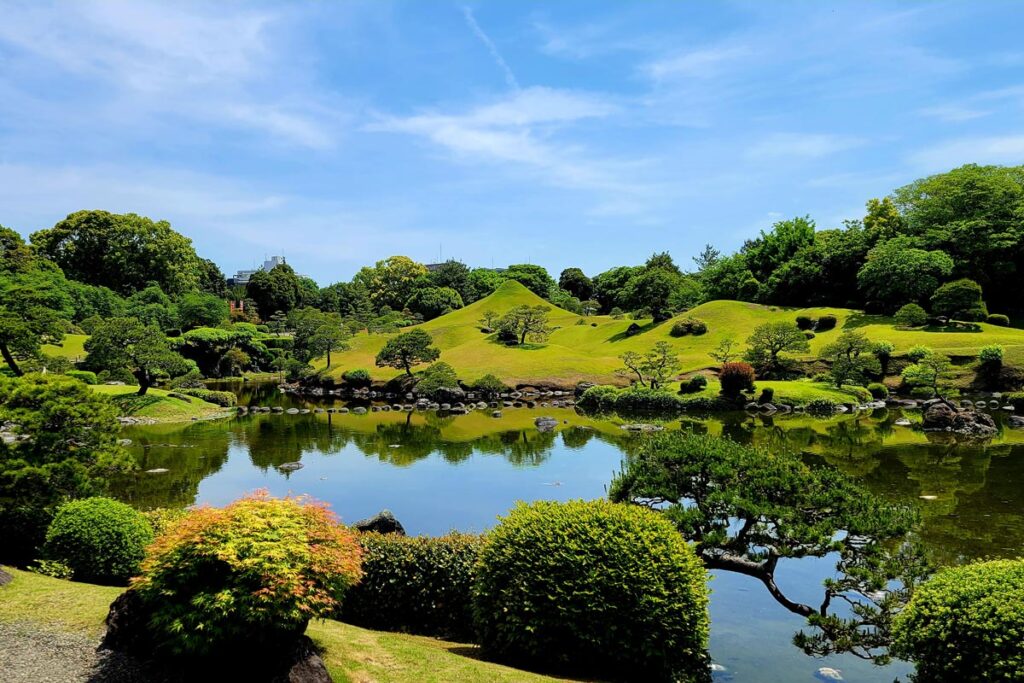
Suizenji Jojuen Garden
Top destinations in Kyushu/Okinawa
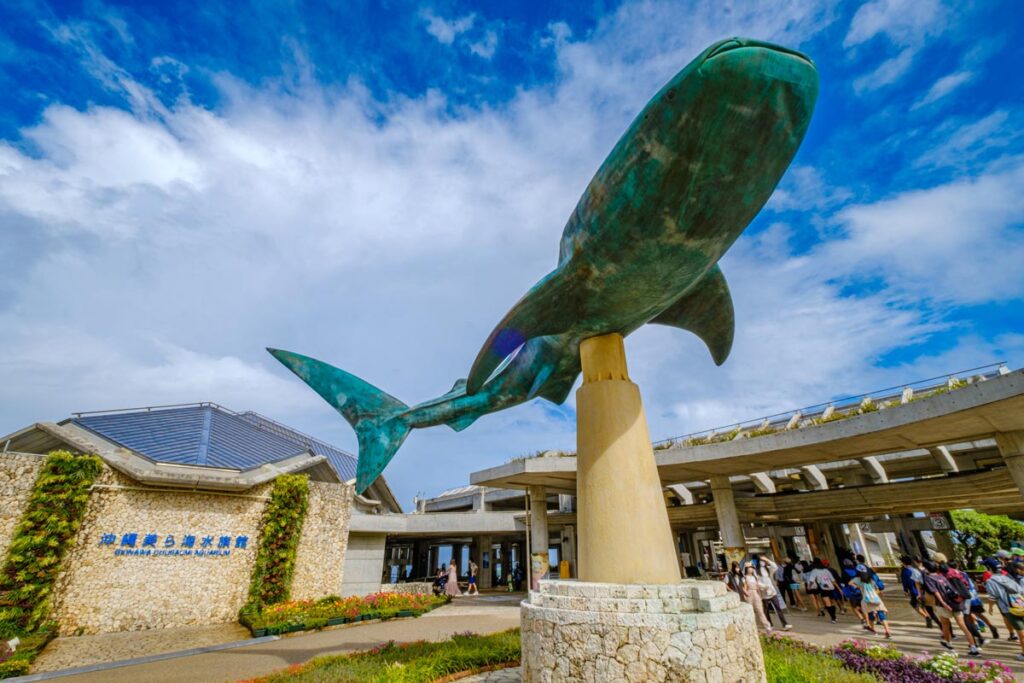
Okinawa
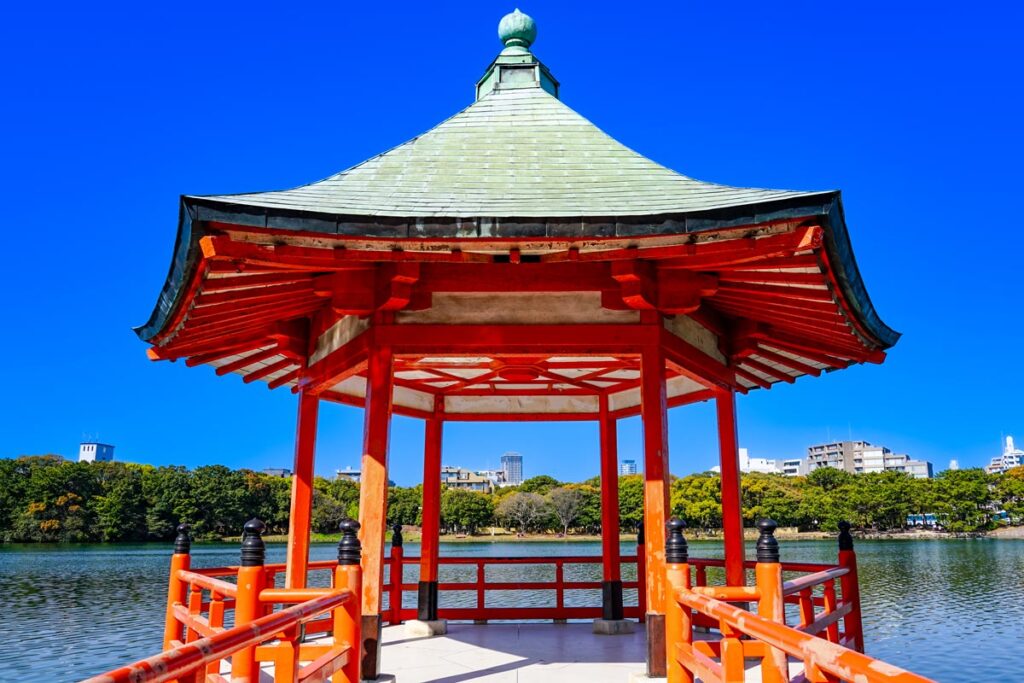
Fukuoka
Kagoshima