

Kurashiki Bikan Historical Quarter
Kurashiki Bikan Historical Quarter: A Classic Canal Town in Japan
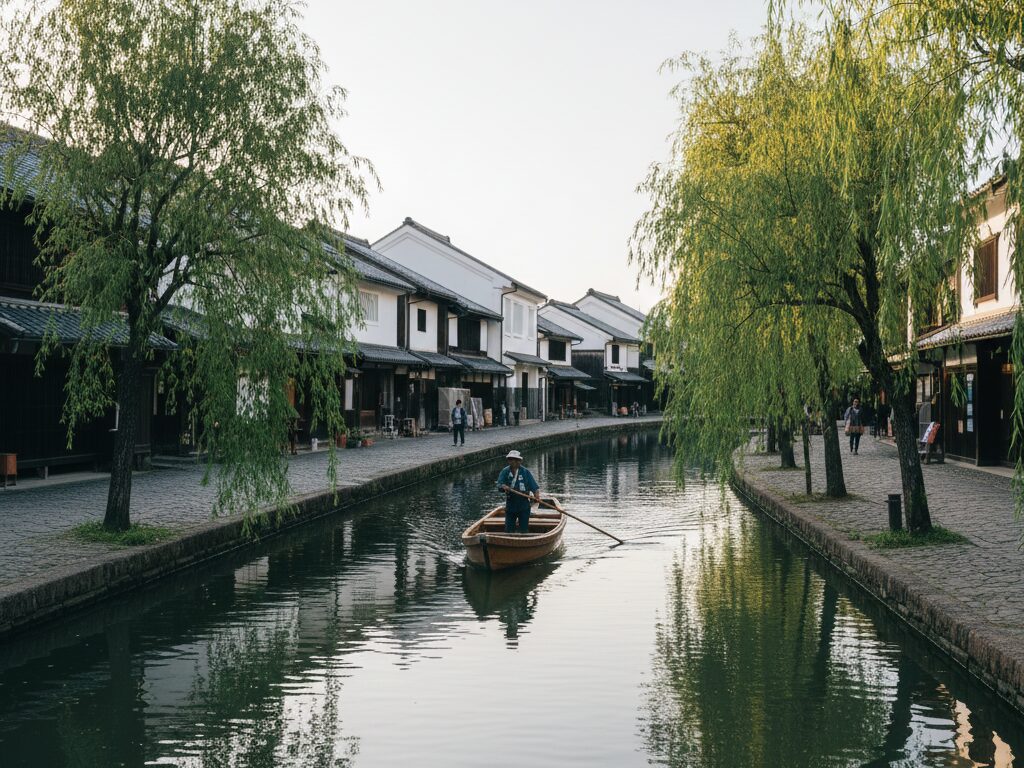
Photos are for illustrative purposes only.
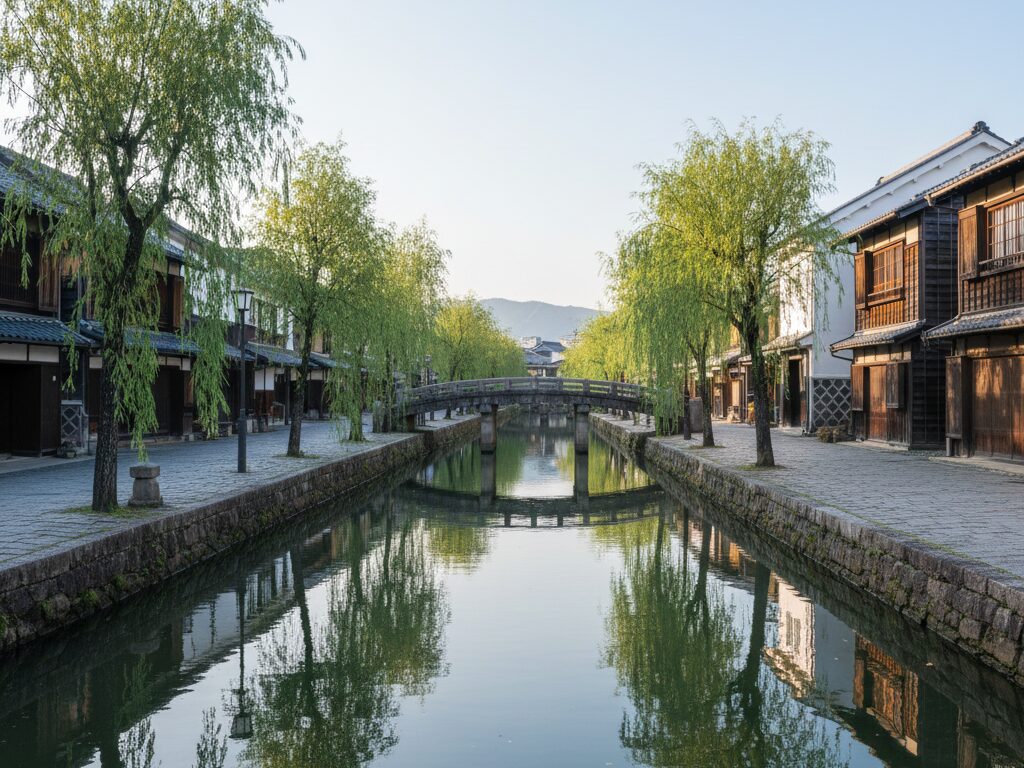
Kurashiki Bikan Historical Quarter is one of Japan’s most atmospheric old towns: willow-lined canals, white-walled warehouses, wooden townhouses, and quiet backstreets. For first-time visitors to Japan, it offers a gentler, less crowded alternative to Kyoto, while still delivering plenty of history, culture, food, and photogenic scenery.
Located in Okayama Prefecture in western Japan, Kurashiki makes an ideal day trip from Osaka, Hiroshima, or Okayama City, and is easy to combine with a visit to Naoshima art island or the Seto Inland Sea. This guide will help you understand the area, plan your visit, and make the most of your time in the Bikan Historical Quarter.
What Is the Kurashiki Bikan Historical Quarter?
The Bikan Historical Quarter is the preserved old merchant district of Kurashiki, centered around a calm canal shaded by willow trees. During the Edo period (1603–1868), Kurashiki flourished as a major rice distribution center under direct control of the shogunate. The intact white-walled warehouses (kura), traditional townhouses (machiya), and narrow alleys you see today are the urban legacy of that commercial prosperity.
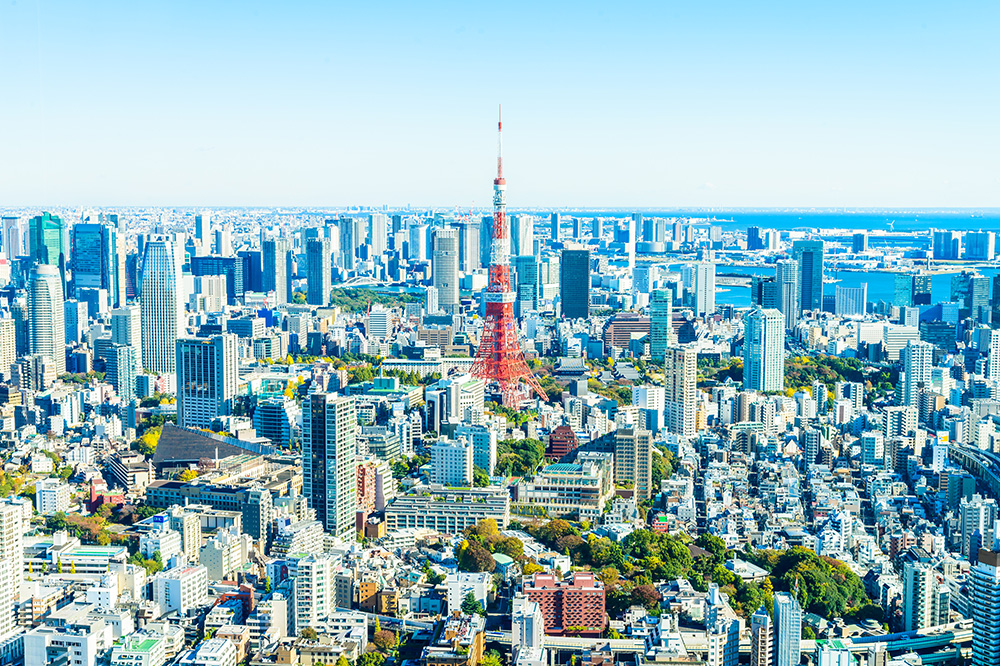
Unlike the futuristic skylines of Tokyo or Osaka, the Bikan area feels like stepping into a woodblock print. Many former storehouses have been converted into museums, galleries, cafes, and boutique shops. The district is compact and highly walkable, and most attractions cluster around the central canal.
Why Visit as a First-Time Traveler?
For first-time travelers to Japan, Kurashiki Bikan Historical Quarter offers:
- Classic scenery: Stone bridges, willows, tiled roofs, and white plaster walls reflecting on the water.
- Easy walking: A concentrated district you can explore in 2–4 hours at a relaxed pace.
- Accessible culture: Art, folk crafts, and local food in a friendly, compact setting.
- Quieter atmosphere: Fewer crowds than Japan’s largest tourist hotspots, especially in the evenings.
How to Get to Kurashiki Bikan Historical Quarter
Kurashiki is well-connected by train and pairs nicely with a Japan Rail Pass itinerary.
From Tokyo and Kyoto/Osaka
- From Tokyo: Take the Tokaido-Sanyo Shinkansen to Okayama Station (about 3.5 hours by Nozomi, slightly longer on Hikari). Then transfer to a local JR line to Kurashiki Station (about 15–20 minutes).
- From Kyoto/Osaka: Take the Shinkansen to Okayama (1–1.5 hours), then a local JR train to Kurashiki.
From Kurashiki Station, it is about a 10–15 minute walk to the Bikan Historical Quarter. Signage in English is good, and the route is straightforward.
From Hiroshima and the Seto Inland Sea
- From Hiroshima: Shinkansen to Okayama (around 40 minutes), then local train to Kurashiki.
- From Naoshima or Uno Port: Local trains via Okayama or Chayamachi make Kurashiki an easy next stop after exploring art islands in the Seto Inland Sea.
Best Time to Visit Kurashiki Bikan
The Bikan Historical Quarter is beautiful year-round, but your experience will differ with the seasons and time of day.
By Season
- Spring (March–May): Mild weather, cherry blossoms, and fresh green willow leaves make this the most photogenic season. Expect more visitors during school holidays and Golden Week.
- Summer (June–August): Hot and humid, but the canal area remains pleasant in the evening. Summer festivals, yukata (light summer kimono), and illuminated streets add atmosphere at night.
- Autumn (September–November): Comfortable temperatures and clear skies; nearby temples and hills show autumn colors, and the light on the white-walled buildings is especially beautiful.
- Winter (December–February): Quieter and colder, but rarely extreme. The low winter sun and occasional decorations give the district a calm, nostalgic feel.
By Time of Day
- Early morning: Soft light and very few people – ideal for photography and peaceful walks.
- Daytime: Museums, shops, and cafes are open, and boat rides operate on the canal.
- Evening: Lanterns and lights reflect on the canal, creating a romantic atmosphere. Many shops close around early evening, so plan shopping and museums earlier in the day.
Top Things to Do in Kurashiki Bikan Historical Quarter
Stroll Along the Canal
The central canal is the heart of the district. Willow trees droop gracefully over the water, stone bridges arch overhead, and traditional buildings line both banks. A simple slow walk here can easily take an hour as you stop for photos and explore side alleys.
In the past, boats carried rice and goods via these waterways to warehouses that still stand today. Now, the canal carries mostly tourists and occasional ducks, but the layout remains largely unchanged.
Take a Traditional Boat Ride
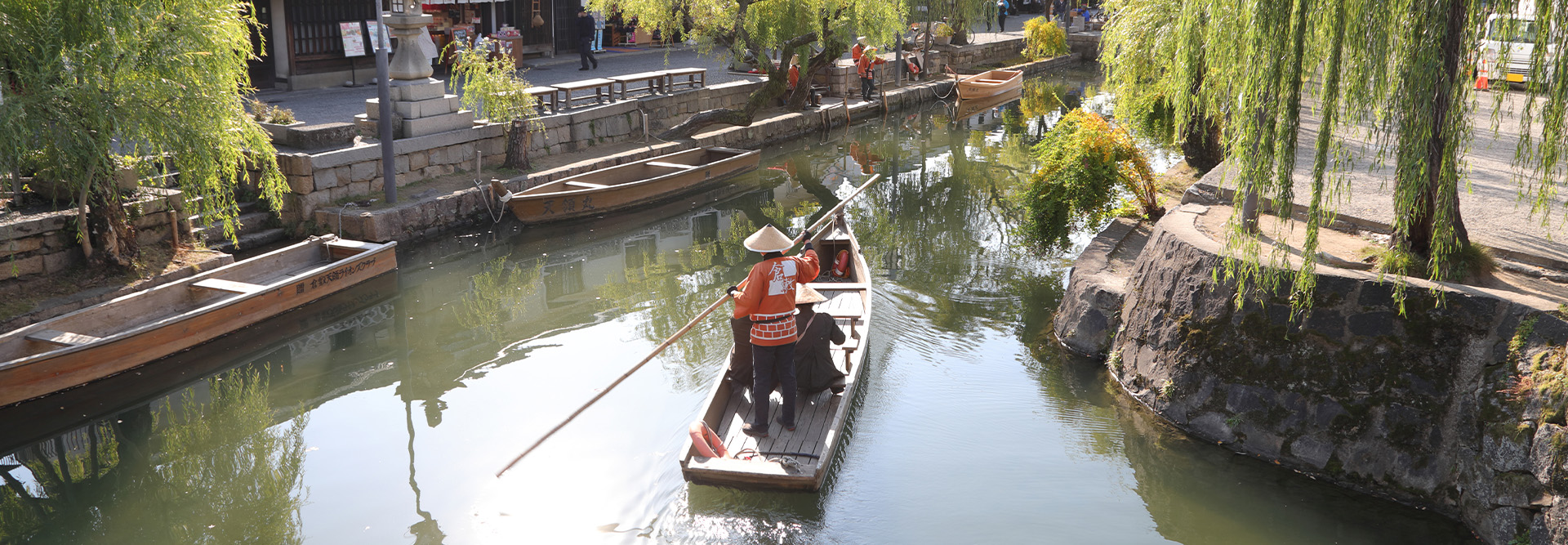
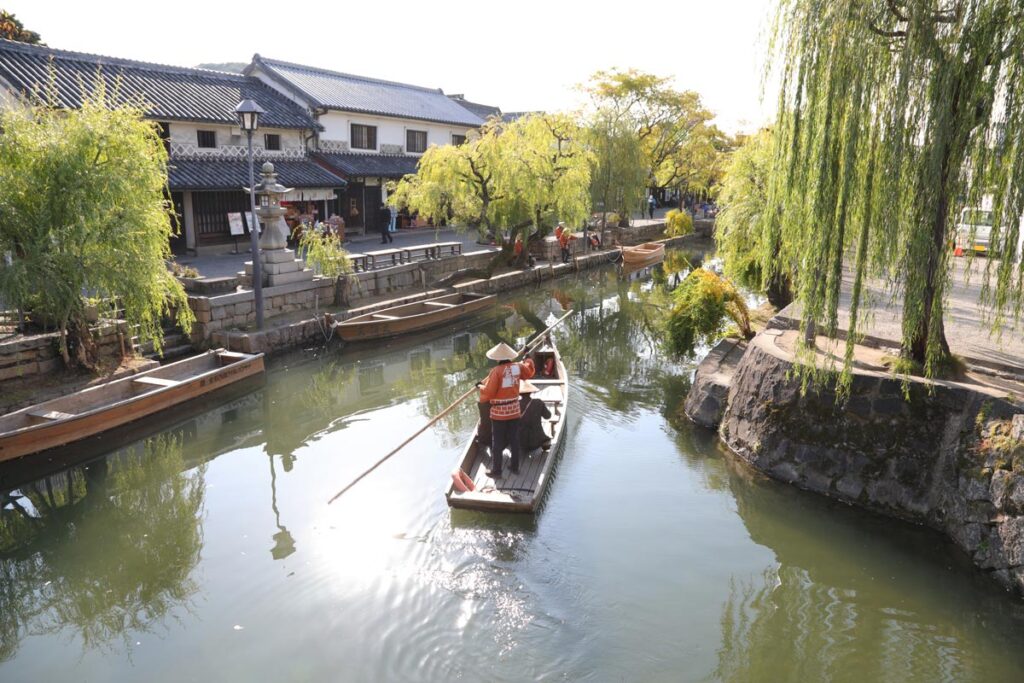
For a different perspective, join a short boat ride along the canal. Operated in flat wooden boats punted by local boatmen, these rides usually last around 15–20 minutes. Staff often wear traditional-style clothing, adding to the historical atmosphere. Commentary may be in Japanese, but the experience is enjoyable even if you don’t understand the language.
Boat rides are especially pleasant in spring and autumn; in busy seasons, consider buying tickets early in the day.
Visit the Ohara Museum of Art
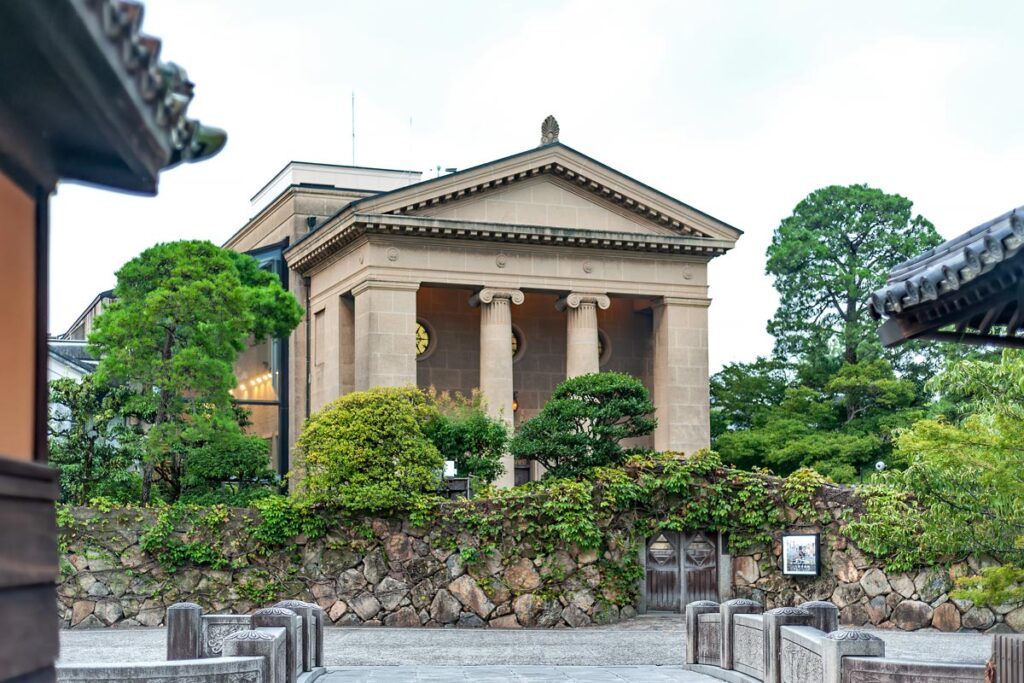
The Ohara Museum of Art is one of Kurashiki’s highlights and an unexpected cultural treasure. Opened in 1930, it was Japan’s first museum dedicated to Western art and houses works by artists such as El Greco, Monet, Matisse, and Gauguin, alongside Japanese modern art.
The museum complex spans several buildings, including a neoclassical main hall, annexes for modern and contemporary art, and a craft and folk art wing. Even travelers not usually interested in museums often find the mix of East and West, and the setting among traditional buildings, fascinating.
Explore the Kurashiki Ivy Square Area
A short walk from the canal, Kurashiki Ivy Square occupies a former red-brick textile mill from the Meiji era. Today, its brick walls are draped in ivy, and the complex houses a hotel, restaurants, small museums, and craft workshops.
Ivy Square reflects Kurashiki’s transition from Edo-period mercantile city to modern industrial town. It’s a good place to rest in the courtyard, explore local handicrafts, or try a hands-on activity such as pottery painting or glasswork, depending on current offerings.
Discover Local Folk Crafts and Mingei Culture
Kurashiki has strong ties to mingei, Japan’s folk craft movement, which celebrates the beauty of everyday handmade objects. In and around the Bikan Quarter, you’ll find shops selling:
- Textiles and indigo-dyed fabrics
- Ceramics and tableware
- Wooden toys and tools
- Paper products and stationery
Some galleries and small museums highlight the philosophy behind these crafts: well-designed, functional pieces made by anonymous artisans. Browsing these shops can give you a deeper sense of Japanese aesthetics beyond mass-produced souvenirs.
Admire Kurashiki’s Traditional Architecture
As you wander, look closely at the buildings themselves. Many warehouses and townhouses feature:
- White plaster walls over dark wooden beams
- Black-and-white diamond patterns (namako-kabe) on the lower walls
- Tiled roofs with decorative ridge-end tiles
- Sliding wooden doors and latticed windows
These design details not only look beautiful but historically protected against fire and humidity while signaling wealth and status. Some buildings offer small exhibits explaining their construction and former use.
Food and Drink in the Bikan Historical Quarter
Kurashiki-Style Cafes and Sweets
One of the pleasures of Kurashiki is lingering in local cafes and sweet shops. Many are housed in converted kura warehouses or machiya townhouses, retaining beams, earthen walls, or traditional courtyard gardens.
Look out for:
- Japanese-style parfaits topped with seasonal fruit, matcha, or local specialties
- Wagashi (traditional sweets) served with green tea
- Coffee and tea houses with retro interiors and views of the canal or side streets
Some venues serve kurashiki coffee or original blends, often roasted on-site or locally. Take your time; cafe culture here moves at a slower pace than in Tokyo.
Local Specialties and Casual Dining
Kurashiki and the wider Okayama region are known for:
- Fruits such as white peaches and muscat grapes (especially in summer and early autumn)
- Regional Setouchi seafood from the nearby Inland Sea
- Simple home-style dishes like udon, set meals, and rice bowls
In and around the quarter you’ll find eateries ranging from traditional Japanese restaurants to modern bistros and casual lunch spots. Many display plastic food models or have picture menus, making ordering easier for visitors who don’t read Japanese.
Cultural Experiences and Activities
Kimono or Yukata Rental
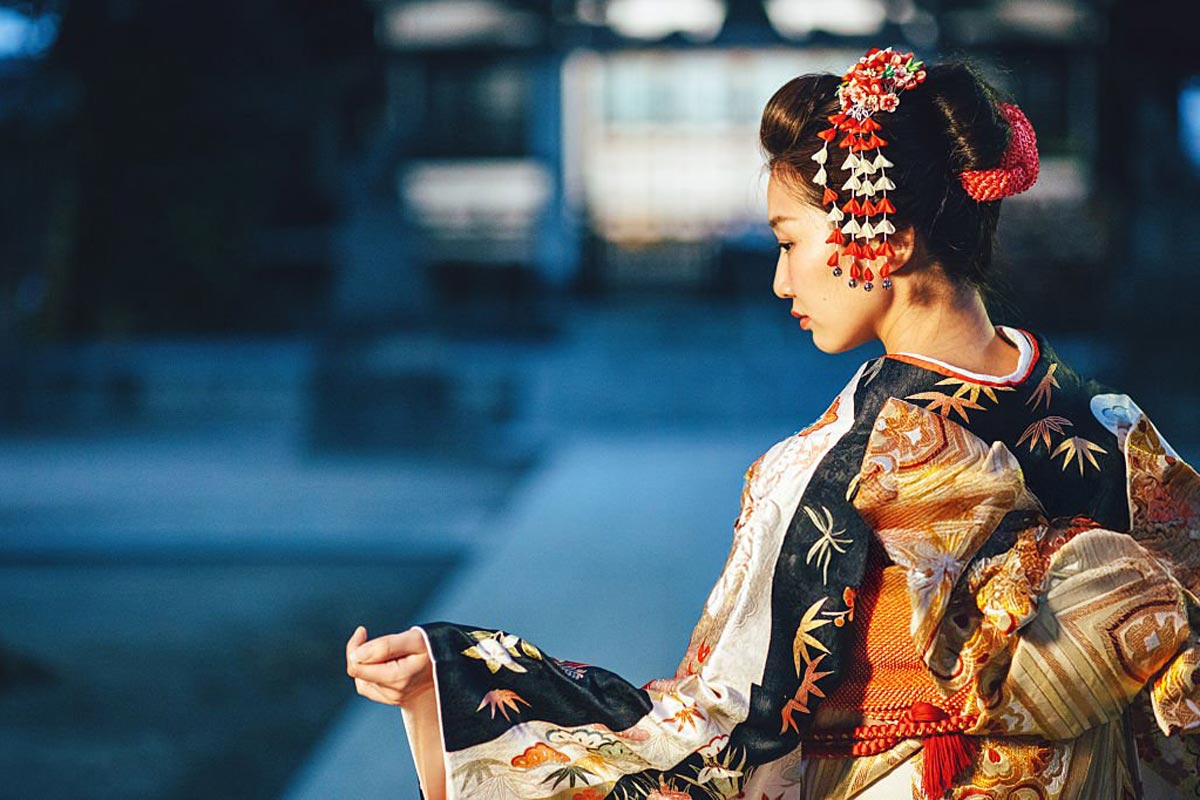
Strolling the old streets in a kimono or summer yukata is a popular way to immerse yourself in the historical atmosphere. Rental shops near the quarter provide:
- A wide selection of patterns and colors
- Dressing assistance by staff
- Optional hair styling and accessories
You can then wander the district for a few hours, taking photos along the canal, on stone bridges, and in hidden alleys. Reservations are recommended during busy seasons.
Workshops and Hands-On Crafts
Depending on the season and current offerings, you may find workshops such as:
- Hand-dyeing small textiles or handkerchiefs
- Painting pottery or small ceramic items
- Making simple traditional sweets
These short experiences are beginner-friendly and often require no Japanese language skills, as staff can demonstrate visually.
Practical Tips for Visiting Kurashiki Bikan Historical Quarter
How Long to Spend
Most travelers visit Kurashiki as a half-day or one-day trip. In roughly 3–5 hours, you can:
- Walk the canal and backstreets
- Visit one or two museums (such as Ohara Museum)
- Have lunch and a cafe stop
- Browse for crafts and souvenirs
Staying overnight allows you to enjoy the district before and after day-trippers, when it is quieter and more atmospheric.
Language and Signage
Signage in the Bikan area is generally available in both Japanese and English, especially around main sights, museums, and the station route. In restaurants, you may find:
- English or bilingual menus
- Picture menus or food models
- Basic English spoken by some staff
Polite phrases such as sumimasen (excuse me) and arigatou gozaimasu (thank you very much) are always appreciated.
Money and Payments
Japan remains partly cash-based, but cards and digital payments are increasingly accepted. In Kurashiki Bikan Historical Quarter:
- Many museums, hotels, and larger restaurants accept credit cards.
- Small shops and cafes may prefer or require cash (yen).
- ATMs that accept international cards can be found near Kurashiki Station and in convenience stores.
What to Wear and Pack
The district is best explored on foot, so bring:
- Comfortable walking shoes for uneven stone and paved paths.
- Season-appropriate layers – it can be humid in summer and cool by the water in winter.
- Sun protection (hat, sunscreen) if visiting in sunny months.
An umbrella can be useful in rainy seasons, and a light scarf or shawl is handy for cooler evenings or air-conditioned interiors.
Etiquette in Historic Areas
As in other parts of Japan, basic manners help preserve the area and maintain good relations with residents:
- Dispose of trash properly; public bins are limited, so carry rubbish with you if necessary.
- Walk on the designated paths, and avoid entering private property or residential areas without permission.
- Keep noise levels low, especially in early morning and evening.
- Ask before photographing people, such as shop staff or locals, and respect any signs asking not to photograph certain interiors.
Combining Kurashiki with Nearby Destinations
Thanks to its location on major rail lines, Kurashiki fits smoothly into a broader western Japan itinerary. Possible combinations include:
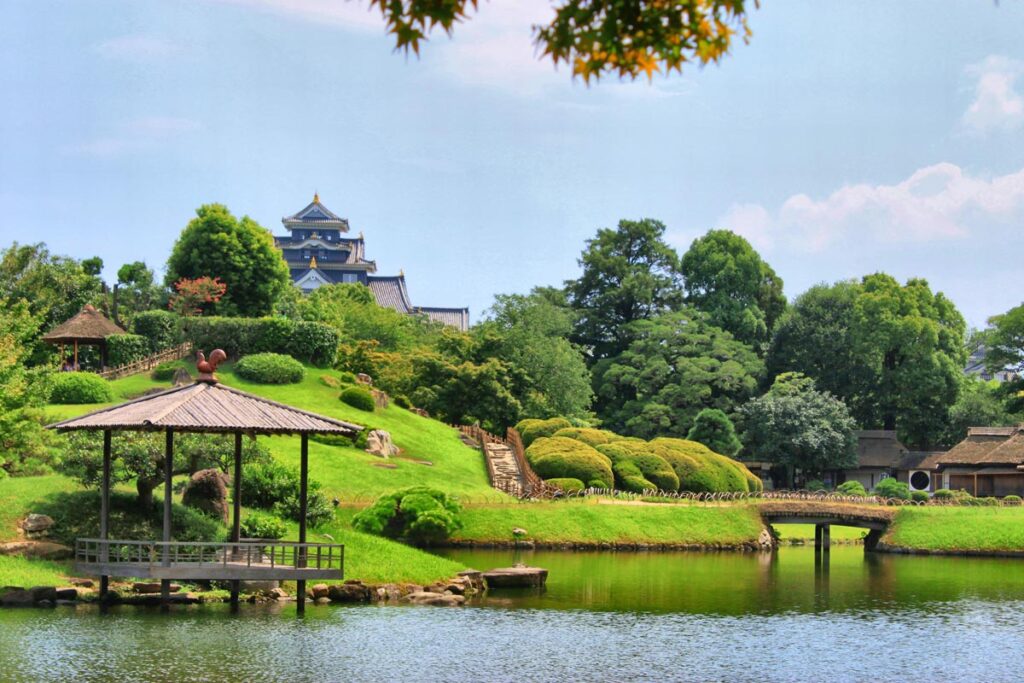
- Okayama City: Visit Okayama Castle and Korakuen Garden, one of Japan’s three great landscape gardens.
- Naoshima and the Art Islands: Take ferries from nearby ports to explore contemporary art museums and installations on Naoshima and neighboring islands.
- Hiroshima and Miyajima: Continue westward to learn about Hiroshima’s history and visit the famous floating torii gate of Itsukushima Shrine.
For first-time visitors, Kurashiki provides a bridge between the ultra-modern image of Japan and its more contemplative, historical side. The Bikan Historical Quarter is compact yet rich in texture, offering a slower rhythm of travel that invites you to wander, pause, and look closely.
Whether you come for a few hours or stay overnight, Kurashiki’s canals, warehouses, and quiet alleys will likely remain one of your most vivid memories of Japan.

Access Map
Recommended spots in Okayama
Kurashiki Bikan Historical Quarter
Ohara Museum of Art
Korakuen Garden
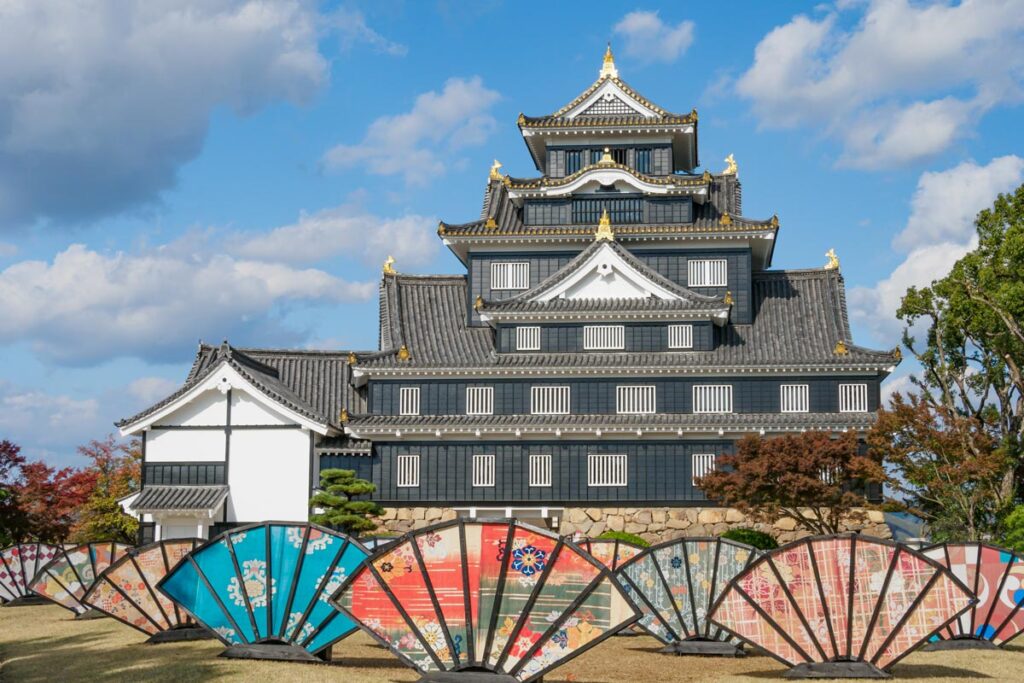
Okayama Castle