
Kyoto - Gion Matsuri
Kyoto Gion Matsuri: A First‑Timer’s Guide to Japan’s Grand Summer Festival
Photos are for illustrative purposes only.
Every July, Kyoto transforms into a living museum of tradition during Gion Matsuri, one of Japan’s most famous and historic festivals. Towering wooden floats roll through the streets, the sound of flutes and drums fills the humid summer air, and locals step out in colorful yukata to celebrate a tradition more than 1,100 years old.
If you are planning your first trip to Japan and want a festival experience that combines atmosphere, history, and unforgettable photography, Gion Matsuri in Kyoto is an ideal centerpiece for your itinerary.
What Is Gion Matsuri?
Gion Matsuri is the month‑long festival of Yasaka Shrine in Kyoto, held every July. It began in 869 as a religious ritual to ward off plague and natural disasters. Over the centuries it evolved into a grand citywide celebration and is now recognized as UNESCO Intangible Cultural Heritage.
Unlike a one‑day event, Gion Matsuri stretches across the entire month with rituals, processions, neighborhood events, and float display days. The highlights are the spectacular float parades known as Yamahoko Junko, but even on non‑parade days the festival atmosphere is unmistakable around downtown Kyoto.
Key Festival Dates and Structure
Gion Matsuri is divided into two main halves, each with its own peak days and float parades.
The Main July Schedule (Typical Pattern)
- Early July (around 1–10 July): Shrine rituals begin at Yasaka Shrine; preparations and float construction start in the downtown neighborhoods.
- Mid-July (around 10–16 July): The first half, called Saki Matsuri, reaches its climax with street parties and the first grand float parade.
- Late July (around 21–24 July): The second half, Ato Matsuri, features a calmer atmosphere and a second, smaller but elegant float parade.
- End of July (31 July): Closing rites at Yasaka Shrine bring the month‑long festival to an end.
Exact dates of some events can shift slightly each year, so check the current year’s schedule before you travel. However, the most important dates for visitors tend to be consistent.
Saki Matsuri: The Lively First Half
The first half of Gion Matsuri is bigger, busier, and more energetic. If you want to experience the festival at its most dramatic and crowded, aim for this period.
Yoiyama Nights (14–16 July)
The three nights leading up to the main Saki Matsuri parade are called Yoiyoiyoiyama (14), Yoiyoiyama (15), and Yoiyama (16). These evenings are often what visitors imagine when they picture Gion Matsuri.
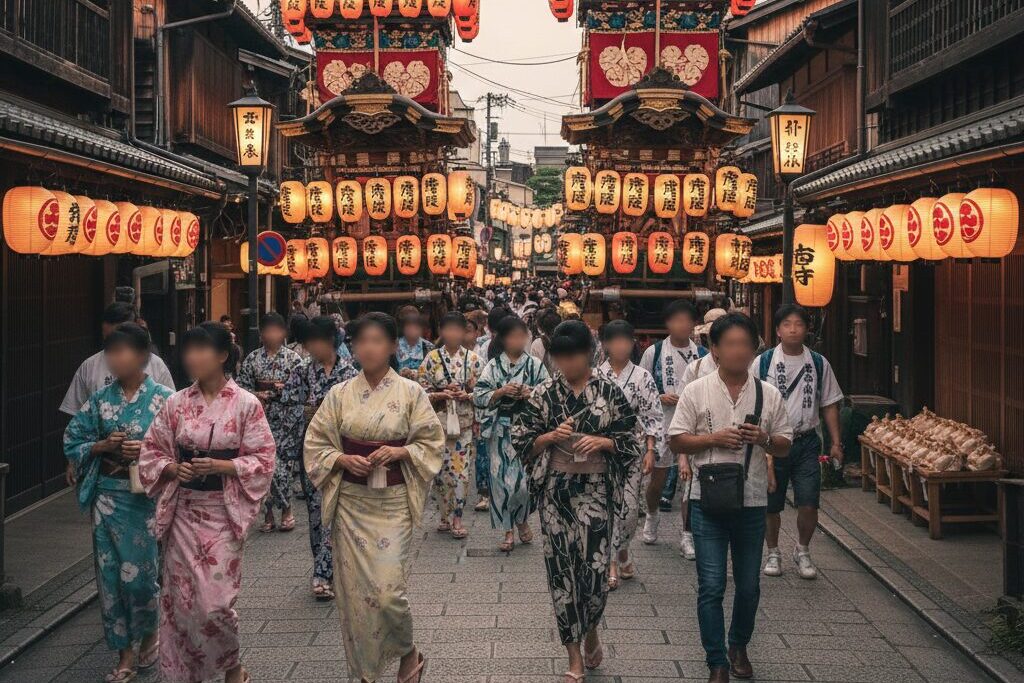
Streets in central Kyoto, particularly around Shijo, Karasuma, and Kawaramachi, are closed to traffic and filled with food stalls, game booths, and crowds of people in summer yukata. The festival floats, already assembled, are lit up with lanterns and opened to the public for viewing.
During Yoiyama you can:
- Stroll among the illuminated floats and take photos from up close.
- Visit traditional machiya townhouses that open specially to display family treasures, ceramics, scrolls, and festival memorabilia.
- Try classic festival foods such as grilled squid, yakisoba (fried noodles), kakigori (shaved ice), and candied fruit on sticks.
- Listen to gionbayashi, the rhythmic festival music played by local children and musicians on the floats.
Expect huge crowds, especially on the final night (16 July). Streets can become very dense, and walking may be slow, but the energy and atmosphere are unforgettable.
Saki Matsuri Float Parade (17 July)
The first major float parade, the Saki Matsuri Yamahoko Junko, takes place on the morning of 17 July. This is the festival’s main spectacle.
A procession of enormous, elaborately decorated floats makes its way through central Kyoto along a set route, usually starting near Shijo-Karasuma and moving toward Kawaramachi and Oike streets. The event lasts several hours and is best enjoyed if you arrive early.
Highlights include:
- The Naginata-boko Float: Traditionally leads the parade. It carries a boy called the chigo, symbolically representing a messenger of the gods.
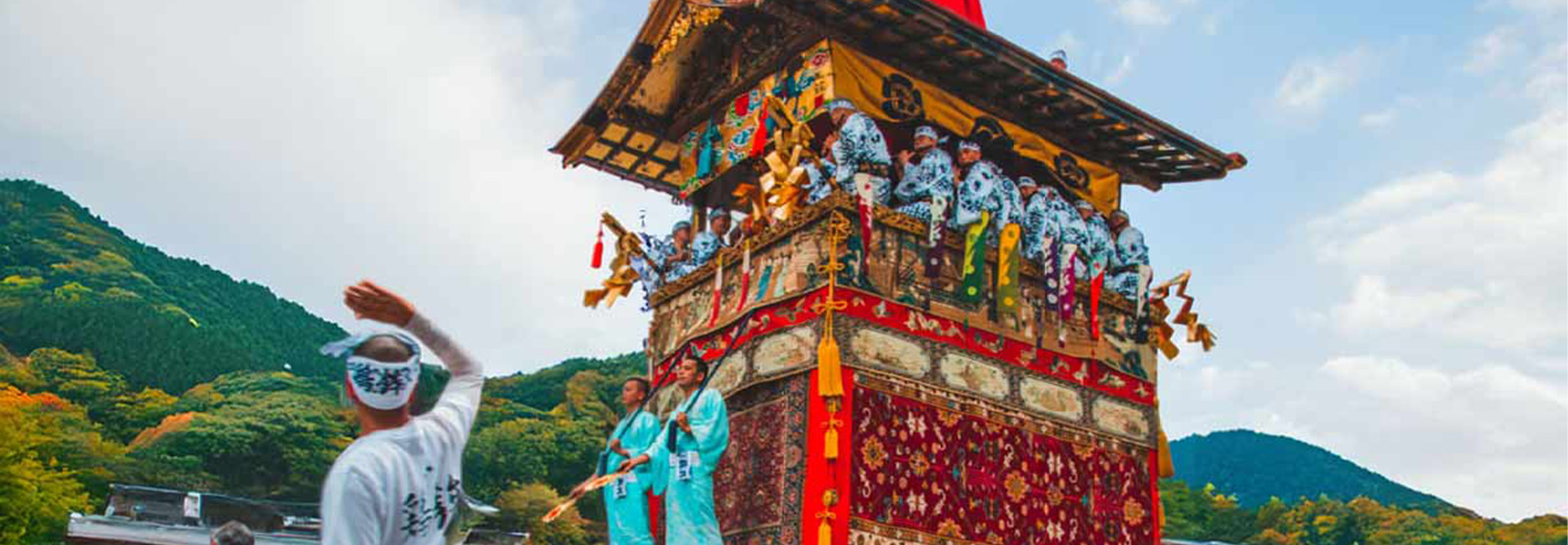
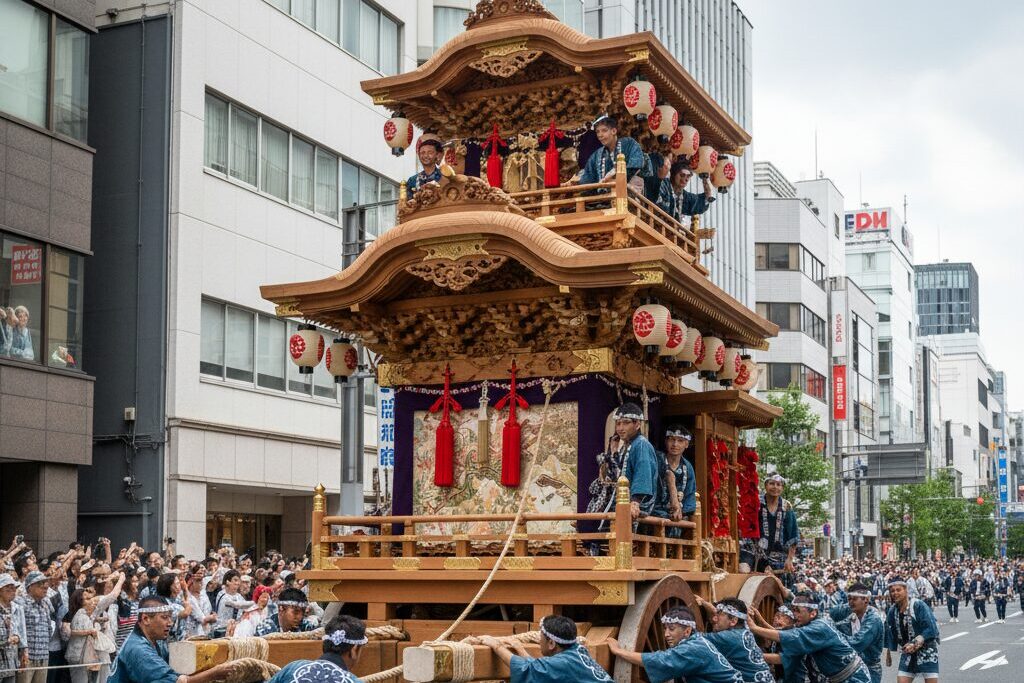
- Giant Hoko Floats: Towering up to about 25 meters when fully assembled and weighing many tons, pulled by teams of strong men and guided around corners in dramatic maneuvers.
- Yama Floats: Smaller but beautifully decorated, often featuring mythological scenes, sacred trees, or portable shrines.
To see the parade comfortably, you can either stand along the route, arrive very early for a good spot, or purchase reserved seating in advance (often sold via travel agencies and online ticket services). The parade is held even in light rain; only severe weather might affect the schedule.
Ato Matsuri: The Elegant Second Half
The second half of Gion Matsuri, Ato Matsuri, is calmer and often more pleasant for those who dislike heavy crowds. The atmosphere is quieter but still deeply traditional.
Ato Matsuri Yoiyama (22–23 July)
On the nights before the second parade, there are smaller Yoiyama evenings (typically 22–23 July). Only the floats for Ato Matsuri are displayed, but you can still see lantern-lit structures, enjoy festival food, and explore the streets at a more relaxed pace.
This is a good time to see details of the floats up close and appreciate the textiles and woodwork without the pressure of large crowds. Some visitors even prefer Ato Matsuri for this reason.
Ato Matsuri Float Parade (24 July)
The Ato Matsuri Yamahoko Junko takes place on 24 July, following a route similar to the first parade but with fewer floats. While smaller in scale, it has a refined, almost serene atmosphere that highlights the artistry and ritual nature of the event.
For photographers, the slightly reduced crowds can make it easier to capture clean shots of the floats and participants. It is also a good opportunity to observe the coordination and teamwork required to move these massive structures safely through city streets.
The Floats: Moving Works of Art
At the heart of Gion Matsuri are the yamahoko floats, often described as "moving museums" due to their exquisite craftsmanship. Each float is owned and maintained by a local neighborhood association, and families have passed down responsibilities for generations.
Types of Floats
- Hoko: Tall, tower-like floats with large wheels and a long vertical pole. They are lavishly adorned with imported textiles, tapestries, and wooden carvings. Some use ancient Persian or European textiles that entered Japan via old trade routes.
- Yama: Smaller floats that are often carried or pulled. They may represent scenes from myths, historical battles, or religious stories, sometimes featuring life‑sized mannequins or sacred trees.
During the days before the parades, you can usually buy a small fee-based ticket or donation to climb onto some of the larger floats. This gives you a unique perspective of the streets below and a close look at the craftsmanship.
Cultural Background and Meaning
Gion Matsuri began as a goryo-e, a ritual to appease restless spirits believed to cause epidemics and disasters. The people of Kyoto commissioned portable shrines and conducted processions and prayers to ask the gods for protection. Over time, the floats became more elaborate, and the event transformed into a vital expression of Kyoto’s identity.
Today, while Gion Matsuri is a major tourist attraction, it remains deeply rooted in community life and Shinto belief. Local residents spend months preparing, and children learn the festival music and roles from an early age. For many families, participation in their neighborhood’s float is both an honor and a duty.
As a visitor, recognizing this religious and communal backdrop helps you appreciate the festival as more than a photo opportunity. It is a living tradition that has survived war, fire, and modernization, continually rebuilt and renewed by the people of Kyoto.
Where Gion Matsuri Takes Place
Although the festival is associated with Yasaka Shrine in the Gion district, most of the float action takes place in Kyoto’s downtown area, west of the Kamo River.
- Yamaboko Float Area: Around Shijo Street, Karasuma Street, Kawaramachi Street, and Oike Street.
- Yasaka Shrine: In Gion, east of the Kamo River. Many key religious rituals occur here, including the transfer of the shrine’s deities to portable mikoshi for nighttime processions on certain days.
The float neighborhoods are easily reached on foot from central Kyoto or via subway to Shijo or Karasuma Oike stations. During Yoiyama evenings, some streets become pedestrian‑only, making walking the most convenient way to explore.
Practical Tips for First‑Time Visitors
When to Go
- For maximum excitement: Plan around 14–17 July to experience Yoiyama and the first grand parade.
- For fewer crowds: Consider 22–24 July for Ato Matsuri, or weekdays during the month when smaller events still take place.
- For rituals and atmosphere: Any time in July gives some taste of the festival, but mid- and late-month are the most active.
Dealing with Summer Heat
Kyoto in July is hot and very humid, with temperatures often above 30°C (86°F). To stay comfortable:
- Carry water or sports drinks and hydrate regularly.
- Use a hat, sunblock, and a small towel or handkerchief.
- Take breaks in convenience stores, department stores, or cafes with air‑conditioning.
- A foldable fan or small portable fan can make a big difference.
What to Wear
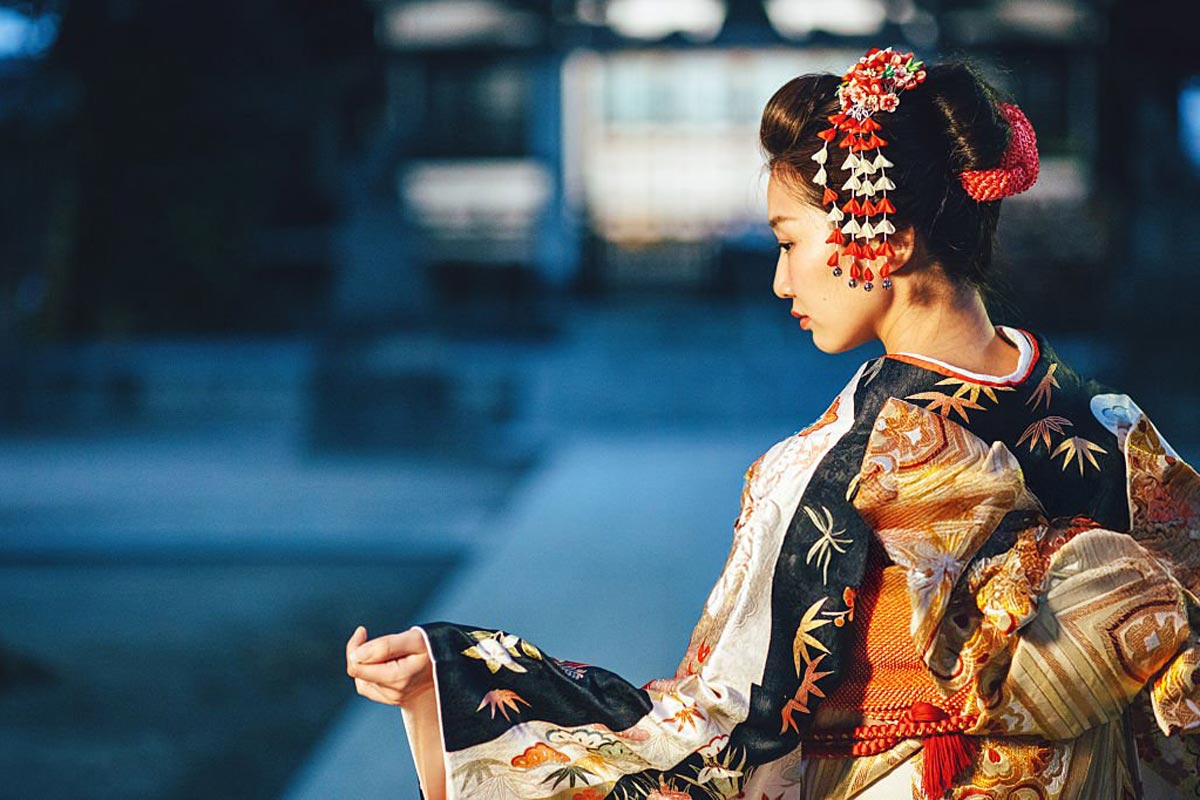
Light, breathable clothing and comfortable walking shoes or sandals are essential. Many locals wear yukata, and some rental shops in Kyoto offer kimono and yukata dressing services if you want to join in the seasonal style. Just be sure you can still walk comfortably in the heat.
Food, Toilets, and Facilities
- Street stalls offer plenty of snacks, but lines can be long. Eat slightly earlier or later than peak times if possible.
- Public toilets and facilities in subway stations, department stores, and convenience stores are your best options; use them whenever you find one, as queues can develop near the main streets.
- Carry some small cash (coins and 1,000 yen bills) for food stalls and donations at floats or shrines.
Getting Around
Kyoto’s public transport is generally reliable, but during Gion Matsuri some bus routes can be delayed because of road closures and crowds.
- Use the subway and trains where possible; stations like Shijo, Karasuma, Karasuma Oike, and Kawaramachi provide good access.
- Walking is often the fastest and simplest method in the downtown area during the festival evenings.
- Allow extra travel time, especially if you have restaurant or train reservations.
Festival Etiquette and Respectful Behavior
To enjoy Gion Matsuri while respecting local customs, keep these points in mind:
- Do not touch the floats unless explicitly invited to climb aboard. The fabrics and woodwork are delicate and often irreplaceable.
- Follow staff instructions along the parade route and at intersections; they are managing crowd safety and float movements.
- Be careful with photography: Avoid blocking the way, do not step into the road abruptly, and be considerate when photographing performers or children.
- Keep noise moderate near shrine rituals or traditional performances. The festival has many sacred elements even amid the fun.
- Dispose of trash properly: Use designated bins or take your rubbish with you. Littering is strongly frowned upon.
Combining Gion Matsuri with Other Kyoto Sights
Because Gion Matsuri lasts an entire month, you can easily combine festival experiences with sightseeing around Kyoto.
- Morning: Visit temples such as Kiyomizu-dera, Nanzen-ji, or Fushimi Inari Taisha before the heat and crowds build.
- Afternoon: Rest in your hotel or in a cool cafe, or explore indoor attractions like museums and department store food halls.
- Evening: Head to the festival streets for Yoiyama, float viewing, and street food under the lanterns.
Staying in or near central Kyoto (around Shijo, Kawaramachi, or Karasuma) during July makes it easy to drop into the festival atmosphere whenever you like, even after a day trip to nearby cities such as Osaka or Nara.
Planning Your Trip Around Gion Matsuri
Because Gion Matsuri is one of Japan’s most popular festivals, accommodation in Kyoto can fill up quickly, especially around 14–17 July. Consider these planning tips:
- Book hotels several months in advance if you want to stay in central Kyoto during the peak days.
- Look at nearby areas like Osaka or Shiga Prefecture as backup bases; trains to Kyoto are frequent and relatively quick.
- Check annual schedules from tourism offices when your travel dates are fixed, to align your Kyoto stay with the most interesting events.
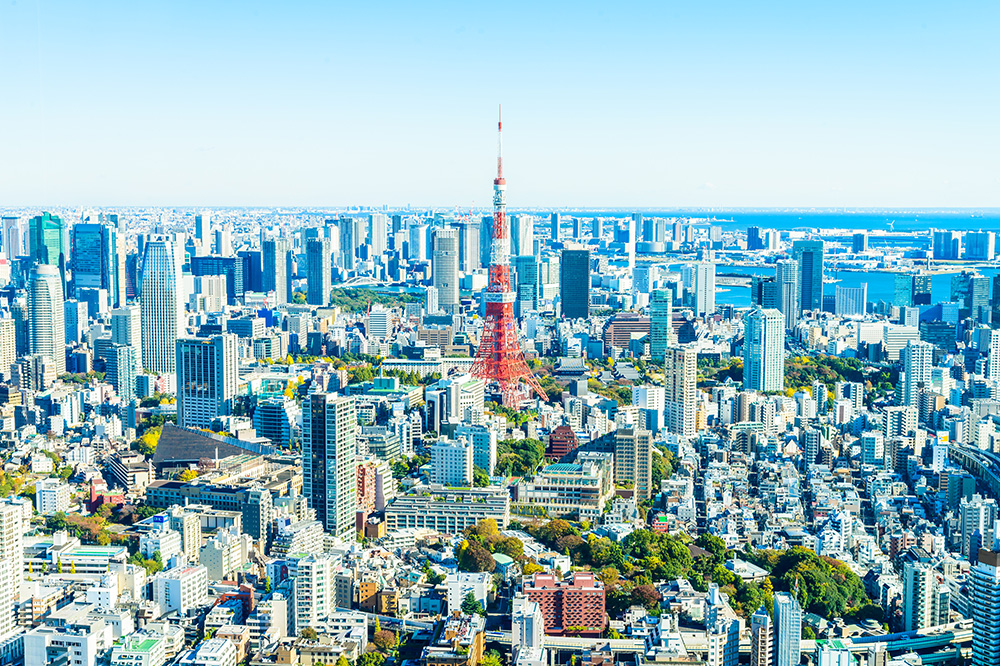
For many visitors, timing a Japan trip around Gion Matsuri provides a rich contrast to modern Tokyo and offers insight into Kyoto’s long‑standing role as the cultural heart of the country.
Experience Japan’s Living Tradition in Kyoto
From illuminated floats towering above narrow streets to the steady beat of festival drums echoing between traditional townhouses, Gion Matsuri offers a vivid window into Japan’s history and community spirit. Whether you join the crowds of Yoiyama, watch the grand parades, or quietly observe shrine rituals at Yasaka Shrine, you will encounter a side of Japan that cannot be recreated in any theme park or shopping mall.
For first‑time travelers to Japan, planning a stay in Kyoto during Gion Matsuri is one of the most rewarding ways to experience the country’s seasonal rhythms and living traditions. With a bit of advance preparation—and an open schedule for late, lantern‑lit walks through the city—you will carry home not just photographs, but a deeper understanding of Kyoto’s enduring festival culture.

Access Map
Recommended spots for Summer Festivals
Tokyo
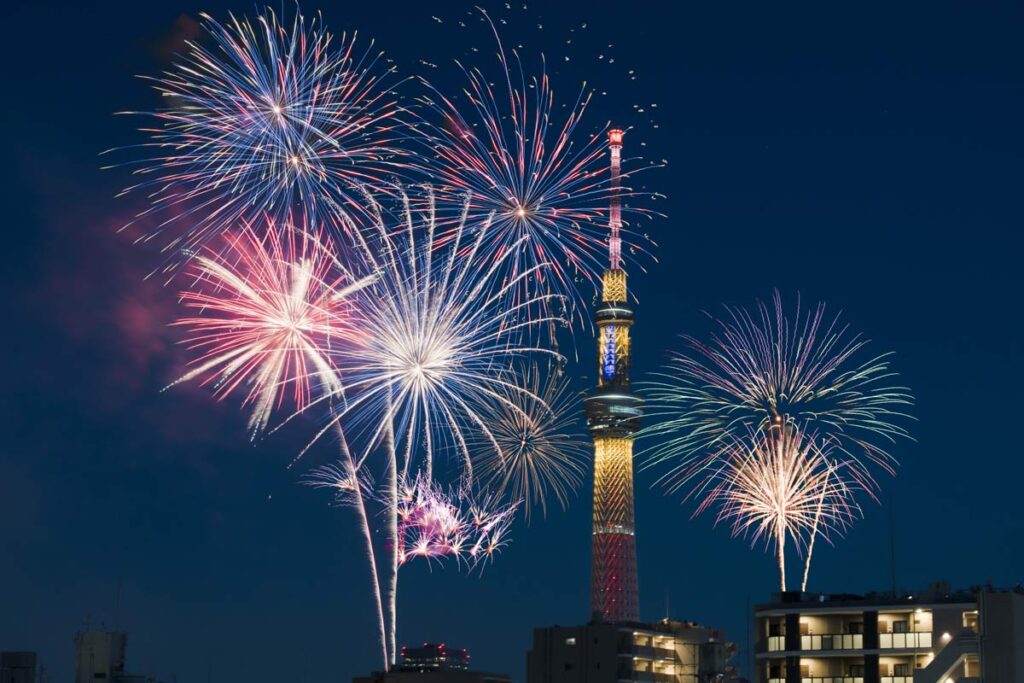
- Sumida River Fireworks
Osaka
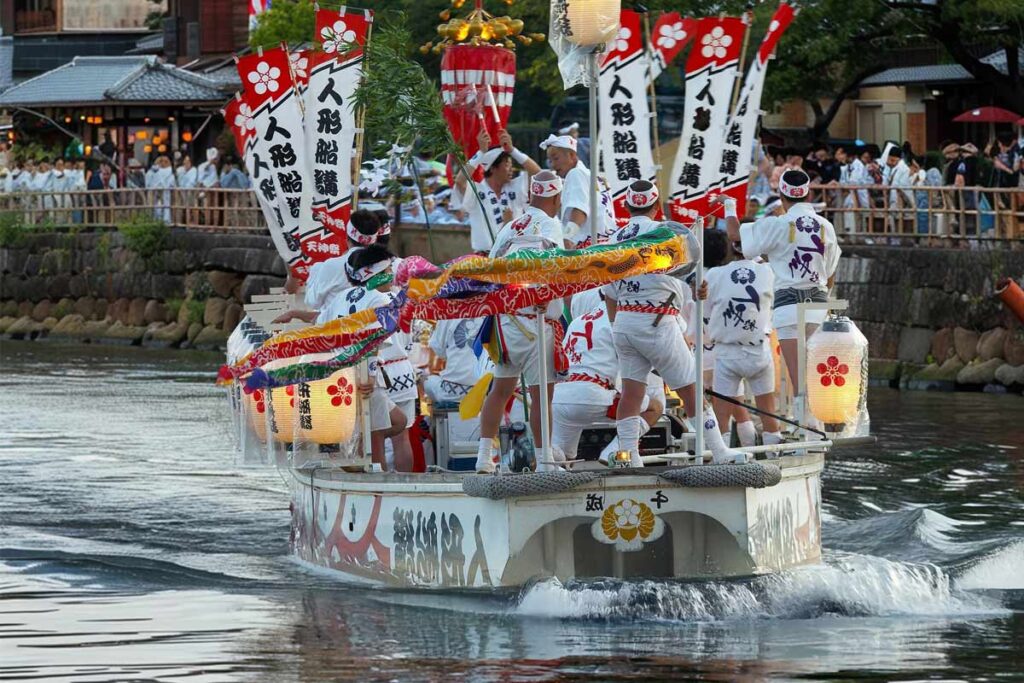
- Tenjin Matsuri
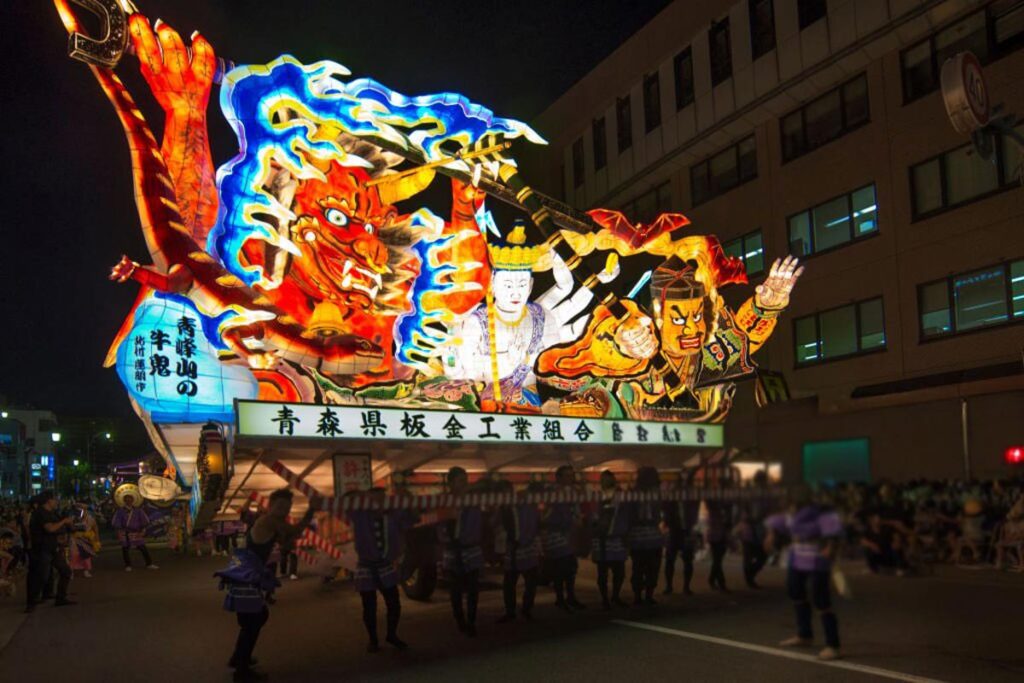
Aomori
- Nebuta Festival
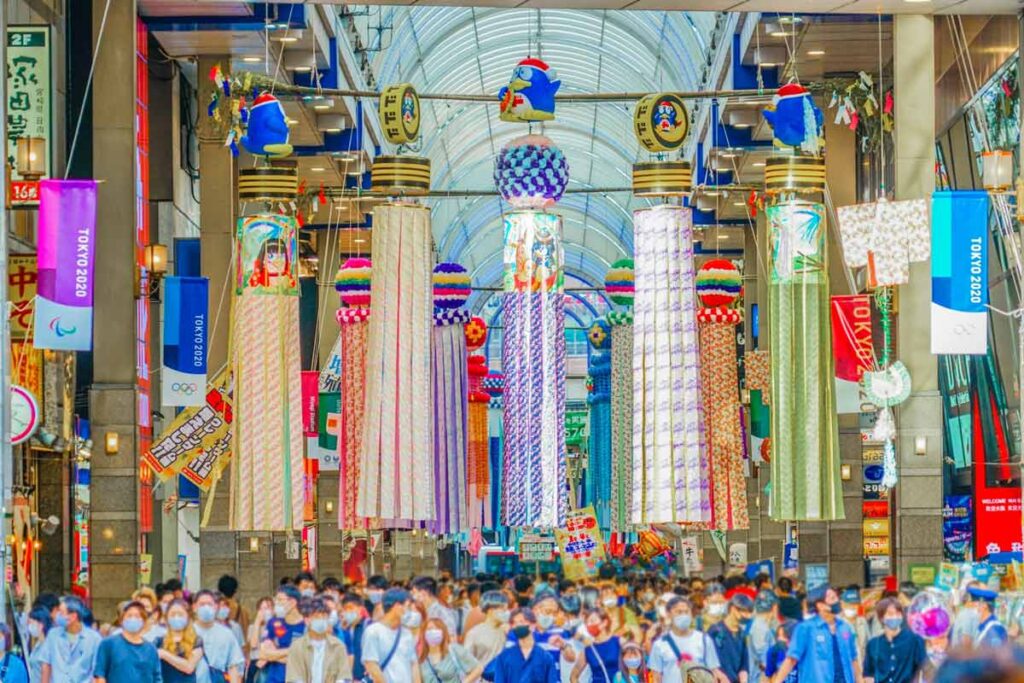
Sendai
- Tanabata Festival
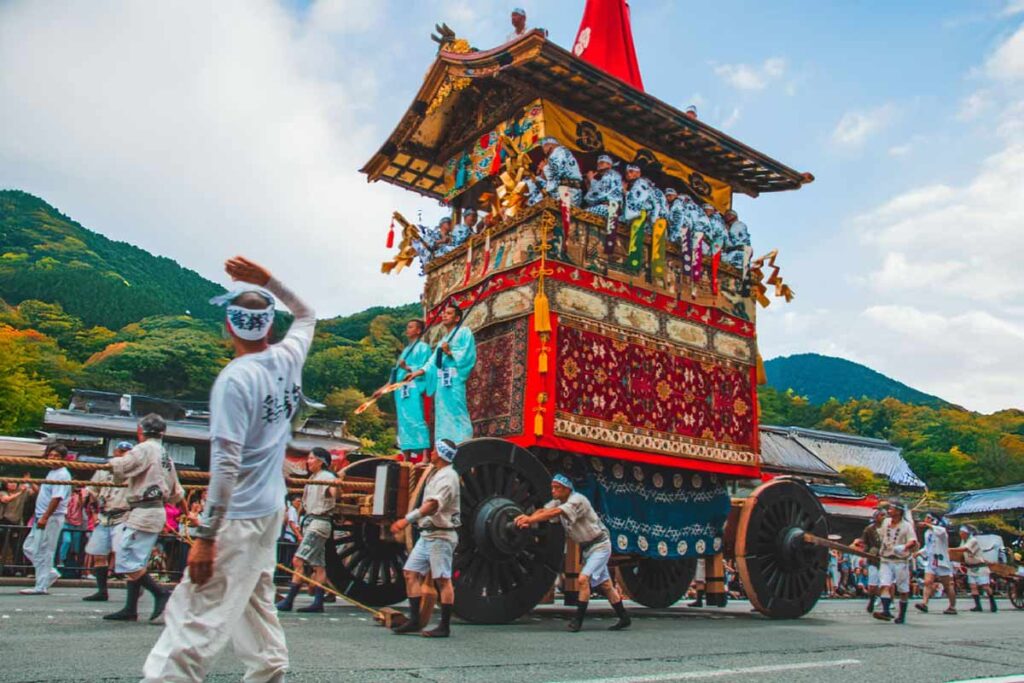
Kyoto
- Gion Matsuri
Other Seasonal Spot
Cherry Blossoms
Autumn Leaves