


Kyoto International Manga Museum
Kyoto International Manga Museum: A First-Timer’s Guide
Photos are for illustrative purposes only.
The Kyoto International Manga Museum is one of Japan’s most enjoyable cultural spots for international visitors, whether you are a lifelong fan of manga or just curious about this uniquely Japanese art form. Part library, part museum, part community space, it offers a relaxed and hands-on way to understand how manga influences daily life in Japan.
What Is the Kyoto International Manga Museum?
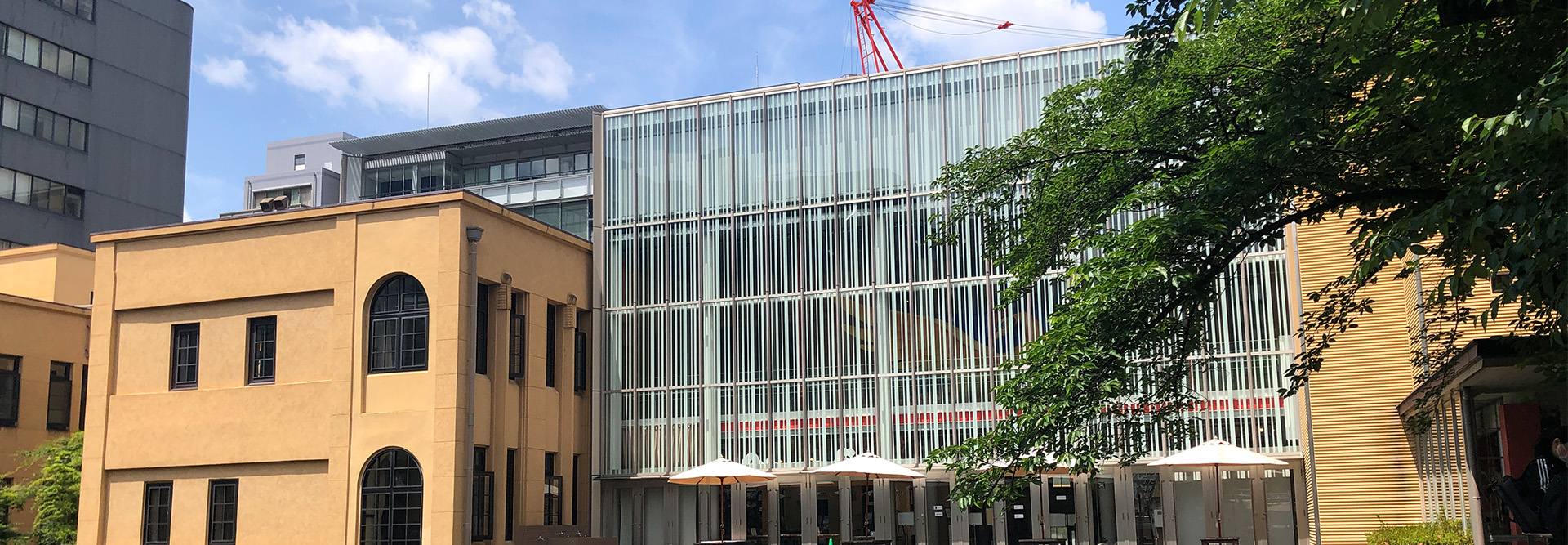
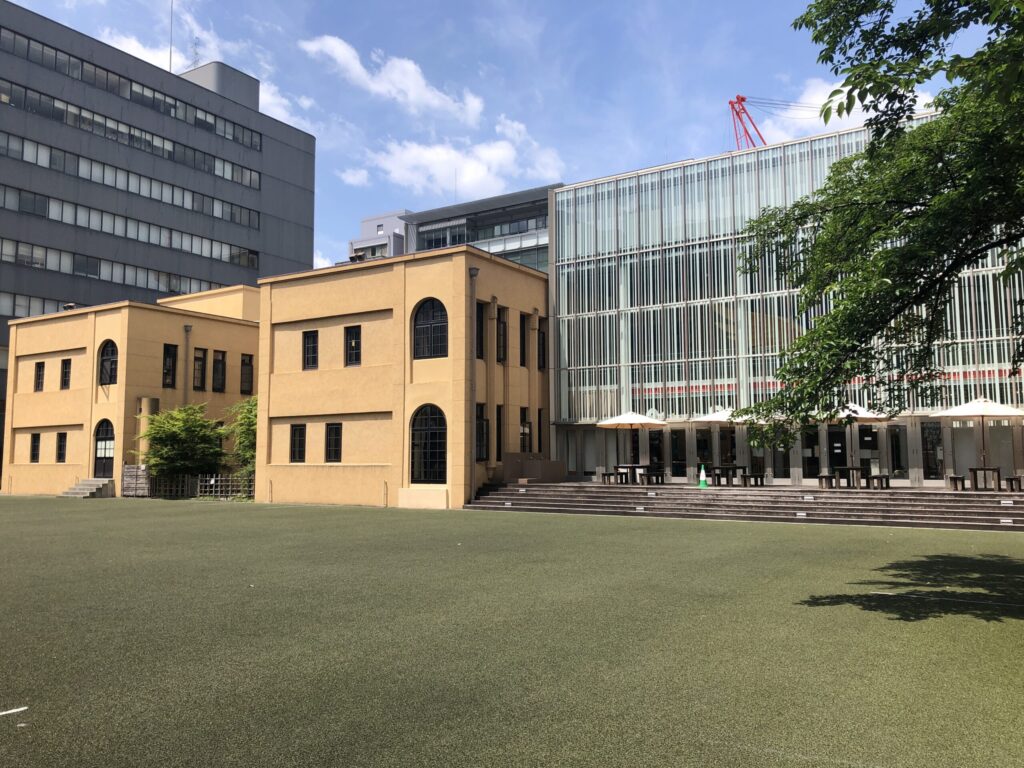
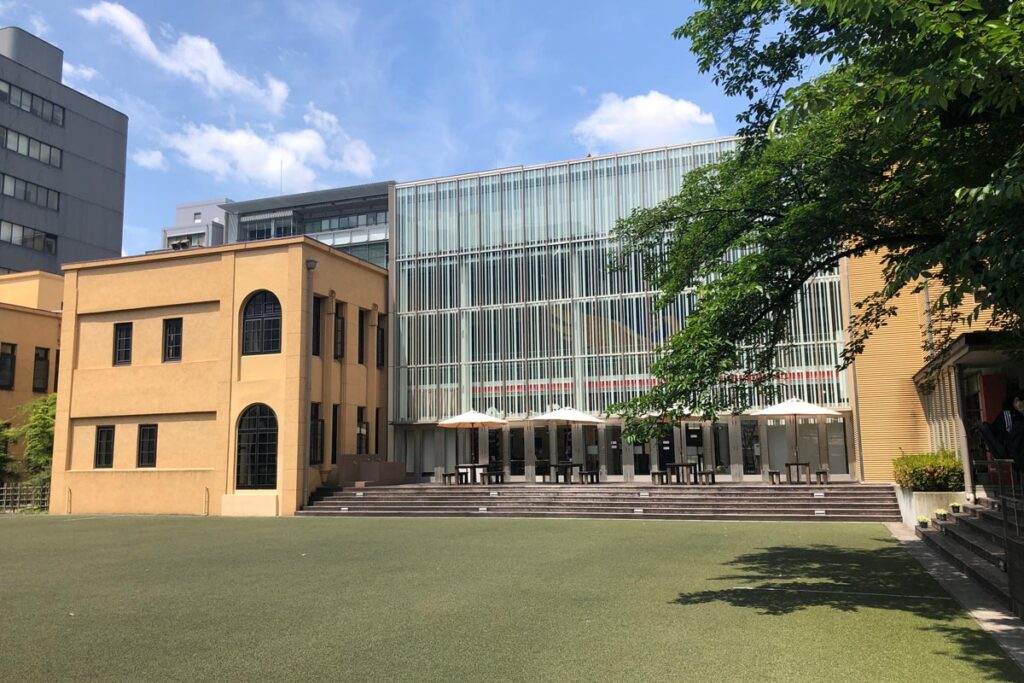
Opened in 2006, the Kyoto International Manga Museum is a collaboration between the city of Kyoto and Kyoto Seika University, which is famous for its manga and animation programs. The museum is housed in a former elementary school, and many of the original features remain, including the wide corridors and classroom-style rooms. This gives the museum a nostalgic, slightly retro atmosphere that Japanese visitors often describe as natsukashii – a warm sense of nostalgia.
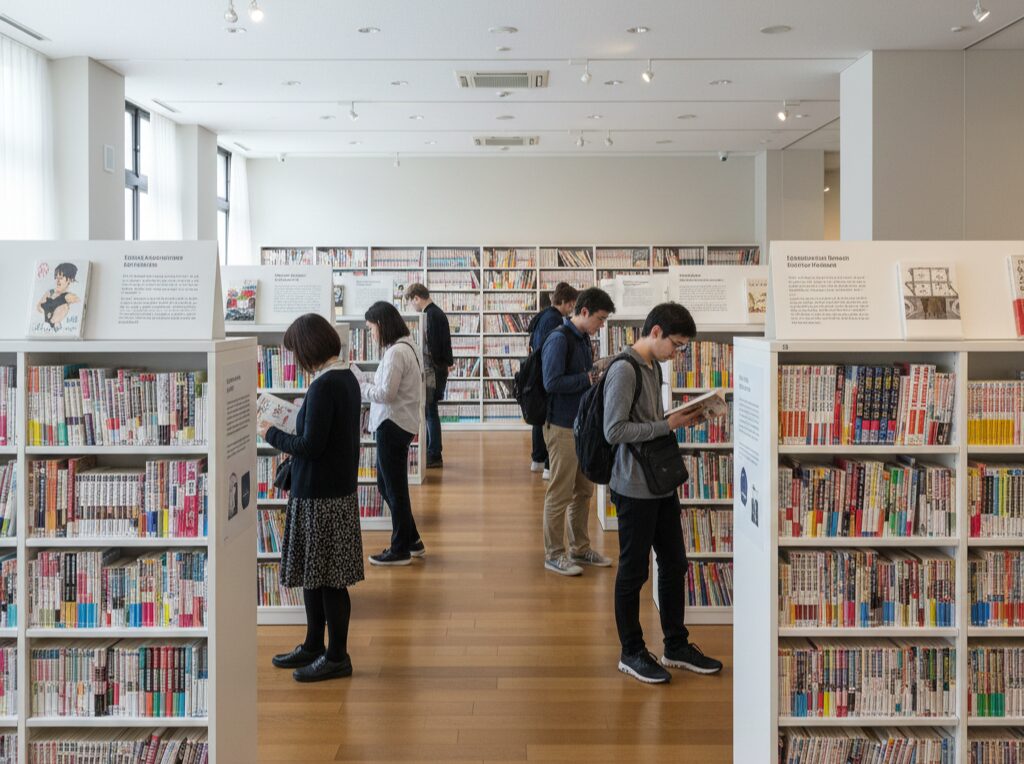
Rather than a quiet, formal museum where you only look at exhibits, this space invites you to sit down, pick up a book, and read. Thousands of manga line the walls from floor to ceiling. You will see families, students, couples, and travelers all doing the same thing: relaxing with a stack of comics.
Highlights and Unique Features
The “Manga Wall” and Massive Library
The museum’s most striking feature is the so-called “Manga Wall.” Corridors on all three floors are lined with shelves holding tens of thousands of manga volumes. These are mainly in Japanese and arranged by decade and genre, giving a visual history of how the art form has changed from the postwar years to the present.
Visitors are free to pull out any volume and read it on the spot. You will see people sitting on the floor in the corridors or beside the windows, completely absorbed in their books. The building’s central lawn is also a popular reading spot when the weather is pleasant.
International Manga Corner
For travelers who do not read Japanese, the International Manga Corner is essential. This section gathers manga translated into various languages, including English, French, Spanish, and others. You can find international hits by Japanese authors, as well as translated works from overseas artists who are popular in Japan.
Spending time here is a good way to discover how different cultures have embraced manga storytelling. Many visitors are surprised to find titles from their own countries archived in a museum in Kyoto.
Permanent and Special Exhibitions
Beyond the shelves, there are curated exhibitions that explain the history and craft of manga. These displays are especially useful for first-time visitors to Japan who want cultural context rather than just entertainment.
You might find:
- Historical exhibits tracing manga from Edo-period woodblock prints and early caricatures to weekly magazines
- Original artwork, draft pages, and storyboards showing how professional manga are created
- Themed showcases focusing on a particular artist, genre, or era
Most exhibits include at least brief English explanations, making them accessible even if you are new to Japanese pop culture.
Character Portraits and Workshops
One of the most popular activities is the character portrait corner, where manga artists draw quick caricatures of visitors in manga style. You usually pay a separate fee and receive a hand-drawn portrait to take home as a unique Kyoto souvenir. This experience is especially fun for families and couples, though it is often first-come, first-served and may sell out on busy days.
The museum also hosts workshops and live demonstrations, often led by professional or student artists. These may include basic manga drawing lessons, panel layout tips, or inking techniques. Even if you do not plan to become a manga artist, watching the creative process can deepen your appreciation of the medium.
Events and Live Performances
Throughout the year, the museum organizes events such as:
- Talk sessions with manga artists and editors
- Small-scale cosplay events or themed days
- Collaborative exhibitions with foreign institutions or festivals
Event schedules change regularly, so it is worth checking current information when planning your visit. Even if no special event is taking place, the museum often has seasonal decorations or displays tied to popular series.
Understanding Manga in Japanese Culture
For many first-time visitors, the scale and seriousness of a manga museum can be surprising. In Japan, manga is not just children’s entertainment. It is a mainstream cultural form read by all ages and used to communicate everything from history and science to romance and comedy.
Weekly manga magazines sell in the millions, and popular series frequently cross into anime, film, merchandise, and tourism. Characters appear in advertising, public service campaigns, and even local government promotions. The Kyoto International Manga Museum reflects this reality by treating manga as both popular entertainment and a form of modern art.
By walking through the exhibits, you can see how manga mirrors social trends, regional cultures, and even historical events. In that sense, visiting the museum is not just for fans; it is a window into contemporary Japanese life.
Layout and How to Explore
The museum has multiple floors arranged around the central courtyard, with a relatively simple layout. Because the building is a former school, it is easy to navigate and separated into clear zones.
Suggested Route for First-Time Visitors
If you are visiting for the first time, you might explore in this order:
- Entrance and Lobby: Purchase your tickets, pick up an English floor guide if available, and check current exhibits and event times.
- Exhibition Rooms: Start with the main exhibitions to get an overview of manga history and techniques. This will make the rest of your visit more meaningful.
- Manga Wall & Reading Areas: Wander the corridors, pull out any volume that looks interesting, and experience the unique atmosphere of being surrounded by shelves of manga.
- International Manga Corner: Spend time with titles you can easily read in your own language and discover new series.
- Character Portraits & Workshops: If you want a portrait or to join a workshop, check the times early; spaces can be limited.
- Cafe & Museum Shop: Finish with a drink or snack and browse for souvenirs such as art books, postcards, and original goods.
You can explore at your own pace, but plan at least two to three hours if you want to both see exhibitions and sit down to read.
Tickets, Opening Hours, and Practical Details
Admission fees and opening hours can change, so confirm the latest information before your visit. As a general guide, the museum usually charges a modest entrance fee, with separate costs for special exhibitions or paid experiences like portraits.
The museum is typically open during the day and closed on certain weekdays, often Wednesday. Temporary closures may occur for exhibit changes or maintenance, especially in the off-season, so checking ahead can save you a wasted trip.
How Long to Spend
Allow more time if you:
- Love manga and plan to sit and read
- Want to participate in workshops or live events
- Are visiting with children who may spend longer in each room
If you are only interested in the exhibitions and a quick walk-through, one to two hours may be enough. Manga fans often stay half a day.
How to Get to the Kyoto International Manga Museum
The museum is centrally located in Kyoto, making it easy to include in a wider sightseeing plan that might also feature Nijo Castle, the Imperial Palace, or Nishiki Market.
By Subway
One convenient option is to take the Kyoto City Subway:
- Use the Karasuma Line and get off at Karasuma Oike Station.
- From the station, it is a short walk to the museum, which is well signposted.
The subway is easy to navigate even for first-time visitors. Station signs and ticket machines typically have English, and IC cards like Suica, Pasmo, and ICOCA are widely accepted.
By Bus
Kyoto’s bus network is extensive and can bring you close to the museum. However, buses may be crowded, especially during peak travel seasons such as cherry blossom and autumn foliage periods. If you are unfamiliar with Kyoto’s bus system, the subway is often simpler.
On Foot or by Bicycle
Because of its central location, some travelers choose to walk or cycle from nearby districts. Kyoto is relatively flat and many hotels in the central area offer rental bicycles. Cycling is popular among locals, but remember to park only in designated areas and follow local rules.
Tips for International Visitors
Language and Signage
While most manga on the shelves are in Japanese, key areas of the museum have English signage, especially in the main exhibitions and common areas. Staff may have limited English, but are used to overseas visitors and can usually help with basic questions.
If you do not read Japanese, focus on:
- The International Manga Corner
- Visual exhibits explaining drawing techniques and manuscript processes
- Character designs and artwork that can be appreciated without text
Photography Etiquette
Photography rules vary by area. In many parts of the museum, especially where original artwork is on display, photographing exhibits is not allowed to protect copyrights. In public spaces such as the lawn or corridors, it may be permitted, but always look for posted signs and follow staff instructions.
If you have a character portrait drawn, you are usually welcome to take photos of your own portrait after it is finished.
Behavior and Manners
As in many Japanese cultural spaces, a calm and respectful atmosphere is appreciated. Some points to remember:
- Speak quietly in reading areas so others can concentrate
- Handle books gently and return them to their original place
- Avoid bringing large luggage into narrow corridors; use lockers if available
The museum is family-friendly, but keep an eye on children so they do not run in the corridors or damage exhibits.
Accessibility
The building has been adapted to welcome visitors with mobility needs. Elevators and ramps are available in most areas, though some parts of the former-school structure may have slight limitations. If accessibility is a concern, it may be helpful to confirm details in advance or ask staff upon arrival.
Combining the Museum with Other Kyoto Sights
Because the Kyoto International Manga Museum sits in the heart of the city, it makes a good stop on a broader itinerary. Nearby attractions you might combine with a visit include:
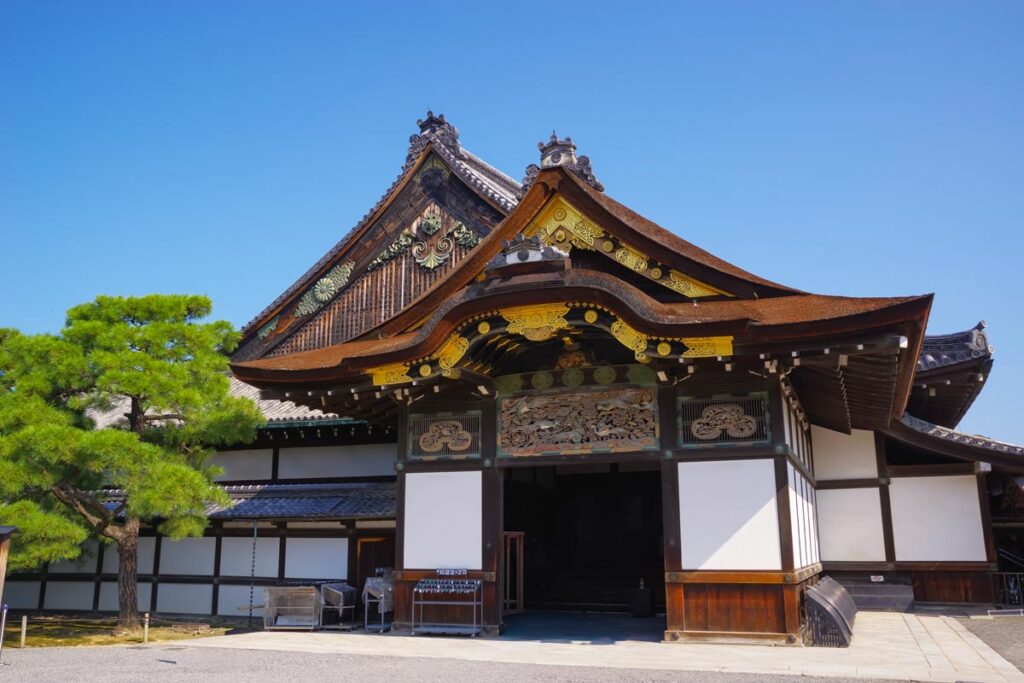
- Nijo Castle: A UNESCO World Heritage site with impressive fortifications and beautifully painted interiors.
- Kyoto Imperial Palace Park: A large, peaceful green space surrounding the former Imperial residence.
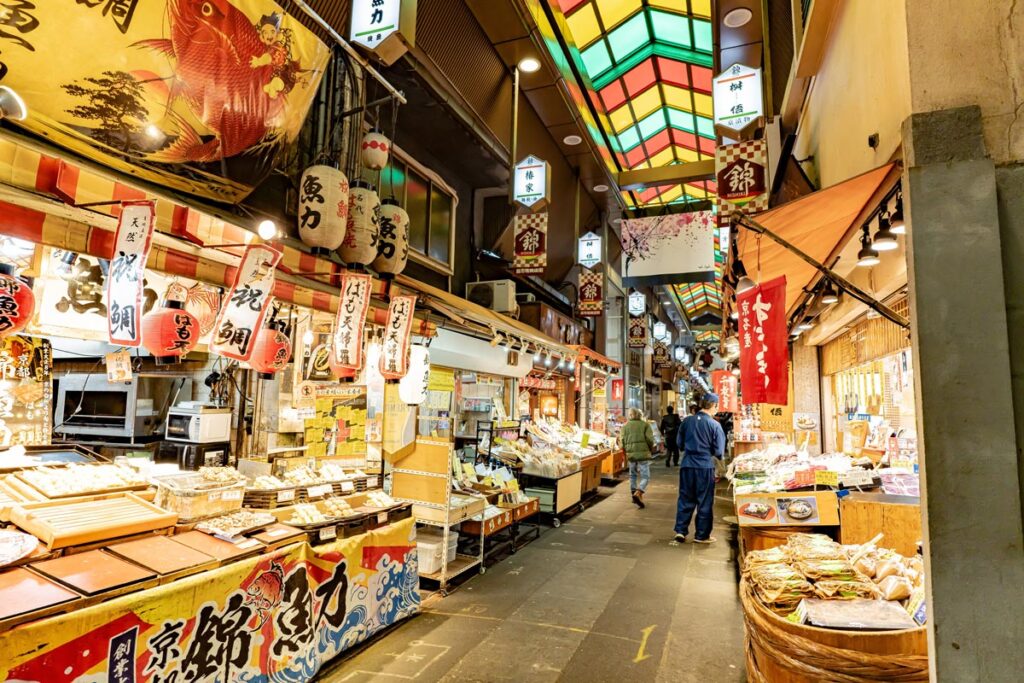
- Nishiki Market: A narrow shopping street known as “Kyoto’s Kitchen,” full of local snacks and traditional foods.
Many travelers visit the museum in the late morning, have lunch at a nearby cafe or restaurant, and then continue sightseeing in the afternoon. Since the museum offers a quieter, indoor environment, it is also a good option for rainy days or hot summer afternoons.
Who Will Enjoy the Kyoto International Manga Museum?
You do not need to be a hardcore fan to appreciate this museum. It is suitable for:
- Manga and anime fans who want to explore the roots of their favorite series
- Families seeking an engaging indoor activity that appeals to teenagers and adults
- Culture lovers interested in modern Japanese art, design, and visual storytelling
- Curious first-time visitors looking for a relaxed break from temple and shrine sightseeing
Even if you only stay for a short time, the museum offers a different angle on Kyoto: not the ancient capital of temples and geisha, but a creative city where young artists, students, and everyday readers continue to shape Japanese culture.
Making the Most of Your Visit
To get the best experience at the Kyoto International Manga Museum:
- Check opening days and exhibition schedules in advance
- Arrive earlier in the day if you want to secure a spot for portraits or workshops
- Plan at least a couple of hours to both learn and relax with a book
- Combine the museum with nearby historical or culinary spots for a balanced day in Kyoto
For first-time travelers to Japan, the Kyoto International Manga Museum offers a comfortable and approachable way to dive into one of the country’s most influential cultural exports. Surrounded by shelves of stories and the gentle buzz of readers turning pages, you will experience a side of Kyoto that is creative, contemporary, and deeply connected to everyday Japanese life.

Access Map
Recommended spots in Kyoto
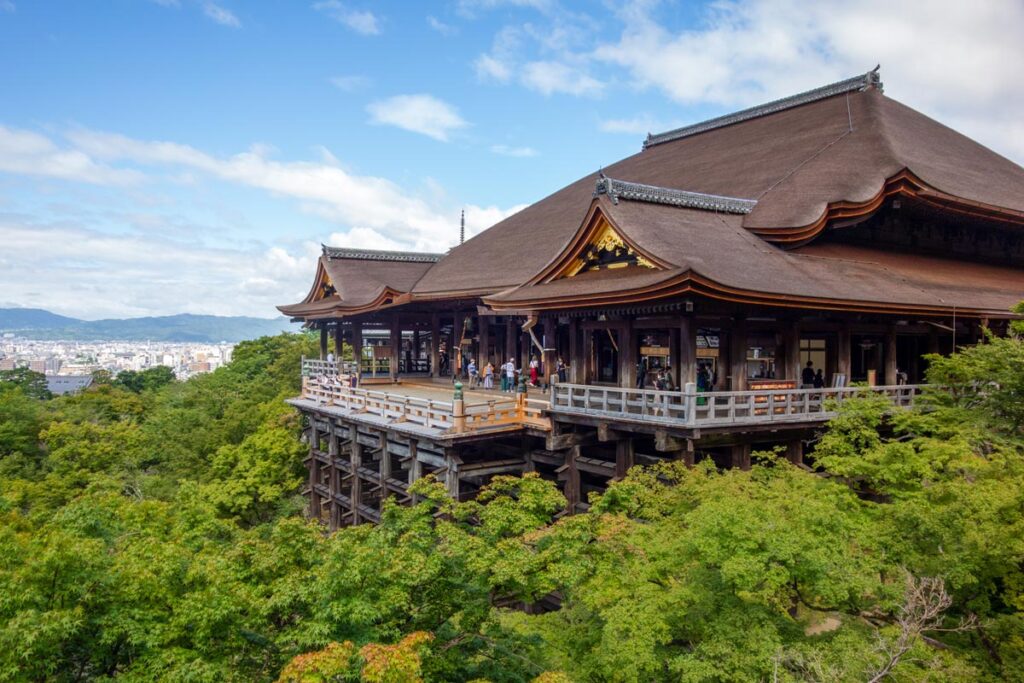
Kiyomizu-dera
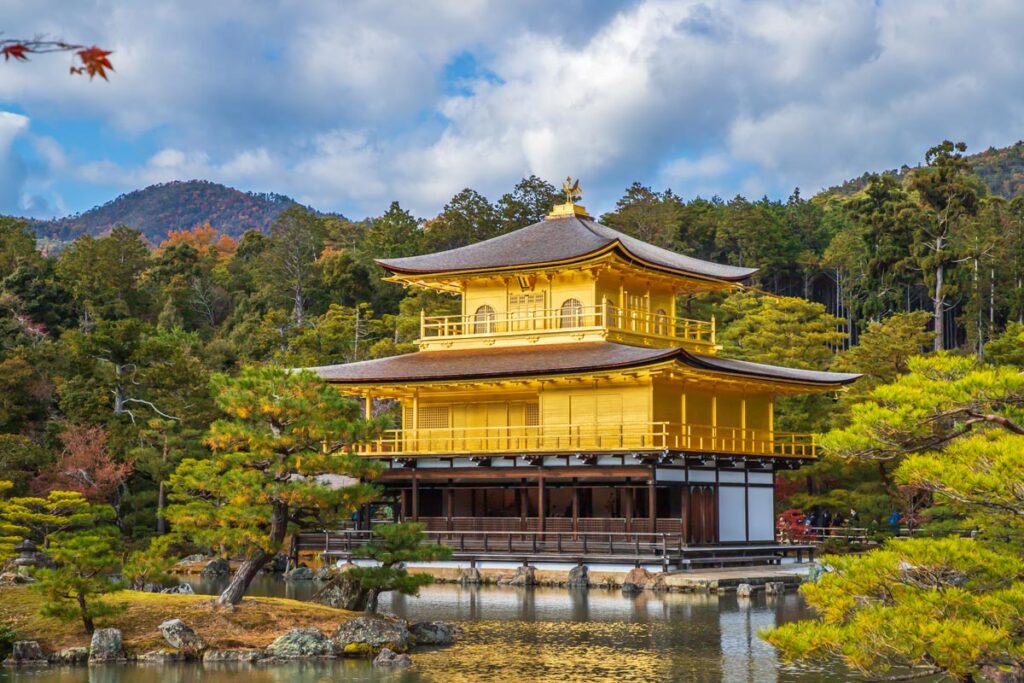
Kinkaku-ji
(Golden Pavilion)
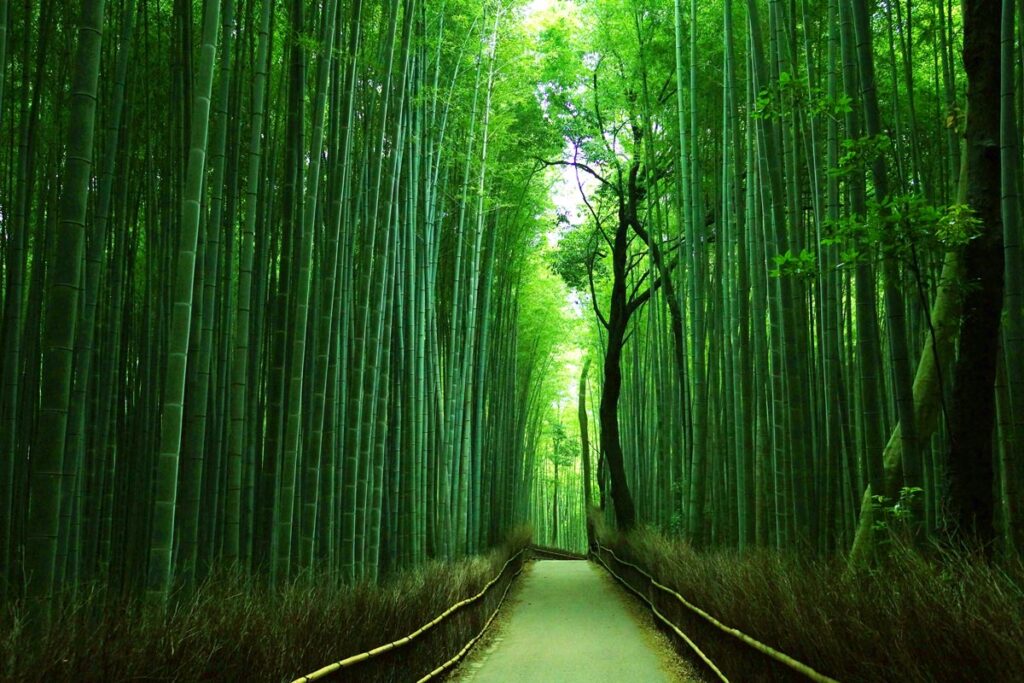
Arashiyama
Bamboo Grove
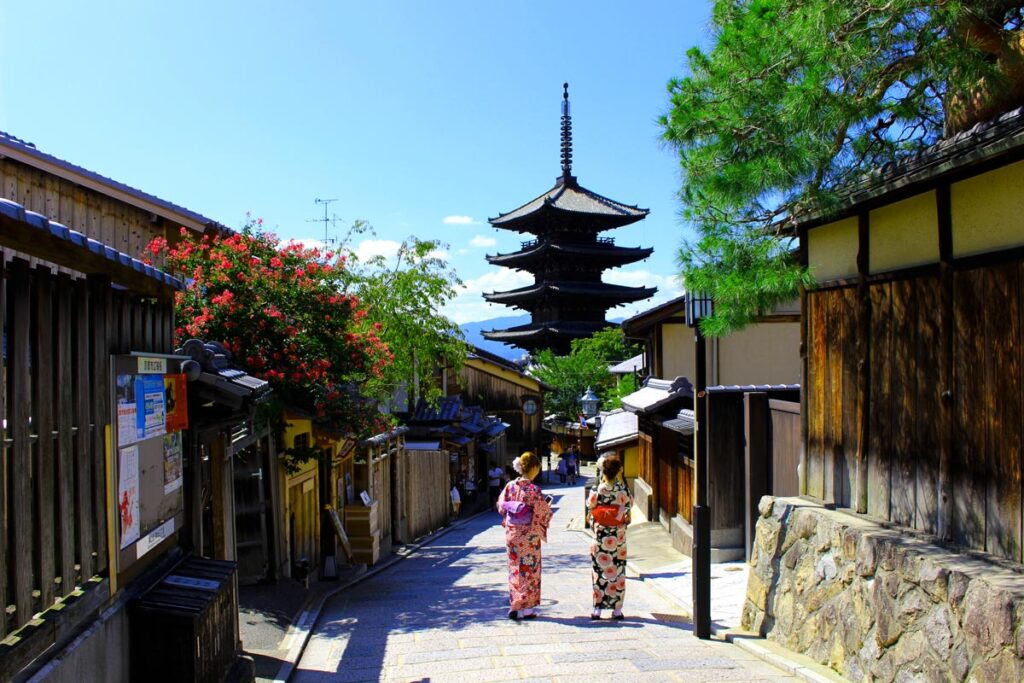
Gion
Nijo Castle
Nishiki Market
Yasaka Shrine
Tenryu-ji
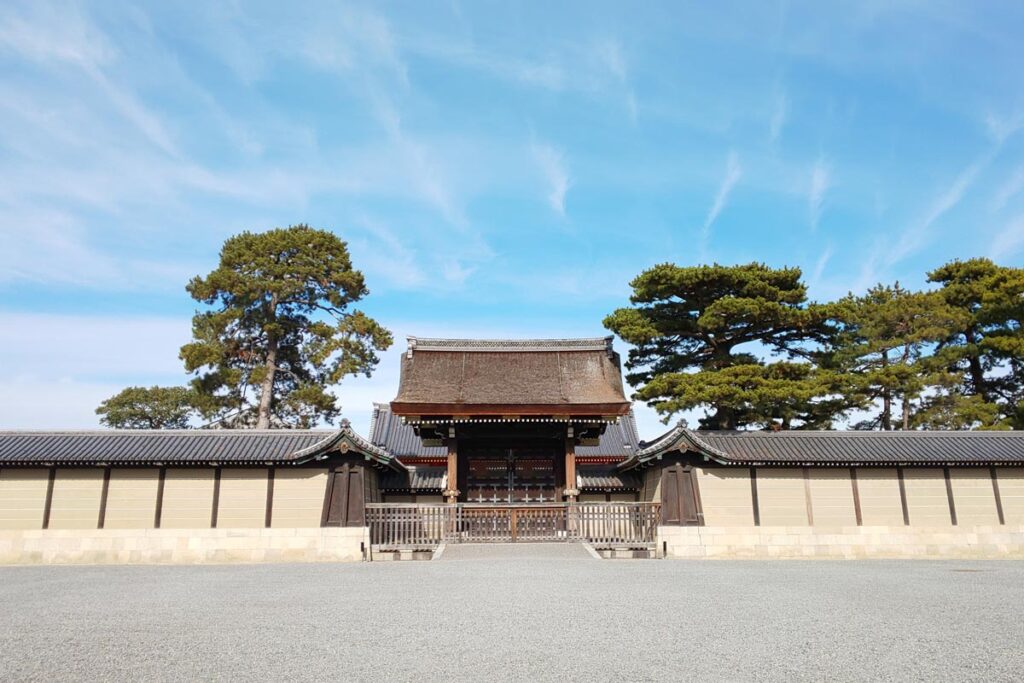
Kyoto Imperial Palace
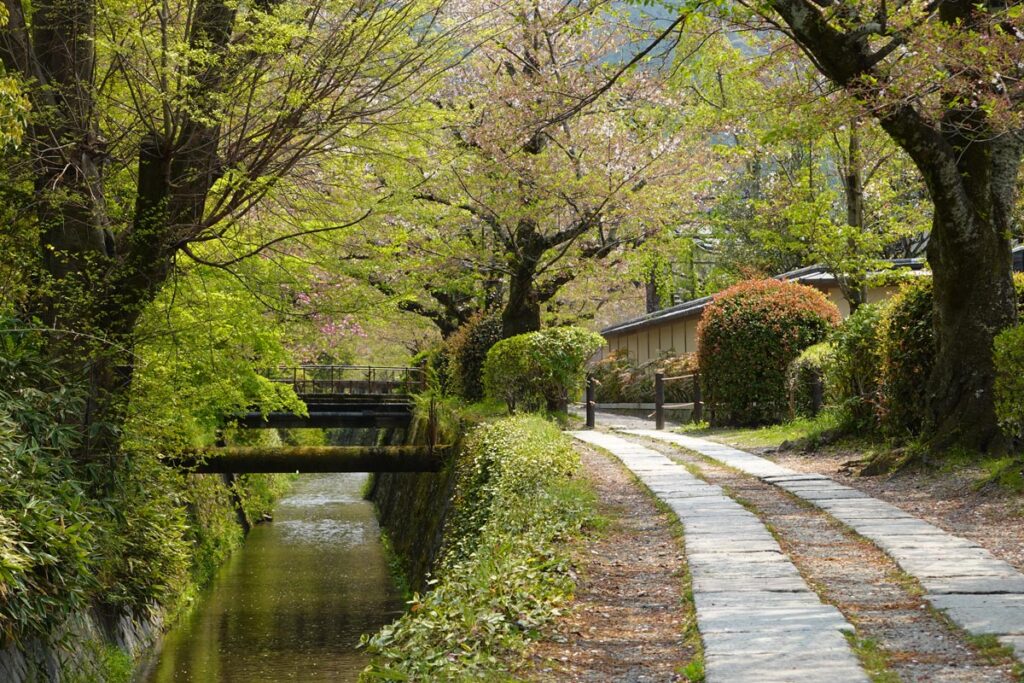
Philosopher's Path
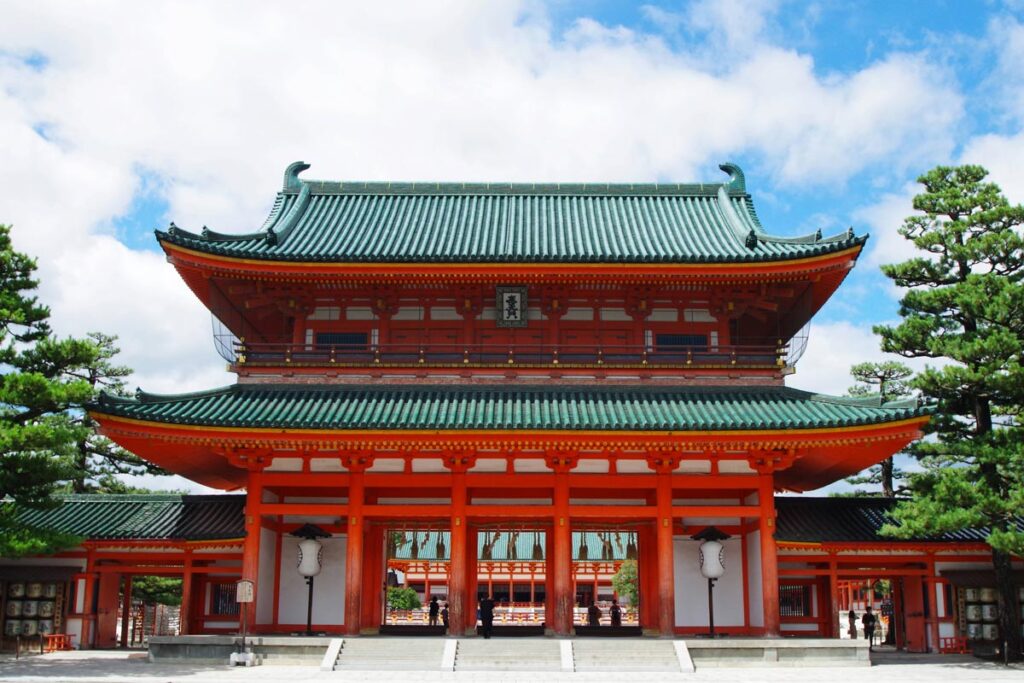
Heian Jingu
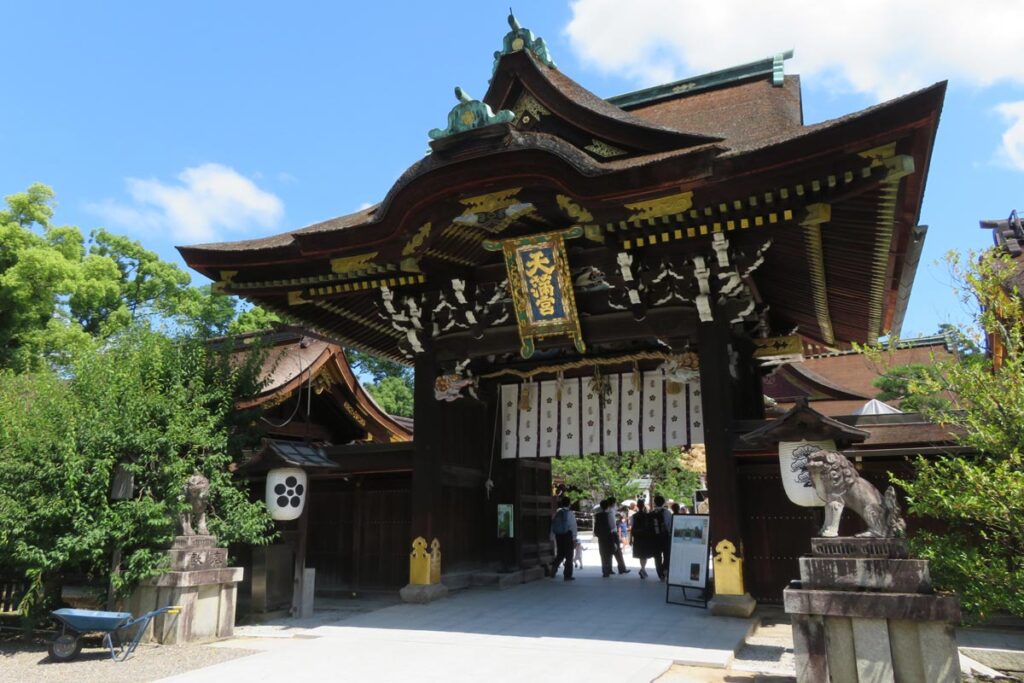
Kitano Tenmangu
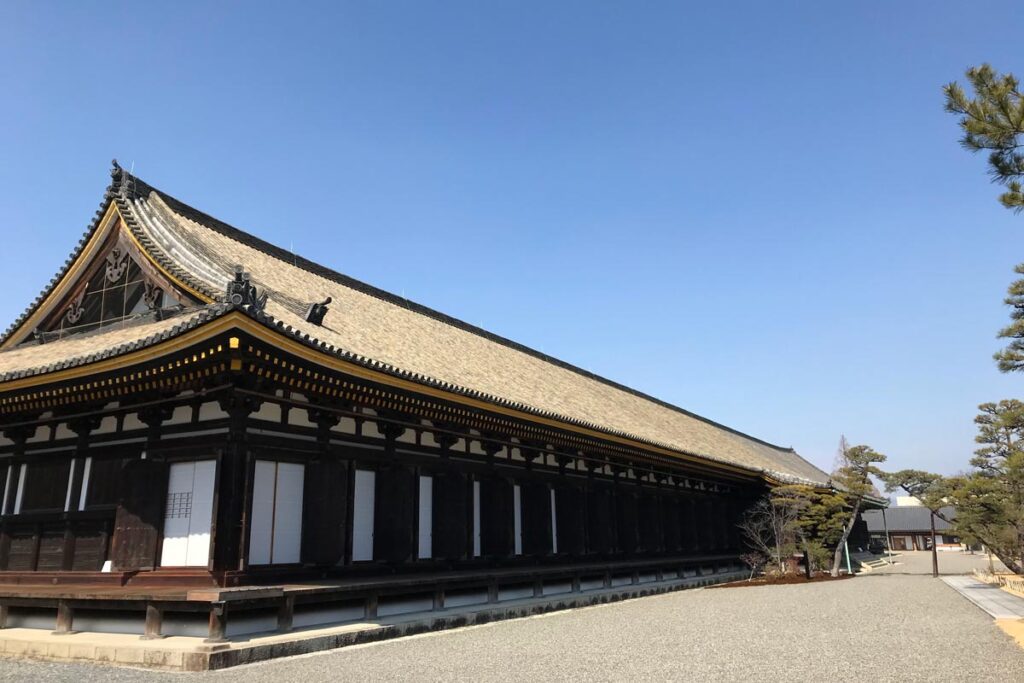
Sanjusangendo
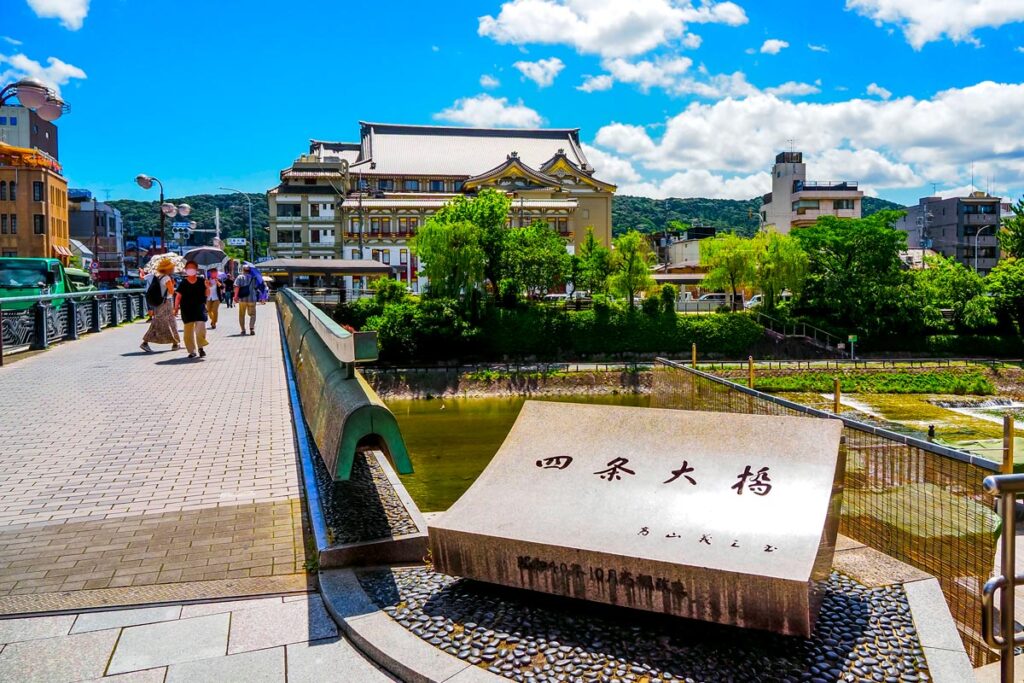
Kamo River
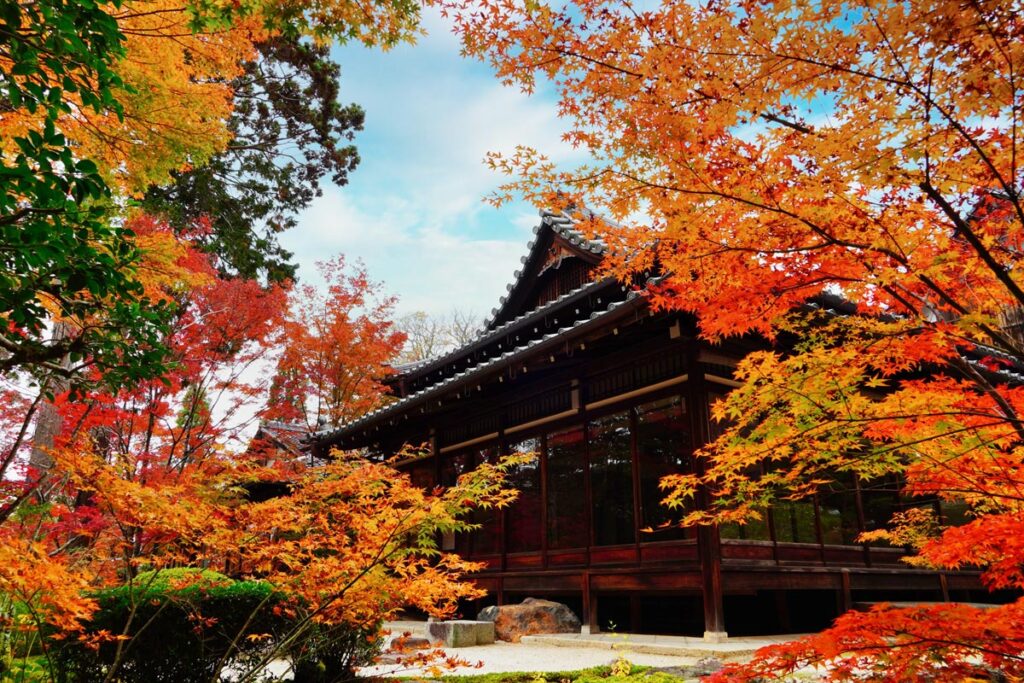
Nanzen-ji
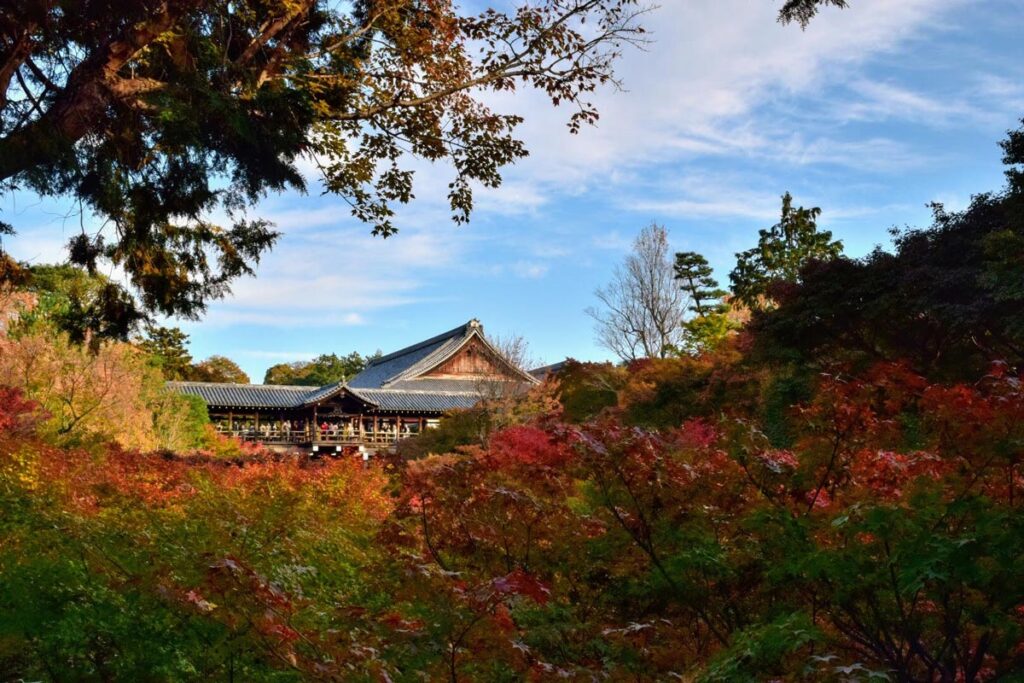
Tofuku-ji
Kyoto International Manga Museum