





Luggage Delivery Services
Luggage Delivery Services in Japan: A First-Time Visitor’s Guide
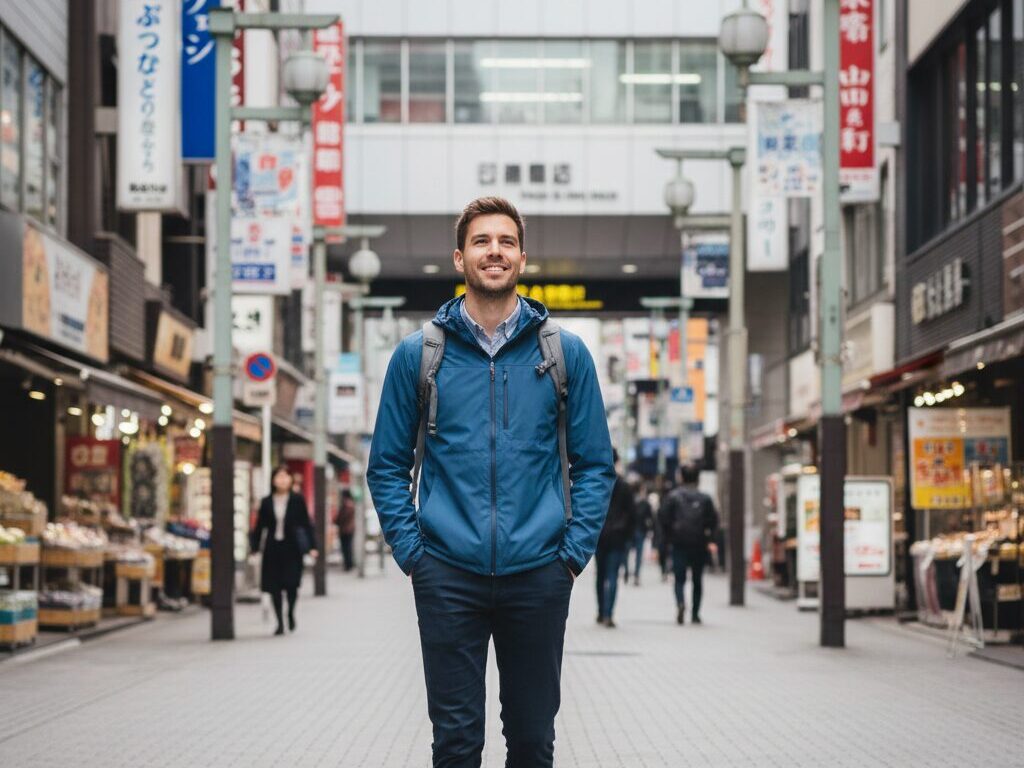
Japan is one of the few countries where you can step off a long-haul flight, hand over your suitcase, and explore the city with nothing more than a small daypack. Luggage delivery services are a quiet superpower of Japanese travel, helping visitors move freely on packed trains, navigate stations with ease, and head straight into sightseeing without detours to their hotel.
For first-time travelers, understanding how these services work can completely change your experience of Japan. This guide explains what luggage delivery is, how to use it from airports and hotels, typical prices and timings, and smart tips to make your trip smoother.
What Are Luggage Delivery Services in Japan?
In Japan, luggage delivery (often called “takkyubin” or “baggage delivery”) is a nationwide system that transports your suitcases, boxes, and sometimes even sports gear from one address to another. It can be:
- Airport → Hotel (Front desk staff must be on-site)
- Hotel → Airport
- Hotel → Next hotel or ryokan
- Home in Japan → Airport and vice versa (mainly for residents)
These services are designed to be fast, reliable, and extremely convenient. They are widely used by locals, not just tourists, which helps keep standards high and prices reasonable.
Why Use Luggage Delivery in Japan?
At first, you might wonder if luggage delivery is really necessary. But once you’ve seen a Tokyo commuter train at rush hour or tried to navigate a huge station with stairs, you’ll understand why so many people recommend it.
1. Avoid Crowded Trains With Large Bags
Trains and subways in cities like Tokyo, Osaka, and Kyoto can be very crowded, especially during morning and evening rush hours. Carrying large suitcases is not only tiring, it can also be considered inconsiderate when space is tight. Sending your luggage ahead lets you move more easily and respectfully.
2. Breeze Through Complex Stations
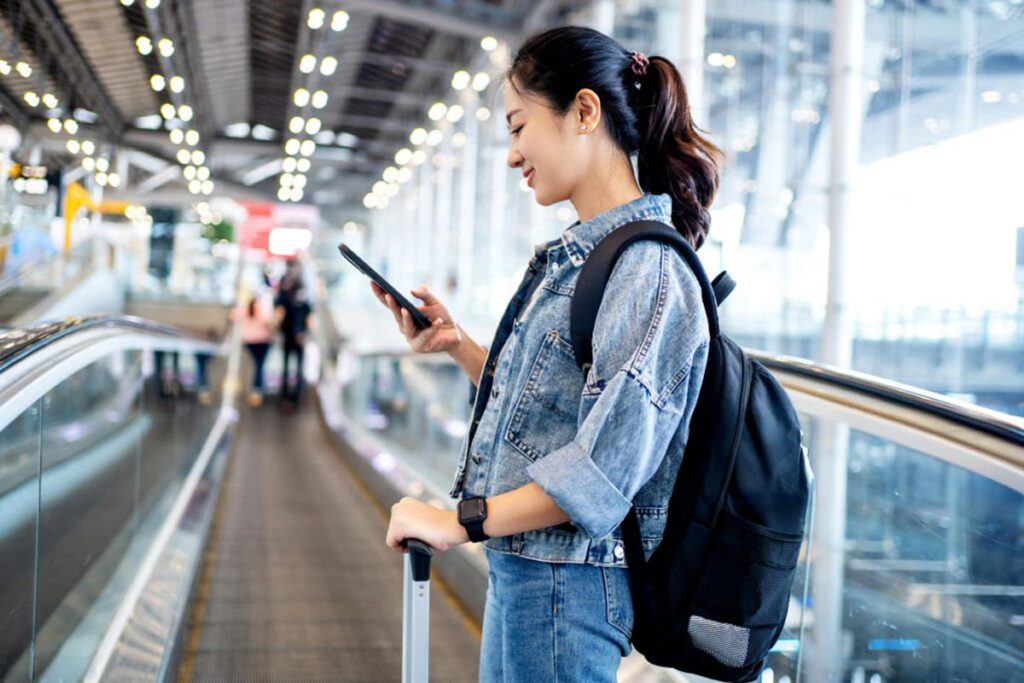
Many Japanese train stations are large, multi-level complexes with long corridors, stairs, and busy ticket gates. Some have limited elevators or escalators. Traveling with just a backpack makes transferring between trains or finding your platform much less stressful.
3. Start Sightseeing Immediately
Hotel check-in is typically from 15:00 in Japan. If your flight arrives in the morning, dropping off suitcases at your hotel may not be possible or convenient. With luggage delivery, you can go straight from the airport to a shrine, museum, or café while your bags travel separately and safely.
4. Travel Light on Shinkansen and Limited Express Trains
Japan’s bullet trains and express services have limited luggage space, especially for large suitcases. Rules have become stricter in recent years, with reservations required for oversized luggage on some shinkansen routes. Sending your biggest suitcase ahead and taking only a carry-on avoids this hassle.
5. Reduce Physical Strain
Even if you are fit, hauling heavy luggage up and down stairs, through long station passages, and along crowded sidewalks quickly becomes exhausting. Luggage delivery lets you save your energy for walking in temples, gardens, and historic districts instead.
Where Can You Use Luggage Delivery Services?
Luggage delivery is widely available wherever travelers go, especially in major cities and tourist regions.
At Airports
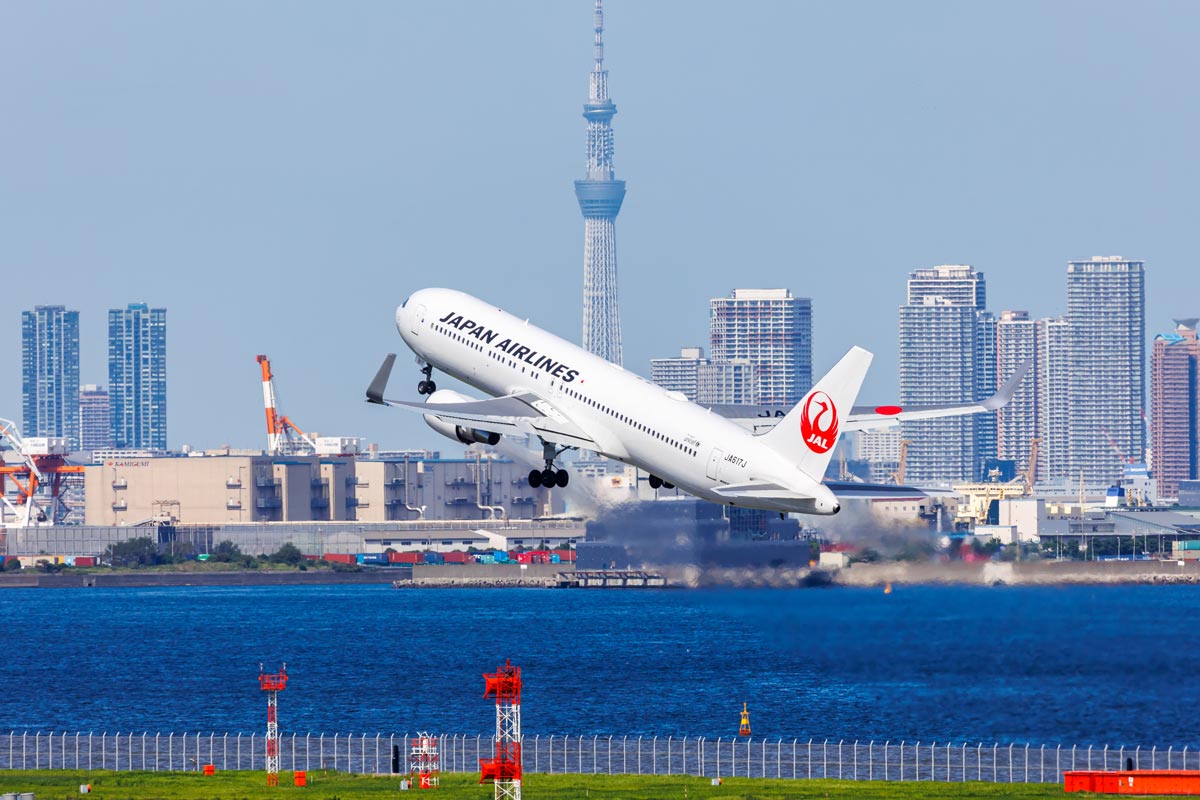
Large international airports such as Narita, Haneda, Kansai (Osaka), Chubu Centrair (Nagoya), Fukuoka, and others usually have counters in the arrivals hall operated by major luggage delivery companies. Staff often speak basic English and provide forms in multiple languages.
You can normally:
- Send luggage from the airport to your hotel or accommodation
- Send luggage from the airport to a specific address (such as a friend’s home, if you have the full address and phone number)
- Arrange return delivery from hotel to the airport via your hotel front desk for your departure day
At Hotels and Ryokan
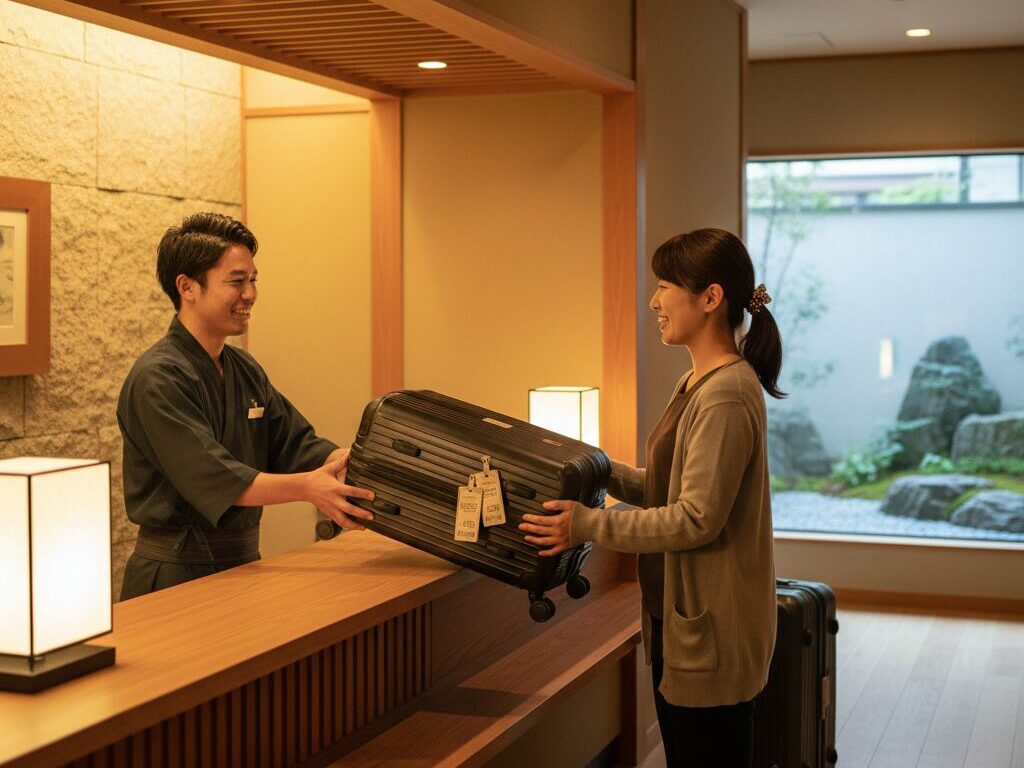
Mid-range and high-end hotels, business hotels, and many traditional inns (ryokan) offer luggage delivery at the front desk. You can usually:
- Send luggage to your next hotel in another city
- Send luggage to the airport for your flight home
- Occasionally receive luggage that you sent from the airport earlier in your trip
Staff will help you fill out the form, take payment, and attach labels. At some properties, a small service fee may be added on top of the delivery charge, but this is usually modest.
At Convenience Stores and Service Counters
Big convenience store chains such as 7-Eleven, Lawson, and FamilyMart sometimes offer luggage delivery drop-off services, depending on the region. This option is primarily used by residents, but tourists can use it too if you are comfortable filling in forms and communicating simple details.
How Luggage Delivery Works Step by Step
Although different companies operate these services, the overall process is similar. Here is what to expect.
1. Decide What to Send
Most services accept standard suitcases, duffel bags, backpacks, and boxed items. There are usually size and weight limits, such as a maximum combined length + width + height and a weight limit per item. These are typically enough for regular checked luggage, but oversized sports equipment may require special arrangements.
Avoid putting valuables, passports, cash, or fragile items in your shipped luggage. Keep medicine and daily essentials in your daypack in case of delays.
This service cannot be used if the destination address is uncertain or if the delivery address is an apartment where no staff is on-site. Recently, there have been unmanned reception desks at apartments where you check in using a PC pad, so be sure to check if you are sending to a location other than a hotel.
2. Go to a Counter or Front Desk
At an airport, look for clearly marked luggage delivery counters. At hotels and ryokan, ask the front desk about “luggage delivery” or say “takkyubin, please.” Many staff are used to international guests and will understand what you need.
3. Fill Out a Delivery Slip
You will complete a form with:
- Destination name (e.g., hotel name or person’s name)
- Full address in Japan, including postal code
- Telephone number (hotel phone is fine)
- Preferred delivery date, and sometimes a time slot
- Sender name and contact details
Many forms include English translations or sample filled-in versions. Hotel staff can usually write the address and phone number for you in Japanese characters.
4. Pay the Fee
Charges are based mainly on distance and size. While prices vary, a single medium-sized suitcase between major cities often costs roughly the same as a simple restaurant meal. You usually pay on the spot in cash or by card, depending on the counter.
5. Receive a Tracking Slip
The staff will tear off a section of the form with a tracking number. Keep this safe. You can use the number on the company’s website to check your luggage status, sometimes with an English-language interface. If there is any issue, your hotel can help contact the delivery company.
6. Pick Up at Your Destination
At hotels, your luggage is normally held at the front desk or luggage room. Give your name and show your room key or passport if requested. In many cases, your suitcase will already be waiting in your room when you arrive, especially if you arrive in the evening and sent it the previous day.
Delivery Times and When to Send
Understanding timing is important so you are not left without clothes or essentials.
Same-Day vs. Next-Day Delivery
Within the same city or nearby prefectures, same-day delivery is sometimes available if you send your bags early in the morning and pay a premium, but this is not guaranteed everywhere. For most travelers, next-day delivery is the standard.
Between more distant regions—for example, from Tokyo to Kyushu or Hokkaido—delivery may take around two days, especially if you send bags later in the day or during busy seasons such as New Year’s holidays or Golden Week.
Recommended Timing for First-Time Visitors
- Airport to first hotel: If your hotel is in the same general region (for example, Narita to Tokyo), sending luggage in the morning usually means it arrives that evening or the next day. Pack a change of clothes and essentials in your carry-on just in case.
- Hotel to next hotel: Send your suitcase one day before you move to the next city. Travel light on the transfer day with only a backpack.
- Hotel to airport: Arrange delivery so that your suitcase arrives at the airport on the morning of your departure or one day before. Confirm with your hotel how many days in advance you need to send it.
What Does Luggage Delivery Cost?
Fees vary by company, region, and size, but in general, luggage delivery in Japan is considered good value for the convenience it provides.
As a rough guideline for standard suitcases:
- Short distances within the same region: modest cost per bag
- Longer distances (for example, Tokyo to Kyoto/Osaka): slightly higher, but still reasonable for most travel budgets
- Oversized or heavy items: additional fees
Check at the counter or with your hotel for exact prices. Staff will usually show you a chart with size categories and regional rates before you pay.
Important Tips for Using Luggage Delivery in Japan
1. Keep Essentials With You
Assume you will not see your suitcase until that evening or the next day. Keep a small bag with:
- Passport and travel documents
- Wallet and cards
- Medication
- Electronics and chargers
- One change of clothes and basic toiletries
2. Confirm Your Hotel’s Name and Address
Before you arrive in Japan, save your hotel name, full address, phone number, and booking confirmation. Show this at the counter or front desk so staff can copy the details accurately onto the delivery slip.
3. Label Your Suitcase Clearly
Write your name and contact information on your luggage tag. This is useful even though the delivery label is attached, and it helps if a tag gets damaged in transit.
4. Be Mindful of Cut-Off Times
Counters and hotel desks have cut-off times for same-day or next-day dispatch. If you arrive late in the day, your luggage may not ship until the following morning, adding an extra day to delivery time. Ask staff when the last pick-up for the day is scheduled.
5. Avoid Packing Prohibited Items
As with air travel, there are restrictions on what you can send. Flammable items, certain batteries, and hazardous materials are generally not allowed. If in doubt, ask the staff at the counter.
6. Use Delivery Strategically for Itinerary Planning
Many travelers use luggage delivery to structure their trip efficiently. For example:
- Send your big suitcase from Tokyo to Kyoto
- Spend one or two nights in a smaller city or mountain area with only a backpack
- Arrive in Kyoto where your suitcase is already waiting
This approach is especially useful if you plan to stay in traditional inns with limited storage space or if you will be moving around by local trains and buses.
Cultural Context: Why Japan Excels at Luggage Delivery
Luggage delivery is more than a simple service; it reflects broader aspects of Japanese culture. The emphasis on punctuality, reliability, and attention to detail is clear in how carefully bags are handled and how rarely items go missing.
There is also a strong cultural value placed on making life comfortable and convenient for others. By using luggage delivery, you participate in a system designed to keep public spaces, trains, and stations orderly and easy to navigate, benefiting both locals and visitors.
Is Luggage Delivery Right for You?
For most first-time visitors to Japan, luggage delivery is worth using at least once, particularly on:
- Arrival day from the airport to your first hotel
- Long-distance transfers between cities
- Departure day from hotel back to the airport
If you are traveling with children, elderly family members, or multiple large suitcases, the convenience becomes even more valuable. Solo travelers and backpackers may use it more selectively, but even they often appreciate it on busy transfer days.
Final Thoughts
Luggage delivery services in Japan are one of the country’s most practical, traveler-friendly innovations. They allow you to step off a long journey, send your bags on ahead, and immediately start experiencing temples, neon-lit streets, and quiet gardens without the burden of heavy suitcases.
By understanding how these services work and planning your itinerary around them, you can travel more comfortably, move smoothly through stations and cities, and enjoy a more relaxed introduction to Japan. On your first trip—and every trip after—luggage delivery is a simple upgrade that makes a big difference.
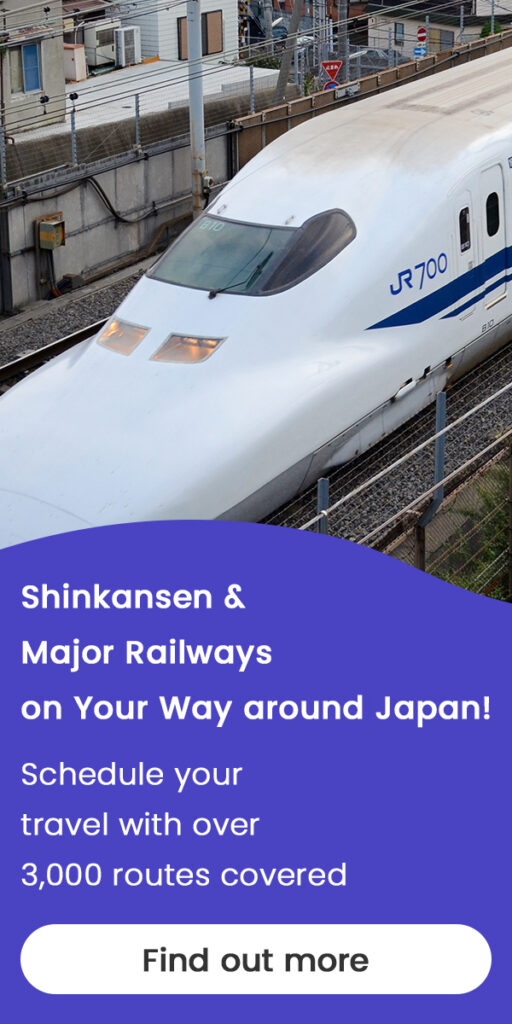
Explore Other Transportation
Google Maps Use
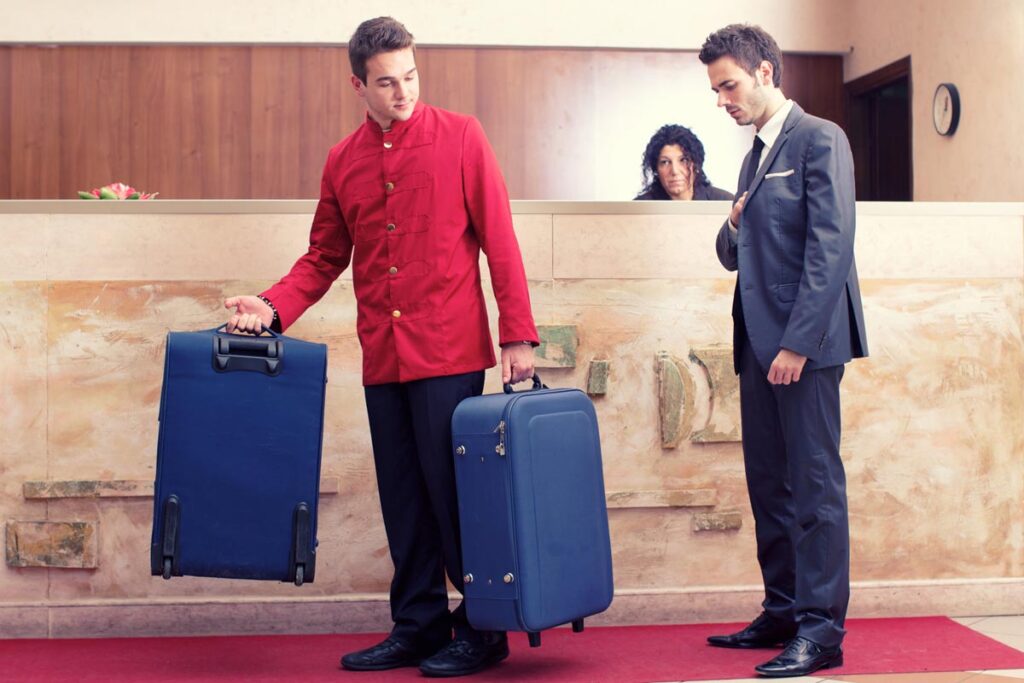
Luggage Delivery Services